WOLISSO CELEBRATES 50 NEW DIPLOMAS

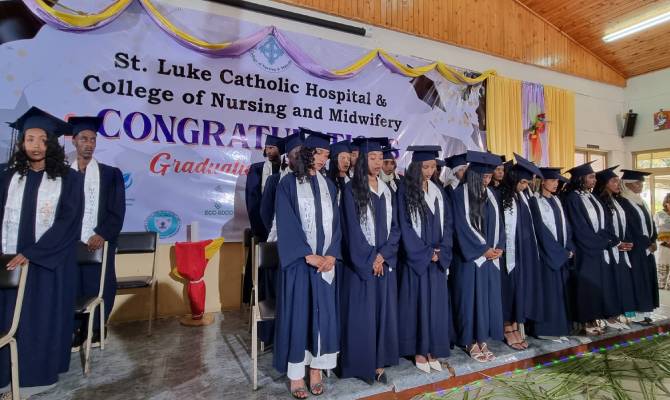
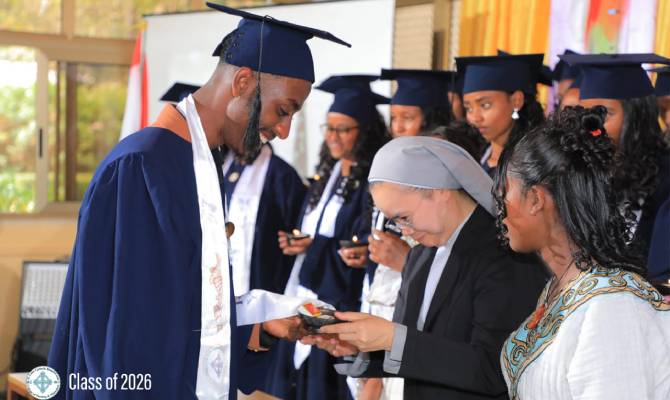
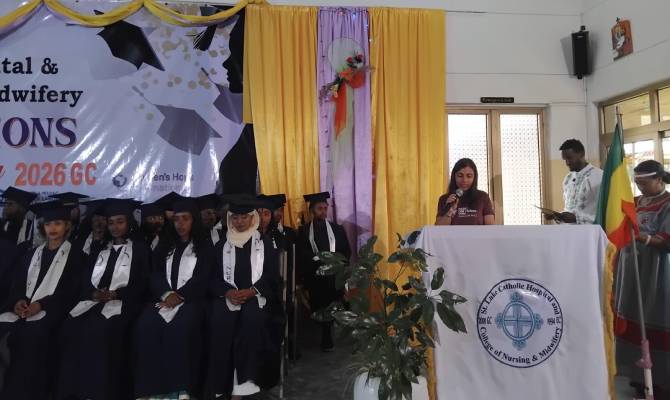
On Saturday, February 21 the main hall of the College of Midwifery and Nursing at St. Luke Hospital in Wolisso was crowded as 50 students got ready to receive their diploma. In the corridors, outside, and in that very hall, there was a festive atmosphere. The ceremony opened with Bishop Abune Lukas Teshome Fikre, who addressed the students with words of esteem and encouragement.

“Nursing and midwifery are more than professions, they are vocations of care. You are being sent into the world as instruments of healing, standing close to life at its most vulnerable moments—at birth, in illness, in suffering, and sometimes at the threshold of death. In these moments, your hands, your words, and your presence will often speak more powerfully than medicine alone.”

22 midwifery diplomas and 28 nursing diplomas were awarded to this class. For the students, it is the ending of a dream pursued and made true with dedication and passion, which, however, “does not mark the end of learning,” said Ann Christine Moscoso, General Manager of the St. Luke College of Midwifery and Nursing in Wolisso.

“Science and knowledge are constantly evolving, and to remain effective healthcare professionals, it is necessary to continue seeking new ideas, embracing new discoveries, and staying consistently updated,” she added.

Three years ago, all of them timidly walked through the gates of St. Luke college, aware of the commitment that lay ahead. Theoretical study, exercises, and clinical practice—all took place within the walls of this hospital, where Doctors with Africa CUAMM has been training healthcare professionals for over 25 years.

“This achievement is also a great joy for the entire Doctors with Africa CUAMM team, which was founded precisely as a college for students and doctors. In over 75 years of history and experience, Cuamm has remained faithful to its mission: improving the health of African communities and doing it together. This means investing in people—the people of Ethiopia, the students of the Catholic St. Luke Hospital—walking together and learning together,” said Maria Perrella – CUAMM Country Representative in Ethiopia, in her official speech.

The Wolisso School of Nursing and Midwifery opened its doors to students from various regions of the country in 2000, and since then, Doctors with Africa CUAMM has provided continuous support. The collaboration aims to increase the number of qualified healthcare professionals in the country, and so far, it has succeeded. To date, 970 diplomas have been awarded at the Wolisso School of Nursing and Midwifery, thanks in part to scholarships supported through Cuamm.

“Now more than ever, the world needs you. In moments of uncertainty, suffering, or joy—whether in the quiet of a maternity ward or the fast pace of an emergency room—you will be the calm, competence, and compassion capable of changing someone’s life. Never underestimate your role,” said Enzo FacciMedical Director and CUAMM doctor.

CUAMM’s presence at the St. Luke College of Nursing and Midwifery in Wolisso is long-standing, a solid collaboration that has grown over the years in an effort to offer a better study experience to many young people. In the last ten years, CUAMM has worked closely with Women Hope International, an international organization that also values education and recognizes St. Luke College as a high-level school. Together, they work daily to train students into qualified healthcare professionals.

The shortage of healthcare personnel in Ethiopia affects the system at all levels. The number of specialist doctors is far from sufficient, making professionals such as nurses and midwives essential to ensuring quality care.

Every year, this institution—recognized by the Ethiopian Ministry of Health and part of the professional school network of the Oromia Region—enrolls an average of 60 students: men and women ready to assist, listen, and build peace through the work of care.


A step forward for women’s health in Tanzania: the MACORESI project

In Tanzania, obstetric complications during pregnancy and childbirth are among the leading causes of maternal mortality, especially in rural areas. Obstetric fistula, particularly vesico-vaginal fistula, is a severe and often neglected condition, primarily caused by prolonged and obstructed labour without timely access to emergency obstetric care.

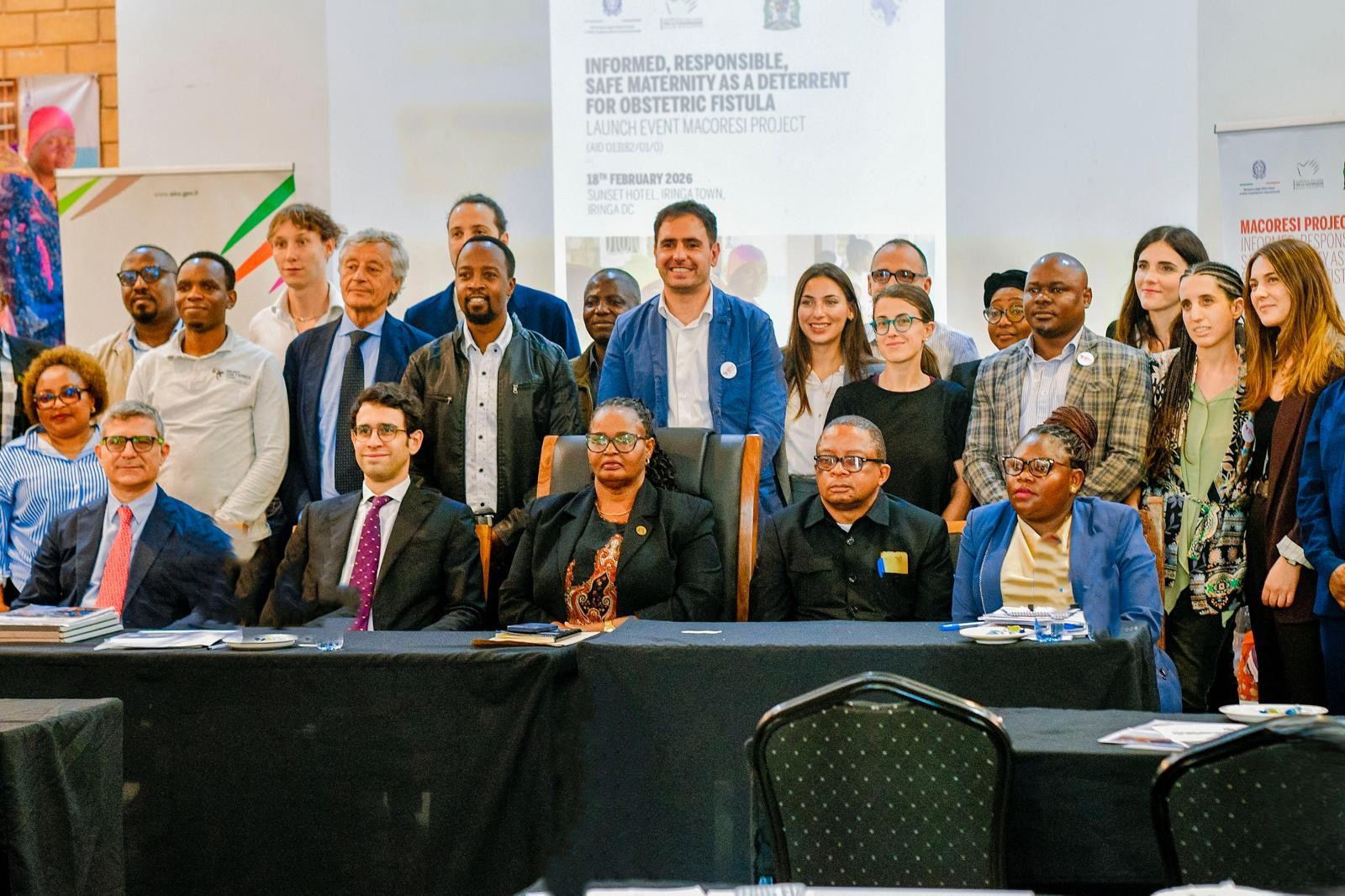
With the goal of improving maternal and reproductive health through the prevention, diagnosis, and treatment of obstetric complications—specifically vesico-vaginal fistula—the “MACORESI project – Informed, responsible and safe maternity, as a deterrent for obstetric fistula” was officially launched yesterday in Iringa. Funded by the Italian Cooperation, the project operates in the districts of Kilolo, Mufindi, and Iringa DC. The University of Campania “Luigi Vanvitelli” in partnership leads it with Doctors with Africa CUAMM, the Tosamaganga Regional Referral Hospital, the Association of Obstetric Fistula Surgeons of Tanzania (AOSFT), Iringa Development of Youth Disabled and Children Care, and the Muhimbili University of Health and Allied Sciences (MUHAS).

Regional and district authorities, hospital representatives, key stakeholders, and the representative of the Italian Agency for Development Cooperation (AICS) attended the launch event in Tanzania.

«Let today mark the beginning of a journey to reduce preventable obstetric complications, strengthen services, and restore dignity to women who need it most. Together, let us work so that every pregnancy is safe, every childbirth is assisted with quality care, and no woman is left behind», stated Paolo Razzini, AICS Representative in Tanzania.

Commitment on three levels

Through this three-year project, action is taken at three levels: clinical, community, and institutional. The improvement of services—to make them more personalized and women-centered—is coupled with the strengthening of knowledge and skills regarding sexual and reproductive health, as well as the enhancement of cooperation and coordination among the actors involved. Efforts will also focus, thanks to community health workers, on countering socio-cultural barriers and reducing the stigma associated with women’s health conditions.

The aim is therefore to strengthen obstetric care and improve the overall health and well-being of women, so that the right to health is not just an ideal, but also a daily reality.

«Health is every woman’s right», stated the Regional Medical Officer. «Thanks to this project, we will place community health workers at the center of our strategy to prevent, detect, and ultimately eliminate obstetric fistula in Tanzania».

Call for expression of interest

The International NGO, Doctors with Africa CUAMM is launching a call for Expressions of Interest to pre-qualify interested and eligible service providers to be enrolled in its vendor list for the provision of future Design and/or Build Work.

01 Call for EOI Notice_rev_ext
ANNEX Ia – Declaration of Honour 
Annex II & III – Legal and Technical requirements_rev – Copy
ANNEX IV – Legal Identity form
ANNEX V – Financial Identification 

Tender for the rehabilitation of different health posts

Doctors with Africa CUAMM, under the project titled “Multi sectoral intervention to improve access to health of vulnerable community in Hamer district – (Project – IMPACT) – AID12669” is pleased to inform you that your company has been invited to take part in a Simplified Procedure to carry our construction work for rehabilitation of different health post in South OMO zone, Hammer Woreda, Dimeka Town.

01 Invitation form_rev

02 Contract Notice_rev

03 Instructions to Bidders_rev

ANNEX I -Tender Form  

ANNEX Ia – Declaration of Honour

ANNEX II – Legal Identity form

ANNEX III – Financial Capacity

ANNEX IV – Technical and professional capacity

ANNEX V – Financial Identification

ANNEX VI – Administrative Compliance Grid   

ANNEX VII – Evaluation Grid_rev

ANNEX VIII – Contract Form_rev

ANNEX IX – Special Conditions for Works Contract 

ANNEX X – General Conditions

ANNEX XI – Financial Offer

ANNEX XII – Checklist_rev

BOQ Health Posts_260206

BOQ Health Facilities_260206

Ethiopia: Life continues in Nguenyyiel

The Nguenyyiel refugee camp, in the Gambella region of Ethiopia, is home to over 110,000 South Sudanese refugees. In this stretch of land, where daily life is a constant challenge, the story of Nyadholi Mut Jock shines as a sign of resilience and hope.

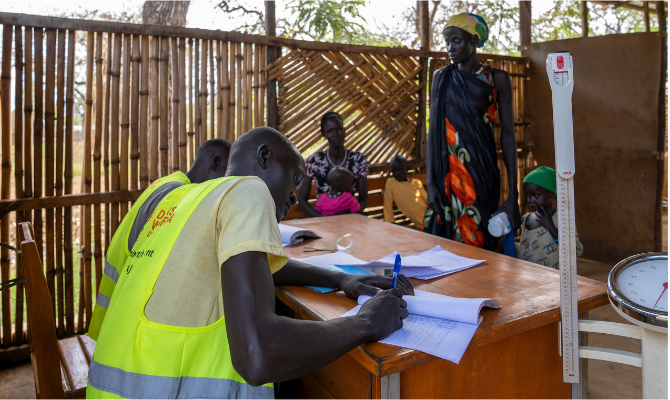
Nyadholi is 26 years old and is already a mother of four. When she discovered she was pregnant again, she felt overwhelmed by a mixture of joy and concern. In a context where access to healthcare services is limited and pregnancy-related risks are extremely high, giving birth to a child can be frightening. It was thanks to word of mouth and the support of friends that Nyadholi decided to visit the health post managed by Doctors with Africa CUAMM in Zone D of the camp.

Here, Nyadholi immediately found medical assistance as well as comprehensive support: regular prenatal visits, nutritional guidance, and information sessions to recognize danger signs during pregnancy and understand the importance of vaccinations.

“I came to CUAMM because there are professionals who offer essential services like prenatal care, vaccinations, and medication. They listened to me, treated me with respect, and explained everything,” Nyadholi recalls, emphasizing how the kindness of the staff made the difference, restoring the confidence that is often put to the test in the life of a refugee. “I am very happy with the care I received, from the community health workers to the midwives who assisted me during childbirth. They showed me great humanity,” she added.

Since 2018, Doctors with Africa CUAMM has been present in the Gambella region, providing prevention and treatment services for the refugee population and host communities. It operates in the Nguenyyiel camp, one of the largest in the area, supporting two health posts in Zones A and D. These activities are part of the project “Emergency response to the South Sudanese crisis through an integrated and inclusive approach in health, nutrition, and protection, to strengthen the resilience of South Sudanese refugees and host communities in the Gambella region, Ethiopia,” funded by the Italian Cooperation and implemented together with Plan International Ethiopia and Plan Italia.

In the last 15 months of the project, from its inception until December 2025, there were 53,476 outpatient visits, 1,246 new prenatal visits, and 153 deliveries. Furthermore, 1,136 infants aged 0-11 months completed their vaccinations, 11,391 children under 5 years of age underwent nutritional screening, and 91 cases of severe acute malnutrition and 291 cases of moderate acute malnutrition were referred. Finally, over 2,600 people were reached through awareness sessions.

“When the time came for labor, Nyadholi returned to our clinic. Thanks to the presence of qualified staff, she gave birth to a healthy boy. In that moment, holding her little one in her arms, the weight of fear turned into pure joy and strength,” says Yitages Komtu, community activities coordinator. “These services are vital for the well-being of my son and me. I feel peaceful, mentally and psychologically, knowing that we are receiving the care we need,” Nyadholi continued.

CUAMM’s commitment aims to go beyond simple healthcare: it is a tool that seeks to empower women through knowledge and awareness of their rights, thereby strengthening the entire community. “CUAMM’s activities are extremely important for me and the entire refugee community. They guarantee equitable and quality services right here, where we live every day,” she concluded with pride.

Nyadholi decided to share her story to encourage other mothers in the camp to seek help and not feel alone. Because every mother and every child, even in a refugee camp, deserves the opportunity to thrive.

Tender for Supply of Drugs, Consumables and Laboratory Reagents

CUAMM Tanzania is luanching a Simplified Procedure for the Supply of Drugs, Consumables and Laboratory Reagents to support the NCDs program in Iringa, Tanzania.

01-Invitation-form

02-Contract-Notice

03-Instructions-to-Tenderes 

ANNEX I – Tender Form

ANNEX Ia – Declaration of Honour

ANNEX II & III – Technical Specifications technical offer

ANNEX IV – Identification form 

ANNEX V – Financial offer 

ANNEX VI – Administrative Compliance Grid 

ANNEX VII – Evaluation Grid 

ANNEX VIII – Contract Form 

Annex IX – General Conditions 

ANNEX X – Special Conditions

ANNEX XI – Check List 

Bangui Paediatric University Hospital hosts ECHO’s first visit

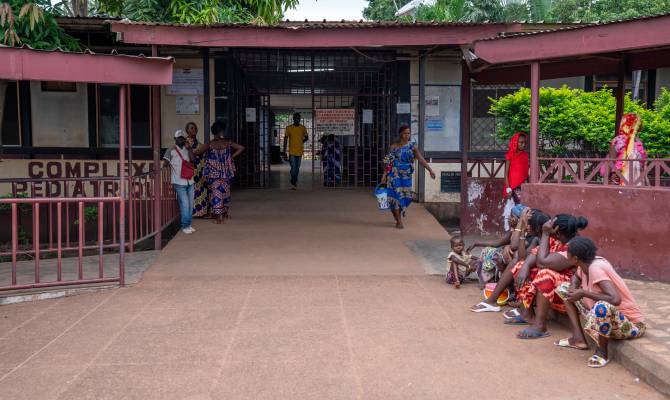
Today in Bangui, at the Pediatric University Hospital – CHUPB, we had the honor of welcoming a high-level ECHO delegation from Brussels for their very first visit, hosted by Medical Director Dr. Gody. The delegation, led by Giuseppe Angelini, Head of Western Africa, had an introductory but highly meaningful meeting: they learned about the hospital’s history, its post-crisis development, and CUAMM’s pivotal role in training health personnel and strengthening operational management. The visit concluded with a tour of the main wards, including the neonatal unit, providing a firsthand look at the tangible impact of our work on the health of the youngest patients.

CUAMM’s intervention at CHUPB began in 2018, supported by the European Union and in partnership with the NGO Action Against Hunger and the Bambino Gesù Paediatric Hospital of the Vatican. The project aimed to strengthen paediatric services in a context marked by structural fragility and recurring crises.

Since then, CUAMM’s work has focused on strengthening hospital governance, training medical and administrative staff, and improving clinical services, ensuring the availability of essential medicines, equipment, hygiene services, and maintenance, to guarantee continuous 24/7 care.

From the start of the intervention until today, CHUPB—the country’s only tertiary-level paediatric referral hospital—has treated over 437,000 children, with more than 118,000 hospital admissions. In the past year alone, data show a recovery rate of 94%, highlighting the quality of care as one of the hospital’s major achievements.

All this takes place in one of the world’s most fragile countries. According to the Human Development Index, the Central African Republic ranks among the lowest globally, alongside countries such as South Sudan and Somalia (Human Development Report, 2023). The index points to significant challenges in life expectancy, average years of schooling, and gross national income per capita, all obstacles to long-term development. Among the most vulnerable sectors are health and education, where the work of CUAMM and international partners remains essential to provide quality services to the most fragile communities.

For this very reason, Cuamm has decided to expand its commitment to ensure access to quality care for women and children also outside the capital, reaching more isolated areas. On the one hand, support for CHUPB is being confirmed, accompanying its transition toward greater administrative and financial autonomy and working to strengthen its most delicate services, such as neonatology and intensive care. On the other hand, efforts are directed toward peripheral first- and second-level facilities, supporting them in the provision of basic care and life-saving services.

From Bangui to the very last mile

While CHUPB represents the country’s first and only tertiary-level paediatric hospital, the national health system also relies on an extensive network of secondary-level hospitals, health centers with varying levels of equipment, and basic dispensaries. Supporting these facilities means ensuring access to essential health services across the territory, strengthening the system’s response capacity, and preventing delays in care.

This is particularly crucial in isolated areas, which face a degree of socio-political instability and are affected by continuous population movements, as people seek responses to their growing basic needs—demonstrating the persistence of humanitarian crisis zones.

In this context, in the Bocaranga-Kuoi district in the western part of the country, we work at Kuoi Hospital and provide support to five affiliated health centers. With only 20 beds, Kuoi Hospital is located in a hard-to-reach area where instability and insecurity compromise service delivery, including healthcare. Thanks to ECHO funding, we work daily to provide free care to pregnant women and children under five, while also offering medical and psychosocial support to women victims of violence, in close collaboration with the local NGO OFAHRD. Activities also include infrastructure rehabilitation, strengthening the emergency referral system, nutritional screenings, and vaccination campaigns.

This effort aims to strengthen peripheral health services while also improving the management capacity of the Bocaranga referral hospital, currently the only fully operational health facility in the district and under heavy pressure due to high demand for care.

Peripheral hospitals and health centers are a fundamental part of a health system that seeks to reach everyone. It is precisely in the most isolated and hard-to-reach areas, however, that healthcare needs are greatest and resources often insufficient. To meet this challenge, in collaboration with the Central African Ministry of Health, CUAMM is implementing a Performance-Based Financing (PBF) intervention, funded by the European Union, involving 59 health facilities across three districts: Bangassou, Ouango-Gambo, and Bossangoa. The goal is to encourage the use of essential health services, improve quality standards, and reduce costs for the population, while also helping to reduce inequalities and ensure quality care for the most marginalized communities.


Neglecting diseases caring for lives

Over a billion people worldwide live with a neglected tropical disease (NTD).

These are 21 different conditions caused by parasites, bacteria, viruses, or fungi, primarily affecting the most vulnerable populations in low- and middle-income countries in tropical and subtropical regions.

January 30 marks World NTD Day, established by the World Health Organization to draw attention to a global health emergency that remains largely overlooked. In Karamoja, in northeastern Uganda, these diseases are not just statistics—they are part of daily life.

“Experiencing this day here gives it an even stronger meaning,” says Sara Biagioni, an Infectious Diseases resident at Matany Hospital. “Over these months, I’ve seen just how immense the problem is. Even for someone like me, who has already dealt with these conditions in Italy, their prevalence here is evident every day. The lack of attention and investment in diseases that predominantly affect vulnerable populations and regions marked by poverty and structural challenges is also striking.”

In a rural area where livestock farming is one of the main activities and the poverty rate is among the highest in the country, the social determinants of health are particularly apparent.

“You can fully understand,” she continues, “the interconnection between human, animal, and environmental health. It becomes clear how essential a One Health approach is to address the problem.”

Sometimes, prevention starts with actions that elsewhere we take for granted.

“I have often thought, with no small amount of frustration, that even before distributing medicines, simple measures could be enough for effective prevention—like wearing shoes or other adequate footwear.”

In this area, many people walk barefoot: parasitic infections transmitted through contact with the soil can cause anemia and malnutrition, compromising children’s development and the health of pregnant women. Diseases such as tungiasis and podoconiosis—common in some areas of Karamoja—can progress to chronic lesions, permanent disabilities, and severe mobility issues, compounded by the social stigma faced by those affected.

During the days when a Ugandan organization focused on patient care worked in Matany, Sara met people waiting in line for long-awaited consultations.

“With the team, we talked about the social stigma resulting from these conditions and how it complicates people’s lives. Among the patients present, I found genuine and surprised gratitude: in discovering that someone could care for their problem, but also in seeing the improvements achieved through simple measures.”

Among the diseases she has encountered most frequently in recent months is visceral leishmaniasis, an endemic condition in this area that can be fatal if untreated. Its management, however, is complex in Matany: diagnosis is not always immediate, and treatments require prolonged hospitalization and careful monitoring.

“These challenges made me realize how important it is to have constant collaboration with local colleagues, like Julius, a key reference for this condition at the hospital, or Sister Harriet, the head nurse, who on Sundays, after mass, comes to the hospital to ensure that therapy continues even on weekends. It’s a continuous exchange where knowledge is shared, but you learn something every day.”

Every case has a face.

“I remember every face, every name,” she says. Like Alice, who wanted to go home after her first injections because she felt better and stayed only after a heated discussion, later leaving us with one of the most ironic and grateful smiles. Or Anjelina, admitted in serious condition and discharged after weeks of treatment: today, she returns to the hospital only to say hello and give thanks—her last visit she chose to do in Italian.

Neglected tropical diseases are called so because they have long remained at the margins of the global agenda. But in Matany, they have names, stories, relationships. They remind us that the right to healthcare also depends on choices—like looking all the way to the last mile, working side by side with local communities, standing alongside the most vulnerable, and bringing commitment, change, and dignity even to those suffering from forgotten diseases.

Empowering Communities: Linking Agriculture and Nutrition in Tanzania

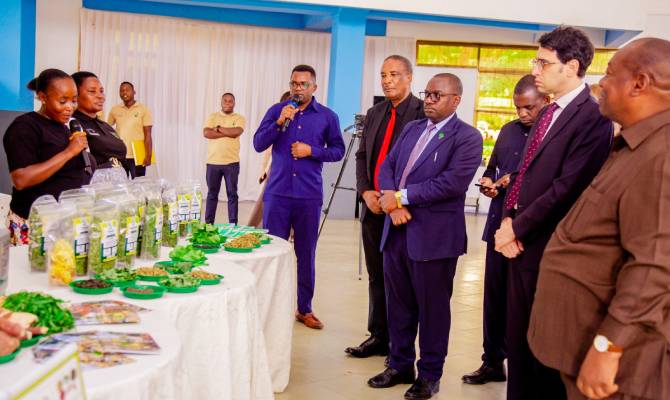
In Dodoma, Tanzania, we recently came together with partners and authorities for the closing event of the project “Diverse Food System: Improving Nutrition by Supporting Diversified and Sustainable Food Systems,” funded by the Italian Cooperation and implemented by Doctors with Africa CUAMM in partnership with LVIA, Sokoine University of Agriculture (SUA), and MVIWATA.

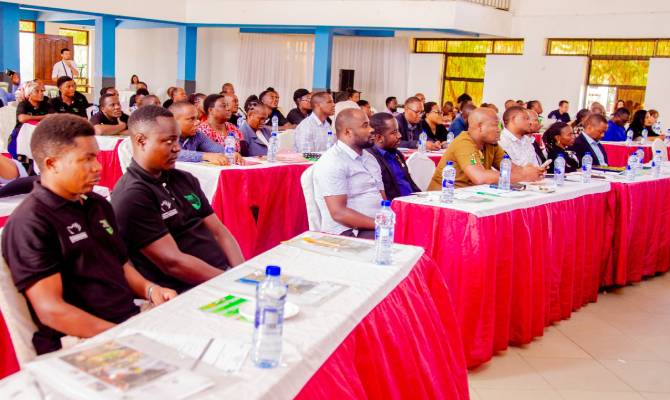
The event gathered around 120 participants, including a wide range of stakeholders, district and regional officials, hospital staff, representatives of the Ministry of Health, and the Italian Agency for Development Cooperation (AICS), under the Italian Ministry of Foreign Affairs.

Through this project, CUAMM expanded access to quality services for the management of severe acute malnutrition, strengthened the clinical skills of healthcare personnel, and provided substantial support to local authorities in addressing malnutrition at both community and district levels. At the same time, in collaboration with LVIA, Sokoine University of Agriculture (SUA), and MVIWATA, the project contributed over three years to improved nutrition outcomes—particularly for children under five, pregnant women, and breastfeeding mothers—while promoting sustainable agricultural practices that enhance community resilience and improve access to healthy, quality food.

“We are very grateful to CUAMM for supporting the government’s efforts to improve nutrition services, especially the treatment of severe malnutrition in children under five. Their partnership ensured better access to medicines and equipment while strengthening our healthcare environment. We are truly thankful for their contribution.” said Maria Haule – District Nutrition Officer from Kongwa DC. 

The event also provided an opportunity to highlight the project’s impact on approximately 110,000 people across the districts of Kongwa, Bahi, and Chamwino. As a result of the initiative, communities can now rely on empowered farmers and enhanced know-how in innovative and sustainable agricultural approaches that are essential to long-term food security.

This project represents a solid foundation for future action and regional development, fully aligned with and supportive of Tanzania’s national strategies for food security and nutritional improvement.

Supply of Food items

Doctors with Africa CUAMM, under the project titled “Multi sectoral intervention to improve access to health of vulnerable community in Hamer district – (Project – IMPACT) – AID12669” is pleased to inform you that your company has been invited to take part in the simplified procedure for the supply of Food Items in South OMO zone, Hammer Woreda, Dimeka Town.


01 Invitation form

02 Contract notice

03 Instructions to bidders

Annex I – Tender Form

ANNEX II & III Technical Specifications technical offer

Annex IV – Financial offer

ANNEX V – Administrative Compliance Grid

ANNEX VI – Evaluation Grid

Annex VII – Contract Form

Annex VIII – Special Conditions

Annex IX – General Conditions

Annex X – Check List