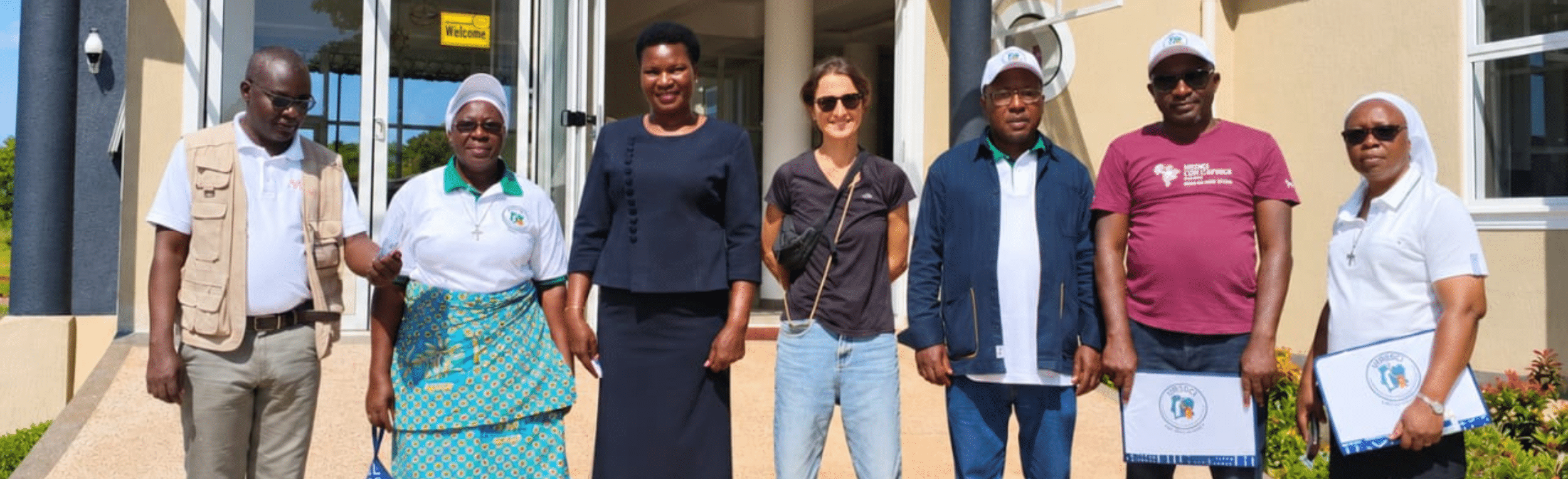
Sharing experiences to strengthen faith-based healthcare in Ivory Coast

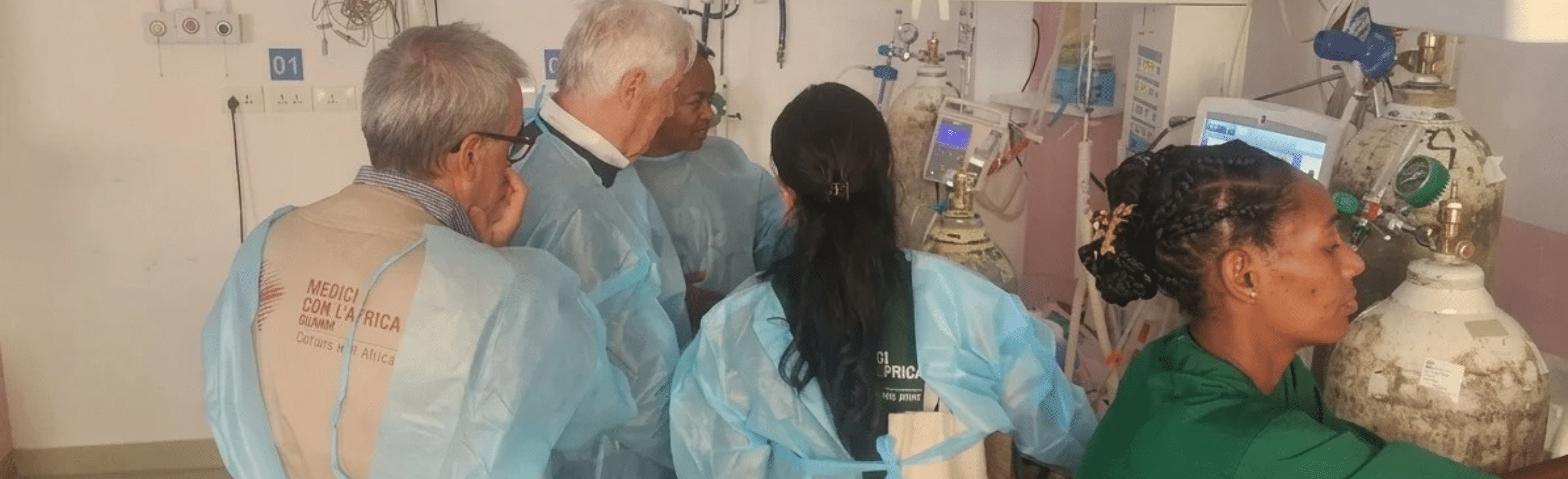
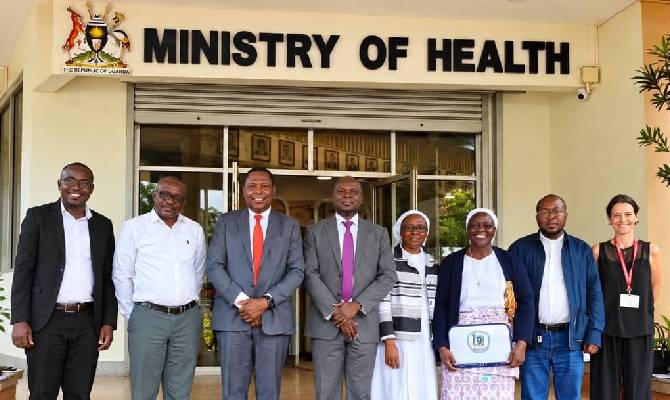
From 25 to 31 October, CUAMM teams in Ivory Coast and Uganda joined forces to organise an exchange visit bringing together representatives of the Union of Religious for Health and Social Services in Côte d’Ivoire (URSSCI), the Ivorian Bishops’ Conference, the Uganda Catholic Medical Bureau (UCMB), the Joint Medical Store (JMS) and local faith-based healthcare facilities.

The initiative aimed to strengthen the organisational and institutional capacities of Ivorian faith-based healthcare organisations by fostering the exchange of experiences and identifying effective models of public-private partnership in healthcare.

In this sense, Uganda offered a valuable opportunity for learning. Through UCMB, an established network supporting Catholic healthcare facilities across the country, participants from Ivory Coasthad the chance to explore approaches to organisational management, human resources, financial management, quality of care and collaboration with public authorities. These experiences provided useful insights for URSSCI as it works to strengthen its organisational capacity and consolidate its partnership with Ivory Coast’sMinistry of Health.

Learning also took place on the ground. Through discussions, institutional meetings and visits to healthcare facilities, participants explored six key areas of health systems: health service delivery, health workforce management, health information systems, access to essential medicines and medical equipment, health financing and sustainability, and governance and institutional leadership. The exchange provided an opportunity to examine existing practices, share challenges and identify approaches that could be adapted to the Ivorian context.

Beyond the technical discussions, the visit fostered mutual learning, dialogue and shared reflection, strengthening ties and collaboration between faith-based healthcare networks across Africa.

This exchange is part of the project “A Future for Health: Ensuring Quality Care for Mothers and Newborns in Côte d’Ivoire”, implemented by the Catholic University of the Sacred Heart in Rome, with funding from Italian Cooperation and implementation by Doctors with Africa CUAMM.
We strongly believe that strengthening faith-based healthcare organisations is essential to building more inclusive and resilient health systems. Across Africa, Faith-Based Organisations (FBOs) play a crucial role in delivering healthcare to the most vulnerable populations. Often operating in remote and underserved areas, they are on the front lines of service delivery, maintaining close relationships with local communities and responding to the needs of those who might otherwise struggle to access care.

Yet, despite their contribution, FBOs often face significant challenges, including limited supplies, shortages of qualified health workers and insufficient funding. Their services are not always adequately integrated into national health systems. Supporting these organisations therefore means investing in their institutional capacities, providing training and technical assistance, and ensuring their meaningful involvement in local health system strengthening initiatives through respectful collaboration and shared learning.

By strengthening the capacities of faith-based healthcare organisations and fostering effective public-private partnerships, the project aims to improve the quality, accessibility and continuity of maternal and neonatal care in Ivory Coast, ensuring that more women and newborns can access the healthcare they need.
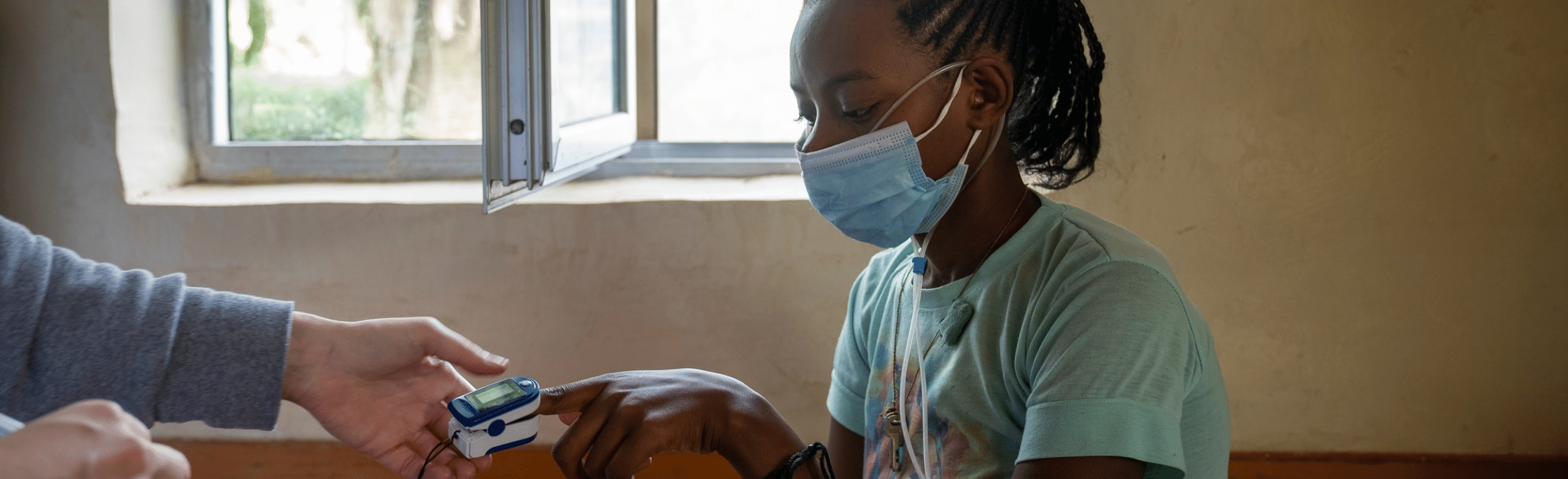
Meet Martinho, CUAMM Project Manager

“It wasn’t a vocation, nor was it something I had dreamed of pursuing throughout my years of education and training. I would say that I somehow found my way into this job. Today, however, I’m happy I did. The impact we make in the communities we work with reminds me every day that it is all worthwhile.”

These are the words Martinho, CUAMM Project Manager in Angola pronounced in our interview. We reached him by phone on a day dedicated to planning activities and administrative work. These are perhaps the least visible aspects of his job: the hours spent at his desk in the Moçâmedes office, working on project plans, organising meetings and following up on documentation.

But as soon as he steps outside the office, his work takes on a different shape.

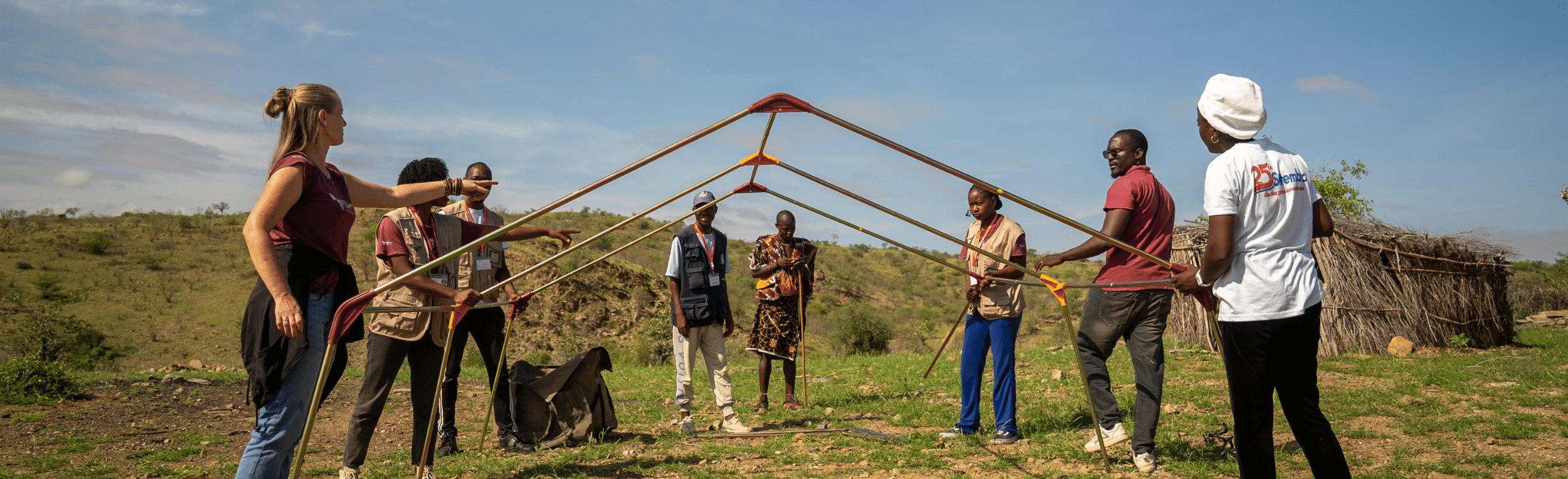
There are mobile clinics to set up, training sessions to plan and activities with communities to organise. Then there are meetings with local health authorities, discussions with partners and a team to coordinate. A significant part of his work, in other words, is about bringing together people, skills and different perspectives.

Martinho has been living in Namibe for several years. He grew up in Benguela, where he was exposed to social initiatives from an early age. It was here, in Namibe, that he took his first steps into international cooperation: first working within the FRESAN programme, then joining the CUAMM team as a Project Assistant and gradually taking on greater responsibilities.

“Being a Project Manager means overseeing every aspect of a project, from planning to implementation. And that’s exactly what I enjoy: putting into practice what, until recently, was only theory.”

Today, there is little theory in Martinho’s day-to-day work. Instead, there is a constant need to make decisions, find solutions and adapt plans to ever-changing contexts. And, above all, to work together.

“Working with others means creating spaces for exchange and discussion. It means growing together, bringing different skills together and learning from one another. At the same time, it means being flexible, meeting each other halfway, listening to and embracing different needs and perspectives. And that’s not always easy.”

Perhaps this is one of the greatest challenges of his job: not arriving with ready-made answers, but finding solutions together with the people and organisations he works alongside.

When we ask him what he thinks it takes to do this job well, Martinho pauses for a moment. Then he answers:

“You need to know how to navigate differences and be creative, finding new ways of doing things every time.”

A simple statement that captures what working in international cooperation is all about: having a project to deliver, while understanding that the way to achieve it is never quite the same. Because every context is different, every community has its own needs, and every partnership requires listening, flexibility and the ability to learn along the way.

Beshu’s journey to healing

At twelve, there are so many things you can do. You can dream about the kind of woman or man you want to become when you grow up. You can work hard at school, or complain about not feeling particularly enthusiastic about studying. You can go for walks with friends, look after your younger brothers and sisters, and help your parents around the house. What you should never have to do, however, is fight for your right to receive the care you need. And yet, for Beshu, a tuberculosis diagnosis almost became a death sentence. We meet her at Wolisso Hospital, in Ethiopia.

“I will never forget the look in her eyes,” recalls Angela – infectious diseases resident at Wolisso Hospital. “There was the maturity of a grown woman in her gaze, and an extraordinary sense of dignity.”

Beshu had to leave her childhood behind far too soon. This became clear when she arrived at the hospital suffering from severe, advanced tuberculosis, which had spread to her liver, abdomen, heart and lungs.

“She had been diagnosed a year earlier,” Angela continues, “but she had been forced to stop treatment.”

Behind this interruption lay an extremely difficult family situation that prevented Beshu from leaving her home, even forcing her to abandon her education. But despite the gaps in her schooling, Beshu knew one thing with absolute certainty: accessing treatment was her only chance of survival. And she fought with all her strength to make it to the hospital.

At Wolisso, the CUAMM team was finally able to give Beshu the care she needed, matching her determination with their own commitment to giving her a fighting chance. Her clinical condition, however, was extremely complex, with several organs already severely affected. Caring for her required considerable medical expertise, careful assessment of her condition, and a step-by-step approach to treatment.

“The Ethiopian doctors I worked alongside are exceptionally skilled and have a deep understanding of the context in which they work. Our exchanges were constant and incredibly valuable: they know how to handle the challenges they face and have so much to teach us. The support and collaboration between colleagues, both Ethiopian and Italian, made an enormous difference in our day-to-day work.”

Beshu’s story is also a reminder of how important it is to be able to place your trust in healthcare professionals. This is no small thing for a twelve-year-old girl, yet Beshu faced every challenge her illness brought with remarkable courage.

“I was deeply moved by her determination and the way she endured pain. Unfortunately, we were never able to communicate directly, as we didn’t share a common language. But her eyes spoke volumes: they conveyed extraordinary gratitude and a profound awareness of everything she was going through. She endured examinations, injections and drainage procedures without ever complaining.”

Mozambique: Celebrating a New Generation of Medical Graduates in Beira

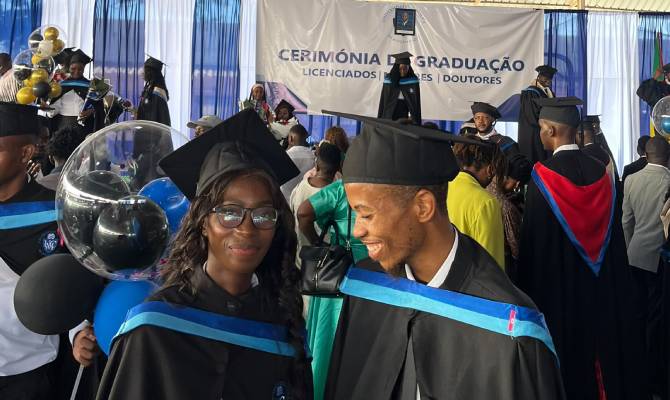
Once again, as every year since 2007, the city of Beira came alive with celebrations for the graduation ceremony of students from the Faculty of Medicine at the Catholic University of Mozambique (UCM).

An annual event that brings the city together and that we share with the student community, faculty members, academic partners and, above all, the young people we have supported throughout their university journey through CUAMM scholarships.

“I am grateful for the opportunity to celebrate this milestone. The journey has been long and sometimes difficult, but today all I want to do is say thank you for every small step that has brought me this far and for the support I have received from CUAMM. Without it, I would not have completed my studies. I hope to start working as a doctor soon and, in the future, to continue my studies and specialise.” S., medical graduate supported by CUAMM scholarship.

“It is an overwhelming feeling, difficult to put into words. Medical school was challenging, and at times I thought I would not make it. But my passion eventually overcame my doubts, and I found the strength not to give up. Caring for people who are suffering and ensuring they receive attention and treatment is what I want to dedicate myself to from now on.” Z., medical graduate supported by CUAMM scholarship.

Through scholarships, we have been supporting deserving students for almost ten years, thanks to the contributions of many people who, like us, believe that education is essential to building strong and sustainable health systems.

Our relationship with the Catholic University of Mozambique, however, goes back even further. Doctors with Africa CUAMM has supported the university since its foundation in 1995, contributing to the establishment of its Faculty of Medicine, the second in the country. This commitment has continued over the years: since 2007, when the first class of future doctors graduated, we have continued to support the university in strengthening teaching and medical education.

Over time, this partnership has grown stronger and expanded to include new areas of collaboration. Today, we work together on the development of the Faculty’s curriculum, internship opportunities at Beira Central Hospital, and research projects.

Another important milestone was reached last year with the inauguration of the maternity ward at UCM’s Faculty of Health Sciences. More than a healthcare facility, it is also an educational hub where medical students can gain practical experience, develop their professional skills and contribute to research.

An investment in the future, because supporting the education of new doctors means helping to build a stronger healthcare system, better equipped to respond to the health needs of the Mozambican population.

The cost of supporting a student’s education

Ensuring the right to education also means creating the conditions for every student to complete their university studies without financial difficulties becoming an obstacle to their future.

CUAMM scholarships cover not only university fees but also some of the everyday expenses involved in living and studying in Beira. Supporting one student requires an investment of €3,100 per year: €1,500 for university enrolment and fees, €1,200 towards food and accommodation, and €400 for educational materials.

Over the six years of medical school, this amounts to €18,600 per student. An investment that goes far beyond an individual university education: it gives young people the opportunity to fulfil their ambitions and, in the future, put their skills at the service of their communities.

Because investing in the right to education today means helping to train the doctors Mozambique will need tomorrow.

Strengthening Neonatal Care in Ethiopia: two years of shared commitment and concrete results

How can neonatal care be strengthened and made more sustainable? This was the central question behind the Strengthening Neonatology in Ethiopia project, implemented in partnership with the Union of European Neonatal and Perinatal Societies (UENPS), with financial support from Italian Cooperation.

The initiative aimed to improve the quality of care in the maternity and neonatal wards of Suhul General Hospital in Shire, Tigray, and Black Lion Hospital in Addis Ababa, through the sustainable upgrading of infrastructure and equipment and the strengthening of national expertise in neonatal care.

By engaging the Ethiopian Federal Ministry of Health (EFMoH), fostering collaboration with the Ethiopian Pediatrics Society (EPS) and involving international experts from UENPS, the project also sought to build sustainable partnerships and promote national and international exchanges to strengthen the neonatal healthcare system as a whole.

The project recently concluded with an official event in Addis Ababa, bringing together the institutions and partners involved to reflect on the results achieved and the challenges that lie ahead.

“This is an emotional day for me, as I attended the project’s launch in Tigray two years ago. We have seen how much it has contributed to supporting vulnerable communities. This project is also about equity and investing in newborns, strengthening Ethiopia’s capacity to grow and thrive. Our ambition is to support the development of an integrated, sustainable healthcare system where every mother and child has the opportunity to survive and thrive, regardless of where they are born.” Stated Luca Carpintieri, Italian Embassy.

The closing event was an opportunity to take stock of two years of joint efforts to reduce maternal and neonatal mortality and to reaffirm a shared commitment to improving care for mothers and newborns.

“The Ministry has made newborn health a priority, but we are still far from achieving the SDGs. The evidence shows that we know what needs to be done. Now, we must act. The Ministry of Health will ensure that investments are effective, efficient and reach the most vulnerable newborns. We must expand this support and scale up what we learn, together,” said Dr. Mariamawit, Maternal and Child Health Director at the Ministry of Health, during the closing event.

The importance of long-term investment and local ownership was also highlighted by the Italian Agency for Development Cooperation (AICS).

“Today marks the conclusion of this project, but also an opportunity to reflect on what comes next. AICS remains committed to further investing in neonatal care. Maternal and child health remain a priority, and investing in neonatal care means not only providing equipment, but also strengthening the quality of care and human resources. The lessons learned from this project will provide a foundation for improving neonatal care as part of an integrated health system in Ethiopia,” said Michele Morana, Director of AICS.

Strengthening hospitals and healthcare professionals

One of the project’s most strategic investments was the provision and installation of biomedical equipment in both hospitals. Essential equipment and supplies included CPAP machines, radiant warmers, phototherapy units, incubators, oxygen concentrators, suction machines and neonatal resuscitation equipment, alongside postnatal medicines, biomedical spare parts and maintenance tools.

However, strengthening neonatal care requires more than infrastructure and equipment. Ensuring that healthcare facilities can maintain their services over time also depends on the skills of healthcare professionals and the capacity of local institutions to sustain the investments made.

For this reason, training and capacity building were central components of the project. A total of 370 healthcare professionals took part in project-supported training initiatives, while 121 healthcare workers, health sector representatives and other stakeholders participated in dedicated workshops.

By combining investment in equipment with professional development and institutional collaboration, the project sought to strengthen not only the services available today, but also the capacity to deliver quality neonatal care in the future.

Strengthening Neonatal Care in Ethiopia: key results

From August 2024 to September 2026, the project achieved tangible results in improving access to maternal and newborn care, strengthening healthcare professionals’ skills and upgrading hospital facilities.

30,841 direct beneficiaries reached

  • 22,083 pregnant women received maternity care services.
  • 8,267 newborns were admitted to neonatal intensive care units (NICUs) and received care.

370 healthcare professionals strengthened their skills in neonatal care.

121 healthcare workers, health sector representatives and partners participated in project-supported workshops.

90% of newborns admitted to neonatal intensive care recovered.

91% of pregnant women and new mothers reported receiving adequate, compassionate, respectful and caring (CRC) services.

2 neonatal wards rehabilitated or renovated.

2 biomedical equipment maintenance centres strengthened.

The conclusion of the project marks an important milestone, but the work to improve neonatal care in Ethiopia must continue.

The results achieved demonstrate the importance of combining investment in healthcare infrastructure and equipment with professional training, institutional collaboration and long-term sustainability. Building on the experience gained, the partnerships established and the lessons learned, the shared goal remains clear: ensuring that every newborn has access to quality care and every mother has the opportunity to receive safe, respectful and appropriate healthcare, wherever they live.

Karamoja: hunger peaks as El Niño arrives

In Karamoja, in north-eastern Uganda, the food crisis continues to worsen, with increasingly severe consequences, particularly for children and pregnant and breastfeeding women. In recent months, our teams at Matany and Moroto hospitals had already reported an alarming situation, which was subsequently confirmed by the Ugandan government.

Since then, we have mobilised funds and resources to respond to the emergency. At St. Kizito Hospital in Matany and Moroto Regional Referral Hospital, we are distributing food aid to the most vulnerable people and continuing to provide healthcare services for mothers and children, with a particular focus on nutritional screening and outpatient care.

The latest data confirm the severity of the situation. Over the past month, among women who accessed antenatal care services, 17.5% in Matany and 20% in Moroto were found to be malnourished.

The crisis is driven by low rainfall and prolonged periods of drought, which have devastated almost the entire harvest, alongside a 15–25% increase in food prices compared with 2025. Livestock losses and depleted household food stocks have further reduced families’ ability to access food.

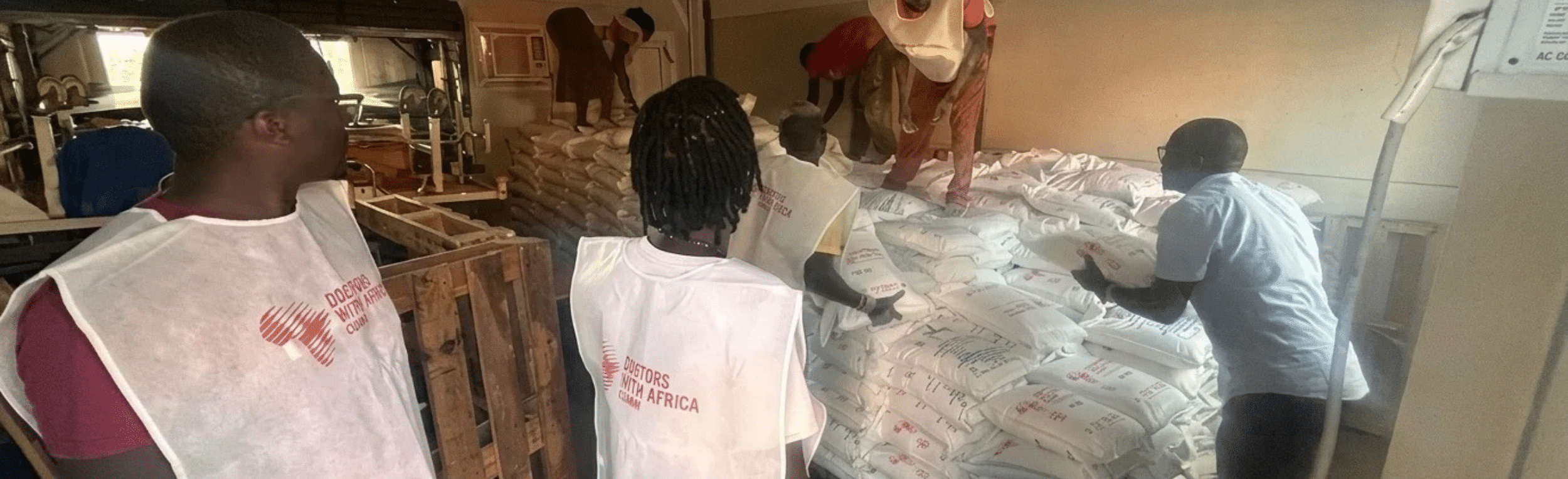
In recent weeks, our teams have been distributing 800 food kits containing maize flour, beans, soybeans, oil and salt: basic food items that, in an emergency, can help meet the essential food needs of the most vulnerable families.

“The warehouses are guarded by dedicated staff, and we are providing transport home for people receiving aid at the two hospitals. At such a critical time, when people are going hungry, security is unfortunately another challenge we have to manage.” Chiara Conti, Uganda Desk Officer.

According to the latest IPC estimates, between August and October 2026, approximately 673,000 people in Karamoja are facing high levels of acute food insecurity — the highest figure since 2018. Projections indicate that the crisis will continue in the coming months: by February 2027, approximately 679,000 people, including 154,000 children under five, could be suffering from acute malnutrition.

Food aid is helping to address some of the most severe consequences of the crisis, but needs remain enormous and available resources are insufficient. To continue reaching the most vulnerable people and responding to the emergency, our intervention must be strengthened and sustained.

Strengthening lifesaving maternity care at PCMH in Sierra Leone with the support of Randal Foundation

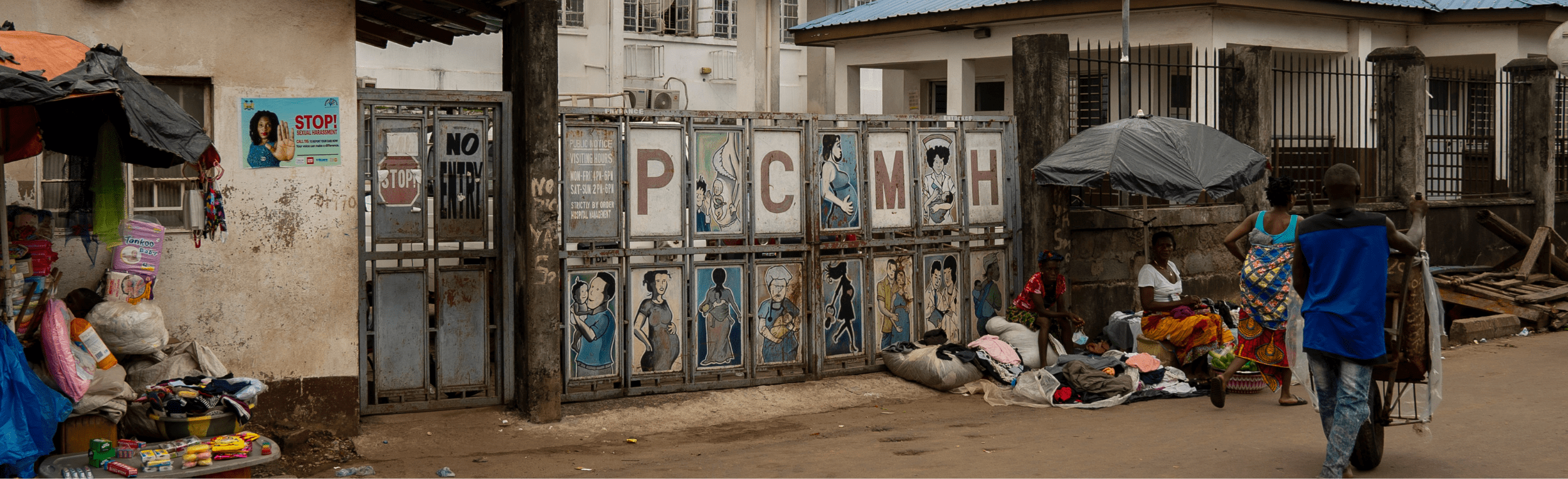
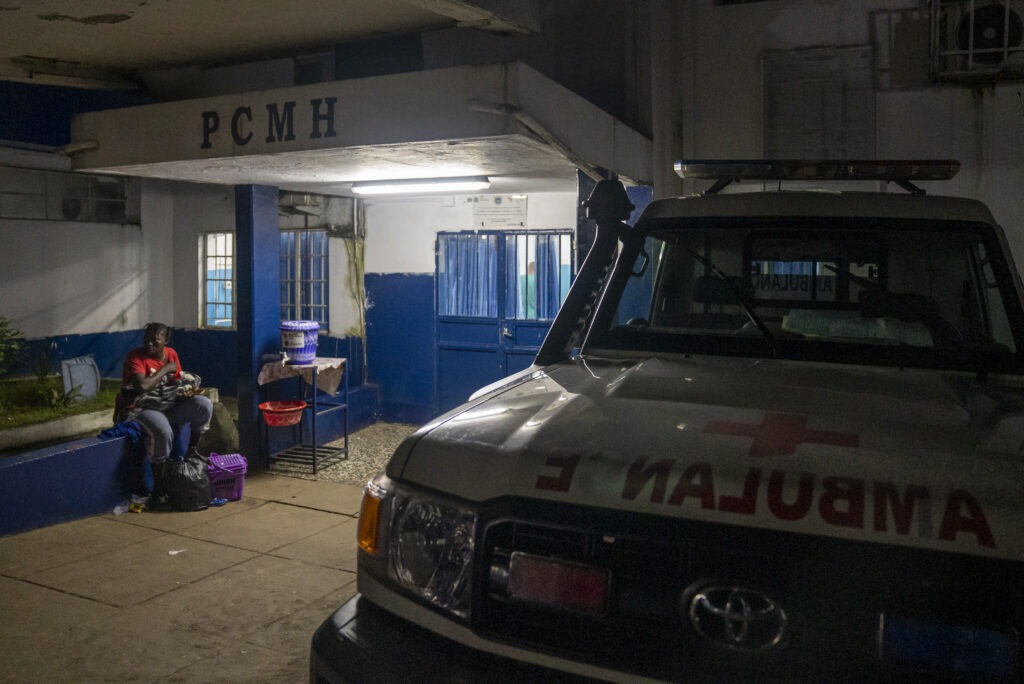
The new partnership between the Randal Charitable Foundation and Doctors with Africa CUAMM UK will help ensure safe Caesarean sections and strengthen emergency maternity services at Princess Christian Maternity Hospital (PCMH) in Freetown.

The 12-month project, supported by a grant from the Randal Charitable Foundation from June 2026, will help ensure access to safe Caesarean sections for approximately 3,000 women, with an estimated 6,000 mothers and newborns benefiting directly. The Princess Christian Maternity Hospital (PCMH) is Sierra Leone’s national referral centre for maternal care and comprehensive emergency obstetric and newborn care. At PCMH, women referred with life-threatening pregnancy and childbirth complications require timely access to surgery and high-quality emergency care.

The Randal Foundation is supporting the project to help protect women and newborns in Sierra Leone by strengthening access to safe Caesarean sections and high-quality emergency care. As the Foundation explains, its support will enable CUAMM to provide essential medicines and medical supplies, alongside on-site training, mentoring and technical assistance for medical and nursing staff at PCMH.

“By working alongside CUAMM UK, we are able to support not only immediate, life-saving interventions but also the long-term strengthening of healthcare systems, ensuring lasting impact for mothers and their babies,” the Foundation said.

The Randal Foundation’s support will help maintain uninterrupted Caesarean section capacity through the provision of essential medicines, medical equipment, laboratory reagents and other critical medical consumables, with a particular focus on women receiving care in the Emergency Department and High Dependency Unit (HDU).

The project will also strengthen infection prevention and control, providing essential materials to reduce the risk of hospital-acquired infections and support safer care for mothers and newborns.

Alongside these resources, specialised clinicians will provide on-site training, mentoring and technical assistance to medical and nursing staff working in the HDU and Emergency Department. This will strengthen local capacity to manage obstetric emergencies and care for critically ill mothers, helping ensure that improvements in the quality and safety of care are sustained beyond the life of the project.

“We are grateful to the Randal Foundation for this vital support. This grant will help us ensure that women with life-threatening complications can access safe Caesarean sections and high-quality emergency care at Princess Christian Maternity Hospital in Freetown. Thanks to the Foundation’s generosity, our teams can provide essential medicines and supplies, strengthen infection prevention, and mentor local health staff so that more mothers and their babies survive and thrive. This partnership is a powerful affirmation of our shared commitment to protecting the lives of some of the most vulnerable women and newborns in Sierra Leone.” Said Andrea Atzori, Head of International Relations at Doctors with Africa CUAMM.

The partnership builds on our longstanding commitment to maternal and newborn health in Sierra Leone. We have been working at PCMH since 2016, supporting efforts to reduce maternal and neonatal mortality by strengthening clinical capacity, health information systems and hospital management, while improving the availability of essential equipment and supplies.

The new project combines immediate support for lifesaving obstetric care with investment in the skills and systems needed to strengthen maternity services over the longer term. By ensuring that essential resources are available while supporting local health workers through training and mentoring, the partnership aims to contribute to a stronger and more resilient maternal health service at Sierra Leone’s national referral hospital.

Neonatal care services improve in Addis Ababa

In Addis Ababa, within the wards of the Black Lion Hospital, locally known as Tikur Anbessa Specialized Hospital, healthcare workers strive every day to provide adequate care to the most vulnerable newborns. The challenges are many: limited resources and the condition of the facility make it difficult to respond to the growing number of patients. For this reason we chose to intervene to sustainably improve the quality of maternal, newborn, and child healthcare—an effort that also extends to Suhul Hospital in Shire, in the Tigray region.

The project “Strengthening neonatology in Ethiopia”, funded by the Italian Agency for Development Cooperation and developed in close collaboration with hospital staff and the Ethiopian Paediatric Society, is fully aligned with the country’s main national strategic frameworks. This strong alignment enables the initiative not only to concretely improve the quality of healthcare services, but also to contribute to achieving national and international standards and care protocols.

A rapidly growing demand for neonatal services, combined with outdated infrastructure and persistent technical constraints in the availability of essential resources such as water, electricity, and oxygen, makes the context particularly challenging and limits the delivery of high-quality healthcare services.

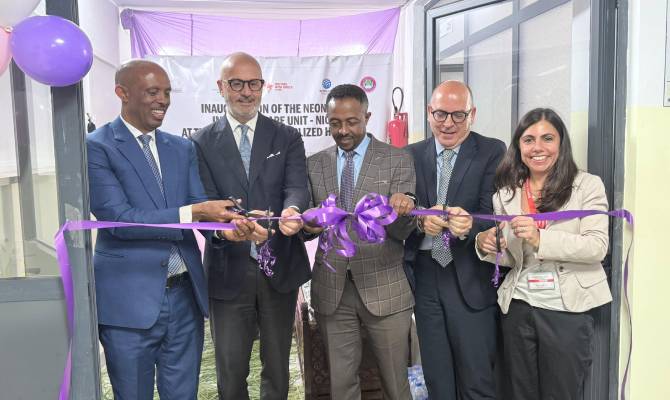
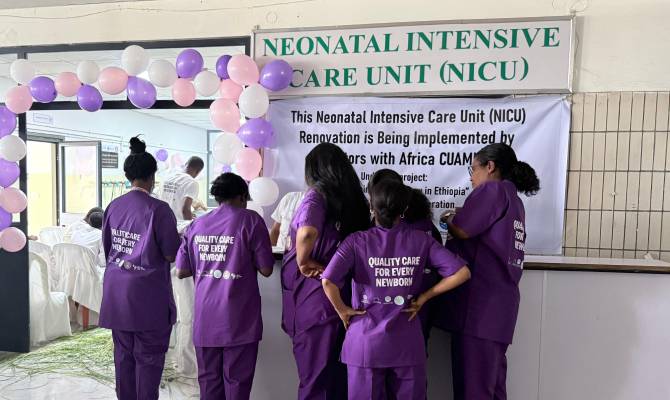
“The expected results of this project are both ambitious and achievable. Today we celebrate the inauguration of this fully renovated and equipped neonatal intensive care unit, but our commitment does not end here. In the coming months, we will continue working to implement further improvements, including training activities,” said Maria Perrella – CUAMM Country Manager who also expressed gratitude to all partners, including the Ministry of Health Ethiopia, the hospital management, the Ethiopian Paediatric Society, the Italian Agency for Development Cooperation, and the Embassy of Italy in Ethiopia.

The Italian Ambassador to Ethiopia, Sem Fabrizi, expressed his appreciation to all those present, emphasizing that this achievement is the result of a long-standing and strong collaboration between the two countries. “Thanks to this intervention,” he noted, “Ethiopia is today taking an important step forward towards achieving international standards of care.” Encouraging remarks were also delivered by Michele Morana, AICS Representative in Ethiopia, who acknowledged the value of this commitment and highlighted the effectiveness of the collaboration between CUAMM, the Italian Agency for Development Cooperation, and the Ethiopian Ministry of Health.

At the heart of the intervention is the neonatal intensive care unit (NICU) of Black Lion Hospital, one of the country’s main referral hospitals. Thanks to a series of infrastructure works launched in 2025, care conditions have significantly improved: the refurbishment of the electrical system, renovation of flooring, and upgrading of the water system—with a dedicated tank for the NICU—are making the environment safer and more functional. In the coming months, the expansion of the medical gas distribution system is also planned, a crucial step to ensure life-saving treatments.

Alongside infrastructure, technology plays a key role. The ward has been equipped with essential devices for the survival of premature and critically ill newborns, including incubators, ventilation devices such as CPAP machines, fetal monitors, infusion pumps, and resuscitation equipment. Tools that, when combined with adequate skills, can make the difference between life and death.

For this reason, significant investment has also been made in training. In December 2024, biomedical engineers from the hospital and other centers took part in an intensive course on installation, calibration, and maintenance of medical equipment. The results were tangible: a roughly 17% improvement in technical skills and the development of internal operational plans to ensure continuity.

The initiative continued with a national workshop on biomedical equipment, bringing together key actors from Ethiopia’s healthcare system. This exchange highlighted ongoing challenges—from shortages of spare parts to inventory management issues—but also a shared commitment to strengthening maintenance systems and ensuring service sustainability.

Particular attention was also given to the Black Lion biomedical laboratory, which, although already well equipped, still requires support in training junior staff and in the consistent application of preventive maintenance.

In February 2025, also within the framework of the intervention and in collaboration with the Union of European Neonatal & Perinatal Societies (UENPS), we brought together international experts and Ethiopian healthcare professionals for a neonatal resuscitation training aimed at establishing a pool of trainers with specific national-level expertise, and subsequently launching a cascade of training activities. The initiative was carried out alongside a two-day international workshop that gathered global experts, Ethiopian healthcare staff, representatives of regional health bureaus, the Ethiopian Ministry of Health, and the WHO, with the aim of strengthening clinical and methodological skills to improve neonatal survival in Ethiopia.

Overall, the intervention is contributing to a tangible transformation: improved infrastructure, more qualified personnel, and strengthened local capacity to manage and maintain healthcare technologies. An integrated approach that aims not only to respond to immediate needs, but also to build a more resilient healthcare system over time.

OdonAssist From Research to Practice

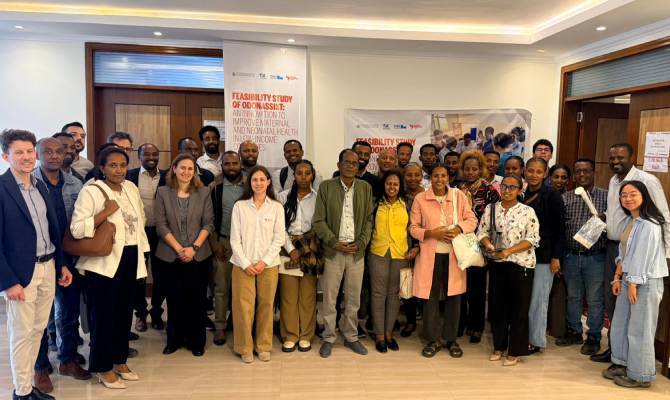
We recently hosted a dissemination workshop for the OdonAssist™ study in Addis Ababa, Ethiopia—an important opportunity for dialogue and reflection on how its findings can help improve maternal and newborn healthcare practices.

The meeting brought together a wide range of stakeholders in maternal and newborn health, including representatives from national and regional institutions, clinicians, scientific societies, international agencies, donors, and policymakers. Participants included members of the Ethiopian Ministry of Health, Oromia Health Bureau, National scientific societies (EPS and ESOG), alongside key partners such as UNFPA, UNICEF, and the World Bank.

The workshop served as a platform to present findings from the feasibility study launched early last year in collaboration with the University of Besançon and St. Luke’s Hospital in Wolisso, as part of an initiative funded by the FID – Fonds d’Innovation pour le Développement.

“When we were presented with CUAMM’s project on OdonAssist™, we saw an opportunity to generate robust local evidence to improve maternal and neonatal healthcare in Ethiopia. For FID, this is just the beginning. The real question is: where next? Can the Odon device be integrated into Ethiopia’s health system? Can it be scaled up to reduce preventable deaths?” said Estelle Plat, FID Investment Officer.

These and other questions were addressed through the workshop as findings showed positive results in the use and application of OdonAssist™ in low-resource settings.

During the workshop, Dr. Betrán Lazaga presented the WHO Global Landscape on Assisted Vaginal Birth (AVB), providing an overview of global trends. She highlighted the steady rise in cesarean section rates alongside a decline in assisted vaginal births and outlined the recurrent complications associated with cesarean sections—particularly in low-resource settings, where they remain a leading cause of maternal mortality.

Key gaps identified by WHO and discussed during the event include:

  • Strengthening training for assisted vaginal birth
  • Improving communication between providers and patients
  • Expanding access to pain management options
  • Evaluating new technologies and service delivery models
  • Supporting healthcare providers through targeted behavioral interventions

Against this backdrop, testing the device in low-resource settings is essential to understand its potential, practical application, and scalability—particularly where the need for safer, simpler solutions in case of complications during labor and delivery is most urgent.

According to the United Nations, there are approximately 130 million births worldwide each year, of which around 5-10% are expected to benefit from AVB. However, these figures drop dramatically in low-resource settings. Data from over 40 countries across Latin America and sub-Saharan Africa show that only a fraction of health facilities provide access to these services, largely due to shortages of equipment and trained personnel.

Making AVB both accessible and safe in low- and middle-income countries is critical for reducing maternal and neonatal mortality.

“It is not merely a clinical issue, but a structural one,” said Michele Orsi, gynecologist at the Policlinico of Milan and CUAMM Project Manager. “Ensuring equitable access to assisted vaginal birth also means reducing delays in the delivery of obstetric care. Achieving this requires interventions that go beyond training—addressing resource availability, workforce distribution, and adaptation to local contexts.”

In Ethiopia, where we conducted the feasibility study, most assisted births are performed by general practitioners – midwives, and health officers, while gynaecologists are largely limited to hospitals. In peripheral health facilities, assisted births are almost exclusively managed by non-specialist staff who are on the frontline of obstetric service delivery, as Dr. Teshome from St. Luke Hospital noted during the workshop. Strengthening skills and expertise among healthcare workers is therefore a priority.

Results from St. Luke Hospital

As part of the feasibility study, last year OdonAssist™ was introduced in the delivery room at St. Luke Hospital, Wolisso, allowing midwives, gynecologists and surgical officers previously trained to use the device for AVB.

Throughout the study, 80% of assisted vaginal births were performed by midwives and surgical officers, achieving a 75% success rate. Typically, in this setting, epidural anesthesia is scarcely available in hospitals and completely unavailable in health centers. These results demonstrate that a simple, easy-to-use device like OdonAssist™ has the potential to significantly improve maternal and neonatal health outcomes.

 “These results are not an endpoint— on the contrary they should guide further action,” emphasized Dr. Cetin, Head of the Obstetric Department at Mangiagalli, Milan.

The study had previously been conducted in the UK and France, where the tool was used by gynecologists, achieving success rates of 67% and 88% respectively. The findings from Ethiopia – where the device was used by midwives and surgical technicians are consistent with these earlier results, showing comparable success rates as well as similar benefits in terms of reduced neonatal trauma and pain experienced by women.

The study conducted in Wolisso made Ethiopia the first low-resource country in Africa to participate in this type of research. Today, Ethiopia is the first and only country in which healthcare personnel have used OdonAssist™ operationally in a delivery room.

“OdonAssist™ is not just a technological innovation—it is practical innovation in the field,” noted Dr. Getache Secretary General of ESOG.

Building on global trends of rising cesarean section rates and declining assisted vaginal births, discussions also addressed key research gaps. Particular attention was given to findings on the safety, accessibility, and acceptability of OdonAssist™ among both healthcare providers and women, highlighting its potential to expand access to quality obstetric care.

Dr. Merialdi, Chief Medical Officer at the Maternal and Newborn Health Institute, emphasized the patient-centered approach behind the device:
“All studies have been conducted with a focus on women’s needs. OdonAssist™ is one of the first obstetric devices evaluated directly from the patients’ perspective.”

Acceptability was in fact assessed immediately postpartum, considering both maternal and neonatal well-being. The data show that resulted in overall rates of episiotomies and spontaneous lacerations similar to those observed with the vacuum, while achieving lower average pain scores and a reduced need for analgesia. Evaluations of perceived safety, respect, and communication during labor confirmed high maternal satisfaction, with most women reporting a positive experience.

Comparisons between the two devices indicate that OdonAssist™ achieved similar levels of acceptability and satisfaction, suggesting that perceived benefits are influenced not only by the technique itself but also by healthcare providers’ approach and adherence to protocols. Furthermore, the use of the device did not increase maternal risks and appears to confirm a reduction in neonatal risks, consistent with previous studies.

In conclusion, the project demonstrates high acceptability among both women and healthcare providers, a favorable safety profile, and ease of use. The authors recommend further studies with larger samples to confirm and consolidate these preliminary findings.

“The feasibility study conducted in Wolisso represents, on a small scale, a wide range of low-resource settings. For this reason, we can conclude that the device is accessible and applicable and it can indeed be scaled-up – affirmed Michele Orsi. Now it is time to move forward and undertake a second study to evaluate its real impact”.

Improving nutrition services in Uige

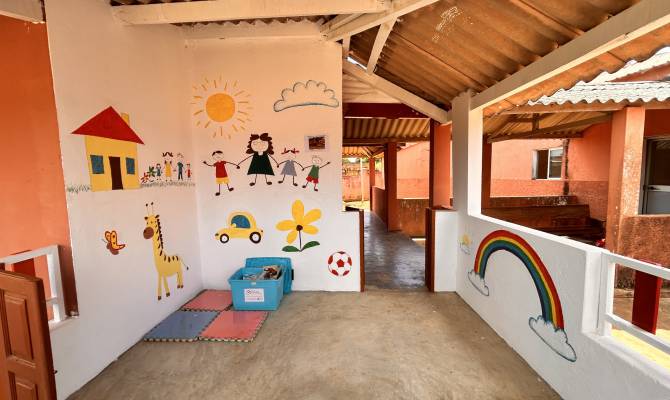
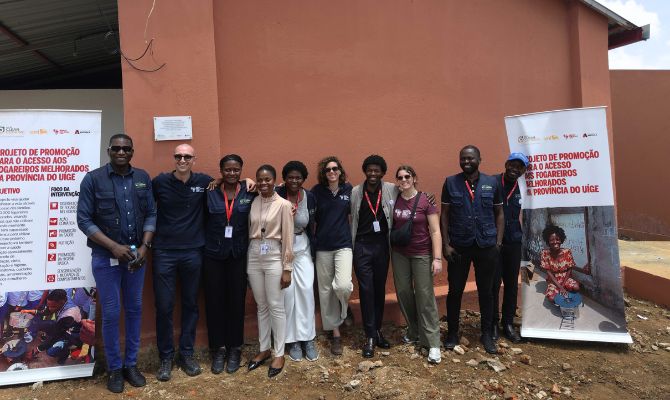
Last week we inaugurated the Special Nutrition Unit, complete with an ECD corner and an open kitchen, at the Songo Municipal Hospital, Uige province, northern Angola. The intervention has provided the community with renewed and efficient spaces for care, allowing well-trained healthcare staff to manage nutrition services more effectively.

“We are delighted to be here today to celebrate a major shared milestone: the inauguration of these premises. It is an honor to represent Doctors with Africa CUAMM, an organization whose connection to this province runs deep—Uíge was the very first province in Angola where CUAMM began its work back in 1997. My colleague and I are committed to honoring this legacy, continuing our collaboration with local authorities, and strengthening the province’s health system. We would also like to acknowledge our donor, Eni, and our partner, Don Bosco, whose support made this project possible.” Said Nicolò Grassia – CUAMM Project Manager.

In addition to the municipal hospital, the rehabilitation also included three health centers in Songo, where Therapeutic Programs for Malnourished Patients will be implemented to address moderate and severe acute malnutrition without complications, aiming to reduce its prevalence in the region. Following this first structural intervention, two more centers in Songo will be upgraded, and similar initiatives will be carried out in the municipalities of Quitexe, Damba and Nsosso —bringing the total to 13 strengthened healthcare facilities.

The rehabilitation of the premises is part of the activities planned within the Clean Cooking programme. The programme, carried out in collaboration with Eni and Salesiani Don Bosco, aims to distribute 200,000 improved cookstoves and reach over one million people in the area.

“The project has a clear purpose and aims to improve people’s health, with a special focus on the nutritional status of young children. As the municipal administration, we are committed to doing our best and we thank CUAMM and its partners for their dedication, spirit of solidarity, and strong collaboration.” Floberto David – Deputy Administrator, Songo.

As CUAMM, by adopting the Health Plus strategy we have integrated health services within the broader Clean Cooking initiative with the aim to strengthening local healthcare provision and ensuring adequate support at all levels of care in a total of 5 municipalities (Songo, Quitexe, Damba, Nsosso, and Vista Alegre).

As part of the project, the GIDA training for the integrated management of malnourished patients was carried out in recent months, involving 81 healthcare professionals from four municipalities. The courses strengthened skills in screening, diagnosis according to GLIM criteria (Global Leadership Initiative on Malnutrition), management of enteral and parenteral nutrition, and personalized interventions, promoting a multidisciplinary approach and improving the quality of life for malnourished patients.

A commitment aimed at strengthening the local healthcare system by ensuring continuity of care—from communities to health centers and up to municipal hospitals. In recent months, 18 cooking demonstrations have already been organized thanks to 147 trained community agents deployed in the field. These activities represent a simple yet effective way to raise awareness among communities about nutrition, as well as hygiene and sanitation practices, promoting positive behaviors and contributing to a reduction in malnutrition, malaria, and infectious diseases.