BANGUI RENEWED SUPPORT TO THE PEDIATRIC COMPLEX

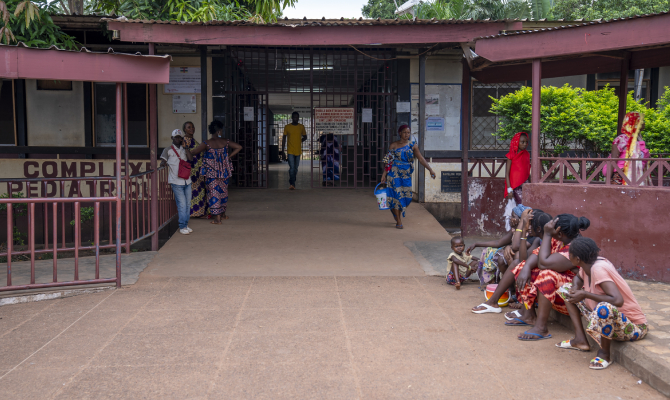
The Pediatric University Complex of Bangui (CHUPB) in the Central African Republic is the country’s largest pediatric hospital. With its 257 beds, it provides health care and assistance to over 60,000 children annually. In 2023 alone, it conducted more than 68,000 outpatient consultations and over 15,000 hospital admissions. This significant commitment by the Ministry of Health and Population has been supported since 2018 by Doctors with Africa CUAMM in synergy with local authorities and the French NGO Action Against Hunger (ACF). Starting from July 1, 2024, the European Union’s renewed support allow to continue and reinforce the support given to the facility.

This 18-month project will enable the consortium to ensure health and nutritional care for young patients, while also strengthening the governance of the Complex. Technical assistance and training will be provided in administrative, managerial, and clinical areas.

This is good news for a country ranked 188th out of 191 according to the Human Development Index, which struggles to provide health care and assistance to the vulnerable groups of the population, such as children and mothers. Thanks to this project, Doctors with Africa CUAMM will be able to ensure young patients health and nutritional care while also strengthening the governance of the Complex. Additionally, technical assistance and training will be provided in administrative, managerial, and clinical areas. Besides the young patients, both Complex’s staff and interns will also benefit from this intervention, gaining greater skills to improve their professional performance.

This European support aims to strengthen the governance of the healthcare sector and improve access to quality healthcare which are considered pillars of the partnership with the Ministry of Health and Population.

The European Union started supporting the CHUPB in 2018, since then it has provided health care and assistance to over 60,000 children annually through the CUAMM-ACF consortium. For the EU, the support to the healthcare sector in the Central African Republic has been a priority ever since. The EU spares no human, technical, or financial efforts to support the Ministry of Health in its mission, which includes offering quality basic health services to the Central African population and continuously strengthening the Ministry’s functions. This approach aligns with the priorities indicated in the Recovery and Peace Consolidation Plan in the Central African Republic (RCPCA), particularly concerning the provision of basic services to the population throughout the territory, especially in education, health, and water.

 DOCTORS WITH AFRICA CUAMM

Founded in 1950, Doctors with Africa CUAMM is the first NGO dedicated to health to be recognized in Italy and the largest Italian organization for the promotion and protection of the health of African populations. It carries out long-term projects with a development perspective, adopting such approach also in emergencies to ensure that quality services are accessible to all. Today, Doctors with Africa CUAMM works in 9 countries in sub-Saharan Africa (Angola, Ethiopia, Ivory Coast, Mozambique, Central African Republic, Sierra Leone, South Sudan, Tanzania, Uganda) with more than 3,465 humanitarian workers on the ground, including 273 Italians. It supports 21 hospitals and 116 districts (working on public health activities, maternal and child care, response and treatment of infectious diseases such as HIV, tuberculosis, and malaria), 4 nursing schools (in South Sudan, Uganda, and Ethiopia), and 1 university in Mozambique.

Doctors with Africa CUAMM entered the Central African Republic in 2018. Ever since, it has been supporting the Pediatric Complex of Bangui upon request of Bambino Gesù Hospital in Rome, the CAR Ministry of Health, in collaboration with the European Commission (primarily through the Bêkou Fund) and Italian Cooperation, in partnership with ACF. Since the beginning, CUAMM has not only guaranteed support to the main hospital but also sustained the hospitals in Bossangoa and Koui as well as the health districts of Bocaranga, Bossangoa, and Ouango-Gambo. The NGO is also responsible for training initiatives and operational research carried out across the country.

ACTION AGAINST HUNGER (ACF)

Founded in 1979, Action Against Hunger (ACF) is an international solidarity NGO committed to ending hunger worldwide. Conflicts, climate change, poverty, and inequalities in accessing water and healthcare are some of the leading causes of malnutrition. The NGO’s mission is to save lives by eliminating hunger through prevention, detection, and treatment of undernutrition, particularly during and after emergency situations related to conflicts and natural disasters. Today, ACF is a major player in the global fight against hunger. Founded by a group of French doctors and intellectuals, ACF saves millions of lives each year in Asia, South America, Africa, the Middle East, the Caribbean, and even Europe.

Additionally, in 2023 ACF provided emergency support to vulnearble populations in the Central African Republic by improving access to healthcare and nutrition for children and pregnant and breastfeeding women in the prefectures of Basse-Kotto, Nana-Mambéré, Sangha-Mbaéré, Ouham, and Ouham-Pendé. Interventions were also carried out in Basse-Kotto, Ouham, and Ouham-Pendé to improve access to water and sanitation facilities and to promote good hygiene practices among the population. Health services within health centers were improved. ACF also implemented interventions to enhance food security and mental health for the populations residing in Basse-Kotto and throughout the western part of the country.


The European Union is an economic and political union of 27 European countries. It is founded on the values of respect for human dignity, freedom, democracy, equality, the rule of law and respect for human rights, including the rights of persons belonging to minorities. It acts globally to promote sustainable development of societies, environment and economies, so that everyone can benefit. 


DOWNLOAD THE PRESS RELEASE IN FRENCH


THE VISIT OF WORLD DIABETES FOUNDATION IN FREETOWN

The visit of a delegation from the World Diabetes Foundation to the Republic of Sierra Leone ends today. A one week duty travel alongside CUAMM workers to see firsthand what has been achieved so far and what can still be done in diabetes care to respond to what WHO has labeled as pressing public health problem. Together with the delegation, other important stakeholders took part in the visit as the representatives from the Ministry of Health and Sanitation (MoHS), the Directorate of Non-Communicable Diseases (NCD), the health authorities from PCMH and Pujehun district and the COMAHS (College of Medicine and Allied Health Sciences).

On field meetings between the urban area of Freetown and the rural districts around were scheduled to see firsthand the results of a collaboration that WDF and CUAMM started in 2017 with a first pilot project on gestational diabetes mellitus (GDM). Main results were the integration of a dedicated area for Diabetes Screeing (IDS) within the PCMH in Freetown – the referral hospital and the creation of specific spaces in the PHUs (Peripheral Health Units) in the western area of the country. 14.231 women took part in screening at the IDS clinic in the PCMH, 4.296 at the PHUs thanks to the project. Among the results, the creation of a referral system to the IDS clinic at the PCMH for patients diagnosed in the PHU; the design of the first Protocol for Integrated Diabetes Screening for all patients and the development of the first operational research on diabetes during pregnancy “A simplified diagnostic procedure for the detection of gestational diabetes mellitus in resource-poor settings: results and challenges.”

“Considering that the management of Gestational Diabetes Mellitus/ Diabetes in Pregnancy is limited in services provided in the routine activities done to pregnant women attending ANC. In Sierra Leone, WDF project which support the screening, follow up and management of pregnant women positive with diabetes, had not only helped the good outcome of the mother pregnant but it had also contributed to strengthening Sierra Leone profile on Maternal and infant morbidity and mortality.” Said José Moniz Da Silva- CUAMM Project Manager during the meeting with WDF delegation.

A two-year new project followed the pilot one allowing to extend the GDM screening service to rural areas as Pujehun district, in the southern province of the country where around 234.000 people live. Over two years, GDM screening services were introduced not only in Pujehun hospital but also in 5 BeMONC (Basic Emergency Obstetric and Newborn Care). Among the results: training sessions on GDM and data collection addressed to MoHS health workers, activities on nutrition education; follow-up of cases at risk for hyperglycemia during pregnancy (HIP) and training on the job to improve the quality of health services with the support of a expert. 17.682 women received the GDM screening compared to the 10.933 estimated. Over the length of the project advocacy activities on prevention, screening and GDM addressed to MoHS were also introduced in government policies and strategies for noncommunicable diseases.

As stressed by the management team at the PCMH, the integration of such services within the facilities represents a strength since integrated care can increase the system-level efficiency of treatment.

Currently 24 million adults are living with diabetes in Africa and only 46% of them know their health status. Lack of testing facilities and equipment, inadequate number of trained health personnel, poor access to health facilities and services are some of the barriers to diabetes testing. According to WHO the figure is projected to rise by 129% to 55 million by 2045. Over 70 years of presence in Africa, Doctors with Africa has witnessed the rise of numerous non-communicable diseases such as diabetes, little-known and neglected conditions. The partnership with World Diabetes Foundation permitted to implement interventions to bring about a change in health systems, engaging communities, local activists, health authorities and Ministry of Health.


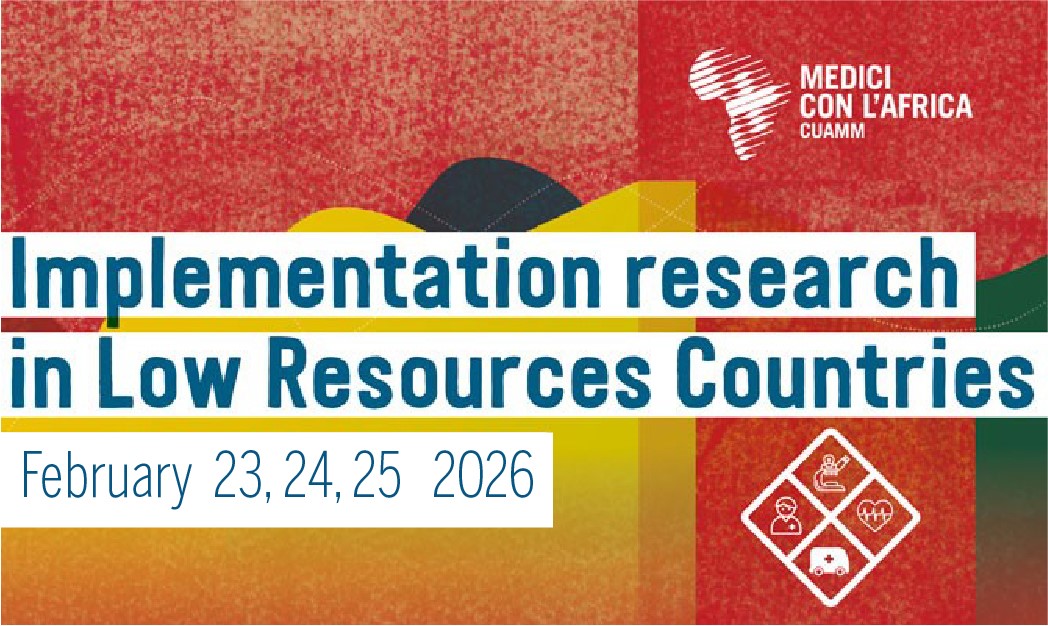
Implementation research in low and middle income countries 2026 edition

A training course on implementation research in low and middle-income countries: theoretical training will be accompanied by practical exercises and group works.

An in-presence course lasting three days, from Monday 23 to Wednesday 25 February, at the headquarters of Doctors with Africa Cuamm, in Padua, Italy.

The 2026 edition of the course will be entirely in English, to allow international researchers to participate as well.

The course is addressed to young graduates, postgraduates, PhD students with a healthcare or related background and/or professionals interested in learning more about operational research in the field.

A course organized by


In partnership with
With the patronage of

Enrolment: The course has a limited number of participants. To enrol, please complete the registration fields below. Only after receiving a confirmation email, it is possible to pay the contribution. In the event of too many applications, a selection of participants will be made.

Payment: After receiving confirmation of admission to the course, it is possible to make a transfer of Euro 200 at bank MPS, IBAN IT95 W010 3012 1500 0000 0295 337 in favour of Doctors with Africa CUAMM with the reason for payment “IR course contribution SURNAME NAME”.

DOWNLOAD THE PROGRAMME

Registration is closed because we have reached the maximum number of participants. If you still wish to fill out the registration form below, please note that you will be placed on a waiting list and contacted to participate in the course ONLY IF SOMEONE WHO IS ALREADY REGISTERED WITHDRAWS. We will offer this course again in February 2027.


No Fields Found.

COPING WITH COVID-19 ENSURING CONTINUITY OF SERVICES

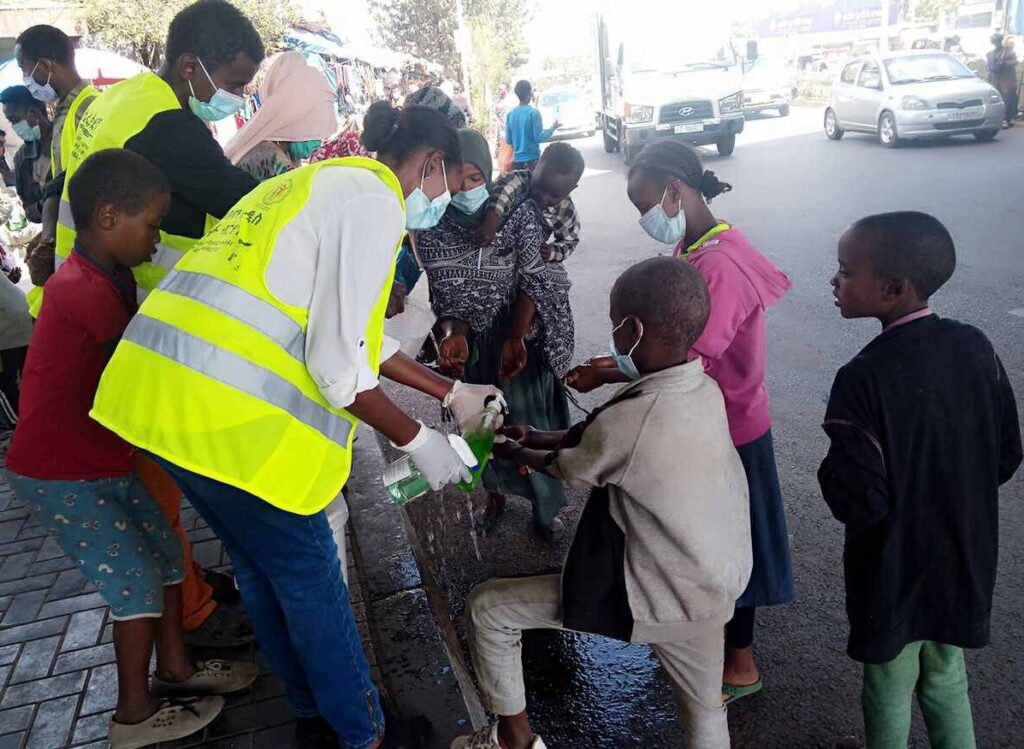
The outbreak and the impact of Covid-19 pandemic has led Doctors with Africa CUAMM to put in place a set of actions to guarantee the continuity of basic healthcare services on the one hand, and to ensure and  improve access to health care and protection services to the vulnerable segment of the population on the other hand, capacitating them to mitigate the effects of COVID-19.

Therefore, CUAMM has been implementing a 4-month project in Ethiopia: “Promotion of the health and protection of vulnerable segment of the population in Woreda 1, 3, and 8 of Kolfe Keranyo Sub city in response to the COVID-19 emergency” which is financed by the Italian Agency for Development Cooperation. To achieve these objectives, the project has conducted trainings and awareness raising activities, provided assistance and support to the most vulnerable, supplied medical equipment and consumables to the health centers in the three districts involved. Moreover, 14 health workers have been trained on the provision of mental and psychosocial health care services particularly related to gender-based violence (GBV). The project has allowed the procurement of dignity kit, and the training of 50 health extension workers (HEWs) on provision of referral and awareness raising on GBV. 120 poor women family heads and returnee migrants were benefited from psychosocial support and accompaniment activities and 60 single mothers were benefited from Income Generation Activities (IGA) in the immediate emergency. The project, through the collaboration of CISP, has been also working closely with school clubs to disseminate messages related to prevention of GBV through school mini medias.

Among the many significant achievements:

  • 20 Family Health Team staff  trained on home based isolation care and support (HBIC). They have provided with medical equipment like statoscope, pulse oximetry and other medical supplies. In the past 4 months, more than 700 COVID-19 patients received HBIC by these trained health care workers;
  • Patients’ satisfaction survey conducted in 11 health centers to get users (patients) feedback. The result was disseminated for key actors of the sub-city, woreda and health centers;
  • To strengthen the referral system, the 3 woreda ambulances were equipped with medical appliances to safely transport critically ill patients.
  • 50 health extension workers and 28 health staff were trained and sensitized on the identification and referral of the most vulnerable cases, including mental health and psychosocial health aspect. An average 65 cases per month are referred, ncluding suspected cases of covid-19 in each woreda.
  • 2695 people, returnees and migrants in the 3 target woredas benefited from the distribution of protection materials like face mask, hand sanitizer and soap. These group of people are most exposed to the risk of Covid-19 among these 71% (1903) were female, and 40% (1078) were disabled and chronically immunocompromised patients.
  • More than 70,000 people reached with awareness raising and community engagement activities on Covid-19 prevention. In addition, more than 3,000 people were sensitized on the prevention of gender-based violence and social protection.
  • Hygiene and sanitary kits provided for one school.


The large share of urban poor and particular segment of the population vested in Kolfe Karaniyo sub city are vulnerable to counteract Covid-19 due to lack of finances and means of preventing it. The health facilities also face shortage of basic and essential equipment and consumables. The project has achieved good results in improving the capacity of the health facilities to guarantee basic health services for the vulnerable categories. The feedback from the authorities and beneficiaries was very appealing.

There is still a urgent need of assistance to improve the quality of health services, along with providing essential medical equipment, training to health care works on various health topics, and also the urban health extension workers need logistics and follow up supports. This intervention in Addis Ababa urban context has been a good lesson and it would be important therefore to continue or even to expand the project on MNCH in the three health centers.

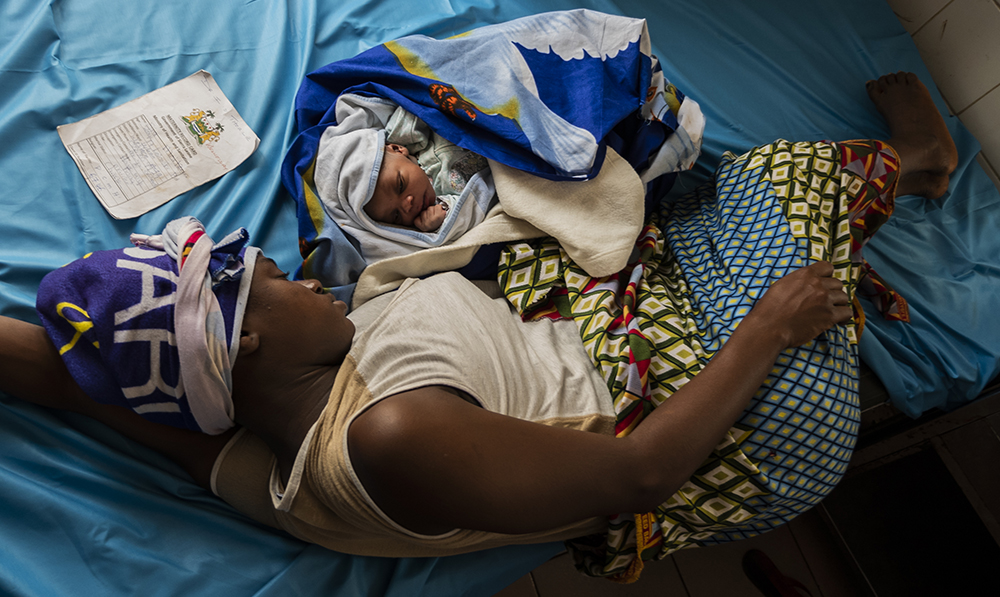
The mothers’ song of hope

“We often hear a song rising in the hospital corridors, initially we did not understand, but then we realized that they were the mothers outside the neonatal pathology ward. They sing to make themselves and give strength together. This is a beautiful image, which conveys a great message of resilience and how important the community is especially in the most difficult moments.

Living in the hospital allows you to get closer to people in their moments of greatest vulnerability and to witness the way they deal with pain and waiting. Singing, for example, is a collective activity that mothers use to gain strength, to convey a message of resilience during difficuThe mlties. Alessandra Gosetto and Matteo Arata are two JPOs in Gynecology and Obstetrics, arrived in Freetown, Sierra Leone, in August, to take up service at PCMH, the reference hospital for maternal and child health in the country.

A new experience, the first time in Africa for both. “The initial visual impact was very strong, almost disorienting – they say. The hospital, although one of the largest in the country, is very different from the hospitals we are used to seeing in Europe. The resources here are limited, just think of the quantity of deliveries compared to the staff: from 10 to 25 per day, for a total of 8,000 deliveries per year with the medical staff dedicated to the Gynecology and Obstetrics department composed of 4 structured and some trainees who do 24 hour guards. In Padua, in a hospital that gives about 3,000 births a year, there are more than double the number of structures to manage the ward and the guards are 12 hours. Here we face various obstetric pathologies on a daily basis that are almost never seen in Italy and there is a high rate of obstetric complications “.

In Sierra Leone for now, Covid-19 is present in a limited way, positive patients are a minority of hospital admissions, but the reality is that the resources to screen the population are still lacking. Furthermore, the difficulty of accessing the hospital, even if only due to the costs of transport, risks enormously increasing the complications and dangers of childbirth.

Ensuring the health of mothers and children is a daily challenge that we have been trying to make concrete for 70 years in all our countries of intervention.


TB: a challenge that needs dedication and care

In the “Western world”, hearing the word tuberculosis does not generate much fear, if it is treated promptly and with the appropriate instructions, it is not even perceived as a serious disease. Unfortunately, this is a “privilege” for the few.

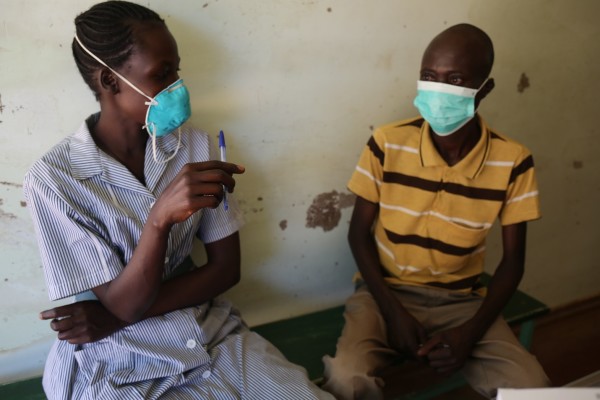
In Africa, tuberculosis is still a disease that causes many victims, 1,4 million in 2019. Every year, only in Uganda, nearly 89,000 new cases of Tb occur, among them 6,176 in Karamoja Region (WHO). But not all stories have an inevitable ending. Doctors with Africa CUAMM is committed to offering care and knowledge to those in need, even in the most remote places, as in the case of Ochan Richard, a former soldier of Uganda People’s Defence Force. Ochan, 50, already infected with HIV, was first diagnosed with TB in 2011, which worsened into multi-drug resistant tuberculosis (MDR TB) a few years later. Tuberculosis is one of the major causes of death for HIV patients who, with the progressive weakening of their immune system, contract the disease more easily and often with lethal consequences if it is not treated.

Ochan’s story, which seemed to have a written ending, changed when he arrived at St. Kizito Hospital of Matany in the Napak district of Karamoja. After many years of interrupted treatments due to work needs and difficulties in obtaining the necessary medicines, Ochan was finally able to have access to the care he needed thanks also to the encouragement and support of his family who prompted him to seek help at the Matany Hospital despite the distance from his home. A 75 km route full of hopes that have given him confidence in a still long life.

After two months he was discharged and personally taken home by the CUAMM hospital team specialized in tuberculosis which was responsible for raising awareness among the family and the entire community on the signs and symptoms of tuberculosis, on how it develops, on the adequate treatment and finally on how to avoid its spread.

“The same day I got home, my family and some community members were screened and all were healthy.” – said Ochan, adding – “I am deeply grateful to the hospital staff of Matany and to the CUAMM staff, for all the efforts they have made to save my life and that of many others. Whenever I come back for treatment, I am sure that I will get reimbursement for transport and meals, and given my situation it is a great incentive to be able to continue treatment regularly”.

A similar story to that of Santos, 32, who was diagnosed with multi-resistant tuberculosis. After numerous interruptions in treatment, in which skipping even a single day of treatment means starting over each time, Santos had decided to abandon himself to his fate and leave the Kotido Hospital where he was being treated.

“I left the hospital and went to stay with my older sister, Martha. As soon as I arrived at her house, my cough and health conditions only got worse. Therefore Martha insisted that I go back to the hospital where I was examined and diagnosed with multi-resistant tuberculosis. The doctors immediately contacted the Matany Hospital, the only institution specilized in this disease and able to offer adequate care and support where I was reffered to and hospitalized by the team of Doctors with Africa CUAMM”, says Santos.

After a month and a half of treatment, Santos could no longer bear the kanamycin injections that were administered to him daily so he escaped from the hospital returning to his village. Victor, the CUAMM regional official did not give up and went to his home convincing him not to renounce and to resume treatment.

Although tuberculosis is still a deadly disease in Africa, at Matany Hospital there is the hope of adequate care and treatment, which is not limited to the administration of the necessary drugs but it offers the opportunity to be followed by medical staff with dedication, and be accompanied in the understanding and acceptance of one’s illness.

These happy ending stories were made possible thanks to the intervention in Karamoja to improve the quality of  services for diagnosis and treatment of Tb and multi-drug resistant Tb, particularly within the projects: “It’s Good Tb free! Project to contribute to a TB Free Uganda by 2020“, financed by the Italian Agency for Development Cooperation, as part of the expenditure for technical assistance to the Global Fund for the fight against aids, tuberculosis and malaria and implemented by Doctors with Africa CUAMM in partnership with the University of Milan and the University of Makerere, and the project ” Support to St. Kizito Hospital of Matany and to the Napak Distrcit in Karamoja”, financed by Fondation Assistance Internationale (FAI).

WDF and CUAMM: Together to fight against NCDs

On the 27th February, at the presence of the Mozambican Ministry of Health and local health authorities, Doctors with Africa CUAMM and the World Diabetes Foundation (WDF) celebrated 3 years of joint work to fight diabetes and hypertension in Mozambique. A great event was organized in Maputo to share results and best practices.

Doctors with Africa CUAMM has been working in Mozambique since 1978, in close partnership with the Ministry of Health (MoH). In October 2016, thanks to the support of the World Diabetes Foundation, CUAMM has launched a vast and innovative three-year program to fight Diabetes (DM) and Arterial Hypertension (HTN) in 3 provinces of Mozambique: Maputo, Sofala, Cabo Delgado. The program was unique as it was the very first of this kind piloted in the country. The intervention targeted 17 districts, covering 81 health units and one central hospital, reaching a population of about 3.600.000 people and screening about 903.244 people for DM and HTN.

Doctors with Africa CUAMM is committed to continuing its efforts towards expanding and strengthening the integration of NCDs screening and treatment into quality existing services, in collaboration with the Ministry of Health and local associations.


CHILD FIRST Let us reduce stunting!

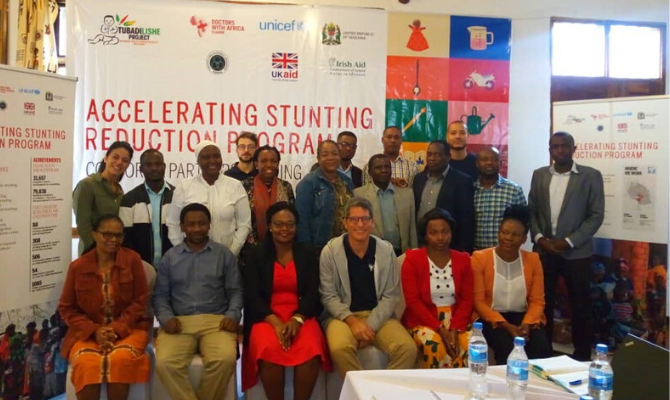
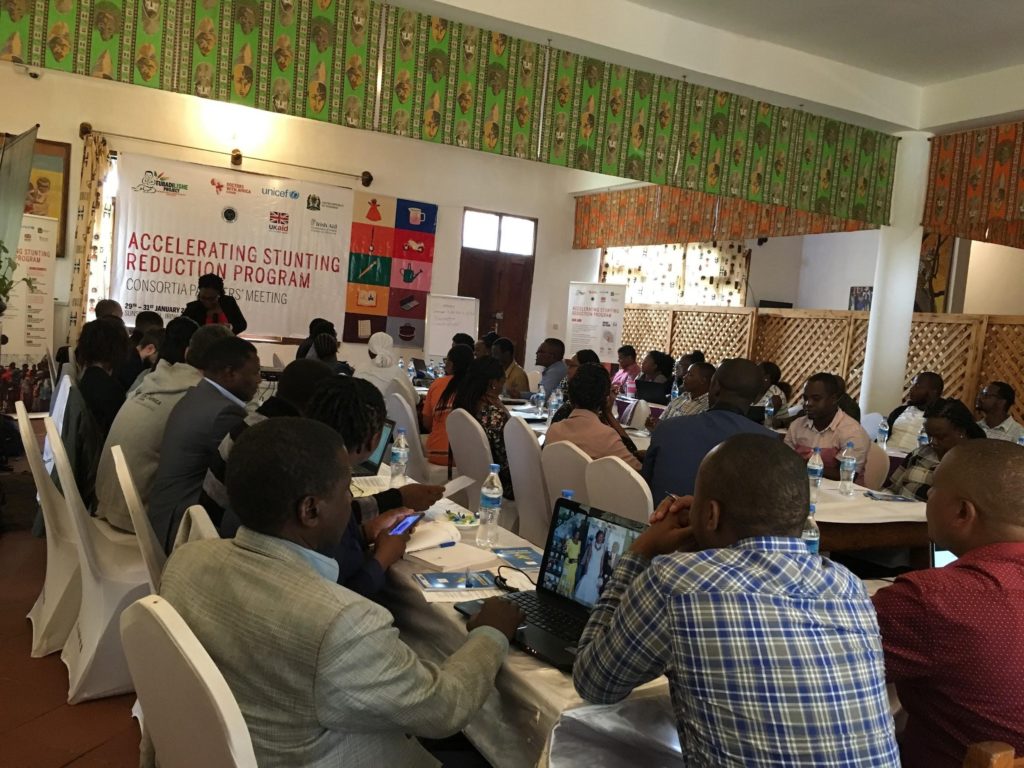
Doctors with Africa CUAMM Tanzania, together with the local partner organization TAHEA, hosted the annual consortia meeting of “Accelerating Stunting Reduction Programme” from the 29th to 31st of January. Among local and international partner organizations, UNICEF and Regional and District Nutrition officers participated in the meeting.

Stunting is the impaired growth and development that children experience from poor nutrition, repeated infection and inadequate psychosocial stimulation, as explained by the World Health Organization (WHO). Especially the first years of a child’s life, the first 1000 days from conception to the age of two, is a crucial period for timely intervention. “Accelerating Stunting Reduction Programme” aims to reduce stunting prevalence in the southern highlands regions of Tanzania: Iringa, Njombe, Mbeya and Songwe, where the needs are greatest among other regions of the country. With the coordination of UNICEF Tanzania, the programme has been implemented by three consortia, each one of them covering different regions; in particular, CUAMM and TAHEA are intervening in Iringa and Njombe.

As entering the 5th year of the programme, the final year, the main agenda of the meeting was to review the progress of handing over the activities to the respective local government bodies in order to ensure sustainability of the programme impact.

«The programme has gained its momentum. It is not only the partner organization who is leading the programme, but also the local government bodies have been deeply engaged, taking their ownership in nutrition issues. It has been a great team play» – claimed Ruth Nkurlu, UNICEF Southern regional programme coordinator, distinguishing the programme with other nutrition interventions around the country -. «Furthermore, because of the holistic approach of this programme implementation, meaningful behaviour changes are witnessed from the community level to the local government authorities».

Even though the programme is approaching its end, the need is still very high. The fight against malnutrition is not over yet. The Iringa Regional Nutrition officer appreciated CUAMM-TAHEA’s interventions in the region highlighting how it has strengthened the nutrition management system from the community level to the district and the regional level, sensitizing and empowering the local government authorities, which is the key to sustainability.

Sustainability cannot be achieved by working alone. Doctors with Africa CUAMM will continue its journey fighting against malnutrition alongside the local government and the local and international partners.

CBM and CUAMM together in the fight against eye defects in Northern Uganda

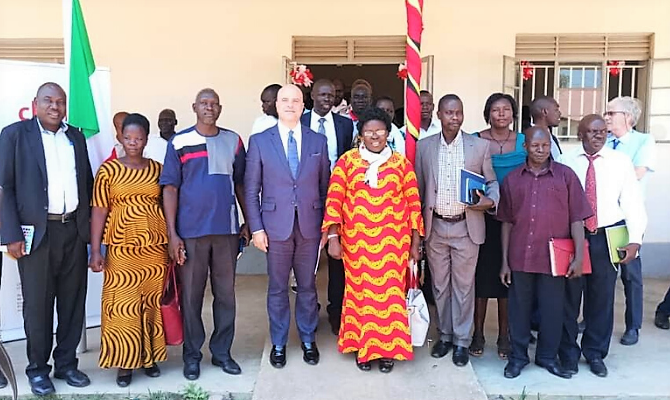
Christian Blind Mission (CBM) Uganda in partnership with Doctors with Africa CUAMM have launched a new project for eye care in Northern Uganda: “Foreseeing Inclusion: Eye Health and Disability Inclusion in Northern Uganda”. This three years’ project, funded by the Italian Agency for Development Cooperation, will be implemented in three districts of Arua, Kitgum and Lamwo. The launch was officiated by Dr. Joyce Moriku Kaducu, the State Minister of Health-Primary Health Care, and the Italian Ambassador H.E Massimiliano Mazzanti, along with other local government and districts officials.

According to the Uganda national census 2014, Northern Uganda accounted for 32% of all individuals with visual impairment with 75% avoidable blindness. Poor coverage of basic and secondary level eye care services largely contributed to this. The situation worsened even more in 2017, due to the increase of South-Sudanese refugees and the consequent overcrowding of the existing eye health facilities. The project, in collaboration with the Ministry of Health, arose from the need of the communities in the 3 districts and aims at contributing to the reduction in the prevalence of avoidable blindness by 2021, in line with the 4th Eye Health Action Plan 2016-2020.

«Awareness raising activities and primary prevention on eye defects are essential and they should be the key pillars of the project – the Minister Hon. Joyce Moriku Kaducu emphasized –. I support the decision to implement the project into those districts where the burden is really high among the locals and the refugees from South Sudan».

Dr. Peter Lochoro, CUAMM’s Country Representative in Uganda, gave a highlight of the work of CUAMM in Uganda especially in West Nile for over 50years: «I am grateful to the Ministry of Health for giving CUAMM the platform for implementing our projects and the local governments for integrating our work for better service delivery». «West Nile region remains a priority for the Italian government and I hope this project is just the beginning of many other bigger projects supported by the Italian government» concludes the Italian Ambassador Massimiliano Mazzanti, highlighting CUAMM’s long-lasting intervention thanks also to the welcoming nature of the locals.