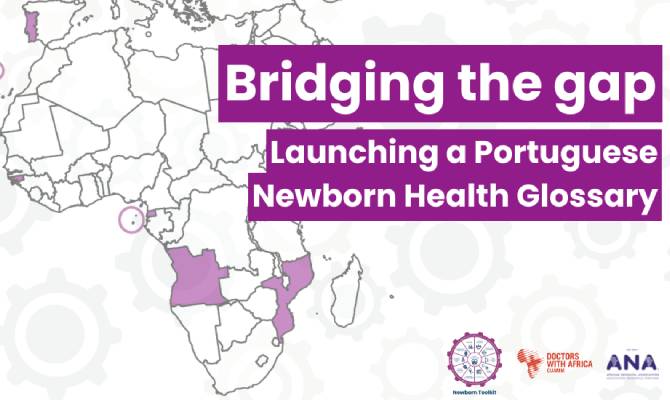
Bridging the Gap a Portuguese Newborn Health Glossary

Access to clear, accurate medical information can make the difference between life and death—especially in newborn care. We are proud to have collaborated with the Newborn Toolkit  (NEST 360 e London school Of Hygiene And Tropical Medicine) in the launch of a Portuguese-translated Newborn Technical Terms Glossary, developed in collaboration with the African Neonatal Association, – represented by Dr. Sonia Bandeira, to support healthcare workers, educators, and policymakers across Lusophone Africa.

In many Portuguese-speaking African countries, healthcare professionals face a critical challenge: limited access to standardised, localised clinical terminology. Much of the most up-to-date newborn health guidance is published in English, creating barriers for practitioners working in Portuguese-dominant settings.

“African newborns face similar threats in different contexts: reducing the language barrier for Portuguese-speaking healthcare workers and implementers will help not only to ‘speak the same language’ across the continent, but also to learn each day how to achieve the essential care for mothers and newborns, both in hub centers and in “the last mile”, as it is intrinsic in CUAMM’s mission.” said Dr Marco Frison CUAMM Paediatrician and project manager in Beira, Mozambique.

Developing tools that facilitate access to current and high-quality information can improve training pathways, the development of guidelines, international exchange, and ultimately the quality of care.

The glossary is intended as a first step in addressing this gap. It consists of approximately 600 key neonatal care terms translated from English into Portuguese, plus contextual definitions aligned with global health standards and improved clarity for training, communication, and clinical decision-making.

DOWNLOAD THE GLOSSARY

WASH in Healthcare Facilities: A Global Call to Action

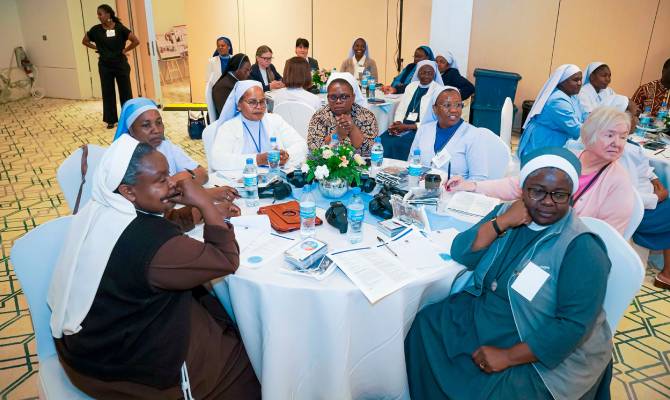
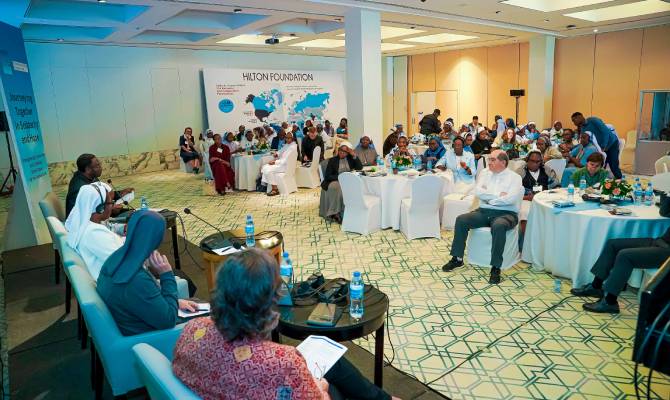
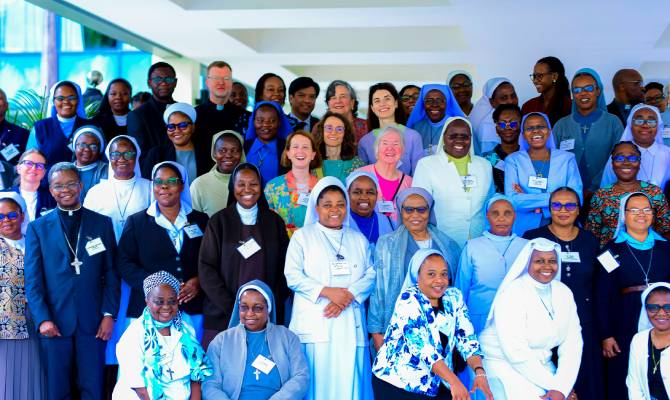
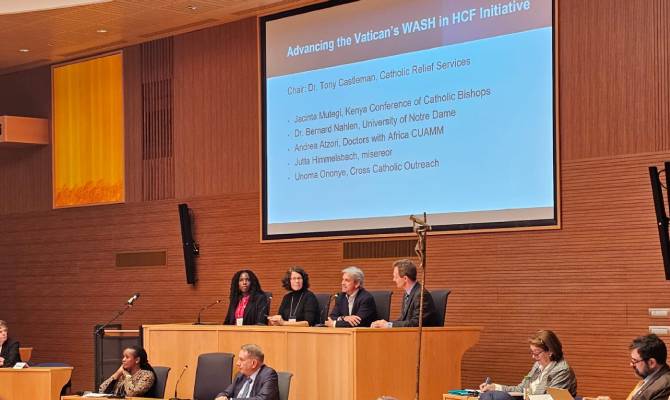
On April 22–23, we took part in the event “Committed to WASH in Healthcare Facilities: A Gathering of Faith-based Organizations and Allies to Accelerate Progress”, held in Rome at the Jesuit Curia. The global meeting brought together faith-based organizations and partners committed to improving access to essential services—water, sanitation, and hygiene (WASH)—in healthcare facilities, a need also highlighted by the United Nations.

The event aimed to secure concrete financial and operational commitments to strengthen WASH services in faith-based healthcare facilities. It also sought to accelerate new initiatives, foster collaboration with secular partners, and share lessons learned and future priorities.

Throughout the discussions, a stark reality was repeatedly emphasized: across 60 low-resource countries, 37% of healthcare facilities lack basic water services and 81% lack basic sanitation. These gaps directly contribute to higher maternal and infant mortality, increased disease transmission, and deepening poverty.

“We all recognize how challenging it is not only to ensure, but also to sustain, WASH services in many health facilities,” said Andrea Atzori, Head of International Relations at CUAMM. “While the term ‘WASH’ may be relatively recent, the challenge of water access has persisted for decades—spanning infrastructure, maintenance, and long-term affordability.” He also highlighted how WASH is closely linked to CUAMM’s commitment to maternal and neonatal health through prevention.

This connection was echoed by Sean Callahan, President and CEO of Catholic Relief Services, who stressed that access to WASH “not only prevents infections and protects health—it also upholds the dignity of vulnerable patients. Every mother deserves clean water, private sanitation, and hygienic conditions when giving birth.”

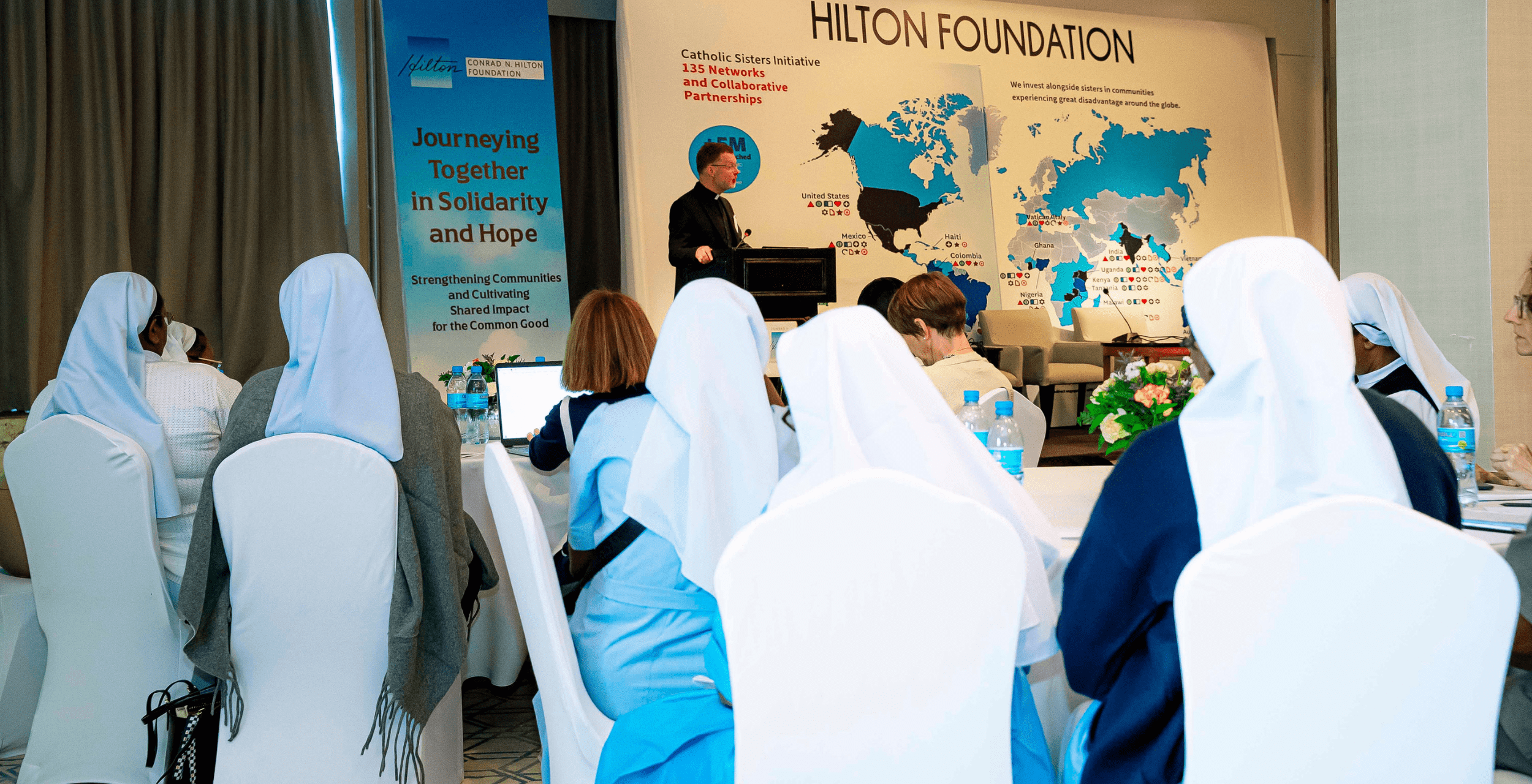
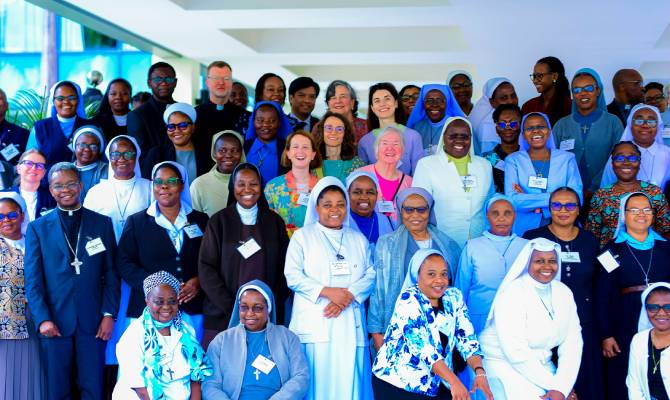
The meeting also highlighted the critical role of women’s religious congregations and faith-based health networks in delivering healthcare and promoting human dignity worldwide.

Faith-based organizations (FBOs) are essential providers in underserved and hard-to-reach areas, delivering 30–50% of healthcare services in some low-resource countries. Despite their impact, their contributions are often overlooked.

Recognizing this, since 2019 we have partnered with FBOs across Africa to strengthen their capacity, resilience, and participation in decision-making processes. Today, we support 93 Catholic congregations in 26 countries through training, technical assistance, and advocacy.

“While WASH is not our core area of expertise, we are committed to identifying sustainable solutions and integrating these services into broader health interventions by working closely with institutions, communities, and partners—including FBOs,” added Atzori. “This collaboration enables us to better understand challenges, co-develop practical solutions, and advocate more effectively for lasting progress.”

The two-day meeting provided a platform to exchange experiences and align on next steps. Participants—from religious leaders to field experts—called for scaling progress and “turning commitments into funded plans with clear targets and deadlines,” as noted by Alistair Dutton, Secretary General of Caritas Internationalis.

Cardinal Michael F. Czerny emphasized the urgency of action:

“Without WASH, healthcare cannot be safe. No treatment, surgery, or delivery can be properly performed. Ensuring these basic conditions is a fundamental step toward human dignity and integral development.”

Adding her voice, Sarah Mullally, Archbishop of Canterbury, stated:

“As a former nurse, I know that clean water and sanitation are essential to safe and effective healthcare. I am encouraged by the progress already underway and urge continued support for this vital work.”

Moving forward, the challenge is clear: transform commitments into concrete, funded actions that reach the most vulnerable. In this effort, the leadership of faith-based actors will remain critical. As Sister Irene O’Neill, Founder of Sisters Rising Worldwide, emphasized, “sisters see what others often miss, they remain where others do not and are already leading solutions that need to be heard, shared and scaled sustainably.” Scaling these solutions is no longer optional—it is urgent.

The event was promoted by a consortium of partners committed to advancing WASH in healthcare facilities, including CUAMM, Caritas Internationalis, Catholic Relief Services, the Daughters of Charity of Saint Vincent de Paul, Global Ministries/UMCOR, the U.S. Catholic Health Association, the Anglican Communion Health and Community Network, ACHAP, and Accord Network. It was held under the patronage of the Dicastery for Promoting Integral Human Development.


Contrasting GBV to shape a brighter future

Here is the English version, revised for clarity, flow, and a more institutional news style:


Today in Maputo, the PAZ project was launched, a new commitment in support of girls and adolescents in Cabo Delgado province, Mozambique.

In a context marked by years of conflict, forced displacement, and extreme climate events, women and girls remain among the most vulnerable groups. Funded by AFD – Agence Française de Développement and led by the Aga Khan Foundation, the project we are starting implementing in collaboration with the local NGO GirlMove aims to strengthen protection, education, and psychosocial support pathways, with the goal of preventing and responding to gender-based violence and promoting concrete opportunities for the future.

“We are working to connect different actors who can contribute to the autonomy of Mozambican women. It is essential to support concrete interventions that respond to community needs and address practices that still affect women today. The joint work of AKF, CUAMM, and GirlMove, together with communities and authorities, will be key to achieving real impact,” said Marie-Hélène Loison, Regional Director of AFD.

The French Ambassador Yann Pradeau also highlighted the value of the initiative, stressing its contribution to addressing the needs of rural areas, promoting women’s rights, and strengthening peace in conflict-affected settings.

In collaboration with GirlMove, we will work to strengthen the prevention and response to gender-based violence through protection, education, and psychosocial support activities. The intervention aims to improve the quality, capacity, and coordination of health, social, and legal services for survivors, across the entire continuum of care—from prevention to integrated response—through a survivor-centred approach that prioritises individual needs and dignity.

The project also focuses on strengthening the capacity of health, social, and justice professionals through training and supervision to improve case management, psychological support, and the identification and treatment of trauma in children and adolescents. At the same time, referral mechanisms between schools and services will be reinforced, alongside training for teachers, community actors, and mentors to support early identification of cases and activation of protection pathways.

Activities also include awareness-raising in schools and communities, legal and paralegal support for families, and access to specialised mental health services for survivors. Where needed, material and logistical support will also be provided to ensure access to care.

Taken together, these actions contribute to building a more coordinated, accessible, and responsive system for girls and adolescents who have experienced violence, strengthening the capacity of communities and institutions to prevent and effectively respond to gender-based violence.

A meaningful step towards a safer, more equitable, and more just future.


Neonatal care services improve in Addis Ababa

In Addis Ababa, within the wards of the Black Lion Hospital, locally known as Tikur Anbessa Specialized Hospital, healthcare workers strive every day to provide adequate care to the most vulnerable newborns. The challenges are many: limited resources and the condition of the facility make it difficult to respond to the growing number of patients. For this reason we chose to intervene to sustainably improve the quality of maternal, newborn, and child healthcare—an effort that also extends to Suhul Hospital in Shire, in the Tigray region.

The project “Strengthening neonatology in Ethiopia”, funded by the Italian Agency for Development Cooperation and developed in close collaboration with hospital staff and the Ethiopian Paediatric Society, is fully aligned with the country’s main national strategic frameworks. This strong alignment enables the initiative not only to concretely improve the quality of healthcare services, but also to contribute to achieving national and international standards and care protocols.

A rapidly growing demand for neonatal services, combined with outdated infrastructure and persistent technical constraints in the availability of essential resources such as water, electricity, and oxygen, makes the context particularly challenging and limits the delivery of high-quality healthcare services.

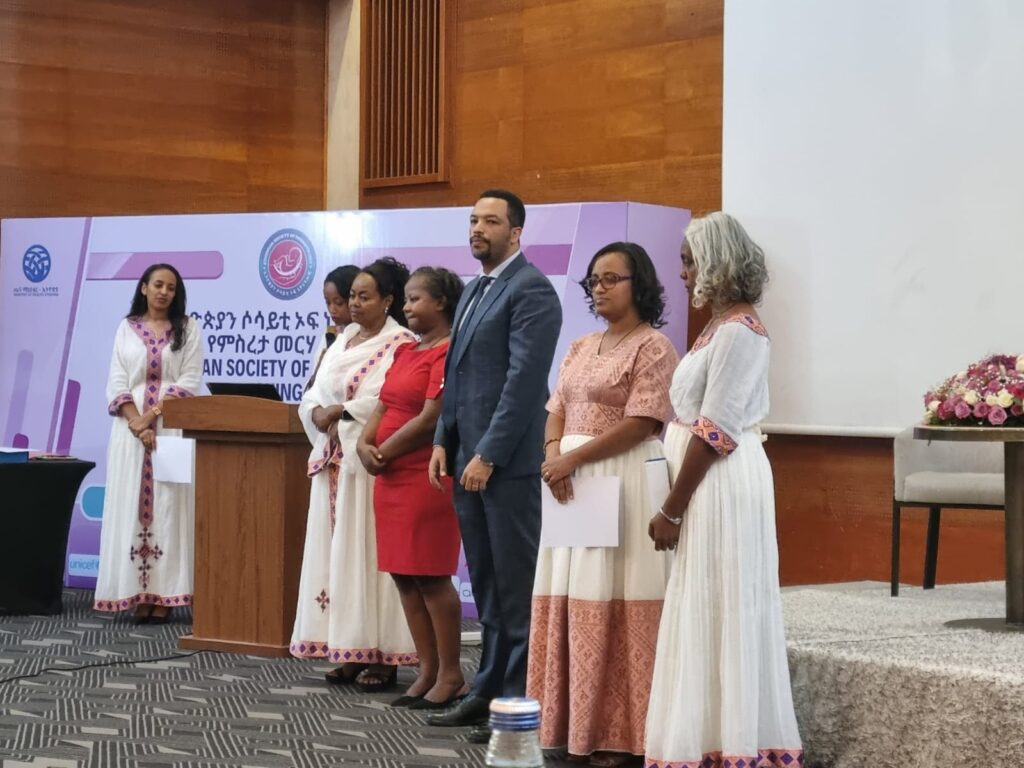
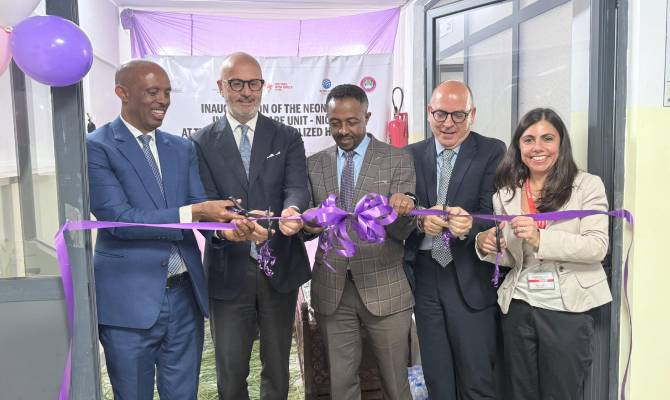
“The expected results of this project are both ambitious and achievable. Today we celebrate the inauguration of this fully renovated and equipped neonatal intensive care unit, but our commitment does not end here. In the coming months, we will continue working to implement further improvements, including training activities,” said Maria Perrella – CUAMM Country Manager who also expressed gratitude to all partners, including the Ministry of Health Ethiopia, the hospital management, the Ethiopian Paediatric Society, the Italian Agency for Development Cooperation, and the Embassy of Italy in Ethiopia.

The Italian Ambassador to Ethiopia, Sem Fabrizi, expressed his appreciation to all those present, emphasizing that this achievement is the result of a long-standing and strong collaboration between the two countries. “Thanks to this intervention,” he noted, “Ethiopia is today taking an important step forward towards achieving international standards of care.” Encouraging remarks were also delivered by Michele Morana, AICS Representative in Ethiopia, who acknowledged the value of this commitment and highlighted the effectiveness of the collaboration between CUAMM, the Italian Agency for Development Cooperation, and the Ethiopian Ministry of Health.

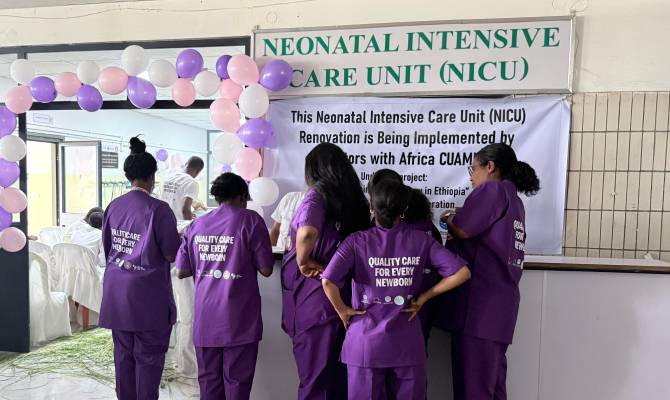
At the heart of the intervention is the neonatal intensive care unit (NICU) of Black Lion Hospital, one of the country’s main referral hospitals. Thanks to a series of infrastructure works launched in 2025, care conditions have significantly improved: the refurbishment of the electrical system, renovation of flooring, and upgrading of the water system—with a dedicated tank for the NICU—are making the environment safer and more functional. In the coming months, the expansion of the medical gas distribution system is also planned, a crucial step to ensure life-saving treatments.

Alongside infrastructure, technology plays a key role. The ward has been equipped with essential devices for the survival of premature and critically ill newborns, including incubators, ventilation devices such as CPAP machines, fetal monitors, infusion pumps, and resuscitation equipment. Tools that, when combined with adequate skills, can make the difference between life and death.

For this reason, significant investment has also been made in training. In December 2024, biomedical engineers from the hospital and other centers took part in an intensive course on installation, calibration, and maintenance of medical equipment. The results were tangible: a roughly 17% improvement in technical skills and the development of internal operational plans to ensure continuity.

The initiative continued with a national workshop on biomedical equipment, bringing together key actors from Ethiopia’s healthcare system. This exchange highlighted ongoing challenges—from shortages of spare parts to inventory management issues—but also a shared commitment to strengthening maintenance systems and ensuring service sustainability.

Particular attention was also given to the Black Lion biomedical laboratory, which, although already well equipped, still requires support in training junior staff and in the consistent application of preventive maintenance.

In February 2025, also within the framework of the intervention and in collaboration with the Union of European Neonatal & Perinatal Societies (UENPS), we brought together international experts and Ethiopian healthcare professionals for a neonatal resuscitation training aimed at establishing a pool of trainers with specific national-level expertise, and subsequently launching a cascade of training activities. The initiative was carried out alongside a two-day international workshop that gathered global experts, Ethiopian healthcare staff, representatives of regional health bureaus, the Ethiopian Ministry of Health, and the WHO, with the aim of strengthening clinical and methodological skills to improve neonatal survival in Ethiopia.

Overall, the intervention is contributing to a tangible transformation: improved infrastructure, more qualified personnel, and strengthened local capacity to manage and maintain healthcare technologies. An integrated approach that aims not only to respond to immediate needs, but also to build a more resilient healthcare system over time.

OdonAssist From Research to Practice

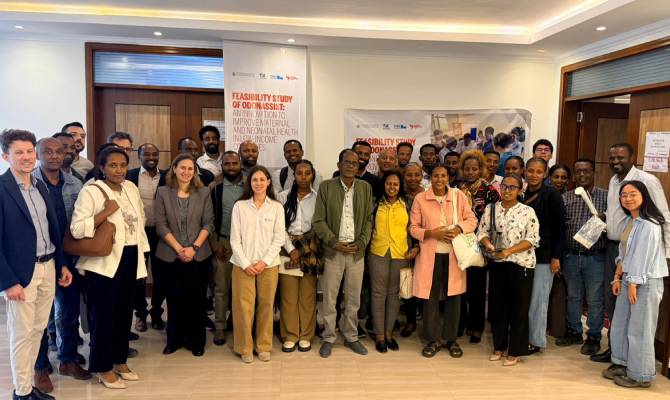
We recently hosted a dissemination workshop for the OdonAssist™ study in Addis Ababa, Ethiopia—an important opportunity for dialogue and reflection on how its findings can help improve maternal and newborn healthcare practices.

The meeting brought together a wide range of stakeholders in maternal and newborn health, including representatives from national and regional institutions, clinicians, scientific societies, international agencies, donors, and policymakers. Participants included members of the Ethiopian Ministry of Health, Oromia Health Bureau, National scientific societies (EPS and ESOG), alongside key partners such as UNFPA, UNICEF, and the World Bank.

The workshop served as a platform to present findings from the feasibility study launched early last year in collaboration with the University of Besançon and St. Luke’s Hospital in Wolisso, as part of an initiative funded by the FID – Fonds d’Innovation pour le Développement.

“When we were presented with CUAMM’s project on OdonAssist™, we saw an opportunity to generate robust local evidence to improve maternal and neonatal healthcare in Ethiopia. For FID, this is just the beginning. The real question is: where next? Can the Odon device be integrated into Ethiopia’s health system? Can it be scaled up to reduce preventable deaths?” said Estelle Plat, FID Investment Officer.

These and other questions were addressed through the workshop as findings showed positive results in the use and application of OdonAssist in low-resource settings.

During the workshop, Dr. Betrán Lazaga presented the WHO Global Landscape on Assisted Vaginal Birth (AVB), providing an overview of global trends. She highlighted the steady rise in cesarean section rates alongside a decline in assisted vaginal births and outlined the recurrent complications associated with cesarean sections—particularly in low-resource settings, where they remain a leading cause of maternal mortality.

Key gaps identified by WHO and discussed during the event include:

  • Strengthening training for assisted vaginal birth
  • Improving communication between providers and patients
  • Expanding access to pain management options
  • Evaluating new technologies and service delivery models
  • Supporting healthcare providers through targeted behavioral interventions

Against this backdrop, testing the device in low-resource settings is essential to understand its potential, practical application, and scalability—particularly where the need for safer, simpler solutions in case of complications during labor and delivery is most urgent.

According to the United Nations, there are approximately 130 million births worldwide each year, of which around 5-10% are expected to benefit from AVB. However, these figures drop dramatically in low-resource settings. Data from over 40 countries across Latin America and sub-Saharan Africa show that only a fraction of health facilities provide access to these services, largely due to shortages of equipment and trained personnel.

Making AVB both accessible and safe in low- and middle-income countries is critical for reducing maternal and neonatal mortality.

“It is not merely a clinical issue, but a structural one,” said Michele Orsi, gynecologist at the Policlinico of Milan and CUAMM Project Manager. “Ensuring equitable access to assisted vaginal birth also means reducing delays in the delivery of obstetric care. Achieving this requires interventions that go beyond training—addressing resource availability, workforce distribution, and adaptation to local contexts.”

In Ethiopia, where we conducted the feasibility study, most assisted births are performed by general practitioners – midwives, and health officers, while gynaecologists are largely limited to hospitals. In peripheral health facilities, assisted births are almost exclusively managed by non-specialist staff who are on the frontline of obstetric service delivery, as Dr. Teshome from St. Luke Hospital noted during the workshop. Strengthening skills and expertise among healthcare workers is therefore a priority.

Results from St. Luke Hospital

As part of the feasibility study, last year OdonAssist™ was introduced in the delivery room at St. Luke Hospital, Wolisso, allowing midwives, gynecologists and surgical officers previously trained to use the device for AVB.

Throughout the study, 80% of assisted vaginal births were performed by midwives and surgical officers, achieving a 75% success rate. Typically, in this setting, epidural anesthesia is scarcely available in hospitals and completely unavailable in health centers. These results demonstrate that a simple, easy-to-use device like OdonAssist™ has the potential to significantly improve maternal and neonatal health outcomes.

 “These results are not an endpoint— on the contrary they should guide further action,” emphasized Dr. Cetin, Head of the Obstetric Department at Mangiagalli, Milan.

The study had previously been conducted in the UK and France, where the tool was used by gynecologists, achieving success rates of 67% and 88% respectively. The findings from Ethiopia – where the device was used by midwives and surgical technicians are consistent with these earlier results, showing comparable success rates as well as similar benefits in terms of reduced neonatal trauma and pain experienced by women.

The study conducted in Wolisso made Ethiopia the first low-resource country in Africa to participate in this type of research. Today, Ethiopia is the first and only country in which healthcare personnel have used OdonAssist™ operationally in a delivery room.

“OdonAssist™ is not just a technological innovation—it is practical innovation in the field,” noted Dr. Getache Secretary General of ESOG.

Building on global trends of rising cesarean section rates and declining assisted vaginal births, discussions also addressed key research gaps. Particular attention was given to findings on the safety, accessibility, and acceptability of OdonAssist™ among both healthcare providers and women, highlighting its potential to expand access to quality obstetric care.

Dr. Merialdi, Chief Medical Officer at the Maternal and Newborn Health Institute, emphasized the patient-centered approach behind the device:
“All studies have been conducted with a focus on women’s needs. OdonAssist™ is one of the first obstetric devices evaluated directly from the patients’ perspective.”

Acceptability was in fact assessed immediately postpartum, considering both maternal and neonatal well-being. The data show that resulted in overall rates of episiotomies and spontaneous lacerations similar to those observed with the vacuum, while achieving lower average pain scores and a reduced need for analgesia. Evaluations of perceived safety, respect, and communication during labor confirmed high maternal satisfaction, with most women reporting a positive experience.

Comparisons between the two devices indicate that OdonAssist™ achieved similar levels of acceptability and satisfaction, suggesting that perceived benefits are influenced not only by the technique itself but also by healthcare providers’ approach and adherence to protocols. Furthermore, the use of the device did not increase maternal risks and appears to confirm a reduction in neonatal risks, consistent with previous studies.

In conclusion, the project demonstrates high acceptability among both women and healthcare providers, a favorable safety profile, and ease of use. The authors recommend further studies with larger samples to confirm and consolidate these preliminary findings.

“The feasibility study conducted in Wolisso represents, on a small scale, a wide range of low-resource settings. For this reason, we can conclude that the device is accessible and applicable and it can indeed be scaled-up – affirmed Michele Orsi. Now it is time to move forward and undertake a second study to evaluate its real impact”.

Improving nutrition services in Uige

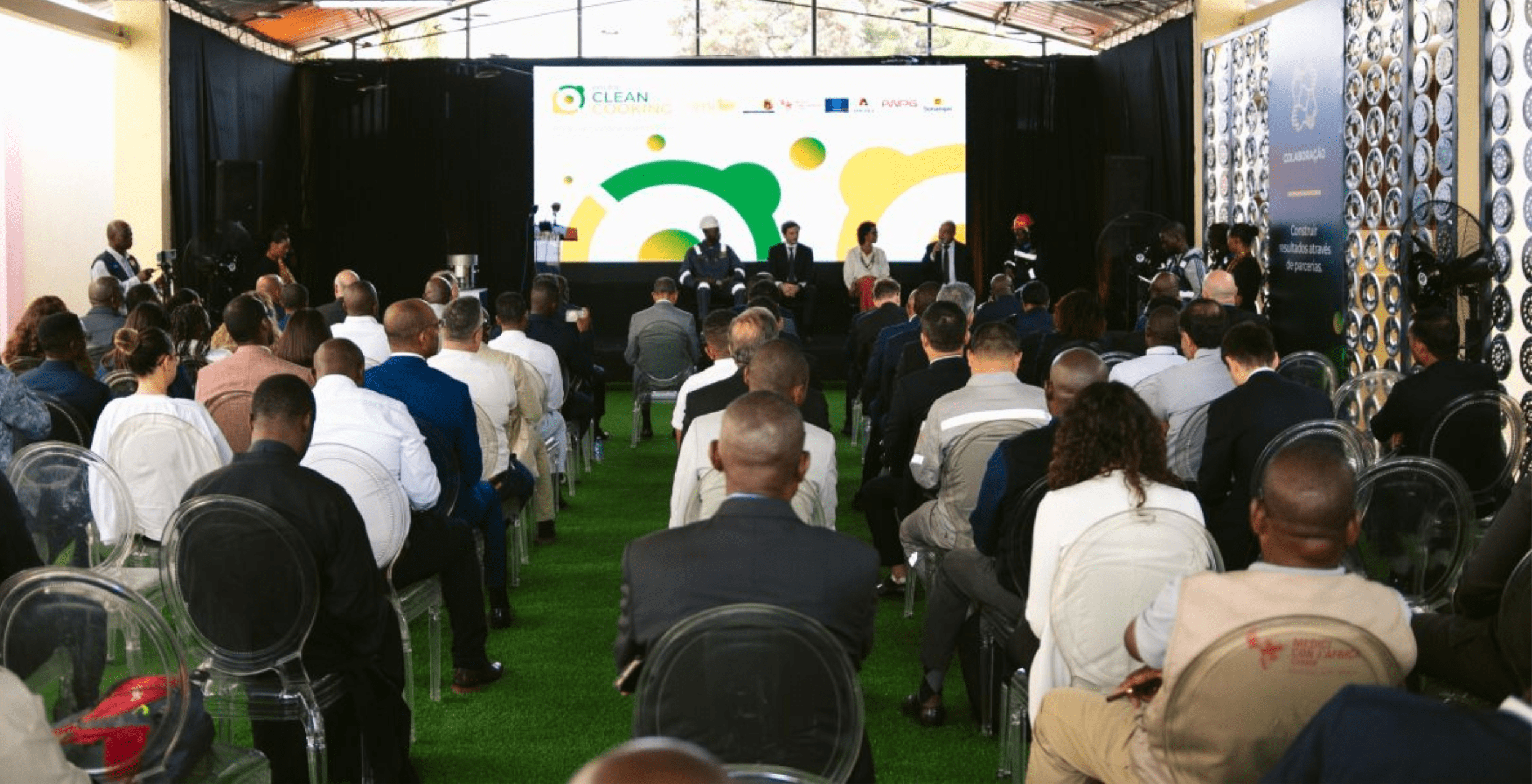
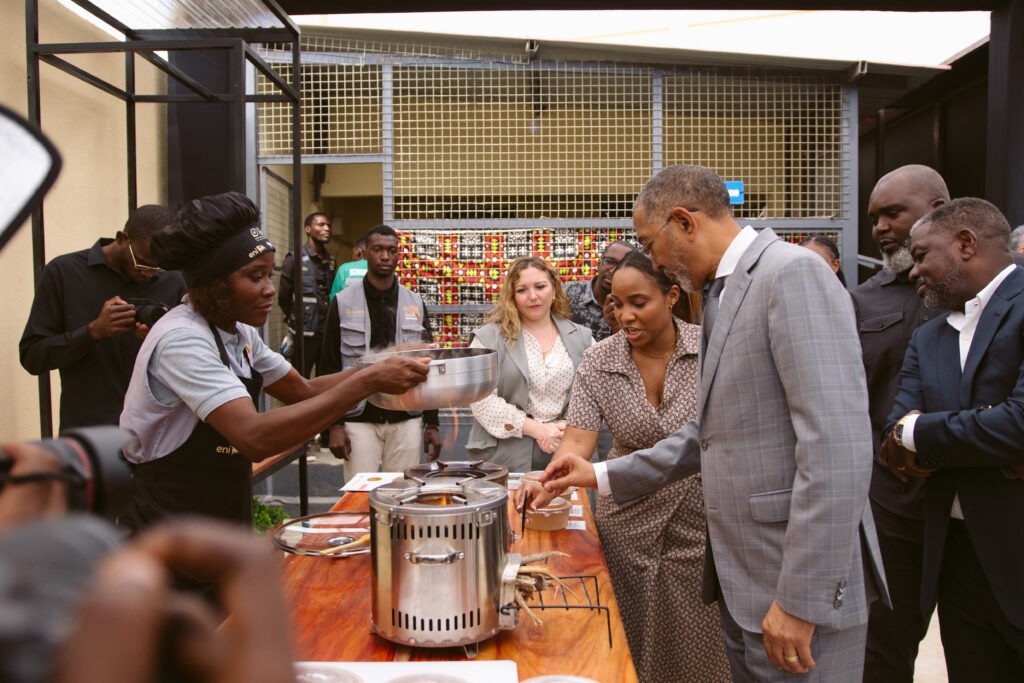
Last week we inaugurated the Special Nutrition Unit, complete with an ECD corner and an open kitchen, at the Songo Municipal Hospital, Uige province, northern Angola. The intervention has provided the community with renewed and efficient spaces for care, allowing well-trained healthcare staff to manage nutrition services more effectively.

“We are delighted to be here today to celebrate a major shared milestone: the inauguration of these premises. It is an honor to represent Doctors with Africa CUAMM, an organization whose connection to this province runs deep—Uíge was the very first province in Angola where CUAMM began its work back in 1997. My colleague and I are committed to honoring this legacy, continuing our collaboration with local authorities, and strengthening the province’s health system. We would also like to acknowledge our donor, Eni, and our partner, Don Bosco, whose support made this project possible.” Said Nicolò Grassia – CUAMM Project Manager.

In addition to the municipal hospital, the rehabilitation also included three health centers in Songo, where Therapeutic Programs for Malnourished Patients will be implemented to address moderate and severe acute malnutrition without complications, aiming to reduce its prevalence in the region. Following this first structural intervention, two more centers in Songo will be upgraded, and similar initiatives will be carried out in the municipalities of Quitexe, Damba and Nsosso —bringing the total to 13 strengthened healthcare facilities.

The rehabilitation of the premises is part of the activities planned within the Clean Cooking programme. The programme, carried out in collaboration with Eni and Salesiani Don Bosco, aims to distribute 200,000 improved cookstoves and reach over one million people in the area.

“The project has a clear purpose and aims to improve people’s health, with a special focus on the nutritional status of young children. As the municipal administration, we are committed to doing our best and we thank CUAMM and its partners for their dedication, spirit of solidarity, and strong collaboration.” Floberto David – Deputy Administrator, Songo.

As CUAMM, by adopting the Health Plus strategy we have integrated health services within the broader Clean Cooking initiative with the aim to strengthening local healthcare provision and ensuring adequate support at all levels of care in a total of 5 municipalities (Songo, Quitexe, Damba, Nsosso, and Vista Alegre).

As part of the project, the GIDA training for the integrated management of malnourished patients was carried out in recent months, involving 81 healthcare professionals from four municipalities. The courses strengthened skills in screening, diagnosis according to GLIM criteria (Global Leadership Initiative on Malnutrition), management of enteral and parenteral nutrition, and personalized interventions, promoting a multidisciplinary approach and improving the quality of life for malnourished patients.

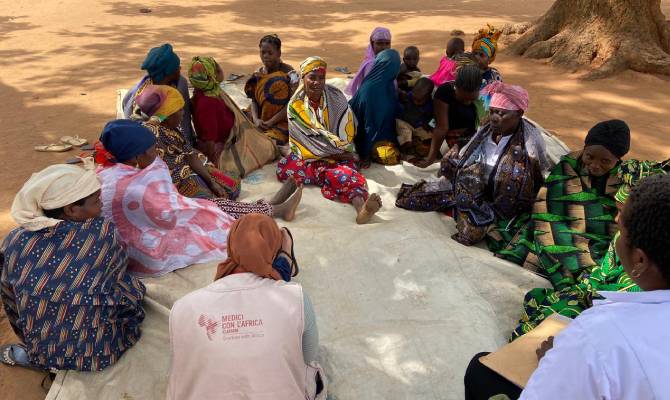
A commitment aimed at strengthening the local healthcare system by ensuring continuity of care—from communities to health centers and up to municipal hospitals. In recent months, 18 cooking demonstrations have already been organized thanks to 147 trained community agents deployed in the field. These activities represent a simple yet effective way to raise awareness among communities about nutrition, as well as hygiene and sanitation practices, promoting positive behaviors and contributing to a reduction in malnutrition, malaria, and infectious diseases.

Midwifery moves further Monza meets Tosamaganga

What drives two midwives with years of experience in a major hospital in Lombardy to fly to Tanzania for a two-week training?
For Teresa Gramegna and Lucia Zagra, who have been working at San Gerardo Hospital in Monza for 12 and 3 years respectively, the answer lies in a scholarship from the University of Milano-Bicocca and in a special encounter that changed their professional perspective.

A meeting born miles apart

It all began within the walls of San Gerardo, thanks to an international exchange project (Erasmus+) between Bicocca University and Ruaha University College (RUCU) in Iringa. It is here that Teresa and Lucia met Annajoyce, head nurse of the gynecology ward at Tosamaganga Hospital.

“Annajoyce stayed with us in Italy for two months,” the midwives recall. “She was a quiet yet extremely attentive presence. We were struck by her attention to detail, from the precision in folding sheets to her deep, almost instinctive clinical observation of women and staff.”

It was precisely this human connection that built a bridge to Africa, where, as Doctors with Africa CUAMM, we have been working in the field for years with the program “Mothers and Children First. People and Skills.”

Training in Tosamaganga: learning how to teach

Upon arriving in Tanzania, Teresa and Lucia found themselves immersed in a reality where limited resources are balanced by an extraordinary capacity for adaptation and collaboration. The training, organized together with CUAMM staff and Annajoyce, was not a simple lecture but a dynamic exchange.

“We discovered a different teaching system, much more engaging, made up of energetic moments and collective repetition,” they explain. “There was no rigid hierarchy: doctors and midwives work in complete symbiosis, discussing every clinical case from the night together.”

The impact of the delivery ward was striking: small spaces where technology gives way to pure clinical skills. In a context where a woman has on average 3 or 4 children, the work focused on reducing cesarean sections and improving fetal monitoring—both complex challenges due to limited equipment and cultural differences.

Small changes, big impact

The core of the training focused on two fundamental pillars: freedom of movement during labor and monitoring fetal well-being.

Despite the objective difficulties, the training produced immediate results. Thanks to the willingness of local staff, small but meaningful changes were introduced: a sheet hung up to support free movement during labor, and a handmade birthing stool built by a local carpenter.

“We saw an immense desire to learn,” Teresa emphasizes. “After just the first week, we noticed improvements in monitoring fetal well-being. They taught us that even with little, you can achieve a great deal if there is cooperation.”

A rewarding return

The experience in Tosamaganga ended with songs, dances, and hugs during the certificate ceremony, but the bond remains strong. For Lucia and Teresa, the outcome is extremely positive. From a clinical perspective, they bring home a greater capacity for observation and the importance of returning to the essence of their profession; on a human level, a new sensitivity toward foreign mothers giving birth in Italy: “Now we can better understand their fears and their background.”

Their advice to colleagues? “Do it—but do it together. Supporting each other is essential.”

Teresa and Lucia’s journey shows that international cooperation, supported by universities and organizations like CUAMM, is not just about transferring technical skills, but about mutual enrichment that makes the most delicate moment of life—birth—more humane.


Innovating to Advance Better Health Outcomes Beira’s New Learning Hub

At the Beira Health Sciences Institute, in Sofala Province, Mozambique, we inaugurated this week a new training and simulation center for maternal and child healthcare. This is not just a classroom, but a cutting-edge hub—a model of training designed to offer students, faculty, and healthcare staff a new experience in learning and continuous professional development.

Among the attendees at the ceremony were the Italian Ambassador to Mozambique, Gabriele Annis, Secretary of State Manuel Rodrigues Alberto, and Sérgio António Rodrigues Chicumbe, National Director of the Health Professional Training Program at the Ministry of Health.

“The health sector has always been a priority for Italian cooperation: it is a tradition we are proud of, guiding our commitment to ensure quality healthcare for all. For Italy and the Mattei Plan, maternal and child health is the top priority. I thank the Secretary of State, the National Health Directorate, the Beira Health Sciences Institute, the University of Sassari, CUAMM, and all those who contributed to this achievement. The true value of this classroom will be realized when it is actively used to train and inspire new generations of health professionals,” said Gabriele Annis, Italian Ambassador to Mozambique.

The newly inaugurated center, the second of its kind in the country, will now serve Sofala Province and represents the first national laboratory dedicated exclusively to maternal and neonatal health technicians. It provides a space where students in the professional neonatal nursing course can practice clinical cases they will encounter in daily work. The equipment supplied includes mannequins, cribs, incubators, scales, neonatal resuscitation devices, and much more.

The course is a one-year training program offered by CUAMM and recognized by the National Directorate for Health Personnel Training, now in its second edition. Last year, 20 professionals participated: 15 nurses from Beira Central Hospital (usually working in neonatal intensive care or delivery wards), 3 nurses from Beira General Hospital, and 2 nurses from Nhamatanda Rural Hospital.

The inauguration of this new space is part of a project funded by Italian Cooperation and implemented by CUAMM in partnership with the Community of Sant’Egidio and Aispo, under the guidance of the University of Sassari and in collaboration with the Ministry of Health of Mozambique. The project aims to support healthcare worker training, enhance the clinical and managerial skills of health authorities, and strengthen the health system, including through innovative tools such as telemedicine.

Thanks to the technology available in the center, participants will have access to a wide digital library and the ability to communicate with experts worldwide on maternal and child health. This facilitates the sharing of knowledge and best practices and helps create and strengthen lasting partnerships.

“This space is pioneering. We are delivering a beacon of hope, a pillar for maternal and child health in the country,” said Secretary of State Manuel Rodrigues Alberto.


Tuberculosis a disease we can end

“Yes! We can end tuberculosis!” The slogan for World TB Day 2026 is not just a message of hope—it is a concrete commitment that we carry forward in the 9 Sub-Saharan African countries where we operate. Every day, through their work and dedication our team on the ground shape this message translating it into act of care to ensure that every person has the right to a healthy future.

Although tuberculosis is now a treatable and curable disease, the latest Global TB Report from the World Health Organization confirms that Africa still bears 25% of the global burden of this epidemic. In Uganda in particular, the challenge is a delicate balance between technological progress and social barriers: according to the most recent data from the Ugandan Ministry of Health, incidence remains high at around 200 cases per 100,000 people. TB continues to be the leading cause of death among people living with HIV and one of the main threats in the country’s most vulnerable areas, such as the Karamoja region.

Today, the real challenge in Uganda—as in many other contexts—is not faced only in healthcare facilities but in the most isolated villages. Although the treatment success rate monitored by the National TB and Leprosy Programme has reached a record high of 90%, a dangerous gap remains: 20% of people with Tb remain undiagnosed.

These are the “missing millions”—people living with symptoms without knowing they are contagious, unintentionally fueling transmission. To identify them, CUAMM, in line with the WHO’s “End TB” strategy, has chosen a multi-level approach aiming at intervening at every level of the health system, promoting the strengthening and expansion of prevention, diagnosis, treatment, and follow-up services, with particular attention to drug-resistant TB. Specifically, in the Napak and Moroto districts of the Karamoja region, CUAMM is implementing, together with local health authorities, the “PRO-TB: Strengthening the Organized Network for Tuberculosis in Karamoja” project, supported by the Charitable Fund and social and cultural initiatives of Intesa Sanpaolo.

Today our Tb response efforts in Uganda have the name of Lokoth Joseph Akorikibok, 39 from Kotido district. For months, he suffered from a relentless cough that stole his voice, appetite, and slowly, his hope.

“I coughed for so long that I almost lost my voice,” Joseph recalls. “I was terrified. I kept thinking about death and what would happen to my wife and children if I weren’t there.”

Like many living in remote areas, Joseph initially sought help wherever he could: small pharmacies, taking medicines that had no effect. “No improvement. I knew it was only a matter of days before I would die.”

The turning point came at Losilang HC II health center. When asked for a sputum sample for testing, Joseph was about to give up: “I had lost all hope; I didn’t even want to take the test. But then I found the energy to do it, and it was the decision that changed my life.”

The diagnosis was one of the most difficult: MDR-TB, drug-resistant tuberculosis. With support from CUAMM and Matany Hospital, an ambulance was sent to bring Joseph to Matany, where he began a strict treatment protocol.

“CUAMM and the Matany team saved me. They gave me the right medicines, but not only that. I want to thank them for the food they provided in the hospital: without it, the medicines would have been too strong for my body. The food made the treatment possible.”

Today, Joseph has returned home. His condition has improved, his weight has increased, and above all, he has regained his determination.

“Every day, exactly at 10:00 a.m., I take my medicine. I don’t skip a minute, I don’t skip a day.”

Joseph’s story is a tangible proof that healing is possible.

“Ikilakara aiyiun lojokotau nooi”—a heartfelt thank you to all the good people who supported me. In his language, this gratitude captures the essence of our work. He also offers an “appeal” to his community:

“Stop taking medicines without knowing what you are doing. Go to the hospital, get tested. My life improved because I trusted medicine and the healthcare workers.”

In Nekemte, to rebuild not to bomb

Dear friends,

a neglected area, one that until now no one has truly looked at.

The name of a hospital — Nekemte — which we spoke for the first time last November in the presence of the President of the Republic, committing ourselves to being “with” these people, supported by his words:
“CUAMM has not given itself the easy excuse of being too small to change the world. Solidarity generates trust. It is an antidote to resignation and indifference.”

It is precisely from here that I write, from Nekemte. And from here I read about more than 150 young girls killed “by mistake” by American bombs on the first day of the war in Iran. So much innocent suffering! We would like to cry out that this cannot be, that in this way we are destroying the world — our future and that of those who will come after us.

At the same time, deep within, I feel that this cry of ours takes shape in our mission of leaving, in that “euntes curate infirmos” which has been the purest source of our commitment for 75 years. Some set out to bomb, others set out to heal. Some to kill, others to bring health and life. We are clear about which side we stand on: there is no louder voice than that of those who speak with their lives — their own — alongside the poorest.

In the town of Nekemte, in western Ethiopia, which serves an area of over 5 million people, a population of 400,000 has taken in 150,000 displaced persons. The town has a 250-bed hospital, a run-down overcrowded facility with countless mothers and children. The sick lie everywhere — on the ground, on cardboard, on broken beds and stretchers. Equipment is nonexistent or out of order, water and electricity are intermittent, and the staff are exhausted and demoralized.

Here, in recent days, we have symbolically laid the foundation stone for the reconstruction of the hospital. White and Black hands together, building the future. Dr. Abebè, the hospital director, told me with emotion:

“We have always been abandoned. The emergency department is unable to respond to the many urgent needs — we lack everything and we can’t go on like this. We have nearly 4,000 births a year. We do our best, but it is extremely hard, especially for the patients. Knowing that you are here with us gives us strength.”

Providence and many friends — like you reading my words — will help us rehabilitate the walls of the emergency department, the triage area and the outpatient clinics; to re-equip the facilities and laboratories; and to rebuild the trust of the many people who are waiting for us.

Leaving without moving is possible, all you need is to cultivate a generous and open heart. That is where our journey begins and where it encounters others. And so we move forward together, in our act of leaving and caring — against every war, so that life may prevail over death.

Thank you for being with us.

Father Dante Carraro – CUAMM Director General