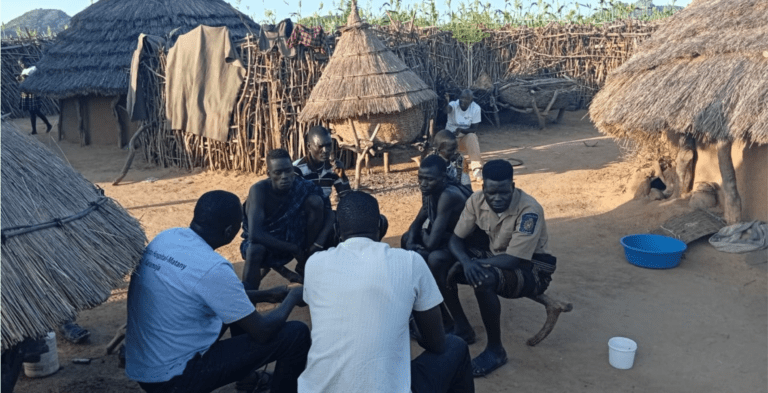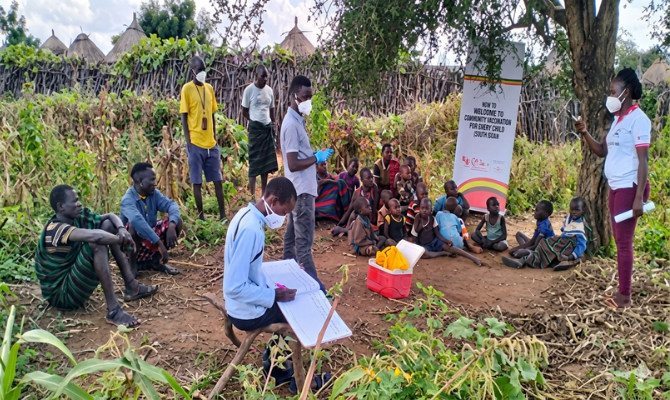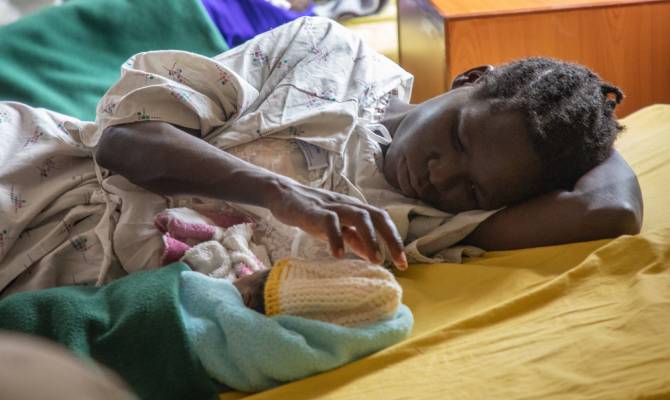
In Karamoja, in north-eastern Uganda, the food crisis continues to worsen, with increasingly severe consequences, particularly for children and pregnant and breastfeeding women. In recent months, our teams at Matany and Moroto hospitals had already reported an alarming situation, which was subsequently confirmed by the Ugandan government.
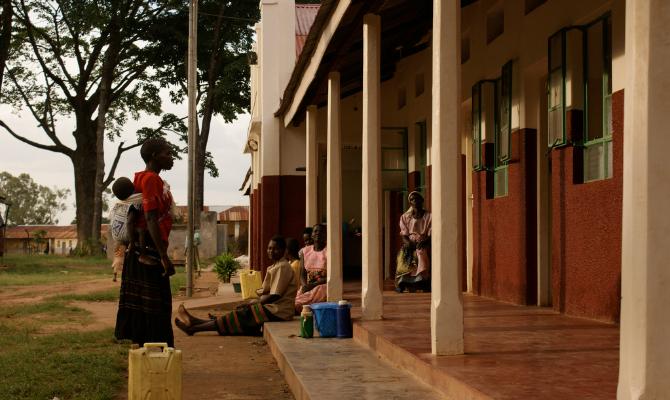
Since then, we have mobilised funds and resources to respond to the emergency. At St. Kizito Hospital in Matany and Moroto Regional Referral Hospital, we are distributing food aid to the most vulnerable people and continuing to provide healthcare services for mothers and children, with a particular focus on nutritional screening and outpatient care.
The latest data confirm the severity of the situation. Over the past month, among women who accessed antenatal care services, 17.5% in Matany and 20% in Moroto were found to be malnourished.
The crisis is driven by low rainfall and prolonged periods of drought, which have devastated almost the entire harvest, alongside a 15–25% increase in food prices compared with 2025. Livestock losses and depleted household food stocks have further reduced families’ ability to access food.
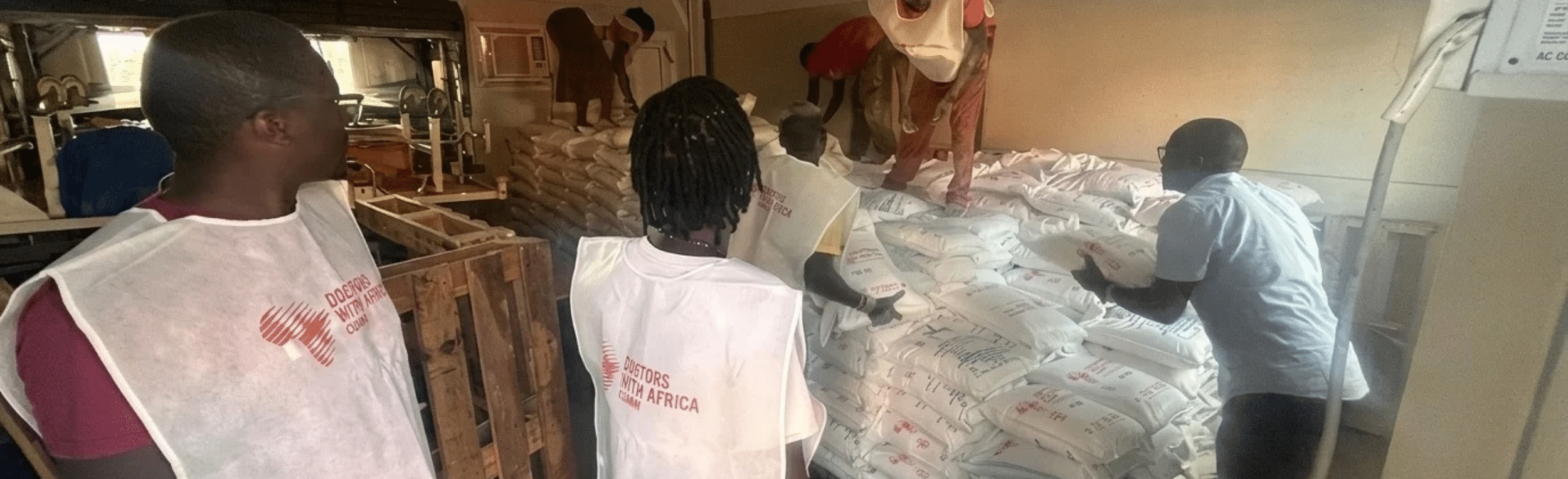
In recent weeks, our teams have been distributing 800 food kits containing maize flour, beans, soybeans, oil and salt: basic food items that, in an emergency, can help meet the essential food needs of the most vulnerable families.
“The warehouses are guarded by dedicated staff, and we are providing transport home for people receiving aid at the two hospitals. At such a critical time, when people are going hungry, security is unfortunately another challenge we have to manage.” Chiara Conti, Uganda Desk Officer.
According to the latest IPC estimates, between August and October 2026, approximately 673,000 people in Karamoja are facing high levels of acute food insecurity — the highest figure since 2018. Projections indicate that the crisis will continue in the coming months: by February 2027, approximately 679,000 people, including 154,000 children under five, could be suffering from acute malnutrition.
Food aid is helping to address some of the most severe consequences of the crisis, but needs remain enormous and available resources are insufficient. To continue reaching the most vulnerable people and responding to the emergency, our intervention must be strengthened and sustained.