Tuberculosis a disease we can end

“Yes! We can end tuberculosis!” The slogan for World TB Day 2026 is not just a message of hope—it is a concrete commitment that we carry forward in the 9 Sub-Saharan African countries where we operate. Every day, through their work and dedication our team on the ground shape this message translating it into act of care to ensure that every person has the right to a healthy future.

Although tuberculosis is now a treatable and curable disease, the latest Global TB Report from the World Health Organization confirms that Africa still bears 25% of the global burden of this epidemic. In Uganda in particular, the challenge is a delicate balance between technological progress and social barriers: according to the most recent data from the Ugandan Ministry of Health, incidence remains high at around 200 cases per 100,000 people. TB continues to be the leading cause of death among people living with HIV and one of the main threats in the country’s most vulnerable areas, such as the Karamoja region.

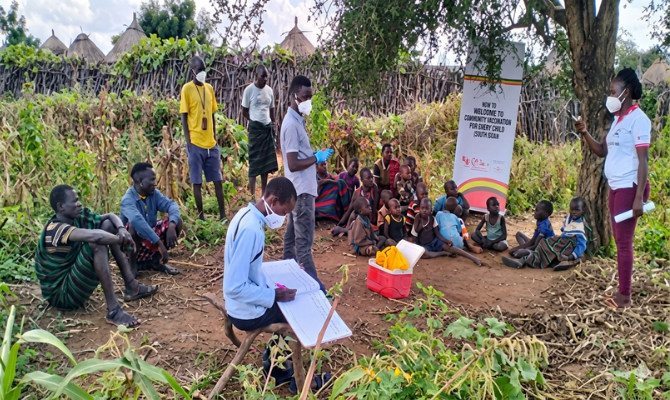
Today, the real challenge in Uganda—as in many other contexts—is not faced only in healthcare facilities but in the most isolated villages. Although the treatment success rate monitored by the National TB and Leprosy Programme has reached a record high of 90%, a dangerous gap remains: 20% of people with Tb remain undiagnosed.

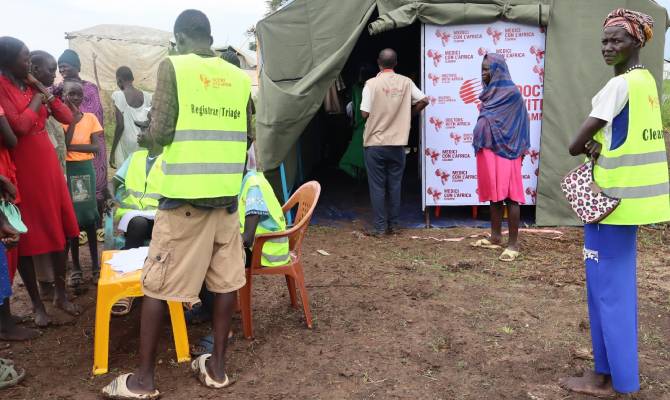
These are the “missing millions”—people living with symptoms without knowing they are contagious, unintentionally fueling transmission. To identify them, CUAMM, in line with the WHO’s “End TB” strategy, has chosen a multi-level approach aiming at intervening at every level of the health system, promoting the strengthening and expansion of prevention, diagnosis, treatment, and follow-up services, with particular attention to drug-resistant TB. Specifically, in the Napak and Moroto districts of the Karamoja region, CUAMM is implementing, together with local health authorities, the “PRO-TB: Strengthening the Organized Network for Tuberculosis in Karamoja” project, supported by the Charitable Fund and social and cultural initiatives of Intesa Sanpaolo.

Today our Tb response efforts in Uganda have the name of Lokoth Joseph Akorikibok, 39 from Kotido district. For months, he suffered from a relentless cough that stole his voice, appetite, and slowly, his hope.

“I coughed for so long that I almost lost my voice,” Joseph recalls. “I was terrified. I kept thinking about death and what would happen to my wife and children if I weren’t there.”

Like many living in remote areas, Joseph initially sought help wherever he could: small pharmacies, taking medicines that had no effect. “No improvement. I knew it was only a matter of days before I would die.”

The turning point came at Losilang HC II health center. When asked for a sputum sample for testing, Joseph was about to give up: “I had lost all hope; I didn’t even want to take the test. But then I found the energy to do it, and it was the decision that changed my life.”

The diagnosis was one of the most difficult: MDR-TB, drug-resistant tuberculosis. With support from CUAMM and Matany Hospital, an ambulance was sent to bring Joseph to Matany, where he began a strict treatment protocol.

“CUAMM and the Matany team saved me. They gave me the right medicines, but not only that. I want to thank them for the food they provided in the hospital: without it, the medicines would have been too strong for my body. The food made the treatment possible.”

Today, Joseph has returned home. His condition has improved, his weight has increased, and above all, he has regained his determination.

“Every day, exactly at 10:00 a.m., I take my medicine. I don’t skip a minute, I don’t skip a day.”

Joseph’s story is a tangible proof that healing is possible.

“Ikilakara aiyiun lojokotau nooi”—a heartfelt thank you to all the good people who supported me. In his language, this gratitude captures the essence of our work. He also offers an “appeal” to his community:

“Stop taking medicines without knowing what you are doing. Go to the hospital, get tested. My life improved because I trusted medicine and the healthcare workers.”

In Nekemte, to rebuild not to bomb

Dear friends,

a neglected area, one that until now no one has truly looked at.

The name of a hospital — Nekemte — which we spoke for the first time last November in the presence of the President of the Republic, committing ourselves to being “with” these people, supported by his words:
“CUAMM has not given itself the easy excuse of being too small to change the world. Solidarity generates trust. It is an antidote to resignation and indifference.”

It is precisely from here that I write, from Nekemte. And from here I read about more than 150 young girls killed “by mistake” by American bombs on the first day of the war in Iran. So much innocent suffering! We would like to cry out that this cannot be, that in this way we are destroying the world — our future and that of those who will come after us.

At the same time, deep within, I feel that this cry of ours takes shape in our mission of leaving, in that “euntes curate infirmos” which has been the purest source of our commitment for 75 years. Some set out to bomb, others set out to heal. Some to kill, others to bring health and life. We are clear about which side we stand on: there is no louder voice than that of those who speak with their lives — their own — alongside the poorest.

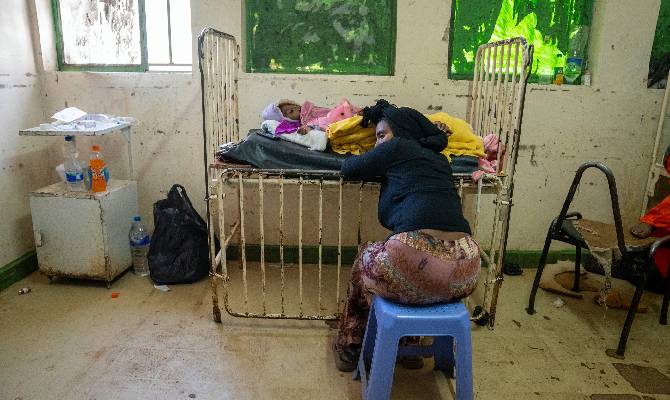
In the town of Nekemte, in western Ethiopia, which serves an area of over 5 million people, a population of 400,000 has taken in 150,000 displaced persons. The town has a 250-bed hospital, a run-down overcrowded facility with countless mothers and children. The sick lie everywhere — on the ground, on cardboard, on broken beds and stretchers. Equipment is nonexistent or out of order, water and electricity are intermittent, and the staff are exhausted and demoralized.

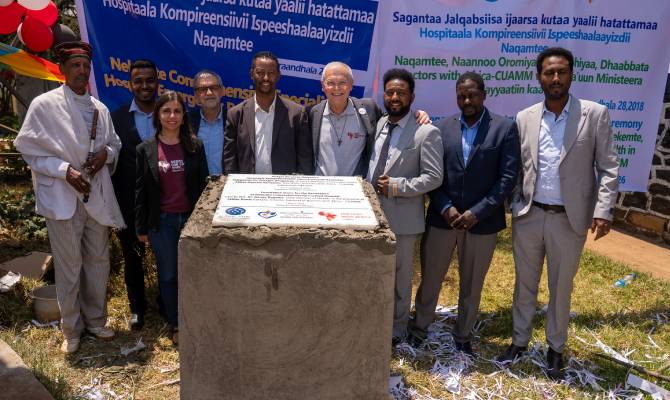
Here, in recent days, we have symbolically laid the foundation stone for the reconstruction of the hospital. White and Black hands together, building the future. Dr. Abebè, the hospital director, told me with emotion:

“We have always been abandoned. The emergency department is unable to respond to the many urgent needs — we lack everything and we can’t go on like this. We have nearly 4,000 births a year. We do our best, but it is extremely hard, especially for the patients. Knowing that you are here with us gives us strength.”

Providence and many friends — like you reading my words — will help us rehabilitate the walls of the emergency department, the triage area and the outpatient clinics; to re-equip the facilities and laboratories; and to rebuild the trust of the many people who are waiting for us.

Leaving without moving is possible, all you need is to cultivate a generous and open heart. That is where our journey begins and where it encounters others. And so we move forward together, in our act of leaving and caring — against every war, so that life may prevail over death.

Thank you for being with us.

Father Dante Carraro – CUAMM Director General

Translating research into practice

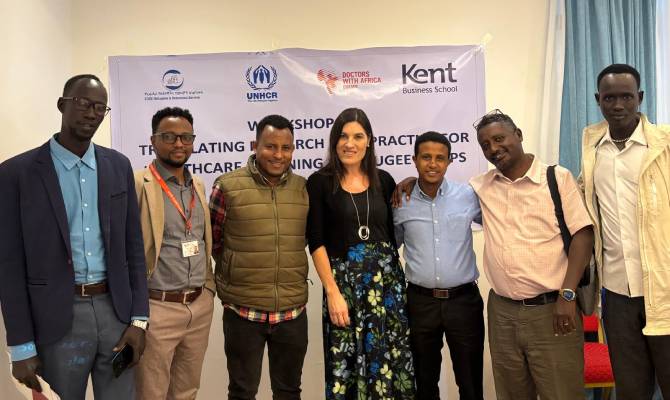
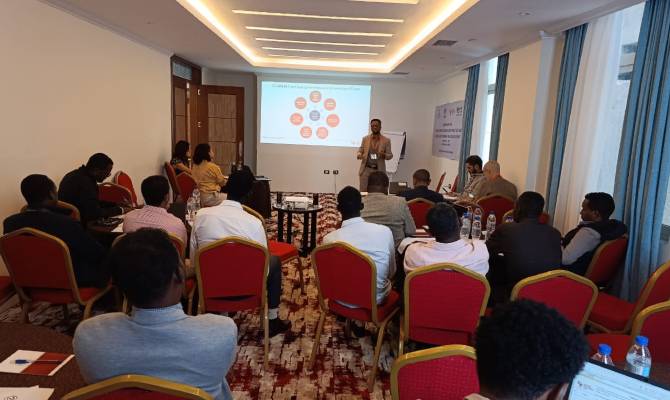
Over the past two days in Addis Ababa, we had the pleasure of hosting the “Translating Research into Practice for Healthcare in Refugee Camps” workshop. The event convened 40–50 participants, bringing together representatives from the Gambella Regional Health Bureau, the Refugees and Returnees Service, the United Nations High Commissioner for Refugees, CUAMM field staff, hospital and health-centre managers, local government authorities, donor and health-cluster partners, as well as refugee community representatives.

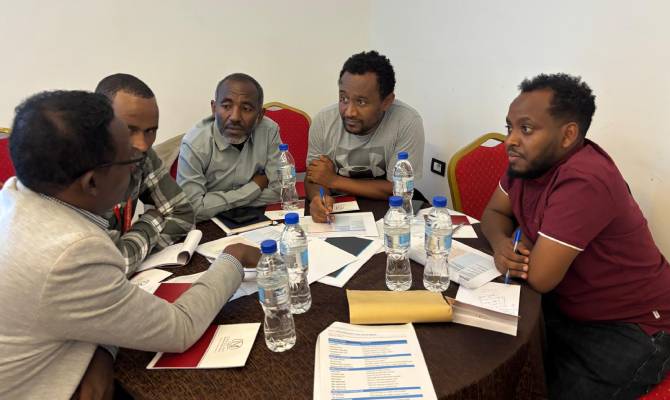
Participants engaged in in-depth discussions on operational research, decision-support tools, and participatory optimisation frameworks. Sessions were led by experts from Kent Business School, the University of Westminster, and CUAMM field specialists, and included the review of practical scenarios aimed at improving healthcare delivery in complex humanitarian settings.

The workshop forms part of a long-standing collaboration between Kent Business School and Doctors with Africa CUAMM, which has led to the development of an optimisation-based decision-support model to redesign primary healthcare provision across seven refugee camps hosting more than 380,000 refugees.

 As a key outcome of the workshop, the research team analysed and discussed such model to support evidence-based decision-making on:

  • Allocation of healthcare resources across refugee camp facilities
  • Distribution of health workers and services
  • Scenario planning to enhance service delivery under constrained conditions


The model itself identifies optimal locations for health posts and health centres and allocates health personnel to maximise population coverage and equity under severe resource constraints. In doing so, it directly addresses critical gaps in access to care in a fragile humanitarian context characterised by insecurity, funding shortfalls, and overstretched services.

Through joint validation of assumptions, open discussion of implementation constraints, and exploration of investment scenarios—such as workforce deployment, ambulance availability, and referral capacity—the workshop equipped decision-makers with actionable evidence to guide future resource allocation. This type of engagement is essential to achieving real-world impact, ensuring uptake by those responsible for planning and service delivery.

The workshop also reflects CUAMM’s ongoing commitment to integrating research into field operations, ensuring that robust evidence directly informs programme design and implementation on the ground. It was organised in collaboration with Kent Business School, with support from the International Science Partnership Fund Institutional Support Grant.


A New Chapter for Maternal and Child Health in Oyam and Otuke, Uganda

In a significant step toward strengthening healthcare for the most vulnerable, Doctors with Africa CUAMM in partnership with African Network for Change, and in collaboration with the “la Caixa” Foundation, has officially launched a transformative two-year initiative in the Lango sub-region in Uganda, particularly in Oyam and Otuke Districts.

The project sets an ambitious but vital primary goal: to reduce neonatal, perinatal, and under-5 mortality by 15% across the two districts by December 2027. By integrating clinical excellence with community-based interventions, the collaboration seeks to ensure that no mother or child is left behind due to distance from the health facilities or lack of resources.

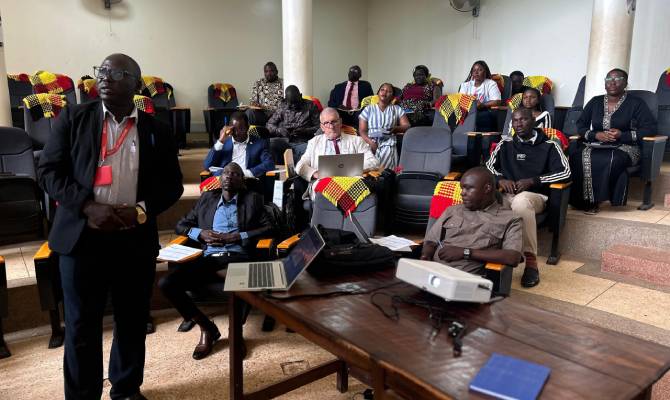
The inception meeting, held to formally introduce the project to stakeholders, was defined by a spirit of shared responsibility. Obizu Moses, CUAMM’s Monitoring and Evaluation Manager in Uganda, set the tone by emphasizing that success depends on a unified front. “Our purpose today is to ensure a shared understanding of our goals. We are here to strengthen coordination between district leadership and health teams. Only through true collaboration can we improve child survival, nutrition, and HIV services within these communities,” Moses stated.

The project’s strategy is built on four pillars designed to enhance both the quality of care and the leadership required to sustain it:

  • Antenatal and Postnatal Care: Increasing service utilization by 10% through the support of Peer Mothers and Village Health Teams (VHTs).
  • Newborn Excellence: Boosting the quality of care for newborns by 20% by upgrading Emergency Obstetric and Newborn Care with essential equipment, medicines, and “newborn transporters.”
  • Child Survival: Tracing “zero-dose” children and following up on immunization defaulters using the “Reach Every Child” (REC) approach.
  • Accountability and Leadership: Improving data quality (HMIS/DHIS2) and strengthening emergency referral systems, including ambulance functionality.

For districts like Otuke, which are classified as hard-to-reach, the project represents a lifeline.

“Otuke faces many hurdles as a hard-to-reach area, which makes delivering health services difficult,” Opio Patrick, the District Health Officer (DHO) of Otuke, explained highlighting the unique challenges his teams face daily. “We feel fortunate to have CUAMM’s ongoing support, particularly in improving facility-based deliveries and maintaining the ambulances donated by the Ministry of Health. It is a great privilege to be selected for this project.”

Dr. Peter Lochoro, CUAMM Country Representative, introduced the “la Caixa” Foundation to the stakeholders, underlining the international solidarity behind the funding:

“We are operating across several districts in Uganda to strengthen health systems at the roots,” Dr. Lochoro remarked. “I encourage every leader and health worker here to work diligently. We have a two-year window to achieve meaningful, measurable results for these families.”

A recurring theme of the launch was ensuring sustainability: the progress made during the project survives long after the funding concludes.

“Project funding doesn’t just solve immediate challenges; it highlights practices we must hold onto forever,” noted Mr. Ebong Chris, representative of the Ministry of Health, challenging district leaders to look at the project as a catalyst for long-term development. “Effective data management and the systems introduced now must become part of our routine health system.”

He also addressed the critical issue of human resources, urging the districts to remain vigilant in filling staffing gaps. “When health workers leave, they create gaps in service delivery. We must ensure these roles are replaced promptly so that the impact of CUAMM’s monitoring and support leads to a lasting legacy.”

Through school outreaches, community mobilization, and the provision of specialized equipment for sick newborns, this intervention isn’t aimed just at delivering assistance but rather at building a resilient health network. As activities move from planning to implementation, the focus remains clear: saving lives, one birth and one village at a time.

Educating Communities, Protecting Women in the Central African Republic

In the Central African Republic (CAR), women and girls face deep-rooted discrimination, inequality, and violations of their rights from an early age. Gender-based violence (GBV) has reached alarming levels, fueled by sociocultural norms that disadvantage women despite national laws and policies.

Years of ongoing crisis and insecurity—especially in rural areas—have further increased vulnerability. Armed conflict and persistent violence have worsened livelihoods and limited access to food, healthcare, and clean water. Women and girls are among the most affected: by October 2025, an estimated 2.4 million people (37% of the population) required humanitarian assistance, with women and girls making up 60% of those in need.

Working with Communities to Prevent Violence

Despite these challenges, there is hope. With support from the European Commission and in partnership with the local NGO OFAHRD, we are working in the sub-prefecture of Koui to assist survivors of GBV and engage community and religious leaders in preventing violence and promoting lasting change at the community level.

Since the start of the intervention in April 2024, we have organized 45 awareness-raising sessions across multiple locations to discuss and analyze different topics related to GBV. These sessions have taken various forms:

  • Workshops with community leaders, students, and women’s associations
  • Mass awareness campaigns
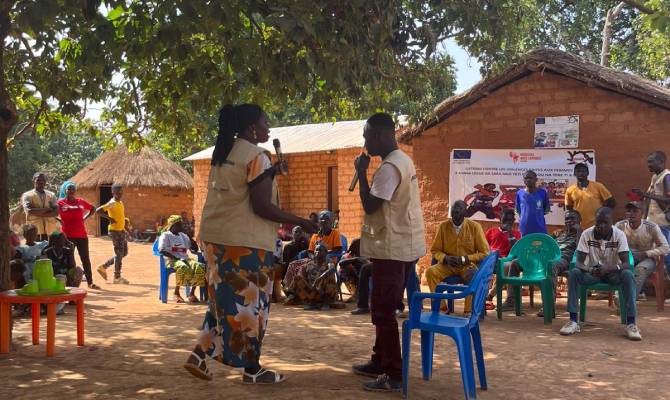
  • Theatrical performances, to facilitate understanding of sensitive topics

A theatrical performance against GBV

In the most recent session, participants explored the devastating effects of domestic violence on families, particularly children.

A theatrical performance portrayed a husband who spends the earnings from his wife’s small business on drinking at local bars. At the slightest refusal, the wife is beaten, and the husband, often returning home late and intoxicated, spreads fear and aggression throughout the household.

The children, left largely in the care of their mother, abandon school to engage in small income-generating activities—something the father approves of. In one particularly alarming scenario, the 15-year-old daughter, already sexually active due to these circumstances, is proposed in marriage by her father to the village butcher. The mother’s opposition sparks violent conflicts within the family.

While the scenario was presented as fiction, it reflects the reality for many women and girls in CAR. At the end of the session, several community leaders shared that similar situations occur in their own communities. Recognizing the severe consequences of domestic violence, they pledged to become active advocates against GBV in their areas.

The Power of Education and Community Engagement

This session highlights the power of education and community engagement: transforming communities into spaces of equality and respect, where women and girls don’t just survive, but truly thrive, supported by a network of committed allies.

This activity is part of a wider intervention in Koui, aiming not only to prevent GBV but also to ensure access to essential healthcare services. As Doctors with Africa CUAMM we support the secondary hospital of Koui and 4 surrounding health centers to provide emergency surgical, obstetric, and pediatric care. At the community level, alongside GBV prevention activities, we also screen and treat malnutrition among children under five and provide support for pregnant and breastfeeding women.

Through these efforts, our goal is not only to deliver lifesaving care, but also to strengthen protection, dignity, and resilience for communities affected by over a decade of conflict.


This publication co-funded by the European Union. Its contents are the sole responsibility of Doctors with Africa CUAMM and do not necessarily reflect the views of the EU.

March 8 Unlocking Education, Empowering Women

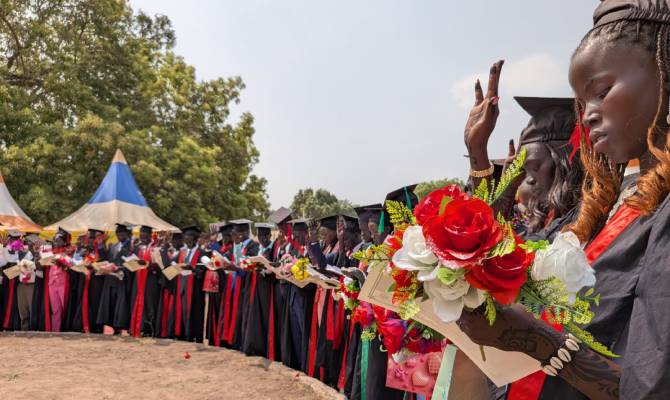
Eliana was only seven years old when she lost her father. It was 2007, and she did not yet know that from that moment on, the road to her dreams would become an uphill battle requiring all her courage. Today, on International Women’s Day, we want to share her story. Eliana, our student in Rumbek, South Sudan, is a remarkable example of tenacity and self-determination, which led her, on February 20, 2026, to finally hold her diploma in Midwifery in her hands.

An Uphill Journey

After the loss of her father, it was Eliana’s mother who had to fight alone to support her daughters—until a maternal uncle decided to take them in and help with their education. But the path was far from smooth: Eliana’s life became a constant struggle between her desire to study and the severe economic hardships of a family struggling to protect her.

Her Body as “Bargaining Chip”

Eliana’s real battle began in 2017. With the onset of her first menstrual cycle, her family declared that she was “grown-up”: according to tradition, she was ready for marriage, to be given in marriage to a cattle herder in exchange for a dowry. All her relatives agreed, but Eliana found a first, crucial ally: her mother. Thanks to her mother’s firm opposition, the marriage was canceled, and Eliana could continue her studies.

The pressure, however, did not end there. In 2019, after finishing secondary school, the story repeated itself. This time, the family conflict was so intense that Eliana had to hide for a full year, protected by a stepsister, until the suitor chose to marry another woman. For three years, Eliana remained idle, unable to study: her relatives’ “punishment” for refusing marriage was the withdrawal of all financial support.

Choosing to Care for Other Women

In 2022, Eliana’s life took a turning point. She applied to the RHSI (Health Sciences Institute), supported by CUAMM and UNFPA. She passed the exams and, with great determination, began the Midwifery program. It was the start of a new life, but once again she faced hostility from her clan: her relatives refused to pay her tuition. Only with the help of a cousin, convinced by her pleas, was Eliana able to return to her studies.

The Night Escape

The most dramatic moment came in December 2024. Returning home for the holidays after her second year of studies, Eliana discovered that her third arranged marriage was already planned. She was to become the thirteenth wife of a much older man.

One night, her family woke her and tried to drag her to the man’s house. Eliana pretended to comply, walking with them in the dark, but just a few meters from the groom’s enclosure, she found the courage to escape. She ran through the darkness to the home of the man she loved—the man she had chosen for herself.

Looking to the Future

As her program neared completion, Eliana prayed and studied diligently to finish her training. She is seeking employment to support her younger siblings, while her fiancé is currently covering the school expenses of Eliana’s younger sister.

Eliana recalls that, despite the “storm” surrounding her, she benefited greatly from the educational materials provided by UNFPA and CUAMM, the institute’s facilities, and the support of supervisors and tutors, who helped her remain strong and focused. Her dream is to continue her studies and earn a degree in Midwifery, if she can secure financial support.

On February 20, 2026, Eliana was among the students who successfully graduated in Midwifery. She is now ready to begin her career, despite being ostracized by her family. She is immensely grateful to her mother for her sacrifices, to her siblings, and to her fiancé, who never gave up and sacrificed everything—including his own education—to support her, unlike the rest of the clan. On this Women’s Day, her message is a cry of hope and resilience:

“I urge all girls to fight to defend their right to education: they must not allow anyone to leave them behind.”


Building Health, Nourishing the Future

While Tanzania has made significant progress in combating malnutrition, the Dodoma region stands out as an area of deep contrasts and persistent challenges. Although the national average of chronic malnutrition currently sits around 30.6%, the reality in the rural area of the country is more complex: here, stunting—or growth retardation—affects more than one in three children, with peaks in some rural areas approaching 37% (TDHS-MIS 2022-2023). This gap is not solely a matter of food availability; it reflects a complex interplay of economic barriers, water insecurity, limited dietary diversity, and early weaning practices, along with insufficient nutritional and hygiene knowledge. Alongside chronic malnutrition, acute malnutrition remains a critical challenge, which, while affecting an average of 3.3% of children nationwide, continues to present in Dodoma in severe and persistent forms.

It is precisely to address this urgent health and social challenge that the project “Building Health, Nourishing the Future: Malnutrition Unit in Dodoma” was launched by Doctors with Africa Cuamm, with the contribution of Fondazione Prosolidar – ETS, and in close collaboration with local authorities.

The project aims to support the expansion of the pediatric department at Dodoma Regional Referral Hospital by creating dedicated spaces for the care of patients affected by acute malnutrition, in line with national guidelines for malnutrition management. The plan includes the construction of a stabilization room for acute cases, a rehabilitation room for recovering patients, a storage area for therapeutic food, a space for culinary demonstrations, and a small office within the nutrition unit to facilitate record-keeping and document management.

To make the Nutrition Unit fully functional, CUAMM will train healthcare staff on the new guidelines for the treatment and prevention of malnutrition, strengthening clinical and practical skills for patient care.

This initiative is not an isolated intervention but part of a longstanding and solid partnership between Doctors with Africa Cuamm and local health authorities, reflecting years of engagement in the district. The project aims to strengthen existing nutrition services and ensure that the fight against malnutrition is an integral part of a resilient healthcare system that meets the needs of the most vulnerable communities.

FONDAZIONE PROSOLIDAR – ETS is an organization established within the banking sector to implement socially relevant and solidarity-based projects in Italy and abroad, promoting social justice, inclusion, and sustainable development. It brings together, on an equal footing, all workers’ unions in the sector (through their national secretariats) as well as, on the employers’ side, the Italian Banking Association and all member companies. It is the first—and currently only—example, even internationally, of an entity created by the parties of a national collective labor agreement and financed through “match-gifting”, whereby contributions are shared equally between workers and companies.


Gambella’s Urgent Maternal and Newborn Health Needs

“Providing quality maternal care in this context is extremely challenging,” explains Habtamu, CUAMM Midwife in Tomorok. “Beside clinical care, we educate women and families about hygiene, danger signs, and the importance of skilled birth attendance. Raising awareness in the community is crucial, especially where resources and services are limited.”

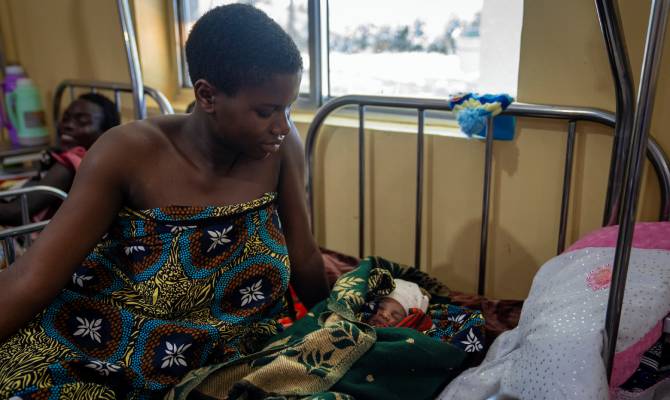
Refugee women in Gambella’s Nuer Zone face multiple maternal health needs, including access to quality antenatal, delivery, emergency obstetric, and postnatal care, as well as adequate nutrition and mental health support. These needs are often compounded by unsafe living conditions, food insecurity, psychological trauma, and limited access to essential services such as nighttime care, clean water, sanitation, and adequate infrastructure.

In the past three months alone, our mobile health teams have assisted dozens of deliveries at CUAMM’s Mobile Health Post in Tomorok, ensuring women could give birth safely despite shortages of equipment, infrastructure, and trained personnel. Yet, challenges remain: long distances to the closest hospital, limited transportation, and overstretched referral facilities make strengthening community-level care essential.

To respond to these growing needs, CUAMM rehabilitated a long-abandoned health post in Tomorok, now the closest facility to the Loakdong settlement, home to more than 21,000 South Sudanese refugees. Located 25 km from Nyinenyang General Hospital, the lack of nearby services had previously forced many women to give birth without any assistance. Today, thanks to CUAMM’s support, Tomorok Health Post offers lifesaving outpatient care, maternal and neonatal services, nutrition support, and stabilization of severe cases, with referrals available for complications. However, the facility is not equipped for childbirth care, and resources remain insufficient, meaning every birth remains a challenge for both women and health workers.

“Childbirth requires resources that are simply not available here,” says Riccardo Lazzaro, CUAMM Medical Coordinator in Gambella. “Yet we are committed to adapting our response and ensuring that no woman is left without care during one of the most critical moments of her life.”

The urgency is driven by the broader refugee crisis: Tor Gatluak, a 41-year-old father from South Sudan, recounts, “We fled our village when the bombs started falling. We walked for days with almost nothing before reaching safety.” He and his family arrived in Ethiopia this summer, joining thousands of others fleeing escalating violence in Upper Nile State.

Precise figures are difficult to determine, as the influx has continued since the resumption of hostilities in neighbouring South Sudan. Estimates indicate, however, that since February 2025, more than 80,000 refugees have arrived in Ethiopia’s Gambella Region, which already hosts over 400,000 refugees. The majority of new arrivals are women and children, placing enormous pressure on an already fragile health system—particularly for maternal and newborn care.

At registration points and temporary settlements such as Tomorok and Gade, Doctors with Africa CUAMM provides essential primary healthcare through mobile health clinics. Services include antenatal consultations, safe delivery support, vaccinations, and nutrition screening—often the only care available to pregnant women who have fled conflict, trauma, and food insecurity. Since October 2025, CUAMM has deployed two Mobile Health and Nutrition Teams in areas with no other healthcare actors. Despite insecurity and constant population movement, the teams have delivered continuous maternal and child health services, carried out over 16,000 outpatient consultations, screened more than 4,800 children and pregnant or lactating women for malnutrition, and supported referrals for life-saving care.

Present in Gambella since 2017, CUAMM combines emergency response with long-term health system strengthening, working to ensure that even in crisis settings, women can exercise their fundamental right to safe motherhood and dignified childbirth.

With the rapid escalating violence in South Sudan, humanitarian needs in the area are only expected to worsen in the months ahead. While we remain committed to adapting our response to the most urgent health needs, a collective action is critical to ensure that people fleeing violence—especially the most vulnerable—can access lifesaving basic services.

From Hospitals to Communities Being Where It Matters Most

One day, while I was on my way to a health facility for a supervision activity, I was informed that a mother was experiencing severe hemorrhaging. I immediately got into the ambulance with another midwife. When we arrived, the situation was critical: the woman was lying in a pool of blood. We worked together to stabilize her before transferring her to the hospital. I followed the case step by step to make sure she received everything she needed. In the end, it was a success. Knowing that your presence, at that exact moment, saved a person’s life… that is the energy that drives you to keep going.

Barbra, a Ugandan midwife who worked for many years in Aber with CUAMM, carries in her heart countless memories and stories of patients she will never forget. Growing together—amid daily challenges and the dream of making public health care accessible to all—has been the story of her life. Barbra has never stopped learning:

“Today I look back on my journey with deep pride, both as a woman and as a professional. When I joined this family, I had only a diploma in midwifery. Today, thanks to CUAMM’s support, I was able to resume my studies, earn a degree, and I am currently attending a Master’s program in Public Health, which I will complete next May.”

It has been—and still is—a path of professional and personal growth.

“There is an enormous difference between how I worked at the beginning and how I work today. The quality of the service I can offer has grown along with my skills. For this reason, my gratitude toward CUAMM is immense. My daily work is a constant source of inspiration.”

The health system has also grown stronger and is now more solid.

“When I look back, the improvements in health facilities are evident—from internal organization to the ability to manage emergencies. In past years, we faced extremely difficult challenges, especially due to shortages of medicines and medical supplies. However, we invested in training: today the staff is more aware and better prepared. Even when funds for supplies are lacking, facilities know how to respond to emergencies, and that gives me greater peace of mind.”

Present and future of the new generations

The real transformation has taken place above all in people’s mindsets.

“It takes time, but you learn how to interact better with patients and colleagues. I see this change even in those who were more resistant; when a midwife you are supporting looks at you with respect, you realize that people trust your work. Once, a supervisor told me: ‘You are our living dictionary. We are proud of you.’ Hearing those words is what pushes me to always give my best. Of course, challenges never disappear: in Uganda the system is changing, and with it the way training is delivered—we are still catching up. Our challenge is the gap between theoretical training and practice. Many facilities are becoming privatized, and often profit is prioritized over quality,” Barbra explains.
“At this very moment, we are bringing in 20 new midwives, many of whom have not worked for a long time and are not familiar with updated guidelines. Our task as the CUAMM team is to support the district: these new staff members need ‘mentors,’ senior midwives who can guide them step by step. It is a slow process, one step at a time—it feels like starting over—but we know we will succeed. I firmly believe we should invest more and more in continuous training and in motivating staff, offering them new responsibilities so they feel valued.”

Barbra’s greatest wish for the mothers and children of Oyam is that there be a real investment in public health, because everything begins in the community, with prevention.

“We must reach women in their homes and address problems where they begin: difficulties with transportation, lack of financial means, and the need to involve husbands so they support their wives. I hope we will reach a point where every man and every woman feels responsible for their own health through knowledge.”

Today, being both a midwife and a public health specialist allows her to see reality from multiple perspectives—from the hospital ward to the heart of the village.

FOUR YEARS OF WAR IN UKRAINE

Four years ago, Russia launched a large-scale invasion of Ukraine. Soon after, the country would experience the horrors of war and all its consequences. Life for civilians would never be the same. As Doctors with Africa CUAMM, called to close solidarity, we decided to launch an intervention to support the Ukrainian people, aiming to provide healthcare in a moment of critical need, while also hoping to support a health system compromised by the conflict. At the core of this commitment: the supply of medicines and life-saving kits, as well as psychosocial support and training for local healthcare personnel.

In the early phase of the war, the rapid collapse of supply chains and the disruption of access to medicines and essential materials made healthcare access a central part of our humanitarian response, proving essential to maintaining service continuity.

What began as an emergency intervention has, unfortunately, continued into its fourth consecutive year. A period that cannot be measured in months, days, attacks, or downed drones, but must instead be reflected in human lives—those lost and those upended. Like Natalia, a 68-year-old woman we met in the summer of 2024. The Russian invasion forced her to leave Kherson, taking with her very little of what she had built in a lifetime. In an instant, Natalia became one of the 3.7 million internally displaced persons in Ukraine, accommodated in a reception center. The experiences of conflict and displacement can cause enormous trauma, and for people like Natalia who are alone, the psychological consequences are often invisible.

Or Maria, just 30 years old, who left Zaporizhzhia with her nine-year-old son after her brother was killed. Her city, close to the front line, witnessed heavy fighting in the early months of the conflict over control of the nuclear plant. Maria restarted her life in a reception center a few kilometers from Kyiv, and like many who lost everything, she received humanitarian assistance: food, hygiene supplies, and other essential goods.

Since 24 February 2022, the conflict in Ukraine has escalated continuously, creating an unprecedented humanitarian crisis. According to the Humanitarian Needs and Response Plan (HNRP 2025), approximately 12.7 million people in Ukraine require humanitarian assistance, of whom 3.7 million remain internally displaced. Over these years, we have met thousands of people with stories like those of Natalia and Maria.

Today, as the conflict continues with no sign of a ceasefire and winter worsens the conditions for thousands of Ukrainian citizens, we continue to operate in the country with an intervention that integrates health and protection, pursuing the same goal as always: providing healthcare to civilians and supporting the national health system.

With the support of the Italian Cooperation, we are working in the Sumy and Kharkiv regions—areas with high-intensity hostilities, proximity to the front line, and severe pressure on essential services. In Kharkiv alone, around 478,000 internally displaced persons are estimated to be present (April 2025), while the Sumy area has been consistently affected by bombardments related to border operations initiated in August 2024. Both regions report severe infrastructure damage, disruptions to essential health services, and a significant increase in mental health and protection needs.

Together with partners such as CESVI and Action Against Hunger (ACF), and with the support of local partners, we are implementing two interventions with activities including:

procurement and distribution of essential medicines, medical supplies, and consumables
structural rehabilitation interventions
delivery of emergency kits
capacity-building activities for healthcare personnel, in collaboration with UNFPA

Since 2022, Doctors with Africa CUAMM has been active in Ukraine responding to the health and humanitarian needs of civilians and health facilities affected by the war. Since then, we have:

reached over 120,000 people
supported 35 health facilities with essential medicines, emergency health kits, and medical equipment
organized 60 MHPSS events to address health, protection, and basic needs of displaced persons and host communities
conducted 10 training sessions on emergency psychology
completed 11 emergency deliveries within 72 hours through the Rapid Response Mechanism, in line with WHO Health Cluster standards.

Learn more about our work in Ukraine.