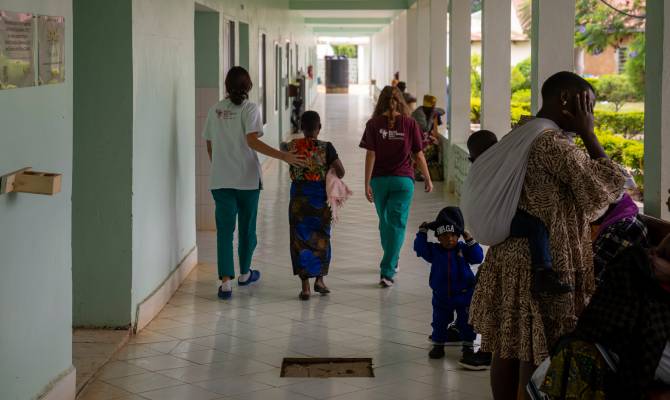
Empowering Refugees the experience of CHWs in Ethiopia

“The training I took not only strengthened my ability to serve but also empowered me to protect my own family. I have learned, I have grown and I have found strength in the support and commitment CUAMM has shown to my people. For that, I am deeply grateful” Ruey Tut Pal is a South Sudanese Refugee living in Ngunyyiel Refugee camp. In 2020 he took part in health trainings offered by CUAMM and joined the team as a Community Health Worker, soon after he became a Supervisor. “Working with CUAMM alongside both national and international teams have shaped me in ways I never imagined” he claimed.

Located in southwestern Ethiopia near the South Sudanese border, Gambella region has hosted a large number of mostly South Sudanese refugees since 2014. Today, more than 395,000 refugees are living in seven camps, including Ngunyyiel.

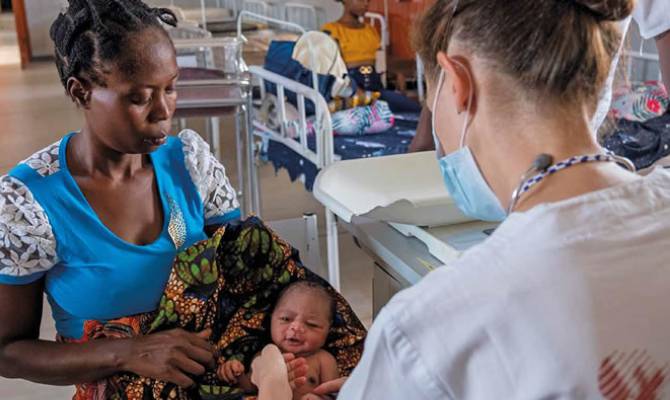
In this camp, CHWs conduct daily house-to-house visits to deliver key health messages, assess children’s vaccination status, remind families about critical health appointments such as immunization and antenatal care (ANC), and trace defaulters children and pregnant women who have missed their scheduled care. They also identify children who have never been vaccinated and link them to the immunization services.  In collaboration with healthcare workers, they support outreach vaccination campaigns to reach unserved populations.

“One of their most impactful initiatives is the Tea Talk Sessions – said Daniel Frau, CUAMM Area Manager in Gambella. Twice a week, these community gatherings which are predominantly attended by pregnant and lactating women offer a platform for health education, feedback collection, and community dialogue. During these sessions, CHWs, midwives, and nutrition officers identify unvaccinated children, women missing ANC visits, and screen for malnutrition”.

Community Health Workers – CHWs are an essential pillar in delivering and sustaining primary health care services among refugees. By living and working within the community, CHWs are often the first to recognize signs of illness or complications in pregnant women and children and can therefore help overcoming the first delay, the delay in seeking care which is a major contributor to preventable maternal and child deaths. Their early intervention ensures that health conditions are addressed before they become severe, reinforcing the principle that prevention and early detection are more effective than curative care. This frontline presence has significantly contributed to reducing maternal and child morbidity and mortality in Nguneyyiel Refugee Camp.

“CHWs have always played a key role in CUAMM’s interventions in the region. They have always been selected from within the refugee community and this has proven to be strategic and effective approach due to the fact cultural and linguistic familiarity make the CHW’s are more likely to be accepted and respected, leading to greater community engagement to the project intervention” stated Daniel Frau.

Over the past 5 years, more than 500 CHWs have been trained by CUAMM in health-related issues to better serve the refugee populations in the bordering region of Gambella. Currently, 60 trained CHWs are deployed in Nguenyyiel refugee camp as part of the team serving in the “Emergency response to the South Sudanese crisis through an integrated and inclusive approach in health, nutrition and protection” project which is supporting two health posts located in the camp.

The contributions of CHWs have been instrumental to the success of CUAMM’s primary health care interventions in the Ngunyyiel refugee camp. Their close connection with the community, consistent engagement, and ability to mobilize and educate residents have made health services more accessible and effective. The progress made in disease prevention, maternal and child health, and immunization coverage in Nguneyyiel would not have been possible without the tireless efforts of the Community Health Workers.


Escalating displacement in Cabo Delgado CUAMM’s reponse

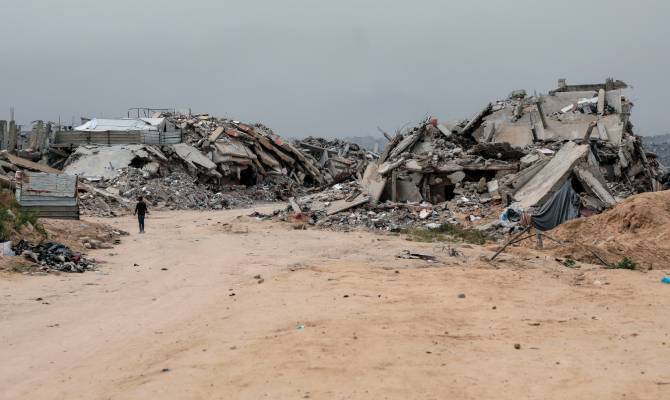
In recent weeks, attacks by non‑state armed groups (NSAGs) have intensified in Cabo Delgado, Mozambique’s northernmost province, resulting in the displacement of over 46,000 individuals across the districts of Chiúre, Ancuabe, and Muidumbe. According to the United Nations Office for the Coordination of Humanitarian Affairs (OCHA), Chiúre is the most affected district, with 42,411 people displaced most of them women and children.

Since the first attack was recorded in October 2017, violence in Cabo Delgado has continued to displace and traumatise thousands of people. To date, some 865,000 people are internally displaced in the region. Most have experienced or witnessed extreme violence including killings, sexual violence, kidnappings, extortion, and villages being burnt. Many had or saw their relatives and neighbours being assassinated, decapitated, or killed by gunfire. Some have lost their entire family.

CUAMM has been working in Cabo Delgado for years. Presently, we work in Pemba providing support to women who survived gbv and in the districts of Chiure and Ancuabe by deploying mobile health clinics to take healthcare in underserved communities, including IDPs camps.

This surge in violence has severely crippled communities’ access to healthcare. In response, CUAMM has significantly expanded its operations. Mobile health clinics activities have been intensified in Chiúre and Ancuabe, providing essential healthcare services—such as maternal health, child immunizations, and general consultations—to displaced populations.

“We are working in coordination with local authorities and international partners like UNICEF and Vitol to deliver a timely response – said Giorgia Gelfi, CUAMM Country Manager. Due to security reasons our team can no longer access some areas but mobile clinics have been relocated to the area with a higher concentrations of IDPs”.

This latest surge in displacement is unfolding as humanitarian access is decreasing and funding is dropping, making it exceedingly difficult to meet the needs of the newly displaced. Despite these mounting pressures, CUAMM remains steadfast in its commitment to delivering critical healthcare—particularly to the women and children most affected by this crisis.


Moses made it

The pediatric ward of Tosamaganga Hospital, located in the Iringa region, Tanzania, receives dozens of patients daily. Children arrive with fevers, injuries from domestic accidents, or in a state of extreme weakness, often due to malnutrition, as in the case of Moses a one‑and‑a‑half‑year‑old child.

“When Moses arrived at the hospital in his mother’s arms, his condition immediately appeared very serious,” said Giulia Guerrini, pediatrics resident at Tosamaganga hospital. “His abdomen was extremely swollen, and his body was covered with edema—common signs of severe protein-energy malnutrition, known as kwashiorkor.”

Kwashiorkor is a type of malnutrition characterized by severe protein deficiency, a severe condition prevalent in developing countries. Originally, the term described an illness affecting a child who is no longer breastfed when a new sibling is born, typically impacting children under five years old. Contributing factors include a protein-deficient diet—mainly consisting of rice, cassava, or maize—recent infections, or weaning from breast milk.

“Knowing how to feed one’s children isn’t straightforward in contexts like this,” explains Giulia Guerrini. “Often, mothers stop breastfeeding and start feeding their children cassava flour and water. But it’s not just about availability and resources; it’s also about education and lack ok knowledge.”

The first five years of a child’s life are extremely delicate, especially in the areas where we operate. Breastfeeding, followed by proper weaning, is critical for healthy growth. Breast milk provides essential nutrients and amino acids. Even after weaning, it’s vital to ensure children receive these nutrients through other food sources. Improper weaning without essential nutrients can lead to dramatic consequences.

Moses took a long time to recover; his hospitalization was lengthy and complex. For about a month and a half, the medical staff at Tosamaganga closely monitored him, managing complications as best they could. However, he wasn’t without familial affection during his hospital stay.
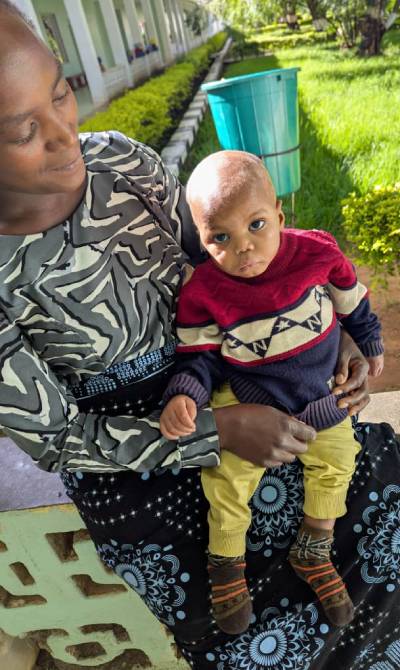
Moses with one of his caregiver during hospitalization at Tosamaganga Hospital

“It was touching to see the care and concern two women, neighbors, showed Moses throughout his hospitalization. His mother had to stay home to care for her newborn, so these women took turns daily, participating in every decision regarding Moses’ health. They are mothers themselves, with families and responsibilities, yet they chose to help their friend and be mothers to Moses in that hospital room,” said Giulia.

After over forty days in the hospital, Moses’ health conditions strated improving. The edema gradually disappeared, the swelling subsided, and he started gaining weight.

Tosamaganga Hospital is a reference point in the Iringa region. As Giulia mentioned, malnutrition remains the leading cause of death for children under five in the area. In 2024 alone, Doctors with Africa treated 129 children who arrived in a state of severe malnutrition.
 

Tender for Supply of medical drugs, consumables, and Equipment

Medici con l’Africa CUAMM, nell’ambito del progetto intitolato ”  Promuovere la protezione e l’accesso ai servizi sanitari e nutrizionali per gli sfollati interni e le comunità vulnerabili in situazioni di emergenza – AID 07/12282/ETH”,  sta avviando una gara d’appalto aperta a livello locale per selezionare un fornitore idoneo per la fornitura di farmaci, materiali di consumo e attrezzature mediche.

00-LOCAL-OPEN-TENDER-NOTICE-MEDICAL

01-Invitation-form

02-Contract-Notice

03-Instructions-to-Bidders

ANNEX I – Declaration of Honour

ANNEX II – Legal Identity form 

ANNEX III – Financial Capacity 

ANNEX IV – Technical Offer

ANNEX V – Financial Identification

Annex VI – Administrative Compliance Grid

Annex VII – Evaluation Grid   

ANNEX VIII – Contract Form

ANNEX IX – General Conditions 

ANNEX X – Special Conditions

ANNEX XI – Technical Specifications

ANNEX XII – Financial Offer Template – BOQ

ANNEX XIII_Check List   

Tender for the Supply of Dignity Kit Materials

Doctors with Africa CUAMM, under the project titled “ Multi sectoral intervention to improve access to health of vulnerable community in Hamer district – (Project – IMPACT) – AID12669” is launching a Local Open Tender Procedure to select an eligible  Dignity kit Materials supplier in Ethiopia.


00 LOCAL OPEN TENDER NOTICE MEDICAL

01 Invitation form

02 Contract notice

03 Instructions to bidders

Annex I – Tender Form

Annex Ia – Declaration of Honour

Annex II & III – Technical Specifications technical offer Baby Kit 020925

Annex IV – Legal Identity form

Annex V – Financial Identification

Annex VI – Financial offer

Annex VII – Administrative Compliance Grid

Annex VIII – Evaluation Grid

Annex IX – Contract Form

Annex X – Special Conditions

Annex XI – General Conditions for Service Contracts

Annex XII – Checklist


Tender for the supply of baby kit

Doctors with Africa CUAMM, under the project titled “ Multi sectoral intervention to improve access to health of vulnerable community in Hamer district – (Project – IMPACT) – AID12669” is launching a Simplified Procedure to select a supplier for the supply of baby kit materials in South Omo zone, Hammer Woreda, Dimeka Town.

Tender for rehabilitation work of Jinka Primary Hospital

Doctors with Africa CUAMM, under the project titled “Combating malnutrition and promoting good nutrition practices in South Omo (SNNPR), Ethiopia” is pleased to inform you that your company has been invited to take part in a Simplified Procedure to carry our construction work for the rehabilitation of Jinka Primary Hospital.

01 Invitation form

02 Contract Notice

03 Instructions to Bidders

ANNEX I -Tender Form

ANNEX Ia – Declaration of Honour 

ANNEX II – Legal Identity form  

ANNEX III – Financial Capacity 

ANNEX IV – Technical and professional capacity

ANNEX V – Financial Identification

ANNEX VI – Administrative Compliance Grid

ANNEX VII – Evaluation Grid

ANNEX VIII – Contract Form

ANNEX IX – Special Conditions for Works Contract

ANNEX X – General Conditions

ANNEX XI – Technical Specifications

ANNEX XII – Financial Offer

ANNEX XIII – Checklist

Jinka General Hospital Rehabilitation of Paediatric Ward


Growing together

In one of Mozambique’s youngest and most dynamic cities—Beira—the Catholic University (Universidade Católica de Moçambique, UCM) isn’t just an institution for higher learning: it’s a vibrant laboratory of ideas, exchange, and growth which is courageously and pragmatically shaping the future of health. Here, a new generation of doctors and nurses is being educated and trained, alongside the dedicated work of Doctors with Africa CUAMM.

We have heard about it from the testemony of Dr. Francesco Segala, from Turin, and Federica Penco, nurse from Genoa—who have been working hand-in-hand with the university since November and April respectively, thanks to a CUAMM-supported project.

“It’s a formative experience even for me, despite being here to teach,” Francesco shares.
“Our office is inside the university. We live the dynamics of a centre of excellence from within—one that a great many Catholic universities in Africa and the Lusophone world look to as a point of reference.”

UCM’s pedagogical method is innovative: designed around the so-called “based learning” approach, it places students at the centre of the educational process. Small tutor‑led groups guide them step by step.

For Federica—working in an academic setting for the first time—the welcome has been warm:

“My colleagues and the students involved me right away. Despite my imperfect Portuguese, they correct me, support me, listen to me—and they ask me to contribute my own experience.”

One of UCM’s most pioneering initiatives is the Saúde Familiar programme—launched over twenty years ago: from the very first year, each student is assigned to five or six families in the bairro of Chipangara, located right across the campus. These are communities often lacking electricity or running water, exposed to infectious diseases and severe health vulnerabilities. Over a four-year period, students follow these family units: they visit them, record health issues, and accompany them—if needed—to local health centres.

“It’s a powerful message to send students into the most disadvantaged neighbourhoods to knock on doors and ask, ‘How are you? What’s going on here? How are your children?’ ” Francesco explains.
“I’ve never seen anything like this at a Western university. It’s a lesson in medicine and humanity rolled into one.”

Starting this September—and thanks to CUAMM’s support—the project will be enriched with a new research activity: a prospective cohort study to monitor key poverty-related infectious diseases—HIV, malaria, tuberculosis, schistosomiasis, helminthiasis. The goal: produce an up-to-date snapshot and design targeted future interventions. But the transformation is already underway.

“Being part of Mozambique’s nursing revolution is both a beautiful and necessary challenge,” Federica admits.
“UCM graduated its first nursing cohort only in 2009, but today the profession is gaining recognition and autonomy. Here, a new generation of care professionals is being built. And step by step, real change is happening.

Supplier pre-qualification to participate in procurement procedures for the supply of furniture

The NGO Doctors with Africa CUAMM, under its project title ”Restoration of Essential Health and Nutrition Services in Shire, Tigray AID 05/12882/ETH,” is launching the simplified procedure to select eligible suppliers of furniture in Shire town, Tigray region, Ethiopia.

01 Invitation form

02 Contract Notice

03 Instructions to Bidders

ANNEX I – Tender Form

ANNEX Ia – Declaration of Honour

Annex II & III – Technical Specifications technical offer

ANNEX IV – Legal Identity form

ANNEX V – Financial Identification

ANNEX VI – Financial offer

ANNEX VII – Administrative Compliance Grid

ANNEX VIII – Evaluation Grid

Annex IX – Contract Form   

Annex X – Special Conditions

Annex XI – General Conditions for Service Contracts

Annex XII – List of documents to be submitted

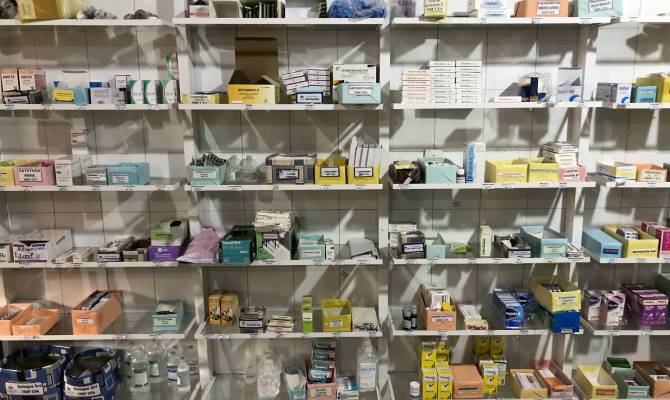
Tender for Supply of Medical Drugs, Laboratory Reagents, Medical Equipment, and Medical Consumables

Doctors with Africa CUAMM under the project titled “Emergency response to the South Sudanese crisis through an integrated and inclusive approach in health, nutrition, and protection to strengthen the resilience of South Sudanese refugees and host communities in the Gambella region of Ethiopia – AID 12882”  is launching the present simplified procedure to select a supplier for medical drugs, laboratory reagents, equipment, and consumables.
Annex X – Checklist