Doctors with Africa CUAMM, under the project titled “ Restoration of Essential Health and Nutrition Services in Shire, Tigray AID 05/12882/ETH” is pleased to inform you that your company has been invited to take part in the simplified procedure for the supply of furniture in Tigray Region, Ethiopia
Author: Redazione Cuamm
ANA Conference: CUAMM Research Projects on Neonatal Care
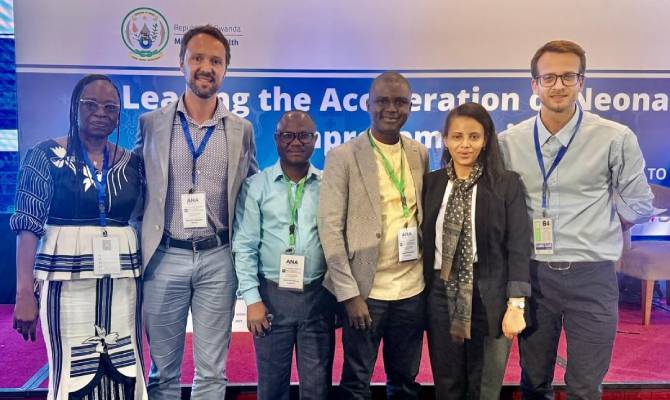
Doctors with Africa CUAMM also participated in the African Neonatal Association (ANA) Conference held in Kigali, Rwanda (August 20-22, 2025). The event gathered doctors, researchers, and healthcare workers from various countries to discuss the most urgent challenges for neonatal health in low-resource settings.
CUAMM presented three strategic operational research projects aimed at strengthening African health systems in the field of neonatal health.
The Critical Care Registry project in the hospitals of Wolisso (Ethiopia) and Beira (Mozambique) involved CUAMM collecting data on over 2,600 newborns, creating actual registries to track the management and outcomes of admissions to Neonatal Intensive Care Units (NICUs). The results highlighted significant differences between the two contexts (e.g., in cesarean section rates and the use of ventilation at birth), demonstrating the feasibility and value of implementing low-cost, real-time data collection tools in low-income countries to improve health outcomes.
“It was a moment to share our experiences in different contexts and backgrounds and learn from others. It was an opportunity for CUAMM doctors to meet and engage with colleagues working on the continent, allowing us to plan a common goal and link existing platforms with new innovative initiatives,” said Eleni Hagos, CUAMM pediatrician at St. Luke Hospital in Wolisso (Ethiopia).
The focus on building and analyzing quality data collections is the common theme of the second project presented. Impulse assessed the quality and use of routine data on neonates and stillbirths in four high-neonatal-mortality countries (Central African Republic, Ethiopia, Tanzania, and Uganda). Dr. Ousman Mouhamadou, project coordinator in the CAR, presented the results of the first phase of this international research project, which showed challenges in standardizing registries and data completeness, but also significant opportunities for improvement, emphasizing the need to invest in reliable information systems to guide healthcare policies and clinical care.
“Presenting at the ANA Conference confirmed the power of data as a tool to transform neonatal care and the value of working together as one dedicated team.”
Finally, the EpiNICU study, conducted in collaboration with partners in Italy, Brazil, and Tanzania, investigated stress, anxiety, and depression in parents of newborns admitted to intensive care, involving over 700 mothers and fathers. The results showed a high frequency of psychological distress across all countries, with particularly high levels of depression in Tanzania and severe stress in Brazil. At the same time, parental involvement in care was higher in Tanzania, highlighting the complexity and importance of psychosocial support in NICUs.
CUAMM’s participation was made possible with the support of the Chiesi Foundation, which also funds the EpiNICU and Impulse projects, a collective effort to support health in fragile settings.
“I realized that across the entire continent, we are not alone in facing the challenges of neonatal care in difficult contexts. No matter the location, a newborn is always a newborn, and as a CUAMM team, we had the opportunity to strengthen our network and collaborations,” explained Marco Frison, CUAMM pediatrician at Beira Hospital.
Dr. Franck Houndjahoue, pediatrician, Health Coordinator in Bangui for Medici con l’Africa CUAMM, and scientific advisor to ANA, emphasized:
“CUAMM’s participation in the first ANA Conference in Kigali was highly significant. The organization was represented by staff from three different regions, reflecting the multilingual identity of ANA (French, English, and Portuguese). The three contributions fully align with ANA’s vision and suggest a promising perspective for CUAMM’s projects in the Association’s member countries.”
This confirms CUAMM’s strong dedication and interest in operational research.
Tender for the Supply of Vehicle Tyre
Doctors with Africa CUAMM, under the project titled “ Multi sectoral intervention to improve access to health of vulnerable community in Hamer district – (Project – IMPACT) – AID12669” is launching a Simplified Procedure to select a supplier for the supply of vehicles in South OMO zone, Hammer Woreda, Dimeka Town.
Supply of Biomedical spare parts
Doctors with Africa CUAMM, under the project titled “ Restoration of Essential Health and Nutrition Services in Shire, Tigray AID 05/12882/ETH” is pleased to inform you that your company has been invited to take part in the flexible simplified procedure for the supply of Biomedical Spare parts.
Annex II & III – Technical_Specifications biomedical spare parts
Annex V – Administrative Compliance Grid
Supply of Medical Lab Reagents and Equipment
The International NGO, Doctors with Africa CUAMM, under the project titled “Restoration of Essential Health and Nutrition Services in Shire, Tigray AID 05/12882/ETH”, is launching a Local Open Tender to select eligible suppliers for the Supply of Medical lab reagents and Equipment.
00 LOCAL OPEN TENDER NOTICE MEDICAL
Annex Ia – Declaration of Honour
Annex II & III – Technical_Specifications MED equipments and Lab reagents
Gambella emergency New wave of refugees from South Sudan
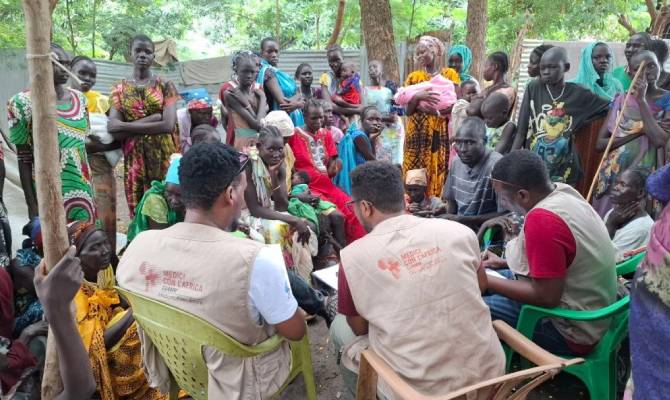
The escalation of violence in South Sudan has triggered new waves of displacement into Ethiopia and increased humanitarian needs, including urgent health services. Nutritional support and maternal care identified as top priorities in Gambella region.
CUAMM has just launched an emergency intervention in the region to provide immediate assistance to both host communities and refugees, while strengthening the capacity of the local health system.
In recent months, thousands of civilians—mainly women and children—have crossed the Ethiopian border in search of safety. An estimated 50,000 displaced people have been received in the southwestern Gambella Region, the majority are being sheltered in churches, schools, and small plastic shelters in Matar town. Before the outbreak of fighting in South Sudan’s Upper Nile region, some 430,000 refugees were already recorded in the region.
“The situation is dire: Ethiopia is one of the African countries hosting the largest number of refugees, with the Gambella region having long taken in the largest share. Today, however, the crisis is reaching even more alarming proportions due to the country’s high inflation rate and recent cuts to humanitarian aid. Meanwhile, the needs of the refugee population are growing exponentially, and the host communities themselves are being plunged into extreme vulnerability,” stated Daniel Frehun, CUAMM Area Manager in Gambella.
Internal instability has compounded the crisis, forcing members of host communities in border areas to flee. Alongside the influx of South Sudanese refugees, more than 15,000 people have been internally displaced, moving to the Nuer Zone—particularly to the towns of Mathar and Moun in Wantawo District. As of August, RRS and UNHCR began relocating the new arrivals to the newly established refugee camp, LuakDong. However, the relocation process has since been put on hold due to the lack of essential life-saving services in the new camp highlighting the urgent need for a coordinated and timely response.
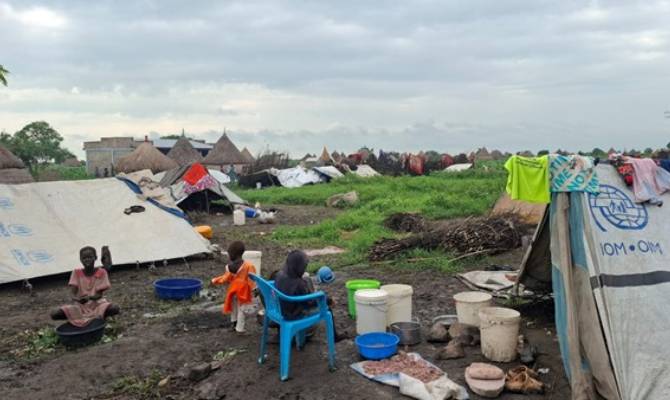
“From a health perspective, the most urgent needs are those of women and children, who make up the majority of the refugee population,” said Daniel Frehun. “People on the move are struggling to get even one meal a day. If you consider the children—and pregnant or breastfeeding women—this has serious consequences for their health. We must ensure prenatal care, nutritional screening, and appropriate treatment. And we must not forget seasonal illnesses like malaria, against which these vulnerable groups lack protective measures, nor cholera, which is already spreading inside the camps with the onset of the rainy season.”
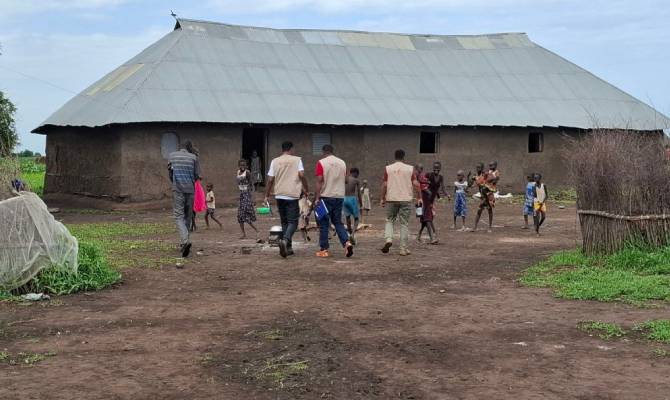
In collaboration with the District Health Office and in coordination with local partners, we have decided to launch an emergency intervention in the Nuer Zone, supporting two critical health facilities: the Matar Health Centre and the Nyinenyang primary hospital.
“These are two extremely important facilities for delivering health services in the area,” said Daniel Frehun, CUAMM Area Manager in Gambella. “The Matar Health Centre is a key point of reference which, due to the closure of neighbouring health posts, is now forced to handle an even greater patient flow with the same limited resources. As for Nyinenyang Hospital, it struggles to operate as a full-fledged hospital and is currently acting more like a referral point toward the main hospital in Gambella, undermining its capacity to manage cases and delaying timely access to care for patients.”
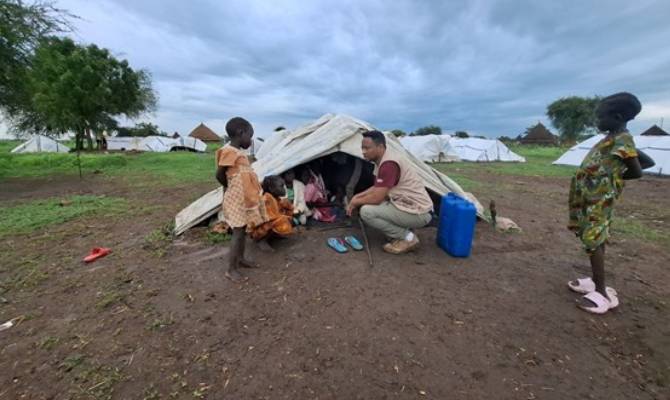
In the coming months, CUAMM’s intervention will focus on two main objectives: providing immediate support to both host communities and refugees, and strengthening the capacity of the local health system. To achieve this, we will strengthen local health services through technical and logistical support to the District Health Bureau, ensuring quality care and equitable access to basic services; promote prevention with health and nutrition awareness activities and screening for both host and refugee populations; deliver lifesaving healthcare and nutritional support where it is most needed through mobile health clinics.
These interventions share a common goal: to help displaced families move beyond the emergency phase and accompany them, step by step, towards returning home and rebuilding a stable and safe life.
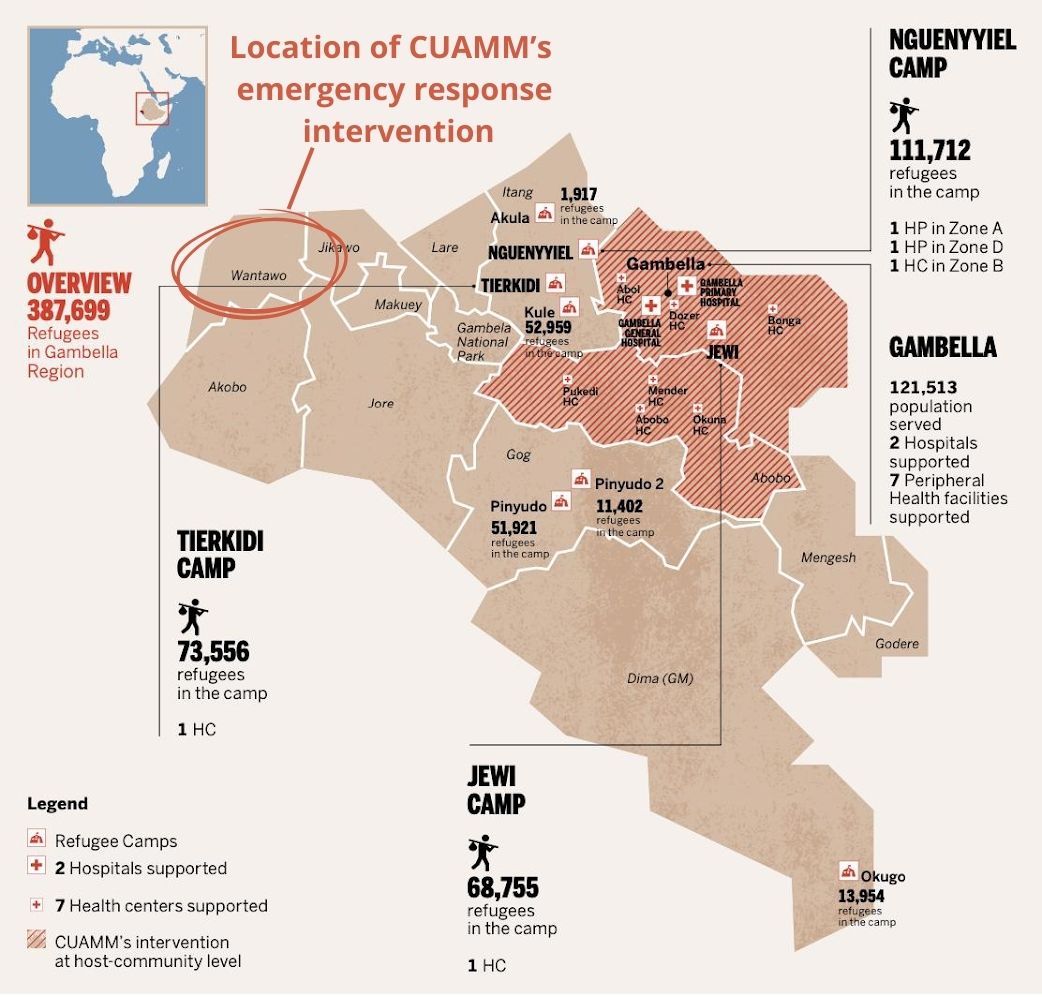
Ethiopia hosts one of the largest refugee populations in Africa, mainly from Sudan, South Sudan, Somalia, and Eritrea. Most live in 24 refugee camps located in five regions across the country, with Gambella hosting the largest share. CUAMM has been working in Gambella since 2016, supporting both the host community and refugees. Our work focuses on supporting the provision of health services in the two main hospitals—Gambella Primary Hospital and Gambella General Hospital. In addition, over the past year we have supported seven peripheral health centres, and worked in five health facilities within the refugee camps of Tierkidi, Jewi, and Nguenyyiel providing essential medical services.
“Today, Ethiopia is facing numerous crises—including conflicts, recurring natural disasters like floods, acute food insecurity, and diseases outbreaks. While immediate emergency responses remain essential to save lives, they are not sufficient on their own. For response efforts to be truly effective and enduring, we must pair urgent humanitarian action with comprehensive, long-term strategies that build resilience, support livelihoods, and create local ownership. That’s CUAMM approach” claimed Daniel Frehun.
Tender invitation for the Supply of Oxygen supply assessment
The International NGO, Doctors with Africa CUAMM, under the project titled “Strengthening Neonatology in Ethiopia AID 012958/ETH”, is launching a Local Open Tender to select eligible suppliers for the Supply of supply of Oxygen assessment in Black lion Specialized Hospital NICU Ward.
00 Local Open Tender Notice – Medical
Annex Ia – Declaration on Honour
Annex II & III – Technical Specifications technical offer
Annex IV – Legal Identity form
Annex V – Financial Identification
World breastfeeding week Create support systems
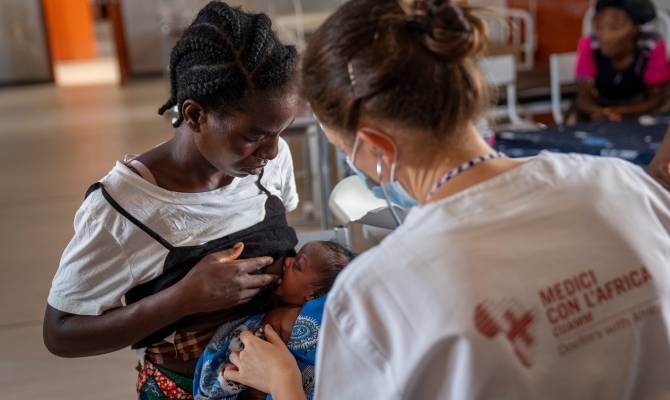
Breastfeeding offers numerous benefits for both newborns and mothers. Breast milk provides essential nutrients and crucial immune protection, especially in low-resource settings where diarrheal diseases and respiratory infections are widespread and often fatal.
While reaffirming the importance of every woman’s right to choose whether and how to embark on the breastfeeding journey, during World Breastfeeding Week we highlighted the benefits this simple act has for both babies and their mothers.
Benefits for newborns: protection against diseases – breast milk contains antibodies and immune factors that help prevent infections such as diarrhea, pneumonia, and other common childhood illnesses; optimal growth and development – thanks to the presence of all essential nutrients during the first six months of life and support for cognitive development; reduced long-term health risks – data show that breastfed children have a lower risk of obesity, diabetes, and cardiovascular diseases later in life.
Benefits for mothers: postpartum recovery – breastfeeding promotes uterine contraction and helps mothers return to their pre-pregnancy weight; reduced cancer risk – it lowers the likelihood of developing breast and ovarian cancers; natural birth spacing – breastfeeding can help space pregnancies, a particularly relevant benefit in contexts with limited access to family planning services.
Finally, and no less importantly, breastfeeding significantly strengthens the bond between mother and newborn thanks to physical closeness, hormonal release, and the promotion of emotional security and responsiveness. During breastfeeding, skin-to-skin contact and mutual eye contact stimulate the release of oxytocin — often called the “love hormone” — in both mother and child, fostering deep emotional connection and attachment.
During World Breastfeeding Week, we reaffirmed our commitment to the health of mothers and newborns by promoting, collaborating on, and participating in a range of initiatives aimed at spreading awareness of the benefits of this simple yet important act.
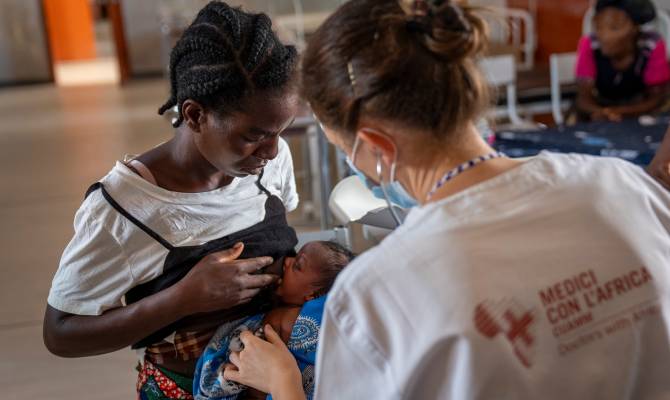
In Mozambique
From the northern province of Cabo Delgado to Sofala and Tete, several initiatives were organized across the country to celebrate World Breastfeeding Week. As CUAMM, under the Protect project in Sofala province, Beira, we highlighted the work of activists in the five health centers involved in the project and at the central hospital (HCB), especially regarding postpartum care and Kangaroo Mother Care.
In Cabo Delgado, our activists engaged women and mothers in awareness-raising activities on the importance of breastfeeding, also inviting them to participate in focus groups and meetings to share experiences. This initiative was carried out within the ongoing project funded by UNICEF.
In Tete province, we opened the week with an official ceremony attended by local health authorities and presented gifts to the maternity ward of the hospital.
In Tanzania
We promoted and participated in a series of activities in the Dodoma region, working closely with the Ministry of Health.
Among the initiatives: a two-day workshop on breastfeeding and maternal-child health; outreach activities in the most remote areas of the district; and a second outreach in Bahi district, where we took part in a Village Health and Nutrition Day.
Additionally, we provided logistical and organizational support for the Village Health and Nutrition Day organized in Kongwa district, Dodoma region, where we work daily in support of the district hospital.
In Sierra Leone
For the opening event of World Breastfeeding Week, we engaged the Pujehun district in awareness activities on topics such as: exclusive breastfeeding during the first six months; breastfeeding up to two years; complementary feeding; good hygiene practices; and health benefits for mother and child.
The event was organized in collaboration with district authorities (DMO and District Nutritionist), international partners, local authorities, and civil society representatives, including over 200 breastfeeding mothers.
Every meeting and initiative promoted by Cuamm during the week provided our teams with opportunities to address this topic while emphasizing an often-overlooked aspect: the need to create support systems for breastfeeding women. This was, in fact, the theme chosen this year by the World Health Organization: “Prioritise Breastfeeding: Create Sustainable Support Systems.”
On this subject, and on maternal and child health more broadly, a series of radio broadcasts were aired throughout the week to spread key messages as widely as possible and to strengthen collaboration and support for breastfeeding women.
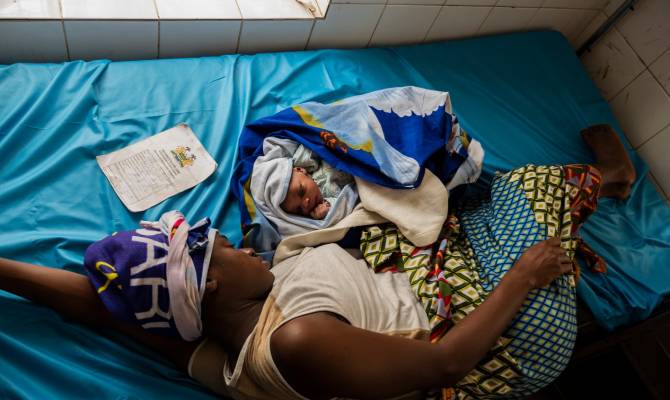
In our daily work — in hospitals, health centers, and within the communities themselves — we do everything possible to foster collaboration and find sustainable solutions involving health facilities, communities, and families.
We do this by:
- Strengthening the skills of health workers in breastfeeding counseling through training, mentoring, and supervision;
- Creating breastfeeding support and safe spaces within hospitals, such as Kangaroo Mother Care units;
- Supporting peer groups such as Mother Support Groups (MSG) in Sierra Leone and “lead mothers” to promote correct practices among peers, with particular attention to involving fathers;
- Collaborating with districts and local health authorities to refer complex cases early to appropriate healthcare facilities.
Empowering Refugees the experience of CHWs in Ethiopia
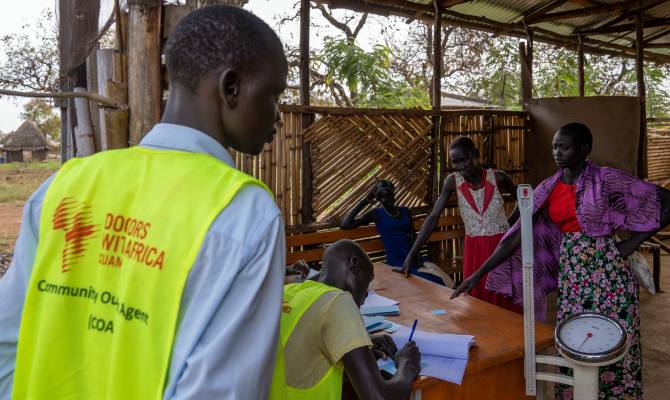
“The training I took not only strengthened my ability to serve but also empowered me to protect my own family. I have learned, I have grown and I have found strength in the support and commitment CUAMM has shown to my people. For that, I am deeply grateful” Ruey Tut Pal is a South Sudanese Refugee living in Ngunyyiel Refugee camp. In 2020 he took part in health trainings offered by CUAMM and joined the team as a Community Health Worker, soon after he became a Supervisor. “Working with CUAMM alongside both national and international teams have shaped me in ways I never imagined” he claimed.
Located in southwestern Ethiopia near the South Sudanese border, Gambella region has hosted a large number of mostly South Sudanese refugees since 2014. Today, more than 395,000 refugees are living in seven camps, including Ngunyyiel.
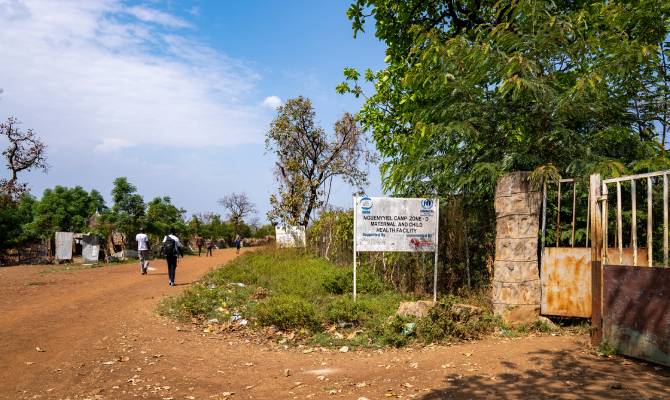
In this camp, CHWs conduct daily house-to-house visits to deliver key health messages, assess children’s vaccination status, remind families about critical health appointments such as immunization and antenatal care (ANC), and trace defaulters children and pregnant women who have missed their scheduled care. They also identify children who have never been vaccinated and link them to the immunization services. In collaboration with healthcare workers, they support outreach vaccination campaigns to reach unserved populations.
“One of their most impactful initiatives is the Tea Talk Sessions – said Daniel Frau, CUAMM Area Manager in Gambella. Twice a week, these community gatherings which are predominantly attended by pregnant and lactating women offer a platform for health education, feedback collection, and community dialogue. During these sessions, CHWs, midwives, and nutrition officers identify unvaccinated children, women missing ANC visits, and screen for malnutrition”.
Community Health Workers – CHWs are an essential pillar in delivering and sustaining primary health care services among refugees. By living and working within the community, CHWs are often the first to recognize signs of illness or complications in pregnant women and children and can therefore help overcoming the first delay, the delay in seeking care which is a major contributor to preventable maternal and child deaths. Their early intervention ensures that health conditions are addressed before they become severe, reinforcing the principle that prevention and early detection are more effective than curative care. This frontline presence has significantly contributed to reducing maternal and child morbidity and mortality in Nguneyyiel Refugee Camp.
“CHWs have always played a key role in CUAMM’s interventions in the region. They have always been selected from within the refugee community and this has proven to be strategic and effective approach due to the fact cultural and linguistic familiarity make the CHW’s are more likely to be accepted and respected, leading to greater community engagement to the project intervention” stated Daniel Frau.
Over the past 5 years, more than 500 CHWs have been trained by CUAMM in health-related issues to better serve the refugee populations in the bordering region of Gambella. Currently, 60 trained CHWs are deployed in Nguenyyiel refugee camp as part of the team serving in the “Emergency response to the South Sudanese crisis through an integrated and inclusive approach in health, nutrition and protection” project which is supporting two health posts located in the camp.
The contributions of CHWs have been instrumental to the success of CUAMM’s primary health care interventions in the Ngunyyiel refugee camp. Their close connection with the community, consistent engagement, and ability to mobilize and educate residents have made health services more accessible and effective. The progress made in disease prevention, maternal and child health, and immunization coverage in Nguneyyiel would not have been possible without the tireless efforts of the Community Health Workers.
Escalating displacement in Cabo Delgado CUAMM’s reponse
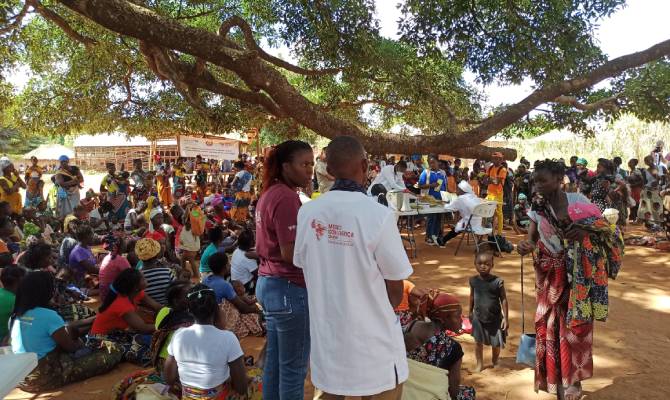
In recent weeks, attacks by non‑state armed groups (NSAGs) have intensified in Cabo Delgado, Mozambique’s northernmost province, resulting in the displacement of over 46,000 individuals across the districts of Chiúre, Ancuabe, and Muidumbe. According to the United Nations Office for the Coordination of Humanitarian Affairs (OCHA), Chiúre is the most affected district, with 42,411 people displaced most of them women and children.
Since the first attack was recorded in October 2017, violence in Cabo Delgado has continued to displace and traumatise thousands of people. To date, some 865,000 people are internally displaced in the region. Most have experienced or witnessed extreme violence including killings, sexual violence, kidnappings, extortion, and villages being burnt. Many had or saw their relatives and neighbours being assassinated, decapitated, or killed by gunfire. Some have lost their entire family.
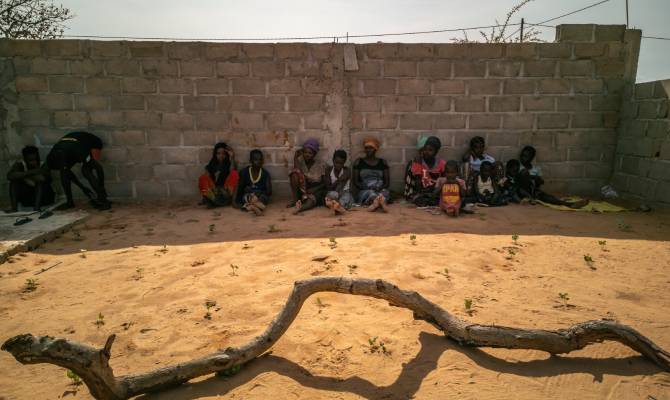
CUAMM has been working in Cabo Delgado for years. Presently, we work in Pemba providing support to women who survived gbv and in the districts of Chiure and Ancuabe by deploying mobile health clinics to take healthcare in underserved communities, including IDPs camps.
This surge in violence has severely crippled communities’ access to healthcare. In response, CUAMM has significantly expanded its operations. Mobile health clinics activities have been intensified in Chiúre and Ancuabe, providing essential healthcare services—such as maternal health, child immunizations, and general consultations—to displaced populations.
“We are working in coordination with local authorities and international partners like UNICEF and Vitol to deliver a timely response – said Giorgia Gelfi, CUAMM Country Manager. Due to security reasons our team can no longer access some areas but mobile clinics have been relocated to the area with a higher concentrations of IDPs”.
This latest surge in displacement is unfolding as humanitarian access is decreasing and funding is dropping, making it exceedingly difficult to meet the needs of the newly displaced. Despite these mounting pressures, CUAMM remains steadfast in its commitment to delivering critical healthcare—particularly to the women and children most affected by this crisis.