Tender invitation for Supply of visibility materials with message printing

Doctors with Africa CUAMM, a consortium with CBM and Rado under the project titled ”INCLUSIVE – Strengthening prevention, equitable and inclusive care for all AID012590/06/09,” is launching a simplified  procedure to select eligible Suppliers for the supply of visibility materials with message printing in Addis Ababa, Ethiopia.

01 Invitation form

02 Contract notice

03 Instructions to bidders

ANNEX I – Tender Form

Annex Ia – Declaration of Honour

Annex II & III Technical_Specifications_and_Technical_Offer

Annex IV – Legal Identity form

Annex V – Financial Identification

Annex VI – Financial offer

Annex VII – Administrative Compliance Grid

Annex VIII – Evaluation Grid

Annex IX – Contract Form

Annex X – Special Conditions

Annex XI – General Conditions for Service Contracts

Annex XII – Checklist

Tender for Supply of food items

Doctors with Africa CUAMM, under the project titled “Restoration of Essential Health and Nutrition Services in Shire, Tigray AID 05/12882/ETH,” is launching a simplified procedure to select a supplier for the supply of food items in Shire town, Tigray Region, Ethiopia.

01 Invitation form

02 Contract notice

03 Instructions to bidders

Annex I – Tender Form
Annex Ia – Declaration of Honour
Annex II & III Technical_Specifications_and_Technical_Offer
Annex IV – Legal Identity form
Annex V – Financial Identification
 Annex VI – Financial offer
Annex VII – Administrative Compliance Grid
Annex VIII – Evaluation Grid
Annex IX – Contract Form
Annex X – Special Conditions
Annex XI – General Conditions for Service Contracts
Annex XII – Checklist

Tender for Supply of Food Items

Doctors with Africa CUAMM, under the project titled “Multi- ectoral intervention to improve access to health of vulnerable community in Hamer district – (Project – IMPACT) – AID12669” is launching a simplified procedure to select a supplier for the supply of food items in South OMO zone, Hammer Woreda, Dimeka Town.
01 Invitation form
02 Contract notice
03 Instructions to bidders
Annex I – Tender Form
Annex Ia – Declaration of Honour
Annex II & III Technical_Specifications_and_Technical_Offer
Annex IV – Legal Identity form
Annex V – Financial Identification
Annex VI – Financial offer
Annex VII – Administrative Compliance Grid
Annex VIII – Evaluation Grid
Annex IX – Contract Form
Annex X – Special Conditions
Annex XI – General Conditions for Service Contracts
Annex XII – Checklist

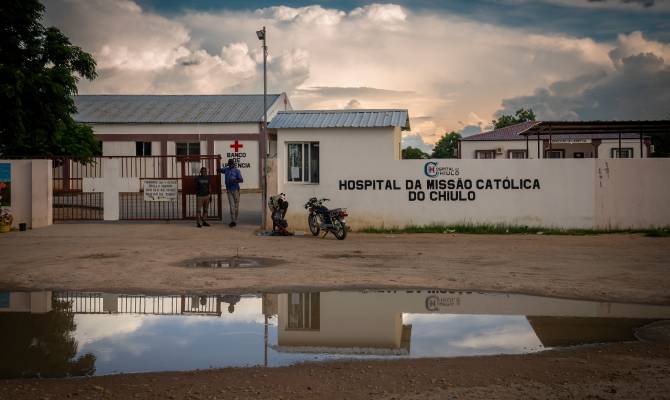
Chiulo renovated spaces reinvigorate care

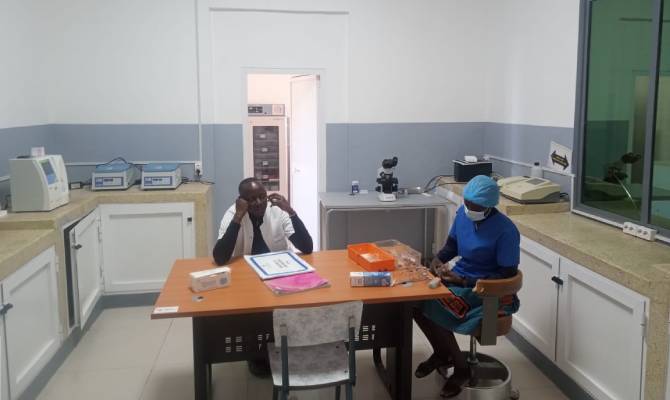
Laboratory, delivery room, theatre room and radiology have been renovated and equipped to continue providing quality services to mothers and children.

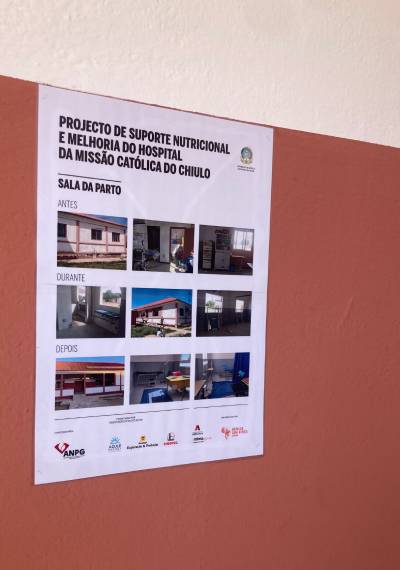
A official ceremony was held in Chiulo yesterday to cut the ribbon and mark a new beginning for the Hospital, which now counts on renewed and more functional spaces thanks to the intervention carried out by CUAMM with the support of ANPG, Azule Energy and partners from Bloco 15/06 namely Sonangol and Sinopec, as part of the project “Supporting Chiulo Hospital and evaluating nutrition interventions in the south of Angola.”

Yesterday, June 25, we gathered at Chiulo Hospital for an official inauguration ceremony attended by His Excellency the Bishop of Ondjiva – Father Dom Pio Hipunyati, Father Alexandre – local head of the Chiulo mission, the Board of Chiulo Hospital, Matteo Villa – engineer at Solar Barrel together with local authorities including: the Municipal Administrator – Elizeth Kondjasili Mwamelungi, the Municipal Health Director of Ombadja – Epifânia Ndesiuda, the Municipal Administrator of Humbe – António dos Santos Luepo and the Provincial Director of the Health Department – Dr. Georgina Graciete Nunes,.

“This partnership comes at a good time, at a moment when our hospital is in need of a profound and complete rehabilitation of its physical infrastructure, in order to meet universal standards and offer quality services to its users. I am deeply grateful for the strength and the positive energy of this great gesture of solidarity and humanity. I wish to express a word of recognition to all the hospital’s staff and beneficiaries. In particular, the government of Cunene province is committed to continuing to fulfill its evangelizing and social mission with determination,” said His Most Reverend Excellency Dom Pio Hipunyati, the Bishop of Ondjiva.

The hospital’s laboratory, operating theatre, theatre room, and radiology unit have been renovated and newly equipped with instruments and materials essential for clinical activity. The intervention aimed at improving healthcare services and ensuring quality care for patients – primarily women and children.

“It has been 25 years since CUAMM began its activities at the Chiulo hospital. Today, I would like to express my gratitude to Azule Energy, ANPG, and all those who were involved in the completion of the works including the health authorities and the hospital staff. As CUAMM, we will continue with our commitment to work at the hospital as well as in the communities to care for the most vulnerable: mothers and children,” stated Joaquim Tomas – CUAMM Country Representative.

The renovated and fully equipped laboratory at Chiulo Hospital

Chiulo is a rural hospital located in the heart of the Angolan mato, in Cunene province. The facility has 234 beds but, due to the scarcity of healthcare infrastructure in the province, its actual catchment area extends well beyond the limits of Humbe municipality. In this hospital, even access to running water and electricity is a challenge. Today, thanks to support from Solar Barrel, we inaugurated a new photovoltaic system that will allow the hospital to reduce energy costs and ensure a more sustainable power supply.

“Chiulo Hospital must continue to be a reference unit within our national health system. We are always grateful for the support received in ensuring quality services, although our desire is to keep improving so that this hospital becomes a true center of excellence,” declared Belarmino Felix – Head of the Public Health Department.

CUAMM’s commitment to supporting Chiulo Hospital has remained constant since 2000, the year we signed a memorandum of understandingt with the Diocese of Ondjiva. Since then, we have focused primarily on maternal and child health, first working within the hospital and later enforcing our efforts with community-based activities including mobile clinics and awareness-raising activities. Over the years, we’ve also invested in on-the-job training for local staff and in the upkeep of the maternity waiting home – a safe place for women nearing childbirth, established by CUAMM in 2012 and still operating today. Thanks to the collaboration with ANPG, Azule Energy and partners like Sonangol and Sinopec we are currently deliverying community-based activities focused on nutrition and hygiene and sanitation both in the provinces of Cunene and Namibe.

Twenty-five years since the beginning of our work in this small hospital located in the Angolan mato, we renew our commitment with enthusiasm to improving the health of mothers and children.


Invitation for Supply of medical drugs, laboratory reagents, consumables, orthopaedic and rehabilitation equipment, antibiotics, mobility aids, home-based rehabilitation materials, and eyeglasses

Doctors with Africa CUAMM, in a consortium with CBM and Rado under the project titled ”INCLUSIVE – Strengthening prevention, equitable and inclusive care for all (AID012590/06/09)”, is launching a Local Open Tender procedure to select eligible suppliers for the supply of medical drugs, laboratory reagents, consumables, orthopaedic and rehabilitation equipment, antibiotics, mobility aids, home-based rehabilitation materials, and eyeglasses in Addis Ababa, Ethiopia.
01 Invitation form
02 Contract notice
03 Instructions to bidders
Annex I – Tender Form
Annex Ia – Declaration of Honour
Annex II & III Technical_Specifications_and_Technical_Offer_Final
Annex IV – Legal Identity form

Protecting life at birth the importance of nurses

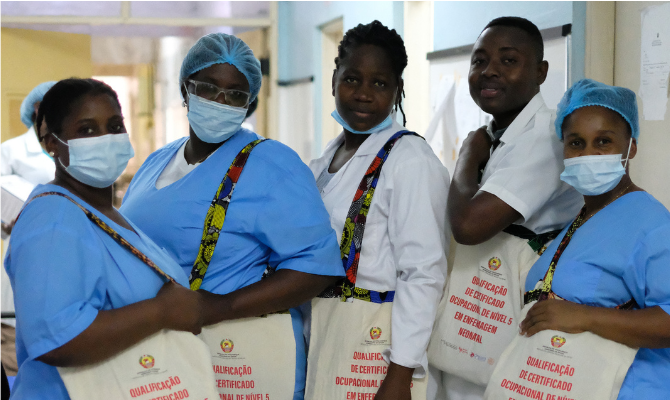
In Beira, practical training has begun for the 20 nurses participating in the annual professional neonatal nursing course, which started last February, in the province of Sofala in Mozambique. “Formador”, as the tutors are called by the students, “can we discuss a case together? Can you tell me if I’m doing it right?”. Opportunities for discussion and growth are not to be taken for granted for those who have often been accustomed to working without adequate training, alone, in a context where challenges are many.

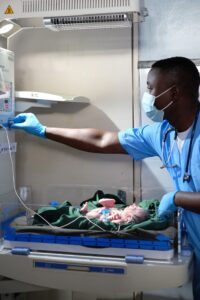
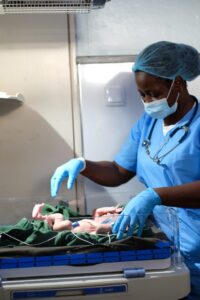
This is the first course of its kind in Sofala, following an initial year in Maputo. The theoretical training has been completed and the participants have now begun their practical training, which will take place at the Central Hospital in Beira and the Central Hospital in Maputo, particularly in the delivery room and the neonatal unit. This is definitely something innovative because it is the first time that there are nurses in the delivery room dedicated exclusively to newborns.

“You know, Dotora, I did a lot of things before, but I didn’t really know why I was doing them or when it was best to do them. Now I’m prepared, I know what to do and when to do it, so I make informed choices,” said Gracinda, a nurse who has been working in the Berçário at Beira Central Hospital for seven years. Irene Avagnina, a CUAMM paediatrician at Beira Hospital, reports this with satisfaction, recounting the initial feedback received from course participants: “A strong, collaborative team has been created, where people help each other and exchange knowledge and experience. It was essential to make them understand how important they are in the first moments of a newborn’s life, that their service can have a crucial impact! When they successfully resuscitated children or managed to resolve a complex situation, you could clearly see their amazement and gratification at the opportunity to really make a difference.”

A shared commitment to investing in the growth of local human resources, professional training that is part of the project “Strengthening the system of healthcare personnel training institutes and supporting the development of telemedicine”, funded by the Italian Agency for Development Cooperation and implemented with Aispo, the Community of Sant’Egidio and the University of Sassari.


“It was important that the Ministry decided to involve staff already in service. This is definitely the key to having a real impact on the healthcare system, giving operators the opportunity to grow. Despite the challenges of implementation, there has been a clear willingness on the part of the Public Institute of Science and Health to take on this commitment and to think of it from the outset as an ongoing and long-term course because it is seen as a concrete opportunity for improvement,” adds Irene. The Institute is still feeling the effects of Cyclone Idai and the economic crisis, but despite this, it remains a national reference point for professional training in nursing.

“On Mozambican Women’s Day, we got together with our colleagues. We stood in a circle, each of us wearing a capulana – a traditional Mozambican fabric worn by women, which has a strong symbolic value. We had to share a wish, the hope that each of us had for this course,‘ concludes Irene. ’At the end, the group sang a song that says: Those who were afraid to be born, now appreciate life”.

Refugees in Africa: those who stay, those who heal

While borders and barriers become stronger and stronger across Europe, in 2024, 73% of the world’s refugees found shelter in low- and middle-income countries.

Data are reported in the latest UNHCR report, published ahead of World Refugee Day to shed a light on the lives of people forced to flee.

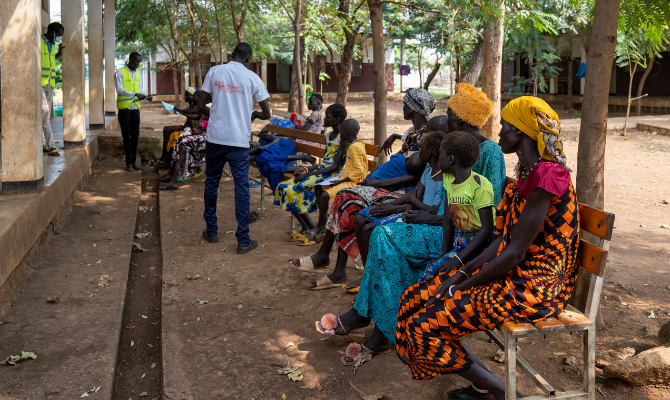
Uganda is currently among the top hosting countries in Africa. With 1.8 million refugees, it ranks fifth globally and first in Africa. In Uganda’s West Nile region, most refugees come from South Sudan, Sudan, and the Democratic Republic of Congo.

“Conflicts are increasing, and people keep arriving in desperate, emergency conditions,” says Joseph Katetemera, CUAMM Project Manager in West Nile. “Uganda keeps its doors open, even though funding is rapidly declining. To date, overcrowding in camps is a serious issue, and USAID cuts have led to severe underfunding. People must rely solely on their own resilience to survive.”

CUAMM has been working to support refugees in the region since 2022, with the most recent project running through March 2025. The focus has been on providing primary health services, emergency obstetric care, and psychosocial support.

Over the last year alone: 2,777 women gave birth safely, over 14,500 people received care during 100 outreach sessions in villages, 1,042 patients accessed life-saving medications. Special attention was given to people with disabilities, with the construction of accessible latrines, provision of hygiene kits, and inclusive training sessions.

“One of the key achievements, I believe, is that we were able to perform more than 2,000 surgeries on refugees, including over 600 people blinded by cataracts,” says Katetemera. “The story that stays with me most is that of Atizuyo Gladys, a woman who had been blind for eighteen years. Because of her condition, she had lost everything—even the small shop she once ran to support herself. She was ostracized by the community, who believed she had been cursed. Only her family and husband stayed with her. I’ll never forget the day she regained her sight after the surgery: it was the day she saw her children’s faces for the very first time. She even reopened her small business, thanks to a fundraising effort organized in her support.”

Stories like that of Atizuyo give hope in a country where the situation remains critical and the strain is starting to show. And the pressure isn’t limited to Uganda— it also threatens countries like Ethiopia. In Gambella region, near the border with South Sudan, the crisis is deepening. The region currently hosts five refugee camps with over 375,000 South Sudanese, with an additional 50,000 arrivals due to the escalating conflict.

“The situation is truly dire: we’re trying to expand the camps because there’s simply no more space,” explains Daniel Frehun, CUAMM Area Manager in Gambella.

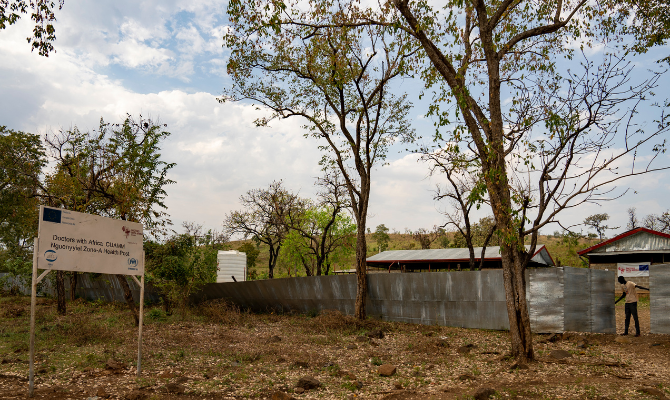
The camps are located in remote areas, often far from water sources and services. Yet CUAMM remains committed. Active in Gambella since 2018, CUAMM currently provides full healthcare services at two health posts in the Ngunyyiel camp and collaborates with community structures in three additional camps.

Activities include: health promotion, preventive care (vaccinations, nutritional screening), treatment, with special attention to women and children. A key initiative is the “tea talks”—informal gatherings led by community health workers, many of whom are refugees themselves, to raise awareness among women of reproductive age.

“These are moments when concerns surface, challenges are shared, and trust is built,” says Daniel.

In a context plagued by recurrent health emergencies—from cholera to the recent Mpox outbreak—the presence of trained personnel and consistent commitment becomes vital.

“Many partners are leaving, but we are staying. Even with fewer resources, we continue working side by side with the community.”

He closes with a message that goes beyond statistics:

“What has struck me most in these four years alongside refugees is their resilience and sense of humanity. I’ve witnessed profound suffering, caused by poverty and repeated health emergencies. Yet they’ve never stopped showing strength, gratitude, and hope. One mother in the Ngunyyiel camp even named her son after ‘CUAMM’, in gratitude for the care she received during her pregnancy.”


“Refugees are not just victims. They are mothers, fathers, and children who once lived in peace and still dream. Today, they continue to support their communities with dignity. We see them, we listen to them, and we walk alongside them.”

CUAMM meets CAR President in Bangui

A visit to the Central African Republic to closely follow the constant, daily, and dedicated work of CUAMM teams on the ground. This was the goal of the visit paid by Director General Father Dante Carraro to Bangui, where efforts continue in support of the Pediatric Complex—the only pediatric hospital in the country—and the project to build a midwifery school in Bossangoa.

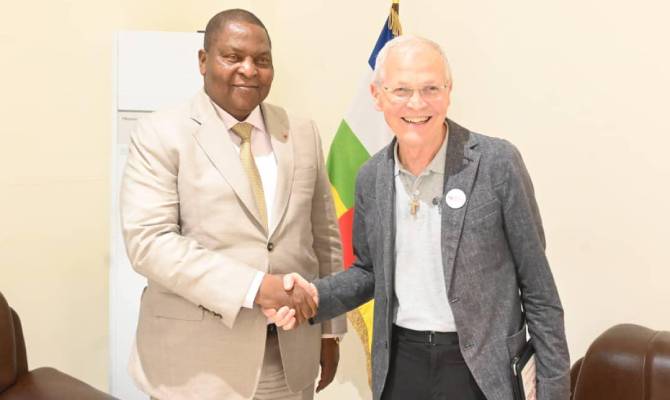
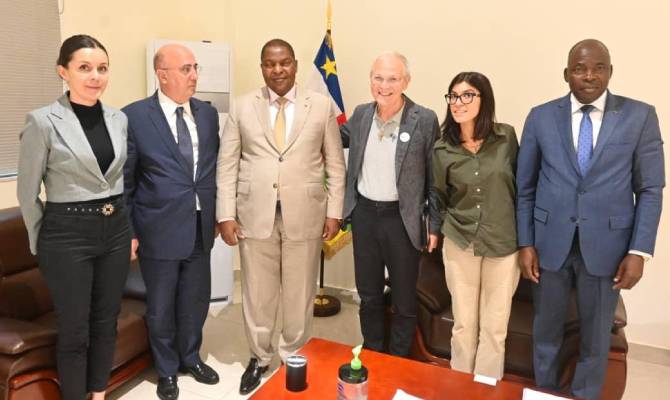
The mission also became an opportunity for a special meeting:  Father Dante Carraro together with Ambassador Filippo Scamacca del Murgo and CUAMM Country Representative – Marina Panarese were received for the first time yesterday at La Renaissance, the presidential palace by the President of the Central African Republic, Faustin-Archange Touadéra. An institutional visit aimed at strengthening cooperation efforts in the country, and at highlighting and appreciating CUAMM’s commitment to maternal and child health and education.

Among the topics discussed were: the strong involvement of Italian Cooperation in the country’s development; the collaboration between CUAMM and the Ministry of Health; and the results that this synergy is producing.

“Italian Cooperation’s support in the health sector is essential, and the work of organizations like CUAMM proves it,” said Ambassador Filippo Scamacca del Murgo. “The results are already visible in terms of improved health infrastructure, reduced child mortality, and the provision of free, quality care for children and their families.”

The President also mentioned the new, major challenge launched by the Minister of Health, Pierre Somsé, and taken on by CUAMM last year: the construction of a midwifery school in Bossangoa—the first in the country to offer training opportunities outside the capital.

“The school is the result of a long-standing collaboration with the Ministry of Health and reflects our way of working with Africa. We started by supporting the Pediatric Complex in Bangui, then moved to the smaller hospital in Bossangoa, and now—thanks to the results achieved—we are ready for this new challenge, strongly supported by Minister Pierre Somsé, who also participated in our Annual Meeting last year in Turin,” said Father Dante Carraro.

Through the midwifery school construction project, CUAMM’s commitment in the country takes a step forward—making education a tool to accelerate development, improve health indicators, and offer growth opportunities to the many young people who can and want to be part of this change.

“We are grateful to Italy and CUAMM for their support to our country. Investing in education is a priority for the development of the Central African Republic, and we are confident this school will be a crucial starting point,” said President Faustin-Archange Touadéra, who expressed his full agreement in renewing the cooperation efforts between the countries.


Sickle Cell Disease a forgotten NCD

Every year on June 19, the global community observes World Sickle Cell Disease Day—a vital opportunity to raise awareness of one of the most widespread yet often overlooked genetic blood disorders. Established by the United Nations in 2008, this day calls attention to the daily challenges faced by people living with sickle cell disease (SCD) and other haemoglobin disorders, emphasizes the importance of early diagnosis and quality care, and advocates for the implementation of effective prevention strategies.

Sickle Cell Diseases (SCD) is considered a non-communicable disease (NCD) along with the so called “Big Five”: cardiovascular diseases (including high blood pressure), cancer, lung diseases, diabetes, and mental health conditions. Such diseases are chronic conditions that are not spread from person to person and represent a growing public health concern in the African region.

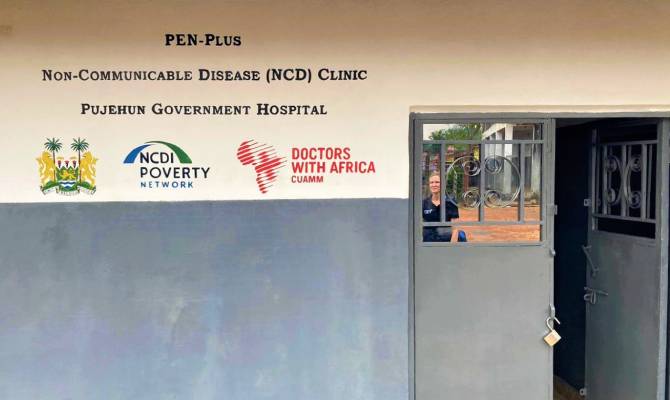
In Sierra Leone NCDs contribute significantly to morbidity and mortality. Limited diagnostic and treatment facilities make early detection and effective management difficult. Many cases remain undiagnosed or mismanaged due to lack of awareness and healthcare resources. For that reason, CUAMM is actively engaged in Pujehun district through the PEN-Plus project. PEN-Plus is an integrated care delivery strategy focused on increasing the accessibility and quality of chronic care services for severe NCDs. Since 2023, CUAMM is supporting the General Hospital—the district’s main hospital—in providing free consultations and care for chronic patients in one of the 2 NCDs Clinics of Sierra Leone.

In this framework, CUAMM is committed to providing multidimensional support, which include, in addition to patient treatment, continuous training of hospital staff and supporting the government in integrating NCDs procedures into national policies. As well as that, the organization is active at the community level throughout the District to raise awareness and spread knowledge on NCDs.

Two years after the start of activities, the clinic registers over 1,000 enrolled patients who receive regular, specialized care and periodic follow-ups, ensuring them a better quality of life. More than half of these patients are being treated for hypertension and Sickle Cell Disease.

Sickle Cell Disease, a genetic blood disorder that causes chronic pain, organ damage, and frequent hospitalizations, is particularly widespread due to the high carrier rate in the population.

Blood disorders, also known as haemoglobin disorders are inherited blood diseases that affect how oxygen is carried throughout the body. These disorders fall mainly into two categories: sickle-cell disease and thalassaemia. Globally, approximately 5% of the population carries trait genes for haemoglobin disorders. Each year, over 300,000 babies are born with severe forms of these diseases. Although inherited from two generally healthy parents, these conditions can have serious health consequences.

Managing and Preventing the Burden

While the burden of haemoglobin disorders is significant, it can be effectively reduced through integrated management and prevention programmes. Disease management includes early diagnosis, regular monitoring, and comprehensive care. However, the most cost-effective approach combines treatment with prevention strategies, such as: carrier screening, genetic counselling and prenatal screening.

CUAMM’s Commitment in Pujehun

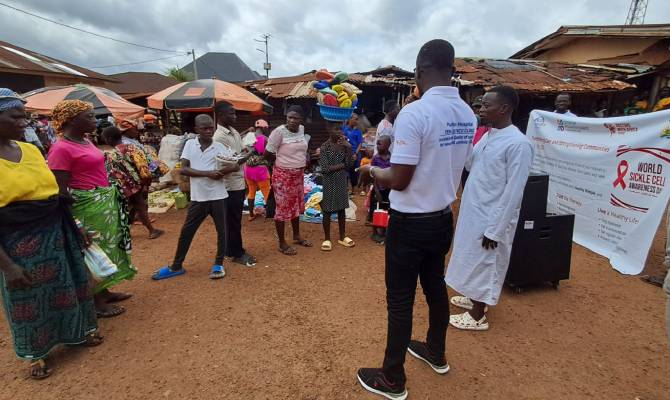
To mark this year’s World Sickle Cell Disease Day, CUAMM led a series of public awareness initiatives in Sierra Leone’s Pujehun district, where access to reliable health information is often limited. These included:

  • Two radio talk shows, broadcast via community radio—an essential communication channel in rural areas—focusing on early detection, care options, and social support.
  • An educational session at Pujehun Secondary School, empowering students with basic knowledge about symptoms, prevention, and the importance of seeking care.
  • A street theatre performance in the central market, using local storytelling and drama to spread messages of awareness, empathy, and inclusion.

These activities highlight CUAMM’s ongoing commitment to supporting communities affected by sickle cell disease and promoting informed choices for healthier futures.

Blood bank as a lifeline in Karamoja

In a region historically plagued by severe blood shortages and high maternal and child mortality, a remarkable transformation is underway. Since the establishment of the Moroto Blood Bank in September 2022 the Karamoja subregion is witnessing tangible improvements in healthcare delivery—especially in emergency care and maternal health. The service was established by Doctors with Africa CUAMM with support from the Embassy of Ireland in Uganda (IrishAid) and serves as collection, storage, and sistribution centre in the region.

This facility, the first of its kind in Karamoja, has revolutionized blood transfusion services by dramatically reducing the distance and time required to obtain life-saving blood.

“Before the opening of the blood bank in Moroto, the hospitals in Karamoja relied on blood from Mbale (300 km away) and Nakasero (500 km), with delivery delays of up to five days. These delays often resulted in preventable deaths, particularly among mothers and children” said Dr. Lilly Achayo Boxtell – CUAMM Project Manager.

Thanks to the Moroto centre, which now serves nine transfusion sites across nine districts, blood is more accessible for Karamoja’s 1.4 million residents. Blood collection numbers have risen significantly—from 8,063 units in the first project phase (Nov 2021–Oct 2023) to 11,439 units in the ongoing second phase (Nov 2024–May 2025), with efforts still ongoing.

Results are being collected in terms of improved health outcomes. Maternal deaths in the region have dropped from 28 at baseline to 12 by October 2023. Nationally, Uganda’s Maternal Mortality Ratio has declined from 336 to 189 per 100,000 live births between 2016 and 2022, according to the Uganda Demographic and Health Survey. The under-five mortality rate in Karamoja has also decreased from 102 to 56 per 1,000 live births, in part due to the availability of safe blood for children suffering from severe malaria and anemia.

To ensure blood continues reaching those in need, Doctors with Africa CUAMM, together with the Ministry of Health Uganda, Uganda Blood Transfusion Services (UBTS), Moroto Regional Referral Hospital, district local governments, and local communities, have implemented a comprehensive strategy:

  • Community engagement through radio shows, community dialogues, educational dramas, donor testimonials, and information campaigns.
  • Mobile blood drives in public places like markets, schools, barracks, offices, and on occasion of cultural events like the Karamoja Cultural Gala.
  • Capacity building for healthcare workers through training, mentorship, and technical support.
  • Infrastructure development, including equipment procurement and installation at Moroto and the supported transfusion sites.

However, challenges remain: Karamoja’s cultural conservatism and sparse population contribute to low blood donation rates, especially among those unfamiliar with the practice. Addressing this requires ongoing community sensitization and storytelling, highlighting real-life success stories and the power of donation to save lives.

“Blood donation in Karamoja is more than a medical act—it’s an act of solidarity. Every unit collected is a life preserved,” said Dr. Lilly Achayo Boxtell.

As this vital work continues, CUAMM remains committed to ensuring no mother or child dies for lack of blood, standing with the people of Karamoja to strengthen the region’s health system, one drop at a time.