Maternity care in Ivory Coast: enlarging the commitment

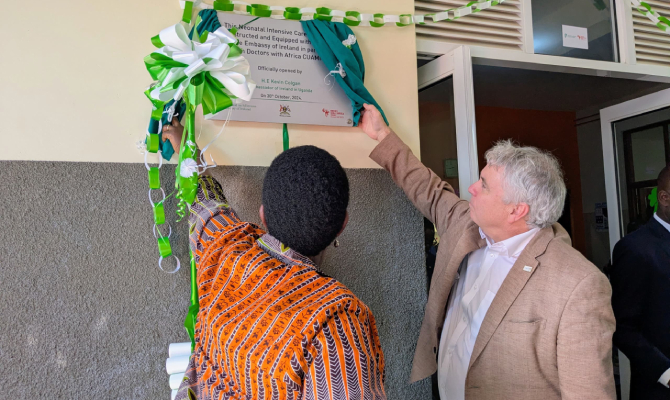
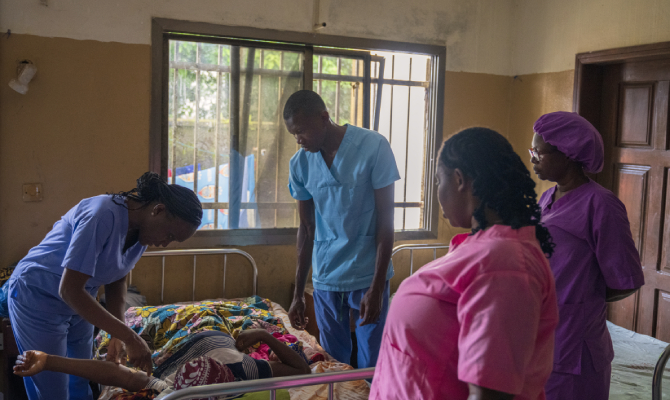
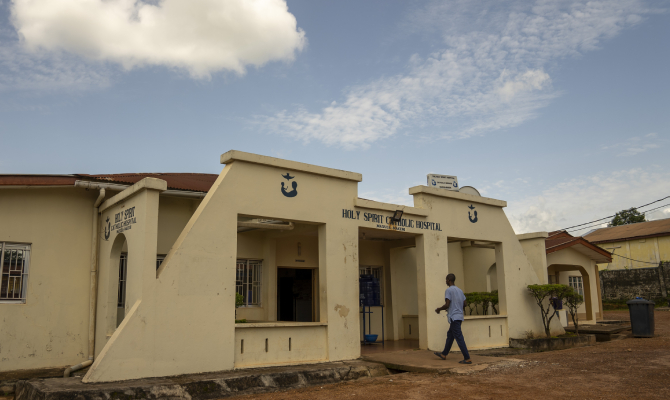
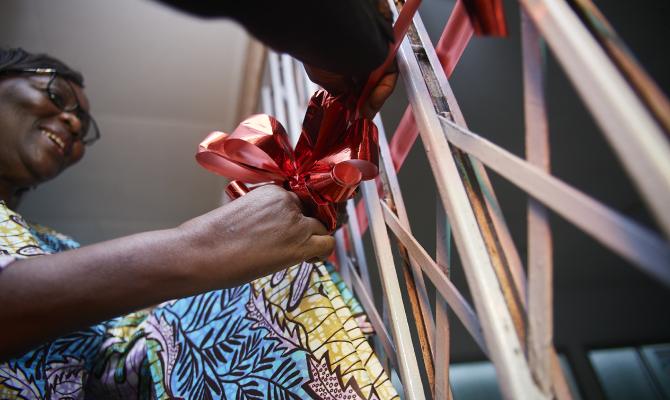
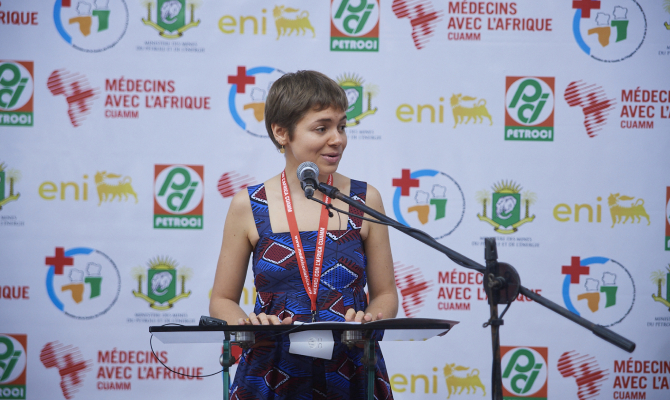
A new maternity ward was inaugurated yesterday in Abidjan, Ivory Coast, at the Anonkoua Kouté urban health center thanks to the partnership between Doctors with Africa CUAMM, Eni Côte d’Ivoire, and U.R.S.S.C.I. – the Union of Religious Men and Women of Côte d’Ivoire. The ceremony took place on October 17, 2024, starting at 2:00 PM at the Anonkoua Kouté Community Urban Health Unit, Abobo, Abidjan, in the presence of Dr. Kpaho Bernard, Inspector General of Health, representing the Minister of Health, Public Hygiene, and Universal Health Coverage, Madame Yao Gnamien Beugré, Deputy Mayor at Abobo and Luca Faccenda Director General Eni Ivory Coast.

The facility, managed by the Congregation of the Sisters of Providence and part of the U.R.S.S.C.I. network, is one of the largest centers by number of births in the district. Around 3,700 births are recorded here each year. By supporting the facility and inaugurating the new maternity spaces, the initiative aims to fulfill one of the objectives of the national strategic plan: to ensure universal health coverage across the country, with particular attention to vulnerable groups, especially women and children.

«I would like to thank the financial and technical partners who contributed to this project, particularly the NGO Doctors with Africa Cuamm and Eni Côte d’Ivoire – said Dr. Kpaho Bernard, Inspector General of Health, representing the Minister of Health, Public Hygiene, and Universal Health Coverage during the ceremony. – The building we are inaugurating today will help improve access to quality maternal, neonatal, and child services, bringing the Ministry of Health, Public Hygiene, and Universal Health Coverage closer to the strategic objectives of our National Health Development Plan».

Abobo district in Abidjan which is home to about 1.5 million people and has the highest population density in Ivory Coast. It faces significant challenges in accessing quality maternal and child health services. The Anonkoua Kouté urban health center, managed by the Congregation of the Sisters of Providence, is one of the largest centers in terms of births in all of Abobo, recording around 3,700 births per year.

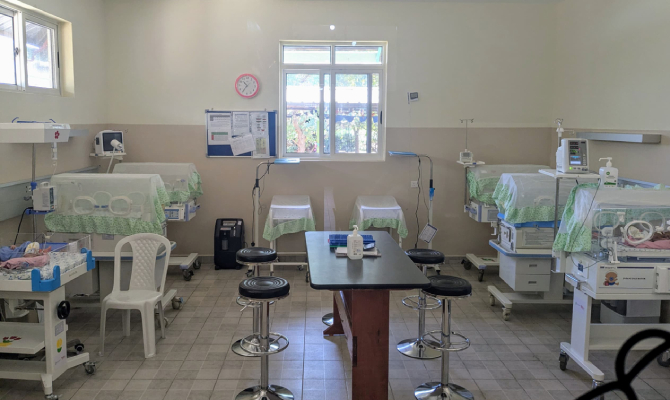
The new maternity unit, with its four postnatal wards and a prenatal care room, will provide essential support to pregnant women, mothers, and newborns, improving access to and the quality of healthcare services while reducing the pressure on higher-level healthcare facilities. It will also ensure adequate prenatal care, improve childbirth conditions, and guarantee quality postnatal care, thus contributing to the reduction of infant and maternal mortality.

This initiative represents a significant step forward for the well-being of the local population, addressing the healthcare needs of a growing community, in line with national plans and priorities. This goal will be achieved also through the training and capacity building of healthcare workers in the facilities, the provision of equipment, the improvement of patient referrals to healthcare facilities and the renovation of existing premises.

«It is with great pride that we witness today the tangible achievement of one of our results within this ambitious goal, which is at the core of the priorities of the Ministry of Health, Public Hygiene, and Universal Health Coverage, – said Anna Cavestro, Country Representative for Cuamm in Ivory Coast. Thanks to the commitment of our partners and the determination of national authorities, we have been able to turn this vision into tangible actions».


The construction of the maternity ward is part of the “Santé Pour Tous” – Health for All project promoted by Doctors with Africa Cuamm in collaboration with Eni Côte d’Ivoire and U.R.S.S.C.I. – the Union of Religious Men and Women of Ivory Coast. The aim of this initiative is to improve the quality and access to healthcare for disadvantaged populations in the country, particularly pregnant women and mothers, by promoting the integration of private healthcare facilities managed by religious organizations into the national health system.


Discover CUAMM’s work in the country


New skills in care work

The Central African Republic continues to have a fragile domestic situation, particularly unstable in some areas, ranking 188 out of 191 on the Human Development Index. According to OCHA 2024 estimates, 2.8 million people are in need of care but the health system appears fragile, with poorly qualified health personnel and, above all, not enough to cover the needs of the population. In fact, the country has only one doctor for every 50,000 inhabitants and one nurse for every 20,000 inhabitants (WHO 2021).

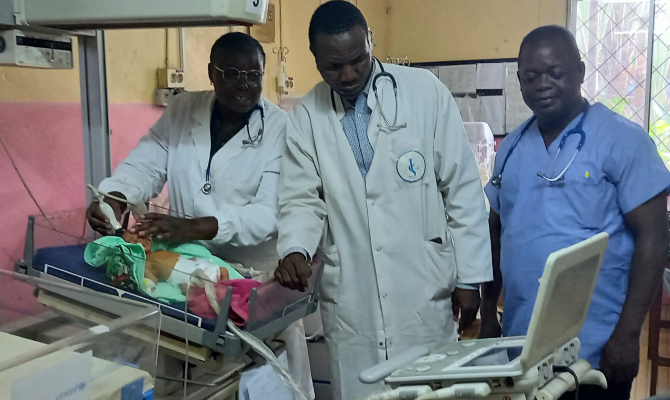
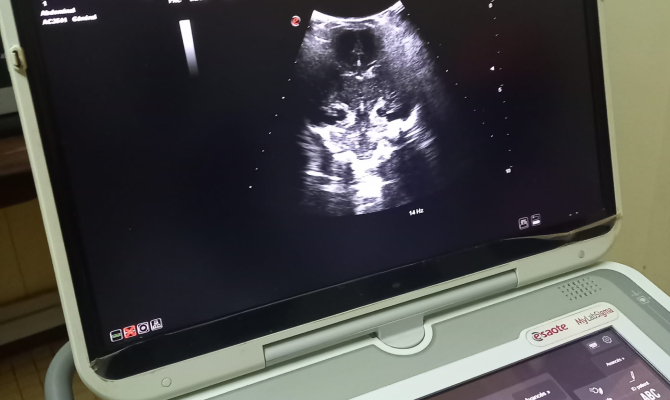
For this reason, at the Complexe Hospitalier Universitaire Pédiatrique in Bangui (CHUPB), a specific focus was promoted on transfontanellar ultrasound, an important diagnostic tool that can be used in children arriving in the emergency room in critical situations. The training was aimed at learning and improving the use of this new diagnostic method. Investing in training and capacity-building is essential in fragile contexts to meet the challenges of resource-constrained healthcare and to guarantee essential health services to the population, particularly newborns and children. But then does training enter into the practice of daily care work? This was the question posed.

“One episode on the last day was particularly significant for me in terms of how much colleagues got involved. The night before, Dr Carine had received preterm triplets, the smallest of which, at 760 g, had died before she was able to give her an ultrasound scan,” says Alessandra Ometto, a paediatrician and neonatologist who gave the course at CHUPB.

“At the end of the course we have an appointment at 1 p.m. for a last practical lesson, before the delivery of the certificates of attendance by myself and Professor Gody, Director of the Hospital. When I arrive, Carine tells me that she had performed the post-mortem transfontanellar ultrasound on the baby because she wanted to understand – an important expression – whether her death had been caused by an acute brain problem, not just stopping at the fact that the little twin was the last born and of very low weight. He had recorded the entire examination in the apparatus and asked to see it together; in his opinion, the baby had had a grade three acute cerebral haemorrhage, the maximum. So, we all reviewed her recording together and the examination, which had been well performed, had led her to make the correct diagnosis. All this had happened on her own initiative without my intervention, not even support or encouragement. For me, this is an important achievement that gives reason for a training intended to involve them personally, to make them curious, to enthuse them. Therefore, if there is to be a next training, for which I will always be available, I imagine it will no longer be a course packaged by me, but a sharing and supervision of their cases and ultrasound scans, where they will learn more and more how to integrate diagnostic imaging with the clinic,” emphasises Alessandra.

Capacity building as well as “on the job” training of the health personnel at CHUPB are part of the project “Support for Paediatric and Nutritional Care, Resilience and Governance at CHUPB” project, funded by the European Union and implemented in collaboration with Action against hunger (ACF).


The contents are the sole responsibility of Doctors with Africa CUAMM and do not necessarily reflect the vision of the European Union.

FRENCH VERSION

Sierra Leone new premises at PCMH

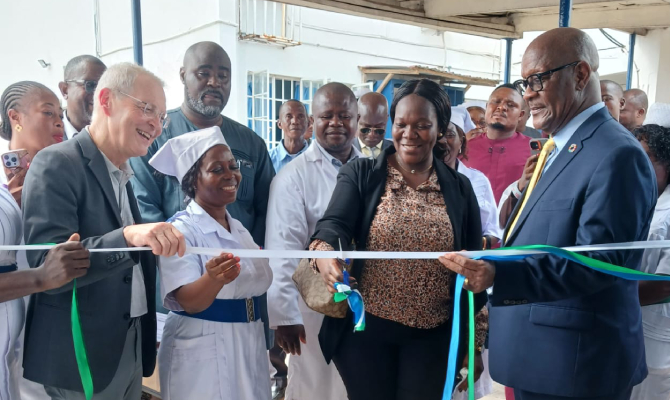
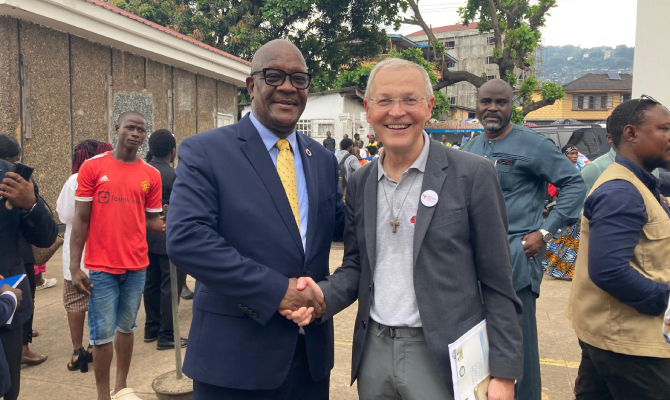
The new premises at the Princess Christian Maternal Hospital (PCMH) were handed over by CUAMM Director General to the Minister of Health. The ribbon-cutting ceremony took place yesterday in Freetown.

«We hold CUAMM in high esteem because it is an honest and reliable partner that assists the Ministry of Health in the effort to reduce maternal mortality, with a clear vision and alignment with the national strategy» stated Dr. Austin Demby, Minister of Health.


The Princess Christian Maternity Hospital (PCMH) is Sierra Leone’s main referral hospital for maternal health. The facility, covering both the urban and rural areas of Freetown, serves a population of over 1.3 million people. In 2023, it conducted more than 16,000 outpatient visits and 8,000 deliveries. Here, CUAMM is currently working to improve the overall quality of care provided to women during pregnancy, especially those with obstetric complications before and after childbirth.

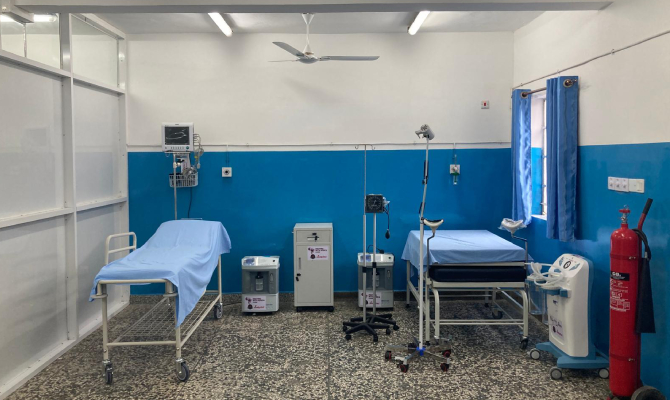
One of the main issues affecting the quality of services is the deteriorating and outdated state of the buildings, worsened by nearly 100 years of operation. To meet the new demands of the facility and ensure quality care for an increasing number of patients, Doctors with Africa CUAMM supported the rehabilitation and expansion of the premises, thanks to the support of Leoncini s.r.l. The intervention involved two areas: an existing pharmacy, which was renovated and expanded, and an emergency room and outpatient department where the triage flows has been re-designed and a waiting area created. The results aim to reduce overcrowding and optimize the pathways for medical staff and patients, improving the quality of service and care.


As a result, the hospital now has a pharmacy of 175 square meters and a large emergency room of almost 400 square meters. Through the hospital’s rehabilitation, CUAMM makes a concrete contribution to the quality of medical and health services offered in the country, supporting the government of Sierra Leone in its effort to provide timely and effective care to an increasing number of patients while ensuring a more dignified and welcoming work and care environment.

«More than 9,000 women seek assistance in this hospital for an attended birth last year. We have a responsibility towards them as towards the health workers serving here. We have to provide them with instruments and good working conditions that can ensure a quality service. It is by doing so that we can meet the target of zero maternal death!» said Father Dante Carraro.

The inauguration took place exactly one year after the handover of the rehabilitated spaces at Connaught Hospital in Freetown, a tertiary-level hospital serving a population of over 1,493,252 people. Responding to the Sierra Leone government’s request, CUAMM had previously carried out the rehabilitation of the emergency and outpatient areas. This intervention was once again supported by Leoncini S.r.l., alongside the Veneto Region.

«A year ago, we inaugurated a similar rehabilitation project at Connaught Hospital, carried out by CUAMM, which the Ministry of Health and the people are now proud of; it is incredible that CUAMM has been able to replicate something similar at PCMH» said Dr. Austin Demby, Minister of Health.


World Food Day The Right to Food for a Better Life and Future

World Food Day is celebrated every year on October 16 to commemorate the founding of FAO, the United Nations Food and Agriculture Organization, established in Québec, Canada, in 1945. The date has now become a global event aimed at raising public awareness about one of the most urgent challenges of our time: ensuring fair and sustainable access to food for all. This year’s message, chosen to draw attention to the 733 million people facing hunger worldwide, is “The Right to Food for a Better Life and Future.”

«I arrived at the emergency room cause the baby could not stop vomiting, had diarrhea and high fever. When we got admitted, they diagnosed a severe malnutrition and gave her oxygen. We stayed 24h at the emergency department before being transferred to the paediatric ward where my baby started the treatment with therapeutic milk first and later with PlumpyNut» said Christine from Pujehun, Sierra Leone.

Lack of access to food and poor diet leads directly to malnutrition, currently affecting 2.8 billion people worldwide (UNICEF, WHO, World Bank Group, 2023). This remains a chronic issue in some areas of the world and contributes to 45% of global deaths among children under the age of 5. In sub-Saharan Africa, several factors contribute to the high malnutrition rates: armed conflicts, climate shocks, and economic crises, all of which severely impact the poorest and most vulnerable populations.

Malnutrition is caused by a lack of essential nutrients. Children who suffer from it experience stunted growth and poor physical and mental development. Furthermore, due to weakened immune systems, they are highly vulnerable to infections and diseases.

«Most of our patients are malnourished – says Annachiara Zin, CUAMM pediatrician in Pujehun, Sierra Leone. The district’s economic situation, lack of food availability, and poor education on the issue are risks factors that compound the prevalence of malnutrition cases, significantly affecting infant mortality. We often receive critical patients who arrive with complications that could have been prevented with timely intervention» adds Zin. This reminds us that an integrated approach is necessary, acting both clinically, with dedicated hospital services, and at the community level, building trust and facilitating access to health services.»

The 1,000 days from the beginning of a woman’s pregnancy to her child’s second birthday are some of the most critical for human nutrition and growth. However, at-risk groups more generally include children under five, adolescents, pregnant or breastfeeding women, the elderly, and those with chronic illnesses. The most vulnerable people are often forced to consume only basic or low-cost foods—often poorly nutritious—while others lack access to fresh or diverse food items or do not have the necessary information to adopt a healthy diet.


In Pujehun district, Sierra Leone, Doctors with Africa CUAMM carries out initiatives to prevent and treat malnutrition that combine clinical and community-based activities. With the aim of eradicating hunger, achieving food security, and improving nutrition, CUAMM promotes sustainable agriculture through the creation of vegetable gardens and training sessions on good agricultural practices, designed in collaboration with the Ministry of Agriculture and Forestry. This agricultural activity is complemented by food education and sensitization activities. Cooking demonstrations held at community level aim at helping mothers in ensuring their babies a healthy and balanced diet by using nutritious, affordable, and accessible foods. To complete the community-based approach, a microcredit system managed at the community level has been introduced in 60 villages to ensure the sustainability of agricultural practices. When properly managed, agriculture, forestry, and fishing can provide nutritious food and generate adequate incomes, supporting people-centered rural development while also protecting the environment.

CUAMM’s commitment to preventing and treating malnutrition extends to all the countries in which it operates. To accelerate progress toward Sustainable Development Goal – Zero Hunger (Goal 2) of the 2030 Agenda, CUAMM supports national policies and programs by actively promoting nutrition education in communities, clinics, and health centers. They educate pregnant women, raise awareness about the benefits of exclusive breastfeeding for the first six months, and monitor children’s growth during their early years. CUAMM also addresses acute and chronic malnutrition, which remain widespread in Africa, particularly during droughts and subsequent famines.

ACUTE MALNUTRITION
Acute malnutrition results from rapid weight loss or the inability to gain weight, typically due to insufficient food access, such as in cases of famine or economic hardship. It can be moderate or severe; in severe cases, the child is at risk of death. Doctors with Africa Cuamm supports nutritional units for the intensive care of severe acute malnutrition in several hospitals in the countries where it operates, and also supports screening activities and identification of acute malnutrition cases in the field and peripheral health units.

CHRONIC MALNUTRITION
Chronic malnutrition refers to stunted growth, indicated by a low height-for-age ratio. It results from a prolonged lack of food or limited use of available resources, starting as early as the fetal stage. It causes permanent physical, mental, and intellectual deficits in children, affecting their entire future life. Unfortunately, no real therapy exists, but through specific programs, Doctors with Africa Cuamm provides educational interventions for mothers and administers supplements to pregnant women and children, which can reduce the impact and damage of stunted growth. Key interventions include treating pregnancy-related anemia, administering folic acid and other micronutrients like iodine, preventing malaria during pregnancy, promoting good maternal nutrition, exclusive breastfeeding, and deworming in children.

The fight against malnutrition is part of the Sustainable Development Goal to “End Hunger” (Goal 2) of the 2030 Agenda. However, according to estimates from UNICEF, WHO, and the World Bank, only one-third of all countries are on track to meet the global target of reducing the number of children with stunting to 89 million by 2030. With current progress, the 2030 target will be missed by 39.6 million children, with more than 80% of these being in Africa.


Support us, by donating now you help us ensuring proper malnutrition treatment to children most in need, in Sub-Saharan Africa.

DONATE NOW


Drought hindering women and newborns’ well-being in Cunene province

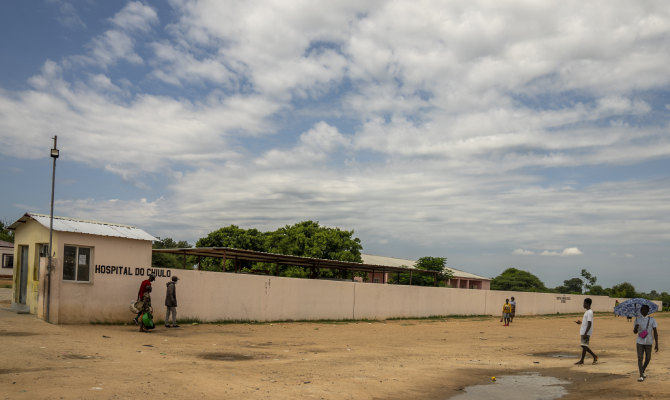
Newborn healthcare remains one of the primary constraints faced by CUAMM’s team at Chiulo Catholic Hospital due to lack of dedicated spaces, equipment and trained personnel. Moreover, physical barriers for institutional delivery are increasing the risks of newborn complications other than jeopardising maternal health. The prolonged drought has led to an increase rate of acute malnutrition among under 5 and it is strictly intertwined with infectious disease, more commonly widespread due water scarcity, resulting in half of children in drought provinces showing at least one sign/symptom of infectious disease (diarrhoea, fever or cough). The high level of malnutrition among PLW are worsening health outcomes since the first days of life of newborns. Poor dietary diversity and micronutrients deficiency in pregnant women is also contributing to high malnutrition rates among children <5.

In Cunene province, CUAMM and Manos Unidas join efforts in favor of women and newborns by providing integrated health and nutritional services at Chiulo Catholic Hospital.

In order to better manage newborns and paediatric’s complication at hospital level hence reduce newborns and pediatric complications, a dedicated intensive care area is being constructed within the paediatric wards. Furthermore, renovations at the maternal waiting home – casa de espera, will facilitate access to safe delivery for a a major number of women. Education is also a milestone in the intervention: to enhance caretakers’ knowledge, the project will support awareness raising sessions and cooking demonstrations at hospital level while also supporting the construction of an outdoor kitchen.

«Malnutrition is caused by a significant imbalance between nutritional intake and individual needs. It is most often caused by both quantitative and qualitative deficiencies  – said Ndapandula Wilca, chief nurse at the maternal waiting home. Here at casa de espera (maternal waiting home) in Chiulo hospital we organize cooking demonstration to engage women in sensitization activities. By teaching them how to make the most out of what they have at disposal we can prevent malnutrition».

The intervention will directly benefit 1.976 recipients while reaching an overall number of about 300.000 people in the drought-affected province of Cunene.

The prolonged drought in the south of Angola has led to more than two million children in need of humanitarian assistance, 1.2 million people in need of water availability and in 1.58 million people facing acute food insecurity in South-western Angola (WFP, June 2023) and about 15% of the population in Emergency (IPC Phase 4) (2022). The impact of drought on the livelihood opportunities dominated by agriculture and livestock has also adversely affected the nutrition status of the population being pregnant and lactating women (PLW) and children under 5 years of age the most vulnerable groups.

Cunene Province is among the provinces in the country with the highest prevalence of insufficient food consumption. The province experienced below-average production, resulting in higher market dependence amid higher food prices and relatively lower livestock prices. Despite the slight improvements registered in the past months, according to Relatório Avsan 2021, Cunene is among the regions with the highest malnutrition rate with Global Acute Malnutrition – GAM at 7.9% in Cunene (the prevalence of Severe Acute Malnutrition – SAM and/or oedema is 1.4% and Moderate Acute Malnutrition – MAM at 6.5%).

Doctors with Africa CUAMM is working at Chiulo Catholic Hospital, to contribute to improve the nutritional and health status of newborns, and pregnant and lactating women in line with the SDGs 2.2 and 3.3. The intervention, supported by Manos Unidas, aims to reduce newborns and pediatric complications through the construction of a dedicated intensive care unit within the paediatric wards. Proper equipment and trained healthcare workers will improve the management of newborn and pediatric care at hospital level. Furthermore, the upgrade of a maternal waiting home, casa de espera, will increase the number of women with access to safe delivery, thus reducing newborns, pediatric and maternal complications. Moreover, awareness activities among caregivers, PLW and caretakers on health, hygiene and nutrition practices will facilitate prevention and treatment of acute malnutrition hence improve health outcomes.


Backstage of essential health services

What is behind the essential health services provided to the population in the most fragile settings? Behind the concrete delivery of services, there are very delicate skills and activities: the timely supply of drugs and medical equipment, the complex infrastructural improvements in fragile situations, the capacity building of local workers, often far from regular training systems.

In the Gambella Region of Ethiopia, a ‘transformational’ pathway is in place to improve essential health services, particularly for mothers and children, by strengthening the Health Management Information System (HMIS). This process requires honing articulated skills such as data collection, analysis and utilisation, so that those managing health services can make more informed decisions and thus provide higher quality care to the population. In addition, an effective data management system is crucial for tracking the progress of project-implemented activities and flagging any critical issues, thus allowing actions and strategies to be re-oriented in a more appropriate manner.

This is one of the components of the technical assistance provided within the “INCLUSIVE: Strengthening Prevention, Equitable and Inclusive Care for All” project that supports 9 health facilities, 2 hospitals and 7 health centres in three districts of the Region: Gambella Town, Gambella Zuria and Abobo. The focus of the intervention is maternal and child health care, with special attention to prevention and the creation of a favourable health environment for people with disabilities. Financed by the Italian Agency for Development Cooperation, the intervention is implemented by Doctors with Africa CUAMM together with CBM International and Rehabilitation and Development Organisation (RaDO).

Improving information utilisation platforms and data monitoring practices is crucial today, in order to manage the day-to-day work in a more timely manner, but also for the future, to more effectively inform health initiatives and improve services. The progress made so far highlights the importance of collaboration, training and dedicated support,” says Buzuayehu Bogale, Cuamm expert for project monitoring and evaluation.

Based on an initial analysis, an action plan was developed for each health facility involved through targeted staff training and supervision activities. Among the main results achieved, staff improved their ability to validate data and prepare accurate reports from DHIS2, the national district-level health information collection software; as well as to monitor performance using key indicators (KPIs), to regularly update the system and to use monitoring charts. Investing in the health information system is investing in improving the quality of services and their sustainability: it is the other, more hidden side of caring for patients.


CUAMM recognized by WHO for its commitment in controlling NCDs

«For the work done in the improvement of health outcomes in rural areas in Tanzania as for the dedicated commitment in supporting local and forgotten communities» stated the United Nations Inter-Agency Task Force on the Prevention and Control of Non-communicable Diseases (NCDs) to justify the assignment of the Task Force Awards 2024 to Doctors with Africa CUAMM. Such prestigious award recognizes actions and approaches driven to preventing NCDs and promoting universal access to assisting technology.

CUAMM received the award for its commitment in Tanzania. Over the last year in fact, we have carried out an integrated project for the prevention and treatment of diabetes and hypertension in the Iringa DC District and at the Tosamaganga Hospital, with the hospital acting as the district’s referral facility for the diagnosis and care of chronic patients and peripheral facilities supporting treatment and follow-up. The “Friends of the Task Force” award ceremony was held today on the margins of the 79th session of the United Nations General Assembly.

«This important award is being assigned to recognize the commitment in improving health outcomes in Tanzania and assisting marginalized communities – says Gaetano Azzimonti CUAMM Program Manager in Tanzania -. Our work on non-communicable diseases ensures that people living with chronic conditions have access to the health services they need all life-long. We do so by localizing health services therefore enabling people living in rural areas to acceed the care. This work is being done in the health centres located all-over Iringa district. This award encourages us to keep up the work and to continue and recognises an innovative intervention, which involved many local health professionals, from the Tosamaganga Hospital to the peripheral health units’».

Doctors with Africa Cuamm was awarded in the NGO category, along with three other organisations, and the award ceremony took place on the sidelines of the 79th session of the UN General Assembly in New York.

CAR Expanding Intervention in the Country’s Last Mile

The Central African Republic ranks 188th out of 191 countries on the Human Development Index. Marked by significant instability, conflict, and armed violence, it has a large number of inhabitants living in extreme poverty: 500,000 people are displaced, about 3 million people did not have enough food in 2023, and 2.4 million are in extreme need.

In such a problematic situation, Doctors with Africa CUAMM, thanks to the support of the European Union, expands its efforts to bring an integrated and cross-cutting health response to the sub-prefecture of Koui, supporting the second-level hospital and the four health centers in the area, to redistribute the patients of the nearby hospital of Bocaranga, so far the only functioning one.

Special attention is given to childbirth and newborn care and malnutrition, especially in children under the age of five. Equally important is the training of health personnel, community outreach, and a great deal of work on youth and women who have experienced violence and abuse in an area characterized by the presence of many armed groups.

About 80 km from the hospital in Bocaranga, where Doctors with Africa CUAMM already have a presence and are involved in responding to emergencies, is the Koui hospital, which serves more than 160,000 people. Basic essential services are lacking here, and those that are present are difficult for the population to access. 

Reaching the last mile of the healthcare system, those often forgotten outskirts of the world, is a deep commitment for CUAMM, embedded in the DNA of an NGO that has been working with Africa for over 70 years. After initiating its presence in the country by engaging with the Pediatric Complex in the capital, Bangui, CUAMM has chosen to operate in areas such as Bocaranga and Bossangoa.

Now, this new project aims to rehabilitate the hospital in Koui, reorganizing the space to provide better care and relieve the hospital in Bocaranga. Already, the first data collected are encouraging: in the first months, 2,754 outpatient visits for children under five years old; 104 assisted deliveries; 355 prenatal visits; 484 hospitalizations; 142 children vaccinated within the first year of life; 229 people reached by health education messages.

The intervention includes the renovation of the operating room, the maternity ward, and the electrical and plumbing systems; the improvement of waste disposal procedures; and the construction of latrines. CUAMM will also ensure the supply of medicines and medical materials, as well as the necessary equipment for the various departments. To meet the needs of the population, new healthcare staff will be hired, and training and updates will be provided for those already employed. Lastly, a transfer system for more complicated cases and emergencies, particularly obstetric ones, will be implemented through motorcycles, operating from the outskirts and villages to the hospital.

The intervention titled “Project to Respond to the Health and Multidimensional Needs of People Affected by the Humanitarian Crisis in Ouham Pende Prefecture” is co-funded by the European Union through the Directorate-General for European Civil Protection and Civil Aid Operations and will be implemented by Cuamm in collaboration with Ofhard (Women’s Organization for Humanitarian Action and Sustainable Development), a local NGO.


EU Civil Protection and Humanitarian Aid:  The European Union and its Member States are among the world’s leading donors of humanitarian aid. Relief assistance is an expression of European solidarity with people in need all around the world. It aims to save lives, prevent and alleviate human suffering, and safeguard the integrity and human dignity of populations affected by disasters and human-induced crises. Through the Directorate General for European Civil Protection and Humanitarian Aid Operations of the European Commission, the European Union helps millions of victims of conflict and disasters every year. With headquarters in Brussels and a global network of field offices, the EU provides assistance to the most vulnerable people on the basis of humanitarian needs.”


Improving access to HIV services among adolescents

Mozambique is one of the African countries with the highest HIV prevalence, with a national average of 11.5% (UNAIDS 2020). As of 2020, 2.1 million people were estimated to be living with HIV in Mozambique, with a higher prevalence among adolescent girls (ages 15-19) and young women (ages 20-24).

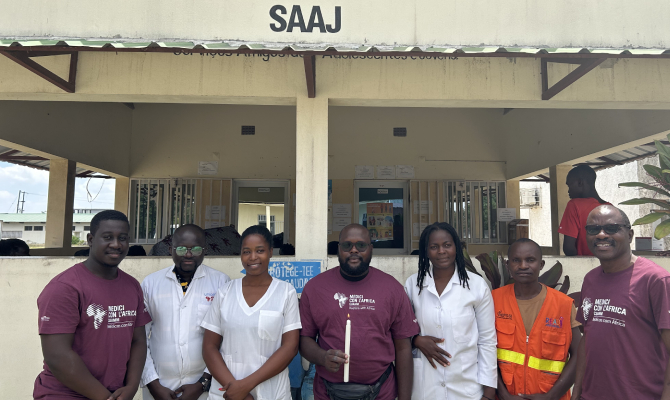
Youth and adolescents were the direct recipients of an intervention planned to improve access to HIV services in 9 SAAJs (Serviço Amigo do Adolescente e Jovem) in Beira city and Nhamatanda district. Implemented by CUAMM with the support from Manos Unidas, the intervention aimed to educate young people/adolescents (ages 10-24) about safe sexual behaviours, encourage (voluntary) HIV testing, improve access to and quality of HIV healthcare services for adolescents/youth, and ensure adherence to ART, particularly for pregnant and breastfeeding HIV-positive women.

To enhance access to sexual and reproductive health services (SRH) and reduce HIV incidence among adolescents/youth, CUAMM has used an approach based on integrating different levels of intervention, namely health units (SAAJs) and communities, creating links between counselling, testing, and treatment and engaging local peer-to-peer associations and community based organizations (CBOs).

«So many people around us are widely considered crazy and excluded from the community with severe consequences on their life. What is not known is that people are not crazy, they are just going through something difficult and may not be able to cope with it. That is why mental health is important and caring, accepting and supporting the suffering others are experiencing can help them healing» Marina Castaneja – activist from Kuplumussana Association.

The intervention’s objectives were designed to meet the programmatic priorities and targets established by the Government of Mozambique in the National HIV Response Plan. The activities, carried out in collaboration with local authorities both at provincial and district level, showed positive results. In the last 13 months alone, a total of 44.858 HIV tests were performed allowing to detect 404 new HIV positive cases. Despite an early 28% of people in TARV who abandoned the follow-up, 98% of them returned to the treatment thanks to the collaboration with CBOs and peer-to-peer activities.

In addition to the three components previously integrated to the approach, namely involvement of clinical officers, participation of CBOs and provision of mental health and psychosocial support (MHPSS) for patients in TARV, the main activities implemented focused on:

1) Strengthening access to and quality of HIV services (SAAJs) in the Beira and Nhamatanda Districts,

2) Increasing HIV and SRH knowledge and awareness among adolescents in the target area,

3) Improving the Health Information System.

The project did not fail to include trainings as a tool to enhance competencies among professionals, thus ensure the sustainability of the intervention over time. Health professionals/managers got involved in training sessions to foster their capacities in case diagnosis and management as well as data collection and analysis skills.

Despite the country in the last years made progress on HIV and AIDS (UNAIDS) 95-95-95 goals, with 82% of PLHIV aware of their status, gaps remain among adolescents. Estimates suggest that Mozambique has 98,328 new HIV infections annually, and 28.7%, (28,220) are among adolescent girls and young women compared to 11.4% (11,209) among men in the same age group. Within Mozambique, the Province of Sofala is one of the worst in the country for HIV prevalence, which stands at 16,3 % (IMASIDA).

«We have to keep working with the youth because they are extremely fragile. Adolescents are highly sensitive to peer values and opinions, being accepted is in fact a key component of the phase they are living. Due to stigmatization and discrimination related to HIV, by receiving a positive diagnosis young people can experience panic and depression. We have to support them and help them cope with the diagnosis not only from a medical perspective but also psychological» said Hamilton Cardoso – CUAMM psychologist.

Since 2014, Doctors with Africa CUAMM has been implementing a patient-centered HIV case management system, with a focus on supporting adherence of HIV+ pregnant adolescent girls and tracking defaulter patients. Moreover, a new service of MHPSS was introduced lately in order to respond to the negative consequences on the mental wellbeing of adolescent and young people due to the impact of disasters and emergencies like Cyclone IDAI and the Covid Pandemics. Indeed, in a study conducted with more than 2,000 adolescents and young adults in Beira, CUAMM found that approximately 54 were positive at least at one screening tool for anxiety, depression, PTSD (Post Traumatic Stress Disorder) and drugs-alcohol abuse.


Future doctors in Mozambique

Patience, humanity, trustworthiness, affability, and empathy, along with an indispensable dose of professionalism.

For Atianete, Hercília, Muaziza, and Victorino, these are the qualities that a medical professional should embody, and ones they hope to maintain throughout the years of practice ahead of them. This is what they revealed to us when we meet them in Beira, at the headquarters of the Catholic University of Mozambique (UCM). They are four of the 44 newly graduated doctors in general medicine, who were just declared doctors the day before by the Magnificent Rector, Professor Father Filipe Sungo. It was a grand ceremony that brought together professors, students, friends, and families in a day of celebration and emotion.

In his speech, the rector of UCM, Professor Filipe Sungo, thanked the students for their dedication, the professors for their commitment to teaching and continuous research, the families for their unwavering support, and the partners, including CUAMM, for their ongoing collaboration. “This achievement, which is yours,” said the Magnificent Rector in front of an audience of 893 students, “is also a testament to the collective effort that unites us as an academic community.”

We meet our four scholarship recipients a few days after the celebrations. Their smiles and teary eyes betray the strong emotion of having reached such a long-desired milestone. It’s a contagious feeling that also reflects on our faces, and when Victorino, with a soft voice and a hint of embarrassment, says “My name is Victorino Fernando Junior, I was a medical student, today I am a general practitioner,” we can only respond with a heartfelt round of applause. Over the past eight years, Atianete, Hercília, Muaziza, and Victorino have spent most of their time between the UCM classrooms and the library, keeping their commitment and determination alive even during the most challenging periods.

“It hasn’t been an easy journey, we must admit, which is why today we are doubly happy about the goal we’ve achieved,” says Hercília, her eyes shining with satisfaction. “Eight years is a long time, the cyclone first, then the pandemic—moving forward wasn’t easy. Studying requires consistency and method, and we found ourselves having to start over so many times! The passion for this work and the support of the people who believed in us were the driving forces during the hardest moments.”

Four young doctors, four stories of commitment, and four paths still to be walked. Sitting in a small classroom at UCM, we start talking until the initial embarassed is over. Difficulties and motivation, expectations and desires is what we have shared in a long conversation.

“I thought I was more suited for IT,” confesses Victorino. “Medicine seemed like an enormous commitment; I would have had to give up much of my personal life. This faculty is like a girlfriend, it wants all your time! What convinced me? Maybe my mother’s threats. After a bad accident, it was she, a nurse, who took care of me for months. She never missed an opportunity to point out that if it hadn’t been for her training, it would have been much harder to get through that period. Today, I owe her the joy of this degree.”

The shortage of qualified healthcare professionals is, in fact, one of the biggest obstacles to the full development of the national healthcare system in Mozambique. According to the latest data (WHO, 2022), the country has 2,473 doctors for a population of 30 million people, with only 778 being specialist doctors. The average is 0.8 doctors per 10,000 inhabitants, two-thirds of whom are employed in the capital, Maputo.

“Now the clinical work begins. In Mozambique, it is mandatory to serve two years as a general practitioner before potentially specializing. We can express preferences, but it’s not guaranteed that we will be assigned where we want. Some stay in the cities, others are sent to the districts, but in any case, it will be a useful period to better understand what we want to do,” says Atianete, who hopes to move to Maputo to continue specializing in emergency medicine.

Specialization is a shared desire: Victorino will have to decide whether to become a pediatrician or a gynecologist, Hercília is sure of her passion for surgery, and Muaziza dreams of becoming Mozambique’s first endocrinologist.

Doctors with Africa CUAMM has been committed to supporting the Catholic University of Mozambique since its foundation in 1995, contributing to the establishment of the Faculty of Medicine, the second in the country. Until then, medical studies could only be pursued in the capital, Maputo, making a medical career difficult to access for those from other provinces.

“Studying away from home is challenging in many ways: you have to deal with loneliness, financial difficulties, and do your best to honor the commitment you made because you know well that behind it there are many sacrifices: yours, your family’s, and those of those who believe in your dream,” says Muaziza, from the province of Nampula.

Since 2007, the year the first class of aspiring doctors graduated, Cuamm has continued to support the teaching activities of the UCM Faculty of Medicine, providing concrete assistance to the facilities (classrooms, laboratories) and equipping teaching materials (books, computers, etc.). The close collaboration on the curriculum is also significant, with visiting professors from CUAMM holding teaching modules at UCM. Additionally, within the partnership, internship opportunities are facilitated at Beira Central Hospital, research projects are promoted, and, most importantly, scholarships are offered to deserving students. This is a concrete example of cooperation that becomes a tool for the training of many students, and a bridge between distant academic realities. Every year, we renew our commitment, thanks to the support of those who, like us, wish to contribute to the dreams of young Mozambicans, the future doctors of this country.

Budget

The annual budget to support the costs of a scholarship amounts to 3,100 euros per student, broken down as follows:

Expense Category Annual Cost
Administrative fees for enrollment at Beira University 1,500 €
Subsidy for food and accommodation 1,200 €
Subsidy for purchasing educational materials 400 €
Fee for one year 3,100 €
Total fee for the entire study cycle (6 years) 18,600 €

What You Can Do

Join our commitment—thanks to you, we can carry out concrete actions that change the lives of many people. Support the training of local doctors.

DONATE NOW