A COMMUNITY OF CARE AND SUPPORT

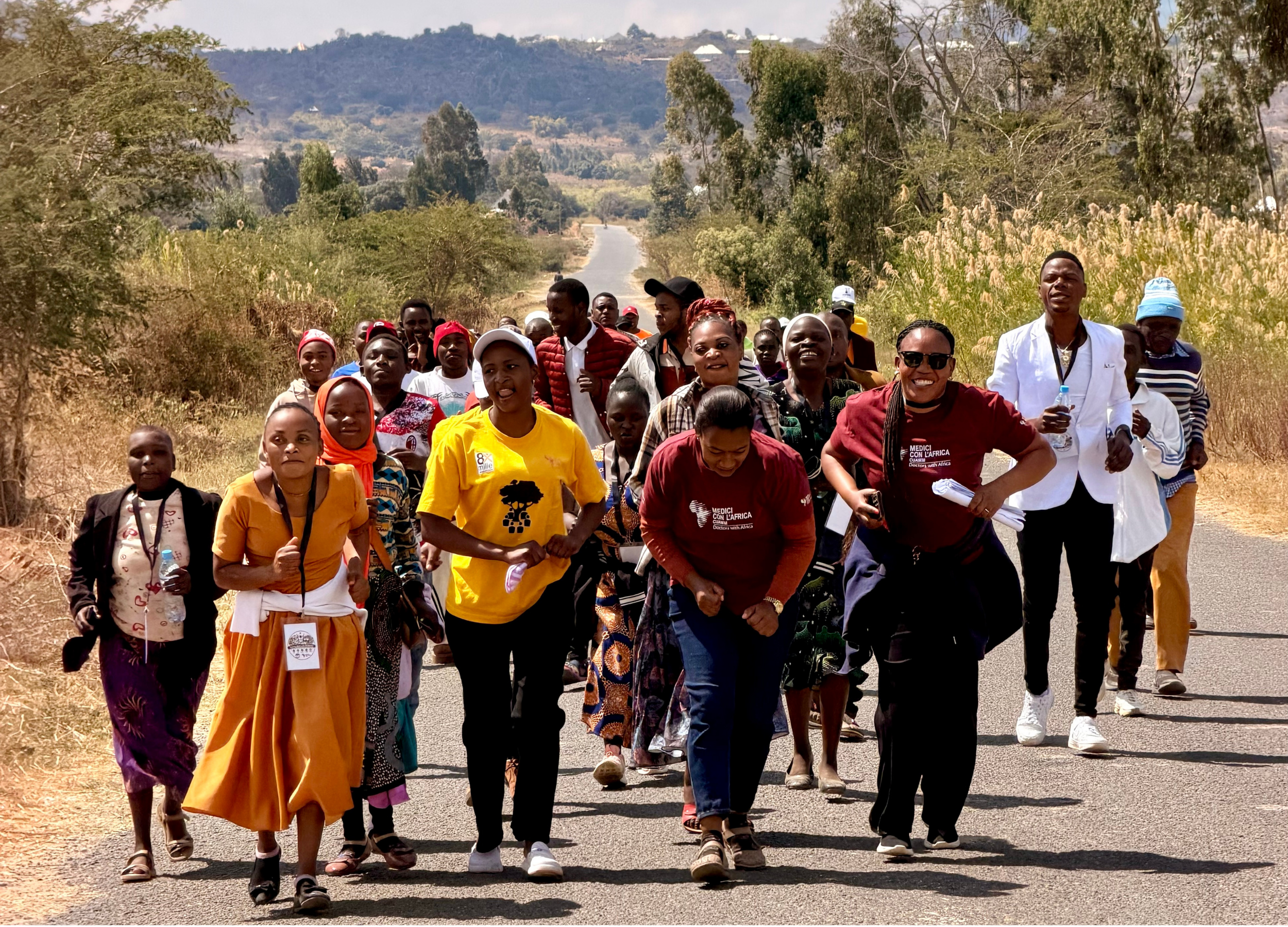
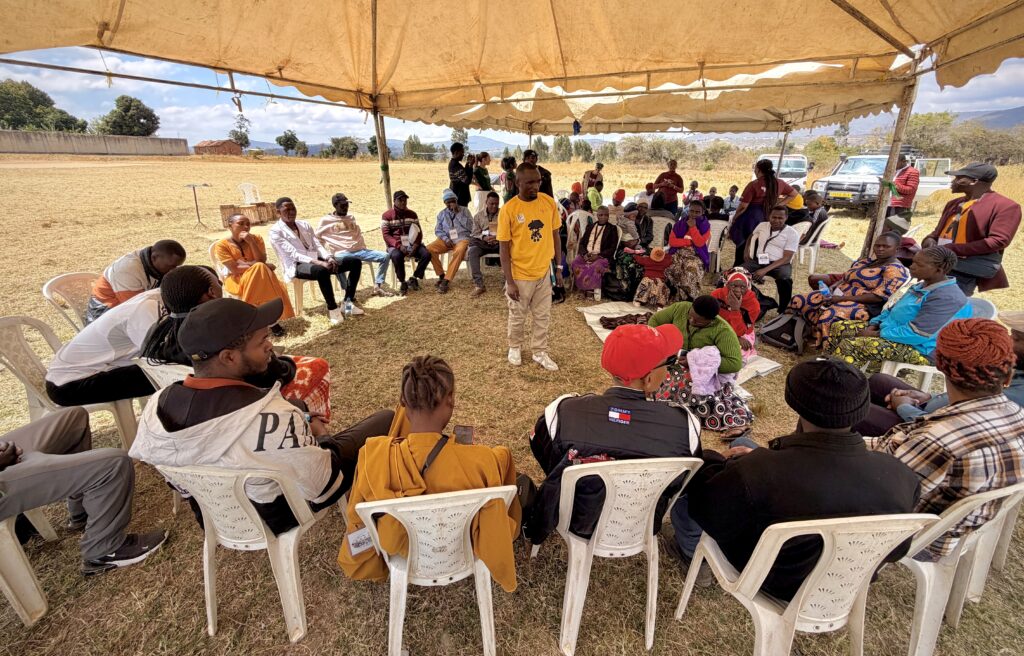
Walking in the green surroundings of the school, dancing, singing, and embracing one another; sharing breakfast and simulating a healthy grocery shopping experience; coming together for specialized training sessions. The awareness day on diabetes in Tosamaganga was all this and much more. Guided by the inspiring message “Living well with diabetes!”, a wide range of practical activities animated the initiative, which was promoted by the Non-Communicable Diseases (NCDs) Clinic of the Tosamaganga Regional Referral Hospital in the Iringa District, Tanzania, and funded by the Tanzanian Diabetes Association.

58 people, including patients and caregivers, gathered on the football pitch of St. Dominic School in Ipamba village for a day dedicated to health and well-being for those living with diabetes. Among the main goals were raising awareness about the disease and healthy lifestyles, fostering greater acceptance of their condition among patients, and strengthening their autonomy, particularly in managing insulin therapy.

 “One of the aspects that struck me right from the beginning was the surprise of the participants, many of whom have been followed by the NCD clinic for a long time. This was the first event designed to bring together diabetes patients and caregivers outside a hospital setting,” says Mishel Wanasinghe, NCD Project Assistant in Iringa and CUAMM Junior Project Officer. “For the first time, diabetes management was addressed outside the healthcare facility walls, through a day dedicated not only to education, but also to dialogue, sharing experiences, and socializing among people living with the same condition.”

Addressing diabetes care means taking into account all the physical, psychosocial, and educational aspects that this disease entails. For this reason, an integrated and multidisciplinary approach is promoted, bringing together doctors, nurses, nutritionists, and mental health specialists.
Educational moments and opportunities to connect

The day began with a provided breakfast consisting of foods tailored to the needs of people living with insulin-dependent diabetes mellitus.

“This moment had an educational purpose: to demonstrate in a practical way how a diabetes-friendly diet can be built using locally available foods in Tanzania, favoring, for instance, meals made with less refined flours and foods with a lower glycemic impact,” explains Rehema Itambu, nutritionist on the CUAMM team.

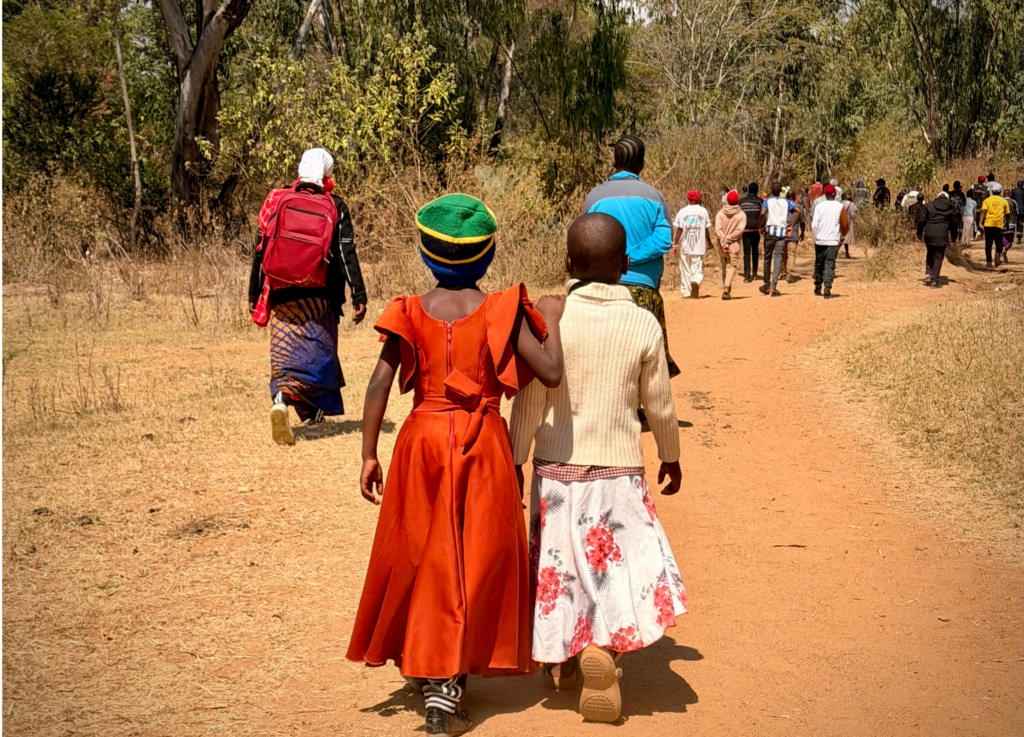
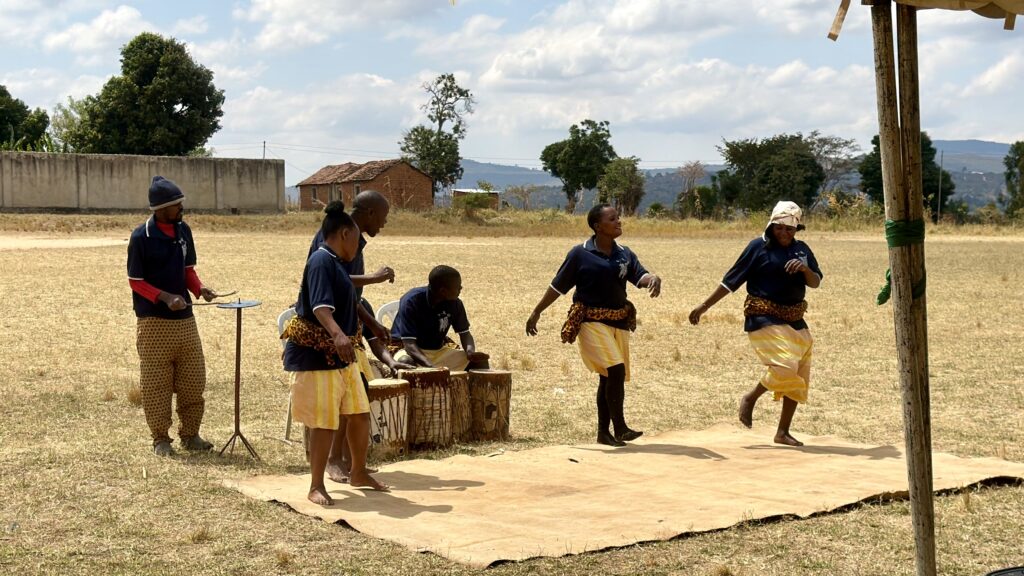
After breakfast, participants took a walk through the lush green area surrounding the school, followed by a break featuring a traditional dance performance.

“I remember two simple images that really touched me: three teenage boys walking side by side during the walk, and the warm embrace between the two youngest patients of the clinic. These spontaneous moments showcase the incredible value—especially for children and adolescents—of meeting peers who are living with diabetes,” added Mishel.

The event continued with practical sessions where the patients themselves took center stage, divided into two age groups: under 18 and over 18. Given a symbolic budget, participants simulated a grocery shopping trip to purchase various foods for a balanced meal, encouraging them to consider not only nutritional balance but also the economic sustainability of their choices. At the end of the activity, the groups reassembled for a plenary discussion led by the nutritionist.
Sharing is caring

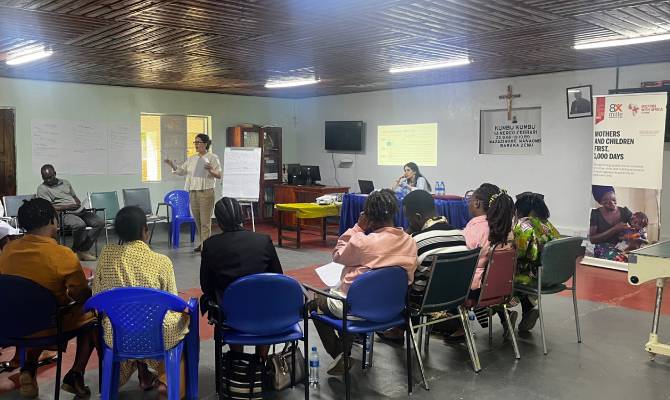
The mental health session provided participants with a safe space to share the daily challenges they face, helping them realize that many of these struggles are shared by others, thereby strengthening their sense of community and mutual support.

“Among the main issues that emerged were the fear of stigma and rejection by family members; difficulty accepting their condition; and, particularly among children and adolescents, the daily management of insulin and associated symptoms, along with their impact on school and daily life, as well as the fear of not being able to maintain an adequate diet within their family context,” explains Taslo Mnenuka, a team physician experienced in mental health counseling.

At the end of the session, disease management strategies were suggested, emphasizing the vital importance of peer support. In addition to these activities, a session was dedicated to clinical aspects, where healthcare professionals provided practical guidance on blood glucose monitoring, insulin therapy, and the proper use of related medical devices.

 “Numerous questions, doubts, and concerns arose, which were gradually discussed and clarified together with the medical staff. This was surprising, considering that many participants have been using insulin for a long time, and it served as an important reminder for the healthcare staff as well. Being on treatment for a long time does not necessarily mean fully understanding every aspect of it, and therapeutic education must be viewed as a continuous process,” emphasized Chamba Malima, the doctor who led the educational session, and Evelyn Mwumbe, CUAMM Monitoring and Evaluation Officer.

A group lunch followed, along with a yoga session—a practice that, being unfamiliar to many, sparked great curiosity and active participation, especially among the younger attendees, while introducing new ways of movement and self-care.

 “It was so important to have this space to meet and share with others who are living with diabetes,” expressed a young patient at the end of the day.

The daily management of diabetes, especially in rural and fragile contexts, requires awareness, community support, and strong management skills. Because it is in knowing that one is not alone, and in feeling understood, that the complexity of the journey to health transforms into a path possible to walk together.
World Breastfeeding Week: Giving Every Child the Best Possible Start in Life

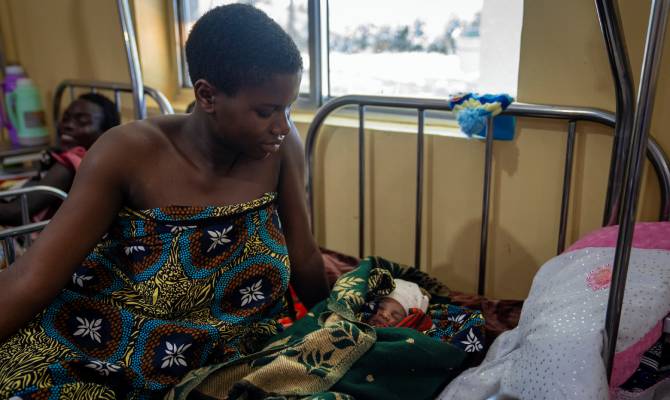
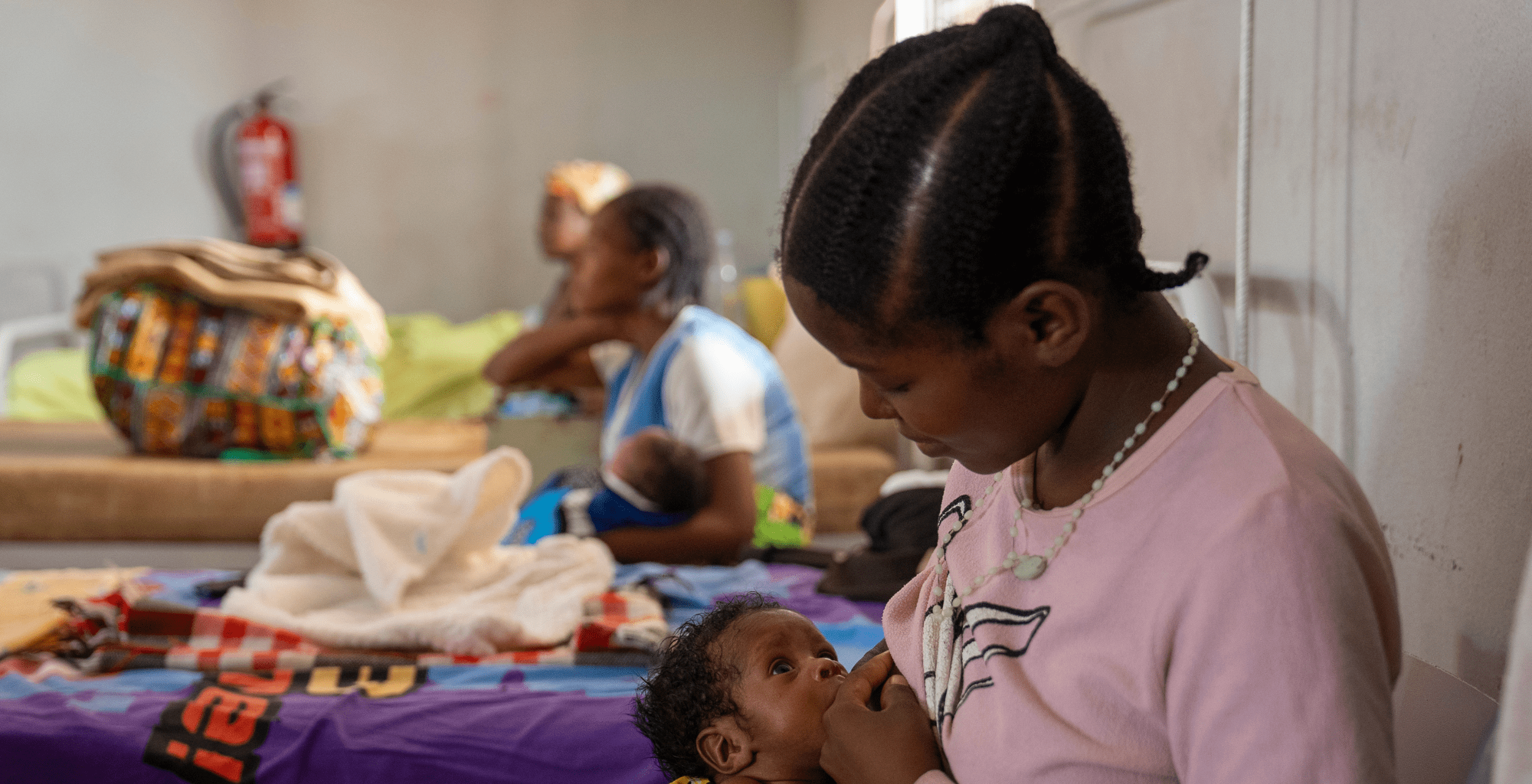
Breastfeeding is much more than an act of care: it is one of the first and most powerful ways to ensure health, growth, and a better future.

During the first six months of life, breast milk provides everything a baby needs and remains a vital source of nutrition beyond that, alongside appropriate complementary feeding. It protects against infections, supports healthy growth and cognitive development, and strengthens the bond between mother and child. At the same time, breastfeeding also contributes to mothers’ health and well-being.

But breastfeeding is not simply an individual choice. Every woman should be able to rely on trained health workers, accessible health services, and supportive communities throughout her breastfeeding journey. That is why protecting, promoting, and supporting breastfeeding is a public health priority—a shared responsibility that requires investment at every level.

This is the vision that guides us. In every country where we work, we stand alongside mothers and their children during one of the most important and delicate moments of their lives together, strengthening maternal and child health services, training health workers, and working with institutions and communities to create an environment where breastfeeding can thrive.

This is also the message behind World Breastfeeding Week 2026, celebrated under the theme “Breastfeeding for a Sustainable Start in Life: Strengthen What Works”, which calls for greater investment in the policies, services, and support systems that enable every child to have the best possible start in life.

Tanzania: A New Space to Support Mothers and Early Childhood Development

To mark the closing of World Breastfeeding Week, together with the Ministry of Health of Tanzania, we inaugurated the new Breastfeeding & Early Childhood Development (ECD) Room at the Ministry’s headquarters in Dodoma. Established by CUAMM with the support of Zanetti funds, the facility provides mothers with a safe, private and welcoming space to breastfeed or express milk while promoting nurturing care and early childhood development. It represents a concrete step towards creating more breastfeeding-friendly environments.

Angola: Strengthening Skills and Collaboration

In Angola, we supported the Provincial Department of Public Health in organising the World Breastfeeding Week celebrations, contributing to awareness activities and a technical round table where health professionals shared experiences and developed recommendations on exclusive breastfeeding, complementary feeding, maternal support, breastfeeding for mothers living with HIV or hepatitis B, Kangaroo Mother Care, and the future development of Baby-Friendly Hospitals and a human milk bank.

Mozambique: Supporting Mothers Every Day

In Beira, through the Protect Project, we highlighted the work of the Kuplumussana Association activists, who work every day in the Central Hospital and four health centres to support women through awareness and education activities on breastfeeding, Kangaroo Mother Care, and the care of premature newborns.

From national institutions to hospitals and the most remote communities, our commitment remains the same: strengthening what works so that every mother receives the support she needs and every child has the best possible start in life.

In Tanzania with the Conrad N. Hilton Foundation: Together for the Health of the most vulnerable

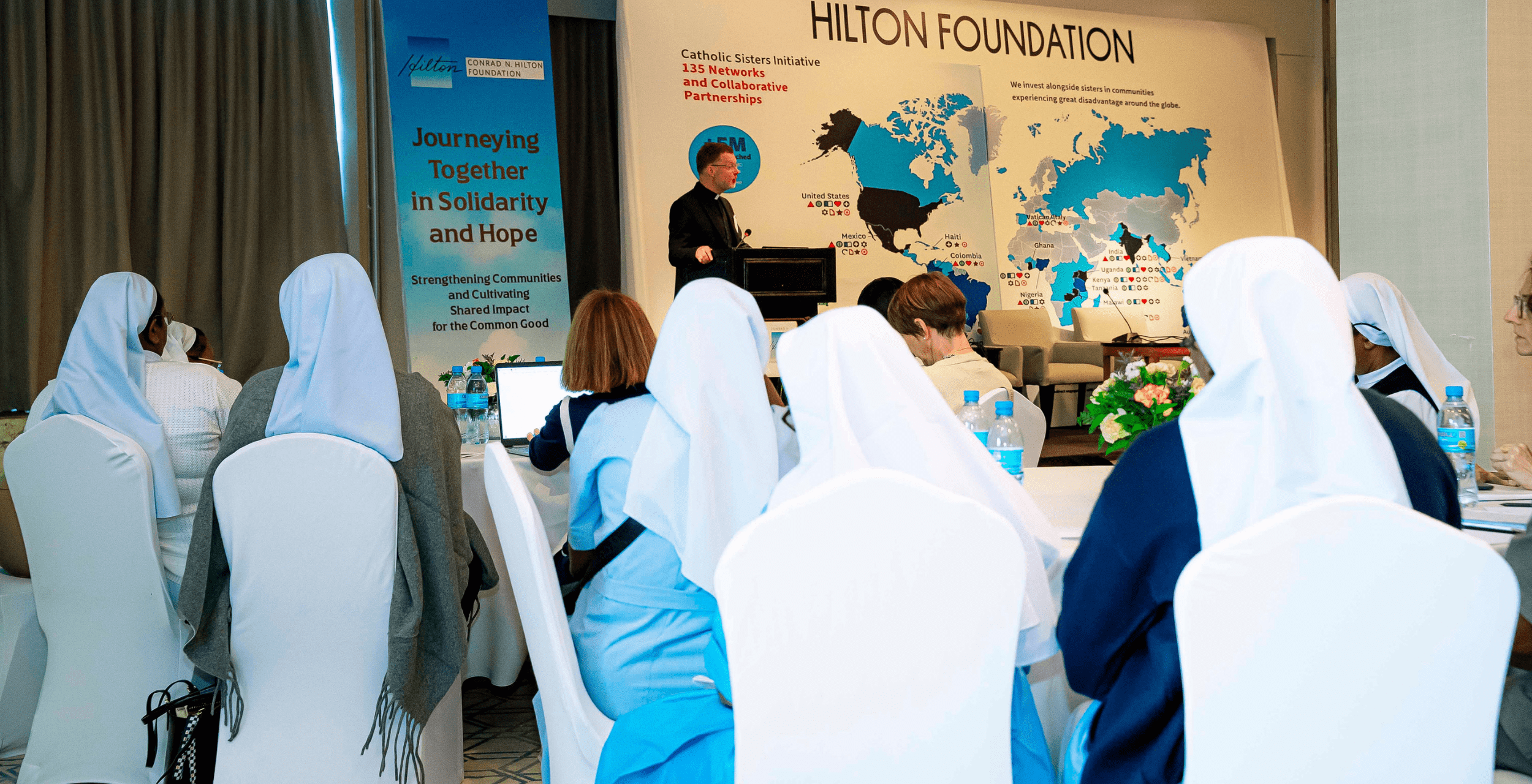
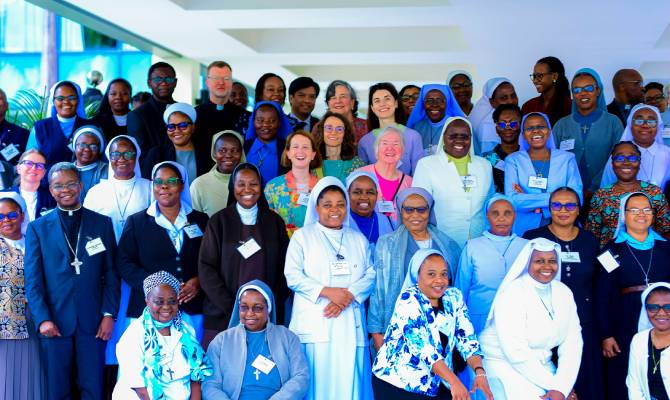
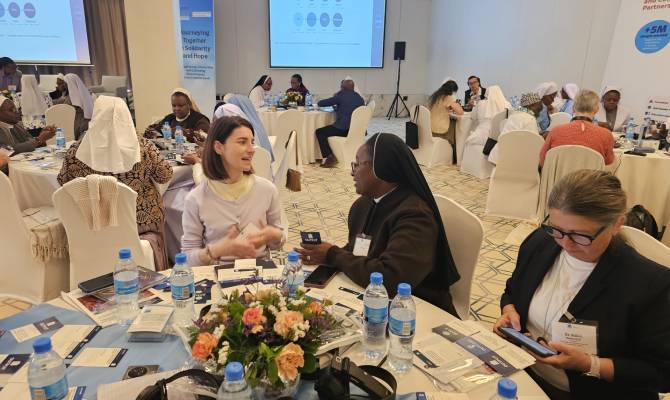
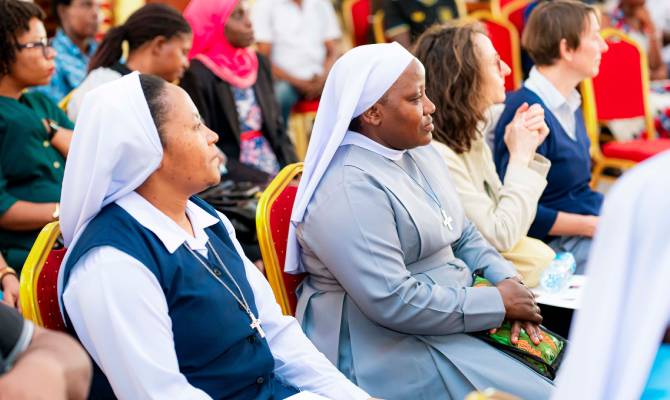
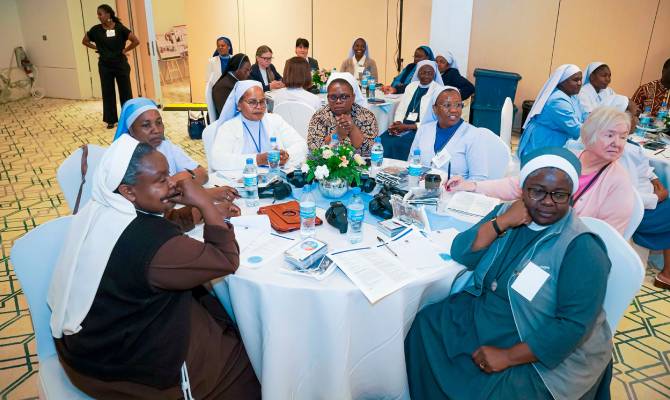
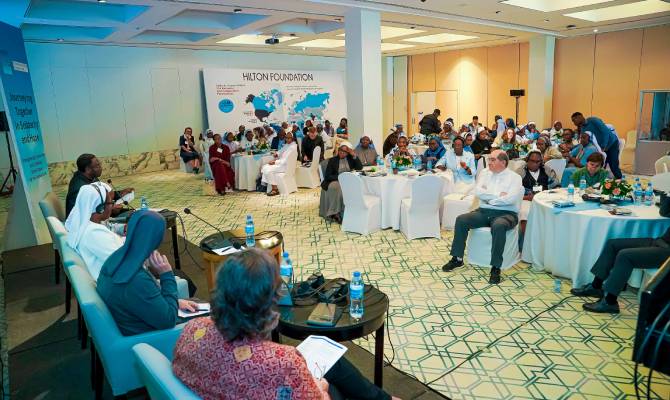
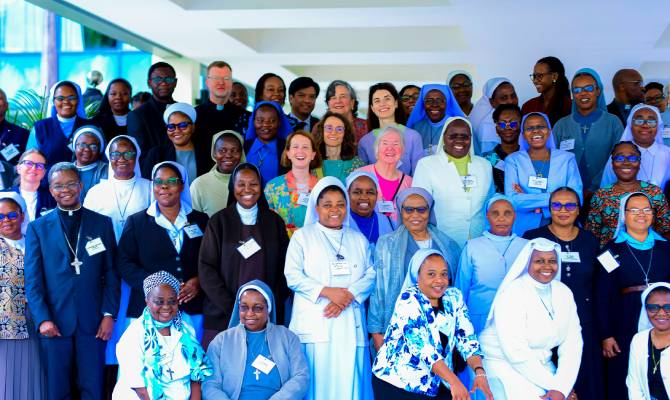
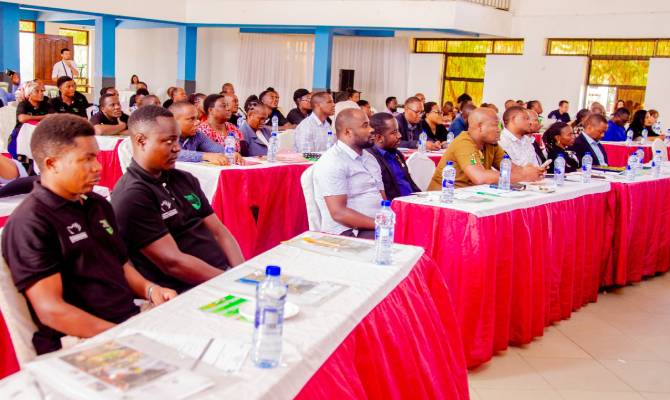
Sharing best practices, joining forces, and charting new paths to guarantee the right to health and a future—even in the most isolated areas of the African continent. With this shared goal, we took part in the annual conference organized by the Conrad N. Hilton Foundation in Tanzania. The event brought together international partners, local institutions, experts, and civil society organizations, all united by a common commitment to sustainable development.

At the heart of the working groups and panel discussions were core themes of our daily field operations: maternal and child health, nutrition, and the strategic importance of resilient community health systems.

Participating in this global network represents an extraordinary opportunity to showcase the work carried out on the ground, particularly in Tanzania, where CUAMM has been working alongside local authorities for years to improve access to maternal and child healthcare.

A central focus of the discussions in Tanzania was dedicated to safeguarding, a dimension that CUAMM considers absolutely essential when operating in fragile settings. True health delivery goes beyond clinical efficacy; safeguarding ensures that programs are safe, transparent, accountable, and deeply respectful of the dignity of the individuals and communities being served. By embedding strict safeguarding principles into the training of Catholic Sisters and health workers, the partnership guarantees a protective environment for the most vulnerable, particularly women and children.

The convening also provided a vital opportunity to explore the Conrad N. Hilton Foundation’s Strategy 2030. Participants engaged in deep-dive sessions examining its methodology, implementation approaches, and core objectives, aligning CUAMM’s field experience with the Foundation’s overarching Theory of Change and Theory of Action. This strategic alignment ensures that current and future interventions are not only optimized for immediate relief but are structurally designed to generate sustainable, multi-generational impact.

“The convening was an important opportunity to highlight the value of investing in Catholic sisters’ leadership and supporting community-based responses that can generate sustainable impact.  It was not only a space for learning and networking, but also a powerful reminder of the importance of partnerships, shared responsibility, and collective action.” Said Laura Braga – CUAMM International Relations Officer

Empowering the Frontline: The Impactful Journey of CUAMM and the Conrad N. Hilton Foundation

In the fragile ecosystems of sub-Saharan Africa’s healthcare networks, Catholic Sisters and faith-based organizations (FBOs) are often the quiet backbone of survival. Operating in some of the most remote, under-resourced, and crisis-prone regions, these dedicated women and local institutions provide a lifeline to marginalized communities. However, the complex challenges of modern healthcare—ranging from climate-induced emergencies to financial management—require more than just devotion; they require specialized skills, resilient systems, and strategic leadership.

Recognizing this critical need, Doctors with Africa CUAMM and the Conrad N. Hilton Foundation joined forces in 2023. This strategic partnership was born out of a shared vision: to empower local Catholic organizations delivering health services, transforming them into sustainable, highly effective, and climate-resilient pillars of care.

Three years into this journey, the fruits of this collaboration are visibly reshaping healthcare delivery across three focus countries: Ethiopia, the Central African Republic, and Sierra Leone. To date, the project has successfully engaged 66 Sisters and trained 94 Sisters across the target countries.

Continuing to Walk Together

The insights and frameworks gained during these intensive days will serve as vital blueprints for CUAMM to optimize ongoing projects and shape innovative intervention strategies.

As the conference ends, our commitment does not: the goal remains to translate the global strategies discussed at these international assemblies into concrete actions, medicines, care, and hope for mothers and children in Africa.

Midwifery moves further Monza meets Tosamaganga

What drives two midwives with years of experience in a major hospital in Lombardy to fly to Tanzania for a two-week training?
For Teresa Gramegna and Lucia Zagra, who have been working at San Gerardo Hospital in Monza for 12 and 3 years respectively, the answer lies in a scholarship from the University of Milano-Bicocca and in a special encounter that changed their professional perspective.

A meeting born miles apart

It all began within the walls of San Gerardo, thanks to an international exchange project (Erasmus+) between Bicocca University and Ruaha University College (RUCU) in Iringa. It is here that Teresa and Lucia met Annajoyce, head nurse of the gynecology ward at Tosamaganga Hospital.

“Annajoyce stayed with us in Italy for two months,” the midwives recall. “She was a quiet yet extremely attentive presence. We were struck by her attention to detail, from the precision in folding sheets to her deep, almost instinctive clinical observation of women and staff.”

It was precisely this human connection that built a bridge to Africa, where, as Doctors with Africa CUAMM, we have been working in the field for years with the program “Mothers and Children First. People and Skills.”

Training in Tosamaganga: learning how to teach

Upon arriving in Tanzania, Teresa and Lucia found themselves immersed in a reality where limited resources are balanced by an extraordinary capacity for adaptation and collaboration. The training, organized together with CUAMM staff and Annajoyce, was not a simple lecture but a dynamic exchange.

“We discovered a different teaching system, much more engaging, made up of energetic moments and collective repetition,” they explain. “There was no rigid hierarchy: doctors and midwives work in complete symbiosis, discussing every clinical case from the night together.”

The impact of the delivery ward was striking: small spaces where technology gives way to pure clinical skills. In a context where a woman has on average 3 or 4 children, the work focused on reducing cesarean sections and improving fetal monitoring—both complex challenges due to limited equipment and cultural differences.

Small changes, big impact

The core of the training focused on two fundamental pillars: freedom of movement during labor and monitoring fetal well-being.

Despite the objective difficulties, the training produced immediate results. Thanks to the willingness of local staff, small but meaningful changes were introduced: a sheet hung up to support free movement during labor, and a handmade birthing stool built by a local carpenter.

“We saw an immense desire to learn,” Teresa emphasizes. “After just the first week, we noticed improvements in monitoring fetal well-being. They taught us that even with little, you can achieve a great deal if there is cooperation.”

A rewarding return

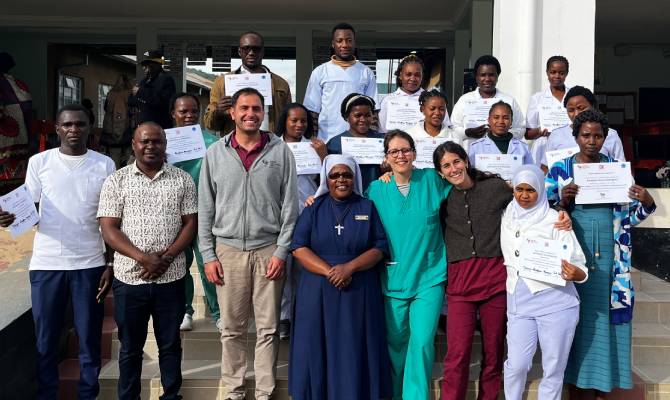
The experience in Tosamaganga ended with songs, dances, and hugs during the certificate ceremony, but the bond remains strong. For Lucia and Teresa, the outcome is extremely positive. From a clinical perspective, they bring home a greater capacity for observation and the importance of returning to the essence of their profession; on a human level, a new sensitivity toward foreign mothers giving birth in Italy: “Now we can better understand their fears and their background.”

Their advice to colleagues? “Do it—but do it together. Supporting each other is essential.”

Teresa and Lucia’s journey shows that international cooperation, supported by universities and organizations like CUAMM, is not just about transferring technical skills, but about mutual enrichment that makes the most delicate moment of life—birth—more humane.


Building Health, Nourishing the Future

While Tanzania has made significant progress in combating malnutrition, the Dodoma region stands out as an area of deep contrasts and persistent challenges. Although the national average of chronic malnutrition currently sits around 30.6%, the reality in the rural area of the country is more complex: here, stunting—or growth retardation—affects more than one in three children, with peaks in some rural areas approaching 37% (TDHS-MIS 2022-2023). This gap is not solely a matter of food availability; it reflects a complex interplay of economic barriers, water insecurity, limited dietary diversity, and early weaning practices, along with insufficient nutritional and hygiene knowledge. Alongside chronic malnutrition, acute malnutrition remains a critical challenge, which, while affecting an average of 3.3% of children nationwide, continues to present in Dodoma in severe and persistent forms.

It is precisely to address this urgent health and social challenge that the project “Building Health, Nourishing the Future: Malnutrition Unit in Dodoma” was launched by Doctors with Africa Cuamm, with the contribution of Fondazione Prosolidar – ETS, and in close collaboration with local authorities.

The project aims to support the expansion of the pediatric department at Dodoma Regional Referral Hospital by creating dedicated spaces for the care of patients affected by acute malnutrition, in line with national guidelines for malnutrition management. The plan includes the construction of a stabilization room for acute cases, a rehabilitation room for recovering patients, a storage area for therapeutic food, a space for culinary demonstrations, and a small office within the nutrition unit to facilitate record-keeping and document management.

To make the Nutrition Unit fully functional, CUAMM will train healthcare staff on the new guidelines for the treatment and prevention of malnutrition, strengthening clinical and practical skills for patient care.

This initiative is not an isolated intervention but part of a longstanding and solid partnership between Doctors with Africa Cuamm and local health authorities, reflecting years of engagement in the district. The project aims to strengthen existing nutrition services and ensure that the fight against malnutrition is an integral part of a resilient healthcare system that meets the needs of the most vulnerable communities.

FONDAZIONE PROSOLIDAR – ETS is an organization established within the banking sector to implement socially relevant and solidarity-based projects in Italy and abroad, promoting social justice, inclusion, and sustainable development. It brings together, on an equal footing, all workers’ unions in the sector (through their national secretariats) as well as, on the employers’ side, the Italian Banking Association and all member companies. It is the first—and currently only—example, even internationally, of an entity created by the parties of a national collective labor agreement and financed through “match-gifting”, whereby contributions are shared equally between workers and companies.


Tender for Supply of Drugs, Consumables and Laboratory Reagents

CUAMM Tanzania is luanching a Simplified Procedure for the Supply of Drugs, Consumables and Laboratory Reagents to support the NCDs program in Iringa, Tanzania.

01-Invitation-form

02-Contract-Notice

03-Instructions-to-Tenderes 

ANNEX I – Tender Form

ANNEX Ia – Declaration of Honour

ANNEX II & III – Technical Specifications technical offer

ANNEX IV – Identification form 

ANNEX V – Financial offer 

ANNEX VI – Administrative Compliance Grid 

ANNEX VII – Evaluation Grid 

ANNEX VIII – Contract Form 

Annex IX – General Conditions 

ANNEX X – Special Conditions

ANNEX XI – Check List 

Empowering Communities: Linking Agriculture and Nutrition in Tanzania

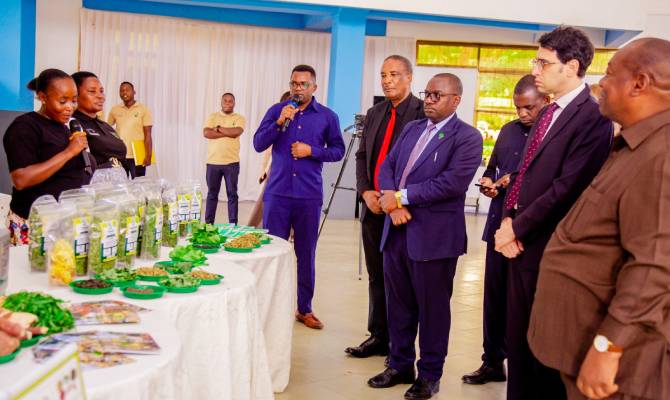
In Dodoma, Tanzania, we recently came together with partners and authorities for the closing event of the project “Diverse Food System: Improving Nutrition by Supporting Diversified and Sustainable Food Systems,” funded by the Italian Cooperation and implemented by Doctors with Africa CUAMM in partnership with LVIA, Sokoine University of Agriculture (SUA), and MVIWATA.

The event gathered around 120 participants, including a wide range of stakeholders, district and regional officials, hospital staff, representatives of the Ministry of Health, and the Italian Agency for Development Cooperation (AICS), under the Italian Ministry of Foreign Affairs.

Through this project, CUAMM expanded access to quality services for the management of severe acute malnutrition, strengthened the clinical skills of healthcare personnel, and provided substantial support to local authorities in addressing malnutrition at both community and district levels. At the same time, in collaboration with LVIA, Sokoine University of Agriculture (SUA), and MVIWATA, the project contributed over three years to improved nutrition outcomes—particularly for children under five, pregnant women, and breastfeeding mothers—while promoting sustainable agricultural practices that enhance community resilience and improve access to healthy, quality food.

“We are very grateful to CUAMM for supporting the government’s efforts to improve nutrition services, especially the treatment of severe malnutrition in children under five. Their partnership ensured better access to medicines and equipment while strengthening our healthcare environment. We are truly thankful for their contribution.” said Maria Haule – District Nutrition Officer from Kongwa DC. 

The event also provided an opportunity to highlight the project’s impact on approximately 110,000 people across the districts of Kongwa, Bahi, and Chamwino. As a result of the initiative, communities can now rely on empowered farmers and enhanced know-how in innovative and sustainable agricultural approaches that are essential to long-term food security.

This project represents a solid foundation for future action and regional development, fully aligned with and supportive of Tanzania’s national strategies for food security and nutritional improvement.

Learning to Nourish

Pili Mtundu ha dodici figli. Vive con il marito ei figli nel villaggio di Mlodaa, nel distretto di Chamwino, in Tanzania. Una semplice casa di due stanze ospita l’intera famiglia. La vita quotidiana ruota attorno all’agricoltura, che fornisce il sostentamento primario della famiglia. Entrambi i genitori si prendono cura dei figli con dedizione e possono contare sul sostegno della comunità e dei leader locali.

Tuttavia, qualcosa è cambiato con la nascita dei membri più piccoli della famiglia: tre gemelli. Bahati, Shukrani e Baraka sono nati a 36 settimane di gestazione con pesi alla nascita molto bassi: 1,5 kg, 1,5 kg e 2 kg. Pili li ha allattati al seno e ha gradualmente introdotto un’alimentazione complementare, composta principalmente da porridge di cereali. Ma a 15 mesi, le condizioni dei tre piccoli sono peggiorate rapidamente. Ricoverati all’ospedale distrettuale di Chamwino, il personale sanitario ha diagnosticato loro una malnutrizione acuta grave , accompagnata da diarrea e vomito. Per 14 giorni, i tre gemelli sono stati curati presso il Centro di trattamento intensivo (ITC).

La causa di questa situazione non era la mancanza di cibo. Infatti, le forme acute di malnutrizione non sono sempre legate alla povertà estrema, ma spesso alla scarsa consapevolezza di quali nutrienti siano fondamentali per una crescita sana nei primi anni di vita. Nel caso della famiglia Mtundu, la dieta quotidiana si basava quasi esclusivamente su ciò che veniva prodotto nei campi: cereali e frutta secca, con pochissima diversità alimentare.

Per Bahati, Shukrani e Baraka, il percorso di recupero non si è fermato alla fase più critica. Dopo essere stati dimessi dall’ITC, i bambini hanno continuato il trattamento ambulatoriale con controlli settimanali. Nel frattempo, ha preso forma un’iniziativa altrettanto decisiva: l’educazione alimentare per la famiglia. Attraverso visite domiciliari e un dialogo costante con il personale sanitario, Pili e suo marito hanno ricevuto indicazioni sull’alimentazione infantile, l’igiene, l’uso dell’acqua e la prevenzione delle infezioni. Non si trattava solo di cosa mangiare, ma di come e quando farlo, soprattutto durante i primi anni cruciali. Questa iniziativa è stata resa possibile dal progetto “Diverse Food System: Migliorare la nutrizione sostenendo un sistema alimentare diversificato e sostenibile”, sostenuto dall’Agenzia Italiana per la Cooperazione allo Sviluppo (AICS) e dalla Fondazione Zanetti .

Grazie alla continuità delle cure e al cambiamento delle abitudini quotidiane, Bahati, Shukrani e Baraka sono guariti e ora possono crescere sani con le loro famiglie. La loro storia evidenzia la centralità della prevenzione e dell’educazione alimentare come parte integrante della salute infantile.

Tender for the Supply of an Off-Road Vehicle

CUAMM Tanzania is luanching a Simplified Procedure for the purchase of an Off-Road vehicle.

01-Invitation-form

02-Contract-Notice.docx

03-Instructions-to-Tenderes

ANNEX I – Tender Form

ANNEX Ia – Declaration of Honour

ANNEX II & III – Technical Specifications technical offer

ANNEX IV – Identification form

ANNEX V – Financial offer

ANNEX VI – Administrative Compliance Grid

ANNEX VII – Evaluation Grid 

 ANNEX VIII – Contract Form

ANNEX IX – Special Conditions 

ANNEX X – Check List

PRIDE AND SENSE OF BELONGING TANZANIA ANNUAL MEETING

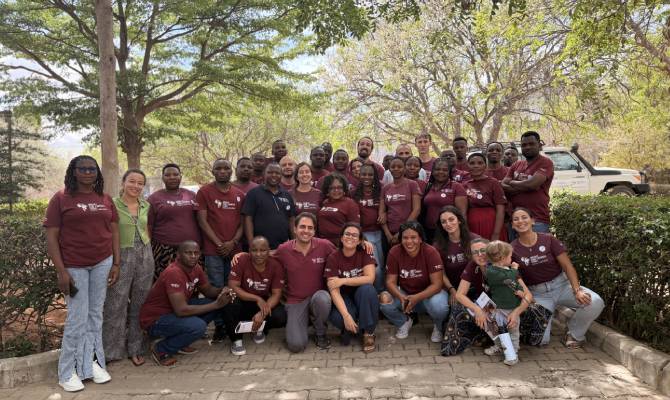
“It was truly moving to meet each other in person.” This is how Elia Msigala, Senior Accountant from Iringa, begins as he describes the CUAMM Tanzania Annual Meeting, held in Dodoma on 11–12 November 2025.


“Before, we only knew each other by name,” he continues, “but meeting in person made a real difference and strengthened our mutual cooperation within the organisation. We discussed both our current situation and our expectations, with optimism and commitment, looking toward a promising and prosperous future.”

Annual staff meetings are a cornerstone of CUAMM’s operational approach in Tanzania and hold particular importance for an organisation whose staff members work across different regions and projects. Team members from Iringa, Shinyanga, Dodoma, Dar es Salaam and Zanzibar gathered to reflect, align, and move forward with renewed energy toward shared goals. The meeting provided a valuable opportunity to exchange ideas, experiences, best practices, and lessons learned across various projects — a key element of CUAMM’s working method.

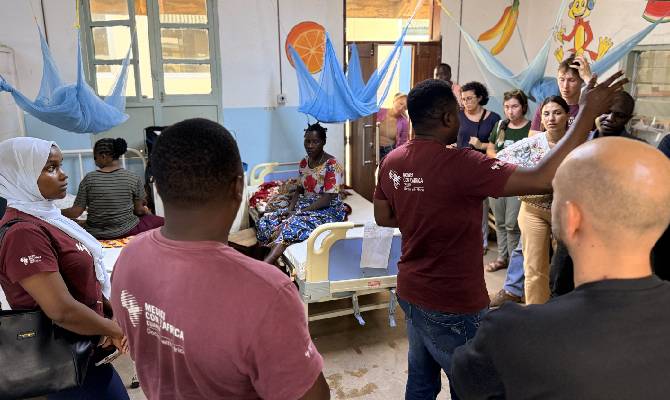
The first day focused on activities led by the Dodoma office, particularly those under the “Diverse Food System” project, which addresses issues related to malnutrition and early childhood development. Participants visited the Dodoma Regional Referral Hospital, where they observed CUAMM’s support to the malnutrition unit and explored the new Early Childhood Development Corner — a space designed to stimulate cognitive and neuromotor development in malnourished children.

The second day was dedicated to the formal staff meeting, coordinated by Country Manager Riccardo Buson and Country Administrator Ilaria Di Nunzio. The programme included interactive sessions aimed at increasing awareness of ongoing initiatives in the country, highlighting challenges encountered, and celebrating the significant progress achieved. It also created opportunities for staff members to connect, fostering collaboration and the development of new projects.

“This meeting allowed me to catch up on current and future projects,” explained paediatrician Martina Borellini, “not only in my region but across the whole country. It helped me see the people I work with every day from a new perspective and in a different context.”

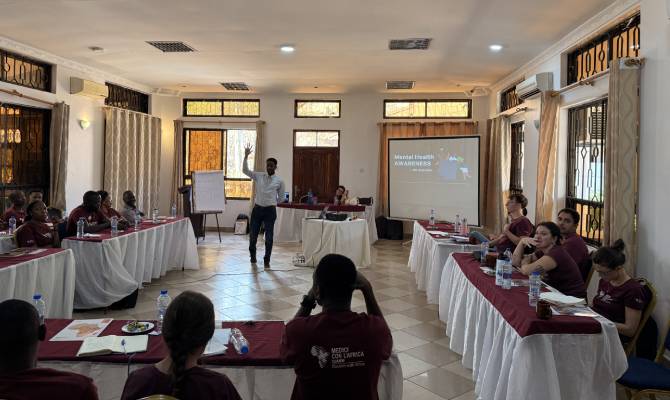
The meeting concluded with a session on mental health awareness led by Paul Ndemanisho — psychologist, mental health expert, and trainer in corporate well-being. His session emphasised the essential link between mental health and overall well-being, offering valuable insights to strengthen personal resilience and improve the quality of services delivered to the Tanzanian population.