Born at 28 Weeks: The Baby Who Defied the Odds in Tanzania

A tiny wren. If we were to depict it, give it shape, it would have Baraka’s long eyes and his round mouth.
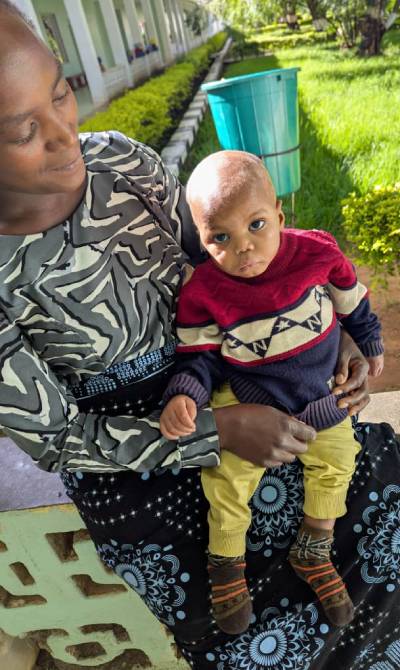
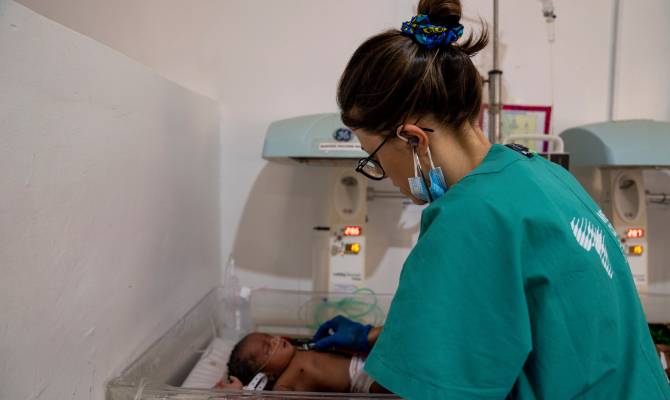
Bakara was born at the Tosamaganga hospital in Tanzania. A 28-week preterm baby, “the kind you’re never sure your best efforts will be enough for,” confesses Giulia Guerrini – JPO in pediatrics.

“Below 800 g we know very well that premature babies have very low chances of survival,” says Martina Borellini, CUAMM doctor and head of the Tosamaganga NICU. “Here, at the hospital, we have never taken the ending for granted. In fact, it had never happened before that we were able to discharge a patient born under 800 g.”

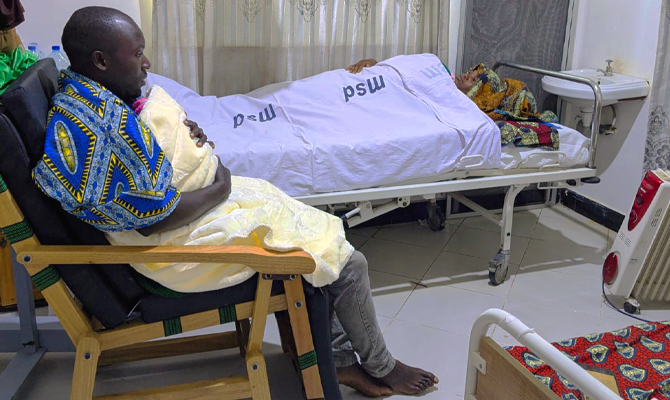
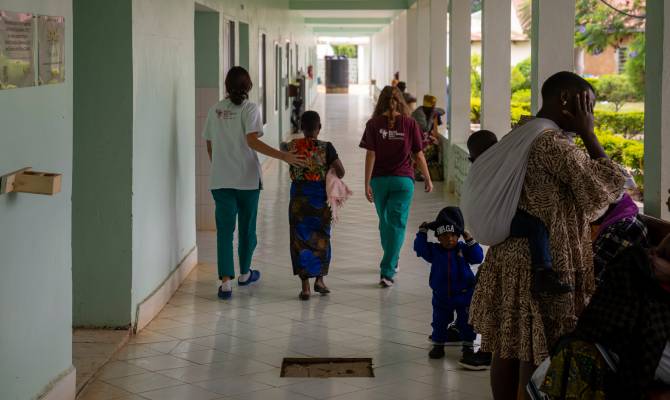
Tosamaganga hospital is a secondary-level center, a large facility with a well-equipped neonatal intensive care unit (NICU). Three incubators for the most critical patients, a step-down unit for less severe cases, and two spaces for kangaroo care, the skin-to-skin therapy for mothers and babies. In this NICU, about 700 admissions are recorded each year—an enormous number that reflects widespread health issue. The incidence of preterm births in sub-Saharan Africa is in fact roughly double that of Italy. Geography, unfortunately, also affects mortality: data show that over 90% of extremely premature babies (under 28 weeks) born in low-income countries die within the first days of life, whereas in high-income countries the mortality rate is below 10% (WHO, 2023).

Contributing factors include nutritional, environmental, infectious, and genetic conditions, but another important aspect to highlight is access to prenatal care.

“The literature shows us that if a woman carefully and consistently follows her monitoring appointments throughout pregnancy, and if she is followed by a professional midwife who knows her medical history, the risk of preterm birth can be greatly reduced,” says Martina Borellini.

Damalis, Bakara’s mother, faced many risks. Five pregnancies, five hopes, five expectations that for her had ended in five losses. Damalis has a uterine malformation that had never allowed her to carry a pregnancy to term.

“A bicornuate uterus is a condition unfortunately associated with a very high likelihood of obstetric complications, first among them miscarriage. Because of the shape of the uterus, it is difficult for the fetus to grow and develop fully,” explains Giulia Guerrini.

Despite fears and risks little Bakara left Tosamaganga hospital more than two months after birth, —a period marked by careful medical care and extraordinary dedication by his mother.

“It’s hard to say what made the difference,” says Martina Borellini. “Cases like Bakara’s are extremely rare. Probably a combination of factors: the baby’s gestational age, the fact that he was born in a well-equipped hospital, and the early start of kangaroo care from his very first moments of life.”

An unexpected and astonishing ending. A happy ending that, on World Prematurity Day, reminds us all of the importance of promoting access to healthcare and guaranteeing quality care before, during, and after childbirth for the well-being of mothers and children.
Determination Beyond Distance ensuring nutrition care in Tanzania

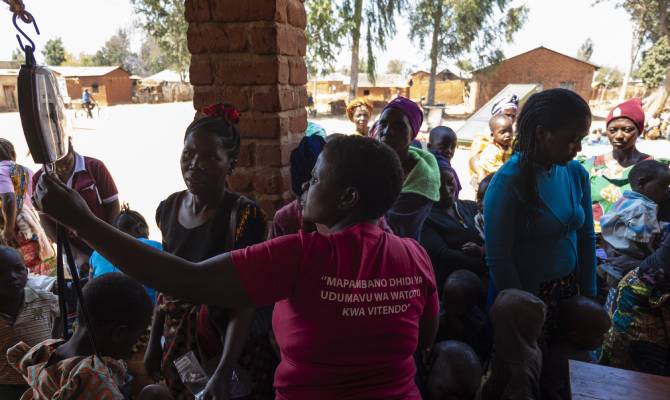
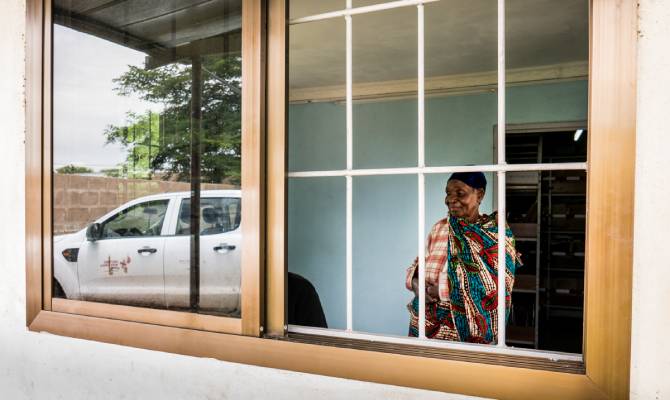
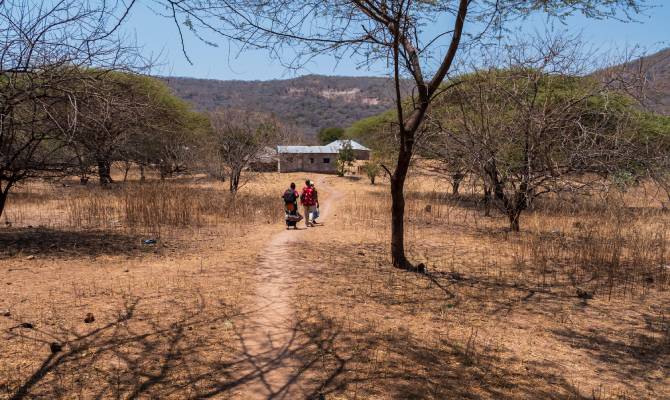
Mobile clinics are designed to bring healthcare to the hardest-to-reach areas, serving people who too often have little or no access to essential services. They work tirelessly, in all conditions, reaching remote villages like the one where Amaira lives, in Kongwa District, Tanzania.

When our team screened her, the MUAC (Mid-Upper Arm Circumference) measured only 4.3 inches. Amaira, just four years old and weighing only 19.8 lb, had the measurements of a one-year-old child. Her condition was alarming, and the team immediately referred her to the nearest health facility: Mlali Health Centre, where nutrition treatment is available.

But Mlali is 18 miles away. Amaira’s grandmother—her sole caregiver, without any income—could not afford transport. Yet she knew this journey might save her granddaughter’s life. Carrying Amaira on her back, she walked the entire way to Mlali Health Centre to get the care the child so desperately needed.

At the facility, Amaira was enrolled in the Outpatient Therapeutic Care (OTC) program and prescribed Plumpy’Nut, a ready-to-use therapeutic food (RUTF) vital for recovery from severe malnutrition. After just one week, Amaira began to improve: her appetite returned, her weight started to increase, and her energy came back.

Once stable, she was allowed to return home. But the treatment required weekly follow-ups and Plumpy’Nut refills—a 36-mile round trip her grandmother could only cover on foot. Eventually, she missed several visits, and Amaira’s treatment was disrupted.

Recognizing the high risk of treatment default, health workers at Mlali Health Centre joined forces with Community Health Workers (CHWs), Tubugwe Juu Dispensary, and village authorities. Together, they arranged weekly monitoring and ensured that Plumpy’Nut could be distributed locally by a health worker based in Tubugwe Juu. Thanks to this solution, Amaira was brought back into treatment.

With her grandmother’s perseverance and the dedication of the health team, supported by the Italian Agency for Development Cooperation and Fondazione Zanetti, Amaira fully recovered from severe malnutrition. Today, she is healthy and active.

Amaira’s story is a powerful reminder of the impact of community-based health solutions and the importance of making life-saving services accessible to all. With stronger integration between health facilities and community structures, more children like Amaira can survive, recover, and thrive.

Something rare in Tosamaganga

The Tosamaganga Hospital in Tanzania handles around 3,000 births each year. AnnaJoyce, head nurse of the maternity ward and a professional midwife, assists many of them. Altough she has been working in this facility for about twenty years, what just happened here a few days ago is something extremely rare.

“A triplet vaginal delivery, so delicate and so successful, is such a success!”

And indeed, this delivery was a real success. Beta Andrea, the mother’s name, arrived in labor with what AnnaJoyce describes as an “enormous belly.” Nobody at Tosamaganga Hospital had ever seen anything like it.

Since the woman lives in a village in the neighboring district, two hours away by bus, she had attended prenatal visits at the local health center. A community facility like many in Iringa and across the country. Centers that provide basic services with essential tools—and certainly without an ultrasound machine.

“The mother had no idea about her condition,” says AnnaJoyce. “When she arrived in labor, we immediately performed an ultrasound and discovered it was a triplet pregnancy! A surprise for her, and for her husband who had accompanied her.”

Labor didn’t last long— just the time for AnnaJoyce to prepare the mother, give her some instructions, and reassure her before delivery. With over twenty years of experience, she knew very well the risks involved: a hemorrhage could have put the mother, and the babies, in serious danger. But that day in the delivery room, things went just right. Alongside AnnaJoyce were Arianna, a JPO in gynecology, and a second midwife. It was a team effort, carried out with perfect collaboration and at the right pace.

“Timing is essential. Being three in the room was important because each of us had a role, we knew what to do, and if complications had arisen, we were ready to act.”

Beta Andrea gave birth to three baby girls, born premature at 32 weeks of gestation, but healthy. They were immediately transferred to the neonatal intensive care unit, where Giulia and Veronica, JPOs in pediatrics, took care of them during the most delicate moments.

“We immediately encouraged the mother and father to practice kangaroo care. Incubators are certainly fundamental in cases like this, but skin-to-skin contact should never be overlooked—it has countless benefits for the newborns and for the bond created with their parents,” explained Giulia Guerrini, JPO in pediatrics.

In that small, tidy, and quiet room of Tosamaganga Hospital, Ana Beta and her husband spent days and weeks holding their little girls—Arianna, Giulia, and Veronica—close to their chests. Their daughters will always remind them that this hospital, miles away from home, is a place of care and hope.


Moses made it

The pediatric ward of Tosamaganga Hospital, located in the Iringa region, Tanzania, receives dozens of patients daily. Children arrive with fevers, injuries from domestic accidents, or in a state of extreme weakness, often due to malnutrition, as in the case of Moses a one‑and‑a‑half‑year‑old child.

“When Moses arrived at the hospital in his mother’s arms, his condition immediately appeared very serious,” said Giulia Guerrini, pediatrics resident at Tosamaganga hospital. “His abdomen was extremely swollen, and his body was covered with edema—common signs of severe protein-energy malnutrition, known as kwashiorkor.”

Kwashiorkor is a type of malnutrition characterized by severe protein deficiency, a severe condition prevalent in developing countries. Originally, the term described an illness affecting a child who is no longer breastfed when a new sibling is born, typically impacting children under five years old. Contributing factors include a protein-deficient diet—mainly consisting of rice, cassava, or maize—recent infections, or weaning from breast milk.

“Knowing how to feed one’s children isn’t straightforward in contexts like this,” explains Giulia Guerrini. “Often, mothers stop breastfeeding and start feeding their children cassava flour and water. But it’s not just about availability and resources; it’s also about education and lack ok knowledge.”

The first five years of a child’s life are extremely delicate, especially in the areas where we operate. Breastfeeding, followed by proper weaning, is critical for healthy growth. Breast milk provides essential nutrients and amino acids. Even after weaning, it’s vital to ensure children receive these nutrients through other food sources. Improper weaning without essential nutrients can lead to dramatic consequences.

Moses took a long time to recover; his hospitalization was lengthy and complex. For about a month and a half, the medical staff at Tosamaganga closely monitored him, managing complications as best they could. However, he wasn’t without familial affection during his hospital stay.

Moses with one of his caregiver during hospitalization at Tosamaganga Hospital

“It was touching to see the care and concern two women, neighbors, showed Moses throughout his hospitalization. His mother had to stay home to care for her newborn, so these women took turns daily, participating in every decision regarding Moses’ health. They are mothers themselves, with families and responsibilities, yet they chose to help their friend and be mothers to Moses in that hospital room,” said Giulia.

After over forty days in the hospital, Moses’ health conditions strated improving. The edema gradually disappeared, the swelling subsided, and he started gaining weight.

Tosamaganga Hospital is a reference point in the Iringa region. As Giulia mentioned, malnutrition remains the leading cause of death for children under five in the area. In 2024 alone, Doctors with Africa treated 129 children who arrived in a state of severe malnutrition.


Malnutrition when adherence to treatment is lifesaving

According to the latest data by UNICEF, WHO and World Bank 30% of under-five children in Tanzania suffers from severe malnutrition, 3,3% from acute malnutrition. Patricia is one of them. She was admitted to Dodoma Regional Referral Hospital a few months ago and treated by CUAMM’s team. Dodoma is one of the regions with the highest prevalence of malnutrition in the Country reaching 40%, Doctors with Africa CUAMM has been working here since 2022.

Patricia is two and a half years old and comes from the village of Chiwondo, in the Chamwino district. Her aunt took her to the hospital as her mother stayed home to look after her baby. After a couple of weeks at the malnutrition unit, she was discharged. Once she returned home, she was supposed to take Plumpynut a few times a day for several weeks, to aid in her nutritional rehabilitation. Plumpynut is a vital therapeutic food made of peanut paste enriched with proteins and minerals. Patricia’s family was supposed to collect the necessary Plumpynut to help her recover fully at Dabalo health center, near their village where CUAMM works. However, something went wrong, and Patricia never received it.

Fortunately, another aunt of Patricia, went to visit the family and immediately noticed that the little girl wasn’t well. She decided to take Patricia to the Dabalo health center, where she was diagnosed with severe acute malnutrition (SAM) and admitted for treatment. Patricia’s aunt quickly realized that medical attention was necessary to save her niece. For some time, Patricia’s aunt has been attending the Village Health and Nutrition Days (VHND), community health and nutrition days that include activities to raise awareness about child malnutrition. On those occasions CUAMM provides community’s members useful information on how to recognize a case of malnutrition, where to seek help, and how to handle the necessary treatments at home.

It is also thanks to these moments that Patricia is now much better. After receiving care at the Dabalo health center, the little girl returned home and completed her treatment with Plumpynut.

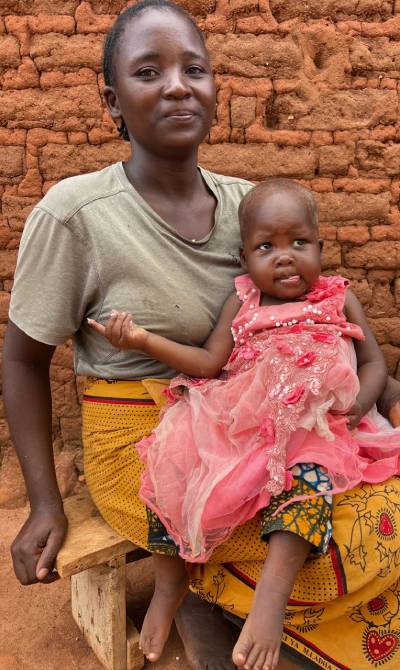
Patricia and her mother at home in the village of Chiwondo

Many factors contribute to malnutrition. Therefore, an integrated and multisectoral approach is necessary to address this emergency in a sustainable way. CUAMM is committed to implementing the “Diverse Food Systems: Improving nutrition through support for a diversified and sustainable food system” project in Dodoma, with the support of the Italian Agency for Development Cooperation and the Zanetti Foundation.

The Tanzanian government is supported in implementing national strategic plans for nutrition, with the aim of contributing to improving the quality of services in the Dodoma area, particularly for managing cases of severe acute malnutrition (SAM). Additionally, the integration of early childhood development (ECD) is promoted, with the goal of contributing to the physical and cognitive development of children by encouraging interaction with the community and play, even through the creation of toys made from local materials.


Women supporting other women every day

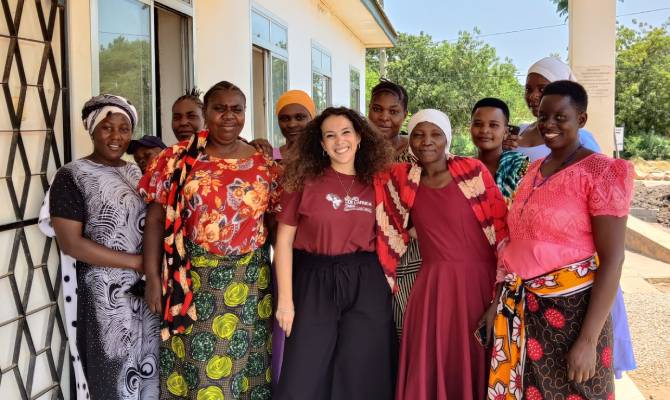
On March 8 the world celebrates International Women’s Day, an occasion dedicated to recognizing women’s social, economic, and political achievements, as well as a time to reflect on the ongoing challenges related to gender equality and rights. On this occasion, we want to celebrate the incredible women we work with across sub-Saharan Africa and honor their unwavering commitment to supporting and serving women in need.

Meet a few of the inspiring women we’re spotlighting on International Women’s Day.

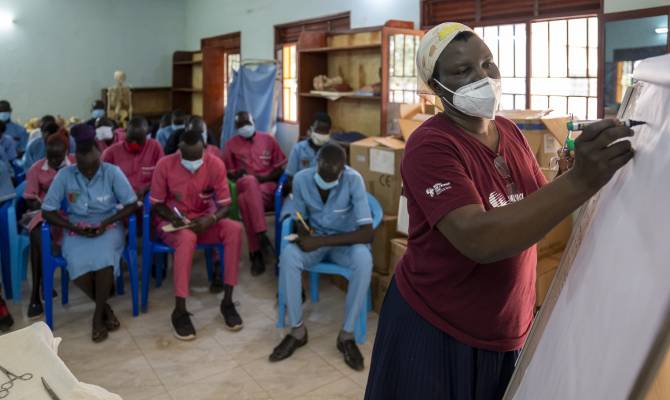
Magdalen Awor CUAMM Midwife and tutor at Rumbek Health Science Institute, South Sudan

Born in Uganda, Magdalen became a midwife in 2008. She has been living in South Sudan for more than 10 years where she serves as midwife and tutor at Rumbek Health Institute.

South Sudan is not only one of the leading country in terms of maternal mortality but also one with the lowest literacy rate among girls. Magdalen is a highly motivated and passionate professionist who spends her life and competencies where it is needed most. Deeply committed to her work, she in on the frontline of maternal and newborn care.

«When I enter the class, when I support these girls in their clinical practice, I see a future for this country. By educating and training girls we empower them while also contributing to assist women in the delicate and way too often life-threatening moment of delivery».

The Rumbek Health Science Institute in Lake State trains both midwives and nurses for a total of some 320 students enrolled in the first year. CUAMM supports the institute since 2020, some xxx students have graduated at the insitute ever since.


Loide Cambisano – CUAMM Project Manager in Shinyanga, Tanzania

Born and raised in Italy, in 2023 Loide started working with CUAMM in Iringa region, Tanzania. Today she leads a project focused on HIV, youth and adolescents in Shinyanga District.

«Stigma, prejudice and discrimination related to HIV do have a huge impact on the life of young people and adolescents resulting in behaviors such as withholding help, avoidance and coercive treatment. Women and young girls living with HIV are no doubt those most likely to experience HIV-related stigma».

The rate of child-marriage, early pregnancy and gbv cases in Shinyanga District is above the national average. Consensus, sexual and reproductive health and rights, gender-based violence and stigma are the topics often discussed in sensitization sessions promoted by CUAMM and held both within communities and schools. In addition, screening activities and psyco-social support is being provided to young people living with HIV in Shinyanga district.


Germana Tuitileni CUAMM Assistant at Casa de espera in Chiulo, Angola

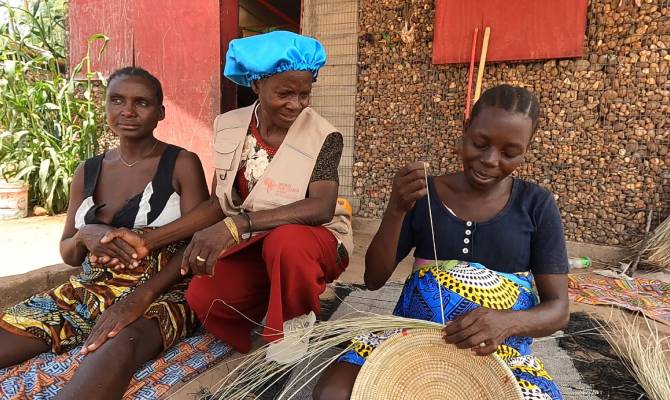
Germana Tuitileni is a pillar at casa de espera, the maternal waiting home at Chiulo Hospital, Angola. Everyone knows her.

She has been working here since the opening of this space, back in 2012. Although she is not a professional midwife, she supports and assists women in the days that preceed the delivery engaging them in sensitization acitivities on sexual and reproductive health, nutrition and most importantly on the importance of seeking care during pregnancy and delivery.

«Every day I am here to support these women. I talk to them about the importance of being at casa de espera and give birth safely because I know that they will spread the word to other community members and more women will do the same».

The Maternal Waiting home (MWH)casa de espera in portuguese, is a low-cost yet effective introduction to care for pregnant women in the late stages of their pregnancy therefore ensure assisted and safe delivery. Pregnant women with at-risk pregnancy come to this safe space when their due date is approaching. Here, they can be monitored by health professionals and easily access the hospital in case of emergency.

In 2023 more than 2,000 deliveries were assisted at Chiulo Hospital including 167 C-section. The work Germana does for pregnant women in Angola is key to promote their well-being and reduce pregnancy-related complications. By educating these women, Germana is empowering their whole communities while also contributing to reducing the maternal mortality rate which is 222 out of 1000,000 deliveries in Angola.

CUAMM recognized by WHO for its commitment in controlling NCDs

«For the work done in the improvement of health outcomes in rural areas in Tanzania as for the dedicated commitment in supporting local and forgotten communities» stated the United Nations Inter-Agency Task Force on the Prevention and Control of Non-communicable Diseases (NCDs) to justify the assignment of the Task Force Awards 2024 to Doctors with Africa CUAMM. Such prestigious award recognizes actions and approaches driven to preventing NCDs and promoting universal access to assisting technology.

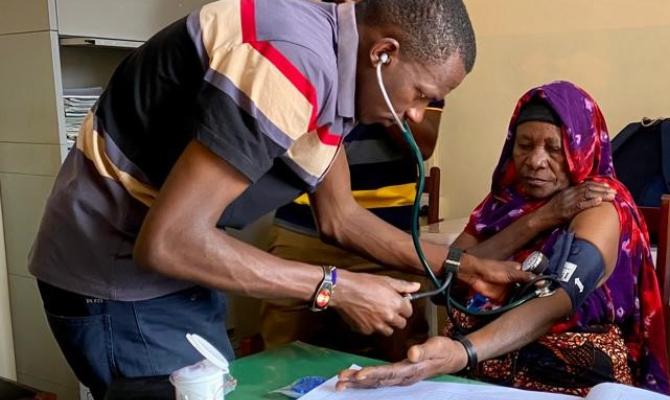
CUAMM received the award for its commitment in Tanzania. Over the last year in fact, we have carried out an integrated project for the prevention and treatment of diabetes and hypertension in the Iringa DC District and at the Tosamaganga Hospital, with the hospital acting as the district’s referral facility for the diagnosis and care of chronic patients and peripheral facilities supporting treatment and follow-up. The “Friends of the Task Force” award ceremony was held today on the margins of the 79th session of the United Nations General Assembly.

«This important award is being assigned to recognize the commitment in improving health outcomes in Tanzania and assisting marginalized communities – says Gaetano Azzimonti CUAMM Program Manager in Tanzania -. Our work on non-communicable diseases ensures that people living with chronic conditions have access to the health services they need all life-long. We do so by localizing health services therefore enabling people living in rural areas to acceed the care. This work is being done in the health centres located all-over Iringa district. This award encourages us to keep up the work and to continue and recognises an innovative intervention, which involved many local health professionals, from the Tosamaganga Hospital to the peripheral health units’».

Doctors with Africa Cuamm was awarded in the NGO category, along with three other organisations, and the award ceremony took place on the sidelines of the 79th session of the UN General Assembly in New York.

ONE MOTHER, FOUR BIRTHS, ONE HEALTH TEAM

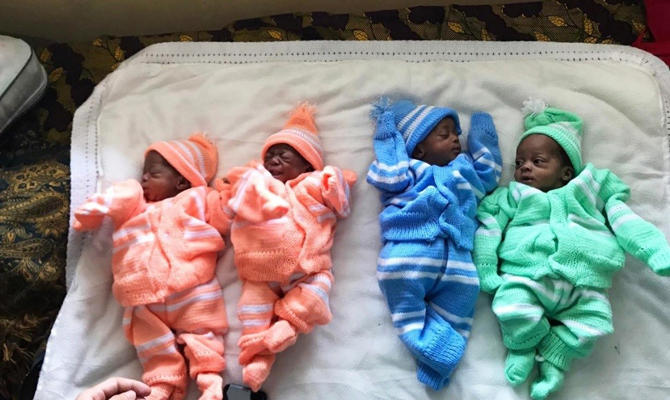
It is a story of success, joy an above all life the one we receive from Tosamaganga hospital, Tanzania. It is the story of a mother, four births and a team of health workers dedicated to ensuring that woman and her newborns a safe delivery.

«Lucy, Luth, Lucas e Luciana were born premature, weighing between 2,2 and 3,3 pounds. Right after the delivery, the four twins were transferred to the neonatal intensive care unit. A 55-days-long adventure begun that Saturday. Low expectations, maximum efforts from all of us. We took care of the twins, we never left them alone, it was a team work in which everyone played their part: doctors, nurses and Pahima, the mother, an extraordinary woman, quiet, confident, caring and above all conscious. Five days after giving birth, Pahima suffered from complications that urged us to operate to avert the worst. Three days after the surgery, Pahima was back on her feet, close to her newborns. This mother’s determination contaminated each of us» tells Luca, CUAMM pediatrician at Tosamaganga hospital.

Mothers and children first. People and skills” is the program designed by Doctors with Africa CUAMM to stand alongside the most vulnerable who are mothers and children. The program was launched in four sub-Saharan African countries with the twofold objective of ensuring mothers and newborns quality health care from early pregnancy to the second year of newborns’ life while also training qualified health workers who are the key drivers in the improvement of health systems.
«The day our patients were discharged, the whole unit was so permeated with joy that we took a picture to save a memory of this little yet great story which is beyond a tale, it is reality. We will keep taking care of them with post-natal visits during their first year of life. As for today, we want anything but celebrate this story».

Doctors with Africa CUAMM is committed to promote the program with the end goal of improving access to quality health care, especially maternal and child services, and ensuring its sustainability and continuity over time in 8 countries and 14 hospitals and surrounding areas.


Discover the program


YOUTH AND RESEARCH: FOR AN HIV-FREE FUTURE

Provide local health authorities with updated information on adolescents and young adults HIV+ in order to strengthen the health system, particularly HIV services. This is the overall objective of the research that the University of Florence is carrying on in partnership with CUAMM in Shinyanga Region, Tanzania, as part of the project “Improving health and well-being of adolescents and young adults HIV+”, financed by the Italian Agency for development cooperation. There are 3 main Care and Treatment Centers (CTCs) involved, namely Bugisi HC, Shinyanga Regional Referral Hospital and Ngokolo HC.

The study will analyse barriers to access to HIV services for adolescents and young adults living with HIV, disaggregated by gender and age group, and explore their psychophysical status. Particular attention will be paid to investigate the impact of COVID-19 on both the access to HIV services and mental health of HIV+ adolescents and young adults.

«Research is essential to guide action and make informed decisions. Adolescents and young adults are at a vulnerable stage of life. As we strive to ensure UNAIDS 95-95-95 goals are met, we are conducting a mixed methods study to investigate barriers to access and utilize HIV services among HIV+ adolescents and young adults in Shinyanga region and to assess their mental health status. In the midst of COVID-19 pandemic, our study also aims to investigate the impact of COVID-19 on their wellbeing and the scars it has left in the public health sector», affirms Constantine Ntanguligwa, CUAMM doctor and principal investigator of the research.

Mixed methods, qualitative and quantitative, will be deployed for data collection. Particularly, a close-ended questionnaire, focus group discussions and in-depth interviews will be conducted. Moreover, data on adherence and access to HIV services from registry of the involved health facilities, will be analyzed to compare the situation before and during the COVID-19 pandemic.

«Working with teenagers, particularly those between 10 and 14 years’ old, requires a lot of care and delicacy. Many of them are not fully aware of what HIV is even if they are in daily treatment. Some of them face stigma at school and within their community for the HIV status. Moreover, mental health challenges are not to be underestimated and should be increasingly considered as key issues to be addressed – claims Chiara Didonè, CUAMM project manager in Shinyanga-. This has to be taken into account when designing interviews and formulating questions. This is why we have selected young doctors to support us in this phase, to put teenagers at ease».

If we want to imagine a future without HIV, we have to definitely start with adolescents and young adults, listening to them and making them feel an active part of this path.

EQUALIZE: A CALL TO ACTION AGAINST AIDS

We must fight the inequalities that hold back progress in HIV prevention and treatment. This is the message, a strong call to action from the United Nations, on the occasion of World AIDS Day, which happens every first of December.

Doctors with Africa CUAMM is committed effectively to contributing to the fight against HIV infection, first of all by making testing accessible even in the last mile. Many activities have been organised during the two weeks, from 21 November to date, in some of CUAMM’s eight countries of intervention.

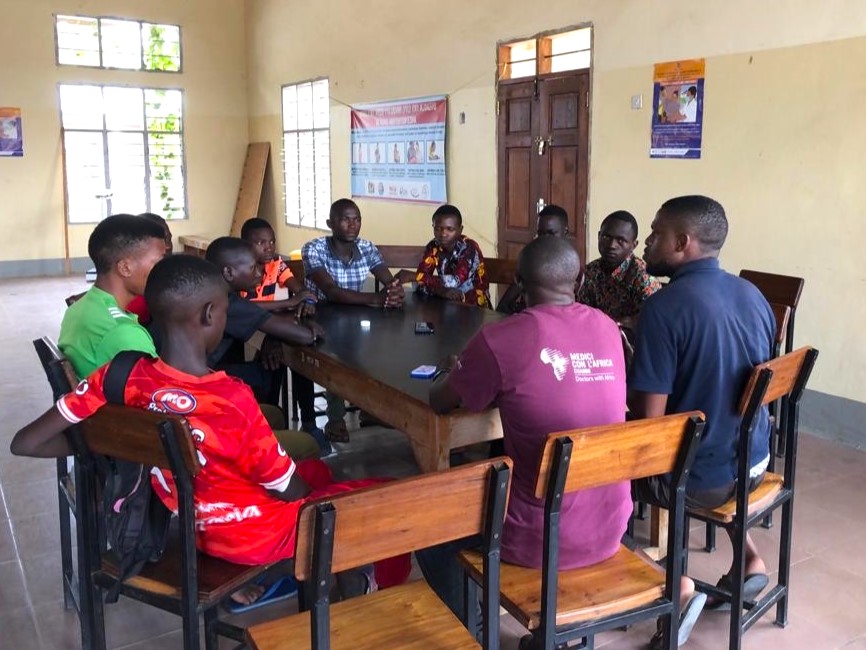
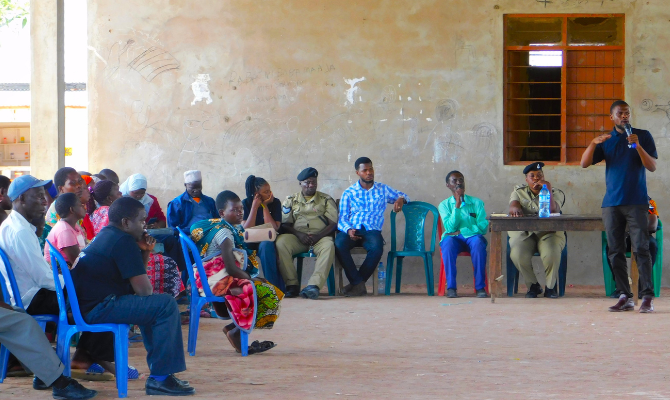
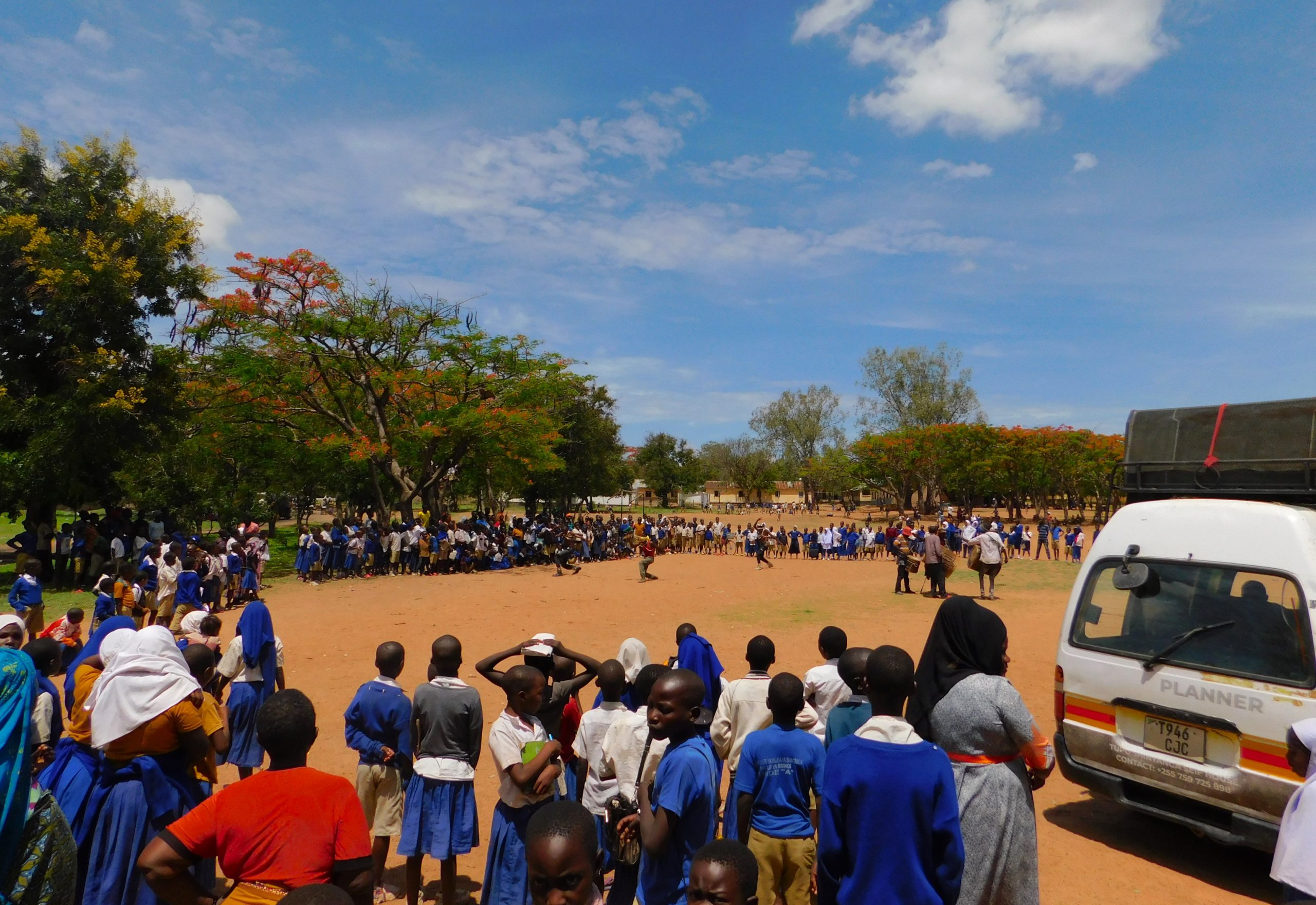
«In Tanzania – explains Chiara Didonè, project manager of programme on HIV financed by AICS, led by the University of Florence – in particular, in the district of Shinyanga, in synergy with local institutions, as is CUAMM’s practice, we have promoted three days of awareness-raising on HIV in the villages of Tinde, Ihalo and Didia. Each activity began by recalling that World AIDS Day is celebrated on 1 December, an opportunity to raise awareness about a problem that is still widespread. Since the target groups are heterogeneous – mothers, children, adolescents – we chose to focus on a few key messages for greater effectiveness: prevention, the importance of testing and treatment, and combating social stigma. In all three information campaigns the Tanzanian authorities participate, together with the representative of the “Konga group”, an association of HIV+ patients. On the day in Tinde 300 people took part, in Ihalo 150 and 170 were tested. Today in Didia we expect 300 more».

«I thank CUAMM – says a young villager from Ihalo – for coming so far to offer a very important service, such as HIV testing, to the entire population. The closest health facility is half an hour away by car and the road is not always easily accessible, especially during this period, the rainy season, so having the possibility to be tested at home is a salvation».

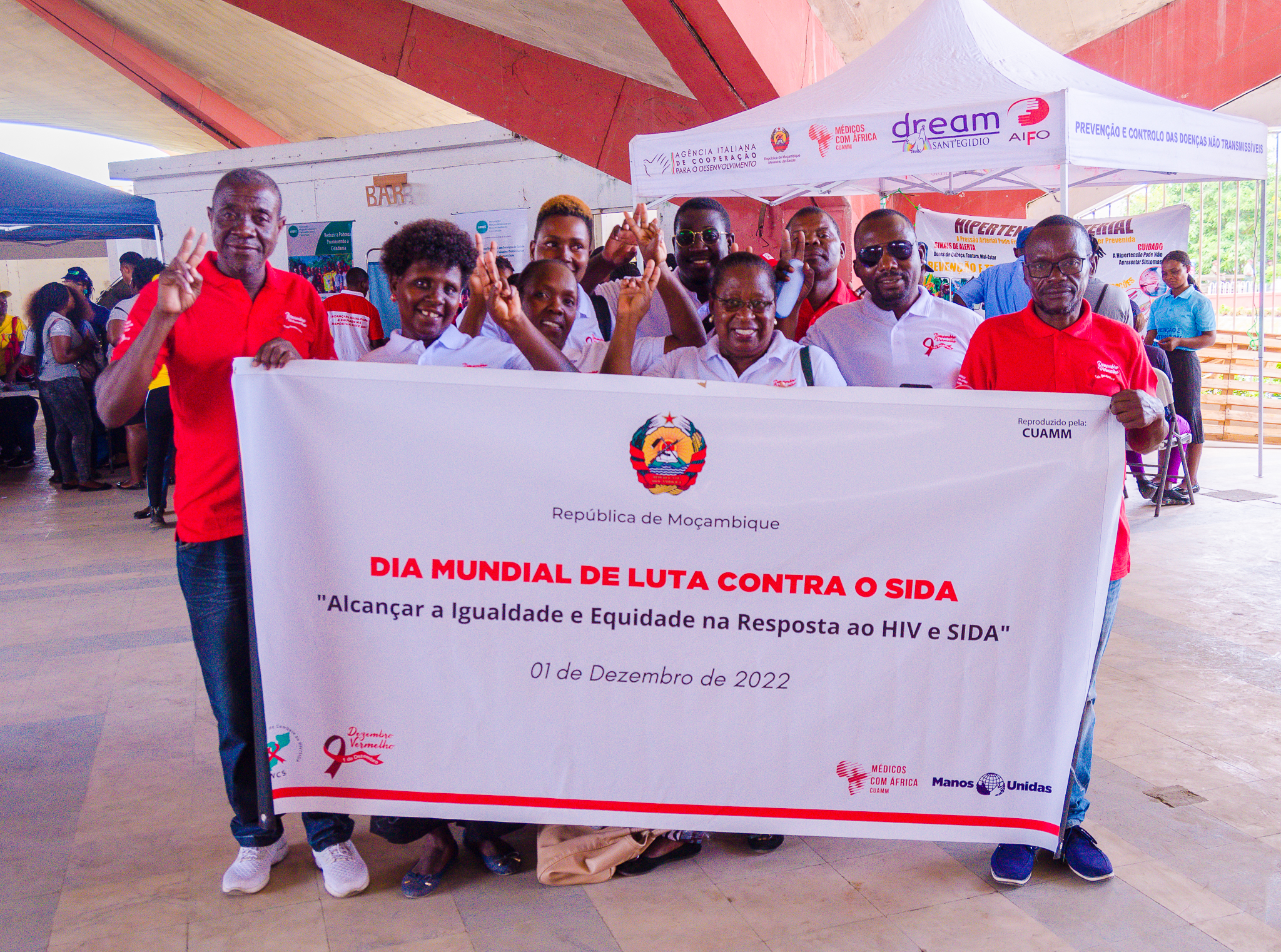
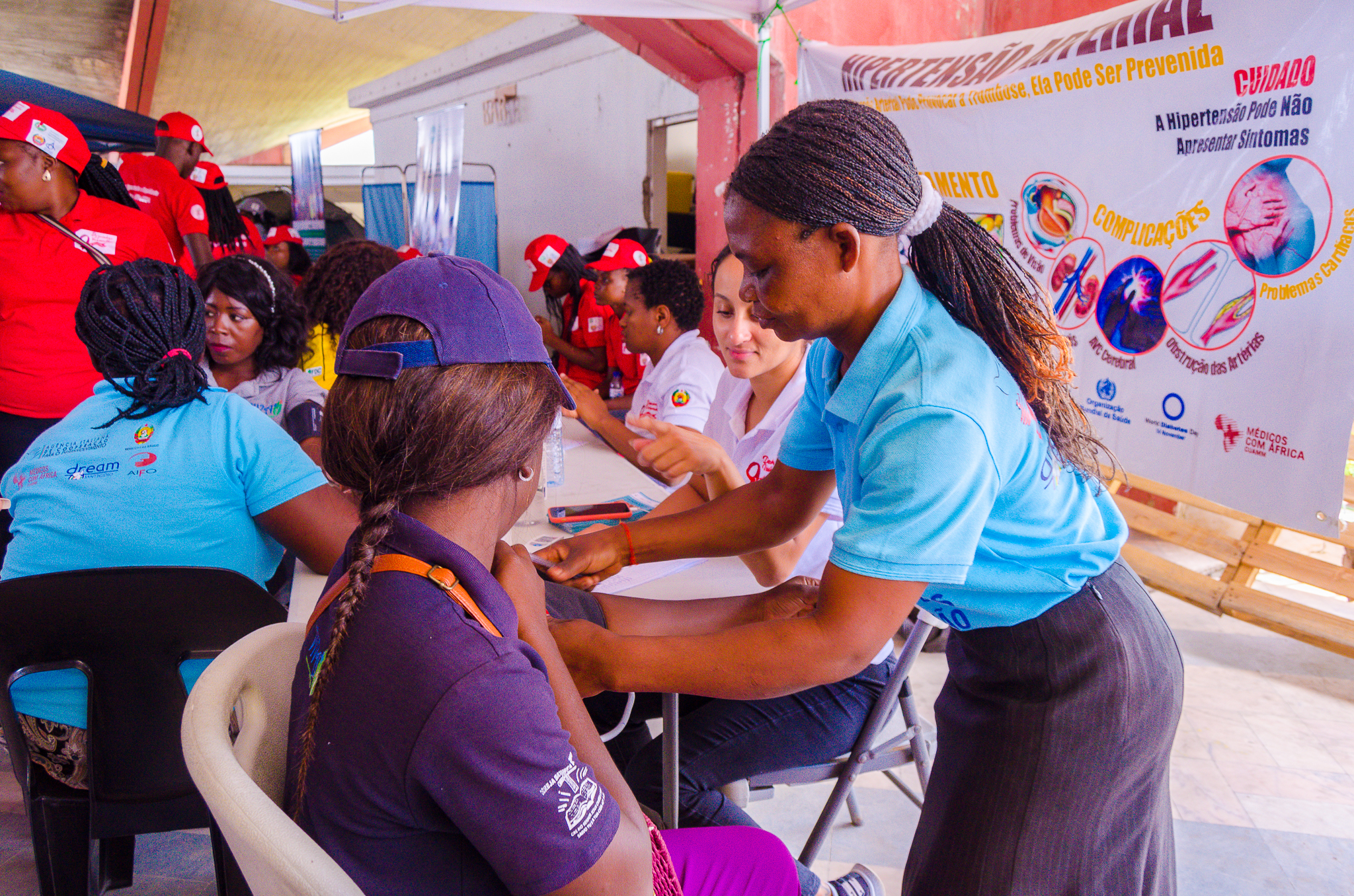
«Also in Mozambique, in the province of Tete – reports Laura Villosio, CUAMM doctor –  we participate in the World AIDS Day with various initiatives, together with the authorities of the country, the provincial service and civil society. This is an opportunity to address sexual health among adolescents, the target group of our activities. In Mozambique, according to 2017 estimates, there are five new infections per year per 1,000 inhabitants. In addition, 38 per cent of infections between 15 and 59 years of age fall in the 15-24 year old population. Therefore, many young people are HIV-positive and many children are born HIV-positive. Today, CUAMM in Tete takes part in a health fair where our activists, together with the technical team, promote information sessions and plays. Of course, everyone has the opportunity to be tested for HIV; we also offer an invitation to take the Covid-19 vaccine. Today’s Day was preceded by fifteen days of activism in remote villages, also on the topic of HIV».