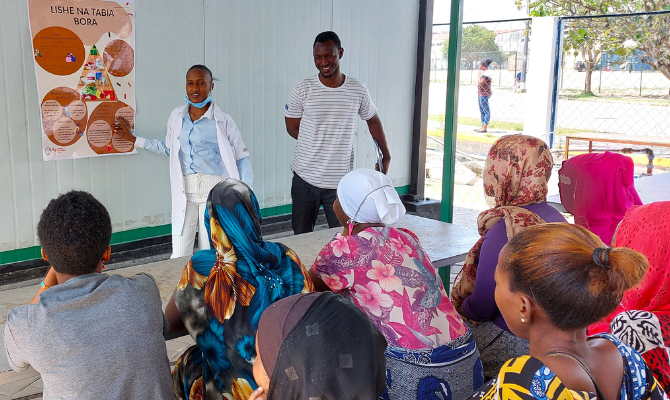
PROMOTING HEALTH STARTING FROM THE WORKPLACE

Living sustainably in a big city can now seem like an oxymoron. While job opportunities are greater than in the countryside, overcrowding in urban areas has a significant impact on health. According to World Bank estimates, today 55 per cent of the global population lives in cities, but by 2050 this will reach 68 per cent. Numbers that are worrying, if the challenges of urbanisation are not addressed now, promoting better access to health services, especially in countries with few resources.

Dar es Salaam, the administrative capital of Tanzania, is one of the fastest growing cities in sub-Saharan Africa. It could soon become a megacity with 10 million people. Here, since last June, Doctors with Africa CUAMM has been developing an urban health project in a textile factory, Tanzania Tooku Garments, that produces 8 million jeans a year, with the aim of raising awareness among its 4,000 employees on the importance of taking care of their health, through regular check-ups, proper nutrition, good hygiene practices, etc.

In rural areas of the country, life expectancy has increased by 13 years, compared to 3 years in urban areas. People living in cities also have higher under-five mortality and maternal mortality than in rural areas.

From the countryside to the city

CUAMM almost always operates in rural areas, which are generally more in need of help, but the need for a programme to be activated in a big city stems from the fact that less healthy lifestyles are more widespread here than in the “countryside”: “junk” food is at hand and people often lead sedentary lives.

Promoting health education in a factory also makes it possible to raise awareness among a large number of people at the same time. CUAMM welcomed the proposed collaboration with Tooku Garments with interest, also because this is a context in which 75% of the workers are women and 80% are between 20 and 30 years old. These are many future and young mothers who, one day, will be able to pass on the value of prevention to their children.

“In order to properly conduct wellbeing programmes for workers,” explains Franziska Jautz, Head of Human Resources at Tooku, ” among many organisations and after thorough research, we chose Doctors with Africa CUAMM, because in addition to having competent professionals, it has maternal and child health at heart. CUAMM’s philosophy perfectly meets Tooku’s needs. I think this is also a new challenge for CUAMM, which had never operated in such a context before”.

That is not all. Effective workplace policies are an investment in public health: they can have a positive impact on employers, employees, but also on the health of the community. The former benefit from reduced direct costs, while employees reduce health risks and improve their quality of life.

“Trust between employee and employer has also increased and people feel freer to ask open questions, come to the nursing staff more often, ask for advice and openly share health problems they were too afraid to ask about in the past,” Franziska concludes.

CUAMM’s project in the factory

“We were called by Tooku, which had started to offer small training courses on some aspects of safety at work,” explains Barbara Andreuzzi, CUAMM project manager, “but it needed to strengthen health education for workers and nurses. Yes, because the company is so big that it has five nurses among the staff (four women and one man working the night shift) working full-time on first aid. So, we came up with a well-structured programme to train the nurses who, once certified, train the workers.
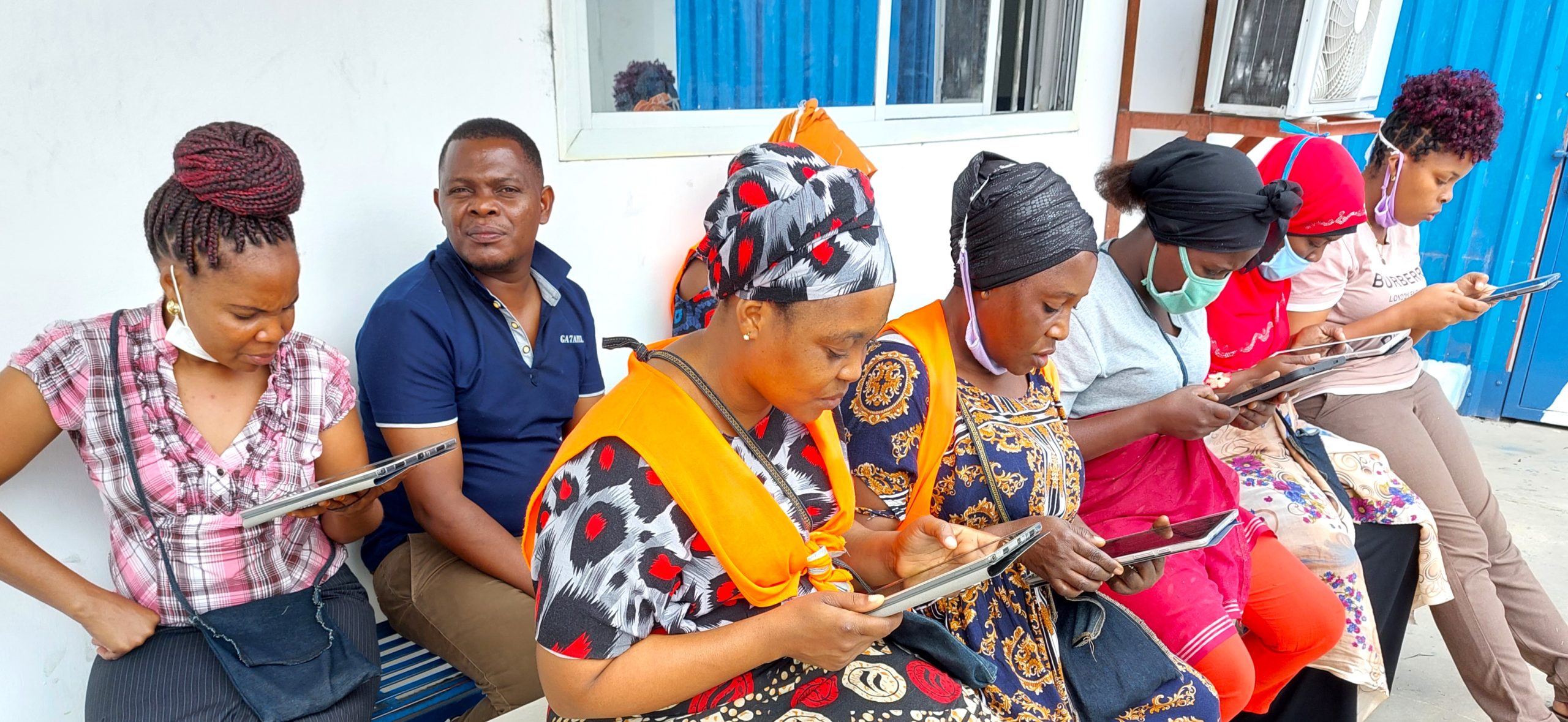
Before we started, we administered a digital questionnaire to understand the starting status, probing a little into the knowledge and habits of the workers. This first step was not easy, both because of the lack of interest and the poor digitisation of the workers. So, we equipped ourselves with tablets and, with the support of the factory’s human resources department, in the end, we collected a good number of surveys, 1,000!
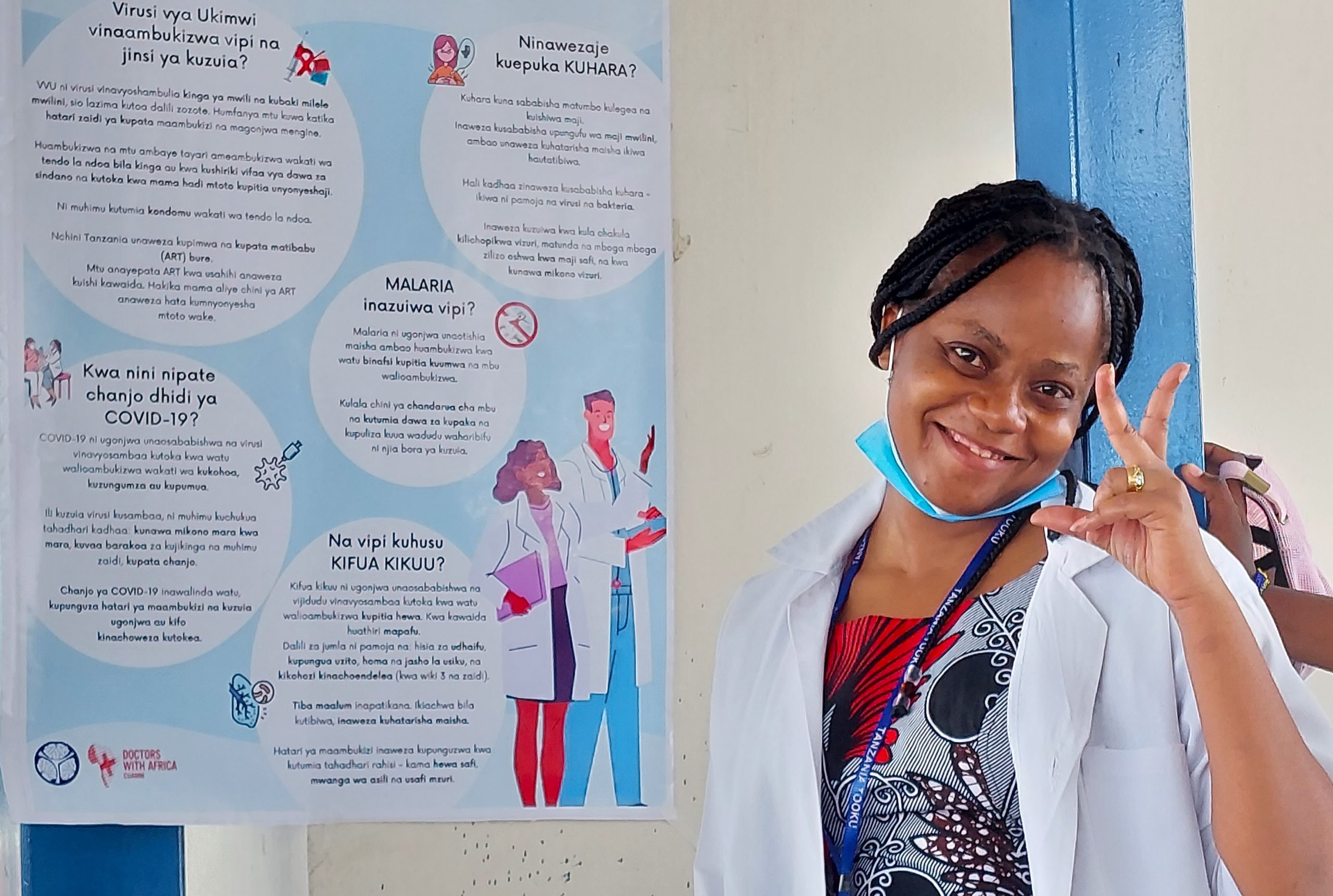
Now we are on the next step. We have produced the training material to be delivered to the nurses. These are Swahili posters with key topics: reproductive health, maternal and child health, infectious diseases, personal care and balanced nutrition and sustainable lifestyles.
A guide was also produced for the nurses to deepen the topics summarised on the posters, as well as a week-long training they received. Then, the health workers started to lecture the workers: every day, 20 minutes before lunch to address a topic to 30 employees. The aim of the project is to promote good health-related practices. We will ensure that the nurses are able to convey key messages on healthy behaviour. At the end, we will administer a new questionnaire to see if the messages have been received by the employees”.

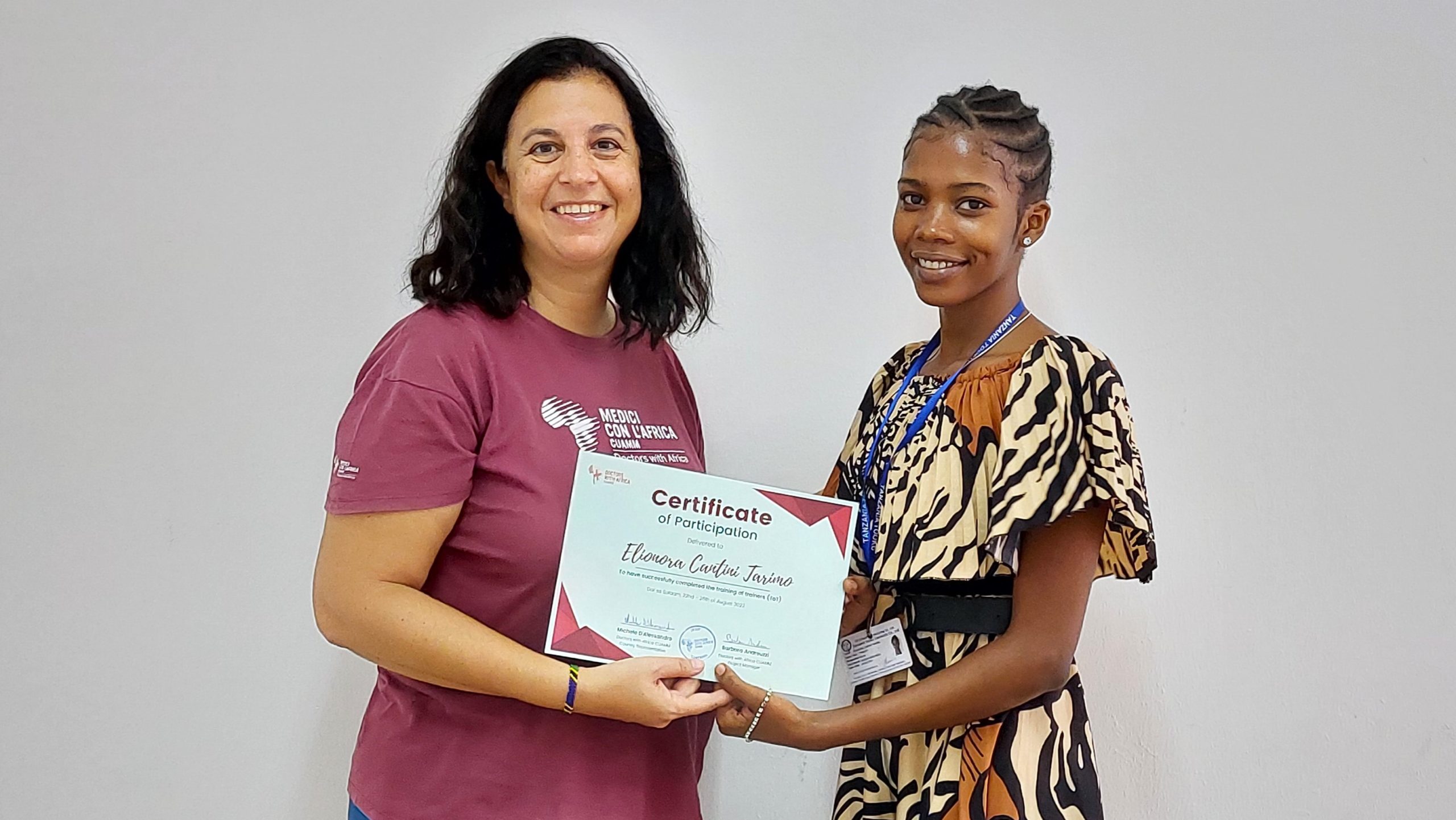
“The training I received from CUAMM has really helped me to improve my knowledge about health, I now know how to protect myself, as well as how to prevent certain diseases,” adds Elionora, a nurse who has been working in the factory for a year. Thanks to the course, I can train my colleagues so that they in turn raise awareness among those who know nothing about health and also those who want to increase their knowledge”.

Before the end of the project, CUAMM and Tooku’s corporate social responsibility team could explore a possible evolution of the pilot project to also involve outsiders from the employees’ family network, thus using the factory as a kind of hub to engage the community and promote health outside the workplace.
IN SCHOOL WITH TEENS TO FIGHT HIV

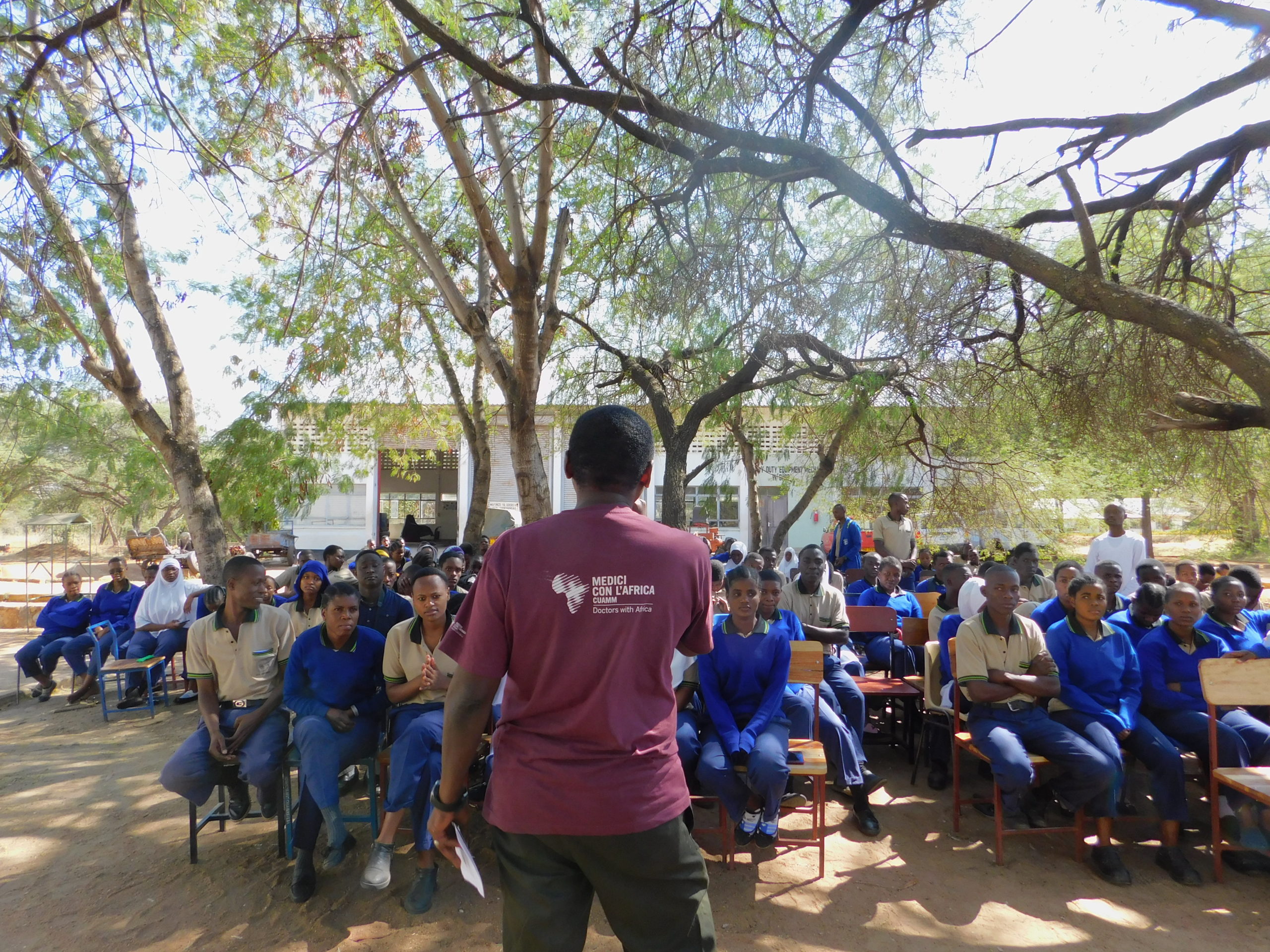
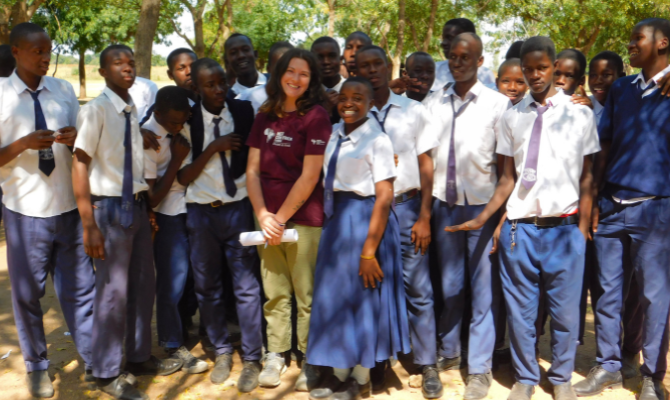
«Since last April, – reports project leader Chiara Didonè from the field – we have been implementing a program, financed by AICS, led by the University of Florence, in the Shinyanga area, with the aim of treating young people effected by HIV, but in particular to raise awareness on the value of prevention. Prejudices related to this virus hinder early diagnosis, as well as geographical distances and poor transportation to reach hospitals and specialized centers discourage people from taking the test.

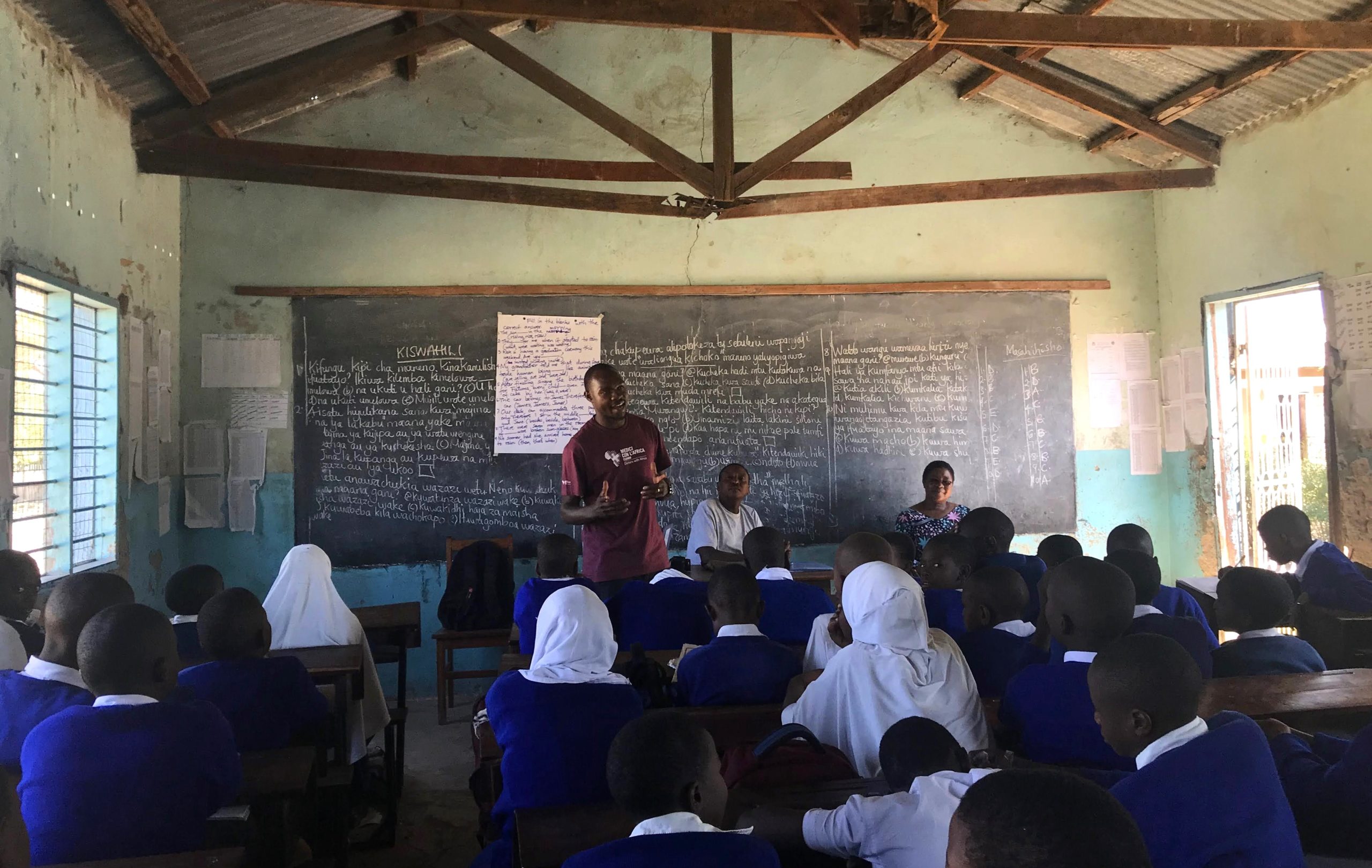
For this reason, CUAMM goes to schools, setting up stands entrances of institutes. After awareness raising activities, we offer testing. We are also present in the Shinyanga Regional Hospital and in the health centers of Ngokolo and Bugisi, where we support health workers and where we offer real “adolescent clinics” every Saturday, so that young people with HIV can take advantage of routine checkups, receive treatment and meet more of their peers.

During the first phase of the project, in collaboration with local authorities, 15 schools, 10 secondary and 5 primaries, were selected to reach the 10-24 age group. In June alone, the program reached 444 students. Fundamental was the role of CUAMM’s Tanzanian doctor, who also works in sex and reproductive education: together, we overcome language issues – I am learning, slowly, Swahili – but above all else, we try to make the students comfortable.

I remember a significant episode about how words and knowledge can help change perspectives. Before going to a school, I met with one of the teachers to explain how the awareness and screening day would take place and to find out how many young people would participate: out of hundreds initially, only 16 agreed to be tested for HIV. All the others were fearful. Based on this number, we reached the institution with just a stand and one nurse, but after conducting the awareness activity, the screening involved as many as 117 people and we stayed at the school until 7 p.m.!

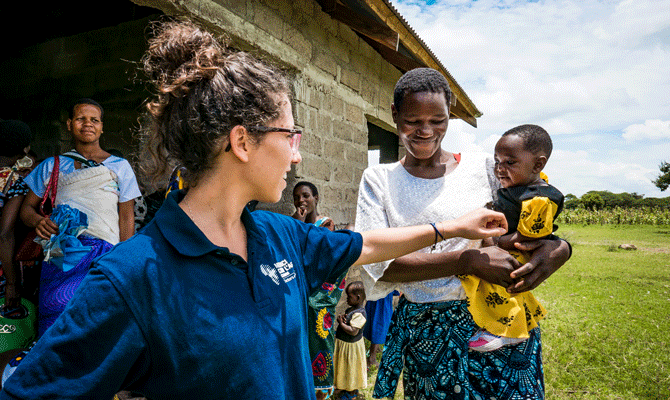
After that day, I engaged some students in a chat to understand what had contributed to overcome their fear and take the test. The most obvious aspect was to offer that service in school, in a context where almost every one of them felt understood. We professionals are a young team, we put music on, I talked while some students touched my hair, the driver made jokes. With little, we got them involved, as if we were among friends! The emotional bond that develops between CUAMM cooperators, especially during these outreach initiatives, is very strong and it works.

The testing part is always psychologically difficult. I remember when 17-year-old Elisa found out she was positive: the young girl did not know that her mother had HIV. Thanks to CUAMM Elisa was diagnosed, now she receives proper treatment, and has been informed of HIV-positive support project.

There is still much work to be done to combat prejudice and properly support patients, but Elisa’s story is proof that what CUAMM is doing is helping.

We have not stopped in summer either, as we have organized community-wide meetings with “over 20s”. Soon we are going back to school, between colleges and high schools, to be with Tanzanian girls and boys. To accompany the hope of a future in wich awareness decreases the risk of contracting the HIV virus, a future that as such, from young people cannot disregard!».

THE BEAUTY OF DOING YOUR PART

«Today is a special Thursday for me! On August 11, 8 years ago, I joined Doctors with Africa CUAMM. And started to work with professionals who dedicate their time and energy to Africa, often giving up so much to help the most vulnerable.

To hold the admistrative role in this organization means going far beyond accounting, logistics, mobilization and management of resources to implement projects. At CUAMM I have the opportunity to support mothers, children and other fragile groups to have access to quality health care and therefore to improve their well-being.

I am proud of my small contribution: in 8 years, my skills have saved the lives of malnourished little ones, patience with HIV and chronic diseases. It is exciting to reap the rewards of my hard work. The achievements of doctors, nurses and non-medical staff to assist people to the last mile. I am proud to be part of a team that strives, daily, for the right to health of my people!

Foundamental to me were Mahatma Gandhi’s words, “Whatever you do will be insignificant, but it is very important that you do it”. If each of us enacts the insignificant, we will collectively have a huge impact in people’s lives, therefore, we must do it!

Eight years ago, I started with small prject management, eventually moving on to deal with articulated projects. CUAMM gave me confidence, as did my colleagues, who helped me grow professionally and as a human being. THANK YOU!».

ONE IN THREE HUNDRED: THE STORY OF LITTLE PETRO

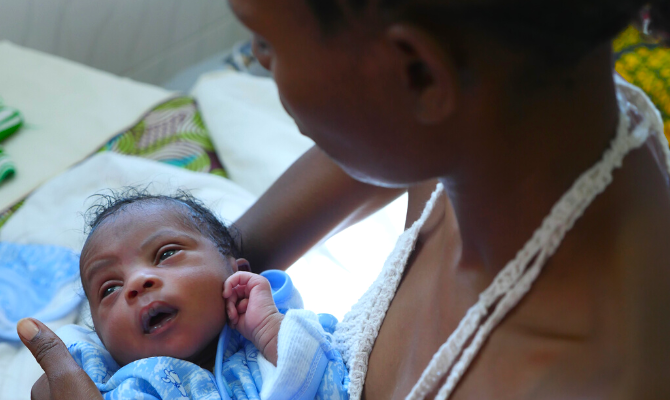
«Petro was born at Tosamaganga Hospital last April. Delivery occurred by natural means, but the baby needed oxygen therapy. So, he was admitted to the neonatology ward, where he received all necessary treatment. Due to breathing difficulties, during the early days of hospitalization, the baby was not able to breastfeed. On the fourth day, Petro got better and, as customary in the ward, we asked the mother to squeeze milk from the breast for her baby. However, only then the woman told us that she was never even able to breastfeed her previous children, who passed away within a few months of birth. Given the exceptional situation, we decided to help the mother and her baby, offering them formula», explains Martina Borelli, Doctors with Africa CUAMM’s paediatrician in Tanzania.

From January to July 2022, in the neonatology ward of Tosamaganga, 300 children have been admitted. Petro is one of them, the only one discharged with formula. Hospitalized children, in fact, receive breast milk as soon as possible and mothers are educated by local staff on the importance of breastfeeding, for themselves and for their baby. All over the world, particularly in low-to-middle income countries such as Tanzania, breast milk is an essential food, not only because of its singular nutritional properties, but also for its financial sustainability. Not being able to guarantee it puts the lives of the most fragile at risk, as the story of Petro’s two little brothers shows.

Today more than ever, breast milk becomes the best defence against malnutrition for African children: the rise in the cost of living and basic necessities, tangible consequences of the ongoing war in Ukraine, causes exponential growth in cases of children with severe acute malnutrition. Without taking into account the sanitary and economic impact of the Covid-19 pandemic. In Tanzania, only 59% of infants under six months are exclusively breastfed. Sometimes mothers tend to feed babies too early with solid foods that can cause permanent damage at such an early age. CUAMM’s commitment to awareness raising activities on the topic of breastfeeding is ongoing. With the support of professionals trained in health centers and through home visits, efforts are made to educate about proper nutrition for one’s baby, which always begins with breast milk.

«Petro is now 4 months old, – concludes Martina – he grows and is doing well. His mother comes back regularly to Tosamaganga Hospital for check-ups and CUAMM staff continues to support the family. The story of this child, one in three hundred, further emphasize the need, at a global level, to protect and promote breastfeeding, the foundation for an equal and sustainable development».

A SUCCESS STORY FROM SHYNIANGA

In Shynianga region, Tanzania, the vaccination campaign is thriving. In just a few months, from February to April, in Shynianga DC the vaccination coverage has gone from 4% to 45% for a total of 72.702 people vaccinated against Covid-19, in a target population of 305.522. A big success if we consider that, in according to the OMS data, the country average stands at 10,9% of the population with one dose and just 6,6% with two doses.

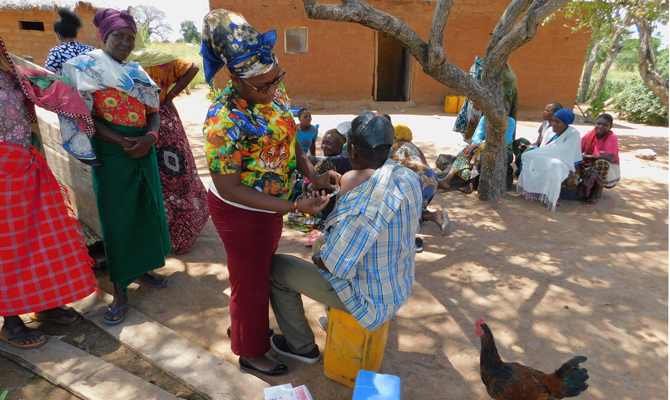
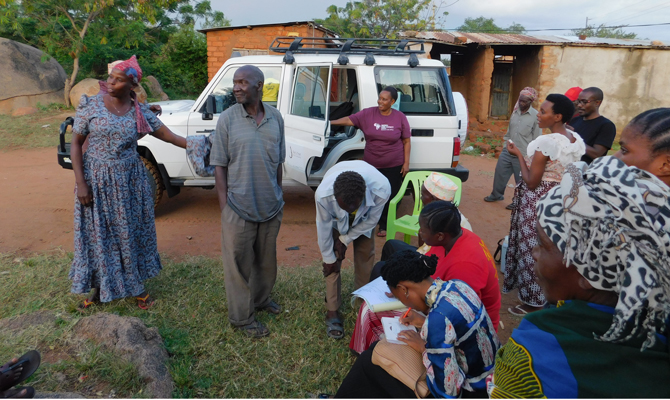
An ambulance, a small cooler and a big register. Three Community Health workers have been all over the district, bringing the vaccine ‘’from door to door’’, winning the initial hesitation to receive the vaccine. Under a tree, near some huge rocks or in a tiny health place with red bricks and corrugated iron doors, sitting in plastic chairs or small benches. The portable cooler that contains the vaccines placed on the ground, the big register on the knees to write down who receive the first or the second dose. Calm and patient, all the people wait for their turn sitting on the mats, while the children stare at something that this time isn’t about them.

«Going from village to village, talking to people, explaining them the importance of vaccination to get everyone vaccinated. This is our main commitment – explains Edith Kwezi, or as all they call her, Mama Kwezi, who coordinates the vaccination campaign for CUAMM–. Hard times continued, as in the Manyada village: after raising awareness about the importance of vaccination, the village headman only wanted to receive a single-dose and we just had Johnson & Johnson, so he and many others refused to receive it. Another difficult time took place when the transport equipment wasn’t available to reach many elderly people in an isolated village». And she continues: «In the past months there were also moments that gave us a big satisfaction, once we were in a very remote area, the Itwangi zone, and we vaccinated 13 elders. Their reaction was an extraordinary happiness, they thanked a lot CUAMM and the government for having reached them, so close to their home and they asked to carry on this strategy until all the elders will receive the vaccine».

The results are now visible: after the training of the local activists and the Community Health Workers, after meeting a lot of partners and involving more than 400 people between village headmen and religious leaders, traditional guides and opinion leaders, after increasing community outreach activities and strengthening teamwork at all levels and encouraging vaccination teams through radio spots.

«It’s necessary to carry on this work: now people start to understand that Covid-19 can be very dangerous, but they don’t know yet how to evaluate the effectiveness and value of the vaccine– continues Edith -. Many of them are still doubtful, so the awareness campaign has to proceed. Teamwork and everyone’s commitment can make the difference. The most beautiful day? When a Community Health Worker, in Nsalala, brought us in eight families, house by house. She explained in her native language “Sukuma” the importance of the vaccine and all the people we met have been vaccinated, no one refused».


THE VALUE OF EVERY HUMAN RESOURCE

“Cuamm has always tried to pay attention to the person, keep in touch with human resources, take care of them and respect them. Seeking, identifying, welcoming and accompanying, this is the specific mission of the Human Resources sector. Professionality and mission-sharing, flexibility and adaptability are required of those in the field, but it’s all in ‘how’ one stands in front of the experience: it’s opening a door through which to let everything in”. Alessandra Gatta, on a mission from the Padua office in Tanzania, tells how the selection, dispatch and accompaniment of doctors, operators, administrators and logisticians works. So many steps, one big goal: mutual exchange and enrichment. A challenging and difficult privilege.

“Human resource management is complex. Generally, a person needs to fill a specific position; therefore, it is the projects department that notifies the human resources department of the profiles needed in the field. Through this notification we start the process of recruiting and screening resumes. We meet the candidates who seem best suited for the open positions, but also those who we think could fill future positions in the projects. The next step of getting to know people takes place either through collective meetings or individual interviews; the process of getting to know them -which must be reciprocal – is complex and delicate because on the one hand it is necessary to catch the salient features of the candidate, at least the most significant ones, so we explore the motivational area through direct or indirect questions, but also the history, professional experiences, difficulties and personal experiences. On the other hand, it is important to familiarize the candidate with Cuamm’s characteristics, mission and approach.

We conduct individual interviews in twos in order to get different points of view and be more objective; those in front of us may be more or less open, wary or eager to tell their stories; the phase of listening and “suspending judgment” is essential so as not to be influenced by personal feelings. Once the individual interview is concluded, we draw up a personal profile, which is followed by a technical evaluation by colleagues in the projects or administration department. We collect evaluations on the person and proceed to give feedback, always, whether positive or negative. In case of positive feedback, we proceed with the proposal of collaboration. The moment the person accepts, the pre-departure procedures are triggered, i.e. the resource is put in contact with colleagues who deal with the bureaucratic and administrative part related to the visa/work permit, contract and everything else. Before departure, we always organize a training, usually on site. This is a crucial phase because we have to give the person all the practical information and try to get them into the Cuamm world: we are building the basis of a long-term relationship. The departing person has the opportunity to talk to colleagues from all sectors to get the big picture and to those who, in particular, follow the project activities of the headquarters where he or she will be placed. The person receives a kit, a backpack, some t-shirts, a pin, a gown if they are health workers: small items, even symbolic, but important because they show that one is entering the Cuamm family.

During this training, Dante Carraro also cares about getting to know future departures, and this is a valuable moment. Once the human resource arrives in the field, he or she will meet with the country manager who will make an introduction related to specific aspects of context and work and then be placed on the relevant team. At this point, we in human resources remain available for whatever support may be needed, periodically contact people and possibly give tools for conflict management and self-care. We also do field missions, during which we meet people and try to create an informal space where the resource person feels free to open up. Often, he or she may have needs that go beyond the work aspect, which are just as important and require attention”.

Alessandra Gatta, HR manager at Doctors with Africa Cuamm

PROUD OF BEING FATHER

«My name is Isaya and I am father of two sons: Innocent and Steven. Innocent is now hospitalized here, at the malnutrition unit of the hospital, while Steven is living with his aunt. We arrived here two weeks ago, as we noticed a wired swelling of Innocent’s hands. I was worried about his conditions and I wanted him to be examined in order to receive medicine to make him feel better. However, the doctors decided to hospitalize him, as he was diagnosed with Kwashiorkor, a serious form of malnutrition, due to a lack of proteins and other nourishing elements essential in children’s diet. He needed oxygen to breathe and a feeding tube to be nourished. I felt reassured when I noticed how doctors were taking care of him.

Innocent had been hospitalized for one and a half month at the intensive therapy unit. Once his conditions improved, he could be dismissed. He was finally able to talk, play, eat and moreover, he told his mother: “I prefer rise than ugali”. Unfortunately, his health conditions suddenly got worse again; therefore, here we are one more time. I had to leave my work and come here at my sister’s house, located in a village near Ipamba, to support my son.

Since I came here, doctors and nurses taught me how to take care of my son, how to properly prepare and warm milk and how often should I give him the food. Therefore, I wanted to help other mothers in the unit, explaining them how to take care of their children. During the night, I wake them up to remember that it is time to prepare milk. I taught them how to check their children’s temperature and if too high, report it to nurses. A childhood development specialist is organizing activities and plays to stimulate Innocent’s development and to communicate with me, his mother and other children.

I am the only one father at the unit, as normally in our culture children care is not men responsibility. They are ashamed of it leaving the whole responsibility to mothers who need to provide themselves alone to their children. If I had the possibility to talk to them, I would tell them that when you become parent your son is a gift and it is important for the whole community. It is important to involve fathers in children’s growth, educating and raising awareness among villages about health and children care. My friend asked me often why I am in the hospital, as if it were wired; and I usually answer “Yes, I am taking care of my son, I want him to be healthy again and feel good”. Unfortunately, there is a lack of education; we have not enough instruments to understand the importance of personal and children’s healthcare. Therefore, it is essential that community operators go to villages to raise awareness among communities about many themes, especially, giving advises about proper nutrition, health education and good hygienic practices. I would like to do the same to avoid that other children could suffer as my son».

Fight against Hiv/Aids Music at the service of the community

Involving meaningful testimonials to raise community awareness on public health issues is a widespread practice around the world. More and more often institutions and organizations rely on prominent personalities such as singers, actors and athletes to promote messages of prevention and treatment among the population.

It is precisely this approach that led to the collaboration between Doctors with Africa CUAMM and Fareed Kubanda, the Tanzanian Hiphop artist popularly known as FID Q, who was involved in some awareness-raising days on the issue of Hiv/Aids treatment and prevention, within the Test & Treat project that CUAMM implements in Shinyanga and Simiyu regions.

Very active in community-based projects, FID Q has been an ambassador for the fight against Aids since 2020 and recognizes the great opportunity as an artist to be able to help in the sensitization and education of communities on fundamental issues such as early diagnosis of the disease, correct use of medicines and the importance of continuity of treatment. The artist, flanked by the project staff and the community coordinator who has in-depth understanding of the community and its resources, visited several health centres in the districts involved in the intervention and met the students of the secondary school of Bariadi.

“I thought I knew everything about Hiv/Aids but after joining the “Test & Treat” team, I realized that I didn’t know many important things” admitted FID Q and then added: “The work done through the Test & Treat program is truly remarkable and I am happy to collaborate to mobilize and educate the community on the importance of undergoing the test, promoting an approach to fight against discrimination and social stigma linked to the disease. Hiv/Aids patients are people, not their disease “.

The reactions of community members and operators who participated in the awareness-raising activities were also very positive: “Events like these are fundamental in the community because they promote the importance of the fight against Hiv infection in order to reduce the size of the problem – some of them say – “The presence of FID Q allowed to involve many people, encouraging them to check their health status through tests and sensitizing patients on the appropriate use of antiretroviral drugs” concluded the participants. Finally, some people affected by the disease shared their experience and testimony on the importance of treatment and early diagnosis.

This is the proof of how effective the involvement of personalities from different fields that seem very distant from healthcare can be, but personalities that can make a difference in the dissemination of awareness-raising messages on fundamental issues for the health of an entire community.

Medicine and the senses

Tanzania amazed me so much: it is very welcoming; people are willing to help you with anything. Before leaving I was afraid to live in a context that I imagined unsafe. But this was not the case at all: being a country with a stable political situation for years, there has always been the chance to go out safely both in the village and in town” – says Stefania, JPO of gynaecology and obstetrics at the University of Milan Bicocca, who returned to Italy in early March after 6 months of service in Tosamaganga, in Tanzania.

During her university years, Stefania had already spent two months in Cameroon, gaining experience particularly in the delivery room. Then to India, where she worked as a nurse at a leper colony.

“This year, being at the 5th year of the specialty, I have had a more critical eye, a greater awareness and attention to the professional aspects- continues Stefania-. It was an incredible experience: a continuous stimulus, 14 hours a day. You face extreme situations, you have few resources and rediscover a more “human” medicine, more based on contact than the one we practice in Italy”.

Often here we lose ourselves behind bureaucracy and we immediately resort to instrumental examinations while in Africa the relationship with the patient, the medicine of the senses returns central. “Semeiotics is a great added value, especially for gynaecology and obstetrics – adds Stefania -. I have learned a lot in recent months: to know how to listen, how to interpret facial expressions of women, and to understand just from the clinical condition at what point the labor is, etc. I believe we should rediscover here too this dimension of the senses, which for obstetrics is fundamental“.

Among the many lessons learned in these months spent on the field, Stefania recalls the strength, dignity and courage with which people, in particular the mothers she took care of in hospital, face life. A life in which great joys and immense sorrows are intertwined every day and that is why it must be taken with “lightness”. And then the solidarity that you breathe, between mothers, but also among the staff. “There is great collaboration, we work side by side with the sole aim of working in the best way”.

That’s the same solidarity and cooperation that allowed to save the life of a young mother who had been referred rom the dispensary to the hospital of Tosamaganga for an eclamptic attack, a serious complication of pregnancy that could be lethal. “When she arrived at the hospital, the woman showed no signs of eclampsia – Stefania says – but after a few days she had a crisis and we had to do an emergency C-section. The clinical situation didn’t stabilize after the surgery and many other crises followed. It was decided to intubate her, despite the fact that there was only one oxygen fan for the operating room throughout the hospital, and then we took turns checking her condition over the next few weeks. We felt an incredible satisfaction and emotion when she was extubated and recovered completely” – concluded Stefania. A tough but really brave decision that allowed to save the life of the mother and her child who are fine now.

Today Stefania is back to major in gynaecology and obstetrics here in Italy, although with the desire to stay in Tosamaganga longer: a wish that, maybe someday, will bring her back on the field.

CHILD FIRST Let us reduce stunting!

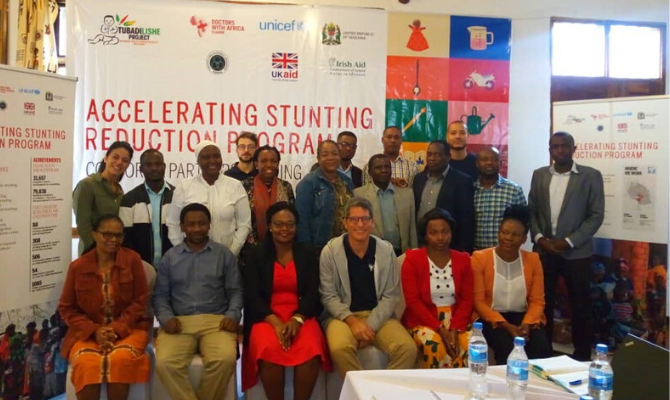
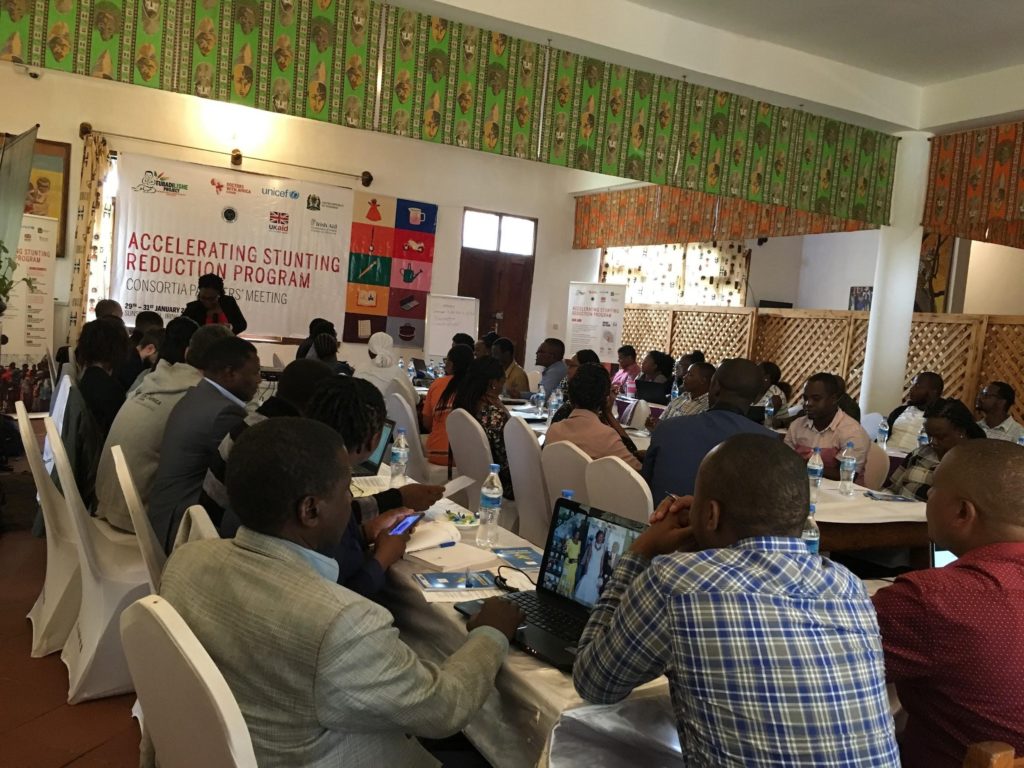
Doctors with Africa CUAMM Tanzania, together with the local partner organization TAHEA, hosted the annual consortia meeting of “Accelerating Stunting Reduction Programme” from the 29th to 31st of January. Among local and international partner organizations, UNICEF and Regional and District Nutrition officers participated in the meeting.

Stunting is the impaired growth and development that children experience from poor nutrition, repeated infection and inadequate psychosocial stimulation, as explained by the World Health Organization (WHO). Especially the first years of a child’s life, the first 1000 days from conception to the age of two, is a crucial period for timely intervention. “Accelerating Stunting Reduction Programme” aims to reduce stunting prevalence in the southern highlands regions of Tanzania: Iringa, Njombe, Mbeya and Songwe, where the needs are greatest among other regions of the country. With the coordination of UNICEF Tanzania, the programme has been implemented by three consortia, each one of them covering different regions; in particular, CUAMM and TAHEA are intervening in Iringa and Njombe.

As entering the 5th year of the programme, the final year, the main agenda of the meeting was to review the progress of handing over the activities to the respective local government bodies in order to ensure sustainability of the programme impact.

«The programme has gained its momentum. It is not only the partner organization who is leading the programme, but also the local government bodies have been deeply engaged, taking their ownership in nutrition issues. It has been a great team play» – claimed Ruth Nkurlu, UNICEF Southern regional programme coordinator, distinguishing the programme with other nutrition interventions around the country -. «Furthermore, because of the holistic approach of this programme implementation, meaningful behaviour changes are witnessed from the community level to the local government authorities».

Even though the programme is approaching its end, the need is still very high. The fight against malnutrition is not over yet. The Iringa Regional Nutrition officer appreciated CUAMM-TAHEA’s interventions in the region highlighting how it has strengthened the nutrition management system from the community level to the district and the regional level, sensitizing and empowering the local government authorities, which is the key to sustainability.

Sustainability cannot be achieved by working alone. Doctors with Africa CUAMM will continue its journey fighting against malnutrition alongside the local government and the local and international partners.