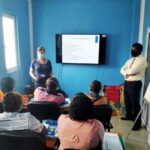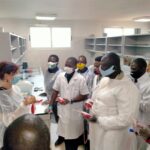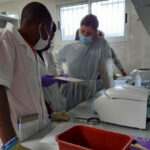
Time to respond to COVID19 epidemic in Bangui

According to WHO, the COVID-19 outbreak continues to evolve in Africa, since it was first detected in Algeria on 25 February 2020 and it is accelerating. As of August 29th 2020, there were 1,033,631 cases and 21,402 deaths within the WHO African Region.

In light of this situation, and of its ongoing mission, CUAMM is working every day close to the most vulnerable to respond to the pandemic in Africa, its collateral effects, and to continue to provide ongoing medical care.

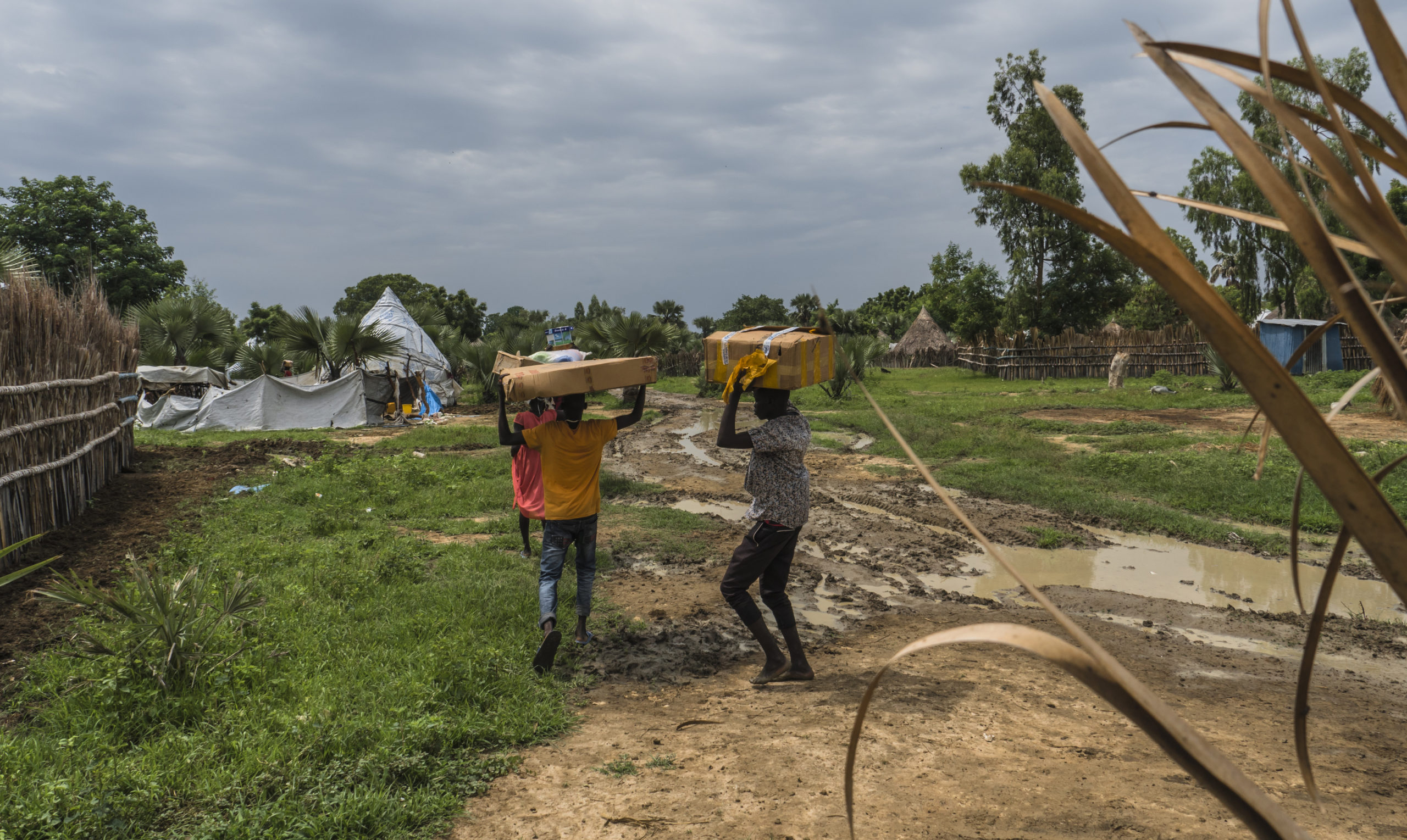
On the 27th of august, in Bangui, in Central African Republic, CUAMM celebrated the delivery of medicines and medical supplies donated by the American global health and emergency response organization, Americares. This donation is part of the important efforts of CUAMM to support the pediatric complex of Bangui where it has operated since 2018, to improve clinical care for children and the hospital management quality.

The donation included almost 400 KGs of antibiotics, emergency medications, vitamins, chronic disease medicine, psychotherapeutics, painkillers, malaria test kits, and first aid supplies. Additional donations of aid from Americares are in progress, as part of a new partnership between CUAMM and Americares in Central African Republic.

Andrea Atzori, Head of International Relations for CUAMM says:

“This the result of a great work to promote partnership and engage organizations all over the world to support the work of CUAMM for women and children. Americares has again demonstrated the generosity of people with precious donations of drugs and supplies that are able to integrate CUAMM programs and provide lifesaving treatment for children.”

Haroun Habib, Director of Africa and Middle East Programs for Americares says:

“We are glad to work with CUAMM as a critical partner while focusing on health as a priority in times of crisis throughout Africa. Previously, our emergency programs team provided gift-in-kind donations to CUAMM in Mozambique after tropical cyclone Idai and we plan to ship at least one container and another air shipment of medicines and medical supplies to CUAMM in CAR in 2020-2021. Our ongoing and continuing work with CUAMM will help ensure that essential medical products are provided to patients and frontline health care workers to prevent and save lives through effective treatment of infectious diseases such as COVID-19.”

TB: A CHALLENGE TO FACE TOGETHER

Maria Menya Nakeny is 34 years old mother of 6 children. She had to fight against tuberculosis, in three different stages: drug-susceptible tuberculosis, multi-resistant tuberculosis (MDR) and finally extensively drug-resistant tuberculosis (XDR). In 2016 Maria began to feel sick and she immediately turned to a traditional healer hoping to find a solution for her symptoms, but unfortunately the herbal treatment prescribed did not improve her health. Therefore, she chose to go to the health center in Lopeei where she was tested positive for tuberculosis.

In September 2016 Maria started a six-month treatment, but she stopped taking medication once she began to notice an improvement in her health, just three months after starting the treatment. The treatment for tuberculosis requires a long time, great consistency and continuity, and, although the improvements in health can be noticed quickly, it is essential to complete the whole treatment to avoid relapses. A few months after giving birth to her 5th child Maria started getting worse again.

“I went to the St. Kizito hospital in Matany and I was diagnosed with tuberculosis again. I was hospitalised for 3 weeks and then transferred to the nearest facility to continue the therapy – says Maria -. After a few days I was called again and admitted once more to Matany hospital for 3 months since I tested positive for MDR tuberculosis”.

Maria had to walk for more than 4 km every day to get her medicines at the Lopeei health center regardless the scorching sun or the heavy rains. This is precisely why she stopped the treatment again for over a week. The CUAMM team in charge of Maria’s case immediately went to her house to convince her to start again the treatment. Shortly after, Maria became pregnant again: “I was worried about how I would continue the treatment and the potential effects on my baby – Maria explains -. However, the health workers reassured and encouraged me to continue my treatment path”.

After further tests, Maria tested positive for extensively drug-resistant tuberculosis (XDR) and her treatment needed to be changed to respond to the variation in her disease.

“I realized that life is very important and I regret the moment when I had stubbornly decided to drop out the treatment. The CUAMM team and the health professionals have been committed to saving my life in every way, much more than I did for myself. I am grateful to them. I also managed to buy some goats and sheep that I take care of and now I live happily with my family”, concluded Maria.

After 4 years, in November 2020, Maria finally completed her treatment and won her battle against TB. Now she goes to the hospital once a month for check-ups. She survived thanks to the help of passionate and dedicated health workers and thanks to the support of Doctors with Africa CUAMM. She therefore suggests to all those who do not feel well in her community to go to the health center even just for a check-up and to receive the assistance they need. She also encourages people who have tested positive for TB to be steady with the treatment to avoid facing what she’s been through.

This is one of the many happy ending stories made possible thanks to the intervention in Karamoja to improve the quality of  services for diagnosis and treatment of Tb and multi-drug resistant Tb, particularly within the projects: “It’s Good Tb free! Project to contribute to a TB Free Uganda by 2020“, financed by the Italian Agency for Development Cooperation, as part of the expenditure for technical assistance to the Global Fund for the fight against aids, tuberculosis and malaria and implemented by Doctors with Africa CUAMM in partnership with the University of Milan and the University of Makerere, and the project ” Support to St. Kizito Hospital of Matany and to the Napak Distrcit in Karamoja”, financed by Fondation Assistance Internationale (FAI).

WORLD TUBERCULOSIS DAY COVID-19 IS SLOWING THE FIGHT, BUT UGANDA SHOWS SIGNS OF HOPE

With 10 million sick people worldwide and 1.4 million deaths in 2019 alone, Tuberculosis remains one of the deadliest diseases. Twenty-five percent of new cases recorded each year are in Africa, and Covid-19’s arrival in the last year has put a strain on health systems here too. This risks being a major setback for the fight against tuberculosis. For World Tuberculosis Day, on March 24, Doctors with Africa CUAMM is joining the World Health Organization (WHO) in its urgent call that the “Clock is Ticking,” if we want to put an end to Tuberculosis.

In Uganda, in Karamoja, Doctors with Africa CUAMM is working on two projects to fight tuberculosis funded by Fondation Assistance Internationale (FAI) and by the Italian Agency for Development Cooperation (AICS). Even in the year of Covid-19, there are some signs of hope, which show how the fight against the “disease of poverty” can still be won with enough determination.

Simone Cadorin, project manager of Doctors with Africa CUAMM in Moroto, says:

“With Covid-19, we were afraid that years of work would be ruined. A year ago, the government stopped public transport, imposed a curfew, and banned travel. There was the fear was that people would no longer come to the hospital for monthly visits and to get their medicine. This we why we worked with local authorities to develop, in the midst of the emergency, home-based care for patients, visiting them at home and distributing medicines in rural areas with semi-nomadic populations. We have not only kept patients in treatment, but we have also greatly improved outcomes, going from 36% successfully completed treatments in 2019 to 85% in 2020 and bringing the dropout rate down from 42% to 11%. Lockdown measures have been recently relaxed in Uganda, and patients now come themselves to health centers. We still continue to maintain contact with each of them through the “village health teams,” who see the patients at home, make sure that they regularly take their medicine, and provide psychological help and social support to families and patients.”

It is often from the community that problems arise related to fighting viruses and infectious diseases, as we hear from Paul Okala, a patient that Doctors with Africa CUAMM has followed and who has suffered the consequences of the stigma and prejudices about Covid-19.

“Because of Covid-19,” he says, “in Karamoja, unfortunately, people think badly about those who wear a mask. I found out I had drug-resistant tuberculosis before the virus came. I was treated in Matany and then I was supposed to continue taking the medicine at home for a year, using a mask when I was with other people. Everything was fine until Covid-19 came. People started to treat me badly because I was wearing a mask; they thought I had the virus and that I would infect them. Nobody wanted to come near me and my landlord was about to kick me out. It was horrible. I didn’t know how to deal with it and even thought about giving it all up. Fortunately, the Doctors with Africa CUAMM team came and helped me to show everyone that I was not sick with Covid-19 and explain the differences between the two diseases and the different ways to handle them in the village too. Luckily, no one is upset with me anymore, and I was able to complete my treatment!”

Combating fake news about Covid-19 with training for health personnel and awareness raising in the villages was one of the major focuses of Doctors with Africa CUAMM in Uganda, as well as in the other seven countries where it is active. Many people stopped going to the hospital for fear of being infected, with the result that many women were risking their lives giving birth at home, and many babies were not being vaccinated against the most common diseases. The home-based approach developed in Karamoja shows that by going the extra mile, talking to the communities, and listening to their needs and fears, we can ensure continuity to our projects and provide health care to those who need it most.

March 24th, during the event for World Tuberculosis Day, the Ugandan Ministry of Health awarded Doctors with Africa CUAMM for their tireless and extraordinary support towards  TB services delivery in South Karamoja. The award was received by Peter Lochoro, CUAMM country representative in Uganda.


A SPECIAL MEETING FOR 70 YEARS OF LIFE

On the 70th anniversary of Doctors with Africa CUAMM, Pope Francis welcomed the director Father Dante Carraro in a private audience due to the anti-covid restrictions. A special moment for our “big family” to motivate once more the passion and challenges of an increasingly necessary commitment “with Africa”.

“I brought our Africa to Pope Francis – is the excited comment of Father Dante – the greeting and the embrace of our Bishop Claudio, of the Church of Padua and of the many volunteers and operators who spend every day on the field close to the poorest. You were all there, with me: lives, families, and stories with their load of tears and smiles, with the joy for the successes and the fatigue for the obstacles that make the journey bumpy. I told him about some good results achieved but also about the many concerns for a continent increasingly excluded from the world that matters, or that thinks to matter, including an anti-covid vaccination plan that is struggling to take off. I share with everyone, volunteers, friends and supporters the excitement and energy of feeling Pope Francis by our side, like an old friend who takes you by the arm and helps you not to give up “.


Copyright © Vatican Media

12 May International nurses day

Pillars of healthcare, even more important in Africa. Every day they work tirelessly, close to their patients, even at the risk of their health. Father Dante Carraro: «Without them our work would be impossible».

International Nurses Day is celebrated around the world on Tuesday 12 May, to mark the contribution that nurses make to society, and this year in particular the World Health Organization has decided to dedicate 2020 to the work of nurses and midwives.

Nurses have always been on the front line, around the world, curing patients, especially in these months in which the healthcare systems are increasingly put under pressure by the Coronavirus emergency. Africa is no exception and it starts from an even more uncertain situation.

Remembering the silent and essential work of nurses is important for Doctors with Africa Cuamm, that in Africa is present in 23 hospitals with 2,915 operators. Almost 1,000 nurses work in these facilities, supported by Cuamm and now threatened by Covid-19. Here Doctors with Africa Cuamm is working to provide personal protective equipment and introduce new prevention procedures, to protect healthcare staff particularly exposed to contagion.

If Coronavirus is the latest threat to the health of the African population, the previous challenges still remain pending, as Cuamm’s director, father Dante Carraro, explains:

«Like in Italy, even more so in Africa, nurses are the those who run the healthcare systems. From healthcare centres to day hospitals, to hospital wards, they work behind the scenes, often silently, but they’re essential for the few local doctors and for the expats. Their ability to communicate with patients – children and adults alike – also in the language of local communities, is essential. Without them, most of our work would be impossible: for this reason, it’s important to celebrate their role today. Without forgetting the many nurses and healthcare operators that in these last two months have worked without a pause in Italy, for the health of us all, even at the cost of their life»


Pamela in Central African Republic: «How wonderful the gratitude of relatives»

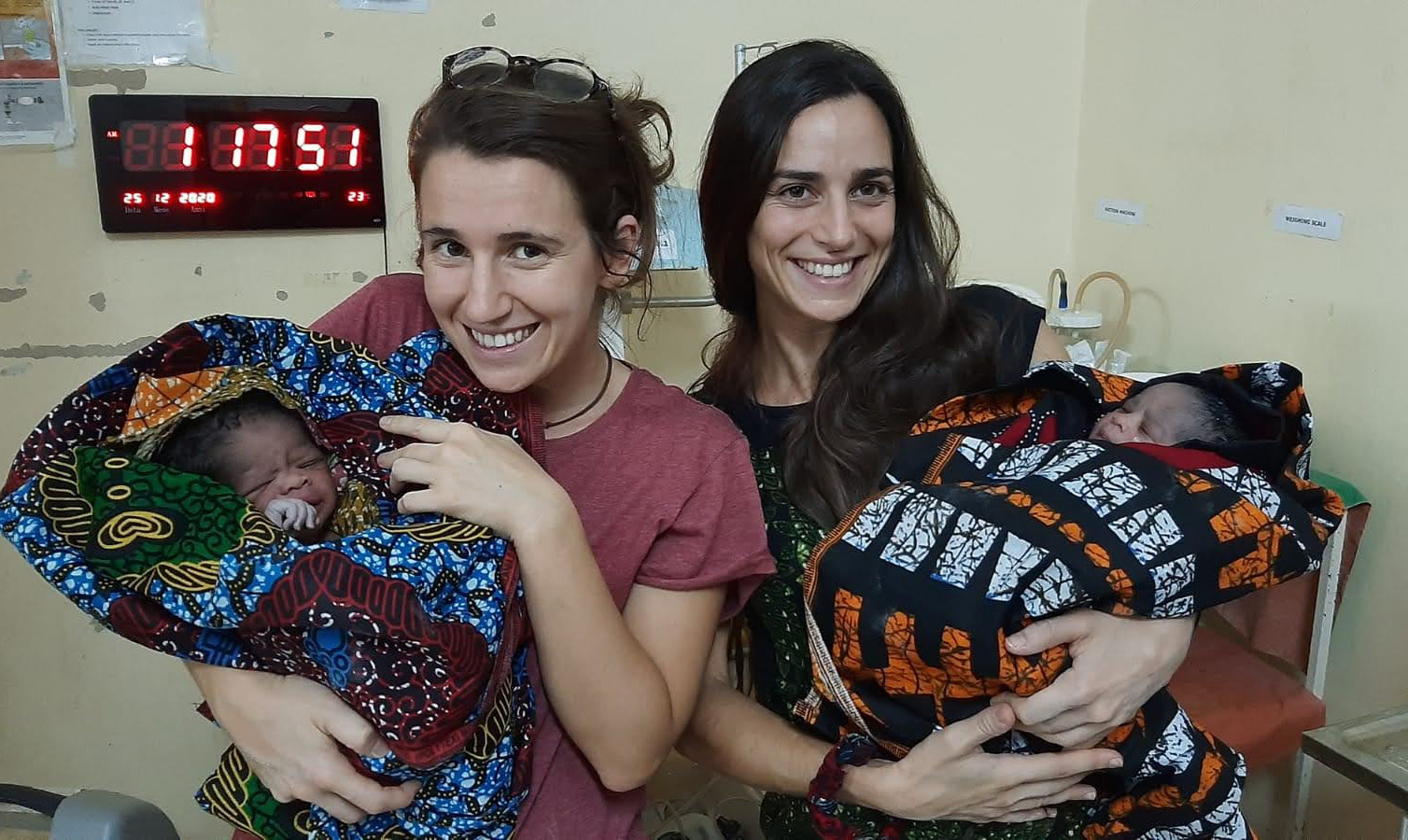
In the Paediatric Hospital of Bangui there are 205 nurses, who take care of the children coming from across the country for complicated operations, but many are also hospitalized for acute malnutrition, or for measles, which have hit the country between January and February. Pamela D’Ascenzo, nurse from Forlì (Italy), in Bangui has found very motivated colleagues, despite the challenges of their day-to-day work:

«Josette and Simplice are two of the best nurses I have worked with in these months. Josette is 38 years old and has five children: she has been working as a nurse for six years and every morning she comes a long way with great inconveniences to get to work. She says that the aspect she loves more of our work is the contact with people. Simplice is younger and has told me that he’s chosen this job to “save lives”, today for him the gratitude of the relatives of the children they heal is the best thing».   


Ana in South Sudan: «We’re preparing for covid-19, but we need training»

Twenty-six years old, nurse from Barcelona, Ana Artes de Arcos has learned Italian while in Erasmus in Pavia and since she’s in Rumbek she uses it with English every day, working with the staff of Doctors with Africa Cuamm:

«In the last month we’ve taken an isolation area of the hospital, built for Ebola, but not yet used, and we’ve adapted it for the management of covid-19 cases, with oxygen concentrators and drugs. Luckily, for now we don’t have confirmed cases, but we’re doing all we can to prepare, with little equipment. As a nurse, I’m pleased that people remember the importance of our role, that is often underestimated. Hospitals wouldn’t run without trained nurses and here in South Sudan it’s even more visible. Most staff here has been trained on the job: they’re motivated, capable people, but maybe they cannot read or write, because instability prevents the training of people. When you have to give drugs or monitor patients, these shortcomings are visible and I’m afraid they make a difference».

Africa and Covid-19: protecting staff

To date almost 64,000 coronavirus cases have been recorded in Africa: 38,000 in Sub-Saharan Africa; 53 countries have been hit. Doctors with Africa Cuamm, Italian healthcare organization established in 1950, is present in eight: Angola, Ethiopia, Mozambique, Central African Republic, Sierra Leone, South Sudan, Tanzania, Uganda.

While we’re preparing for the outbreak of Coronavirus in rural areas as well, we know that nurses and doctors are more exposed to contagion, despite still being too little in Africa. This is the reason why we must protect them and equip them as best as we can against the epidemic.

Problems don’t stop with Coronavirus, they exacerbate. People fear the epidemic and hospitals as sources of contagion. Many women could opt for giving birth at home, for example, with great risks for their life.

In order to secure the hospitals and the communities where Doctors with Africa Cuamm is present, we need to have:

  • Face masks, suits, face shields and disinfectant for healthcare staff, crucial but always too little;
  • Infra-red thermometers, oximeters to measure blood oxygenation and oxygen concentrators to give a basic therapy for those in need;
  • Curtains for triage and isolation units;
  • Training of staff and communities for the management of Covid-19 cases.

A daily commitment to increase trust

Gambela is one of the poorest regions of Ethiopia and has one of the worst health indicators in the country in terms of maternal, child and access to basic health services. The intervention “Increased quality and equity of health services in Gambela Region” financed by the Italian Agency for Development Cooperation and private donors and implemented by Doctors with Africa CUAMM, aims to improve and strengthen the existing health system, promoting maternal and child services, nutrition, HIV/Aids prevention and control, in agreement with local institutions: in short, life-saving services.

This intervention is possible thanks above all to the role of community health workers, a truly fundamental access key for CUAMM’s work in the communities. But what does it mean to be community operators in Gambela?

“As community health workers we are mainly concerned with prevention. – say Marta and Zenebech – During the week we work two days in the clinic, where we provide basic healthcare, in particular to children and women, and three days in the communities where we do house-to-house health education, in one day we visit at least eight different homes”.

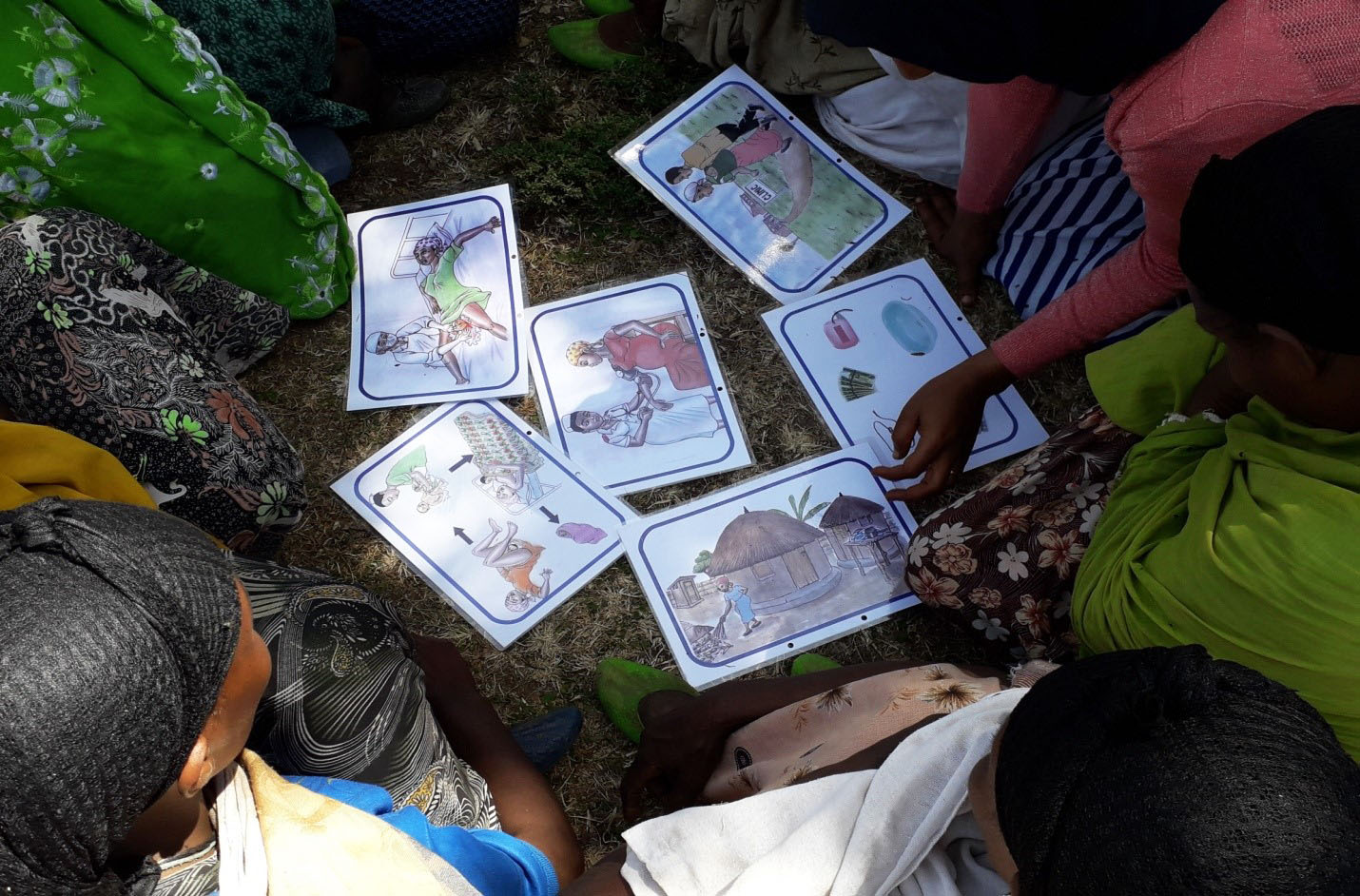
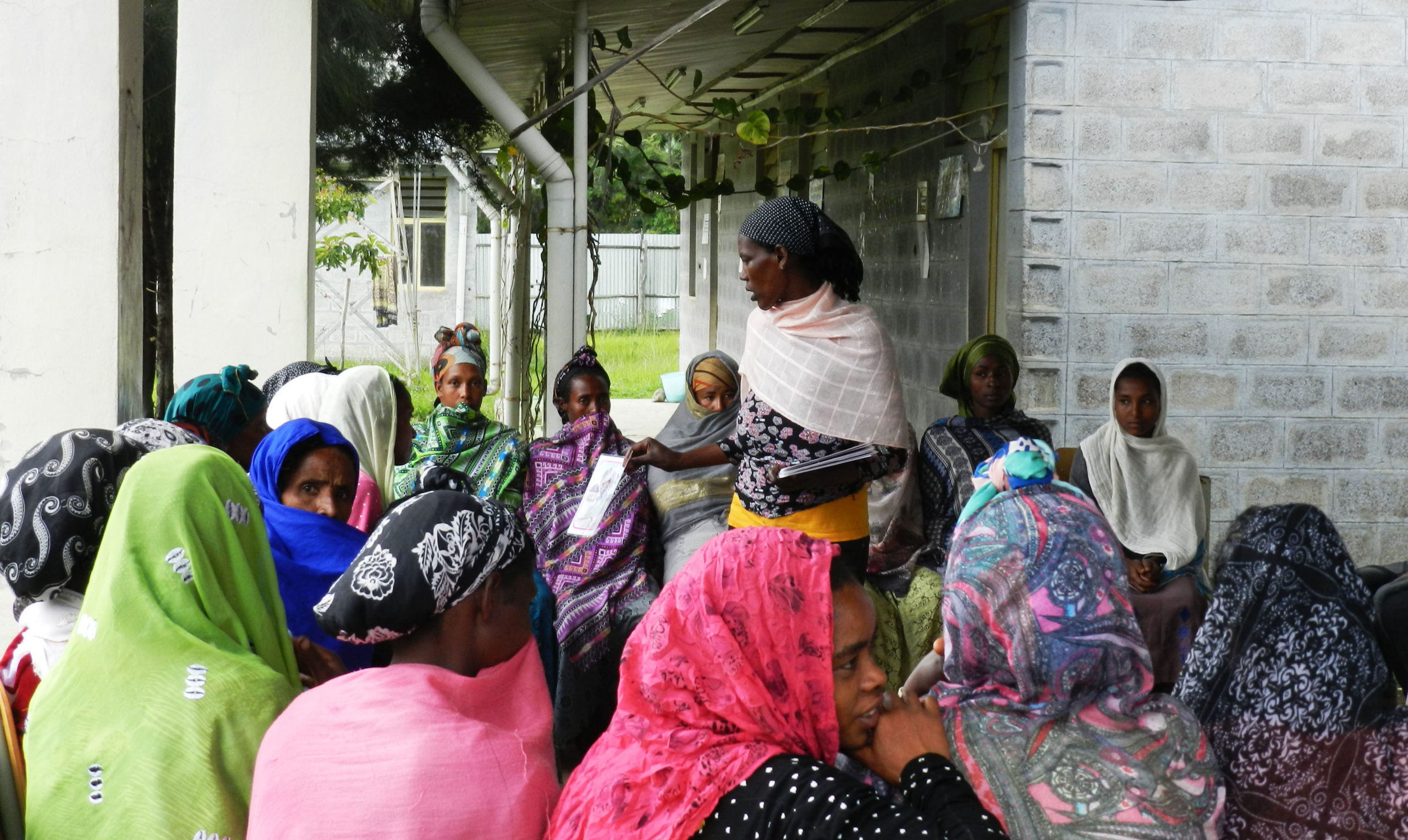
In the villages, in places where people usually gather, some stones have been painted, representing the themes learnt by community health workers during trainings. Each of these issues is dealt with during community meetings: good hygiene practices, the correct use of latrines, family planning, prenatal visits and much more.

“The most significant improvement we have recorded is the increase in assisted deliveries. Now practically all women give birth in a health facility. – continues Marta – This was possible thanks to the support received by Doctors with Africa CUAMM in the last two years. The “coffee ceremonies” have been the real turning point for the involvement of mothers and for a significant change in habits. These ceremonies are meetings organized by community health workers along with women in the community to discuss about maternal and child health and share their experience”.

Even from the testimony of Tigist, one of the mothers visited by the community workers, it emerges that a change of approach is taking place: “When the throes began, I asked for an ambulance, which was already occupied for another emergency and it couldn’t come. I took a taxi and went to Abobo health center, where I gave birth. My fifth daughter was born two weeks ago. Yes, they are all female. She is the first daughter I give birth in a health center and not at home, but the community health workers, by dint of insisting, convinced me. They came to my house practically every day to repeat the importance of care! I was happy, if I have other children I will go back”.

It is a team effort, one “with” the other, a daily commitment to increase people’s trust in health services.


A new ventilator for Schiavonia

After purchasing, at the peak of the Covid emergency, 4 ventilators for as many Italian hospitals (Schiavonia, Cremona, Carate-Brianza and Parma), Doctors with Africa CUAMM, thanks to the generosity of MSD and of other supporters, today donate a new multipurpose ventilator to the Schiavonia hospital, in the presence of the general manager of Aulss (Local Healthcare Unit) 6 Euganea, doctor Domenico Scibetta, and of Father Dante Carraro. It’s a useful tool for both ICUs and ORs. Very important to tackle the Covid-19 emergency in the Schiavonia reference Covid Hospital, it will also be useful for the future routine emergency work that a hospital does every day.

We would like to thank MSD for believing in this new challenge we offered them and helping us rise to it. It’s the strength of a good deed generating more good deeds, generosity bringing more generosity, sharing what we have with those in need. In this emergency Italy and Veneto have been in need and Cuamm has tried to respond as best as it could – Father Dante Carraro, director of Cuamm, said –. Doctors with Africa CUAMM was founded in Padua 70 years ago. From Veneto, the largest number of doctors and operators has been deployed, we’ve chosen to help once again the Schiavonia hospital for its proximity and to support this challenging Phase 2, directly helping a Covid Hospital.

The collaboration between Doctors with Africa CUAMM, and MSD started many years ago for the purpose of promoting the health of mothers and children worldwide. Together we’ve reached many objectives. In 2019 the collaboration continued with a project in Ethiopia, in the reference area of the San Luca hospital of Wolisso. “With the future in the heart” – the name of the project – has the objective of introducing innovative approaches to reduce mother and child deaths, in addition to supporting the hospital School for nurses and midwives.

The healthcare emergency we’re experiencing has allowed us to value even more the deep meaning of concepts such as care, solidarity, sharing, social responsibility and cooperation: these universal values are helping our Country to restart and continue looking at the future with optimism – Nicoletta Luppi, president & managing director of MSD Italia, claims –. As MSD, we’re committed to offering our help and our competences to keep being close to those people who need them more and to all those people who, with dedication and passion, fight on the front line. We’re doing it via a solidarity marathon thanks to which to date we’ve given donations worth a market value of more than two million Euros. The donation to the Schiavonia hospital, in collaboration with Doctors with Africa Cuamm, also goes in this direction. Doctors with Africa CUAMM, is a partner we’re proud of having on our side in the Wolisso project – launched as part of MSD for Mothers – and which has always proven to be engaged on the field with a long-term view, to positively affect the life of people, meet their healthcare needs and make the difference in their lives.

And the general manager of Aulss 6 Euganea, Domenico Scibetta, when thanking for the gift, also added:

This ventilator is a unique machine in Italy, it allows us to inject oxygen electronically rather than manually. It really makes the difference between life and death.

Now the biggest challenge, for CUAMM, remains Africa, where we’ve been engaged for 70 years, convinced that “health is a right, fighting for its respect is a duty”.


A RESOURCE OF INESTIMABLE VALUE

Never before this year of pandemic, have we realized the importance of water for the health system. We want to remember it today, on the World Water Day: we may take such resource for granted in our hospitals in Italy, where there is no problem of supply, but water becomes crucial in Africa where its scarcity is a daily challenge in addition to many other difficulties, as the threat of Covid-19.

“The health staff of the Princess Christian Maternity Hospital in Freetown, Sierra Leone, has to cope with water shortages everyday. Water is essential for preventing and controlling infections but also for the hospital’s routine activities, such as cleaning, childbirth assistance, surgical interventions and activities in hospital wards and clinics – says Claudia Caracciolo from Doctors with Africa CUAMM – ”. “CUAMM guarantees a constant supply of water to the hospital two or more times a week – continues Claudia – but the demand is so significant that the supply is not always sufficient and often the relatives of hospitalized patients have to bring a bucket of water for personal use”.

Even in Angola, where droughts are increasingly frequent and last long, water shortage affects health services but also the food security of the whole country.

“During the rainy season (November-April), it has rained a maximum of 4 times – says Marta Piccolo, area coordinator in Chiulo -. It was incredible to see the streets invaded by herds and shepherds, forced to move for hundreds km due to drought, in search of water. They’re coming back now because it started raining 2 weeks ago. “

In Chiulo, Doctors with Africa CUAMM signed several contracts with water suppliers to cover the needs of the hospital and the maternity waiting homes: 3 tanker trucks, which carry 22,000 litres of water a week. Now the goal is to try to ensure water supply to other health centers as well.

“In the Mucope area, out of 8 health centers, only 3 have access to safe water resources via a solar panel pump. Some are close to the river and the water is collected from there. Another one is located near a company that produces rice and that provides it with water when necessary. The municipal tanker truck that should supply the HC often does not arrive because it has no petrol or it is broken – says Marta -. CUAMM, supported by Manos Unidas and in collaboration with the municipal administration, will install tanks in the health centers where they are lacking to guarantee the supply of water ”.

World Water Day reminds us that water should not be taken for granted and encourages us to take action in order to make water increasingly available to those who need it most, so as not to endanger the lives of millions of people.


Mozambique and Coronavirus Three voices, three fronts of commitment

In Mozambique Covid-19 victims aren’t reported yet, but there are 41 confirmed cases out of a thousand tested suspects. Very low numbers for a country of thirty million inhabitants, whose capital city, Maputo, the most severely hit area at the moment, is not far from the border with South Africa: the most affected country to the south of the Sahara desert, with over 3,600 notified cases. With just one lab which can confirm virus positivity at a national level and the awareness that half the cases are asymptomatic, it’s highly likely that the numbers don’t represent the real circulation of the virus in the Country.

Doctors with Africa CUAMM has been working for over one month and a half in close collaboration with the Mozambique ministry of health, both at a national and provincial level, joining technical meetings to organize a response to coronavirus that puts prevention first, as Laura Nollino, endocrinologist who arrived in Mozambique one year ago to cure diabetes, explains:

«We have a time advantage that we have to use in the best way in order not to be overwhelmed by the epidemic. We’re trying to use it to look for containment measures of the virus and protection of the healthcare staff, who don’t have to get sick. Here, too, maybe more than in Italy, it’s difficult to find face masks and other simple but essential tools to prevent the spread. The minister of health has declared that there are 34 ventilators in the country, they’re important but we don’t believe that they’re the solution: there could be even more, but doctors who can use them would be missing. In the Country there’s less than one doctor every 10,000 inhabitants and I wouldn’t be able to use a ventilator, because I’m not a resuscitator specialist. That’s why prevention and training are the key to avoid a disaster».

Giovanna De Meneghi has been in Mozambique for two years, after living in post-Ebola Sierra Leone and as country manager she’s responsible for the coordination of project which are still active in the provinces of Tete, Sofala and Cabo Delgado, in addition to the support to the district healthcare activities of Maputo, Zambezia and Nampula. Like the other colleagues she works from home, limiting social contacts and outings:

«It’s very strange and a little tiresome. Last first of April the government declared, for the first time since the peace of 1992, the state of emergency: movements are limited and in public places, or when it’s not possible to assure the distance of one and a half metre, everyone must wear face masks aka mascaras caseiras of capulana made according to the indications of the WHO. One year ago we were in the middle of the management of the emergency linked to the cyclones Idai in Sofala and Kenneth in Cabo Delgado, which had destroyed houses, healthcare centers and hospitals, in addition to causing more than 600 dead people and many displaced people. Now we’re in the middle of a global emergency: there years are intense for Mozambique».

The state of emergency hasn’t currently resulted in a total lockdown of the activities, the same as in other African countries, which have imposed lockdowns on business activities as well. Edoardo Occa, anthropologist and manager of the community activities of Doctors withAfrica Cuamm, explains:

«An African city lives off informal, street economy. Preventing people from selling and meeting on the street is a problematic choice, which may have an immediate impact of economic revenues of many families who take life one day at a time».

In the communities a network of 500 operators

Edoardo Occa joins on behalf of Doctors with Africa CUAMM the technical meetings on the topic of community health:

«As CUAMM – he explains – we can count on a network of 500 operators who already work with us in their original communities to fight HIV and favour mother andchild health».

This precious network was created to spread awareness-raising messages on coronavirus, working in small groups to fulfil social distancing. The virus doesn’t just change social habits, but also the approach to the community. Occa continues:

«While before the operators went from home to home to meet people, today we’ve had to change strategy, to limit contacts.. We’ve made radio commercials which are broadcasted in seven different dialects, to reach everyone, and we’ve equipped our cars with loud speakers, driving around the districs of Beira, Tete or Quelimane spreading the  recommendations on Covid19. At Cabo Delgado a positive collaboration was established: the Islamic council of the city has allowed us to broadcast the messages on the loudspeakers of the minarets».

In addition to the fight against the fake news on the virus and the preparation of new replacement practices for the rituals linked to birth and death, many other habits need to be reviewed, in Mozambique like the rest of the world. For example we’re working, together with the ministry of health, on the creation of the position of the “epidemiological sentinel” – a community operator who will be a reference point for the village and will filter suspect cases and healthcare facilities, directing to the hospital only those people who are really at risk and following people at home, so that with the movements between villages and healthcare facilities the virus doesn’t spread excessively.

«Many of these operators are just volunteers – Edoardo Occa tells – and carry out these new jobs, which often expose them to risks, with an admirable spirit of service for the community. We have to convince people to change habits: it’s hard, for all. In many cases the virus will call into question consolidated power systems in the communities, but people are changing their habits and having many motivated and influential operators by our side for us is essential right now».

Italy seen from Mozambique

«Always thinking about the post-cyclone situation of one year ago – Giovanna De Meneghi tells – it comes to my mind how Italy promptly helped us, sending aid and economic support. Now, at least as concerns family and friends, we have to help to understand how to move, how to live in a state of emergency. As NGO workers we’re more used to situations of this kind: uncertainty and suspension in fragile settings are frequent. Now everyone worldwide has to get used to a new normality».

«As a doctor – Laura Nollino admits – when the epidemic in Italy was at its peak I seriously thought to return to Italy, to make myself useful. This emergency has affected us all: our families are often in Lombardy and Veneto, it wasn’t easy to decide to stay. Then I understood that it would have been equally useful to remain here, to prepare to a wave which could arrive. And then the virus is not the only problem: we’ve redesigned the projects to also tackle the virus, my specialization was diabetes and patients continue to need cures, like HIV-positive people, or pregnant women who must deliver at the hospital. It’s also right to remain for them, in addition to the healthcare staff we work with, they are essential and we have to train them and protect them from the virus as much as possible».

CUAMM and Caritas Pro Vitae Gradu Charitable Trust

Nowadays, maternal mortality is still unacceptably high. About 295 000 women died during and following pregnancy and childbirth in 2017. The vast majority of these deaths (94%) occurred in low-resource settings, and most could have been prevented. Access to quality health services for mothers and children in Sub-Saharan Africa is still a major challenge.
Doctors with Africa CUAMM, thanks to the support of Caritas Pro Vitae Gradu Charitable Trust, is working every day to ensure mothers and children in Angola and Ethiopia are not left behind.
In Angola, Caritas Pro Vitae Gradu Charitable Trust is working with CUAMM to support to Chiulo Catholic Hospital, in Cunene Province. With its 234 beds, the Hospital of Chiulo, located in the comuna of Mucope, is a private not for profit (PNFP) health facilities owned by the Dioceses of Ombadja and is the referral health facility for the entire Municipality (about 306.550 people, 61.300 children <5, 15.300 expected pregnant women, about 2.300 expected major direct obstetric complications).

CUAMM’s program focuses on increasing access to quality maternal, newborn child and nutritional services in its catchment areas, with a specific focus on emergency obstetric care.

In Ethiopia, CUAMM and Caritas Pro Vitae Gradu Charitable Trust are working together to empower women in rural communities to improve access to basic healthcare services South Omo zone, an area where the population is semi-nomadic and neonatal, infant, and under-5 mortality rates are above national average. The specific project objective is to increase demand and access to quality maternal, neonatal and child health services empowering and raising awareness of women living in rural areas.

Finally, in light of the current COVID19 emergency, Caritas Pro Vitae Gradu Charitable Trust is also supporting CUAMM to manage preparedness and response plans in Cuamm’s countries in Sub Saharan Africa in order to stop further transmission of the virus and specifically mitigate the impact of the outbreak. More specifically, through the foundation support, CUAMM secured international stocks of PPE materials and healthcare equipment to protect health personnel enabling them to provide the best care possible to patients.