Training to care building competencies in South Sudan

South Sudan, the world’s youngest country and one of the poorest in Sub-Saharan Africa, currently has a population of 12 million, the majority of whom are in need of humanitarian aid. According to the World Bank, the country ranks 192nd out of 193 in terms of human development.
The health situation in South Sudan is dire: 1,223 women die in childbirth for every 100,000 live births—shocking figures that are direct consequence of an extremely fragile national health system where the number of qualified healthcare professionals is highly insufficient.

Doctors with Africa CUAMM’s decision to invest in the training of local health personnel in such a fragile country is therefore a crucial step toward initiating real and sustainable progress in the healthcare system.
Today, we support two nursing and midwifery schools in two different states: Lakes State, home to the Rumbek Health Institute and Western Equatoria, where the Lui Midwifery School is located.

Rumbek Health Institute

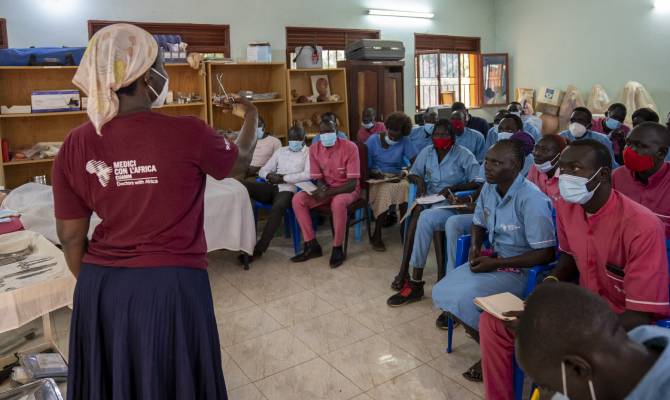
Active at the State Hospital of Rumbek since 2017, Doctors with Africa CUAMM extended its support to the attached Institute of Health Sciences in the 2020/2021 academic year, particularly in the midwifery and nursing programs.

Each year, CUAMM’s support includes:

  • Food and accommodation for students in need
  • Purchase of teaching and stationery materials for nursing and midwifery courses
  • Financial support for the annual salary of tutors and the academic director
  • Provision of fuel to ensure electricity for the school
  • Supply of medical materials for practical lessons and simulations

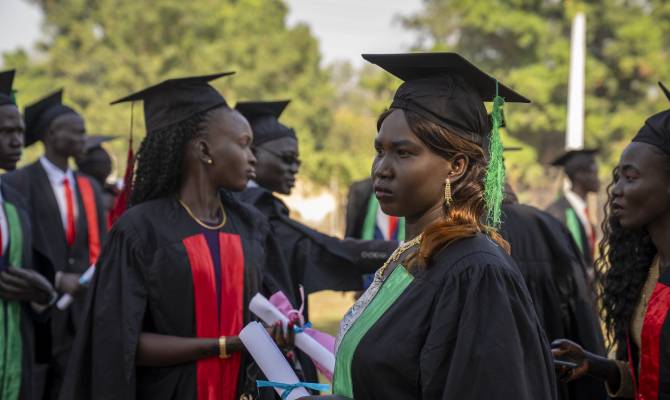
Since this initiative began, about fifty students graduate each year from the Rumbek Institute of Health Sciences. These young men and women, equipped with a diploma and vocational training, will be able to work on the front lines to improve the health services and systems of their country, becoming agents of change themselves.

“Mine is not just a profession: being a midwife means welcoming life into your hands and always being at the service of women, to promote their well-being. In our culture, there are taboos to overcome — giving birth in a hospital is one of them. Today, I support women in the delicate moment of childbirth, but ensuring their health every day, in every stage of life, remains my mission.” Martha Mochmetin, midwife graduated from the Institute of Health Sciences in Rumbek.

The institute is located in Rumbek Centre County, in the town of Rumbek, the capital of Lakes State. The adjacent hospital, where students carry out their practical training, is a key referral center in the area. In 2023 alone, over 14,300 patients were admitted to the Pediatrics and Maternity wards (8,918 in Pediatrics, 5,399 in Maternity), 3,414 births were attended (including 120 cesarean sections), and 17,690 outpatient visits were provided at the OPD.

Lui Midwifery School

The Lui Midwifery School is located in Mundri East County, Western Equatoria.
Supported by CUAMM since 2014, the school is attached to the Lui Hospital, a facility serving a population of around 170,000 people.

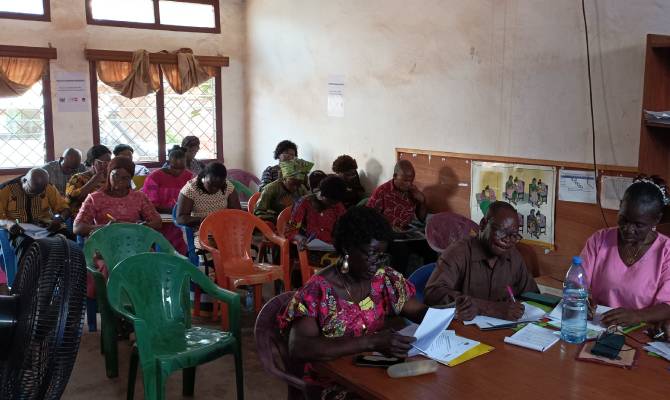
Students attend theoretical classes, study in the library, and carry out practical activities in the hospital wards under the constant guidance of two tutors and the headmistress—personnel specifically recruited by CUAMM to ensure the proper implementation of the ministry’s curriculum.
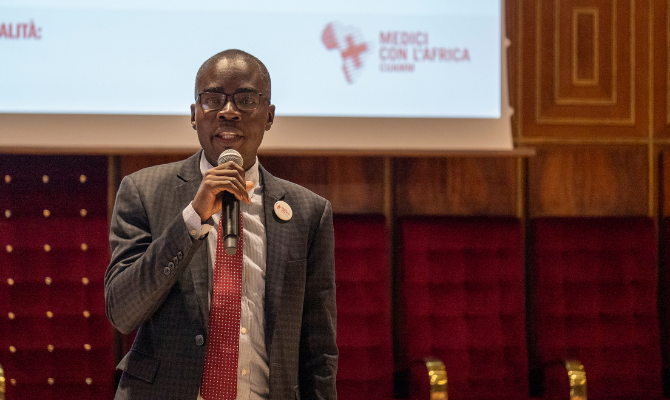
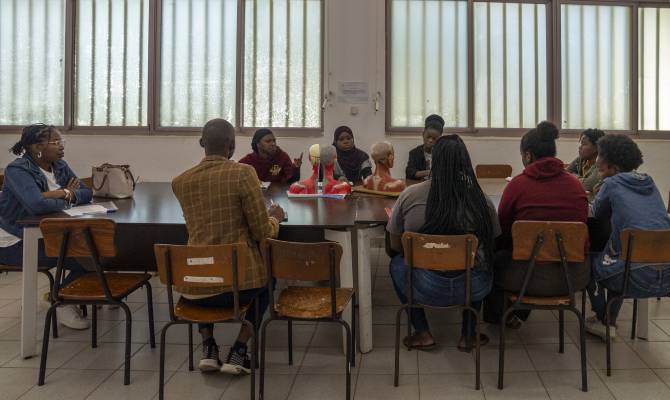
“Having the opportunity to do clinical practice in a hospital is a real privilege for students. Everything we see in class and read in textbooks can be applied in real situations—whether by observing clinical procedures or by taking part directly.” Judith Abwol, midwife and tutor at the Lui Midwifery School.

The fact that the Lui School is linked to a functioning hospital offers students an ideal environment for continuous learning—something far from common in South Sudan. In addition to practicing in this hospital, students can also gain field experience in peripheral health units and within local communities.

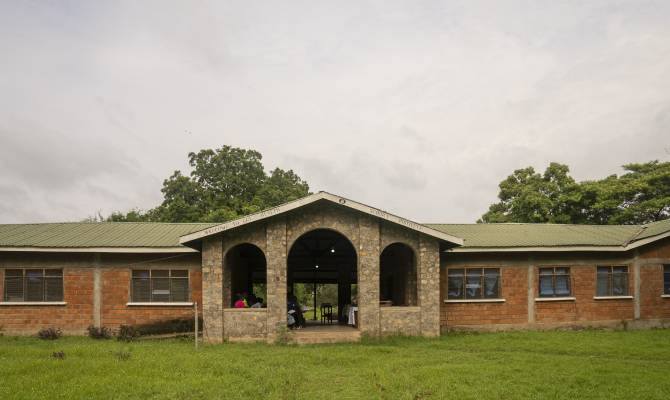
The school includes several buildings: a classroom facility, a dining hall with kitchens, two dormitories, two staff houses, a services area, and a recreational space. The ability for students to live on campus allows many of them to attend classes and continue their studies without major logistical difficulties. CUAMM’s support covers essential living expenses, as well as hygiene kits, school supplies, and all the materials needed for lessons: from mannequins to consumables, from textbooks to whiteboards.


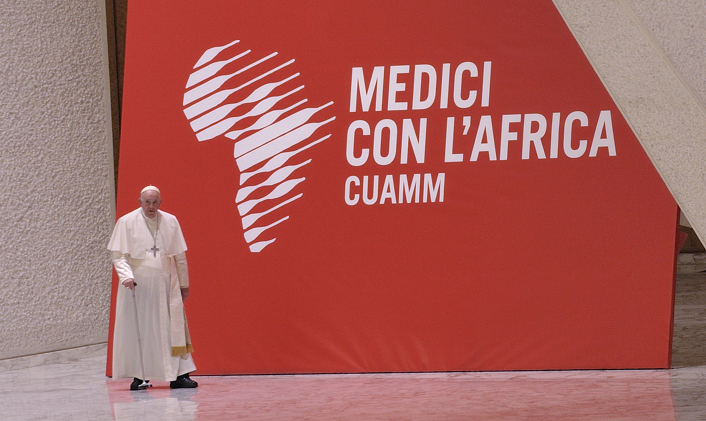
Thank You Pope Francis

«Pope Francis has left us, and the emptiness and sorrow are deep. Until the very end – even as recently as yesterday – he continued to be present. With his people. With his Urbi et Orbi blessing, he wanted to give one final sign of love for our world, so torn apart by wars and yet so beloved and dear to him. We feel an emptiness because we feel we have lost a father – a gentle and firm guide, clear-minded and courageous, a protective presence who walked with us on our journey. A gift. A gift who, until the end, chose to stand with the poor – near and far – and with Africa in particular. He visited some of its most fragile countries, such as the Democratic Republic of Congo, the Central African Republic, and South Sudan. He chose to be with them, with these people. And we felt him close. He was a great help, a great source of hope for all of us at CUAMM Doctors with Africa. He loved that continent – so rich, so beautiful, so full of potential. And he loved it also because it is a continent full of colour, hardship, and humiliation. In today’s world – a world where arrogance, abuse of power, selfish interests, and the humiliation of the poor seem to prevail – Pope Francis never stopped living out solidarity, closeness, and the defense and respect of the most vulnerable. A great gift. That is why our gratitude is so strong. Gratitude to the Good Father who gave him to us. He gave him to a Church that is bruised and weary, yet radiant in its bold declaration that the kingdom we want to build is one of brotherhood and solidarity. He was a simple man for simple people – a man who opposed all injustice and inequality until the very end. With his life, he proclaimed the Gospel of liberation, of dignity, and of hope for every creature, especially the most fragile. Thank you, Pope Francis».

Don Dante Carraro, Director of CUAMM Doctors with Africa

Making the difference in research and field work

Building lasting change from the ground up. One step at a time by working every day alongside the people most in need, without ever losing sight of the importance of dialogue with institutions. This is what Jerry Ictho, doctor and technical advisor at CUAMM Uganda, has learned to do over nearly ten years of collaboration with the Organization.

This year, in April, Jerry came to Italy as lecturer at the training course Implementation Research: three days dedicated to deepening the themes of operational research in the Global South. That’s Jerry’s expertise and his main job at CUAMM. Before joining Doctors with Africa CUAMM, he spent six years working in the national health system, deployed in the rural district of Zombo, in West Nile. Then he met CUAMM and that was an encounter which he describes as a calling: “It’s a mission that deeply touched my heart.”
The opportunity to combine clinical practice, research, and prevention into one strategy for building change convinced him to join the team.

“Our work is always moved by evidence, context analysis, and research,” he explains. “It is an integrated and differentiated approach that allows us to connect the dots and achieve quality results, even where others might get stuck. For us,” he adds, “this is the key tool to bring about structural improvement. It allows us to merge consistent and effective fieldwork with scientific research, in ongoing collaboration with universities. That’s what makes the difference.”

Not only with universities: working side by side with the local health system is also essential to improve the quality of the work being done.

“We’re not here just to provide treatment, but to build something that will last.” Working in remote areas is an essential part of this vision. Yet doctors often prefer to stay in cities, where the standard of living is higher. But with CUAMM, you’re encouraged to get to the hardest-to-reach areas. We work from the ground up: we want to be where the need is greatest.”

A choice that entails complex challenges. Among them, the recent Mpox outbreak, and malaria, which remains widespread. Also, increased rates of malnutrition resulting from the climate crisis, which brings alternating periods of extreme drought and severe flooding — threating agriculture.

And while prevention is key to success in healthcare, putting it into practice ain’t always easy. In refugee camps for example ensuring preventing measure to tackle epidemic outbreak remains a challenge and Uganda is currently the country hosting the largest refugee population in Africa and the 6th largest in the world.

 “The doors of our country are open to those in need: in recent times we’ve welcomed many South Sudanese, Congolese… but their living conditions are dare and funds are too often unsufficient”.

The situation has recently been compounded by the aid cut of USAID, which severely affected humanitarian projects in Uganda.

“We had to stop activities, let people go, suspend programs. It was a shock. Politically, the issue is more complex — some believe that this new situation may push the system to reorganize, to make better use of available resources and reduce corruption. But we were absolutely not prepared to do that. The Minister of Health presented the revised budget in light of these cuts, and the numbers are staggering. The impact has been, and continues to be, devastating.”

Despite the difficulties, Jerry doesn’t lose hope.

“With CUAMM, we walk together and find solutions together. In times of difficulty, I remind myself: if you have the chance to make a difference for your country, why wouldn’t you?”

A classroom to disrupt HIV stigma

“Studying medicine is a social responsibility to these students. In that sense, The Catholic University of Mozambique – UCM supports them throughout their academic career both professionally and personally. One day, they won’t just be the health professionals of Mozambique but also responsible citizens, active members of their community.”

Francesco Segala – infectious disease specialist, arrived in Beira in November. He serves as coordinator for relations between CUAMM and UCM. In recent months, upon request from UCM’s pedagogical board, Francesco took charge of the infectious diseases module, working in the classroom with third-year students and supporting them as a tutor.

It was an opportunity to understand how the educational structure functions, how practical activities are defined, but above all, to build relationships with the students.

“As tutors and professors, we have a duty to nurture in them a sense of responsibility that will be essential in their medical profession,” says Francesco. “It’s truly a joy when you realize you’ve succeeded.”

Francesco truly did succeed, in his own way. He realized this a few weeks ago when he engaged his class in a focus group on the issue of HIV-related stigma.

“It’s extremely important to talk about it, because stigma ends up compromising the social aspects of everyone’s life, with serious consequences for the mental health of those living with the virus,” explains Francesco. He continues: “I started by sharing my own experience, and admitting that, without really realizing it, I too was influenced by stigma for a long time. It’s a fact that an HIV test is scarier than a complete blood count (CBC) which is considered “just a blood test” — but why?”

Mozambique is one of the countries with the highest number of people living with HIV. According to UNAIDS data (2025), there are about 2.4 million people, of which 2 million are on antiretroviral therapy.

“Knowing your HIV status is essential in order to live with the virus and prevent transmission. Moreover, antiretroviral therapy is simple: you just have to take one pill a day. That’s enough to reduce the viral load to zero, with adherence to treatment over time.”

And yet, the fear of the virus is real, especially among young people. Francesco tackled it in a university classroom, creating a safe space for his students.

“The class already knew about HIV from a clinical standpoint — they had studied it in lectures,” Francesco explains. “They didn’t need me to tell them how the virus is transmitted or how the therapy works. What I hoped to do — and what we managed to achieve together — was to create a open debate like a confession. In that way, we were able to see that the stigma was right there, among us.  Despite it being difficult, we now know that overcoming the taboo and disrupting the stigma is possible through awareness”.

Maternal and newborn health on air

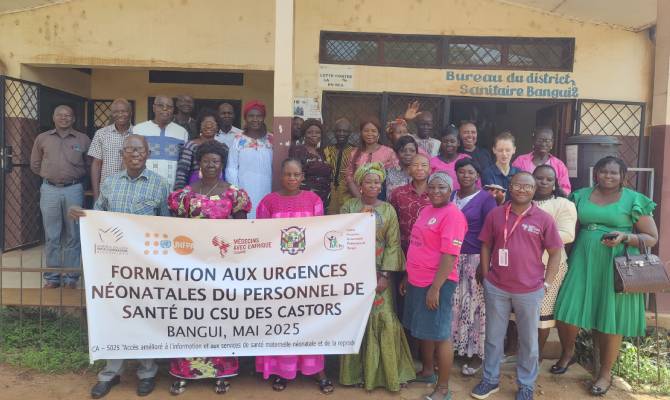
Two female voices in dialogue featured in a radio spot about maternal health – this is the initiative promoted by Doctors with Africa CUAMM in collaboration with Action Against Hunger in the Central African capital on the occasion of World Health Day.

A simple yet effective way to deliver an important message to every mother everywhere: Prenatal visits are essential to ensure the well-being of both the mother and the future baby! As one of the voices in the spot says, speaking to a young expectant mother, reminding her of the importance of prenatal visits and access to a safe, assisted delivery in a proper healthcare facility.

With this message, we wanted to celebrate World Health Day, which this year the World Health Organization (WHO) dedicated to maternal and child health under the theme “A healthy start, a future full of hope.” The spot was broadcast in French and Sango, the local language spoken by most of the population, especially in the suburban areas.

Through the collaboration with the local broadcaster Radio Ndeke Luka, the information activities continued in the following days with the airing of a prize-based quiz. The “Mandako” quiz, broadcast daily from April 7 to 11, asked listeners a series of questions on topics such as pregnancy, childbirth, weaning, and newborn health. The 40 participants took part in the radio game and then received a kit as a prize, which included essential personal hygiene and baby care items.

One of the quiz participants picks up the prize kit.

As part of the celebration, discussion groups were organized at the Bangui Pediatric Hospital (CHUPB). Activists, representatives from the hygiene office, and the person responsible for information, education, and communication activities delivered key messages with the support of a facilitator from Action Against Hunger.

The initiative is part of a project carried out by Doctors with Africa CUAMM and the NGO Action Against Hunger, with financial support from the European Union.

Powering Progress: the energy-food-health nexus for sustainable development

Today, hosted at Palazzo Borromeo in Rome, we met with partners, institutions, civil society representatives and the private sector, as well as religious organizations, on the occasion of “Powering Progress: the energy-food-health nexus for sustainable development”.

The event gave us the opportunity to delve into the connection between sustainable energy, nutrition, and health, with particular attention to the most fragile contexts—those where Doctors with Africa CUAMM works every day.

The Italian Ambassador to the Holy See, Francesco di Nitto opened the meeting welcoming both speakers and guests to then leave the floor to the opening remarks by father Dante Carraro – CUAMM Director General; Carlos Alberto Saraiva de Cravalho Fonseca – Ambassador of Angola to the Holy See; Mons. Fortunatus Nwachukwu – Secretary at Dicastery for Evangelization and Alessandra Fidanza – Ministry of Environment and Energy Security.

An introduction that provided participants with a comprehensive overview on the topic spanning from the needs of underserved communities to the importance of bilateral collaboration for mutual development to the ongoing programs promoted by the Italian government.

“I wish to express my gratitude to organizations like CUAMM for the support provided to those most in need—people who suffer due to conflicts, poverty, and human-made hardships. What you do is in perfect harmony with the call of our Holy Father to preserve and protect our common home—the world—for the good of all. Through this, we are also promoting integral human development.” Fortunatus Nwachukwu – Secretary at Dicastery for Evangelization.

“With regards to bilateral cooperation and international cooperation in sub-Saharan Africa, the Ministry of Environment and Energy Security is engaged in the application of the Mattei Plan specifically in the implementation of selected projects on energy and climate that could benefit African countries while also pursuing the implementation of 2030 Agenda” Alessandra Fidanza – Ministry of Environment and Energy Security.

Alessandra Fidanza - Ministry of Environment and Energy Security.

“With the implementation of this project dedicated to facilitating access to clean energy for people in rural areas, we have the opportunity to also promote health practices, which are at the core of our mission. We are doing this by adopting a new approach that also takes into account other health-related aspects, which are equally important for achieving sustainable development.” Father Dante Carraro – CUAMM Director General.

Also a contribution to the event was offered by Domenico Giani, President of Eni Foundation who greeted the participants with a brief speech.

“We must commit ourselves to building a sustainable model—one that, to truly be sustainable, must be able to hold together social justice, respect for creation, and human dignity. As President of the Eni Foundation and of the Confederation of the Misericordia of Italy, I experience every day the dedication of different realities united by a shared sense of responsibility—an effort that is expressed through concrete closeness to people, the nurturing of relationships, and the patient construction of paths of cooperation. In these complex times, it is essential to listen, to build networks, and to create bridges in order to face global challenges and turn them into opportunities for shared growth”. Domenico Giani, President of Eni Foundation

Before moving into the technical panel, a keynote speech by Andrea Marsianich – Head of Carbon Offset Solutions at Eni – provided participants with a detailed overview of the company’s strategy for promoting clean energy solutions, of which Clean Cooking is a key component.

“Our approach to Africa and communities we work with has always been based on collaboration and I like the fact that your name si Doctors with Africa cause “with” is the most important word. As a company, over the years we have also given great attention to cooperating with local institutions, local companies and communities because we want our present to be based on respect, value creation and development of local competencies” Andrea Marsianich – Head of Carbon Offset Solutions, Eni.


The subsequent technical panel brought together partners such as AVSI, Eni and Solar Barrel to delve deeper into the collaboration opportunities between private sector and civil society for sustainable development in underserved and vulnerable countries.

The conversation highlighted the urgent need for scalable clean cooking technologies and the importance of integrating health-related activities into these efforts. Moreover, the dialogue emphasized the value of engaging faith-based and non-governmental organizations to facilitate community acceptance and promote community ownership, which are key for achieving effective and sustainable results.

“The Clean Cooking project, like other initiatives, is closely aligned with the company’s commitment to working with communities and employees by transferring knowledge and skills. Moreover, we took the opportunity to design the project from a health perspective as well, recognizing the strong connection between energy and health. By doing so, we can offer something more—aligned with our values, mission, and the SDGs.” Simone Mortara, Head of Global Health Competence Center, Eni

“For achieving effective cooperation, we have to look at the human integral development. In that sense the improved cookstove is just a tool that might enable us to design a project for the benefit of communities. That said, I have to highlight the importance of establishing collaborative partnership, as the one we have with Eni” Alessandro Galimberti, Head of Climate Change, Environment and Energy Unit and Corporate Riskm Manager at AVSI

“Sharing best practices, expertise, and knowledge is key to serving a greater purpose—and that’s something we aim to do by transferring our know-how to communities and partnering with the third sector.” Matteo Villa, CEO of Solar Barrel

The dialogue went on with our contribution from Angola—a country where we have been working since 1997 and where we are currently implementing health activities integrated into the clean cooking strategy in rural and semi-urban communities in the northern province of Uíge. Here, we aim to reach around 200,000 households in the most remote areas of a forgotten province, where access to health services is severely limited due also to the long distances to health centers and hospitals.

“As Doctors with Africa, we have soon recognized improved cookstoves as a tool to enter into communities and engage them into wider activities related but not limited to cooking methods. We are talking about the health component which is our expertise. For an effective results, we must not forget community acceptability” Veronica Censi, CUAMM Partnership and Advocacy Manager

To conclude the meeting, emphasis was placed on the key role of faith-based organizations and NGOs which have the potential to facilitate bottom-up change, as they can bridge the technological value brought by the private sector—through partnerships—with their deep knowledge of local contexts. A role to which we remain committed.


Integrating clean cooking and health and nutrition strategies

Household air pollution (HAP) resulting mainly from biomass fuels used in cooking is linked to negative health impacts and premature death, affecting nearly half of the global population-especially in low-income, resource-limited communities.

The World Health Organization (WHO) identified HAP as a major environmental health risk, responsible for 7.7% of global deaths in 2016. Women and children in these communities are the most affected, accounting for 60% of all HAP-related deaths.

Currently, 970 million people in Africa lack access to sustainable cooking solutions, and Angola mirrors this challenge, with only 50% of the population having access to clean cooking. In Uíge Province, this rate drops to 25%, and the continued reliance on wood and charcoal for cooking exacerbates deforestation, pollution, and health risks. Ensuring access to clean cooking in sub-Saharan Africa by transitioning from traditional to improved cookstoves (ICS) is also recognized as a key step towards SDGs, including those related to:

  • environmental sustainability (13),
  • sustainable cities and communities (11),
  • clean energy (7),
  • gender equality (5),
  • poverty reduction (1),
  • health (3).

Through the distribution of ICS units, the project aims to integrating health and nutrition promotion activities, and strengthen the local health system. Furthermore, the adoption of improved cooking methods will generate high-quality carbon credits in compliance with the Gold Standard for voluntary carbon offset projects contributing to Eni’s decarbonization goals of achieving net-zero carbon emissions by 2050.

To address the issue the Clean Cooking project implemented in in collaboration with the Salesians of Don Bosco, Eni and the Government of Angola promotes sustainable cooking in rural and peri-urban areas of Uige province, northern Angola, by replacing traditional stoves with improved cookstoves (ICS). The project, launched in April 2024, aims to distribute 200.000 ICS units in the target areas by 2028, reaching approximately 1 million people. The project also integrates health and behavioral change interventions, enhancing its overall impact and sustainability.

The health component aims to raise awareness about basic nutrition and hygiene and is being implemented across 16 municipalities in Uíge province. Simultaneously, a Social and Behavior Change (SBC) strategy using the “Familia Modelo” methodology is being employed to improve domestic hygiene behaviors and reduce the prevalence of malnutrition, malaria and infectious diseases at the household level. Trained Community Health Workers (CHWs) are in charge of engaging families in behavior promotion and assist them in building practical hygiene devices. The intervention targets 3 selected municipalities namely Damba Quitexe and Songo through training, community engagement, baseline data collection, monthly behavior promotion, and quarterly monitoring.

Furthermore, the project’s strategy also entails a “Health Plus” component. Its main goal is to promote safer, healthier cooking methods through the distribution of improved cook stoves, while addressing community awareness, health worker skill development, and access to health services. The component focuses on managing malnutrition through prevention, community screening, and care for Moderate and Severe Acute Malnutrition (MAM and SAM), aiming to reduce Global Acute Malnutrition (GAM) in the region.

To strengthen the provision of healthcare services to the population and ensure adeguate support throughout the level of care, Therapeutic Program for Patients with Malnutrition in the Outpatient Clinic (PTPAs) are planned to be established in health centers for the treatment of Moderate Acute Malnutrition (MAM) and Severe Acute Malnutrition (SAM) without complications, while health staff will be trained on proper screening and referral protocols. Simultaneously, Special Nutrition Units (UENs) will be set up in three hospitals to manage complicated SAM, supported by child-friendly spaces and open kitchens for nutrition education. The project also supports local authorities through training and joint health facility supervision. The goal is to build local capacity for sustainable malnutrition treatment and prevention.

Renovated spaces and colorful paintings at Pujehun hospital

A functional and beautiful place is also a place where better care can be provided. If that place happens to be the pediatric ward of a small hospital in Sierra Leone, where dozens of patients are admitted every day, then perhaps some paintings and a bit of color can make a hospitalization less frightening.

For the past eight months, the Pujheun hospital has been the place where Annachiara and Andrea spend most of their time. She is a CUAMM pediatrician, he is a volunteer physiotherapist. They arrive at the hospital early in the morning and leave when the daylight is over. This facility is a reference center for the area. Last year alone, 1,869 children were admitted to the pediatric ward which also includes a neonatal unit and a malnutrition unit.

Moving between the beds in the ward, Annachiara and Andrea witness the daily suffering of hospitalized children, the worry of their mothers, and the difficulty of the medical staff in working to the best of their ability in a context where resources are far from sufficient. Despite the high number of patients admitted, the hospital is constantly and overwhelmingly understaffed. Annachiara and Andrea, together with a nurse and a medical intern, are part of the CUAMM team that works alongside the local staff: just one medical technician and three nurses.

“We do what we can with what we have, but the staff is limited and the space is too. To manage to admit everyone to the ward, we were forced to place up to three children in a single bed. Apart from being impractical, this overcrowding was also dangerous for the patients themselves,” says Annachiara Zin, Cuamm pediatrician.

The Pujheun hospital hosts a large number of malnourished children. Most are under five years old and do not receive the proper intake of proteins, minerals, vitamins, and energy during their growth phase. Many arrive at the hospital in critical condition, either because of the distance from the facility or because the mothers do not recognize the warning signs.

“Malnutrition also leads to immunodeficiency,” explains Annachiara. “It means the immune system of these children is extremely weak, and any infection can cost them their lives. This is why it’s crucial to ensure proper care spaces.”

The need for better care spaces is what motivated the reorganization of the pediatric ward at Pujheun, a project led by CUAMM that Annachiara and Andrea, together with Maria—a volunteer nurse— contributed in making happen by working on it with patience and determination. They were supported by both CUAMM team on the field, many friends and family members and CUAMM donors who wanted to contribute to the project.

“We knew the pediatric ward’s conditions weren’t ideal even before we left, and in agreement with Cuamm, we had planned this reorganization,” explains Andrea Pasinato, physiotherapist. “After a few months in the ward, we understood what interventions were needed and started with the floor plans”.

Today, the ward is a different place. What was once a large overcrowded room is now a spacious area divided into two sections: one for emergencies and another for less severe admissions. There are enough beds, each with its own mosquito net, essential in a place with high malaria rates. The mothers have lockers to store the bags they bring to the hospital, unaware of how long they will be away from home. The plumbing has also been fixed to ensure running water in the ward. This new division allows the staff to provide the right care to each patient and move around more easily in a well-organized space. The walls also look different: the faded yellow has been replaced with colorful paintings depicting jellyfish, monkeys, and birds. A project commissioned to local artists, which isn’t just an aesthetic touch but a way to promote sensory stimulation for the malnourished young patients.

“In a few months, we will leave, but we like to think that the effort we put into reorganizing this ward will serve as both a new starting point for the doctors to come and as a gesture of care toward the young patients and their families,” says Annachiara Zin, Cuamm pediatrician.

Malnutrition when adherence to treatment is lifesaving

According to the latest data by UNICEF, WHO and World Bank 30% of under-five children in Tanzania suffers from severe malnutrition, 3,3% from acute malnutrition. Patricia is one of them. She was admitted to Dodoma Regional Referral Hospital a few months ago and treated by CUAMM’s team. Dodoma is one of the regions with the highest prevalence of malnutrition in the Country reaching 40%, Doctors with Africa CUAMM has been working here since 2022.

Patricia is two and a half years old and comes from the village of Chiwondo, in the Chamwino district. Her aunt took her to the hospital as her mother stayed home to look after her baby. After a couple of weeks at the malnutrition unit, she was discharged. Once she returned home, she was supposed to take Plumpynut a few times a day for several weeks, to aid in her nutritional rehabilitation. Plumpynut is a vital therapeutic food made of peanut paste enriched with proteins and minerals. Patricia’s family was supposed to collect the necessary Plumpynut to help her recover fully at Dabalo health center, near their village where CUAMM works. However, something went wrong, and Patricia never received it.

Fortunately, another aunt of Patricia, went to visit the family and immediately noticed that the little girl wasn’t well. She decided to take Patricia to the Dabalo health center, where she was diagnosed with severe acute malnutrition (SAM) and admitted for treatment. Patricia’s aunt quickly realized that medical attention was necessary to save her niece. For some time, Patricia’s aunt has been attending the Village Health and Nutrition Days (VHND), community health and nutrition days that include activities to raise awareness about child malnutrition. On those occasions CUAMM provides community’s members useful information on how to recognize a case of malnutrition, where to seek help, and how to handle the necessary treatments at home.

It is also thanks to these moments that Patricia is now much better. After receiving care at the Dabalo health center, the little girl returned home and completed her treatment with Plumpynut.

Patricia and her mother at home in the village of Chiwondo

Many factors contribute to malnutrition. Therefore, an integrated and multisectoral approach is necessary to address this emergency in a sustainable way. CUAMM is committed to implementing the “Diverse Food Systems: Improving nutrition through support for a diversified and sustainable food system” project in Dodoma, with the support of the Italian Agency for Development Cooperation and the Zanetti Foundation.

The Tanzanian government is supported in implementing national strategic plans for nutrition, with the aim of contributing to improving the quality of services in the Dodoma area, particularly for managing cases of severe acute malnutrition (SAM). Additionally, the integration of early childhood development (ECD) is promoted, with the goal of contributing to the physical and cognitive development of children by encouraging interaction with the community and play, even through the creation of toys made from local materials.


Improving access to safe water, sanitation and hygiene

Access to clean water is a basic human right, yet it remains a privilege for the few. In 2022, 2.2 billion people still lacked access to safely managed drinking water services, while 3.5 billion people were deprived of access to safely managed sanitation.

Universal access to clean water is closely related to hygiene and sanitation services, known as WASH. Inadequate access to WASH services is responsible for as much as 10% of the global burden of disease, contributing to 1.6 million preventable deaths each year, including 60% of all deaths due to diarrheal diseases. In 2022, 3.5 billion people still lacked safely managed sanitation.

Goal 6 of the UN 2030 Agenda for Sustainable Development aims precisely at ensuring universal access to safe drinking water and sanitation. The accomplishment of this goal is a necessary condition for achieving the other SDGs related to poverty, health, education, gender equality and environment. The most vulnerable regions in terms of water availability and access are often located in areas under severe environmental stress and difficult economic and political conditions, where consequently also access to safely managed WASH services in both households and key community facilities, such as health facilities and schools, is very limited.

Over the years CUAMM has implemented numerous WASH projects across several African countries, particularly in Mozambique, Angola and Uganda among others with the key objective of improving access to clean water, sanitation and promoting adoption of desired hygiene and sanitation practices to curb morbidity and mortality due to preventable environmental factors. Our approach is comprehensive and includes a multi-pronged approach that includes infrastructure
development, community-based behavioral change
and health prevention and promotion interventions, hygiene and sanitation in healthcare facilities and outbreak prevention and response.

CUAMM places a strong emphasis on improving water, sanitation and hygiene practices (WASH) at community, household, and individual levels. We achieve this by integrating WASH messaging and education within our community-based health promotion and mobilization campaigns through the Social and Behaviour Change (SBC) strategy.

In Cunene province, Angola, thanks to the commitment of the agents from the GAS groups – Grupo de Água e Saneamento (water management groups in English), communities are being sensitized and informed about the correct use of wells to ensure good hygiene and sanitation practices and prevent waste. In addition,  GAS is also responsible for collecting a “symbolic” monthly payment from the households using the water point, to manage maintenance but also to increase ownership.
The intervention has been implemented following a
Community Management Model, actively involving all members throughout the process and making agents of change themselves. The activity is part of the project “Reducing nutritional vulnerability in the municipalities of Cahama and Ombadja through community surveillance and increasing access to safe water sources”, supported by Camões I.P. under the FRESAN Programme in partnership with the Municipal Administrations and the Municipal Directorates of Energy and Water and the Health.

In Mozambique, the “Familia Modelo” program has provided a platform for CUAMM to engage with community members, including parents and caregivers on WASH-related topics. By empowering families to become role models and champions of good WASH practices, CUAMM has created a multiplier effect, where the impact of school-based interventions is amplified through the active participation and support of the broader community.

Similarly, the “Smart Home” program in Uganda focuses on educating families on the importance of proper handwashing, safe water storage, and maintaining a cleaner living environment. By linking community-based WASH interventions with this household-level program, CUAMM ensures that knowledge and skills are applied at home, creating a more comprehensive and sustainable approach.