UCM and CUAMM 30 years of cooperation

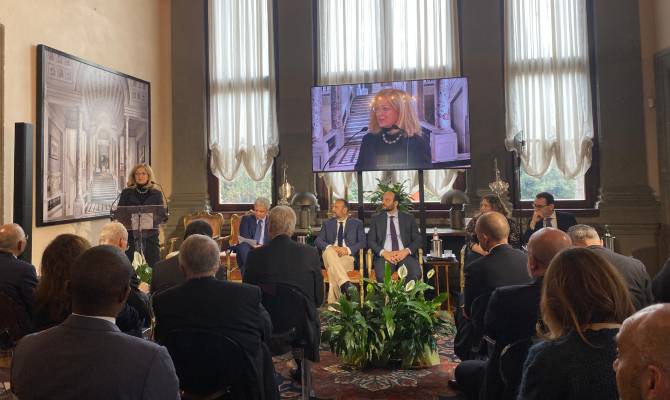
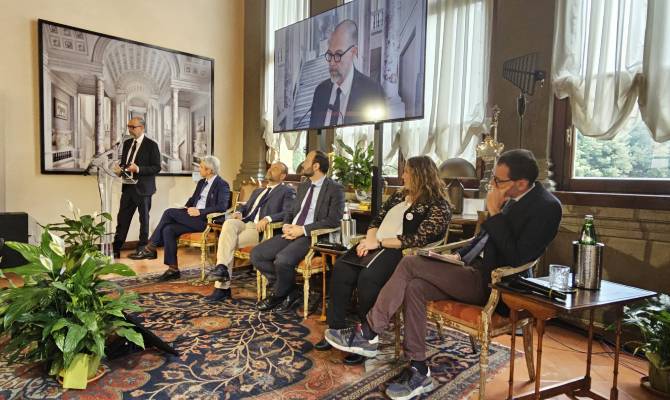
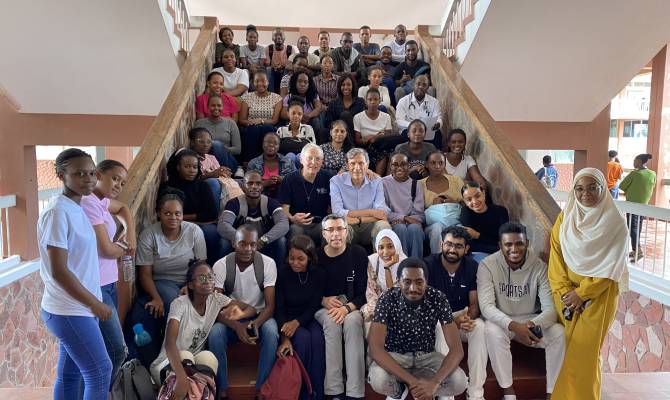
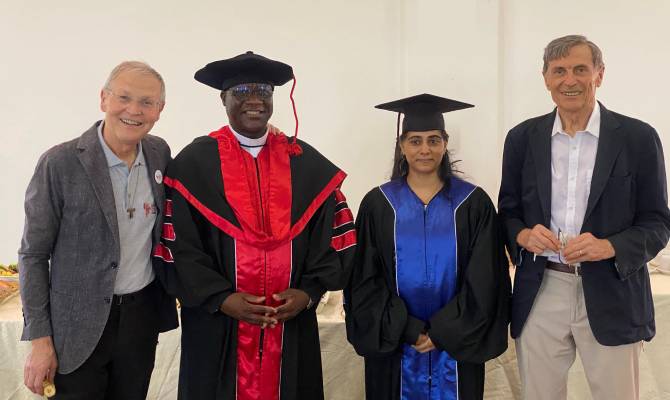
A day of celebration, opened with an official ceremony to inaugurate the new academic year but, above all, to celebrate the thirtieth anniversary of the founding of the Catholic University of Mozambique. A ceremony held today, Friday, March 14, in Beira, in the presence of the rector Father Filipe Sungo, Bishop Dalla Zuanna, the municipal authorities, and the university’s academic community. A CUAMM delegation attended the event including the director Father Dante Carraro, accompanied by Professor Alberto Mantovani, Father Lorenzo Piva, and Father Matteo Fornasiero, priests of the Diocese of Padua; Emilio Agosti, a friend and supporter of Cuamm; Stefano Bassanese, head of the Cuamm college, who joined Cuamm cooperants Francesco Vladimiro Segala and Giorgia Gelfi, already present in the field.

“Today is not the day I want to list the many initiatives in which Cuamm collaborates and supports the Catholic University of Beira,” said Father Dante Carraro – CUAMM Director General in his speech. “Rather, I would like to acknowledge a valuable aspect of this university, which is its strong connection to the community. Individual careers and money are certainly important, but science, research, and expertise must not forget to serve the poorest and most vulnerable.”

Also present at the ceremony, alongside the director Father Dante Carraro, was Professor Alberto Mantovani – Scientific Director at Humanitas. In the framework of the collaboration between CUAMM and UCM, Prof. Mantovani has visited Beira several times in recent years, giving lectures at the Faculty of Medicine.

“It is a privilege to be here for the third time and to celebrate an important anniversary that looks to the future,” said Professor Mantovani. “The future begins right here, where knowledge is built and shared.”

A construction that has lasted thirty years, during which the Catholic University of Mozambique has developed an educational project that today stands out at national level for its scientific rigor, innovation, internationalization, and certainly for its human values.

“Since its founding in 1995, UCM has responded to educational challenges with rigor and innovation, with the firm intention of forming upright citizens. We do not only want well-prepared and highly qualified professionals in their fields, but also leaders committed to the common good,” said the rector, Father Filipe Sungo.

The bishop of Beira, Claudio Dalla Zuanna, also reinforced the importance of the human dimension. Echoing the words of Pope Francis, he said: “The university is certainly a place where science is cultivated with seriousness and rigor, but it is also where hearts and minds bloom not only for academic results but for generously serving humanity. The university cannot be an ivory tower must be able to listen to society, accept challenges, and offer answers.”
Timeline

It was in 1995 that the Catholic University of Mozambique (UCM) was inaugurated in the city of Beira, the second university in the country, about 1,500 km from the capital, Maputo. A few years later, also with the support of Doctors with Africa CUAMM and thanks to over a decade of collaboration with the city’s health authorities, the Faculty of Medicine of the Catholic University of Mozambique was established.

Starting by designing and teaching the Anatomy, Surgery and Internal Medicine course in 2004, CUAMM’s commitment alongside the Faculty of Medicine of UCM has never ceased; on the contrary, it has grown over time.

On August 25, 2007 we participated in the very first graduation ceremony for the first class of aspiring doctors in Beira. “A historic date for the entire country,” as defined by the university’s rector, Father Alberto Ferreira. Indeed, these were the first students trained outside the capital, Maputo, in the central-northern region of the country, where at the time there was only one doctor for every 100,000 inhabitants.

It was not an endpoint but a crucial milestone on which we continued to build a solid and lasting collaboration that over the years has involved numerous partners. From the Municipality of Padua to the city’s Hospital Authority, from the Veneto Region to the Savings Bank of Padua and Rovigo, and the Cariparo Foundation, with everyone’s support, we have ensured teaching support and intensified our commitment. We have ensured maintenance on facilities (classrooms, laboratories), provided educational materials (books, computers, etc.), offered internship opportunities at the Central Hospital (HCB), awarded scholarships to deserving students, supported research projects, and consolidated our collaboration on the faculty’s syllabus.

«For years, Cuamm has collaborated, in synergy with the pedagogical direction, on the curriculum of the Faculty of Medicine,» explains Francesco Segala, a Cuamm doctor and head of relations with UCM. «Through this collaboration, we continue to ensure the delivery of some of the teaching modules included in the students’ curriculum through the dispatch of international experts on short missions, in collaboration with the Universities of Padua and, more recently, Bari. This year, for the first time, the entire infectious diseases module was taught by a Cuamm doctor, and it was a very profound experience for me, both professionally and personally.»

From 2007 to date, over 500 students have graduated at the Faculty of Medicine at UCM thanks to the financial support of CUAMM. Professionals and human resources for a country historically lacking qualified health personnel.

Among the latest results of this historic collaboration is a new training proposal: the first and only advanced training program in Mozambique aimed at healthcare professionals, including doctors and nurses, who now have the opportunity to specialize in pediatric and neonatal emergencies with international experts. Supported by the Italian Ministry of Education (MIUR), the program is the result of then collaboration between CUAMM, the University of Padua, the Catholic University of Mozambique, and the Eduardo Mondlane University of Maputo.
 

Women supporting other women every day

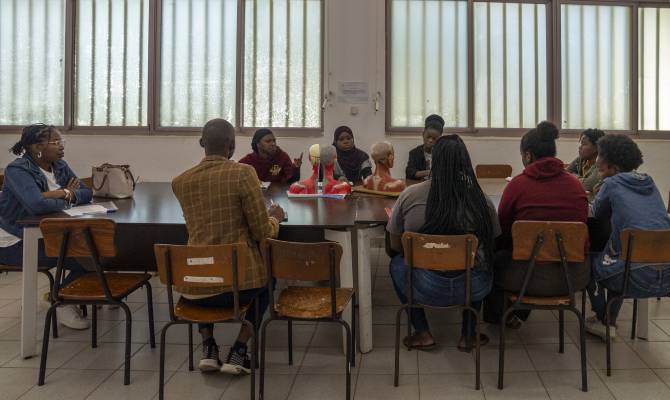
On March 8 the world celebrates International Women’s Day, an occasion dedicated to recognizing women’s social, economic, and political achievements, as well as a time to reflect on the ongoing challenges related to gender equality and rights. On this occasion, we want to celebrate the incredible women we work with across sub-Saharan Africa and honor their unwavering commitment to supporting and serving women in need.

Meet a few of the inspiring women we’re spotlighting on International Women’s Day.

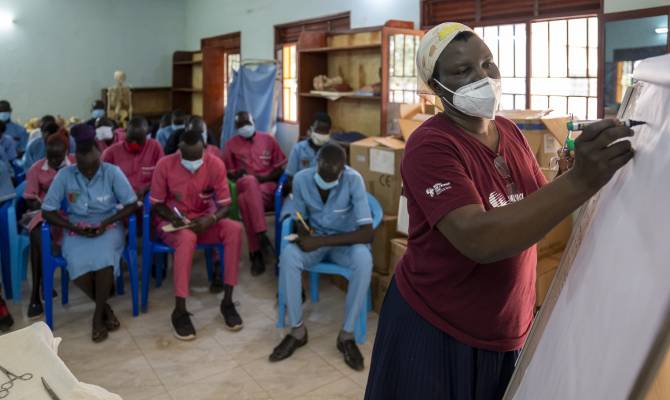
Magdalen Awor CUAMM Midwife and tutor at Rumbek Health Science Institute, South Sudan

Born in Uganda, Magdalen became a midwife in 2008. She has been living in South Sudan for more than 10 years where she serves as midwife and tutor at Rumbek Health Institute.

South Sudan is not only one of the leading country in terms of maternal mortality but also one with the lowest literacy rate among girls. Magdalen is a highly motivated and passionate professionist who spends her life and competencies where it is needed most. Deeply committed to her work, she in on the frontline of maternal and newborn care.

«When I enter the class, when I support these girls in their clinical practice, I see a future for this country. By educating and training girls we empower them while also contributing to assist women in the delicate and way too often life-threatening moment of delivery».

The Rumbek Health Science Institute in Lake State trains both midwives and nurses for a total of some 320 students enrolled in the first year. CUAMM supports the institute since 2020, some xxx students have graduated at the insitute ever since.


Loide Cambisano – CUAMM Project Manager in Shinyanga, Tanzania

Born and raised in Italy, in 2023 Loide started working with CUAMM in Iringa region, Tanzania. Today she leads a project focused on HIV, youth and adolescents in Shinyanga District.

«Stigma, prejudice and discrimination related to HIV do have a huge impact on the life of young people and adolescents resulting in behaviors such as withholding help, avoidance and coercive treatment. Women and young girls living with HIV are no doubt those most likely to experience HIV-related stigma».

The rate of child-marriage, early pregnancy and gbv cases in Shinyanga District is above the national average. Consensus, sexual and reproductive health and rights, gender-based violence and stigma are the topics often discussed in sensitization sessions promoted by CUAMM and held both within communities and schools. In addition, screening activities and psyco-social support is being provided to young people living with HIV in Shinyanga district.


Germana Tuitileni CUAMM Assistant at Casa de espera in Chiulo, Angola

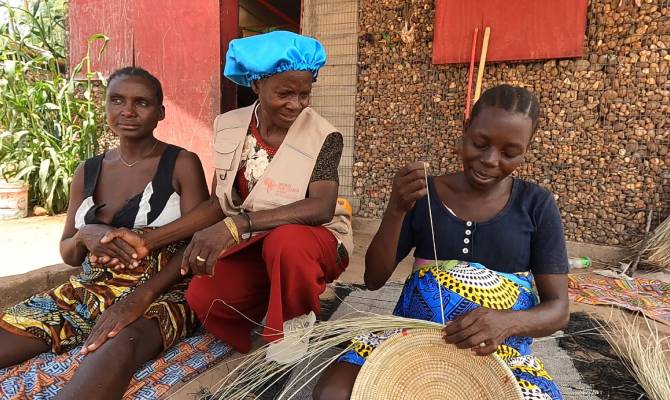
Germana Tuitileni is a pillar at casa de espera, the maternal waiting home at Chiulo Hospital, Angola. Everyone knows her.

She has been working here since the opening of this space, back in 2012. Although she is not a professional midwife, she supports and assists women in the days that preceed the delivery engaging them in sensitization acitivities on sexual and reproductive health, nutrition and most importantly on the importance of seeking care during pregnancy and delivery.

«Every day I am here to support these women. I talk to them about the importance of being at casa de espera and give birth safely because I know that they will spread the word to other community members and more women will do the same».

The Maternal Waiting home (MWH)casa de espera in portuguese, is a low-cost yet effective introduction to care for pregnant women in the late stages of their pregnancy therefore ensure assisted and safe delivery. Pregnant women with at-risk pregnancy come to this safe space when their due date is approaching. Here, they can be monitored by health professionals and easily access the hospital in case of emergency.

In 2023 more than 2,000 deliveries were assisted at Chiulo Hospital including 167 C-section. The work Germana does for pregnant women in Angola is key to promote their well-being and reduce pregnancy-related complications. By educating these women, Germana is empowering their whole communities while also contributing to reducing the maternal mortality rate which is 222 out of 1000,000 deliveries in Angola.

Enhanced solidarity to support Beira neonatology

Solidarity does go beyond borders creating a feeling of closeness, sharing and support towards people in need, no matter where.

Moved by this value, the Godolphin and Latymer School in London has recently organized and hosted a fundraising initiative promoted by its own student and aimed to raise money for Doctors with Africa CUAMM UK.

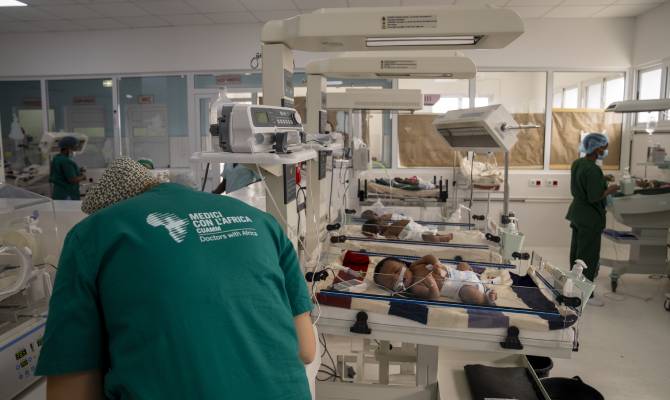
Through this inititive, the Godolphin and Latymer School has contributed to CUAMM’s mission to serve vulnerable mothers and children in sub-Saharan Africa. The funds will in fact contribute to supporting the neonatology ward at Beira Central Hospital (HCB) in Mozambique, a second-level facility that serves a total population of nearly 2 million people and where some 6,000 births are perfomed annually.

Doctors with Africa CUAMM started supporting HCB in 2002 and has been working there ever since.

On 14 March 2019 Tropical Cyclone Idai, a category 4 storm, made landfall during the night above Beira city, causing massive damage due to high winds of more than 195km/h. As a result of the devastating impact of the storm, the neonatology ward at Beira central hospital got completely destroyed. While deliverying the emergency response, CUAMM also committed to the reconstruction of the ward which was inhaugurated and handed over to the Ministry of Health on May 2021.

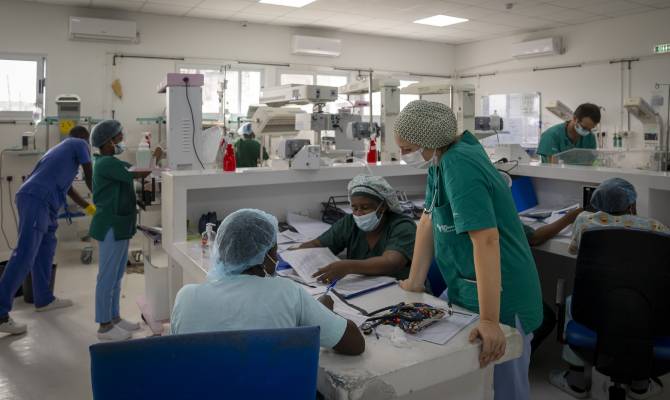
Today, the fully-renovated neonatology is a 600 square meters space with 17 cribs, 22 beds and a neonatal intensive care unit (NICU) where quality assistance is provided to newborns from 0 to 28 days.

The facility is a reference centre for Mozambican mothers as it stands out for the maternal and neonatal services provided through CUAMM’s support.


Uganda welcomes a special visit

CUAMM team in Uganda has recently received a delegation from the Italian Agency for Development Cooperation (AICS) led by AICS Director General Mr. Marco Rusconi and accompanied by AICS Desk Officer for Eastern and Southern Africa Ms. Paola Abenante, Director of AICS office in Kampala Mrs. Teresa Savanella and the AICS Uganda Program Coordinator Dr Paolo Giambelli.

The occasion was an official visit by the Italian Ministry for Foreign Affairs and International Cooperation/Directorate General for Development Cooperation (MAECI/DGCS) and AICS for a bilateral meeting on the perspectives of development cooperation with the Government of Uganda.

The AICS delegation paid a visit to two hospitals supported by CUAMM, namely St. John XXIII Hospital Aber in Lango region and St. Kizito Hospital Matany in Karamoja on the 2nd of March where they have been welcomed and guided by CUAMM Country Manager Mr. Peter Lochoro. By visiting the facilities, the delegation had the opportunity to meet up with both the hospital administration staff and CUAMM health workers.

CUAMM regional coordinator Mr. Simone Cadorin hosted the visit at St. Kizito Hospital Matany. On this occasion, the participants had the chance to discuss the “ALL IN ONE” project on antimicrobial resistance funded by AICS and implemented by Doctors with Africa CUAMM and C&S Africa Mission. This visit was also the occasion for Mr. Peter Lochoro to present the work CUAMM has been and still is doing in the region and indeed in the entire country. Doctors with Africa CUAMM works in Uganda since 1958, to date the Organization supports 13 hospitals and 354 health facilities across the country. The main area of intervention include maternal and neonatal care, prevention and control of infectious diseases and nutrition.

«Despite the challenges we face every day, we remain committed to supporting Matany hospital. Today, we are glad to showcase the results of our long-term presence in the region which is key to ensure continuity of care to the people of Karamoja» said Peter Lochoro – CUAMM Country Manager.

The visit arrived in a very challenging moment. Just a month ago the funding cuts on USAID-funded projects executed by the Trump Administration left international organization shocked, including CUAMM.

As a consequence of the notified order, Doctors with Africa CUAMM has been obliged to interrupt its activities on TB and maternal and neonatal care in Karamoja region. A decision which impact is not only devastating on staff members but also, and mostly, on people whose lives may have been saved by health services supported by cooperation interventions. Despite the funds no longer available, CUAMM remains committed to continue its work on TB and maternal and neonatal care in the region.

Training healthcare providers from FBOs

This month our team in Abidjan, Ivory Coast, hosted a 4-day training on basic obtetric and neonatal emergencies aimed at healthcare providers from faith-based health centres.

The training was organized by CUAMM in partnership with the Ministry of Health, Public Hygiene, and Universal Health Coverage through the National Maternal and Child Health Program (PNSME).

More than one woman dies every minute due to pregnancy-related causes worldwide; to date, maternal mortality rate in Ivory Coast is 385 deaths per 100,000 births. As highlighted over the training, common causes of pregnancy-related deaths include: postpartum hemorrhage (51%), hypertension and complications (13%), postpartum infection (4%), abortion (3%). These direct causes account for 3/4 of maternal deaths. Altough quite common in low-resource settings,  these causes do not necessarily have to be fatal. On the contrary, they can be prevented with timely and effective care. 

The training course was designed to give healthcare providers from faith-based organizations basic yet necessary competencies to manage obstetric and neonatal emergencies. Four main topics have been covered and addressed by national and international health experts, including contributing factors to maternal and neonatal mortality, crucial tool for monitoring labor and delivery, neonatal complications, post-abortion care and Manual Vacuum Aspiration (MVA) plus two hands-on training activities.

The training also explored the three types of delay that are often referred to as a major contributing factors to maternal and neonatal mortality. Delay in decision-making, delay in accessing a healthcare facility, delay in receiving adequate care.

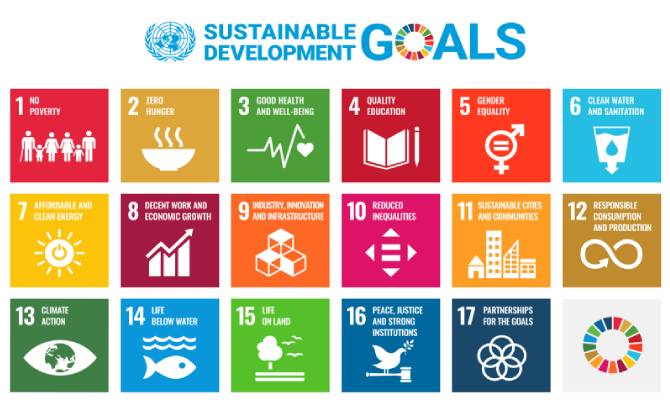
30 healthcare providers from different faith-based organizations participated in the training course on Basic Emergency Obstetric and Newborn Care (BEmONC). Participants had been identified in partnership with U.R.S.S.C.I.. The activity is part of a wider initiative carried out by CUAMM to promote access to quality maternal, newborn and child health (MNCH) and nutrition services, therefore aiming to support Ivory Coast national and subnational authorities to achieve SDGs 3.1. and 3.2. (Maternal and newborn mortality reduction) as well as SDG 2.2. (Reduction of the burden of malnutrition).

In addition, previous to that, a second training on infection prevention and control (IPC) was held in January in Abidjan for selected FBOs facilities staff. The training was a 5-day training of trainers (TOT) for key staff in order to make an internal cascade training of all the qualified and not qualified staff working in each facility. The IPC training was preceded by an initial survey on the existing IPC situation in each facility, utilizing the WHO Infection Prevention And Control Assessment Framework At The Facility Level to tailor the training on the most critical issues and to have a way of measuring baseline situation and subsequent improvements. 

Giving voice to the future: preventing teenage pregnancy in Angola

In Angola, in the heart of the Cunene province, change comes through awareness. Since November 2023, Doctors with Africa CUAMM has been committed to the “START” project, funded by the European Union and implemented together with Adespov and Codespa: an initiative dedicated to strengthening the health and nutritional status of women and children, while promoting gender equality. Among the most delicate challenges faced daily is that of early pregnancies, a phenomenon that often marks the boundary between the possibility of an independent future and the forced abandonment of studies.

October 26 was a significant day at the Simione Mucune school. Together with partners from AJMMO (Youth Association of Women for Women), a meeting was held with 55 girls, aged between 11 and 15, to speak openly about health, rights, and the future. It was not just an informative moment, but a true space for listening.

“In addition to the risks to the physical and mental health of the adolescent and the child, early pregnancy can affect the school, professional, and personal life of the young mother. Many pregnant adolescents face discrimination, a lack of support from family and the community, and difficulties in completing their studies and accessing job opportunities,” the association’s president firmly stated when discussing the impact of this issue.

Pregnancies between the ages of 15 and 19 are often the result of a complex mix of factors: cultural conditioning, socio-economic fragility and, above all, a profound lack of information and access to reproductive health services. The enthusiasm and curiosity shown by the students confirm how urgent it is to break the silence. The girls did not just listen: they called loudly for more meetings on female empowerment and the creation of a safe and personal space where they can share doubts and daily problems without fear of being judged.

For Cuamm, investing in the health of adolescents means investing in the entire community. Supporting these girls in their educational journey and personal growth is the most effective way to guarantee them the freedom to choose who they want to become.

Because an informed girl today is the pillar of a stronger and more independent society tomorrow.

In the Heart of Ouham-Pendé Acting for the Health of Women and Children in CAR

The Central African Republic (CAR) faces significant health challenges. With an estimated population of 6.4 million in 2024, nearly half under the age of 14, the country grapples with widespread and extreme poverty (65.7% of the population in 2023) and ranks 188th out of 191 countries on the Human Development Index. Access to healthcare remains limited due to insufficient infrastructure, a shortage of qualified personnel, and difficulties in procuring medicines and equipment.

Maternal and child health indicators are particularly alarming: high fertility rates (6 children per woman), among the highest maternal and infant mortality rates in the world, and inadequate coverage of prenatal consultations and births assisted by qualified staff. There is also a significant gap between healthcare supply and demand: 93% of midwives are based in urban areas, while 60% of the population lives in rural areas.

Adding to this complex picture is gender-based violence, worsened by ongoing conflict and instability.

Our Mission: Strengthening Local Capacities and Improving Access to Care

In response to this situation, our NGO has committed to improving the health of populations in the Ouham-Pendé prefecture through the project “Responding to the Health and Multi-Sectoral Needs of Populations Affected by the Humanitarian Crisis”, funded by ECHO.

Our work focuses on strengthening the skills of local healthcare personnel in obstetrics and gynecology, ensuring quality care for pregnant women and newborns.

Concrete Actions on the Ground

Our team, consisting of a doctor, a midwife, and a nurse, is deployed at Koui Hospital to support and train local staff and provide free consultations. We also work on rehabilitating infrastructure and supplying essential medicines and equipment. Four peripheral health centers (FOSA) benefit from our support in training, supervision, and equipment provision.

A recent mission assessed medicine and equipment availability, the adequacy of protocols, staff training needs, and data collection quality. An interactive training day was organized, focusing on basic life-saving practices.

Challenges Ahead, a Constant Commitment

Despite progress, challenges remain. The absence of an ultrasound machine in Koui and stockouts of essential medicines hinder the quality of care. Services for GBV survivors are available but require strengthened psychosocial support.

We are deeply inspired by the commitment and courage of our team and local staff, who work under difficult conditions. We remain determined to strengthen local capacities and improve access to quality healthcare for women and children in Ouham-Pendé.


This publication was co-funded by the European Union. Its contents are the sole responsibility of Doctors with Africa CUAMM and do not necessarily reflect the views of the EU.


A lifesaving humanitarian chain

Félicité gave birth on January 22 at Bossangoa hospital, Central African Republic. She walked miles, alone, to seek health care and give birth safely. No prenatal visits during pregnancy, no ultrasounds—nothing would have ever suggest her that that decision had saved her life and that of her baby.

Félicité needed  C-section. Her baby, born underweight, came into the world with a rare tumor that develops at the base of the coccyx during pregnancy—a sacrococcygeal teratoma. Something very similar to a soccer ball, way bigger than the tiny body of the newborn.

“It’s an extremely rare tumor,” says Mara Carrupt, CUAMM nurse working at the CHUPB in Bangui. “One of those conditions that are almost never seen, and for this reason, they make the news even when treated in our hospitals in Italy.”

The hospital in Bossangoa, along with Dr. Enzo’s team, saved the mother with a cesarean section and cared for the baby until she was stabilized. However, no surgeries might have been performed on the baby in this last-mile facility in the Central African Republic. Félicité and her baby were urgently transferred to the capital on a humanitarian flight.

Bangui Pediatric Hospital is indeed the only referral center for pediatric emergencies in the country. It is the only facility where a pediatric surgery might be performed. 

The staff at the Pediatric Complex vividly remember the arrival of the two. The mother’s face was frozen in fear, lost. From the very beginning, the entire hospital came together around them. On February 4, Dr. Enduma’s team took the baby into surgery. The procedure was delicate but successful—the mass was removed. Subsequent tests, including X-rays and an abdominal ultrasound, allowed doctors to rule out complications, but monitoring continued day and night for twenty days. There was always someone in the ward. At night, the nurses watched over the tiny crib, carefully following the precise instructions of Major Sylvie, the head nurse. From the medical staff to the nurses and even Félicité’s roommates, the initial anxiety turned into hope and strength. 

The baby was finally out of danger.

Today, CUAMM team, aboard a 4×4, is driving the road from Bangui back to their home, a small village near Bossangoa. It is a distance that often marks the boundary between life and death. Instead, it now reveils a “miracle” as everyone at CHUPB is referring to.

“Perhaps this baby was truly born under a lucky star,” says Armelle Couvert, Cuamm Project Manager in Bangui. “She was born in a hospital, where Dr. Enzo’s team took care of her. And while a good star may have watched over her from above, guiding her fate, here on Earth, her journey was the result of an extraordinary humanitarian chain.”

The success of the intervention in ensuring that Félicité and her baby received the necessary care was also made possible thanks to the support of CUAMM’s donors in the Central African Republic, namely the Italian Agency for Development Cooperation –AICS, which supports the maternity ward in Bossangoa, as well as the European Union and UNFPA for their support to CHUPB.


Bari joins the Fast Track Cities

Bari is officially one of the Fast Track Cities and it is ready to launch free screening activities at the Proximity Socio-Health Center. The Municipality of the Apulian capital has appointed Doctors with Africa CUAMM Bari as initiative coordinator, in collaboration with the Infectious Diseases Clinic of the Bari Polyclinic. Funded by the Municipality of Bari’s Welfare Department, the project aims to guide the most vulnerable segments of the population toward local psycho-social and healthcare services and to offer screenings for Hepatitis B, C, and HIV. A total of 200 screenings are planned to be offered from the present time to May. The first sessions will take place on February 18 and 25 at the Proximity Socio-Health Center on Via David.

The Fast-Track Cities initiative is a global partnership between cities and municipalities around the world and four core partners – the International Association of Providers of AIDS Care (IAPAC), the Joint United Nations Programme on HIV/AIDS (UNAIDS), the United Nations Human Settlements Programme (UN-Habitat), and the City of Paris.

The initiative aims to accelerate the response to HIV in urban areas, in line with the 2030 Sustainable Development Goals.

How? By strengthening testing and early diagnosis services, improving access to antiretroviral treatments—especially for the most disadvantaged groups who are far from traditional healthcare pathways—and fostering collaboration between hospitals, clinics, and local organizations. The challenge is to achieve the “95-95-95” target: 95% of people with HIV diagnosed, 95% on treatment, and 95% with viral suppression. At the same time, it seeks to reduce new HIV infections and related deaths while eliminating stigma and discrimination.

Many cities have joined the initiative. In Europe, besides Paris, cities such as London, Berlin, Barcelona, and Lisbon have also signed up. In Italy, cities like Milan, Florence, Bologna, Turin, Ancona, and Cremona are among those participating.

Ukraine war three years on

Three years ago, on February 24, 2022, the outbreak of the war between Ukraine and Russia shook Europe. Numerous other atrocities have compounded this conflict ever since. Today, too many armed conflicts are ongoing worldwide, many unfolding in the African continent. All of them show death and devastation, painting the picture of a lost humanity. It is heartbreaking, and yet, despite the pain, it urges us not to remain indifferent.

For this reason, three years ago, though the majority of our work is done in Africa, we launched our intervention in Eastern Europe to provide assistance to those affected by the conflict and to support healthcare systems struggling to ensure medical care amidst the war, even in the most critical areas.

The latest data indicate that around 12.7 million people in Ukraine are in need of humanitarian assistance —one-third of the entire population, including 2 million children. The war has forced many to leave their homes: currently, the country has 4 million internally displaced persons, while 6.8 million people live as refugees outside Ukraine (UNHCR, February 2025).

These numbers represent people, stories, lives that we are committed to serving. For this reason, our work in Ukraine never stopped. With the support of local communities, the VRB association, and individuals on the front lines, we have been working to alleviate the suffering of those who bear the greatest burden of this war: civilians.

Today, our intervention covers 6 Oblasts (regions), which we support by purchasing and supplying medicines, consumables, and biomedical equipment, distributing food and essential goods such as hygiene kits, and providing psychosocial support to displaced persons. Additionally, we focus on training healthcare personnel, with particular attention to risk mitigation, first aid for war injuries, gender-based violence, and mental health.

Some figures can easily showcase our commitment: since February 2024, through the activities of the R.I.S.E. project, funded by the Italian Agency for Development Cooperation (AICS), CUAMM has provided healthcare assistance to the most vulnerable groups, including internally displaced persons, refugees, and host communities.

Primary Healthcare (PHC) activities, launched in April 2024, have enabled 6.624 outpatient visits at the Drohobych center and through a mobile unit operating in the Lviv area. To relieve suffering and mitigate the psychological distress of IDPs and host communities, 10 sessions of MHPSS were organized, benefiting 1.270 people through support from psychologists and social workers. Additionally, 1.691 people, mostly children with their parents, participated in a month-long summer camp in Vasylkiv.

Based on the WHO Health Cluster’s Rapid Response Mechanism, Cuamm has provided medical equipment kits to struggling healthcare facilities. Over the past year, 11 emergency medical deliveries have been coordinated by CUAMM in the areas of Dnipro, Zaporizhzhia, Vasylkiv, and Sumy, severely affected by the escalating conflict.

The intervention also includes the distribution of essential items, food, and nutritional kits for women and children. Through collaboration with local partners Vidchuij, VRB, and Caritas SDD, CUAMM has reached approximately 5.566 people, including internally displaced persons, single-parent households, large families, the elderly, and people with disabilities.

Thanks to additional fundings by AICS, CUAMM has also provided 11 health facilities across both Donetsk Oblast and Dnipropetrovsk Oblast medical equipment and consumables, reaching an overall number of 26.500 people. SAFE project is being implemented in collaboration with VIS – International Voluntary Service for Development.

In Moldova

Since the conflict began on February 2022, more than one million refugees have crossed the border into Moldova, one of Europe’s most vulnerable countries. CUAMM began working in Moldova in April 2022 with a focus on the capital city of Chişinau. Since then, working closely with the Ministry of Health and the WHO, our activities have been guided by the dual goal of providing basic healthcare in the refugee accomodation centre of Testemitanu and in 7 regional hospitals.

Over the past year alone, thanks to the support of the Italian Cooperation and in collaboration with the First level hospital in Chisinau (IMAC), 1.060 outpatient visits with free medication have been provided to the refugee population and host communities. Additionally, 11 psychosocial support events supporting 603 people were organized, and in collaboration with Caritas Moldova, approximately 3.000 essential goods kits were distributed to vulnerable individuals.

The intervention in Moldova has also included a strong training component in neonatal care, with the ultimate goal of strengthening local medical personnel throughout the country. This initiative, carried out in collaboration with the National Pediatric Society of Moldova, has involved a total of 100 healthcare professionals.

Our projects are part of a 46.5 million euro initiative funded by the Italian Agency for Development Cooperation, reaching 900,000+ people affected by the Ukraine crisis.

In Italy

Our work continues in Italy too, through the collaboration with the Police Headquarters to support the Immigration Office in Padua. Due to the crisis in Ukraine, the number of people received by the desk doubled, reaching peaks of 350-400 in the first weeks of the conflict.

Since March 2022, Cuamm volunteers at the Immigration Office have provided 20.000 hours of service, offering their time and availability to safely manage the reception phase of foreigners, facilitate the processing of applications, and streamline office procedures, ensuring assistance to people in distress. Since this cooperation began, the helpdesk has received some 100.000 foreign nationals and has seen Cuamm volunteers actively engaged in reception five days per week. Thanks to the partnership between Cuamm and the Police Headquarters, available services have been enhanced, and processing times for applications have been significantly reduced, decreasing from an average of about 10 months to 4.

This is also part of a broader commitment that extends from Padua to Kyiv, to Chișinău, and daily across Africa—to provide relief to those who are experiencing or have experienced war and displacement and to make every foreigner feel welcomed.