Kyiv Enduring the Cold of War

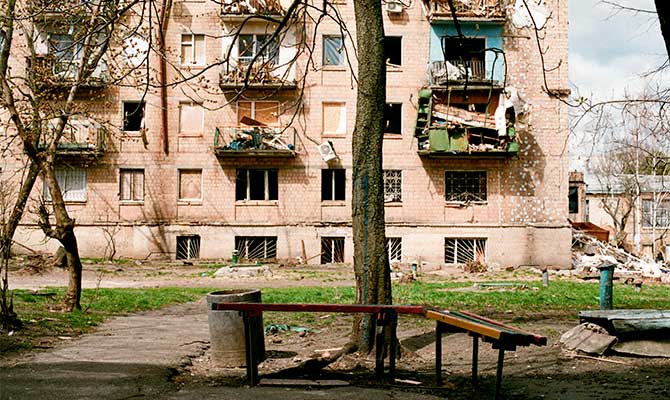
“Yesterday the temperature was -14°C during the day, and at night it dropped to -20°C. We are without lighting, without power, without heating, and those living in taller buildings—from the second floor upwards—are also without water. The cold penetrates you and gives no respite. The bombardments continue, increasingly intense; since 6–7 January, military actions on Kyiv have escalated targeting mainly energy facilities. The intention is to strike people—the entire civilian population—without distinction. The outskirts are in worse conditions than the city centre, because that is where the taller, newly built apartment blocks are. At present, there are areas of the city that have been without electricity, heating and water for as many as three days.

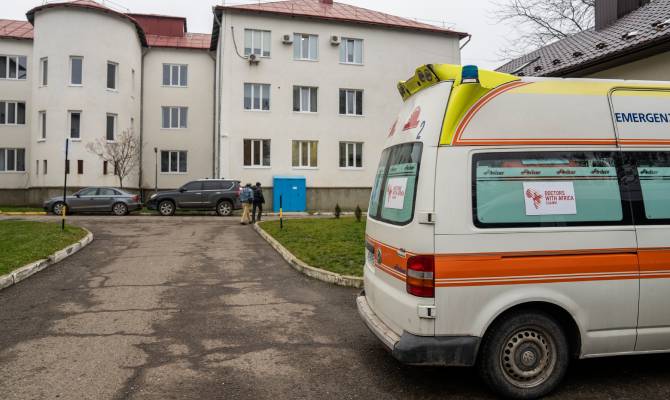
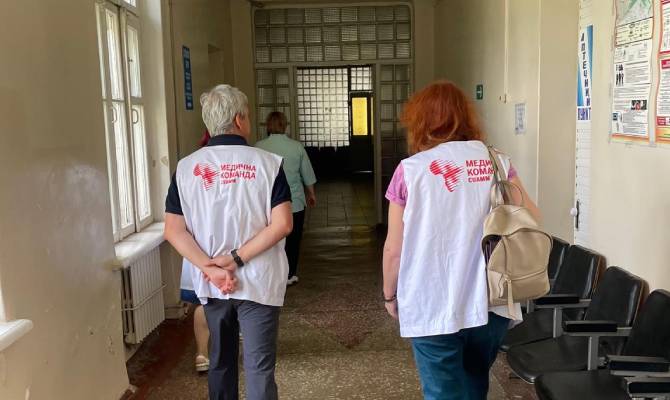
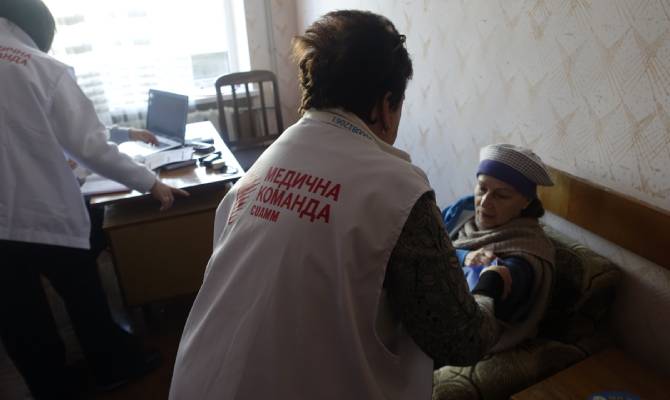
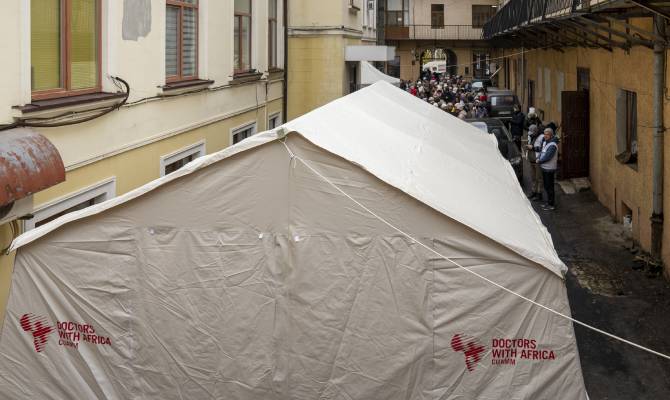
CUAMM field workers in Ukraine are working tirelessly to maintain emergency response operations. They describe the harsh realities faced by the population and the immense challenges of delivering humanitarian assistance in a war-torn country.
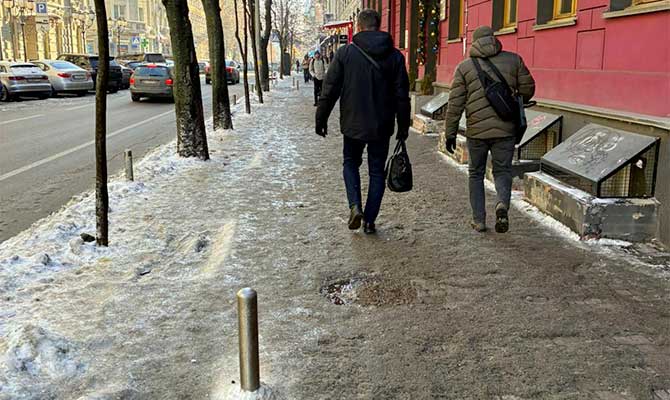
“Work resumed after the Orthodox holiday break but unfortunately CUAMM Office is unusable due to the lack of heating and electricity. However, the staff continue working from home, often gathering in the warmest house. At present, CUAMM is engaged in purely emergency assistance, distributing medicines and supplies to the four hospitals located along the front line. In the coming days we should also be provided with the CUAMM vehicle for travel. In addition, we are working with a local NGO to provide psychological support to the communities of Kharkiv and Sumy.”

“In Kyiv the situation is very strange. People try, as best they can, to carry on with their lives and their daily routines. They work, move around, go to the gym or do their grocery shopping (also because having more powerful generators shops offer a bit of warmth). But everything feels suspended. It can happen that, because of a bombardment, for example, the water is cut off while you are in the shower, suddenly”

“In my life, I also witnessed the war in Sarajevo, where there was a clear sense of a city under siege. In Ukraine, instead, you never know what might happen, or when.” said CUAMM Public Health expert in Ukraine then he adds: “For us, who came to Kyiv by choice to help these people, operating is becoming increasingly difficult with each passing day. But I think of the sick, the elderly, and people with disabilities who find themselves without heating or electricity. Until around 4:30 p.m. there is some daylight, and then darkness until the following morning. For them it is even harder. If you are lucky, around 10 p.m. a bit of electricity may return, but only for a very short time. The Mayor of Kyiv has advised families who have the possibility to move towards the west of the country, where there are still difficulties, but to a lesser extent.”

In about a month, on 24 February, it will be four years since the outbreak of the war in Ukraine. For the fourth consecutive winter, the Ukrainian people are facing an exhausting conflict that shows no sign of ending.

“People are tired. There is discouragement and bitterness. They have become accustomed to the constant clashes and to the many words and promises of those who hold the fate of this war in their hands, but they fear that if they give up or give in, the situation will be even worse for them.”

CUAMM has been operating in Ukraine since the outbreak of the war, implementing a wide range of interventions to support primary, secondary, and tertiary health facilities in the areas most affected by the conflict. These activities include the procurement and distribution of medicines, specialised traumatology and orthopaedic kits, obstetric supplies, and other essential medical materials.

In parallel, CUAMM provides multisectoral assistance to people affected by the emergency, with particular focus on the most vulnerable groups, including people with disabilities, women, and children. The current activities are being carried out in collaboration with CESVI under the SHIELD: Strengthening Health and Protection for Vulnerable Communities in Conflict-Affected Sumska and Kharkivska project, funded by the Italian Cooperation.
Renewing our commitment to Ukraine

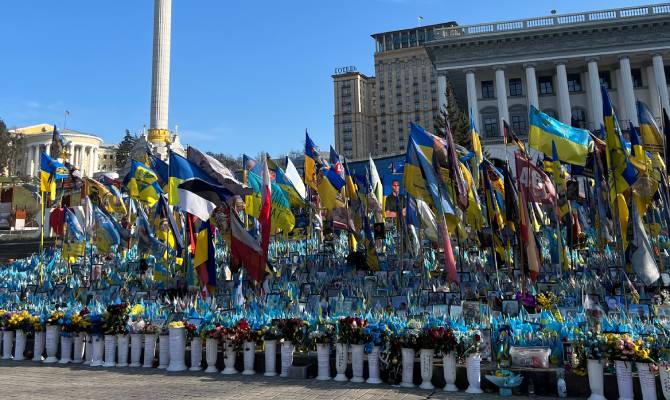
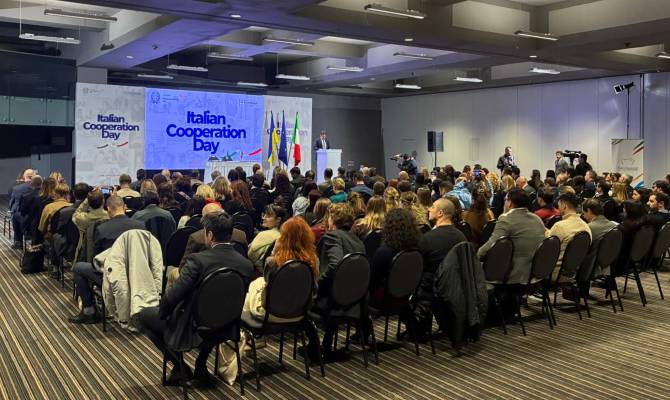
This week in Kyiv, Ukraine, we took part in the event organized by the Italian Cooperation on the occasion of the Italian Cooperation Day with the aim of bringing together partners, agencies, and civil society organizations working on the front line to support the civilian population. It was a moment for dialogue and knowledge sharing, a platform to amplify results and good practices.

The CUAMM team on the ground participated in the meeting alongside partners, NGOs, and local organizations, presenting CUAMM’s work in the country, sharing the results achieved over the past three years, and reaffirming its commitment moving forward.

For the past three years, CUAMM has been working in the country with a twofold objective: assisting civilians and strengthening the health system severely affected by the conflict. Over the past year, we have done so through the RISE project, funded by the Italian Cooperation and implemented in collaboration with Caritas Italiana, Caritas Drohobych (SDD), Volonterskiy Rukh Bukovyny (VRB), CUAMM UK, and Caritas Moldova. The intervention focused on providing emergency health assistance to vulnerable communities, including internally displaced people, refugees, and host communities in Ukraine and Moldova.

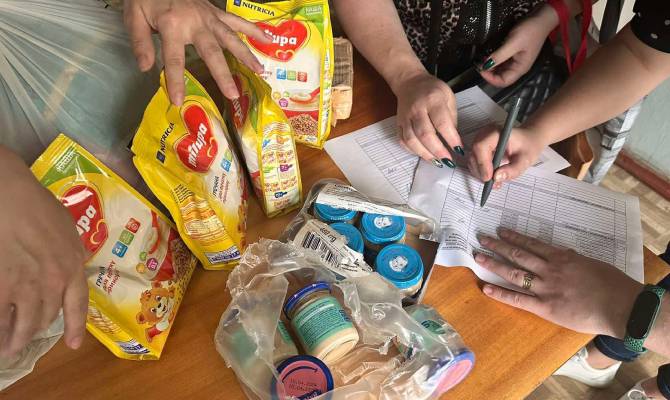
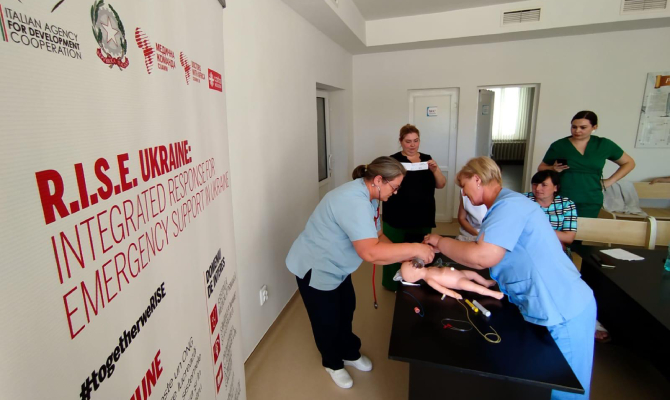
The main activities included: distribution of emergency medical kits, psychosocial support events, training in mental health, life support, and neonatology, and distribution of food kits and essential items.

This is a commitment we are ready to carry forward. Thanks to the renewed support from the Italian Cooperation, in the coming months we will be implementing SHIELD Project –  Strengthening Health and Protection for Vulnerable Communities in Conflict-affected Sumska and Kharkivska in collaboration with CESVI and two local partners – an intervention that combines health and protection. At the center of our work are four main activities located in the oblasts of Kharkiv and Sumy, near the border area: distribution of medical supplies, structural rehabilitation interventions, delivery of emergency kits and capacity building activities for health professionals in collaboration with UNFPA.

RISE Project, figures from the project

In Ukraine
8,359 outpatient consultations
11 emergency kit deliveries to the areas of Dnipro, Zaporizhzhia, Vasylkiv, and Sumy, ensuring response within 72 hours from notification of the request—as required by WHO’s Rapid Response Mechanism
1,270 people reached through psychosocial support events
• 2,179 people involved in the Vasylkiv Summer Camp
• 448 people trained in mental health topics and Basic Life Support
• 4,288 people who received food kits and essential items
• 1,865 people who received winter protection kits
• 865 children who received nutritional kits and essential items

In Moldova
1,493 outpatient consultations
• 764 people reached through psychosocial support events
• 100 health professionals trained in neonatal care
• 4,775 people who received essential items

Doctors with Africa CUAMM has been active in Ukraine since the start of the humanitarian crisis in March 2022. Since then, we have reached more than 40,594 people and supported over 29 health facilities with medicines, consumables, biomedical equipment, and logistical support materials.


Ukraine No truce

Three years ago, we launched an intervention in the country with the twofold objective of providing support to the civilian population affected by the conflict and equipping healthcare facilities in need with consumables, equipment and emergency kits needed to ensure care—particularly in areas closest to the front line.

It is precisely the medical logistics activity to have distinguished CUAMM’s intervention in the country from the beginning. Based on the Health Request Planning and Response Tool developed by the WHO, this activity, in line with Strategic Objective 113 of the 2023 Ukraine Humanitarian Response Plan (HRP) and Health Cluster Objective 114, also contributed to the cluster’s core activity: “Procure, prepare, and distribute essential medicines, medical equipment, and consumables to healthcare facilities.”

“The greatest needs have always been surgical instruments and emergency kits, especially for facilities located right on or near the front line. Sutures, needles, forceps, surgical scissors—as well as trauma management and care tools like neck collars, spinal boards, and evacuation stretchers—are the most requested supplies,” said Francesco Belotti, CUAMM Project Manager in Ukraine.

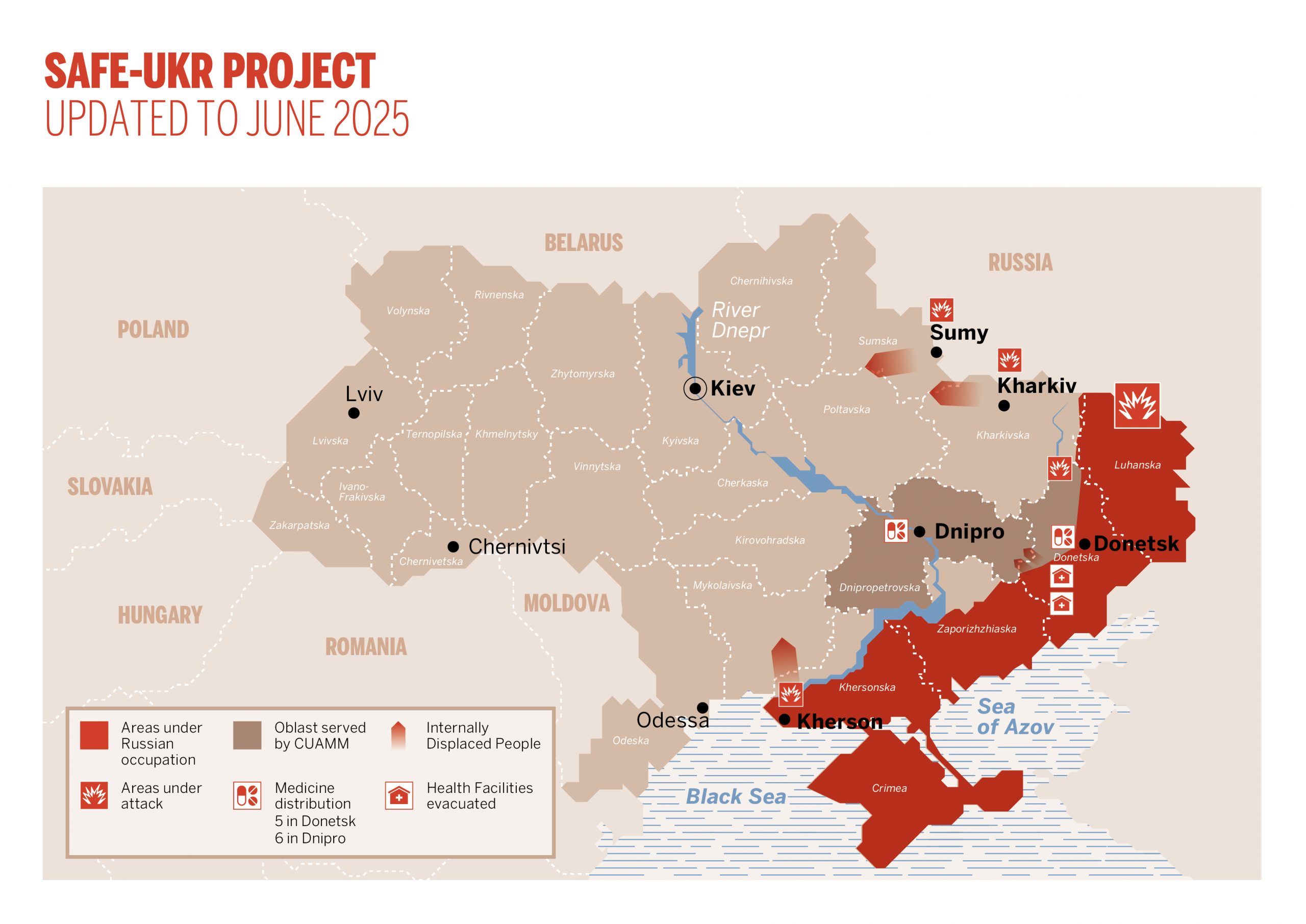
Among the most at-risk facilities are those in the Donetsk region, which a few months ago, as the front line advanced, were ordered to evacuate.

“These were two healthcare facilities that suddenly found themselves just a few kilometers from the fighting. The entire area was evacuated, and healthcare staff were relocated elsewhere. As a result, the nearest remaining healthcare posts became reference points without the real capacity to manage care. That’s exactly where we redirected our distribution” claimed Francesco Belotti.

The Donetsk region, together with the Kherson and Sumy regions, is among the hardest hit by the most recent attacks. Last week according to local authorities, 45 civilians were reportedly killed.
Meanwhile, 500 people were evacuated from areas near the front line in the Donetsk and Sumy regions, where homes, schools, hospitals, and infrastructure were also damaged or partially destroyed.

Today, as the conflict shows no signs of ending, on the contrary it becomes more intense in the Dnipropetrovsk region, the need to ensure access to care and assistance remains, as noted by Andrea Atzori, CUAMM Head of International Relations.
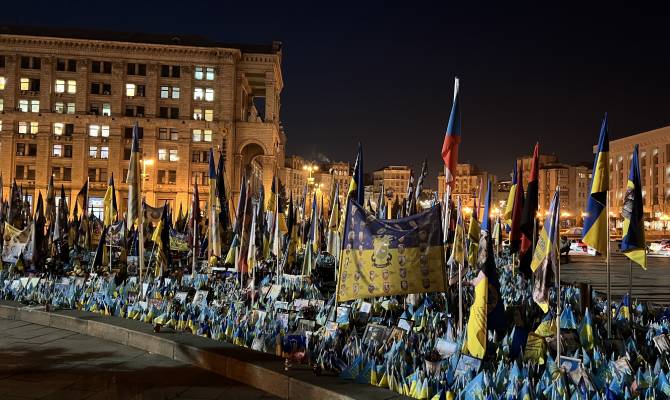
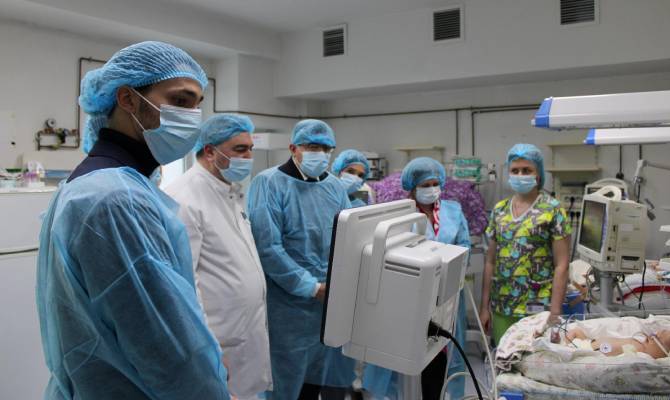
“Medical logistics has been at the heart of CUAMM’s work in Ukraine for three years now. Today, giving continuity to the intervention is important in order to ensure the functioning of health facilities in distress, provide health services to the population and facilitate the reconstruction phase,” said Andrea Atzori – Head of International Relations of CUAMM.

Since first medical logistics operations, started in July 2024 and recently completed, we have involved eleven healthcare facilities located in Dnipropetrovska and Donetska oblasts, reaching a target population of 30,400 people.
The medical logistics activity is part of the SAFE-UKR project: Support and Assistance for Families in Emergency in Ukraine, which is part of a €46.5 million initiative funded by the Italian Agency for Development Cooperation (AICS) that reaches over 900,000 people affected by the Ukrainian crisis.


Ukraine war three years on

Three years ago, on February 24, 2022, the outbreak of the war between Ukraine and Russia shook Europe. Numerous other atrocities have compounded this conflict ever since. Today, too many armed conflicts are ongoing worldwide, many unfolding in the African continent. All of them show death and devastation, painting the picture of a lost humanity. It is heartbreaking, and yet, despite the pain, it urges us not to remain indifferent.

For this reason, three years ago, though the majority of our work is done in Africa, we launched our intervention in Eastern Europe to provide assistance to those affected by the conflict and to support healthcare systems struggling to ensure medical care amidst the war, even in the most critical areas.

The latest data indicate that around 12.7 million people in Ukraine are in need of humanitarian assistance —one-third of the entire population, including 2 million children. The war has forced many to leave their homes: currently, the country has 4 million internally displaced persons, while 6.8 million people live as refugees outside Ukraine (UNHCR, February 2025).

These numbers represent people, stories, lives that we are committed to serving. For this reason, our work in Ukraine never stopped. With the support of local communities, the VRB association, and individuals on the front lines, we have been working to alleviate the suffering of those who bear the greatest burden of this war: civilians.

Today, our intervention covers 6 Oblasts (regions), which we support by purchasing and supplying medicines, consumables, and biomedical equipment, distributing food and essential goods such as hygiene kits, and providing psychosocial support to displaced persons. Additionally, we focus on training healthcare personnel, with particular attention to risk mitigation, first aid for war injuries, gender-based violence, and mental health.

Some figures can easily showcase our commitment: since February 2024, through the activities of the R.I.S.E. project, funded by the Italian Agency for Development Cooperation (AICS), CUAMM has provided healthcare assistance to the most vulnerable groups, including internally displaced persons, refugees, and host communities.

Primary Healthcare (PHC) activities, launched in April 2024, have enabled 6.624 outpatient visits at the Drohobych center and through a mobile unit operating in the Lviv area. To relieve suffering and mitigate the psychological distress of IDPs and host communities, 10 sessions of MHPSS were organized, benefiting 1.270 people through support from psychologists and social workers. Additionally, 1.691 people, mostly children with their parents, participated in a month-long summer camp in Vasylkiv.

Based on the WHO Health Cluster’s Rapid Response Mechanism, Cuamm has provided medical equipment kits to struggling healthcare facilities. Over the past year, 11 emergency medical deliveries have been coordinated by CUAMM in the areas of Dnipro, Zaporizhzhia, Vasylkiv, and Sumy, severely affected by the escalating conflict.

The intervention also includes the distribution of essential items, food, and nutritional kits for women and children. Through collaboration with local partners Vidchuij, VRB, and Caritas SDD, CUAMM has reached approximately 5.566 people, including internally displaced persons, single-parent households, large families, the elderly, and people with disabilities.

Thanks to additional fundings by AICS, CUAMM has also provided 11 health facilities across both Donetsk Oblast and Dnipropetrovsk Oblast medical equipment and consumables, reaching an overall number of 26.500 people. SAFE project is being implemented in collaboration with VIS – International Voluntary Service for Development.

In Moldova

Since the conflict began on February 2022, more than one million refugees have crossed the border into Moldova, one of Europe’s most vulnerable countries. CUAMM began working in Moldova in April 2022 with a focus on the capital city of Chişinau. Since then, working closely with the Ministry of Health and the WHO, our activities have been guided by the dual goal of providing basic healthcare in the refugee accomodation centre of Testemitanu and in 7 regional hospitals.

Over the past year alone, thanks to the support of the Italian Cooperation and in collaboration with the First level hospital in Chisinau (IMAC), 1.060 outpatient visits with free medication have been provided to the refugee population and host communities. Additionally, 11 psychosocial support events supporting 603 people were organized, and in collaboration with Caritas Moldova, approximately 3.000 essential goods kits were distributed to vulnerable individuals.

The intervention in Moldova has also included a strong training component in neonatal care, with the ultimate goal of strengthening local medical personnel throughout the country. This initiative, carried out in collaboration with the National Pediatric Society of Moldova, has involved a total of 100 healthcare professionals.

Our projects are part of a 46.5 million euro initiative funded by the Italian Agency for Development Cooperation, reaching 900,000+ people affected by the Ukraine crisis.

In Italy

Our work continues in Italy too, through the collaboration with the Police Headquarters to support the Immigration Office in Padua. Due to the crisis in Ukraine, the number of people received by the desk doubled, reaching peaks of 350-400 in the first weeks of the conflict.

Since March 2022, Cuamm volunteers at the Immigration Office have provided 20.000 hours of service, offering their time and availability to safely manage the reception phase of foreigners, facilitate the processing of applications, and streamline office procedures, ensuring assistance to people in distress. Since this cooperation began, the helpdesk has received some 100.000 foreign nationals and has seen Cuamm volunteers actively engaged in reception five days per week. Thanks to the partnership between Cuamm and the Police Headquarters, available services have been enhanced, and processing times for applications have been significantly reduced, decreasing from an average of about 10 months to 4.

This is also part of a broader commitment that extends from Padua to Kyiv, to Chișinău, and daily across Africa—to provide relief to those who are experiencing or have experienced war and displacement and to make every foreigner feel welcomed.


New medical equipment in Moldova

Accurate hospital equipment in critical areas is essential to ensure the safety, accuracy and reliability of medical care. Medical devices play a crucial role in the continuous monitoring of patients, the accurate administration of medications, the performance of surgical interventions and the efficient response to emergency situations.

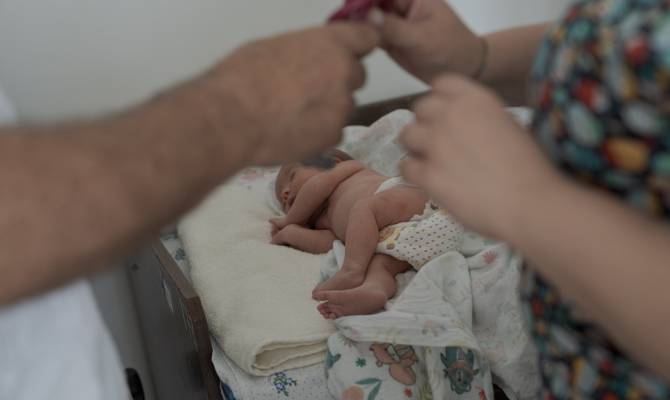
For this reason, CUAMM UK has recently donated medical equipment and devices to the Institutul Mamei și Copilului (IMAC) in Chișinău. IMAC is the only Level III center in Moldova and serves as the main referral point for complex neonatal cases. Thanks to the donation, the facility is now equipped for the first time with a therapeutic hypothermia system, a life-saving technology for treating critically ill newborns. This modern technology will support the facility and its staff in the management of neonatal emergency cases making a real difference in the lives of the most vulnerable newborns. Every year, the hospital handles emergency cases from across the country, with a high rate of post-birth transfers from lower-level hospitals that lack adequate intensive care units.

The donated equipment will provide significant support to the IMAC Neonatology Department, ensuring an invaluable impact on the quality of care.

The handover of medical equipment took place last week in a official ceremony in Chișinău. Various partners and stakeholders participated in the meeting, including representatives from the Ministry of Health, Lorenzo Tomassoni – Ambassador of Italy to the Republic of Moldova, Sergiu Gladun – Director of the IMSP Institutul Mamei și Copilului, Olga Vidaico – Head of Department Neonatal Intensive Care, Institutul Mamei și Copilului, AICS Kyiv representative and the project partners from Caritas Moldova.

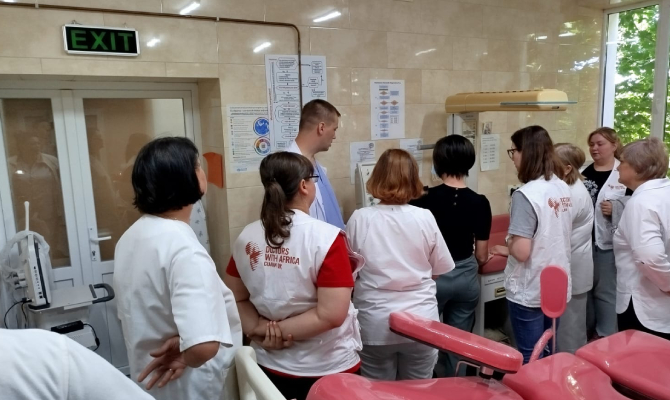
The project goes beyond just providing equipment as it entails a training component. As part of the CUAMM project, seven neonatologists from IMAC have completed specialized training on how to use this technology, ensuring a lasting impact. Training healthcare personnel is essential to strengthening the local healthcare system and making sure this intervention has a tangible effect on the quality of care.

The CUAMM project is part of the R.I.S.E. Ukraine project, led by Doctors with Africa CUAMM UK and funded by The Italian Agency for Cooperation and Development (AICS)aiming at providing an inclusive, integrated, and multisectoral humanitarian response to victims of the conflict in Ukraine and Moldova, ensuring safe and equitable access to essential, life-saving basic services.


Moldova managing neonatal complications in rural areas

Gabriela is 43 years old and works as a medical assistant in the neonatology department at Edinet hospital, in northern Moldova. The facility serves one of the most urbanized areas of the country. With an average of 1,300 deliveries per year, of which 200 involve complications, the hospital is one of the most efficient in the region. Yet, a team of only 17 people including doctors, specialists, and nurses work there under consistent straint.

In 2024, there was a significant number of premature births. Despite the difficulties, the staff is now undoubtedly responsive and prepared to act in different scenarios, as Gabriela says:

“We are prepared for cases where, for example, the baby inhales amniotic fluid: the team acts to suction the fluid, insert a venous catheter for antibiotic treatment, and in severe cases, perform a gastric lavage. We are used to handling these situations, and the team works harmoniously and efficiently. However, if the baby is born prematurely, the situation becomes more complicated”.

The management of critical newborns is a challenge for the health team at Edinet since the hospital is not equipped with a intensive care unit. To transfer patients to Chisinau, where the only intensive care unit is, an ambulance from Balti must be mobilise. The vehicle drives 80km north to reach Edinet, then it covers 200km to get to IMAC Hospital where the baby can finally receive adequate care.

This is how the system works in many areas where rural hospitals have little means to properly assist their patients and the distance from Chisinau hinder the provision of timely care.

“Recently, I dealt with a premature birth of a newborn weighing 0.7 kg. It was morning, and I was on duty with a neonatologist, an obstetrician-gynecologist, and a midwife. I worked with the team to manage the initial emergency until the mobile intensive care unit arrived. Fortunately, the baby responded well to stabilization! But for us, it’s always a stressful moment because we know that logistical difficulties can have a huge impact on care. However, I remember it was a beautiful day, it hadn’t rained, and the roads were in good condition, so we knew there wouldn’t be any delays”.

The lack of specialized doctors and health workforce puts an additional strain on the healthcare system in Moldova. At the neonatal ward in Edinet Hospital there is only one neonatologist.

That morning, as Gabriela recalls, the doctor arrived just in time yet, had he not been available, Gabriela and her colleagues would have been able to perform all the steps of the emergency algorithm. The training offered through the project has indeed given the staff the competencies to respond more effectively to challenges, reduce stress levels, and organize better teamwork.

As part of the Emergency Call to Support Ukraine, funded by AICS with €46.5 million, CUAMM is supporting 7 second-level hospitals in the neonatal emergency stabilization and resuscitation.

Gabriela fondly remembers the two-day training, during which local trainers and the Italian doctor shared the new findings from the Neonatal Stabilization Guidelines and organized both theoretical lessons and practical sessions to simulate various emergency situations in the delivery room. In addition, by participating in the training course Gabriela and her team gained essential competencies like taking blood samples from the baby to determine oxygen saturation levels. This is particularly important in difficult deliveries, where the mother’s contraction forces are weak, and the baby experiences a traumatic birth.

“By measuring oxygen saturation, we can detect potential hypoxia or other trauma, but in my opinion, it also gives us an idea of how much the baby suffered during delivery. This is incredibly important to me because, in addition to guiding us on how to manage the situation, it reminds us that newborns, from the very first seconds, have an intense emotional experience of the world”.

Over the last year, Doctors with Africa UK has supported medical and health staff across Moldova with 8 training sessions on neonatal emergencies and stabilization aimed at facilities of different levels. Starting with a Training of trainers in Chisinau, the activity was later expanded to seven additional facilities. As a result, an overall number of 100 health workers have been trained.

This activity is a part of the RISE project: Integrated Response to Support the Emergency in Ukraine. Our project is part of a 46.5 million euro initiative funded by the Italian Agency for Development Cooperation, reaching 900,000+ people affected by the Ukraine crisis.


Feeling useless older people’s experience of war

Russia’s full-scale invasion of Ukraine, which began on 24 February 2022, has been characterized by a flagrant disregard for civilian life and frequent war crimes. Ukraine, where people over 60 years old make up nearly one-fourth of the population, is one of the “oldest” countries in the world.

Often reluctant or unable to flee their homes, older people face a greater likelihood of being killed or injured. Even when they succeed in escaping such dangers, older people face distinct challenges in displacement. In particular, they struggle in accessing adequate housing and end up in isolated settings where the exclusion from their community jeopardize their psychological well-being.

Natalia L.*, 68, had lived in Kherson region, Southern Ukraine for years. In March 2022, when the Russian invasion of Ukraine begun, her life changed profoundly. Her town was occupied, and Natalia had no choice but flee with her little belongings. That is when she became one of 3.7 million internally displaced people as of August 2024.

Once displaced by the conflict, older people like Natalia are often locked out of the rental market by pensions that are well below real subsistence levels.

With her little savings, she was unable to find a house and could only stay in overcrowded accommodation centres as she journeyed across regions from Mykolaiv to Dnipro.

In particular, as an elderly internally displaced person, this living condition had severe consequences on her health and emotional well-being. Her fragile sense of security worsened when her son was called to join the army, leaving her alone with fear and anxiety.

Eventually, Natalia arrived in Strij (Lviv Region), and started living in one of the Accommodation Centres. When she joined the Centre, the staff soon noticed that she was suffering from slowness of speech and movements, uncontrollable tearfulness. In addition, she was not speaking to anyone in the Centre and started spending days in isolation.

«I am useless; no one cares about me»

These are the words she pronounced the most during the meetings with the staff of the Centre. In order to assess Natalia’s health status, she was referred to the Health Mobile Unit service provided by CUAMM, in partnership with Caritas SDD’s Mobile Unit. This activity is a part of the RISE project: Integrated Response to Support the Emergency in Ukraine. Our project is part of a 46.5 million Euro initiative funded by the Italian Agency for Development Cooperation, reaching 900,000+ people affected by the Ukraine crisis.

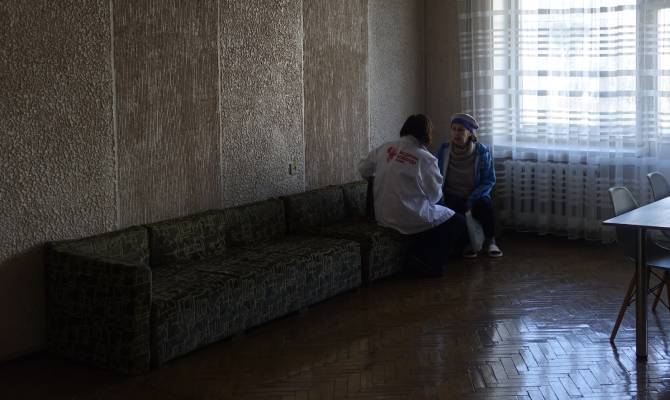
The Mobile Unit team, composed of a nurse, a doctor, and a psychologist, provides vulnerable people, including IDPs living in Accommodation Centres in remote areas in the Lviv region with health and psychological support. 

High pressure and headache were then treated with free medications that Natalia received from the Health Mobile Unit, along with a psychological therapy. After assessing her level of anxiety and depression, the psychologist supported her with some coping strategies. Specific tests, such as the Patient Health Questionnaire (PHQ) and the Brief-COPE questionnaire, revealed a mild degree of depression and the use of avoidant coping mechanisms. Over time, the tailored support provided to Natalia showed good results. She started communicating with her neighbours in the Centre and participating in volunteer activities.

«I feel more active now, and I want to help other people who are experiencing the same problems» stated Natalia before expressing gratitude to the psychologist: «I cannot thank you enough for your continuous support and how you care about me. Now I feel better, and my life makes sense again».

Thanks to the support of the Italian Agency for Development Cooperation, CUAMM can implement a multi-disciplinary approach, combining health and psychological support for vulnerable people, ensuring that people’s immediate and lifesaving needs are met, alleviating the sufferings caused by the war.

CUAMM response

Doctors with Africa CUAMM has been working in Ukraine since March 2022, providing multisectoral responses to the urgent needs of the most vulnerable populations affected by the Ukrainian conflict. Since the onset of the humanitarian crisis in Ukraine, CUAMM has adopted a flexible, multisectoral approach to address the multidimensional needs of war victims. In close collaboration with local authorities and civil society organizations, CUAMM has developed an intervention strategy aimed at supporting and integrating the socio-healthcare system in conflict-affected countries, ensuring access to essential and life-saving services for the most vulnerable groups.

Active from the outset of the humanitarian crisis in the Ternopil and Chernivtsi regions in western Ukraine, CUAMM has reached over 40,594 people and supported more than 29 healthcare facilities with medicines, consumables, biomedical equipment, and logistical support materials ensuring the continuity of life-saving services and contributing to reducing morbidity and mortality among war victims in the areas targeted.

Little if nothing to live with

«It was too dangerous to live there; we were bombed almost every day, and my brother died during a missile attack while he was working. His only fault? Being in the wrong place at the wrong time»

This is the reality of the war in Ukraine, and these are the words of Maria Boshenko*, a 30-year-old women from Zaporizhzhia. Due to its geographical location, only a few dozen kilometers from the frontline, the town is constantly under missile threat. Unfortunately, Zaporizhzhia has already experienced several attacks, especially at the beginning of the war, when battles took place to control the nuclear power plant south of the town. In one of these missile attacks, Maria’s brother, lost his life.

Hoping to find better security, Maria left for the north with her 9-year-old son, Ostap*. They moved to an Accommodation Centre in Kyiv, to be relocated shortly after to a IDPs camp in Vasylkiv, 30km away. Since February 24, 2022, the conflict in Ukraine has been experiencing continuous escalation, causing an unprecedented humanitarian crisis, with the civilian population being the primary victim. Death, destruction, mass population movements within Ukraine and neighboring countries, and the socio-health system’s inability to meet essential needs have left about 18 million people in need of humanitarian assistance (Ukraine HRP 2023). The highest concentration of IDPs remains in the Kyiv region that hosts about 16.2% of IDPs, with the city of Kyiv itself accounting for more than 7%.

«I work occasionally as a cleaning woman – said Maria. – but we have little money and are struggling in making ends meet. We hardly have a meal per day».

Both in Ukraine and Moldova, the population, particularly the most vulnerable groups, struggles to meet basic needs such as food, essential hygiene supplies, and basic materials to withstand the harsh Ukrainian winter. Vulnerable categories, including women, children aged 0-3, the elderly, and persons with disabilities are those most hardly impacted and still depend on humanitarian aid.

CUAMM response

As part of the Emergency Call to Support, funded by AICS with 46.5 million, CUAMM, in collaboration with the local Organisation Vidchuij, distributes Food and Hygiene Kits to Internally Displaced Persons, refugees, host communities, and returnees in the areas of Chernivtsi and Kyiv. Beneficiaries identified are IDPs with vulnerabilities such as large families with young children, single-parent households, and those with elderly or persons with disabilities as dependents.

Being a single parent and in view of the difficulties she was going through together with her son, Maria was included in the distribution program implemented by CUAMM in Vasylkiv. As of October 2024, 662 single mothers like Maria received nutritional and essential items kits. In addition, 2,200 non-food kit and 2,200 food kit had been delivered benefiting an overall number of 3,711 people in need.

Daily goods can seem extraordinary when the war takes everything away from you. Providing people with essential items can indeed alleviate the suffering caused by the conflict. Our project is part of a 46.5 million euro initiative funded by the Italian Agency for Development Cooperation, reaching 900,000+ people affected by the Ukraine crisis and it is being implemented in collaboration with Caritas Italiana, Caritas Drohobych Sambir and Volonterskiy ruh Bukovyny (VRB).

«I’m deeply grateful to CUAMM; now we have food, and Ostap can eat as an ordinary child» said Maria who then added «Can you believe a child is just happy with toothbrush and toothpaste? That is how it is, we couldn’t afford them».

Doctors with Africa CUAMM has been working in Ukraine since March 2022, providing assistance to the most vulnerable populations. Since the onset of the humanitarian crisis in Ukraine, CUAMM has reached over 40,594 people and supported over 29 healthcare facilities with medicines, consumables, biomedical equipment and logistical support materials to ensure the continuity of life-saving care.


Capacitation for neonatal emergencies and stabilization

92 health workers coming from 7 facilities across the country have been trained on neonatal emergencies and stabilization as part of the R.I.S.E. project implemented by Doctors with Africa CUAMM UK. Such project is part of a 46,5 million euro initiative funded by the Italian Agency for Development Cooperation, reaching 900,000+ people affected by the Ukraine crisis.

The trainings were designed in collaboration with the Moldovan Paediatric Association with the ultimate goal of fostering capabilities on emergency neonatal resuscitation and stabilization among local medical staff serving both at primary hospitals and secondary health facilities therefore strenghtening the national health system.

The first phase of the activity started with a 5-days training of trainers held by Dr. Daniele Trevisanuto – Neonatologist and CUAMM doctor and dedicated to 7 professionals from both IMAC Hospital and the Ministry of Health (MoH). By empowering a group of skilled instructors, the activity had a trickle-down effect on a wider network of health workers from 7 facilities disseminated troughout the Country namely Soroca, Orhei, Ungheni, Edinets, Hincesti, Cahul and Causeni thus ensuring a sustainable impact.

«The courses organised have a significant impact on the practice of health workers in district hospitals. Considering the low opportunities they have to practice resuscitation, such activity can indeed support professionals and improve their clinical skills through both theoretical and practical information» claimed Dr. Olga Rotari – Neonatologist from IMAC and ToT.

In Moldova, there are 32 hospitals handling a total of 27,000 births annually. However, many of these facilities have a low number of deliveries per year, below 500, resulting in limited exposure to maternal and newborn emergencies from health workers. Additionally, hospital data reports a high rate of post-birth transfers from peripheral facilities, that are not equipped with intensive care units, to third-level facilities located in the capital. Having qualified staff at peripheral level is therefore of paramount importance to guarantee quality and timely newborns care after delivery.

For this reason, the second phase of the training activity aimed at empowering health professionals serving in second level hospitals with a 2- day training course at each of the 7 hospitals. The methodology embraced both frontal learning, through explanation and powerpoint presentations, and practical experiences. Simple and complex neonatal resuscitation scenarios were staged, where all the participants were requested to apply the techniques explained in a highly stressful situation. The overall 92 participants involved were represented by different professionals including 9 neonatologists, 13 gynaecologists, 8 paediatricians, 34 midwives, 25 nurses and 3 anesthetists who had the opportunity to navigate and practice on multiple concepts and procedures including neonatal resuscitation, neonatal asphyxia, diagnosis and treatment of hypoglycemia and pneumothorax emergency.

«The course was a great opportunity because not only we consolidated some previous knowledge, but also learnt new information. Although we try to assimilate as much as we can during courses, we do not come across situation that requires these skills in our daily practice. Such lack of exercise leads us to loosing confidence and capacities which we regain with these trainings» said Ciobirca Ana – midwife at Hincesti Regional Hospital.

The success of the training is reflected in the significant improvement in the participants’ knowledge, as measured by the test delivered at the very beginning and end of the training. In the pre-test, the participants from the 7 facilities reached an average 60% score, while the post-test showed an accuracy of 93%, with an increase of 33 points percentage.

Maternal mortality rate has significantly decreased in Moldova over the past 10 years, dropping from 44 per 100,000 live births in 2010 to 19 in 2017, the infant mortality rate per 1,000 live births has declined from 26 in 2010 to 12 in 2019 thanks to the proactive commitment of the Ministry of health and health workers. However, this rate still remains above the WHO index for European regions. Although maternal and infant mortality rates have reduced over the years, there is a margin to improve the mortality index and the output of emergency procedures by working on the remaining gaps regarding referral and post-natal healthcare in peripheral hospitals.

Since the conflict broke out on 24th February, 2022, approximately over one million refugees crossed the border seeking refuge in Moldova, one of Europe’s most fragile countries. To prevent the collapse of the national healthcare system and address the healthcare needs of both the refugee and local populations, targeted interventions have been deemed necessary. CUAMM’s commitment in the country started in April 2022 in the capital Chişinau. Since then and in close collaboration with the Ministry of Health and the WHO, the intervention has been guided by the twofold objective of providing basic medical assistance within RACs and offering specific training for local medical personnel on neonatal emergency. The commitment also extends to Ukraine, focusing on the delivery of medicines, medical equipment, and consumables to healthcare facilities; distribution of food items, essential goods, and equipment to combat the cold; as well as providing psychological support to the most vulnerable. Our project, is part of a 46,5 million euro initiative funded by the Italian Agency for Development Cooperation, reaching 900,000+ people affected by the Ukraine crisis.

MHPSS SERVICES IN CHERNIVSTI

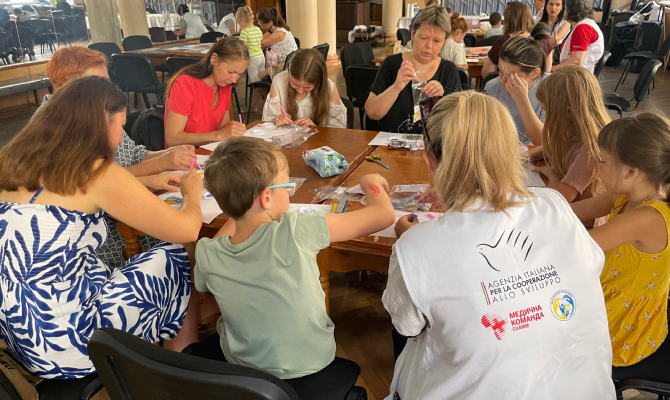
Doctors with Africa CUAMM has gathered 113 participants in Chernivsti for the first weekend of a 5 months-long programme on mental health. The weekend was dedicated to provide refugees, IDPs and host communities representatives with a variety of activities ranging from art therapy to handcraft to animation counting with the participation of both adults and children supported by a team of 10 professionals: 1 psychologist for the adult sessions, 1 psychologist for the children and 8 social workers.

The mental and psychological support session for adults was held by a specialized professional who introduced the participants to the concepts of “stress”, “burnout”, and “psychological stability” to then provide them with useful techniques to cope with stressful situations and reduce the impact of stress. The theoretical part was balanced with practical exercises and group discussions. Participants were also helped in identifying both leading causes of stress as well as things that make them feel good in order to design coping strategies.

In a separate room, a safe environment for children was created for them to freely express their emotions. The professionals engaged them in different and simultaneous art therapy activities (drawing, quilling, modeling Play-Doh) and let children move freely from one activity to the other. The psychologist played an active role in approaching children. Under her supervision and through the activities promoted, they offered children emotional support and relief.

«These sessions provide critical emotional support and stability, helping individuals navigate the trauma and uncertainty they face daily.
However, the challenges are immense. Many children and adults are dealing with severe psychological distress, making our work both urgent and complex. At one of these events, an older man told me that in his old age he came to believe in the power of psychology.
Continued support from our donors is vital to sustain these efforts and bring hope and healing to those who need it most» said Karina Gostyuk – CUAMM Psychologist and Field Coordinator.

Mental health is health. As WHO estimates on a piece published in The Lancet, one person in five is living with some form of mental disorder, from mild depression or anxiety to psychosis in areas affected by conflict. Worse, almost 1 in 10 is living with a moderate or severe mental disorder. These people desperately need to be able to obtain treatment and care. Their disorders often impair their ability to function – so access to care isn’t just about improving mental health, it can be a matter of survival. 22% of the Ukranian population affected by the conflict has mental health problems (WHO), including depression and anxiety. The soaring number of people seeking mental health assistance is directly linked to the war, prolonged displacement and the critical deterioration of living conditions. The most vulnerable population groups appear to be women, children and adolescents being the latter those who show major signs of trauma, fear, isolation, loss of hope, and depression. Two-thirds of the children have experienced displacement, while those living in conflict areas have faced continuous threats, fears, family separations, and bereavements, while the provision of child protection services has decreased due to the disruptions caused by the conflict.

Doctors with Africa CUAMM has been working in Ukraine since March 2022, providing multisectoral responses to the urgent needs of the most vulnerable populations affected by the Ukrainian conflict. Since the onset of the humanitarian crisis in Ukraine, CUAMM has adopted a flexible, multisectoral approach to address the multidimensional needs of war victims. In close collaboration with local authorities and civil society organizations, CUAMM has developed an intervention strategy aimed at supporting and integrating the socio-healthcare system in conflict-affected countries, ensuring access to essential and life-saving services for the most vulnerable groups. The MHPSS activity is part of  R.I.S.E. project, funded by The Italian Agency for Cooperation and Development (AICS) aiming at providing support to IDPs, refugees and host communities in conflict-affected zones.

Active from the outset of the humanitarian crisis in the Ternopil and Chernivtsi regions in western Ukraine, CUAMM has reached over 40,594 people and supported more than 29 healthcare facilities with medicines, consumables, biomedical equipment, and logistical support materials ensuring the continuity of life-saving services and contributing to reducing morbidity and mortality among war victims in the areas targeted.