Being a midwife in Wolisso: a training ground

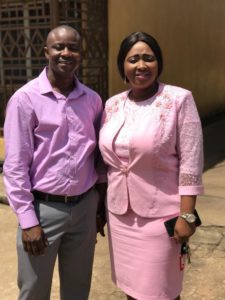
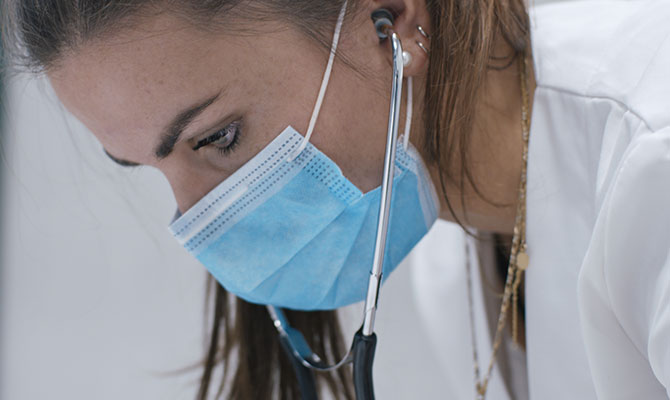
Elena and Chiara are two young midwives who chose to practice their profession in Africa. Elena left in mid-April and is currently in Wolisso, Ethiopia, thanks to a collaboration between the Rachelina Ambrosini Foundation, the University of Salerno and Doctors with Africa CUAMM. Chiara leaves today, May 5, World Midwife Day, and she will soon join Elena.

The midwife is the one who takes care of managing the delivery, assisting the mum and the newborn. This profession, often undervalued in the Western word, in Africa it is more essential than ever: it is necessary to enter the lives of women step by step, to learn about the traditions, the language, the living habits, and to respect them in order to help bring new lives into the world.

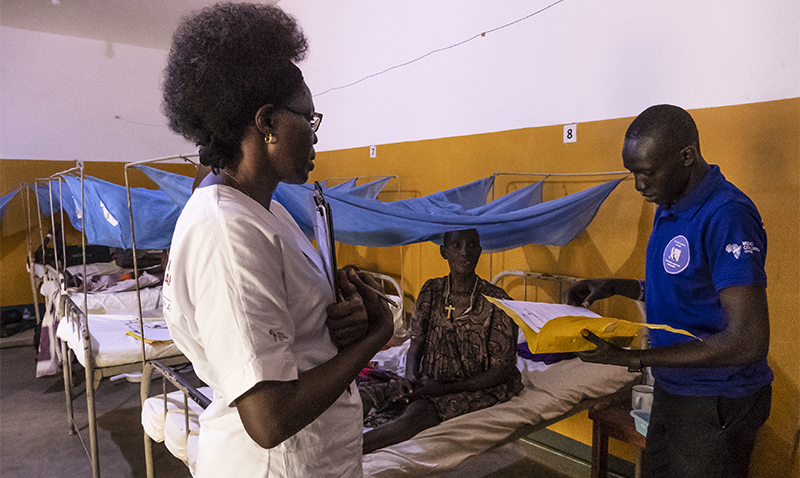
“The shifts in the hospital are intense, Wolisso’s St. Luke records more than double the number of births compared to Italian birth centers – says Elena. We work 10-11 hours a day, and it is a real “training ground”, a continuous stimulus. Ethiopian obstetricians immediately welcomed me into the team, never making me feel different. I rediscovered the beauty of diversity and the richness of those feelings that have no differences of borders or color”. An example of sensitivity and hospitality, precious also in Western contexts, that are now multicultural. “In such a challenging environment, with dramatic stories of real suffering and discomfort, every day I learn the medicine of the senses: a real art, especially for obstetrics. Semiotics is a great wealth, which we often forget where everything is safer, modern and equipped. Here, the disease and the emergencies are on the agenda and the team is not always fully staffed. Often the gynecologist is elsewhere, and reaches hardly the delivery room. Therefore, the presence of obstetricians makes the difference. I am really proud to be part of this team”.

Chiara, on the eve of her departure, tells us the reasons why she chose to leave: “Africa has always fascinated me and in my Italian experience I had the chance to witness the deliveries of some African women. I was very surprised by their naturalness and spontaneity in dealing with this delicate moment of life, as if they were able to listen to their body very deeply, something that we have lost a bit in the Western world. I chose to leave in order to better understand this aspect that is very intriguing to me. I expect to learn a lot, both humanly and professionally and to discover the origins of this profession that I love so much. I believe that experiences like the one I am about to undertake will give the chance to change the point of view, always providing a reason for growth”.

Elena, from Wolisso, seems to confirm Chiara’s expectations: “It’s an experience that is changing my way of seeing the world – concludes Elena. No more words are needed, it would be enough to look at my eyes, full of emotion. I can almost say that I am another person: I feel enriched, professionally and humanly. ‘What you get from being in Africa is not even comparable to what you may give’. I can thus only say thank you. Ameseginalew, indeed”.


To be a logistician in the last mile

The logistician is a little-known figure in the field of international cooperation: he is behind the scenes, yet he puts everyone else – doctors, nurses, midwives, drivers – enabled to operate, in the best possible way in a given context. “It’s logical” we say when an intervention is coherent and well organized. This is the task of the logistician: to make the interventions well organized and working. With infinite differences, depending on the different contexts.

“Being a logistician for a hospital and, in my case, for the Bangui children’s hospital, means not only following the entire supply chain of medicines and medical supplies that goes from purchase to delivery, making sure it arrives in time and quantity pre-established, but also take care of all the necessary equipment, from the maintenance of the hospital to the stationery, in addition to being always operational for any malfunctions or repairs. Being a logistician means taking care of everything that is supporting the project,” explains Andrea Martino, who recently returned from Bangui after 14 months of service.

Central African Republic is a difficult and unstable country from all points of view: a reality with which you have to deal especially if your task is to ensure a constant supply of medical material in a time of pandemic and in the midst of a difficult electoral period.

“When the pandemic broke out around the world in March 2020, we felt a strong impact in RCA too, not so much in terms of cases – very few were officially registered in the country – but because of the blockages and slowdowns in the arrival of the material. Priority was given to all the protective material from Covid-19 but here in the hospital we continued to need even the usual medicines and materials that no longer arrived – says Andrea -. During the election period the blockade was even worse because it was total. Because of the guerrillas that exploded all over the country, the borders were closed and all the drivers who arrived from Cameroon with the most diverse materials were stuck at the border fearing to cross the country. More than 1000 blocked containers; food also started to decrease while increasing in price”.

Being a logistician is a daily challenge, you have the opportunity to live the hospital but you also live its backstory and the “behind the scenes” who allow to set in motion this huge and complex care machine. “If I have to think of an image of myself in Central Africa I think of when I entered the pharmacy greeting all the staff with a “Bonjours pharmacy”. I think it is a representative image of the close link between pharmacy and logistics, which does not always happen but that was definitely a strong element of this mission – remembers Andrea, about to leave for Central Africa, this time for a short mission-. This experience, the third in logistics and the second in Africa, certainly had a positive balance and gave confirmation to my intention to keep working in cooperation and in particular in the field of logistics.”

A role with a thousand facets that of the logistician: so to speak “technician of the lights, of the sound and curator of the preparation” of the great daily challenge of the health of mothers and children.

Emergency Cyclone Eloise in Mozambique

The night between January 22nd and 23rd 2021, Tropical Cyclone Eloise (category 1) made landfall in the already fragile Province of Sofala hit, exactly in Buzi District, 30 km south to Beira City, in central Mozambique. Torrential rains and winds of 120 km/h ravaged especially Sofala, but also reaching Zambezia, Manica and Inhambane provinces with devastating consequences for the local population of about 600,000 people. Sofala Province is still recovering from the tragic impact cyclone Idai had in March 2019 as well as from the tropical storm Chalane which hit again the Province on 30th of December 2020. Eloise is the second cyclone hitting Sofala Province in less than 1 month.

“In a country already battered by the Covid-19 pandemic and by humanitarian crises that have led more than 600,000 internally displaced people (IDPs) to the north of the country due to armed attacks and natural disasters, we are facing a situation that dramatically repeats itself – Giovanna De Meneghi, CUAMM country manager in Mozambique, tells us -. Almost 7,000 people have been forced to flee their homes and take refuge in temporary shelters offered by the government, with 32,660 families directly affected for a total of over 163,000 people, more than 5,000 homes have been destroyed, damaged or flooded. We are organizing the emergency response, with maximum speed, together with the other actors on the field (UN, government and other NGOs) in order to implement all those life-saving activities that are considered the most critical and that must be carried out as a priority. The population, although tired and exhausted by contingent and chronic emergencies, is reacting and responding with strength and determination to the reconstruction actions led by the government and supported by international partners and by the communities themselves”. Strong winds and massive flooding caused the destruction of local infrastructure, food production and reserves and disrupted the functioning of services, especially in the rural districts of Buzi, Dondo and Nahatanda and in the city of Beira.

Between the damaged infrastructures there are 11 health facilities and in particular the emergency wing of Beira Central Hospital and OPD was damaged severely and, especially the latter, is not operational. There was a severe damage to crops, including about 136,755 hectares already flooded. This means that the food security of the population is at risk as well as water supply which increase the risk of water borne diseases.

The priorities are clear and we are moving to act as soon as possible thanks to the use of over 80 community health activists:

  • Water supply, sanitation and hygiene promotion
  • Food Security and Nutrition for the people hitted by the cyclone
  • Immediate assistance and emergency relief
  • Outbreak prevention and preparedness via setting up dedicated wards (tents) and building up stocks of drugs, IV fluid, IPC equipment and consumables and deployment of over 50 community health activists already trained to raise awareness around Covid-19 and prevention of cholera and Acute Watery Diarrhoea (AWD);
  • Re-establish basic routine healthcare services: mapping current damage and promote immediate action to re-open/rehabilitate outpatient services, wards, operating theatre and laboratory. Priority will be given to the central hospital of Beira and the most affected health facilities.

CUAMM with his team of 40 people in Beira that is already taking action to provide an humanitarian response.


Fight against Hiv/Aids Music at the service of the community

Involving meaningful testimonials to raise community awareness on public health issues is a widespread practice around the world. More and more often institutions and organizations rely on prominent personalities such as singers, actors and athletes to promote messages of prevention and treatment among the population.

It is precisely this approach that led to the collaboration between Doctors with Africa CUAMM and Fareed Kubanda, the Tanzanian Hiphop artist popularly known as FID Q, who was involved in some awareness-raising days on the issue of Hiv/Aids treatment and prevention, within the Test & Treat project that CUAMM implements in Shinyanga and Simiyu regions.

Very active in community-based projects, FID Q has been an ambassador for the fight against Aids since 2020 and recognizes the great opportunity as an artist to be able to help in the sensitization and education of communities on fundamental issues such as early diagnosis of the disease, correct use of medicines and the importance of continuity of treatment. The artist, flanked by the project staff and the community coordinator who has in-depth understanding of the community and its resources, visited several health centres in the districts involved in the intervention and met the students of the secondary school of Bariadi.

“I thought I knew everything about Hiv/Aids but after joining the “Test & Treat” team, I realized that I didn’t know many important things” admitted FID Q and then added: “The work done through the Test & Treat program is truly remarkable and I am happy to collaborate to mobilize and educate the community on the importance of undergoing the test, promoting an approach to fight against discrimination and social stigma linked to the disease. Hiv/Aids patients are people, not their disease “.

The reactions of community members and operators who participated in the awareness-raising activities were also very positive: “Events like these are fundamental in the community because they promote the importance of the fight against Hiv infection in order to reduce the size of the problem – some of them say – “The presence of FID Q allowed to involve many people, encouraging them to check their health status through tests and sensitizing patients on the appropriate use of antiretroviral drugs” concluded the participants. Finally, some people affected by the disease shared their experience and testimony on the importance of treatment and early diagnosis.

This is the proof of how effective the involvement of personalities from different fields that seem very distant from healthcare can be, but personalities that can make a difference in the dissemination of awareness-raising messages on fundamental issues for the health of an entire community.

The results of the work in Goro Woreda Ethiopia

Helping mothers and children to survive and thrive has always been the main goal of Doctors with Africa CUAMM’s commitment, particularly in the most challenging contexts. The work in Goro Woreda, in Ethiopia, together with our partner Women and Children First UK and funding from Comic Relief, is a concrete example of how lives can be saved by improving reproductive, maternal and newborn health through strengthened access to quality healthcare services and dissemination of “home-care practices”.

The joint action has made possible to reach nearly 39, 893 beneficiaries of 100 different communities. In particular, 100 women’s groups have been established with the aim of identifying priority maternal and newborn health issues and enabling the communities to find sustainable solutions to overcome them – all this using a participatory approach. The groups’ activities have been led by the so called “health development army leaders”, namely 345 women and peer mothers trained on maternal and newborn health, from hygiene and disease prevention to danger signs and the importance of healthcare services. The groups have therefore become learning spaces and at the same time, safe spaces where women can share  fears, experiences and taboos, drawing on mutual support. In addition to helping communities, 4 health centres throughout the Woreda have received medical equipment, supplies and drugs to ensure the continuity of healthcare services.

These actions have resulted in great achievements: skilled birth attendance has increased to 77% and the number of safe deliveries handled by skilled birth attendants up by 13% compared to the surrounding areas where no groups activities took place. Moreover, there was a 8% increase of deliveries with major obstetric complications successfully treated in a health facility. Finally, among the most significant achievements, there is sustainability: 80% of women’s health groups continue to run after projects come to an end.

This is therefore not an intervention focused only on health, but also aimed to strengthen women’s empowerment to benefit the community as whole. Together, they find and develop local solutions to transform their health.

Once again, solidarity and “joining forces” turn out to be fundamental for a better health.


The mothers’ song of hope

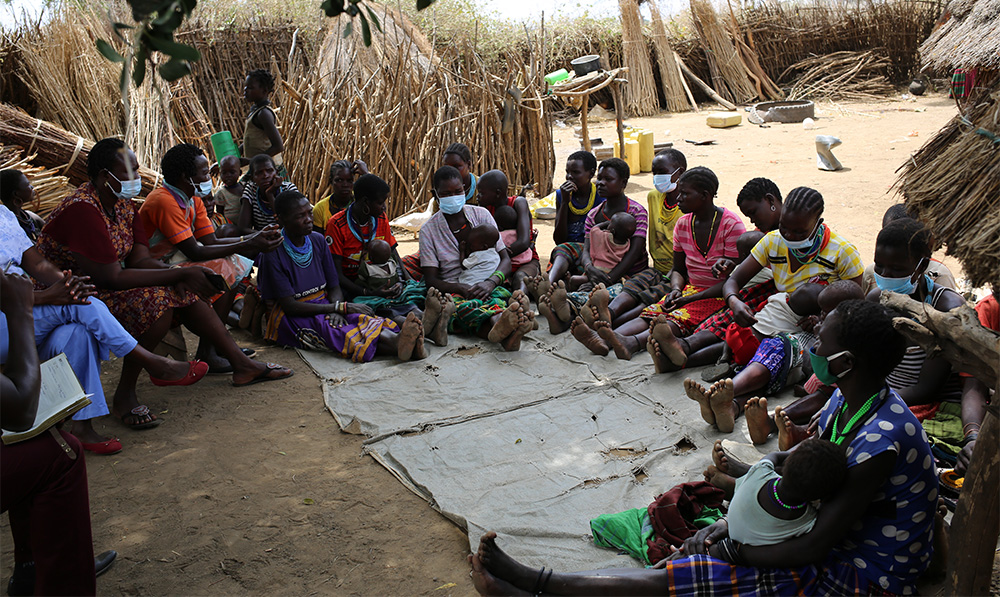
“We often hear a song rising in the hospital corridors, initially we did not understand, but then we realized that they were the mothers outside the neonatal pathology ward. They sing to make themselves and give strength together. This is a beautiful image, which conveys a great message of resilience and how important the community is especially in the most difficult moments.

Living in the hospital allows you to get closer to people in their moments of greatest vulnerability and to witness the way they deal with pain and waiting. Singing, for example, is a collective activity that mothers use to gain strength, to convey a message of resilience during difficuThe mlties. Alessandra Gosetto and Matteo Arata are two JPOs in Gynecology and Obstetrics, arrived in Freetown, Sierra Leone, in August, to take up service at PCMH, the reference hospital for maternal and child health in the country.

A new experience, the first time in Africa for both. “The initial visual impact was very strong, almost disorienting – they say. The hospital, although one of the largest in the country, is very different from the hospitals we are used to seeing in Europe. The resources here are limited, just think of the quantity of deliveries compared to the staff: from 10 to 25 per day, for a total of 8,000 deliveries per year with the medical staff dedicated to the Gynecology and Obstetrics department composed of 4 structured and some trainees who do 24 hour guards. In Padua, in a hospital that gives about 3,000 births a year, there are more than double the number of structures to manage the ward and the guards are 12 hours. Here we face various obstetric pathologies on a daily basis that are almost never seen in Italy and there is a high rate of obstetric complications “.

In Sierra Leone for now, Covid-19 is present in a limited way, positive patients are a minority of hospital admissions, but the reality is that the resources to screen the population are still lacking. Furthermore, the difficulty of accessing the hospital, even if only due to the costs of transport, risks enormously increasing the complications and dangers of childbirth.

Ensuring the health of mothers and children is a daily challenge that we have been trying to make concrete for 70 years in all our countries of intervention.


TB: a challenge that needs dedication and care

In the “Western world”, hearing the word tuberculosis does not generate much fear, if it is treated promptly and with the appropriate instructions, it is not even perceived as a serious disease. Unfortunately, this is a “privilege” for the few.

In Africa, tuberculosis is still a disease that causes many victims, 1,4 million in 2019. Every year, only in Uganda, nearly 89,000 new cases of Tb occur, among them 6,176 in Karamoja Region (WHO). But not all stories have an inevitable ending. Doctors with Africa CUAMM is committed to offering care and knowledge to those in need, even in the most remote places, as in the case of Ochan Richard, a former soldier of Uganda People’s Defence Force. Ochan, 50, already infected with HIV, was first diagnosed with TB in 2011, which worsened into multi-drug resistant tuberculosis (MDR TB) a few years later. Tuberculosis is one of the major causes of death for HIV patients who, with the progressive weakening of their immune system, contract the disease more easily and often with lethal consequences if it is not treated.

Ochan’s story, which seemed to have a written ending, changed when he arrived at St. Kizito Hospital of Matany in the Napak district of Karamoja. After many years of interrupted treatments due to work needs and difficulties in obtaining the necessary medicines, Ochan was finally able to have access to the care he needed thanks also to the encouragement and support of his family who prompted him to seek help at the Matany Hospital despite the distance from his home. A 75 km route full of hopes that have given him confidence in a still long life.

After two months he was discharged and personally taken home by the CUAMM hospital team specialized in tuberculosis which was responsible for raising awareness among the family and the entire community on the signs and symptoms of tuberculosis, on how it develops, on the adequate treatment and finally on how to avoid its spread.

“The same day I got home, my family and some community members were screened and all were healthy.” – said Ochan, adding – “I am deeply grateful to the hospital staff of Matany and to the CUAMM staff, for all the efforts they have made to save my life and that of many others. Whenever I come back for treatment, I am sure that I will get reimbursement for transport and meals, and given my situation it is a great incentive to be able to continue treatment regularly”.

A similar story to that of Santos, 32, who was diagnosed with multi-resistant tuberculosis. After numerous interruptions in treatment, in which skipping even a single day of treatment means starting over each time, Santos had decided to abandon himself to his fate and leave the Kotido Hospital where he was being treated.

“I left the hospital and went to stay with my older sister, Martha. As soon as I arrived at her house, my cough and health conditions only got worse. Therefore Martha insisted that I go back to the hospital where I was examined and diagnosed with multi-resistant tuberculosis. The doctors immediately contacted the Matany Hospital, the only institution specilized in this disease and able to offer adequate care and support where I was reffered to and hospitalized by the team of Doctors with Africa CUAMM”, says Santos.

After a month and a half of treatment, Santos could no longer bear the kanamycin injections that were administered to him daily so he escaped from the hospital returning to his village. Victor, the CUAMM regional official did not give up and went to his home convincing him not to renounce and to resume treatment.

Although tuberculosis is still a deadly disease in Africa, at Matany Hospital there is the hope of adequate care and treatment, which is not limited to the administration of the necessary drugs but it offers the opportunity to be followed by medical staff with dedication, and be accompanied in the understanding and acceptance of one’s illness.

These happy ending stories were made possible thanks to the intervention in Karamoja to improve the quality of  services for diagnosis and treatment of Tb and multi-drug resistant Tb, particularly within the projects: “It’s Good Tb free! Project to contribute to a TB Free Uganda by 2020“, financed by the Italian Agency for Development Cooperation, as part of the expenditure for technical assistance to the Global Fund for the fight against aids, tuberculosis and malaria and implemented by Doctors with Africa CUAMM in partnership with the University of Milan and the University of Makerere, and the project ” Support to St. Kizito Hospital of Matany and to the Napak Distrcit in Karamoja”, financed by Fondation Assistance Internationale (FAI).

Between elections and a pandemic a suspended Christmas in Bangui

This past Christmas was a suspended Christmas. Due to the limitations on travel in Italy and between the various countries, many found themselves spending this day away from loved ones and very often stuck in the city where they live and work.

But what is it like to spend Christmas in Africa at this time during the elections? The stories come to us 8from the   through the voice of colleagues in the field.

“It’s hot these days, the temperature reaches 35 degrees, we are in the dry season, only a few occasional showers remind us of the rainy season that has just passed, heat and red dust fill the streets of the capital. Ours is a “short-sleeved” Christmas, without coats, without scarves, without fireplace, there is no white of the snow  but only the white of the health workers who work at the Bangui Pediatric Complex, a hospital for children only, it is the only one in Central Africa where CUAMM has been working for a few years. ” says Filippo Pistolesi, who arrived in Bangui a few days before Christmas, who spent his Christmas in quarantine using technology as a bridge to connect Italy to Africa, but also to communicate with colleagues, who live in his own home.

In the Central African Republic it was a special Christmas, not only for the restrictions imposed by Covid-19, but also for the tense electoral climate that crystallized the country in the weeks leading up to the elections, held on December 27.

“December 27 was Election Day, to put it in the American way. The date had hovered over our heads for weeks now. The silence was surreal; you could not hear a fly flying, you could hear the sound of your breath… a sensation perceived more at night, not suitable for a hot sunny day at 10 in the morning. Then some children went out to play in the opposite compound, a rooster crowing, someone hoeing… it seemed more like a Sunday like any other.

In recent weeks, there have been clashes in many parts of the country, the armed groups of the former dictator Bozizé have brought chaos and violence, and above all fear, to the people who still have in their eyes and hearts the destruction perpetrated by the militias in the past.

Now we are all waiting for news, to know what will become of Central Africa and its people, if these elections will have any validity and will maintain the stability, albeit precarious, of the country or will create an institutional gap that will leave room for an even more serious destabilization.” tells Daniela Ramadani, project administrator for Doctors with Africa CUAMM in Central African Republic.

A different Christmas that of Bangui, which in any case smells of hope especially at the pediatric hospital that Doctors with Africa has been running since July 2018, where despite the pandemic and the tension for the elections at Christmas, children’s beds are filled with small bags of rice, some biscuits and pieces of soap. There are no shiny toys and plastic superheroes down here, the only superheroes are them, the hospitalized children, and perhaps the greatest gift is being able to witness the dignity and determination with which they face treatment.

A new-born cry to greet 2021

On December 31st at 11 pm in Chiulo, Angola, Giorgio Pellis’s phone rings: there is an obstetric emergency and Alice, the Angolan doctor who works in the hospital, asks for support in managing the birth because the child struggles to be born.

“When I arrive, I immediately notice that the mom is tired after hours of labor and is laying in a very uncomfortable position. There is no time and it is immediately clear to me what needs to be done. I calmly explain to the lady, the doctor and the nurses what we will do, while my hands are already preparing the local anesthesia and the instruments for the surgery. The soon-to-be mother gives me a look of hope. She doesn’t know, but that look digs me inside. She is giving me a huge responsibility. While I am performing a very small operation, I put the dr. Alice’s hands on the scalpel and I make her feel what cannot be seen but is clearly perceptible. The pelvis is widening little by little and this will make a difference for her baby. ”

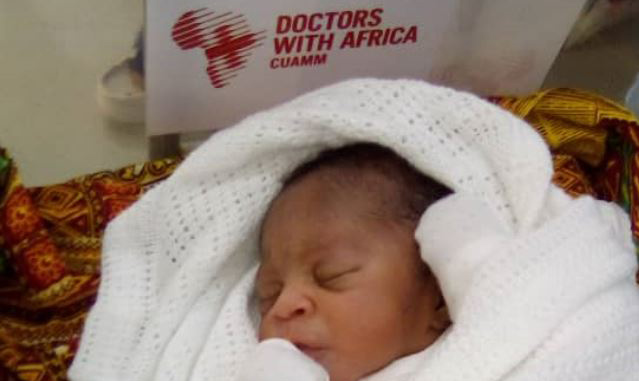
After a while the baby is born and with a loud cry he greets the new year. He is the first child born in Chilulo in 2021. “Here the emotions are very strong, every day,” says Giorgio. “Being able to transform a potential caesarean into a delivery without trauma is beautiful. But the greatest thing is the gratitude of the mothers and their families who, sometimes, as a sign of gratefulness bring to the hospital a bag of flour as a gift. Needless to say what a great emotion this is. ”

Doctors with Africa CUAMM has been working in Chiulo, Angola, since 2000 where it supports the hospital thanks to a team that is at the forefront every day , trying to do their best at the service of “the last mile”.

CARING FOR HOMELESS PEOPLE IN LA SPEZIA

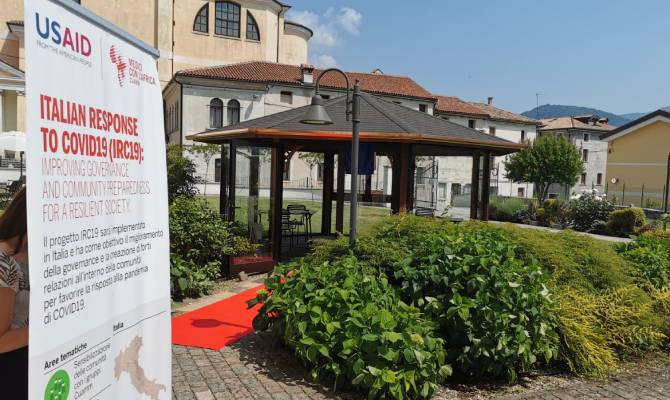
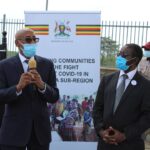
Doctors with Africa CUAMM delivered today in La Spezia the renewed showers that will help homeless people of the city, ensuring their personal hygiene. Run by the “Gruppo di Volontariato Vincenziano San Giovanni Bosco”, the pre-existing facility has been used over 3,550 times since July 2020. The renovation, which will guarantee a more efficient and comfortable service, was funded by the U.S. Government through the United States Agency for International Development (USAID).

Pierluigi Peracchini, mayor of La Spezia, visited the spaces, with mgr. Luigi Ernesto Palletti, bishop of the city, Fr. Fabrizio di Loreto and Anna Iavazzo from the “Gruppo di Volontariato Vincenziano San Giovanni Bosco”, implementing partner, Fr. Dante Carraro, director of Doctors with Africa CUAMM, and Andrea Atzori, chief of party of the project “Italian Response to Covid-19” (IRC19).

Andrea Atzori, chief of party of Doctors with Africa CUAMM’s IRC19 project, stated, “Over the last few months we have been delivering a series of interventions throughout Italy. Most of them are aimed at strengthening and making more resilient pre-existing services, as we have done here in La Spezia. Since July 2020, 370 people have had access to the services available here, and showers have been used 3,550 times. But the activities of the group of volunteers is much wider: over the last months they put on the table over 24,800 meals, they made 1,300 laundries with the news machines we delivered and they distributed 2,600 food kits to around 350 families, in addition to homeless people assisted, for a total of 740 people reached”.

Fr. Dante Carraro, director of Doctors with Africa CUAMM, stated, “We are used to work in Africa, at the last mile. But this pandemic calls us to new kind of closer solidarity, here in Italy. Many of our doctors who came back from Africa, prepared to handle emergencies and epidemics there, wanted to put their experience to use for the people in need in their own communities. Here in La Spezia we had Marina Trivelli, who worked with us in Ethiopia and Angola, and made us know the group of volunteers run by Fr. Fabrizio Di Loreto and Anna Iavazzo. They were working with homeless people before our arrival and we wanted to help them to give continuity to their important service even in these hard times. We must take care of the most vulnerable people, in Italy as in Africa, because this pandemic shows us that we are deeply linked: the virus does not look at the borders, neither should solidarity.”

Doctors with Africa CUAMM has provided support to the volunteer of La Spezia thanks to the U.S. Government, which through USAID is supporting a number of initiatives in Italy, aiming at reducing the impact of the COVID-19 epidemic. USAID is the U.S. Government’s premiere development organization operating in more than 100 countries worldwide.


This press release is made possible by the generous support of the American people through the United States Agency for International Development (USAID). The contents are the responsibility of Doctors with Africa CUAMM, recipient of the Fixed Amount Award (FAA) No. 7200AA20FA00013 and do not necessarily reflect the views of USAID or the United States Government.