TRAINING FBOs LEADERSHIP AND NETWORKING SKILLS

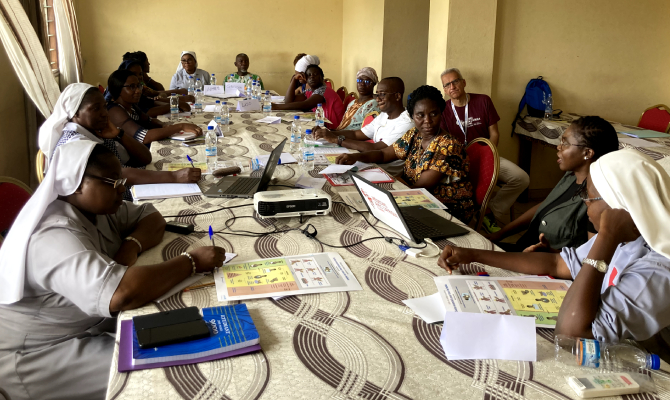
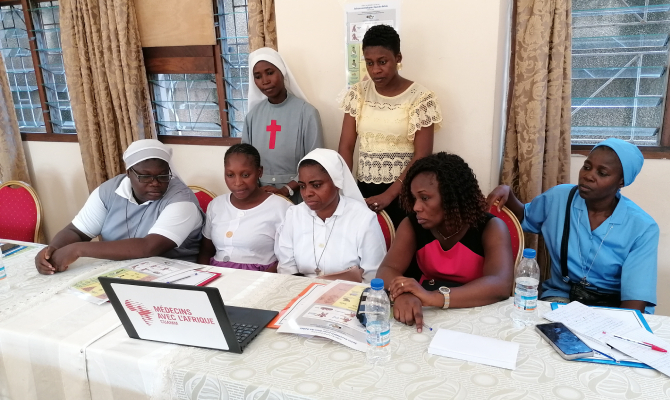
163 people representing 79 different faith-based organizations from across the globe, mainly from the Africa Region, but also Europe, Brazil, Pakistan and USA, subscribed to the online training on Leadership and networking skills organized by CUAMM thanks to the support of the Conrad N.  Hilton Foundation.

The training aimed at addressing two fundamental issues: leadership skills and the ability and importance of networking in health cooperation projects, where building strong connections between religious congregations, government partners, and institutions, is crucial.

Despite the key role played by FBOs in the provision of healthcare services to the most vulnerable populations, numerous challenges undermine their capacity and efficiency such as lack of human resources, weak capacity in disaster management and financial constraints. The training moved from the need to strengthen FBOs capacity in building strong collaborations and partnerships that can indeed make a difference in their health service provision therefore in people’s life.

Why is networking so important? How do you find donors? Which are the key to effective health management?

Those and many others were the questions addressed in the training on leadership and networking skills, attended on June 26. Following the opening remarks by CUAMM Director General – Father Dante Carraro, three modules have been offered to the participants:

  • “Connect, strengthen and empower Faith-Based Organisations in delivering healthcare services” Mr. Andrea Atzori – Head of International Relations at CUAMM
  • “Supporting Faith-Based Organizations delivering Healthcare in Africa” Dr. Parotto – Clinical Advisor and Anesthesiologist, Padua’s University Hospital
  • “Partnerships with Governments & Local Authorities: the experience of UCMB” Dr. Kasyaba – Assistant Executive Secretary of the Uganda Catholic Medical Bureau (UCMB)

The training is part of a wider package designed for FBOs representatives aiming at fostering their competencies on multiple aspects ranging from health facility management to disaster preparedness to monitoring and evaluation and more. The activity is promoted by Doctors with Africa CUAMM in the context of “Supporting FBOs on the frontline of healthcare service delivery in Africa” program launched in 2019 with the final goal of strengthening the capacity and resilience of staff working in faith-based health facilities through trainingtechnical assistance and advocacy activities. Since its launch in 2019, 133 faith-based organizations in 26 countries in sub-Saharan Africa have been involved in “Supporting FBOs on the frontline of healthcare service delivery in Africa” program.

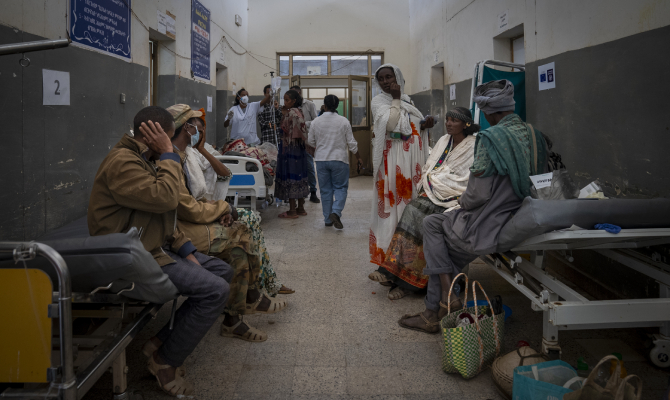
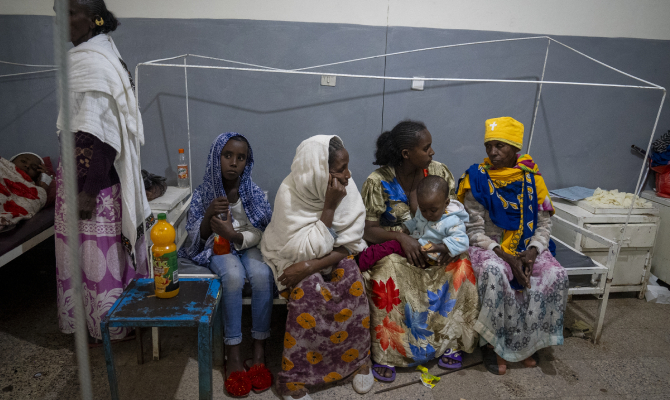
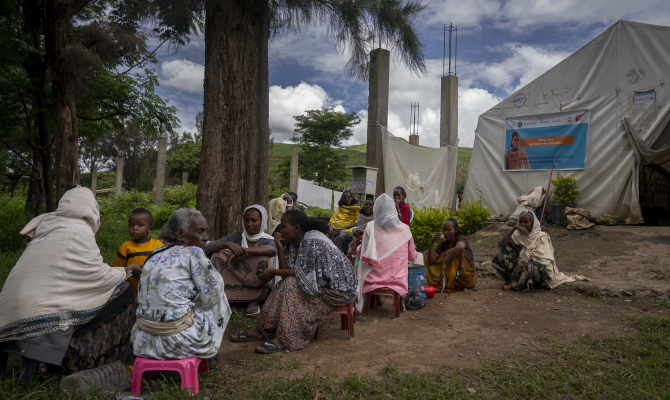
Faith-Based organizations (FBOs) are indeed crucial in delivering quality health services to the most vulnerable populations in Africa. Often located in the last mile, FBOs are frequently on the front lines of service delivery; they are in close contact with local communities and can recognize and address the real needs of the poorest, delivering up to 70% of health services in low and middle income countries. However, FBOs are often neglected in terms of supplies, human resources and funding and are not integrated into the healthcare system.


READ THE FEEDBACK FROM THE FIRST FRENCH EDITION


DISSEMINATING KNOWLEDGE

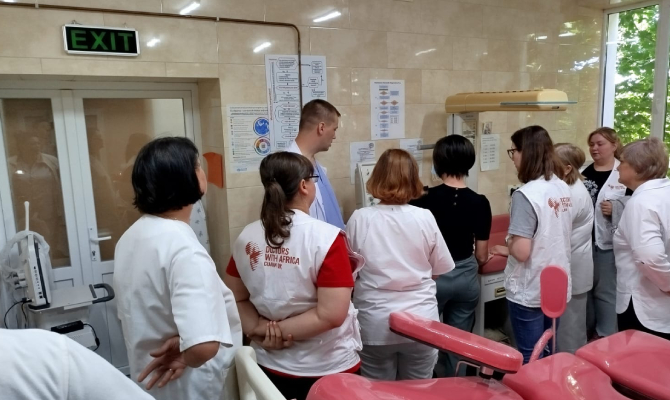
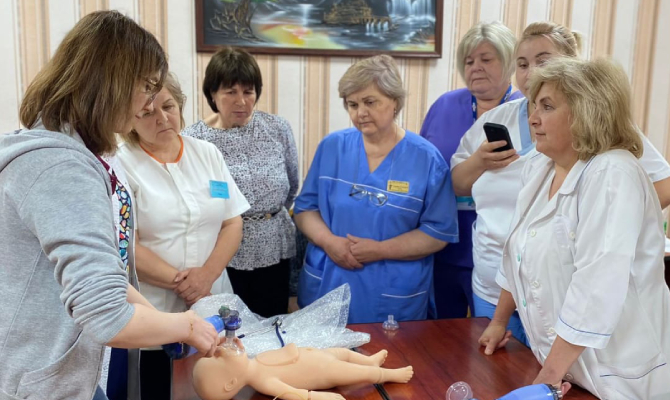
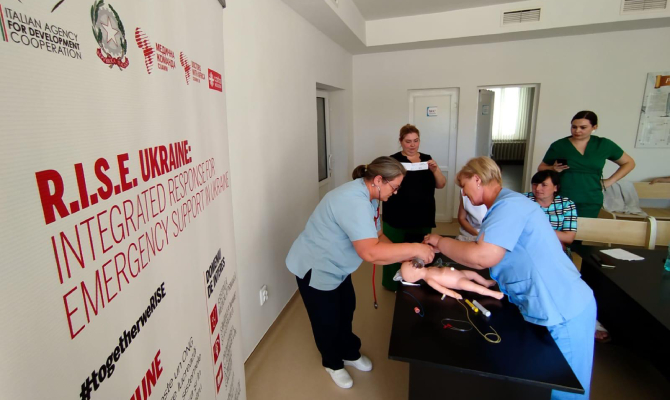
2 two-day training courses were held in Soroca and Orhei Hospital, Moldova between Monday 20 and Friday 24 to foster capabilities on neonatal emergencies and stabilization among health workers deployed in secondary health facilities. The activity was conducted on-site with low-fidelity techniques by local professionals trained during “Training of Trainers –ToT” with the support of an international certified trainer in neonatal emergency and neonatal stabilization. Two interdisciplinary team, 11 people at Soroca and 16 at Orhei Hospital counting a total of 27 people composed of nurses, obstetricians and paediatricians got involved in the training in Soroca and Orhei Hospital respectively 94 and 31 miles away from the capital Chişinau. The training was designed to address a multidisciplinary team to simulate daily work activities and improve the responsiveness of local teams at peripheral facilities.

«Currently, the second phase of the project is underway. We are strengthening skills among health professionals working in the outskirts of Moldova by teaching them how to improve neonatal resuscitation – said Anastasia Tean, Trainers from the task force. I am happy to be part of this team. Now we are visiting the areas where we worked a year ago and we see firsthand the impact of our trainings. Doctors and nurses feel way more confident. The practical part develops in a much more interesting way, as all the medical staff act confidently in their practical knowledge. They follow the resuscitation algorithm precisely without ignoring details. As a practicing doctor in a level 3 hospital in Chisinau, I can observe the conditions in which children are transferred from the outskirts. And I can say with certainty that the stabilization of these children has greatly improved, which significantly increases the chances of successful treatment and survival of the children».

The activity paves the way to the second phase of R.I.S.E. project, led by Doctors with Africa CUAMM Uk and funded by The Italian Agency for Cooperation and Development (AICS) aiming at ensuring health service coverage at multiple level of the health system. Moldovan hospitals have reported an out-of-scale postnatal transport index (3.6% in 2022). Due to the long distance from the secondary facilities to the main hospital, it is essential that staff at peripheral levels are capable of performing stabilisation before the referral. In order to achieve the goal and offer quality care to mothers and children, an overall number of 84 health workers from 7 second-level hospitals located in 7 different regions will be engaged in the trainings.

Maternal mortality rate has significantly decreased in Moldova over the past 10 years, dropping from 44 per 100,000 live births in 2010 to 19 in 2017, the infant mortality rate per 1,000 live births has declined from 26 in 2010 to 12 in 2019 thanks to the proactive commitment of the Ministry of health and health workers. However, this rate still remains above the WHO index for European regions. Although maternal and infant mortality rates have reduced over the years, there is a margin to improve the mortality index and the output of emergency procedures by working on the remaining gaps regarding referral and post-natal healthcare in peripheral hospitals.

«These courses are much needed for strengthening our skills therefore deliver a better service to the population. Medecine is constantly evolving, being up to date is key especially in neonatal management but we have limited learning opportunities. Through these courses we acquire knowledge and confidence essential to promptely operate in case of emergency» said Silvia Ciugava – neonatologist from Soroca Hospital.

In Moldova, there are 32 hospitals handling a total of 27,000 births annually. However, many of these facilities have a low number of deliveries per year, below 500, resulting in limited exposure to maternal and newborn emergencies from health workers. Additionally, hospital data reports a high rate of post-birth transfers from peripheral facilities, that are not equipped with intensive care units, to third-level facilities located in the capital. Quality and timely newborns care after the delivery is hence highly needed in order to stabilize the newborn. For this reason, training activities on neonatal stabilization are key in peripheral facilities in order to avoid leaving these services uncovered.

Since the conflict broke out on 24th February, 2022, approximately over one million refugees crossed the border seeking refuge in Moldova, one of Europe’s most fragile countries. To prevent the collapse of the national healthcare system and address the healthcare needs of both the refugee and local populations, targeted interventions have been deemed necessary. CUAMM’s commitment in the country started in April 2022 in the capital Chişinau. Since then and in close collaboration with the Ministry of Health and the WHO, the intervention has been guided by the twofold objective of providing basic medical assistance within RACs and offering specific training for local medical personnel on neonatal emergency. To date, CUAMM is still committed to the such activities thanks to the support offered by the Italian Agency for Development Cooperation (AICS). The commitment also extends to Ukraine, focusing on the delivery of medicines, medical equipment, and consumables to healthcare facilities; distribution of food items, essential goods, and equipment to combat the cold; as well as providing psychological support to the most vulnerable.


TRAINING FBOs ON MATERNAL AND CHILD HEALTH

Ensure quality health care at primary level by strengthening the capacities of those deployed on the frontline of healthcare service delivery is key to achieve long-lasting and effective results. This is the commitment leading the partnership between CUAMM and URSSCI, the Union of Religious in Health and Social Affairs in Ivory Coast.

In the last ten years (2012 to 2021), Ivory Coast has made significant progress in maternal, neonatal, and child health. Maternal mortality has decreased from 614 to 385 per 100,000 live births (LB), under-five mortality from 108 to 74 per 1,000 LB, and neonatal mortality from 38 to 30 per 1,000 LB. However, these rates remain high compared to the sustainable development goals (SDG). The leading causes of neonatal deaths are prematurity (31.6%), asphyxia (27.5%), and infections (20.2%) (Ivory Coast’s “Every Newborn” Action Plan 2018-2020). Achieving SDG target 3 by 2030 requires implementing high-impact interventions for mothers, newborns, and children.

In this context of improving neonatal care, the Ministry of Health, Public Hygiene, and Universal Health Coverage (MSHPCMU), through the PNSME and with CUAMM’s support, is implementing the “Health for All” project in 13 Christian faith-based health facilities. This project aims to contribute to improving the quality of health services amidst URSSCI health facilities to serve vulnerable populations, in line with national plans and priorities. Achieving this goal involves training and capacity building for health personnel in charge of managing the health centres.

As part of it, a five-days training course on essential neonatal care and resuscitation was held at the Regional Episcopal Conference of West Africa (CERAO) in Abidjan, in March. The course offered by Doctors with Africa CUAMM and funded by Eni was co-organized by the Coordination Directorate of the National Program for Maternal and Child Health (DC-PNSME).

Thirty healthcare workers from 13 healthcare facilities of the Union of Religious in Health and Social Affairs in Ivory Coast (URSSCI) participated in the training that aimed at strengthening the clinical knowledge and skills of participants in the proper management of newborns. Among the activities performed: newborn resuscitation within the “Golden Minute,” administration of essential newborn care, infections prevention and control.

2 national paediatric trainers from the PNSME in collaboration with 2 international paediatric trainers from CUAMM in-person, engaged the attendees using a participatory approach based on theoretical and practical learning. The theoretical phase was based on teaching techniques including questions and answers, brainstorming, illustrated lectures, and discussions while practical demonstrations on anatomical models supported learning activities on essential care, neonatal resuscitation and nasogastric tube placement.

«The training we are holding are not only a fruitful occasion for health workers and providers to improve their competencies but also a mean to pursue the objectives set by the Ministry of Health who called for quality health services for all» said Dr N’guessan Rebecca paediatrician at PNSME who concluded «By supporting the PNSME in the implementation of this activity, CUAMM is enabling health workers at Primary Contact Public Health Establishments ESPC (Etablissements Sanitaires Publics de Premier contact) to improve the care of mothers, newborns and children»

The participants were assessed through initial, mid-course, and final questionnaires and gained a certificate of participation. The final evaluation highlighted the need to continue the capacity-building process for healthcare workers. Further and regular on-site  theoretical and practical training sessions are already scheduled for the next months, in collaboration with the Coordination Directorate of the National Program for Maternal and Child Health and international neonatology experts, in order to improve the capacity of facilities to reduce maternal and neonatal mortality in Ivory Coast.


UR-BEIRA INAUGURATED THE CALL-IN CENTRE

Considerable progress in maternal and newborn health were achieved during the Millennium Development Goal era in Africa. Despite this, maternal and perinatal mortality remain among the leading causes of death in sub-Saharan Africa. According to the World Health Organization (WHO), approximately 800 women die from pregnancy or childbirth-related complications every day, of which nearly 99% occur in developing countries, with over half occurring in sub-Saharan Africa. According to data, Mozambique has one of the highest maternal and neonmatal mortality rate in the world due to pregnancy complications and/or delay in receiving emergency medical attention.

Most maternal deaths are associated with hemorrhaging, unsafe abortions, obstructed labor, infection, or eclampsia –causes that could be prevented if women received timely care during medical emergencies. Referral care represents an important step in the management of the sick, especially vulenrable groups such as women and children. UR-Beira project aims at reversing this course by offering the people of Beira timey and effective referral in case of emergency. 8 workers trained in emergency management work around the clock at the call-in centre to respond and handle the requests they receive from 17 health centres and subsequently arrange the referral to Beira General Hospital – HCB. The focus is on women and children: since February 1, 2022 19,700 referrals of which 6,600 maternal and 4,000 neonatal emergencies have been performed thanks to the referral.

«Today, we celebrate the inauguration of the call-in centre in collaboration with the Italian Cooperation with great satisfaction» said Gianni Bardini – Italian Ambassador in Mozambique. This project enforce the collaboration between Italy and Mozambique and prove the commitment to promoting the health and well-being of the Mozambican populations by the Italian government»

UR-Beira project is being implemented by Doctors with Africa CUAMM in collaboration with Regione Veneto, Ca’ Foscari University, Padua Croce Verde, together with local health authorities AS Serviço Provincial de Saúde de Sofala (SPS) and Serviço Distrital de Saúde, Mulher e Acção Social (SDSMAS) and Direção Nacional de Assistência Médica (DNAM).

«This intervention goes beyond traditional cooperation projects as it has brought together multiple partners who have collaborated towards achieving a common goal» said Luigi Zanin – from Regione Veneto.

The inauguration represents a milestone in the promotion of healthcare services in Mozambique being the call-in centre and the referral system the first in the country.

«I wish to thank all the partenrs involved for choosing Sofala province for the introduction of this pivotal intervention- said the Sofala Province Secretary of State Sandra Jeronimo Francisco Chamutotana. I call everybody to assume the responsibility of this service and to work tirelessly to make it possible to both expand the service within Sofala province and beyond, reaching more areas across the country».


RESEARCH FOR QUALITY HEALTH COOPERATION

Doctors with Africa CUAMM invites you all to “Research for quality health cooperation: an African perspective on lessons and results” which will be held at Palazzo Bo, Main Hall, Via VIII Febbraio n. 2, on Saturday, June 8,2024 from 9:30 to 1:00 pm.
Discussions on health-related issues and health system management will drive the debate during the event meant to bring attention to the pivotal role of scientific research in health cooperation in Africa before rising emergencies.

Research does have the potential to provide a better understanding of contexts therefore drive successful and respectful implementation in collaboration with local institutions and communities. Such approach is key to assess both accessibility and quality of health services, identify social determinants, evaluate technological advances and social innovations through community-driven engagement.

To outline paths and future perspectives for research in Africa, we will engage in dialogue with representatives from International and African research institutions, giving voice to field experiences, youth, the Italian academia, and private foundations.

DOWNLOAD THE AGENDA

SIGN UP TO THE EVENT

MEASLES OUTBREAK IN MOLDOVA

On March 18 the Department of Medical and Social Assistance in the capital, Volodymyr Bolocan announced an outbreak of measles in Testemitanu 6 Refugees Accomodation Centre (RAC). The Agency for Public Health has timely adopted response measures to limit the infection by calling a 21 days of quarantine. At the same time, the Chisinau Hospital “AMT Centru Policinica nr.1 Chisinau” and CUAMM UK decided to respond to the epidemic by implementing health promotion activities, which therefore enable access to immunization within the centre.

The first confirmed cases were registered among children and adults aged 2 to 41 y.o. As of April 4th, 16 cases were confirmed and a outbreak of hepatitis was also detected within the centre. Starting from April 2nd, a nurse from the Center Territorial Medical Association and the National Agency for Public Health task force have been collaborating with three CUAMM UK national doctors to assist all the people accomodated in Testemitanu where immunizations are being somministarted from Monday to Friday.

Measles has a devastating effect on children’s health, with sometimes fatal consequences. It causes long-lasting weakening of children’s immune systems, making them more vulnerable to other infectious diseases including pneumonia, ear infection, permanent deafness, encephalitis.

Since the beginning of the war, with the support from the Italian Agency for Cooperation and Development – AICS, CUAMM UK has been working in Testemitanu 6 to guarantee basic health care to around 150 refugees sheltered at the centre. Among the services provided: paediatric screening, specialised referrals, distribution of essential medicines and hygiene kits, as well as health promotion activities and community engagement. Over the past 2 years Moldova have sheltered the largest number of refugees: as of now, 109,000 Ukranian refugees have been registered in the country. The assistance offered by CUAMM UK aims not only at ensuring continuity of treatment and follow-up to Ukrainian refugees, as well as preventing the deterioration of minor illnesses; but also preventing the already fragile Moldovan health structures from being overwhelmed by the influx of refugees.

Mozambican Women’s Day

The Mozambican Women’s Day is celebrated throughout Mozambique, on April 7th. The day is a way to commemorate the death of Josina Machel (1945-1971), a national heroine and wife of Samora Machel (1933-1986), she was one of the many Mozambican women who fought for the Country independence, thus becoming an example and inspiration for the Mozambican women’s movement. The occasion is a time for us to reflect on and honor Mozambican women for their courage and determination in participating in the construction of a more equal and fair society, inspiring positive change and promoting women’s empowerment.

«Josina Machel was a warrior woman who created various feminist movements to put women at the center of attention, explains Francelina Cebola Manuel – CUAMM nurse in Tete province. Celebrating this day symbolizes the historical struggle of women to have their conditions equated with men».

Today, despite the progress made, the movement for the empowerment of Mozambican women cannot stop. Indeed, although general trends show significant progress in the pursuit of gender equality, they do not reflect the experience of millions of people who continue to be left behind: specifically women in rural areas, as well as those who are in conditions of strong vulnerability due to the consequences of conflict and/or climate disasters.

«The Mozambican woman is a fighter, says Isefa Sufo – CUAMM paralegal in Cabo Delgado province. She wakes up every day and seeks a better life for herself and her family, and after all the struggle in the past, having served as inspiration for women, they have fought for their rights, specifically speaking of the right to equality in terms of job opportunities». Isefa knows many fighters. As a CUAMM paralegal in Pemba, Cabo Delgado, she encounters and supports women victims of gender-based violence to whom she provides legal consultations. «Today there is a prominent place for women but there are still situations that challenge women daily and culminate in rights violations. There is still a huge amount of work to be done» declared Isefa.

CUAMM works in Cabo Delgado province with a specific intervention dedicated to supporting refugees and internally displaced women. A team of psychologists, paralegal and community health workers operates in 2 districts, namely Montepuez and Pemba where they manage gbv cases therefore provide psychological and legal support to the victims and survivors of gbv and engage the community in awareness raising activities.

On occasion of April 7th, CUAMM team in the southern province of Cabo Delgado invited both the community and the local health authorities to the celebrations organized in collaboration with its partner UNHCR and Helpcode. During the morning, community health workers performed two theatre plays on the theme of gender based physical violence and economic violence to sensitize the public on the theme and later engage them in a open discussion with the support of the team. At the end of the day, an artesanal and cooking fair was also set and the commemoration ended with traditional dancing.

«Today was an important day for us, during which we staged through theater what unfortunately still happens, but fortunately, thanks also to the activities of our project, we are able to confront and contain. Every day, CUAMM activists raise awareness in the community about issues related to gender-based violence and mental health, two fundamental pillars of our activities, while the technical team handles the daily management of individual cases requiring support and accompaniment. We carry out psychosocial activities in our protection homes every day, and for the community, we are a reference point: a safe place, for help, reflection, awareness, and teaching, but also for fun and joyful participation, as it was today». Said Laura Bretti –  CUAMM Project Manager in Pemba.


Celebrar este dia significa simbolizar a luta histórica da mulher para ter as suas condições equiparadas aos homens. No país todo, hà cerimónia de várias maneirasː as mulheres têm um veste igual de capulanas, lenços, chapéus, camisetes, com desenhos ou fotografia de Josina Machel. Organizam vários tipos de culturas, danças, cantos, teatro e vai-se ao desfile na praça dos heróis celebrando a cerimónia com presença de toda liderança da província ou distrito.

Francelina Cebola Manuel – CUAMM nurse in Tete


Women celebrate Women’s Day with smiles on their faces: they dress in capulana, each more beautiful than the other, and wear vibrant colors. It’s a day of joy and celebration, it is an opportunity to honor women for their effort and dedication, for their achievements, and for their virtues.

Lorraine Mataure – CUAMM doctor in Quelimane


On April 7th, we celebrate the strength, courage, and battle of a woman who spared no effort and showed us that as women, we are capable of accomplishing tasks that are socially designated for men.

Elisa Fernando Tembe – CUAMM GBV supervisor in Cabo Delgado.


The adjective that better describes Mozambican women is “hardworking,” as they wake up every day and strive for a better life for themselves and their families. After all the struggles in the past, having served as inspiration for women, they have fought for their rights, specifically speaking of the right to equality in terms of job opportunities. There has been a prominent place for women in recent times thanks to all this struggle, but there are still situations that challenge women daily and culminate in rights violations. There is still a huge amount of work to be done because we have managed to win the battle, but not the war. However, together we are stronger.

Isefa Sufo – CUAMM paralegal in the province of Cabo Delgado.


April the 7th is a national holiday, despite being a sad day due to the loss of the great warrior Josina Machel, it is important to celebrate it to honor her and show the community how important she was and continues to be for the whole Mozambican society.

Estrela Omar – Assistente de escritório em Pemba, Cabo Delgado


Mozambican Women’s Day for me means strength, wisdom, love, and solidarity among Mozambican women, in which we support each other. “It is very important for me and I believe for other Mozambican women to celebrate Mozambican Women’s Day because on this day, we not only celebrate the achievements made so far, but we also honor and remember our heroine Josina Machel and all other women who fought for a better Mozambique and equal rights for all. I am aware that the fight is ongoing and we still have a long way to go until all Mozambican children, women, and all other women around the world enjoy the same rights as men.”

Vilma Helena Caetano Joaquim – CUAMM Admin in Beira, Sofala


April 7th symbolizes the strength that women have to fight their battles in society. It represents the empowerment of women.

Isabel Silvestre – CUAMM Log in Pemba, Cabo Delgado


VOICES FOR HOPE AWARD

Voices for Hope award is dedicated to empowering women refugees and women working with NGOs by amplifying their voices and promoting innovative solutions to their challenges. It aims to celebrate and acknowledge the strength, determination, and innovation of women refugees and their advocates, fostering a culture of empowerment, empathy, and understanding. Aligned with COP28’s theme of “Climate Action for a Resilient Future” this award highlights the relationship between climate change, refugee empowerment, and sustainability. Doctors with Africa CUAMM is glad to partner with UNHCR, UniRef, DIHAD and The Amahoro Coalition to promote the award, which is part of the Sheikha Fatima Fund for Women Refugee Support and Empowerment Initiative (SFFWR).

The initiative comprises three main awards:

Category A: Women Refugees

Category B: Women Working with NGOs

Category C: Empowering Through Innovation

Award Objectives:

  • Providing a platform for expression and advocacy for women affected by climate change.
  • Celebrating the roles of women refugees and NGO workers in climate action and humanitarian responses.
  • Encouraging the sharing of experiences to build a supportive community.

The winner of each category will be awarded with both cash prizes, scholarships, and possibilities for mentorship.

All submissions should be made to media@thecoalitionafrica.com.

Deadline for submission: May 4th, 2024.

Download the full program

Training of trainers

In Chişinau, Moldova, Doctors with Africa CUAMM UK organized a 5-days training to strengthen capacities in neonatal emergencies and stabilization hence create a task force of skilled instructors. The training acitivity implemented by CUAMM UK is part of R.I.S.E. project, led by Doctors with Africa CUAMM and funded by The Italian Agency for Cooperation and Development (AICS).

A group of 7 participants, 5 from IMAC Hospital and 2 from the Ministry of Health (MoH), entirely composed by women, took part in the Training of Trainers (ToT) activity held in the capital of Moldova by Daniele Trevisanuto – Neonatologist and CUAMM doctor. The training developed in collaboration with the Moldavan Paediatric Association, aims to empower capabilities among a group of skilled instructors, thereby establishing a task force focused on neonatal emergencies and stabilization. This robust task force will then be equipped to educate others and disseminate the acquired knowledge for a sustainable impact. After completing the training, the 7 participants have received a certificate of 20 credits accredited by the Ministry of Health (MoH).


Once the course is completed, the task force will lead further training activities with the ultimate goal of fostering capabilities on emergency neonatal resuscitation and stabilization among local medical staff across the country. The second phase of the training will be held in the following months, will address 84 health workers from 7 second-level hospitals located in 7 different regions from north to south. This approach avoids the transfer of qualified personnel and ensures service coverage. Finally, a final workshop is planned with participants from the training courses, international experts, and key stakeholders for monitoring and evaluating the acquired skills and discussing future perspectives.

Maternal-infant mortality rate has significantly decreased in Moldova over the past 10 years, dropping from 26 per 1,000 live births in 2010 to 14.2 per 1,000 live births in 2022. However, this rate still remains above the WHO index for European regions. In Moldova, there are 32 hospitals handling a total of 27,000 births annually. However, many of these facilities have a low number of deliveries per year, below 500, which exposes healthcare personnel to limited opportunity of fostering capabilities on neonatal care. Additionally, hospital data reports a high rate of post-birth transfers from peripheral facilities, which lack neonatal intensive care units, to third-level facilities, only present in the capital. Quality and timely newborns care after the delivery is hence highly needed in order to stabilize the newborn. For this reason, training activities on neonatal stabilization are key in peripheral facilities in order to avoid leaving these services uncovered.

Since the conflict broke out on 24th February, 2022, approximately over one million refugees crossed the border seeking refuge in Moldova, one of Europe’s most fragile countries. To prevent the collapse of the national healthcare system and address the healthcare needs of both the refugee and local populations, targeted interventions have been deemed necessary. CUAMM’s commitment in the country started in April 2022 in the capital Chişinau. Since then and in close collaboration with the Ministry of Health and the WHO, the intervention has been guided by the twofold objective of providing basic medical assistance within RACs and offering specific training for local medical personnel on neonatal emergency. To date, CUAMM is still committed to the such activities thanks to the support offered by the Italian Agency for Development Cooperation (AICS). The commitment also extends to Ukraine, focusing on the delivery of medicines, medical equipment, and consumables to healthcare facilities; distribution of food items, essential goods, and equipment to combat the cold; as well as providing psychological support to the most vulnerable.

MALARIA THE RESEARCH RESULTS PRESENTED IN KAMPALA

The research teams of Doctors with Africa Cuamm and University of Bari Aldo Moro gathered in Kampala, Uganda, for the presentation event of the study on malaria in pregnancy and drug resistance, in the presence of representatives from the Ugandan Ministry of Health, Paolo Giambelli – Director of the Italian Agency for Development Cooperation (AICS), and authorities from the districts of Oyam and Kole where the study was conducted. The research was carried out as part of the “ERASE – Rise against malaria project – Support for prevention, diagnosis, and treatment of malaria in the context of the Covid19 pandemic”, with the support of the Italian Agency for Development Cooperation (AICS).

“The cooperation between Italy and Uganda is based on a long-standing commitment that continues to evolve, particularly in strengthening the healthcare system. I am pleased to be here today to acknowledge the success of this collaboration, which fully reflects the approach and intervention strategy adopted by the Ugandan Ministry of Health. An approach in which operational research and community engagement become key elements for achieving health objectives,” stated Paolo Giambelli, Director of AICS in Uganda, Rwanda, and Burundi.

Representing the District Health Officer of Oyam District, Dr. Fr. Samuel Okori recognized CUAMM and the Italian Government for the support in the fight against malaria as he also underlined the importance for Uganda to share best practices and lessons learned from countries who have already defeated the epidemic, as Mauritius and Algeria.

“Today has been a testament to the power of collaboration. This has demonstrated a big image in collaboration and partnership in the fight against malaria. I know that these results that we have received from different players, will help us guiding new interventions in the malaria response, theerefore supporting the achievement of the 2030 goal. I want to express my appreciation to the project team members, partner organizations, and stakeholders who have worked tirelessly to generate these impactful results”. Remarked Chemuko Fred, representing the CCM Constituency.

A cohort of 1,558 pregnant women underwent screening at each prenatal visit until delivery. The research showed that 29.7% women contracted malaria during pregnancy. The study also found that the incidence of low birth weight and preterm birth was 8% and 19% respectively. Women who tested positive were treated, and samples collected were analyzed at the Istituto Superiore di Sanità to investigate drug resistance markers used for therapy and prevention in pregnant women.

Operational research is indeed a key component of CUAMM’s work: conducting research means studying and deeply understanding the contexts in which interventions occur, adopting a critical method, identifying best practices based on scientific evidence, and also ensuring precise accountability. Doctors with Africa Cuamm has been committed for years to operational research recognized as an integral part of the Organization’s strategic plan, complementary to field activities and indeed functional to increasingly effective results. In this shared vision, the established collaboration with the University of Bari Aldo Moro fits in seamlessly.

The collected results have strengthened malaria prevention and control practices in the communities, improving the quality of health services at the community level and in healthcare facilities in the Oyam and Kole districts in the Lango region, Northern Uganda. The two districts at the center of the research have a malaria incidence rate higher than the national average, with 407 new cases per 1,000 inhabitants in Oyam, and 361 in Kole, compared to a national average of 289 new cases per 1,000 inhabitants.

“Data are important for conducting effective strategies,” explained Giovanni Putoto, Head of Programming and Operational Research for Cuamm. “A strategy exists: WHO has one, and the Ugandan Ministry of Health is exemplary in following it to respond to the disease. This strategy is based on pillars such as the use of integrated preventive treatments in pregnancy and childhood and seasonal chemoprevention capable of reducing morbidity and malaria incidence in the country. However, achieving the goals of reducing the disease requires constant political commitment that we must carry out on multiple levels, working in communities, referral hospitals, and decision-making tables with the relevant authorities”.

Malaria is among the deadliest infectious diseases globally. 95% of diagnosed cases occur in sub-Saharan Africa, which also holds another grim record: about 80% of malaria deaths are children under 5 years old. According to the World Health Organization, one-third of pregnant women living in sub-Sahaaran Africa contract the infection during gestation.

“Dealing with malaria in pregnancy is important because, besides being a condition that jeopardizes the lives of many women, it can also transform into placental malaria,” explains Francesco Vladimiro Segala, doctor in Infectious Diseases. “This condition hinders fetal development and results in premature births and underweight newborns.”


“The research group from the Department of Infectious and Tropical Diseases has a special focus on the needs of vulnerable populations,” declared Professor Annalisa Saracino from University of Bari. “Being here in Uganda today, with the entire team that worked on this project, testifies to the sincere involvement of the University, which firmly believes in the scientific and human value of research like this.”