A NEED FOR CONCRETE ACTION AND COMPASSION

Dear Friends,

As of yesterday we are back in lockdown, most of us here in Italy once again living in a so-called “red zone”. The numbers of confirmed cases of COVID-19, intensive care unit admissions and deaths from the virus continue to rise. Schools have closed and families have been brought to their knees. There is much pain and fear, and pandemic fatigue is setting in. Worse, we no longer even have the energy to envision a better future.

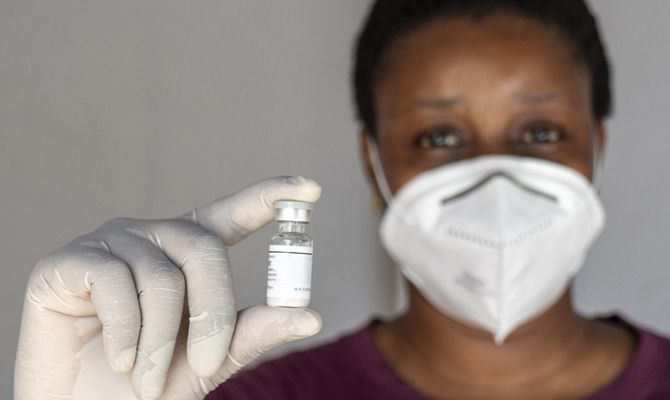
But there is light at the end of the tunnel, and its name is vaccines. Availability is limited: we don’t have enough doses in Italy, and the situation is far worse in Africa. We need more, enough for everyone. This is why COVID-19 vaccine patents must be suspended, so that production can be ramped up. This must be done urgently if we want to prevent the development of new variants that could jeopardize all the progress made up until now. Yet unbelievably, not even during the World Trade Organization meeting last week was an agreement reached on waiving intellectual property rights for the vaccines. India and South Africa continue to press their case while the United States, United Kingdom and European Union Commission argue against it, despite numerous appeals – including one by the World Health Organization signed by CUAMM and many others – asking that these rights be suspended even just temporarily.

Despite all of this, vaccines have begun trickling into Africa thanks to the COVAX initiative and donations from China. While still too few given the size of the continent’s population, they are beginning to arrive – to Sierra Leone (100,000), Mozambique (200,000), Angola (600,000), South Sudan (700,000), Uganda (900,000) and Ethiopia (2,200,000).

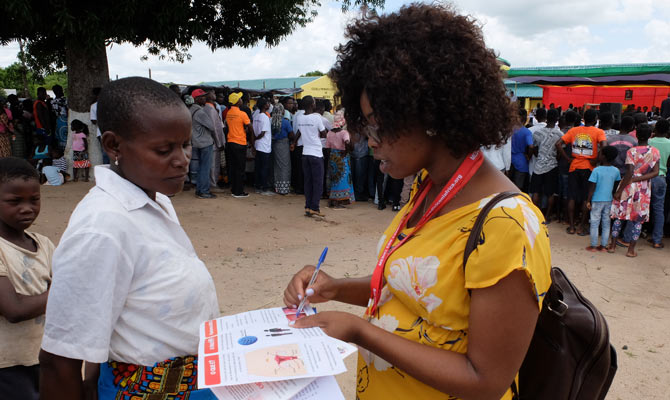
CUAMM is now making available our on-the-ground human and logistical resources (personnel, pickups, motorbikes, refrigerators and so on) to local vaccination systems, but these systems are very fragile, and the needs are infinite. We need to do more, devoting every last bit of energy to strengthening logistics, personnel and communities, and providing tools and training; and all of this has to be done right away. That’s why we’ve launched our A Vaccine for Us All initiative, because when greater quantities of the vaccines finally arrive to Africa, distribution mechanisms are going to have to be ready to go and effective. We’ve already seen the challenges faced in Italy; just imagine the situation in the vulnerable countries where CUAMM maintains a presence. They need our hard work and support, and we need everyone’s help in order to provide it. The challenge is daunting, and will require both hearts and minds, but we won’t back down. We need to transform vaccines into actual “shots in the arm”, starting with our local doctors and nurses, who are at especially high risk of infection, and then moving on to everyone else. From Mozambique, where the number of cases is soaring because of the country’s proximity to South Africa, our own Giovanni Putoto puts it in a nutshell, reminding us how “Alongside the appeals, there is so much concrete work that needs to get done”. As always, CUAMM is on the ground ready to do its part, side by side with our local partners.

Thank you for joining us in the enormous challenge called A Vaccine for Us All. Only by working together will we be able to save ourselves from this pandemic.

Father Dante

A THOUSAND WAYS TO SAY DAD.

Papà, Dad, Père, Pai, Baba, Embo, Fa, Abba, Aabe, Aabba, Abo.
These are just some of the words used to call dads in Africa.

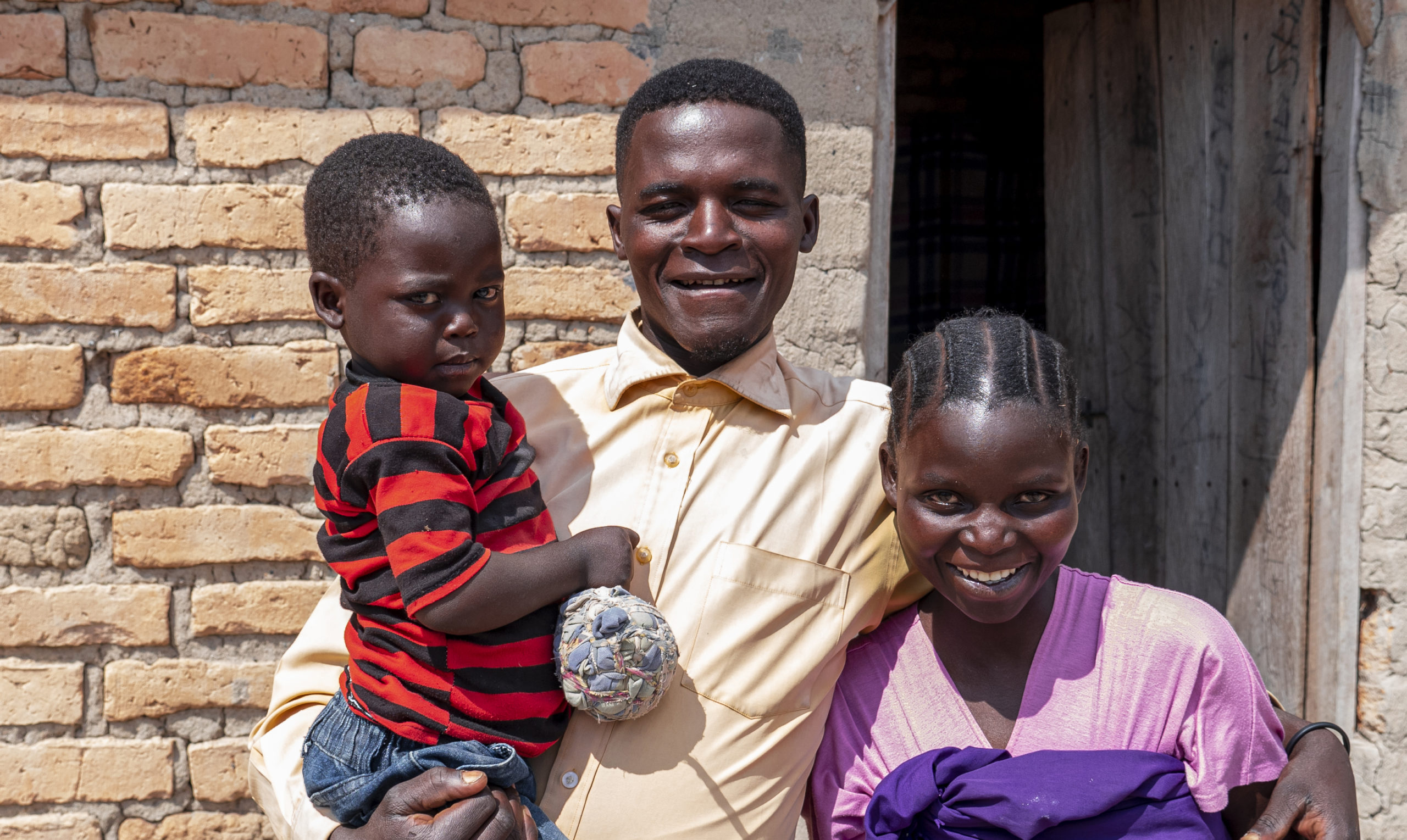
Fathers are often marginal figures in this continent, as parental responsibilities are mainly a duty of women. Anyhow, their active role in the family is essential for the health of children. Singi is Richard’s father and is an example of how the involvement of fathers in the family can make a difference.

Singi and his family live in the Simiyu region, Tanzania. The case of little Richard was reported by community health workers during a home visit in which they noticed that the child was very weak, unable to walk and under-weight. They suggested to bring him to the nearest dispensary in order to start a treatment for malnutrition.

The father immediately took charge of the situation and took him to the dispensary.

“After only two weeks Richard started gaining weight, walking and eating on his own and after four weeks he was discharged. I kept following the advices I received from the health workers and once at home we tried to provide our son with a balanced diet” says Singi.

Singi participated in the cooking demonstrations to understand how to use the food he could afford in order to support his son’s growth and development.

“I am very happy and grateful to the health community workers for giving me the opportunity to take care of my child to the fullest. Now I am committed to sharing my experience with the community and above all to the other fathers because I want to encourage them to be attentive to the health of their children”.

On Father’s Day we want to remember the many fathers we meet every day on our work in Africa; doctors, nurses, community workers and drivers who work in our projects, but our thought also goes to all the fathers of the children we meet in the hospitals and health centers we support.


A voucher scheme to reduce maternal and child mortality

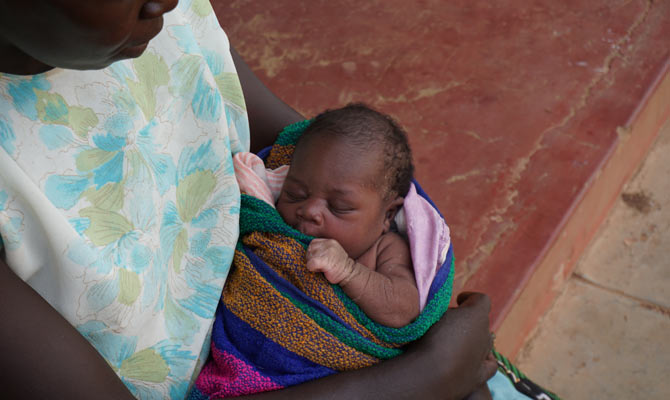
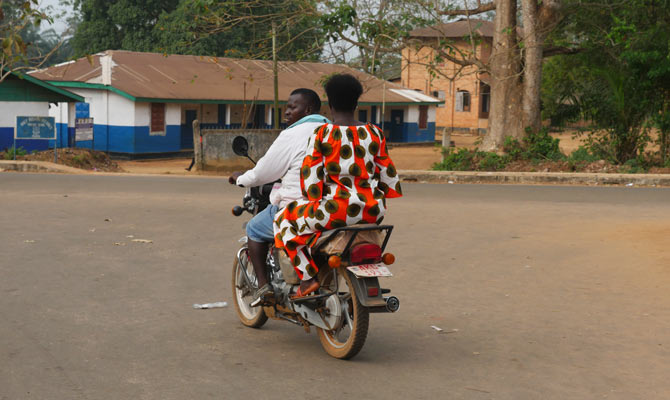
«I was 16 years old when I had my first child. Now, I am 22 and I have been pregnant three times. Two of my children died of malnutrition, before they reached the age of one. I gave birth to my first two children at home only receiving one antenatal care visit and not receiving assistance after my delivery. Things finally changed when I was pregnant with my third child, because I received a free transport voucher that enabled me to deliver my baby at the nearest health facility, Ariba HC II. As soon as I went into labour, I called boda boda (motorbike) that took me to the health centre and I gave birth to my baby that night. The health personnel took care of us and ensured due vaccinations for my baby. A health worker gave me advice on family planning and how to take care of my child at best».

Jiuliet Tino lives in Oyam district, Uganda and is one of the women who over the last year has benefited from the free transport voucher scheme promoted by Doctors with Africa CUAMM within the project “Mothers and Children First. 1,000 Days” and thanks to the support of the Symphasis Foundation. As many other in the region, her family lives with very little money: that is why her children have suffered of malnutrition but she could never afford health care.

In Uganda, many women face the same challenges as Juliet. In particular, Oyam District, located in a rural post-conflict region in the northern part of Uganda, has one of the highest maternal mortality rate. More than a half of the population live below the poverty line and still the high majority of pregnant women receive only one over the four antenatal care visits (ANCs) recommended by WHO, as well as less than a half of them use institutional delivery services. Affordable transport and long distances to the nearest health facility are key obstacles in accessing maternal and new-born services for poor women in Oyam district. Motorized vehicles (boda bodas, cars) serve most communities but the cost of transport challenges care access and assistance.

For this reason, the purpose of CUAMM’s project in Oyam “Mothers and Children First. 1,000 Days”, thanks also to the support of Symphasis Foundation, working with the district Health Management Team (DHMT), is to improve both access to the health system and quality of maternal and newborn health services. CUAMM successfully contributed to promote incentives mechanisms in the community, such as a free transport voucher system and motorbike ambulances.  «Voucher scheme is a really fundamental tool – Susan Achan, a midwife in Ariba HC II, adds –. It leads to increase the number of safe deliveries, providing village health teams with the opportunity to share health messages and additional services to mothers and babies».

Just like Juliet, Brenda Akot is another one of the many women who benefited from this effective service, and today she is happy with her child.

«CUAMM saved me and my baby’s life. Do not stop your work here. Look out for more mothers like me and help them. We know that when a mother dies, her children are less likely to survive We want a Uganda where no mother dies because she cannot afford the transport to reach the health facility. We want a Uganda where every woman has the right to a safe and assisted delivery».

All these women’s words demonstrate how transport voucher scheme has played a critical role in accessing safe and quality maternal and child healthcare. 

COVID-19: NEW EQUIPMENT TO THE HOSPITAL OF CARATE BRIANZA, LOMBARDY

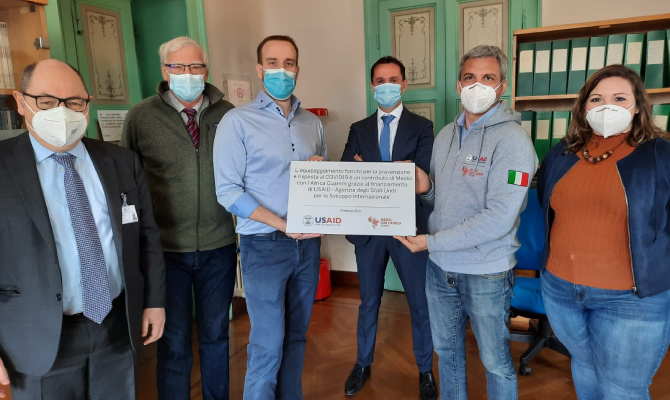
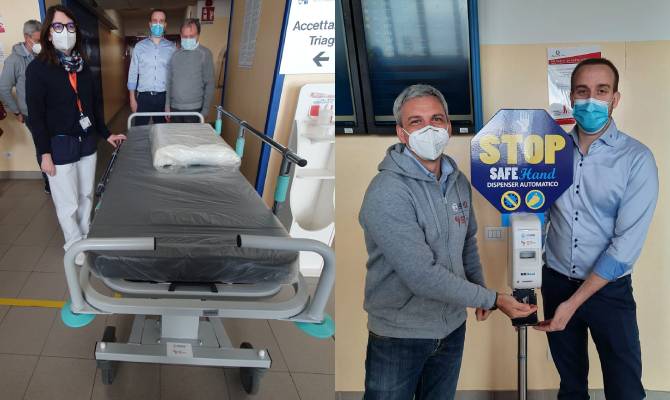
As the number of cases of COVID-19 rises again in Lombardy and in Italy in general, the hospital of Carate Brianza is prepared to face a new wave of the epidemic. Doctors with Africa CUAMM has provided the health facility with new equipment to ensure the safety of health workers and people accessing the hospital through the emergency room: over 25,000 patients only in 2020. The donation has been funded by the U.S. Government through the United States Agency for International Development (USAID) in the framework of CUAMM’s project “Italian Response to Covid-19” (IRC-19).

Last January, eight gazebos were provided, to be used as frontline reception spaces, allowing health staff to screen suspected cases of COVID-19 outside the hospital, improving the flow of the patients and avoiding overcrowding in the facility. Also eleven new stretchers have been made available since November 2020, while screens have been ensuring more privacy and smarter use of the spaces. Thirty dispensers of hand sanitizer have been distributed around the hospital, to guarantee high standards of hygiene.

Today Doctors with Africa CUAMM officially delivered the new equipment to the management of the hospital. Marco Trivelli, General Director of ASST Brianza, attended to the ceremony, together with Ezio Goggi, Medical Director of the area, Davide Moro, doctor from the hospital of Carate Brianza, and Andrea Atzori and Veronica Censi from Doctors with Africa CUAMM.

Marco Trivelli, General Director from ASST Brianza, stated, “We thank Doctors with Africa Cuamm for their support to the hospital of Carate Brianza, especially over the last two years. Their contribution is particularly important today, as our health system is under pressure for a new emergency, considering the frightening increase of cases of COVID-19. Today I would like to acknowledge the work of Davide Moro in strengthening the collaboration between our hospital and Doctors with Africa CUAMM, and the commitment of our anaesthetist Mauro Brighenti in several missions of Doctors with Africa CUAMM.”

Andrea Atzori, Chief of Party of Doctors with Africa CUAMM’s IRC-19, stated, “Our project aims to create more resilient healthcare facilities and communities and to provide training for health workers broadly across Italy. As CUAMM we already supported the Hospital of Carate Brianza last year, during the first peak of the pandemic, providing PPE and a ventilator. We wanted to share the know-how developed in many years of work in epidemics in Africa: our experience in the field shows that to be sustainable, each intervention has to be developed in accordance with local counterparts. Even this time we are responding to specific requests coming from the hospital and we are glad to help them thanks to the U.S. Government, which through USAID is supporting a number of initiatives in Italy, aiming at reducing the impact of the COVID-19 epidemic.”

USAID, which funds IRC19, is the U.S. Government’s premiere development organization operating in more than 100 countries worldwide.


This press release is made possible by the generous support of the American people through the United States Agency for International Development (USAID). The contents are the responsibility of Doctors with Africa CUAMM, recipient of the Fixed Amount Award (FAA) No. 7200AA20FA00013 and do not necessarily reflect the views of USAID or the United States Government.

Cuamm launches an intervention in the Tigray region

Doctors with Africa CUAMM is starting an intervention in Tigray, Ethiopia in the coming weeks. Thanks to funds allocated by the CEI, through Caritas Italiana, and in partnership with the Ethiopian Catholic Church, the intervention will focus on the area between Adigrat and Makellè, the region’s main cities, and will support three health centers, managed by different religious congregations, severely damaged or destroyed in the conflict that started last November 4th.

These centers are the Idaga Hamus center, not far from Adigrat, almost entirely destroyed in the conflict, and the health centers of Shire and Alitena, in the central area near Adua. There is a shortage of life-saving drugs, health aids, equipment, clean water, and electricity.

CUAMM will also supply medicines and medical materials to the Ayder government hospital in Makellé, which has also been severely impacted. Along with repairing the centers, the health personnel also has to be motivated to return to providing care and relief to the people.

“An estimated 5 million people are in need of food. That is about 70% of a total of 7 million people (the population of Tigray),” says Riccardo Buson, CUAMM’s representative in Ethiopia. “The health system is almost completely decimated. An unknown number of health centers have been looted and health workers, not having been paid, have left their jobs. WHO estimates that only 22% of health facilities are functioning. The people need everything, but food and health care first and foremost. The area in which we will be working for about the next 9 months extends from Adigrat to the north to Makellè to the south. The entire area is still extremely unstable. Up until now, no one could come in and communications were blocked. Some signs of improvement have been seen in recent days, and since February 26, humanitarian flights have also reopened to reach the two cities.”

The director of CUAMM Don Dante Carraro explains the choice to act here: “The situation in Tigray is very bad. According to the little information that makes it to us, people are desperate and fleeing because they are afraid of massacres and violence. They are leaving their homes and hiding from the rebels, with no clean water or food for days. ‘It’s a cry for an urgent humanitarian emergency’: these are the heartfelt words of the bishop of Adigrat, Msgr. Tesfaselassie Medhin. How can we remain indifferent in the face of such a dire request, in the face of such extreme need? When the bishop asked us to intervene and told us about the situation, we decided that something had to be done. We have been active in Ethiopia since 1980 aiming to help develop the health system. We are currently in Gambella, in the west, in Wolisso, in the center, not far from Addis, and in South Omo, in the south. For 10 years we have also worked in Adigrat, in a center for the disabled. At CUAMM, we do not retreat in the face of emergencies. We roll up our sleeves and try to find solutions, to offer practical answers, starting with small but essential actions such as rebuilding a health center and supplying lacking medicine.”

Since November 4, a conflict sparing no one has struck Tigray, in northern Ethiopia. There have been massacres, violence, ethnic cleansing, hundreds of faithful and pilgrims killed, and temples and monasteries destroyed, as recently confirmed by Amnesty International. There are at least 222,413 internally displaced persons in the Tigray region and 63,600 internally displaced persons in the neighboring regions of Amhara and Afar. According to the UNCHR, as of January 12, 2021, approximately 57,500 people have crossed the border into Sudan, mainly from Tigray. Ethiopia has a population of over 109 million and 80 ethnic groups. In Tigray, a northern region similar in size to Italy’s Lombardy and Piedmont together, there are 7 million people, mostly Tigrayans, 6% of the entire Ethiopian population. When Prime Minister Abiy, of Oromo ethnicity, came to power in 2018, relations between Tigers and the rest of the country became strained, leading to conflict and civil war.

In addition to the new front in Tigray, CUAMM continues to work in the rest of the country, especially trying to stem the spread of Covid 19 as much as possible. Doctors with Africa CUAMM recently launched the campaign, “A vaccine for us!”

International Women’s Day Two portraits of determination

Women are central to Doctors with Africa CUAMM’s commitment to health, and they are also on the front lines of acting for change. Women are 55% of the expatriate human resources of Doctors with Africa CUAMM; European and African professional women are working at the forefront in the fight against maternal mortality, as well as against malnutrition, HIV, and non-communicable diseases. They manage projects, mediate with local authorities, decide how to use funds, and often are balancing work and raising children as well.

For Women’s Day, Doctors with Africa CUAMM is spotlighting two stories from the field: Inocencia Fumo, a Mozambican doctor, and Martha Nyabel, a South Sudanese project manager.


“If we study, we can be what we want”

Inocencia Fumo is 36 years old, comes from Nampula, in the north of Mozambique, but has lived in Beira for sixteen years, where she was able to study medicine thanks to a scholarship. She says that being a woman helped her get the scholarship, but then as a young doctor she had to deal with the distrust of some patients, especially older men, who were not used to being treated by a young woman doctor. Years and experience solved this problem. Now she has three daughters and works with Doctors with Africa CUAMM managing a project to fight diabetes and hypertension. She sees education as the key:

I always tell my three daughters that the important thing is that they go to school: everything starts from there. If we are educated, we women can go where we want, do and be what we want. When they don’t feel like going to school, I show them that I go to work even when I don’t feel like it, because now I’m doing what I studied for, what I’ve always wanted to do. I’d like them to become strong women, with positive attitudes, who are not afraid to follow their dreams and not afraid to fall down. Because by falling down we can get up again and keep going. It was my father who first encouraged me to study. There weren’t many fathers who thought like him, but I was the first in the family to graduate, and then he graduated too and now he’s a lawyer, and my mother, who studied mathematics, also graduated.”


“My personal success”

Martha Nyabel, a South Sudanese woman from the state of Jonglei, worked for three years in Nyal, an extremely rural area of South Sudan, where Doctors with Africa CUAMM implemented an emergency project for refugees fleeing conflict and hunger. She has dedicated herself to bringing health services to the furthest outposts, succeeding in building an emergency operating room and coordinating several mobile clinics. Patience and perseverance are her key qualities, as she says:

This project has improved the lives of many people. It is a true joy for the community and for me too. I experience it as a personal success. These were three intense years: the first year was really extreme. Sometimes I found myself thinking, “What the hell am I doing here?” and also “Be patient, wait.” Now I can see all these smiles on people’s faces because of our efforts. I worked hard to complete this project, so now I’m happy!”

Making a difference with migrant people

Aaditya Sharma Dalooa is 29 years old, speaks 6 languages, and comes from Mauritius. He is a cultural mediator for the Municipality of Bari, in Puglia, and for the Casa Cultura Association. He meets with immigrants in Puglia, laborers who live in the informal settlements, and he helps them get oriented in the labyrinth of Italian bureaucracy. He translates documents for them, gives advice on how to apply for a residence permit or how to keep in order all the papers needed for all the different procedures.

“I came to Italy with my family in 2009. My mom, my dad, and my brother,” says Aaditya. We chose Italy to build a future, to give us a chance at a dignified life. And we found it. I already had a science diploma, but it wasn’t recognized here in Italy as a course of study, so I had to go to high school for three years. Then I enrolled in university and I still have two exams to do plus a thesis to graduate in Literature and European Union Law. In the meantime, I took courses to become a cultural mediator, which let me find a part-time job, thanks to CUAMM as well.”

The informal settlements in Foggia are one of the saddest parts of the situation in Italy. Immigrants, mostly men from Africa, live in very precarious, often degrading conditions. They work under the table in the fields, picking tomatoes, asparagus, olives, and grapes. From 4:00 in the morning to 5:00 in the evening for €2.50 per hour. They have no rights, no recognition because if you have no fixed residence, you can’t ask for an ID, which takes 9–10 months anyhow. With an expired residence permit, the only chance to make money is working under the table.

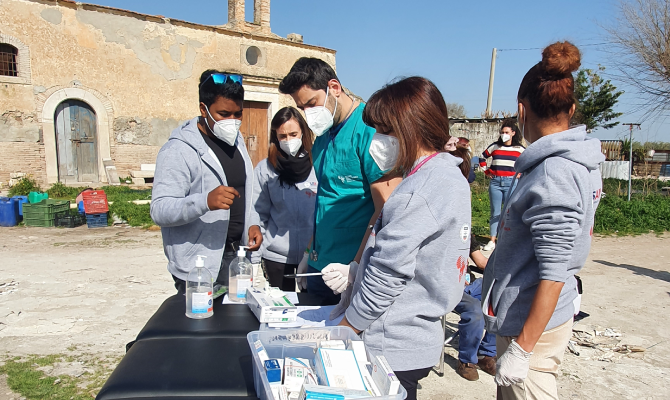
Aaditya goes with the Doctors with Africa CUAMM Bari camper-clinic every time it visits the eight settlements of Casa Sankara and Arena in the Province of San Severo, where about 650 people live, as well as to the farmhouses of Borgo Cicerone (San Marco in Lamis) and Pozzo Terraneo (Cerignola). These are very isolated properties, where around a hundred immigrants find shelter, mostly men from Africa, from Senegal, Gambia, Burkina Faso, and Nigeria.

Aaditya explains, “These are buildings far from everything, without water, electricity, or windows. Nobody comes here, no services, no ambulances if someone is sick. There is not even a way to get to a supermarket. Thanks to CUAMM and to the IRC-19 project, food kits adequate for 1 month are distributed. Every time we bring the kits, I am moved to see how these people can hardly wait to get the package in their hands to open it and be able to eat. And so when they hear that the camper with the doctors is coming for the visits, they greet them as ‘saviors.'”

This is all made possible through the indispensable role of the cultural mediator who helps doctors communicate with immigrants and helps them overcome their natural fear and mistrust to let themselves be checked and helped.

“I like this work very much. Thanks to the CUAMM team that works so hard to help these people who no one thinks about, and thanks to the support of USAID, we are really making a difference for these people.”

From the start of the project through January, 2,200 food kits, or 33,300 meals, were distributed.

This story is made possible by the generous support of the American people through the United States Agency for International Development (USAID). The contents are the responsibility of Doctors with Africa CUAMM, recipient of the Fixed Amount Award (FAA) No. 7200AA20FA00013 and do not necessarily reflect the views of USAID or the United States Government.

Maria Stella “I never expected to be treated so kindly”

Maria Stella Fernandez comes from humble origins, but she never needed help from anyone. Since 2008, when she arrived in La Spezia from the Dominican Republic, she has always worked, not stopping for a second. She even managed to bring her children to Italy. Maria Stella supports her daughter and grandchildren: two years ago, she decided to move into a new apartment, closer to her grandchildren’s school.

“We used to pay less rent” she explains “but it was too far from the kids’ school. There were few buses connecting the hold place and the school, and they were so little: I couldn’t stand to see them going out still very sleepy every single morning. I decided to look for a new apartment. I was working as a caregiver at the time, for an elderly couple here in La Spezia. It was enough to make a living, pay for a better apartment and give my grandchildren what they needed. Then Covid-19 came.”

The family Maria Stella was working for suddenly decided to let her go. The couple’s daughter thought it might be too dangerous to have someone in their home who might give them the virus. Maria Stella understood their fears but had to come to terms with the lack of a salary in the middle of a pandemic, with an expensive new home and three people to take care of.  Her former employer suggested her to go to the Don Bosco Church, just to see if they could help her somehow.

It was the beginning of the summer, when Maria Stella met Daniela and Moreno, who volunteered for the group “Colazioni col Sorriso” (Breakfast with a smile) and gave her the help she needed.

“Let me tell you something, she says, I never expected to be treated so kindly! Until the middle of January, every two weeks they gave me all I needed to eat: pasta, rice, tomato sauce, vegetables, olive oil, jam and biscuits, even some sweets for the kids. It was such a joy to receive all this good food in this situation. In January I found a new job: they give me 800 € per month, but it is enough to pay for the apartment and to buy my own groceries. So I decided to quit the programme. There is plenty of people in need, I advised lot of my friends to go the same volunteers for help. I simply think that now they deserve this help more than me. But I don’t regret anything: the first time I received my pack I cried for joy and I would do the same thing again if I needed to. I would never starve, or let my kids suffer! These volunteers have been so good to me, I can’t pay them back financially, but I told them: I am ready to do my part. I will always be grateful to them; they have been wonderful!”.

As Maria Stella get back on her feet, many people still need food assistance in La Spezia. Doctors with Africa CUAMM has provided support to the volunteers of “Colazioni col Sorriso” in La Spezia thanks to the U.S. Government, which through USAID is supporting a number of projects in Italy, aiming at reducing the impact of the COVID-19 epidemic. From August 2020 to December 2020, 30,000 kg of food have been distributed in La Spezia.

This story is made possible by the generous support of the American people through the United States Agency for International Development (USAID). The contents are the responsibility of Doctors with Africa CUAMM, recipient of the Fixed Amount Award (FAA) No. 7200AA20FA00013 and do not necessarily reflect the views of USAID or the United States Government.

TELEMEDICINE, DISTANCE LEARNING AND FAMILY VISITS DURING COVID-19

Being a community during Covid-19 has been easier for San Patrignano, thanks to Doctors with Africa CUAMM. Last November, the NGO supported San Patrignano Community installing a new Wi-Fi network in the medical centre and four video stations. The technologies have already been used to put in contact the hosts of the community with therapists, doctors and families, ensuring the continuity of care during the pandemic. This new IT system is funded by the U.S. Government through the United States Agency for International Development (USAID) and will improve the work and quality of life of people in the community, paying particular attention to HIV+ patients admitted in the medical centre.

San Patrignano Community hosts a thousand people for rehab and has also a medical centre where patients with HIV and AIDS are treated. During the first lockdown, between March and May 2020, the community has been spared by Covid-19, sacrificing much of the services offered and limiting contacts with the outside. New admissions were postponed, as well as family visits, and psychotherapies which involved professionals coming from the outside were reduced. With the new video stations, these activities have been developed online, while the medical centre can now guarantee consultations and check-ups for the patients via telemedicine experimentation. Students who live in San Patrignano have been using the video stations to access distance learning classes, with a big improvement in terms of comfort.

Alessandro Rodino dal Pozzo and Antonio Boschini, respectively president and medical director of San Patrignano’s Community, hosted at the handover ceremony, together with Mimma Spinelli, mayor of Coriano, and Veronica Censi and Andrea Iannetti from Doctors with Africa CUAMM.

Alessandro Rodino Dal Pozzo, president of San Patrignano, stated,

“This project is really important to us. Covid-19 forced us to reorganize our work and the lack of contacts with the world outside our community might have been an unbearable burden for our guys. In the beginning, we tried to replace physical meetings with phone calls, both to reach out to family and doctors. Then we understood that seeing their beloved and talking via video calls with therapists and doctors was much more efficient for our hosts. To achieve this goal, the support of Doctors with Africa CUAMM has been fundamental. Over the last two months, from December 2020 to January 2021, we have made possible 230 calls between our guys and their families, 148 telemedicine consultations, 99 interviews for admission, and 73 interviews for psychological support”.

Veronica Censi, project manager of Doctors with Africa CUAMM, explained,

“We are supporting San Patrignano’s Community in the framework of our larger project “Italian Response to Covid-19” (IRC19), that aims to create more resilient healthcare facilities and communities and to provide training for healthcare professionals broadly in Italy. This year we have seen how the knowledge gathered in many years of work in epidemics in Africa can be helpful in Italy as well. We are to sustain the community of San Patrignano, thanks to the U.S. Government, which is supporting a number of initiatives in Italy, aiming at reducing the impact of the COVID-19 epidemic.”

USAID, which funds IRC19, is the U.S. Government’s premiere development organization operating in more than 100 countries worldwide.


This press release is made possible by the generous support of the American people through the United States Agency for International Development (USAID). The contents are the responsibility of Doctors with Africa CUAMM, recipient of the Fixed Amount Award (FAA) No. 7200AA20FA00013 and do not necessarily reflect the views of USAID or the United States Government.

World day of the sick: no one must feel alone in pain

February 11 is the “World Day of the Sick”, celebrated by the Catholic Church on the memorial day of the Blessed Virgin Mary of Lourdes, to devote special attention to sick people and care-givers. During a pandemic, this day becomes particularly significant and, in accordance to the message of Pope Francis, Doctors with Africa CUAMM underline the importance of global action. No one can be left behind while suffering: neither the patients, nor the health workers, in Italy as in Africa.

Arianna Bortolani, CUAMM’s doctor with a strong background in Africa, now works on the frontline against Covid-19 in Verona, and reflects upon the different condition of sick people in Italy and in Africa.

“Generally speaking, the loneliness experienced during illness is a much common condition in the West than in Africa. In Wolisso, Ethiopia, as well as in South Sudan, Uganda, and Tanzania, sick people can always rely on the family. They are never left alone. Usually, when there is no chance of recovery, the family aims to bring patients home, to accompany them in their last moments. There is a lot to learn from that. Unfortunately, Covid-19 has made it difficult for everybody to be near sick people as much as carers and patients would like, causing much pain and anguish for all concerned.”

Bortolani adds, “Sick people in Africa, along with the suffering of their disease, also have to face the worry of not having enough money to pay for treatment. Illness could become a catastrophe for the whole family. We are so lucky, in Italy, to have a basically free national health system, with doctors, nurses, and health professionals who take care of everybody with dedication and generosity”.

Father Dante Carraro, director of Doctors with Africa Cuamm, states, “On the “World Day of the Sick” and in the middle of this global emergency, Pope Francis reminds us that ‘investing resources in the care and assistance of the sick is a priority linked to the fundamental principle that health is a primary common good’. It is a commitment we have token since 1950. As the Pope urges us, we try our best so that ‘no one will feel alone, excluded or abandoned’: both in Africa, in the eight countries where we are present, and in Italy, supporting many fragile situations. Today we see this message as an invitation to push forward, fighting the virus in Italy and in Africa. A call not to forget the people who are still dying of malaria, measles as well as malnutrition and childbirth. We must take care of the whole Planet, or we won’t find peace.