Between elections and a pandemic a suspended Christmas in Bangui

This past Christmas was a suspended Christmas. Due to the limitations on travel in Italy and between the various countries, many found themselves spending this day away from loved ones and very often stuck in the city where they live and work.

But what is it like to spend Christmas in Africa at this time during the elections? The stories come to us 8from the   through the voice of colleagues in the field.

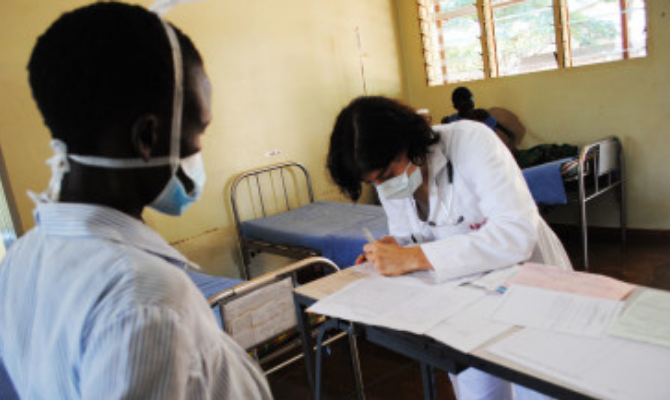
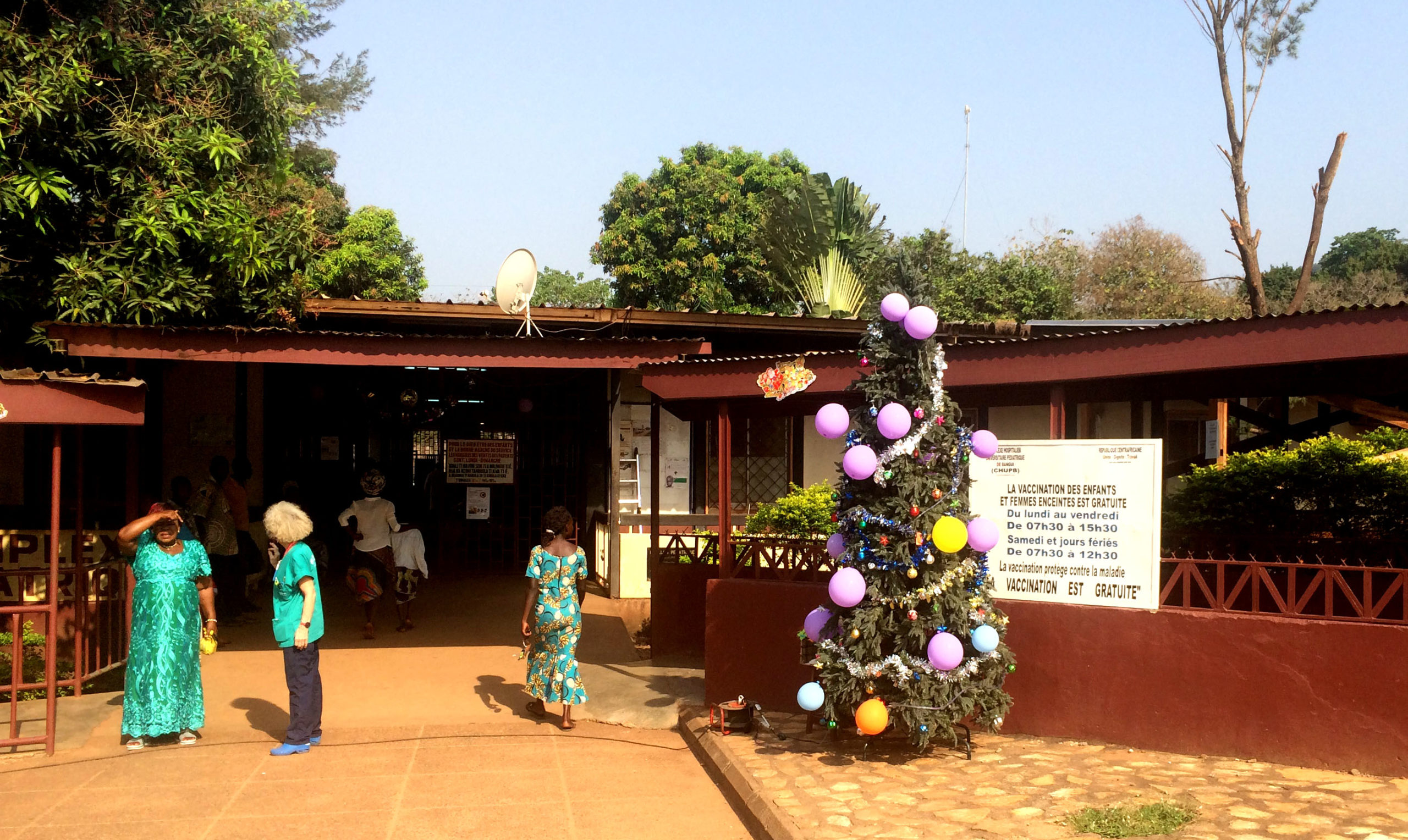
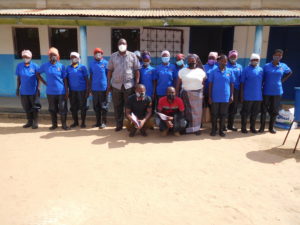
“It’s hot these days, the temperature reaches 35 degrees, we are in the dry season, only a few occasional showers remind us of the rainy season that has just passed, heat and red dust fill the streets of the capital. Ours is a “short-sleeved” Christmas, without coats, without scarves, without fireplace, there is no white of the snow  but only the white of the health workers who work at the Bangui Pediatric Complex, a hospital for children only, it is the only one in Central Africa where CUAMM has been working for a few years. ” says Filippo Pistolesi, who arrived in Bangui a few days before Christmas, who spent his Christmas in quarantine using technology as a bridge to connect Italy to Africa, but also to communicate with colleagues, who live in his own home.

In the Central African Republic it was a special Christmas, not only for the restrictions imposed by Covid-19, but also for the tense electoral climate that crystallized the country in the weeks leading up to the elections, held on December 27.

“December 27 was Election Day, to put it in the American way. The date had hovered over our heads for weeks now. The silence was surreal; you could not hear a fly flying, you could hear the sound of your breath… a sensation perceived more at night, not suitable for a hot sunny day at 10 in the morning. Then some children went out to play in the opposite compound, a rooster crowing, someone hoeing… it seemed more like a Sunday like any other.

In recent weeks, there have been clashes in many parts of the country, the armed groups of the former dictator Bozizé have brought chaos and violence, and above all fear, to the people who still have in their eyes and hearts the destruction perpetrated by the militias in the past.

Now we are all waiting for news, to know what will become of Central Africa and its people, if these elections will have any validity and will maintain the stability, albeit precarious, of the country or will create an institutional gap that will leave room for an even more serious destabilization.” tells Daniela Ramadani, project administrator for Doctors with Africa CUAMM in Central African Republic.

A different Christmas that of Bangui, which in any case smells of hope especially at the pediatric hospital that Doctors with Africa has been running since July 2018, where despite the pandemic and the tension for the elections at Christmas, children’s beds are filled with small bags of rice, some biscuits and pieces of soap. There are no shiny toys and plastic superheroes down here, the only superheroes are them, the hospitalized children, and perhaps the greatest gift is being able to witness the dignity and determination with which they face treatment.

A new-born cry to greet 2021

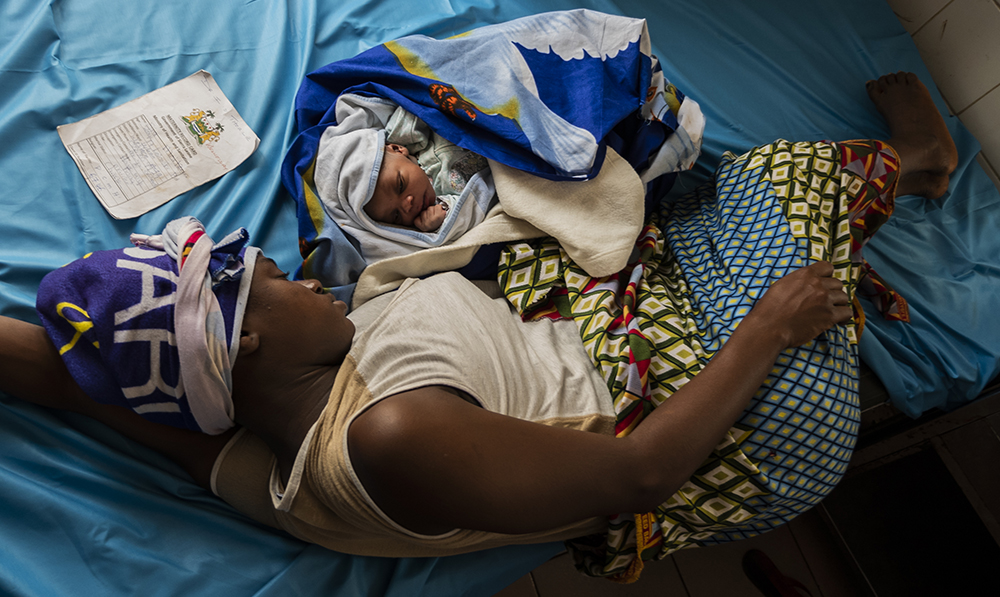
On December 31st at 11 pm in Chiulo, Angola, Giorgio Pellis’s phone rings: there is an obstetric emergency and Alice, the Angolan doctor who works in the hospital, asks for support in managing the birth because the child struggles to be born.

“When I arrive, I immediately notice that the mom is tired after hours of labor and is laying in a very uncomfortable position. There is no time and it is immediately clear to me what needs to be done. I calmly explain to the lady, the doctor and the nurses what we will do, while my hands are already preparing the local anesthesia and the instruments for the surgery. The soon-to-be mother gives me a look of hope. She doesn’t know, but that look digs me inside. She is giving me a huge responsibility. While I am performing a very small operation, I put the dr. Alice’s hands on the scalpel and I make her feel what cannot be seen but is clearly perceptible. The pelvis is widening little by little and this will make a difference for her baby. ”

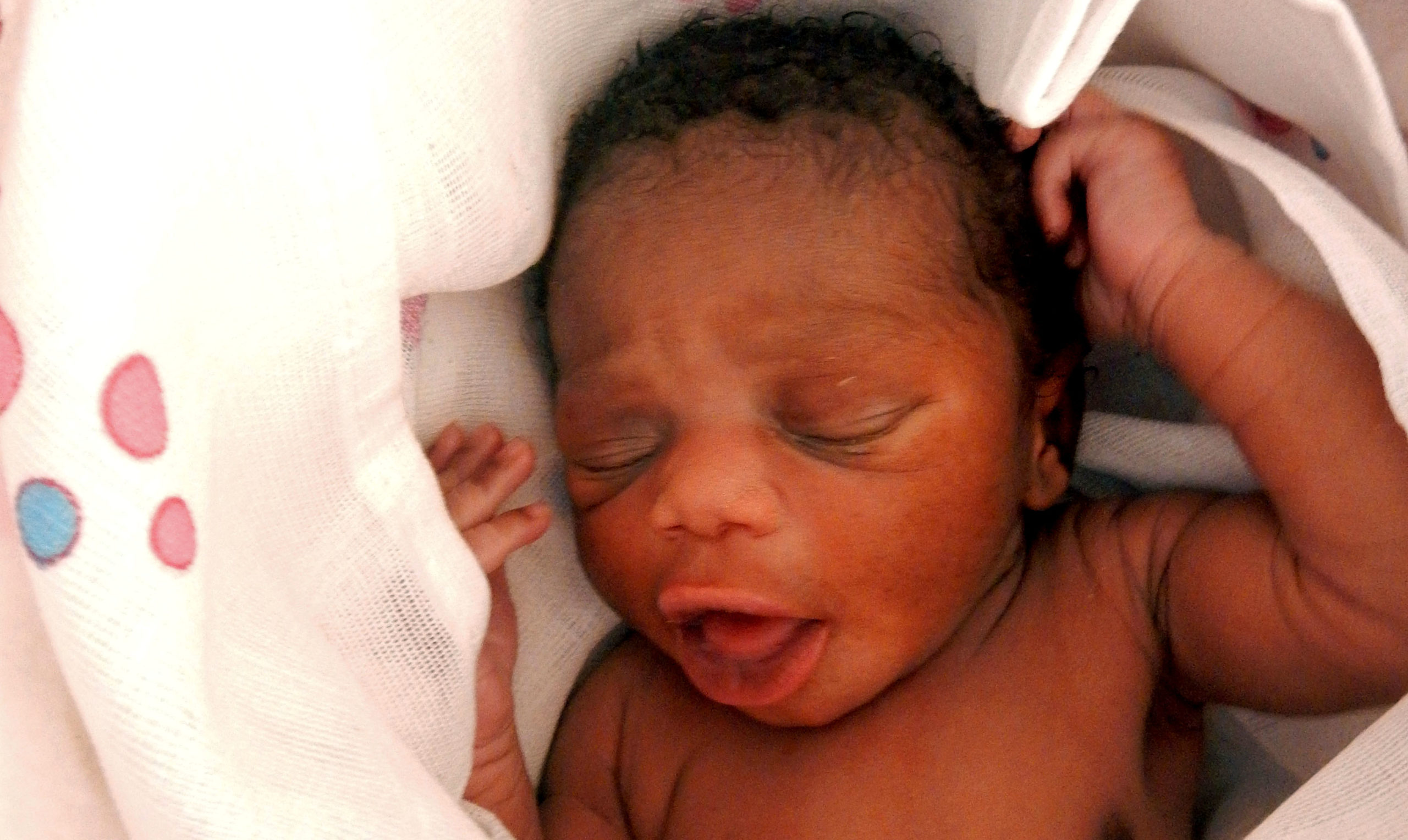
After a while the baby is born and with a loud cry he greets the new year. He is the first child born in Chilulo in 2021. “Here the emotions are very strong, every day,” says Giorgio. “Being able to transform a potential caesarean into a delivery without trauma is beautiful. But the greatest thing is the gratitude of the mothers and their families who, sometimes, as a sign of gratefulness bring to the hospital a bag of flour as a gift. Needless to say what a great emotion this is. ”

Doctors with Africa CUAMM has been working in Chiulo, Angola, since 2000 where it supports the hospital thanks to a team that is at the forefront every day , trying to do their best at the service of “the last mile”.

CARING FOR HOMELESS PEOPLE IN LA SPEZIA

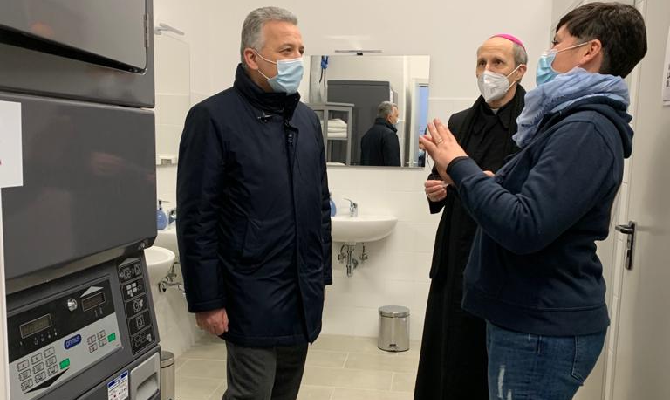
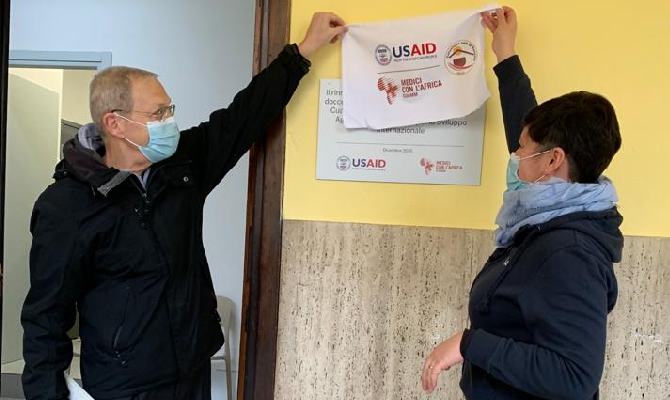
Doctors with Africa CUAMM delivered today in La Spezia the renewed showers that will help homeless people of the city, ensuring their personal hygiene. Run by the “Gruppo di Volontariato Vincenziano San Giovanni Bosco”, the pre-existing facility has been used over 3,550 times since July 2020. The renovation, which will guarantee a more efficient and comfortable service, was funded by the U.S. Government through the United States Agency for International Development (USAID).

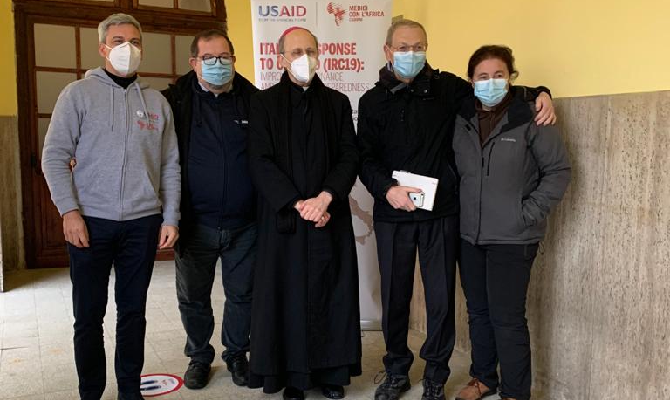
Pierluigi Peracchini, mayor of La Spezia, visited the spaces, with mgr. Luigi Ernesto Palletti, bishop of the city, Fr. Fabrizio di Loreto and Anna Iavazzo from the “Gruppo di Volontariato Vincenziano San Giovanni Bosco”, implementing partner, Fr. Dante Carraro, director of Doctors with Africa CUAMM, and Andrea Atzori, chief of party of the project “Italian Response to Covid-19” (IRC19).

Andrea Atzori, chief of party of Doctors with Africa CUAMM’s IRC19 project, stated, “Over the last few months we have been delivering a series of interventions throughout Italy. Most of them are aimed at strengthening and making more resilient pre-existing services, as we have done here in La Spezia. Since July 2020, 370 people have had access to the services available here, and showers have been used 3,550 times. But the activities of the group of volunteers is much wider: over the last months they put on the table over 24,800 meals, they made 1,300 laundries with the news machines we delivered and they distributed 2,600 food kits to around 350 families, in addition to homeless people assisted, for a total of 740 people reached”.

Fr. Dante Carraro, director of Doctors with Africa CUAMM, stated, “We are used to work in Africa, at the last mile. But this pandemic calls us to new kind of closer solidarity, here in Italy. Many of our doctors who came back from Africa, prepared to handle emergencies and epidemics there, wanted to put their experience to use for the people in need in their own communities. Here in La Spezia we had Marina Trivelli, who worked with us in Ethiopia and Angola, and made us know the group of volunteers run by Fr. Fabrizio Di Loreto and Anna Iavazzo. They were working with homeless people before our arrival and we wanted to help them to give continuity to their important service even in these hard times. We must take care of the most vulnerable people, in Italy as in Africa, because this pandemic shows us that we are deeply linked: the virus does not look at the borders, neither should solidarity.”

Doctors with Africa CUAMM has provided support to the volunteer of La Spezia thanks to the U.S. Government, which through USAID is supporting a number of initiatives in Italy, aiming at reducing the impact of the COVID-19 epidemic. USAID is the U.S. Government’s premiere development organization operating in more than 100 countries worldwide.


This press release is made possible by the generous support of the American people through the United States Agency for International Development (USAID). The contents are the responsibility of Doctors with Africa CUAMM, recipient of the Fixed Amount Award (FAA) No. 7200AA20FA00013 and do not necessarily reflect the views of USAID or the United States Government.

Prevention and control for women in Mozambique

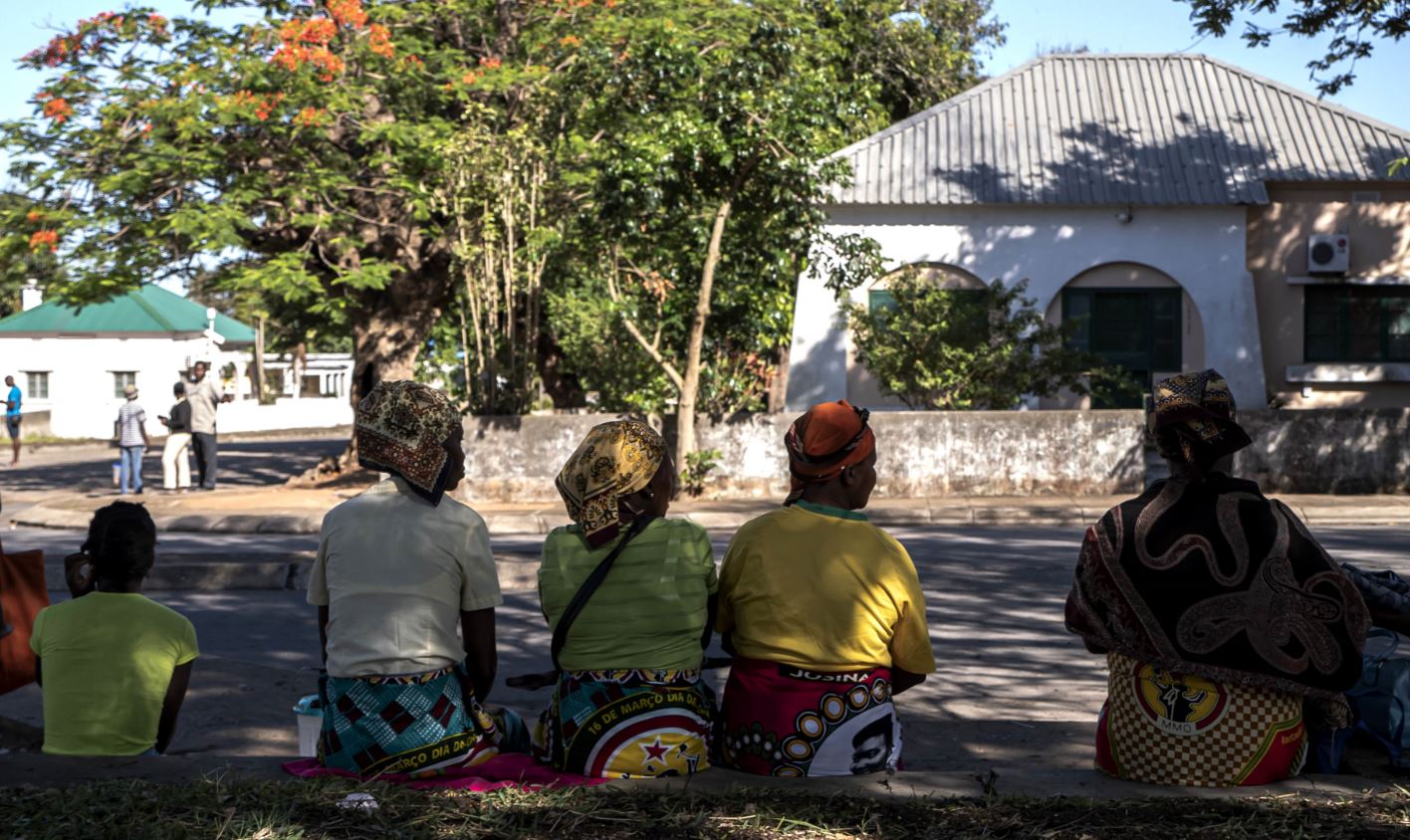
In Mozambique, the screening program for uterine and breast cancer began in 2009 and in just 10 years it has reached 23% of all women of reproductive age. A result to be very proud of, obtained from a fruitful collaboration between the Ministry of Health and international organizations such as CUAMM that support services within the Health Units. Despite the good results, it is important to be aware that 77% of Mozambican women have never had a check up and do not know the risks associated with uterine cancer. Percentage that becomes much higher in rural areas of the country.

And it is with this awareness that CUAMM is promoting the project “Prevention and Control of Non-Communicable Diseases“, funded by the Italian Agency for Development Cooperation. Among the results it aims to achieve is precisely that of increasing the availability and quality of cervical diagnosis and treatment services in 3 regions of the country.

In the Sofala Province in particular, the effort was greater because most of the health units were destroyed by the violent cyclone IDAI that hit the Province in March last year.

In addition to the training and accompaniment sessions of the health personnel, it was therefore necessary to restructure the health units to create clinics where diagnosis and treatment services were guaranteed. In the small Health Centre of Mutua, located about thirty km from the city of Beira, the works were very urgent because the outpatient visits took place in a tent and the Centre also received the women of the adjacent refugee camp which houses about 800 families who they lost their homes as a result of the cyclone.

The Health Centre was enlarged and a new equipped and functioning clinic was created; the health authorities wanted the inauguration to take place precisely in conjunction with the closure of the awareness activities on uterus and breast cancer that the region carried out during the month of October. And, despite the necessary precautions to reduce the spread of COVID, all the main authorities did not fail to give their support to this important initiative.

The wife of the Governor of the Province wanted to speak on behalf of everyone: “Having uterine cancer does not have to be a death sentence and a health centre like this can prove it – she said – We are aware that many efforts still need to be made, but the role of each of us is fundamental for raising awareness of other women ”, she concluded.

She then thanked the CUAMM nurses who, as the Minister of Health said, work tirelessly every month of the year to improve the health of other women like them.

December 1: World AIDS Day In Africa young women are the most at risk

Young people and women are the most vulnerable to HIV in sub-Saharan Africa. On World AIDS Day, on December 1, while the pandemic strains health systems around the world, Doctors with Africa CUAMM is making an appeal not to overlook the indirect effects of Covid-19 and remember the millions of people whose lives, in Africa as in the rest of the world, are still at risk from another virus and another epidemic that continues to kill without making news.

The World Health Organization (WHO) estimates that in 2019 there were 38 million people living with HIV in the world, 1.7 million new infections, and 690,000 deaths. Two-thirds of HIV-positive people (25.7 million) live in Africa and, according to UNAIDS — the UN agency working to end AIDS — 25% of new HIV infections in sub-Saharan Africa are young women between 15 and 24 years; 80% of HIV-positive people aged 15 to 19 in Africa are girls.

As young women are the most affected, we must start from them to stem the spread of HIV in Africa. Doctors with Africa CUAMM focuses on this with many actions in the countries where it works, including by offering tests and treatment in all the hospitals where it is active, training health care personnel, as well as promoting activism among HIV-positive women, as happens in Beira, Mozambique, with the Kuplumussana group (“women who help each other”) and adolescents of Geração Saudavel (“conscious generation”).

The pandemic has also changed how these activists work, but they have not been discouraged. In Beira, Mozambique’s second largest city, the young activists, can no longer make house-to-house visits and so started working in the new call center set up by Doctors with Africa CUAMM, to offer advice and support to HIV-positive patients at least by phone. Because of the restrictions required by the health emergency, tests fell by 49% between April and July and meetings in counseling centers open to adolescents by 41%, but since the initial fear has passed, numbers have been slowly returning to pre-Covid levels with 32,000 consultations and 7,000 tests per quarter.

“Epidemics are won by involving communities,” Don Dante Carraro emphasizes, explaining the problem and risks, highlighting the important role of the individual for the health of all. HIV, coronavirus, and Ebola are all viruses and epidemics that must be addressed globally, thinking as one community, taking care of our most vulnerable members, who are most exposed and most at risk. For this reason, though in Italy in recent months our thoughts immediately go to the coronavirus, we cannot lower our guard now on AIDS and let the pandemic make us lose the important progress made in recent years.”

MOTHERS WHO HELP EACH OTHER

In Beira, Mozambique, since 2005, the group of HIV-positive mothers of Kuplumussana (“women who help each other” in the local language), have been at the forefront of awareness-raising activities for other women, helping those who discover they are HIV-positive and showing them that a life without shame is possible. Often HIV destroys more than people‘s immune systems, hurting their social network too as women are marginalized and stigmatized.

Geração Saudavel (“conscious generation”) is the sister association for that of the mother-activists, who often have their children born with HIV. It brings together adolescents involved in raising awareness among their peers, with meetings in schools, counseling centers, marches, and street theater.

Among tradition and change being born in Capo Delgado

“The first 1,000 days” project deals with future mothers and their children, from pregnancy to the first 2 years of life, in the rural districts of Balama and Montepuez, in the Province of Cabo Delgado, Mozambique. The intervention takes place at several levels: community, health centres and at the Montepuez hospital with the aim of increasing the demand for and access to quality health services, and reducing maternal and neonatal mortality. In particular, the project supports the maternity and neonatal wards and the operating room of the Montepuez hospital through health personnel (3 nurses, 1 doctor and 1 surgical technician), clinical assistance, medical equipment and disposable material. Refresher courses and training internships were held for the maternal and child health nurses of the two districts and the “health centre-community” link was strengthened with the involvement of the health committees of 30 villages.

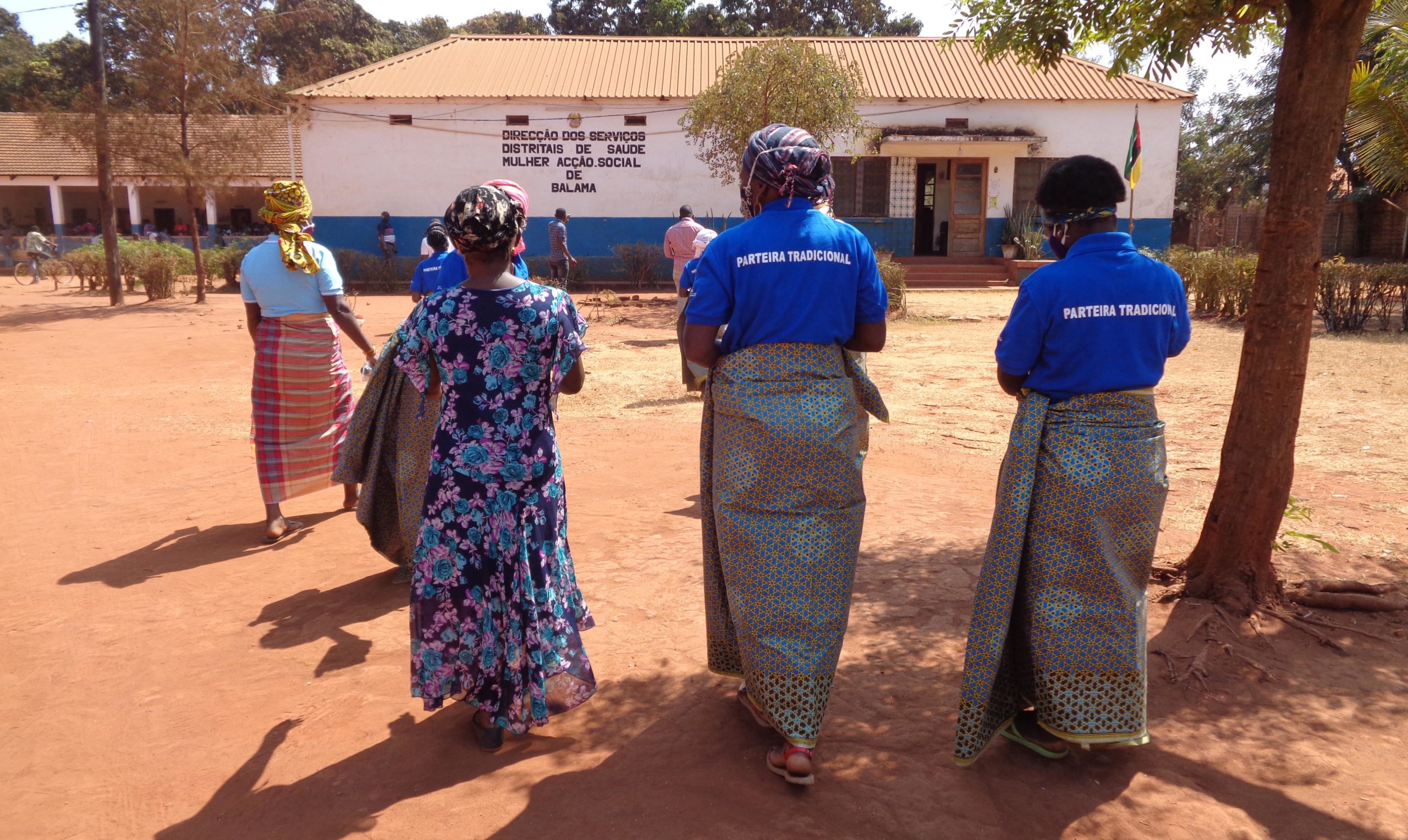
In rural communities, the role of the traditional midwife is essential to encourage pregnant women to go to antenatal visits, to direct and accompany them to give birth in health facilities and to encourage them to go to check-ups after birth with their new-borns.

In this context, the “The first 1,000 days” project collaborated with the local health authorities to train 30 traditional midwives from 15 villages in the Balama district and 15 villages in the Montepuez district. In particular, traditional midwives have been trained to recognize situations at risk and complications in pregnant women and new-borns, promptly transferring patients with complications to health centres with specialized health personnel. The midwives were provided with: a telephone to alert the nurse at the health centre and request an ambulance, a flashlight, boots and raincoat to be operational 24 hours a day, in any season.

In the health area of Mirate, where the project trained 7 traditional midwives, in the first 10 months of the project over 40% of the women who gave birth in the health centre had been sent by traditional midwives. A really encouraging sign.

The intervention is part of the broader project “The first 1,000 days. Ensuring quality healthcare services for mothers and children in Cabo Delgado”, financed by the Italian Agency for Development Cooperation (AICS) and implemented by Doctors with Africa Cuamm with AIFO, Wiwanana Foundation and Centro per la Salute del Bambino Onlus (CSB).

A living memory

Today is the fifth anniversary of the death of our beloved Don Luigi Mazzucato, historical director of Doctors with Africa CUAMM. His memory always remains deeply alive in those who have had the gift of knowing him, in Italy and in Africa. His testimony in CUAMM, which he has served with love and passion for over fifty years, continues to be an extraordinary reference for the present and the future of our Organization.

We want to remember him with his own words taken from his Spiritual Testament:

“Many times I have pleaded in the Our Father, also for CUAMM”. “Give us each day our daily bread”, in need I understood more what it means to lack what is necessary and I felt more pressing and urgent the commitment of CUAMM to choose and serve the poor, the poorest, those who have nothing and no one to help them.

It seems a miracle that, after more than 60 years from the birth of CUAMM, under the pressure of the evangelical motto “euntes curate infirmos” and the moral duty to promote the right to health for everybody, there is still people who decide to leave. Young people and adults, believers and not, but all motivated and of great professional seriousness, willing to engage with CUAMM and to bear witness to the dedication and love to the poor, in line with the inspiring principles and style of our non-governmental body of Doctors with Africa CUAMM, practicing preferential love for the poor.

Faced with the tragedies of poverty seen so many times in my travels in Africa, strong inner reactions were created within me. These emotions led me to express myself in critical terms for the lack of clarity and ability to say things, without seeking compromises or paying attention to conveniences, in the name of the Gospel and with respect for those who have no word. For me the rule has always been “poor but free”, free to choose, free to raise one’s voice when it is considered right and right to do so.

South Sudan resisting floods

In Shambe, South Sudan, the health centre has been flooded by rains in recent months, but the refrigerator was rescued and is still working. To preserve the vaccines, which our operators are able to bring to the facility with the help of the local community, unwilling to be discouraged by the adverse climate.

The problems began last summer when large areas of South Sudan were flooded due to torrential rains and 856,000 people had to flee their homes, according to OCHA data. Not even Yirol East County, where the Shambe health centre is located, was spared from the floods and even today the water shows no sign of decreasing.

For this reason, in order to bring stocks of vaccines and drugs to the health centre, it is necessary a long journey by car, transferring the load on the back of mules and then inside some canoes to get, often wading on foot, to the old health centre, where an indispensable but unmovable refrigerator was hoisted on top of a stack of pallets.

Thanks to the connection with the solar panels, in fact, the refrigerator can continue to store the doses of vaccines, which are then distributed in a new temporary health centre, set up by our staff in collaboration with the community in a nearby dry area and more easily accessible by people.

The example of the commitment of the Shambe community to not lose their health centre is one of the many stories of perseverance that come from South Sudan. Many other health centres and small villages can only be reached by canoe or on foot, wading through the flooded areas, where the water comes to life and our workers and volunteers must carry basic necessities over their heads, so as not to get them wet.

Vaccines, drugs, but also treatments against malnutrition, which is increasing among the displaced: people left with nothing, after having fled their homes and lands by fleeing the water.

From the county of Awerial, in another part of South Sudan where we are partners of the South Sudanese ministry for health and nutrition, the figures are even worse than in recent months. The number of displaced people is now 70,000 and shows no signs of decreasing. The effects are also seen on the health system, already fragile and under stress. In September and October, outpatient visits to the health centre in Minkamen rose by 67%: mostly new residents, seeking basic care for the most common diseases, such as diarrhoea, malaria and malnutrition.

To respond to this problem, we have organized mobile clinics and strengthened the capillary network of village workers, who can bring care directly among the displaced communities, relieving health centres and reaching even the most isolated families.

In these days, this intervention has been expanded: in addition to Awerial County we will also bring mobile clinics to the Rumbek East, Rumbek Center and Yirol East areas. Everyone’s help is needed to ensure basic care for displaced people, but also for host communities, put to the test by the emergency.

Donate now

Shed light on the “shadow pandemic”

Today, November 25th, is the International Day against Gender Violence, established by the General Assembly of the United Nations in 1999.

This year, the day draws attention to how the Covid-19 pandemic is causing an exponential and alarming increase in gender-based violence around the world, particularly in developing countries and in the most fragile contexts, where Doctors with Africa CUAMM operates.

The United Nations has called it “the shadow pandemic“, recalling the duty to shed light on this terrible violation of human rights and calling governments, international organizations and NGOs to actively participate in the initiatives on this day. Therefore a 16-days relay of activism against gender-based violence kicks off today, a campaign launched by UN Women that will end on December 10th, International Day for Human Rights. Activities will be organized to raise public awareness and promote what we can do to prevent and fight against this devastating phenomenon. A commitment that involves everyone, not just women.

Doctors with Africa CUAMM also joins and actively participates in this campaign in the various contexts in which it intervenes: “On the occasion of the 16 days of activism for the fight against gender based violence, all the communities in the areas where we operate will be involved with the double aim to raise awareness among communities and authorities on this issue, but above all to ensure that some of them become bearers of the message – says Frederic, CUAMM program manager in Juba, South Sudan -. Due to Covid-19 the activities have been rethought and after the launch of the initiatives in the the villages, CUAMM community operators will raise awareness door-to-door or within small groups of people. In addition, the staff who work in health facilities will be directly involved to help sensitize the communities on this issue – continues Frederic -. In order to reach the greatest number of people, various media will be used, in particular talk shows on local radio stations, in which CUAMM operators, together with local authorities and community members, will promote awareness-raising messages ».

IN THE TOWNS OF LEDRO AND VALLARSA IMPROVED FACILITIES FOR NURSING HOMES

Trento, 20th November 2020 – Doctors with Africa CUAMM launched today in Ledro and Vallarsa, two towns in the region of Trento, two new facilities to support local nursing homes, allowing family visits in Ledro and more comfortable dressing rooms in Vallarsa.

These new spaces, funded by the U.S. Government through the United States Agency for International Development (USAID), will contribute to mitigate the effect of the COVID-19 epidemic, ensuring the safety and the mental health of elderly patients.

The new facilities were inaugurated during two different events in Vallarsa and Ledro. Massimo Giordani, general director of the local union of organizations for people’s assistance (UPIPA), attended both the ceremonies, with Fr. Dante Carraro, director of Doctors with Africa Cuamm, and Andrea Atzori, chief of party of IRC19, the project which funded the facilities. In Vallarsa at 10 AM Luca Costa, major of the town, was present, with Giulia Stoffella and Michela Plazzer, president and director of the nursing home “don Giuseppe Cumer”, respectively. In Ledro at 1 PM Marisa Dubini and Roberto Povoli, president and director of the nursing home “Giacomo Cis”, welcomed the visitors.

The inauguration in Ledro.

Ledro: a new space to meet the family

The new space delivered to the nursing home of Ledro will allow visits from family members to the patients. It is joined with the main building of the house but accessible for external visitors from a different path, and it is provided of plexiglass panels to guarantee the safety of the guests of the health facility.

Given the vulnerability of the people admitted, visits from family members were forbidden between March and May 2020 in the majority of the nursing homes in Italy, with important consequences on the mental health of the people: both amid patients and relatives. With the new facility of Ledro the problem will be solved even during the upcoming months.

Vallarsa: a new changing room and a better meeting space for a covid-free facility

In Vallarsa, the nursing home pointed out the need for a new changing room for the staff, in order to maintain the structure Covid-free, not mixing clothes, personal protective equipment and scrubs. Over the last months, the staff has been using a tent built in the garden, but with the coming of winter the new space will guarantee a more comfortable place for nurses and health workers.

The new facility built in Vallarsa.

In the frame of the same project, in Vallarsa part of the patio of the nursing home has been arranged to serve as a meeting space for family visits, respecting physical distancing and safety standards during winter.

Fr. Dante Carraro, director of Doctors with Africa CUAMM, stated, “This pandemic shows us that we have to take care of the most vulnerable people. In Africa, we have been doing that for decades, focusing on the health of mothers and children in the first place. In Italy, it is clear that elderly people are much in need. For this reason, following suggestions from our doctors who have come back from Africa and are now working around Italy and here in Trento’s region too, we decided to do something specific also for nursing homes.”


Andrea Atzori, chief of party of Doctors with Africa CUAMM’s “Italian Response to Covid-19” project (IRC19) stated,” These two new facilities are part of a larger project that aims to create more resilient healthcare facilities and communities and to provide training for the future generation of healthcare professionals. We see how the knowledge gathered in many years of work in epidemics in Africa today is fundamental in Italy as well. We are glad we can bring help even here in Trento’s region, thanks to the work of our volunteers and to the U.S. Government, which is supporting a number of initiatives in Italy, aiming at reducing the impact of the COVID-19 epidemic.”

USAID, which funds IRC19, is the U.S. Government’s premiere development organization operating in more than 100 countries worldwide.


This press release is made possible by the generous support of the American people through the United States Agency for International Development (USAID). The contents are the responsibility of Doctors with Africa CUAMM, recipient of the Fixed Amount Award (FAA) No. 7200AA20FA00013 and do not necessarily reflect the views of USAID or the United States Government.