Validated plans for the management of medical emergencies

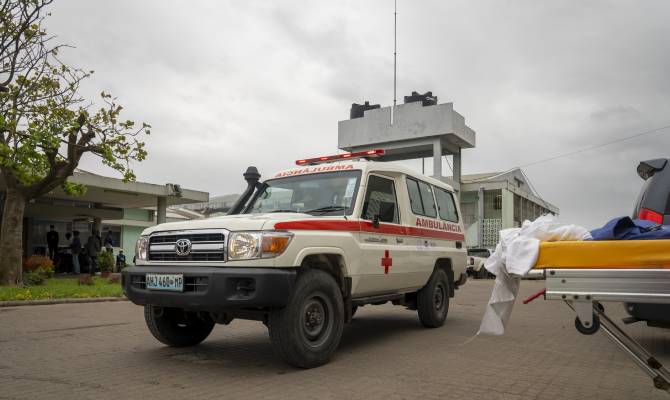
Effectively and promptly managing emergencies is crucial, especially when it comes to obstetric and neonatal emergencies. For this reason, Doctors with Africa CUAMM in collaboration with Mr. Paolo Rosi, SUEM Coordinator at Regione Veneto, has developed two emergency plans and an operational plan as part of the UR-Beira project. A workshop held on on Wednesday, January 28 gave the occasion to present and discuss the plans with local authorities from both Beira district and Sofala province. The meeting was also attended by project partners, namely the District Health, Women, and Social Action Service (SDSMAS), the Beira Central Hospital (HCB), and the Mozambique Medical Emergency Service (SEMMO).

The Internal Emergency Plan for the management of a Mass Casualty Incident, the Hospital Emergency Plan, and the Medical Emergency Operational Plan for the Beira district were drafted by a group of experts from Veneto Region. These plans were then reviewed by the staff of Beira Central Hospital, who adapted them to the real needs, ensuring the sustainability of the service. Already shared with relevant authorities, health centers, and healthcare and paramedical personnel involved, these plans will help improve emergency service planning, management, and coordination in the Beira district. They will also enhance the quality of clinical and organizational emergency services and facilitate access to emergency care through the adoption of a validated emergency management model at the district, provincial, and national levels.

“In terms of both sustainability and collaboration, the emergency management plans that we present today with a focus on sustainability and strong collaboration,” said Donata Dalla Riva, Area Manager in the province of Sofala. “The validation and adoption of these tools by health authorities demonstrate the importance of local ownership, which is essential to ensuring the future of the service.”

The meeting also served as an opportunity to present some key results. Launched in February 2022 with the deployment of two vehicles, the service now operates with four ambulances, a emergency operations center, and three management plans. In terms of human resources, the medical emergency service counts on 8 operators managing call flows at the control center set up within the 24 de Julho Hospital, as well as 18 nurses and 18 drivers.

“It was in 2019 when Cyclone Idai hit Beira that it became clear that the city of Beira needed an emergency management system,” said Dr. Neusa Rosalina Joel, Director of the Sofala Provincial Health Directorate (DPS). “Today, we are pleased to witness how this project has increasingly served and benefited our community, to the point where we now have four ambulances, which significantly reduce transfer times and, consequently, the mortality rate, particularly for obstetric and neonatal emergencies.”

In nearly three years of activity, the ambulances have completed over 26,000 transfers, averaging 752 per month. Obstetric emergencies top the list, accounting for 38% of cases referred to HCB, followed by medical emergencies (28%) and pediatric and neonatal emergencies (24%).

“Today, we conclude three years of commitment to strengthening medical emergency services in the city of Beira,” said Marcello Mazzotta, CUAMM Project Manager. “This meeting has demonstrated not only the effectiveness of the service but also the strong engagement of local partners, who are determined to create the right conditions to gradually take over the medical emergency management system, which is now a model for the Country.”

UR-BEIRA: Strengthening Medical Emergency Services in the City of Beira is a project funded by the Italian Agency for Development Cooperation and implemented by Medici con l’Africa Cuamm in partnership with the Veneto Region, the Beira District Health Service, the Medical Emergency Service of the Ministry of Health of Mozambique, Ca’ Foscari University of Venice, Beira Central Hospital, and P.O. Croce Verde of Padua.

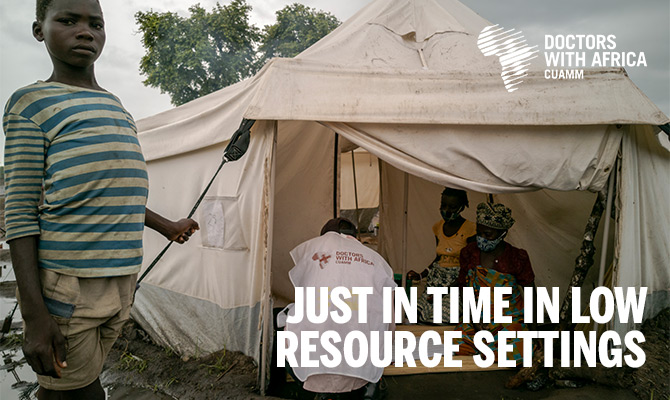
JUST IN TIME In Low Resource Settings

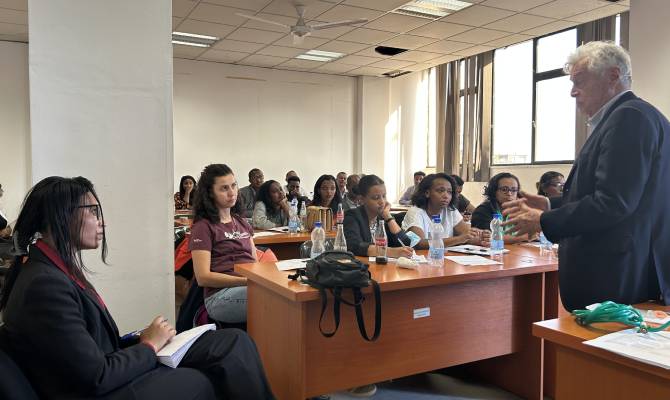
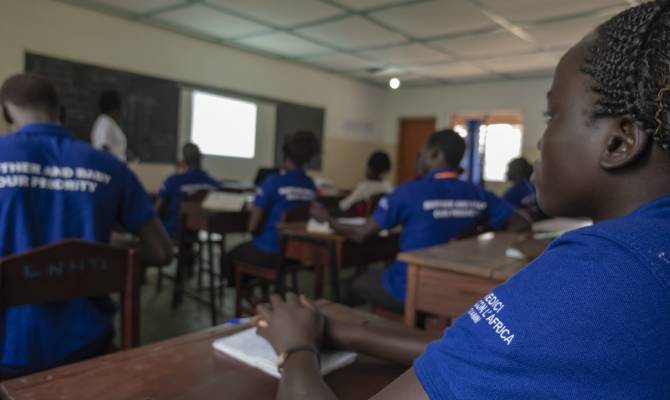
During disasters, health care workers must be ready to adapt quickly and safely, wherever they are needed. Training programs play a crucial role in building this readiness: equipping professionals with practical skills, strengthening their confidence, and improving their ability to respond effectively in both high and low resource settings. Investing in preparedness means empowering health care providers to act decisively when it matters most.

The “Just in Time” CUAMM training consists of a 6 module training package delivered through a distance learning interface (total training duration: approximately 7 hours).


Bridging Experience: From COVID-19 to Global Emergency Response

Just in Time is a free online training programme developed by Doctors with Africa CUAMM in collaboration with CRIMEDIM, the Research Center in Emergency and Disaster Medicine at the University of Eastern Piedmont. The course was initially created during the COVID-19 pandemic to support the Italian healthcare system in managing the crisis and strengthening preparedness capacities. Building on lessons learned from that experience, the training was redesigned and adapted to respond to diverse emergency contexts, particularly across the African continent.

The Impact: From Knowledge to Professional Competency
Preparedness is not merely a state of readiness; it is a measurable professional competency. Systematic training programs are essential for transforming theoretical emergency protocols into effective field operations. By engaging with this course, healthcare providers (HCPs) achieve three critical professional outcomes:

  • Operational Confidence: Training reduces the cognitive load during a crisis, allowing professionals to act decisively based on established evidence-based procedures.
  • Facility Resilience: Understanding how to maintain the integrity of a healthcare facility during a surge in demand ensures that life-saving services remain accessible.
  • Risk Mitigation: Proficiency in disaster-specific protocols significantly improves the safety of the working environment, protecting both the staff and the patient population.

Course Overview
The “Just in Time” training is a specialized learning programme developed by Doctors with Africa CUAMM to strengthen disaster preparedness. Designed specifically for healthcare professionals in low-resource settings, the course features:

  • Format: 6-module curriculum delivered via a distance-learning platform.
  • Duration: Approximately 7 hours of total learning time.
  • Accessibility: Available in English, French, and Portuguese to support diverse global contexts.
  • Certification: Participants can complete a learning assessment to obtain a formal digital certificate of attendance upon completion.

Learning Objectives
By engaging with this practical and accessible training, participants will gain the skills to:

  • Provide healthcare workers with a common background of knowledge and information about disaster-specific information;
  • Provide healthcare workers with the adequate competencies to proficiently and safely work inside any healthcare facility during any disasters;
  • Understand the working principles and the standard operating procedures in place at their working place in preparation for, during and in the aftermath of a disaster;
  • Understanding basic principles of disaster medicine and public health emergencies.


Consult the Program of the course 

Enroll now

Read the feedback from previous editions

South West Shoa Zone 25 years of health promotion

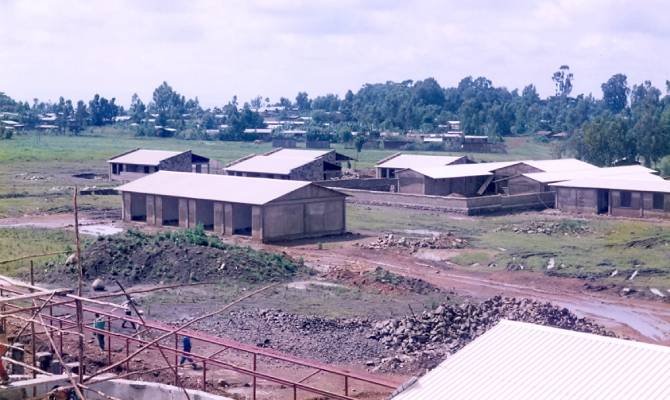
It was 2000 when the inauguration of St. Luke Hospital in Wolisso opened the door to a long-time collaboration between CUAMM and the Health authorities of the South West Shoa Zone (SWSZ).

The construction of the new facility resulted from the agreement signed by Oromia disaster prevention and preparedness Bureau, Oromia Health Bureau and Ethiopian Catholic Church. The objective was twofold: first, to establish health services in Wolisso area and secondly, to open a nursing school in Oromia Regional State.

As a matter of fact, there was no hospital service between Addis Ababa and Jimma – a stretch of around 350km, neither a training school for nurses prior to the realisation of St Luke Catholic Hospital and College of Nursing.

The construction of St Luke Catholic Hospital and College of Nursing and Midwifery stemmed from Doctors with Africa CUAMM’s philosophy of contributing to the improvement of the life of people living in Southwest Shewa Zone, Oromia Regional State. Since the early years, the hospital has been providing maternal and child health (MCH) services while gradually promoting community medicine across Wolisso district.

CUAMM’s commitment to improving health services in the SWSZ has scaled up over time.

To remain loyal to the mission of contributing to the improvement of the life of people living in SWSZ, CUAMM committed to taking its work beyond the hospital and in 2008, it established the St. Luke Catholic Hospital Public Health Department aiming to strengthen Primary Health Care (PHC) and support the integration of PHC services with curative ones. In addition, the Department also worked for the expansion of community health activities and the improvement of the referral system for patients. From 2008 to 2015 CUAMM’s support to primary health care units expanded from the districts of Wolisso and Goro to 20 health centres situated in 4 districts, namely Wolisso Rural, Wolisso Town, Goro and Wonchi Districts.

In the following years, more grant/projects have been mobilise to boost community health acitivities with a particular dedication to maternal and neonatal health and infectious diseases. At the same time, the Organization managed to keep expanding its support to other districts and Hospitals of Southwest Shewa Zone like Bacho, Amaya, Sadan Soddo and Tole districts including Tullu Bollo and Amaya hospitals.

Sensitization activity in Wolisso district during Covid-19 pandemic

The collaboration between CUAMM and the Ethiopian Catholic Secretariat continues to date to strengthen the management of diocesan healthcare facilities across the country. A significant portion of the intervention focuses on the South West Shoa Zone, specifically at the hospital and the Nursing and Midwifery School in Wolisso, as well as in the surrounding districts of Goro, Wolisso, and Wonchi.

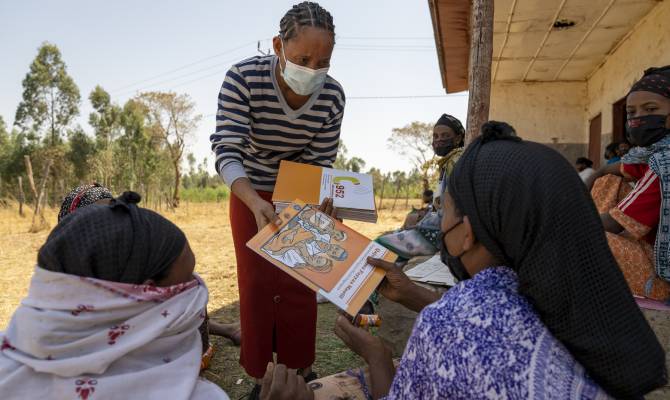
To date, maternal and neonatal care and infectious diseases are the core of CUAMM intervention in the area. Outreach activities are being conducted regularly to promote prevention, ensure access to health service for all, facilitate referral to the main hospital. By working in close collaboration with health centres located in the South West Shoa Zone, CUAMM is not only providing screening services for both infectious diseases and malnutrition but concerning the latter it is also offering community-led activities as food demonstrations. Those are effective strategy to improve participants’ cooking skills, social interactions and nutritional intake. By promoting the practice of “eating locally” community kitchens foster education on the effective use of locally-grown food.

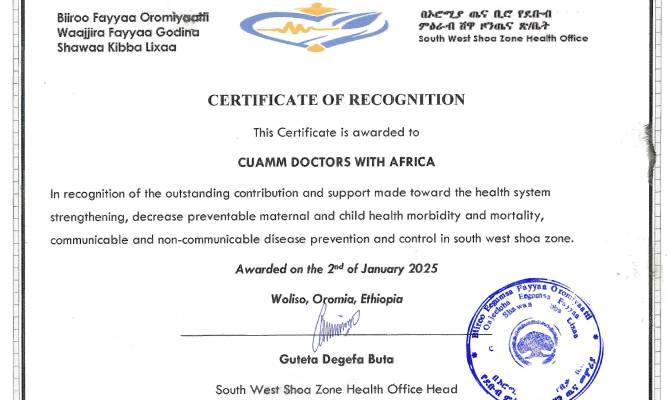
On January 2nd, Guteta Degefa Buta – South West Shoa Zone Health Office Head has awarded Doctors with Africa CUAMM work in Wolisso

“In recognition of the outstanding contribution and support made toward the health system strengthening, decrease preventable maternal and child health morbidity and mortality, communicable and non-communicable disease prevention and control in south west shoa zone”.

Such recognition bears witness to CUAMM’s uninterrupted work over the past 25 years alongside Ethiopian health authorities—never “in their place”—with the aim of strengthening the system to ensure sustainability and lasting results for the benefit of the resident community.

«I am really excited by this recognition that prove that our work is trusthworthy. I would like to thank both CUAMM HQ team, the Country Office team and the team here in Wolisso who have actively participated in the entire process from the resource mobilization to successful accomplishment of our public health projects» said Worku Nigussa –CUAMM Area Manager in Wolisso, Ethiopia.

Despite the results achieved, ensuring the continuity of CUAMM’s program in a setting that prioritizes support to emergencies over development, remains a major challenge.


The struggle of South Sudanese girls in accessing and pursuing education

“All of a sudden my desires did not matter at all, it was no longer on me to decide either I could keep studying or not. Someone else wanted to chose”.

Theresa Nyariak Maror, 23-years old is a midwifery students at Rumbek Health Institute in South Sudan. In a year time, she will be a professional midwife in a country where 1,223 women die per 100,000 live births due to pregnancy-related causes.

Accessing and pursuing education in South Sudan is indeed a privilege and a matter of luck, especially for young girls. Theresa herself had to face a series of challenges to be able to attend the midwifery school. As a little girl in primary school, she enjoyed studying: her grades were good and her uncle was happy to support the studies. Unfortunately, when he had an accident and passed away, Theresa’s life changed forever. She had to quit school, leave her hometown and move far away to join other family members who might have taken care of her.

“No one had ever dare to ask me to go to the cattle camp when my uncle was alive, but a year after his passing, that was my only opportunity – said Theresa. – I could not understand the reason. I was not willing to accept that decision, I could not tolerate them to take decision on my behalf”.

Abandon school for cattle herding is the fate of many South Sudanese girls. This usually happens when the father passes away and the uncle takes charge of the family. In that case, girls’ education has a cost and it is no longer a priority and there is little these girls can do to assert their right to education. Due to poverty, child marriage and cultural and religious views, girls’ are way too often excluded from education.

 “Girls is South Sudan know that their right to education is a matter of luck since it is totally subjected to men’s will and finding a man who values education is like hitting the jackpot” said Magdalen Awor CUAMM Midwife and tutor at Rumbek Health Institute.

Despite the difficulties, Theresa was lucky enough to resume her studies after getting married to a man who valued education and today is committed to completing the midwifery studies and get the diploma at Rumbek Health Institute. The institution is being supported by Doctors with Africa CUAMM since 2020 and every year some 20 students graduate thanks also to the scholarships offered by CUAMM. In this young and fragile country, every story of education offers a glimmer of hope as it helps the nation move forward, towards a brighter and more stable future.


Feeling useless older people’s experience of war

Russia’s full-scale invasion of Ukraine, which began on 24 February 2022, has been characterized by a flagrant disregard for civilian life and frequent war crimes. Ukraine, where people over 60 years old make up nearly one-fourth of the population, is one of the “oldest” countries in the world.

Often reluctant or unable to flee their homes, older people face a greater likelihood of being killed or injured. Even when they succeed in escaping such dangers, older people face distinct challenges in displacement. In particular, they struggle in accessing adequate housing and end up in isolated settings where the exclusion from their community jeopardize their psychological well-being.

Natalia L.*, 68, had lived in Kherson region, Southern Ukraine for years. In March 2022, when the Russian invasion of Ukraine begun, her life changed profoundly. Her town was occupied, and Natalia had no choice but flee with her little belongings. That is when she became one of 3.7 million internally displaced people as of August 2024.

Once displaced by the conflict, older people like Natalia are often locked out of the rental market by pensions that are well below real subsistence levels.

With her little savings, she was unable to find a house and could only stay in overcrowded accommodation centres as she journeyed across regions from Mykolaiv to Dnipro.

In particular, as an elderly internally displaced person, this living condition had severe consequences on her health and emotional well-being. Her fragile sense of security worsened when her son was called to join the army, leaving her alone with fear and anxiety.

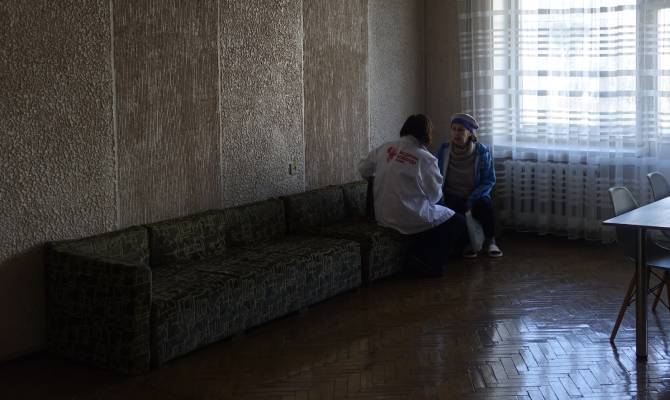
Eventually, Natalia arrived in Strij (Lviv Region), and started living in one of the Accommodation Centres. When she joined the Centre, the staff soon noticed that she was suffering from slowness of speech and movements, uncontrollable tearfulness. In addition, she was not speaking to anyone in the Centre and started spending days in isolation.

«I am useless; no one cares about me»

These are the words she pronounced the most during the meetings with the staff of the Centre. In order to assess Natalia’s health status, she was referred to the Health Mobile Unit service provided by CUAMM, in partnership with Caritas SDD’s Mobile Unit. This activity is a part of the RISE project: Integrated Response to Support the Emergency in Ukraine. Our project is part of a 46.5 million Euro initiative funded by the Italian Agency for Development Cooperation, reaching 900,000+ people affected by the Ukraine crisis.
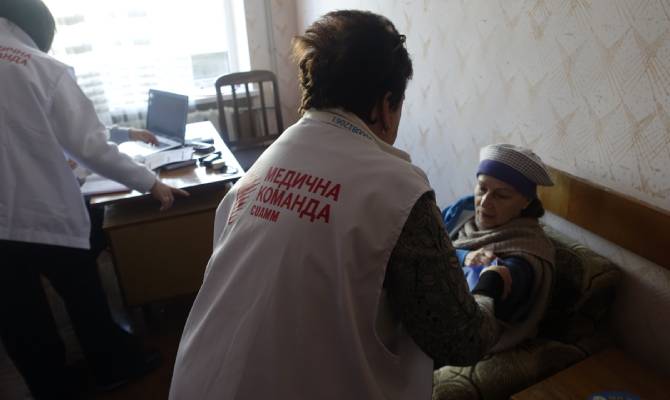
The Mobile Unit team, composed of a nurse, a doctor, and a psychologist, provides vulnerable people, including IDPs living in Accommodation Centres in remote areas in the Lviv region with health and psychological support. 

High pressure and headache were then treated with free medications that Natalia received from the Health Mobile Unit, along with a psychological therapy. After assessing her level of anxiety and depression, the psychologist supported her with some coping strategies. Specific tests, such as the Patient Health Questionnaire (PHQ) and the Brief-COPE questionnaire, revealed a mild degree of depression and the use of avoidant coping mechanisms. Over time, the tailored support provided to Natalia showed good results. She started communicating with her neighbours in the Centre and participating in volunteer activities.

«I feel more active now, and I want to help other people who are experiencing the same problems» stated Natalia before expressing gratitude to the psychologist: «I cannot thank you enough for your continuous support and how you care about me. Now I feel better, and my life makes sense again».

Thanks to the support of the Italian Agency for Development Cooperation, CUAMM can implement a multi-disciplinary approach, combining health and psychological support for vulnerable people, ensuring that people’s immediate and lifesaving needs are met, alleviating the sufferings caused by the war.

CUAMM response

Doctors with Africa CUAMM has been working in Ukraine since March 2022, providing multisectoral responses to the urgent needs of the most vulnerable populations affected by the Ukrainian conflict. Since the onset of the humanitarian crisis in Ukraine, CUAMM has adopted a flexible, multisectoral approach to address the multidimensional needs of war victims. In close collaboration with local authorities and civil society organizations, CUAMM has developed an intervention strategy aimed at supporting and integrating the socio-healthcare system in conflict-affected countries, ensuring access to essential and life-saving services for the most vulnerable groups.

Active from the outset of the humanitarian crisis in the Ternopil and Chernivtsi regions in western Ukraine, CUAMM has reached over 40,594 people and supported more than 29 healthcare facilities with medicines, consumables, biomedical equipment, and logistical support materials ensuring the continuity of life-saving services and contributing to reducing morbidity and mortality among war victims in the areas targeted.

On the other side of care

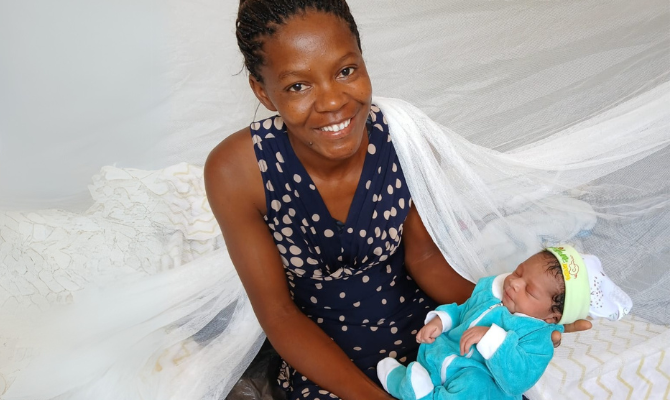
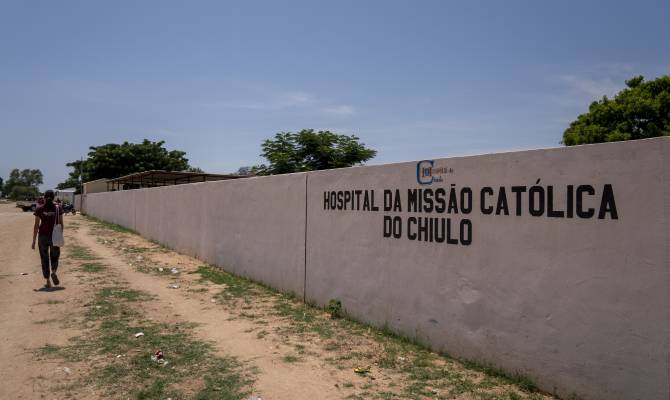
It is Theresa’s son, nurse at Chiulo Hospital, one of the first 2025 newborns. In just a few hours, Theresa found herself on the other side of care.

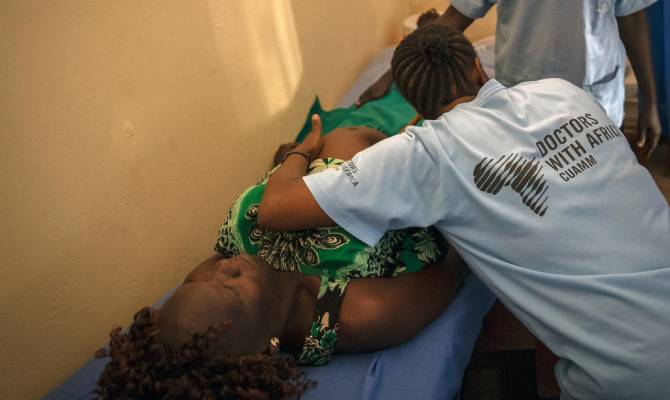
As for the first delivery, she gave birth to her second child in the hospital where qualified personnel could handle any unforeseen complications—a task she usually performs in that same facility, alongside the hospital’s medical team.

In fact, a few hours before her son’s birth, Theresa was still on duty at Chiulo Hospital. As her first contractions began, she and Francesca Rossi, a gynecology resident, were assisting two women who had arrived at the hospital with childbirth complications: one with a retained placenta requiring emergency surgery, and another with a twin pregnancy complicated by eclampsia and cerebral malaria.

«In Angola, women can benefit from maternity leave for only 90 days- Francesca Rossi explains -. Theresa decided to work until full term so she could then spend the first months with her baby. On Friday evening, as her first contractions started, she was still on shift. She spent the night managing emergencies and supporting the team through very challenging moments».

Theresa stopped working just a few hours before labor began. Her baby boy was born on Sunday in good health, weighing 2.78 kg. Both mother and baby are doing well and returned home on Monday. Theresa will care for her newborn over the next three months before returning to Chiulo Hospital to assist other women through the delicate moment of childbirth.

Every year, approximately 280,000 women die during childbirth or from pregnancy-related complications, the majority in sub-Saharan Africa. Hemorrhages, complications, the distance from hospitals, and insufficient or inadequately trained personnel are the primary causes of maternal mortality. In Angola, the maternal mortality rate stands at 222 per 100,000 live births.

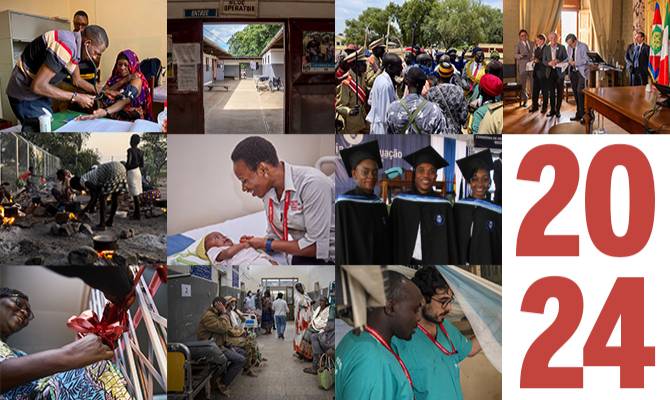
10 shots to navigate our 2024

In many areas, including sub-Saharan Africa, access to healthcare is not a right for many but a privilege of a chosen few. Every day we work with commitment and dedication in 9 countries to promote the universal right to health for all, especially the most vulnerable. From the tireless work of our humanitarian workers on the field to the daily dedication of those in CUAMM’s offices, every achievement is the result of a shared commitment you are also part of. A heartfelt thank you to everyone who has supported CUAMM this year.

Here is a selection of 10 moments from 2024 we have chosen to recall a year of unwavering commitment.

ETHIOPIA

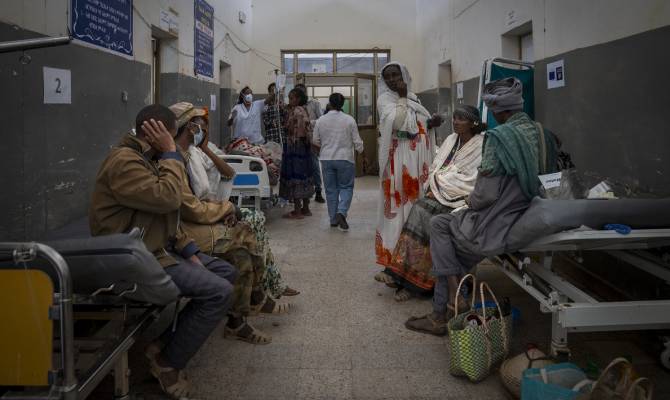
In the northern region of Tigray, devastated by a prolonged internal conflict, we have initiated the reconstruction of Shire Hospital which serves approximately 2 million people, along with five surrounding health centers. Shire Indasilasse is one of the areas most severely affected by the conflict. Widespread looting and destruction have had a profound impact on the delivery of basic services to the population in a region that hosts the highest number of internally displaced persons.

MOZAMBIQUE

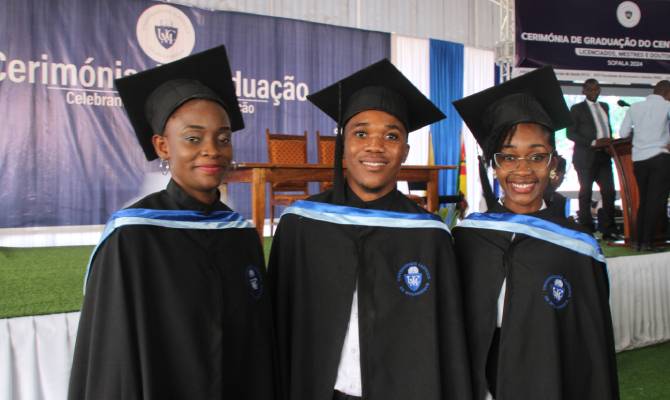
The commitment and collaboration with the Catholic University of Mozambique, based in the city of Beira, goes on. This year, several young people made their dream come true and can finally hold a degree in general medicine. For young individuals like Atianete, Hercília, Muaziza, and Victorino, this milestone was achieved thanks to their commitment and dedication and also, with the support of scholarships provided by CUAMM.

IVORY COAST

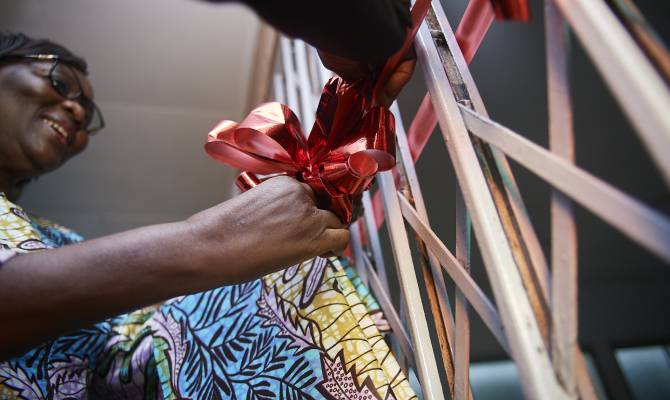
The urban health center of Anonkoua Kouté is located in Abobo, the most populous district in the country. At this center, which handles 3,700 deliveries per year, we inaugurated a new maternity ward. This initiative aims to fulfill one of the objectives of the national health strategic plan: ensuring free and semi-free access to healthcare across the country.

ANGOLA

A comprehensive program where health, environment, and community empowerment come together as one. The Clean Cooking initiative, launched in the province of Uige, aims to introduce improved cooking methods to mitigate the harmful effects of traditional practices, such as respiratory diseases, deforestation, and social exclusion, to name a few. This intervention will involve 16 municipalities and approximately 200,000 families.

SIERRA LEONE

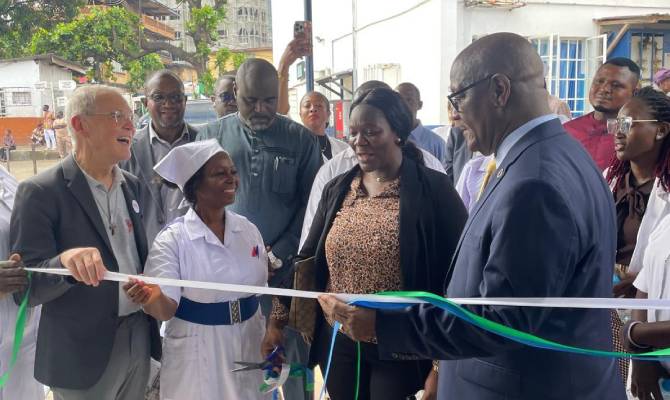
New, larger, and more functional premises have been inaugurated at the Princess Christian Maternal Hospital (PCMH) in Freetown. In October, together with the Minister of Health, we opened the doors to a new outpatient department and a renovated pharmacy for this hospital, which serves over 1.3 million people.

CENTRAL AFRICAN REPUBLIC

An area with 200,000 people and a 120-bed hospital eight hours of driving away from the capital, Bangui. Here, with the construction of the new maternity ward at the Bossangoa hospital, CUAMM’s commitment in the country resumes, amid a context of significant internal instability marked by conflict and armed violence.

TANZANIA

The United Nations Inter-Agency Task Force on the Prevention and Control of Non-Communicable Diseases has awarded Doctors with Africa CUAMM the Task Force Awards 2024 for its commitment to improving health outcomes in rural areas of Tanzania.

SOUTH SUDAN

Adior, in Lakes State, about an hour’s drive from Yirol. In the health center of this small town, where only ruined buildings stood three years ago, there is now a maternity ward. We inaugurated it in July, celebrating the event with the Minister of Health and the entire community.

UGANDA

The new neonatal intensive care unit was inaugurated in Matany, Karamoja. This region, the poorest in the country, records an average of 550 perinatal deaths annually, including 160 neonatal deaths, many of which are preventable. The construction of this new unit comes after the interventions already carried out in support of three other hospitals in the region.

ITALY

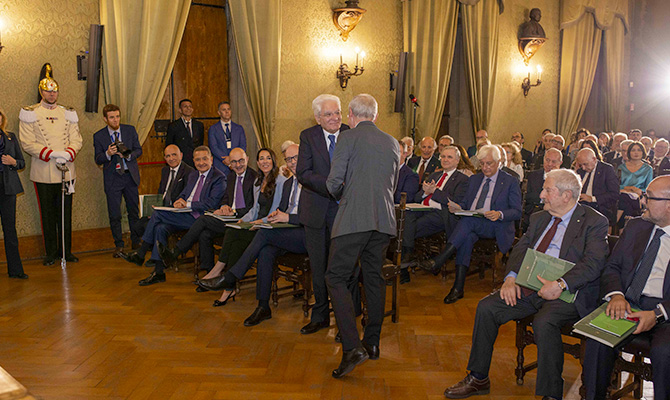
CUAMM has been awarded the “Antonio Feltrinelli 2024” Prize by the Accademia dei Lincei for an exceptional initiative of high moral and humanitarian value. Also known as the “Italian Nobel,” the prize was presented in the presence of the President of the Italian Republic, Sergio Mattarella, and will support the significant program “Mothers and Children First.”

IDPs conflict and climate change compound the crisis in Ethiopia

As the internal conflict in the northern region of Tigary ceased with the peace agreement signed in November 2022, the IDPs crisis in Ethiopia remains dire. To date, 4.5 million people have been forced to flee their home due to conflicts, climate-related disasters and economic pressures in search of safety or simply opportunity.The majority of them is recorded in Tigray, Somali and Oromia regions where Doctors with Africa CUAMM is working with the twofold objective of responding to crises and finding sustainable and durable solutions to create a resilient health system.

Tigray region is hosting the highest number of IDPs displaced by conflict nationwide. As of May 2024, an estimated 871,056 individuals or 38.3% of the national conflict caseload were reported in the region. The war significantly disrupted Tigray’s healthcare system severely limiting people’s access to care. In the aftermath of the conflict, about 70% of hospitals and health centres in the region were either partially or fully damaged. Suhul Hospital, in Shire town, was one of them.

«I started working in this hospital before the war and I have experienced firsthand the consequences of the conflict in terms of human resources, medical equipment, and the satisfaction of both patients and health workers». said Gebremedhin Atakilti – Medical Director at Suhul Hospital.

To respond to the urgent needs of the local population, CUAMM stepped into the region with a first intervention aimed at rehabilitating Suhul Hospital, in Shire town, which serves as referral facility for over 2 million people, including IDPs.

Being one of the biggest urban centres in Tigray, Shire hosts some 175,000 IDPs of which 110,000 within host communities and many in the 6 IDPs camps disseminated across the town. 

«Being located beside the camp, we often face cholera outbreaks and have to be ready to respond – said Tsegay Gebre Yesus – Chief of Five Angels Health Centre in Shire. At this little health centre we mainly serve IDPs offering them free care».

The conflict has severely hindered people’s access to healthcare services, affecting mainly women and children. CUAMM is working both at hospital level and within the community to restore key services such as maternal and neonatal care, malnutrition treatment and follow-up, HIV testing and antiretroviral therapy (ART). In addition, support is being provided to women and adolescent girls who have gone through violence.

While the conflict is the leading cause of displacement in the northern region of Tigray, the onset of El Niño has caused climate-induced displacement in the Southern and Southeastern parts of the country. As of May 2024, drought was the primary cause of displacement for an estimated 544,002 IDPs (16.5% of the national IDP caseload), across Somali, Oromia and Afar regions. Other climate induced reasons include flash floods, seasonal floods, landslides and fire. Such events have a severe impact on local populations in terms of food insecurity and risk of watern-born diseases.

Tigray region hosts the highest number of IDPs primarily due to conflict, whereas the Somali region in the east hosts the highest number of climate migrants, an estimated 397,913 individuals or 73.1% of the national drought caseload. Doctors with Africa CUAMM intervention in the area is targeting Fafan and Liben Zone where the weather conditions have limited people’s access to services and deepened their vulnerabilities. In order to facilitate access to care, CUAMM is deploying 2 Mobile Health and Nutrition teams in 11 selected villages across Filtu and Bokolmayo districts where 21,584 individuals have been reached to date. Health services provided include: paediatric immunization, antenatal care to pregnant women, malnutrition and psychological screening, anthelmintic treatment for schistosomiasis and emergency referral. 

Conflicts, violence, prolonged drought combined with disease outbreaks, such as cholera, malaria, and measles, is further exacerbating the vulnerability of affected communities in Ethiopia, including IDPs and returning IDPs.

A shared commitment: the health of mothers and newborns

“Increasing Access to Specialized Maternal and Neonatal Services in Karamoja and Lango Region 2024-2026”: this is the priority goal of Doctors with Africa CUAMM together with the Ugandan Ministry of Health, particularly through the recently launched two-year project in Uganda, funded by the ELMA Foundation.

Activities are taking place, in synergy with CUAMM’s already active interventions, in four districts of Karamoja (Moroto, Amudat, Kaabong and Abim) and three districts of Lango (Alebtong, Otuke and Oyam), involving 66 health facilities.

Although there have been improvements in the reduction of maternal mortality, there still remain problems related to the management of obstetric emergencies during the perinatal period and the resulting outcomes. Indeed, wide regional disparities exist: according to the Maternal and Perinatal Deaths Surveillance and Response Report (MPDSR) 2023-24, the maternal mortality rate in Karamoja is 73.9 per 100,000 live births compared to 61.1 per 100,000 in Lango.

The districts involved were chosen because they have limited access to maternal and neonatal services while having a high patient load. This project will therefore seek to address the challenge of neonatal death and increase the survival of children under 5 years old,” said Peter Lochoro, Uganda Country Representative for Cuamm.

The intervention focuses on on-the-job training and mentoring of health workers to implement quality maternal and neonatal services by strengthening leadership, management and accountability skills from district and national authorities.

The ELMA Foundation has been supporting us for over 6 years to improve human resource skills and capacities by qualifying health workers through scholarships and promoting mentorship,” added Peter Lochoro.

Specifically, the intervention works on multiple levels and aims to: improve access and quality of care for women during pregnancy, including cervical and breast cancer screening; facilitate Village Health Teams, village health workers, and “peer mothers” in implementing community-based care services, including case referrals and patient follow-up; and engage and raise community awareness of maternal and newborn services.

In addition, it is intended to strengthen emergency referral systems by improving the functionality of ambulance services and providing vouchers to transport patients from communities to health facilities and between facilities and the 9 Comprehensive Emergency Obstetric Care sites for the comprehensive care of obstetric and neonatal emergencies. In this regard, efforts are being made to improve access and quality of care during labor and delivery by supporting the continued functionality of 3 CEmONC sites in Amudat and Oyam districts, specifically the operating rooms; ensuring the availability of needed drugs and medical equipment, along with the availability of blood and blood products; fostering better action planning; and ensuring surveillance and response to maternal and perinatal deaths (MPDSR).

Improved care for women is complemented by efforts to improve access and quality of care for newborns by investing in growing the clinical skills of health workers in advanced neonatal resuscitation care with innovative technologies, facilitating the adoption of infection prevention and control (IPC) practices, strengthening neonatal clinical care in 9 CEmONC sites, and facilitating the use of the “Kokono” device, a protective cradle to create a safer environment for newborns.

The launch event, held in Soroti, was attended by district political authorities and technicians from the 7 districts involved. The impact of collaboration with CUAMM is being felt, the results on the ground are tangible, and the goals of this project are in line with the Ministry of Health’s national sustainable development priorities,” said Rita Akankwasa, ELMA representative.

Every day in Uganda, and in all the countries where CUAMM has a presence, we try to go the extra mile, together, to ensure that mothers and children can have access to the quality health services they are entitled to.

Little if nothing to live with

«It was too dangerous to live there; we were bombed almost every day, and my brother died during a missile attack while he was working. His only fault? Being in the wrong place at the wrong time»

This is the reality of the war in Ukraine, and these are the words of Maria Boshenko*, a 30-year-old women from Zaporizhzhia. Due to its geographical location, only a few dozen kilometers from the frontline, the town is constantly under missile threat. Unfortunately, Zaporizhzhia has already experienced several attacks, especially at the beginning of the war, when battles took place to control the nuclear power plant south of the town. In one of these missile attacks, Maria’s brother, lost his life.

Hoping to find better security, Maria left for the north with her 9-year-old son, Ostap*. They moved to an Accommodation Centre in Kyiv, to be relocated shortly after to a IDPs camp in Vasylkiv, 30km away. Since February 24, 2022, the conflict in Ukraine has been experiencing continuous escalation, causing an unprecedented humanitarian crisis, with the civilian population being the primary victim. Death, destruction, mass population movements within Ukraine and neighboring countries, and the socio-health system’s inability to meet essential needs have left about 18 million people in need of humanitarian assistance (Ukraine HRP 2023). The highest concentration of IDPs remains in the Kyiv region that hosts about 16.2% of IDPs, with the city of Kyiv itself accounting for more than 7%.

«I work occasionally as a cleaning woman – said Maria. – but we have little money and are struggling in making ends meet. We hardly have a meal per day».

Both in Ukraine and Moldova, the population, particularly the most vulnerable groups, struggles to meet basic needs such as food, essential hygiene supplies, and basic materials to withstand the harsh Ukrainian winter. Vulnerable categories, including women, children aged 0-3, the elderly, and persons with disabilities are those most hardly impacted and still depend on humanitarian aid.

CUAMM response

As part of the Emergency Call to Support, funded by AICS with 46.5 million, CUAMM, in collaboration with the local Organisation Vidchuij, distributes Food and Hygiene Kits to Internally Displaced Persons, refugees, host communities, and returnees in the areas of Chernivtsi and Kyiv. Beneficiaries identified are IDPs with vulnerabilities such as large families with young children, single-parent households, and those with elderly or persons with disabilities as dependents.

Being a single parent and in view of the difficulties she was going through together with her son, Maria was included in the distribution program implemented by CUAMM in Vasylkiv. As of October 2024, 662 single mothers like Maria received nutritional and essential items kits. In addition, 2,200 non-food kit and 2,200 food kit had been delivered benefiting an overall number of 3,711 people in need.

Daily goods can seem extraordinary when the war takes everything away from you. Providing people with essential items can indeed alleviate the suffering caused by the conflict. Our project is part of a 46.5 million euro initiative funded by the Italian Agency for Development Cooperation, reaching 900,000+ people affected by the Ukraine crisis and it is being implemented in collaboration with Caritas Italiana, Caritas Drohobych Sambir and Volonterskiy ruh Bukovyny (VRB).

«I’m deeply grateful to CUAMM; now we have food, and Ostap can eat as an ordinary child» said Maria who then added «Can you believe a child is just happy with toothbrush and toothpaste? That is how it is, we couldn’t afford them».

Doctors with Africa CUAMM has been working in Ukraine since March 2022, providing assistance to the most vulnerable populations. Since the onset of the humanitarian crisis in Ukraine, CUAMM has reached over 40,594 people and supported over 29 healthcare facilities with medicines, consumables, biomedical equipment and logistical support materials to ensure the continuity of life-saving care.