A classroom to disrupt HIV stigma

“Studying medicine is a social responsibility to these students. In that sense, The Catholic University of Mozambique – UCM supports them throughout their academic career both professionally and personally. One day, they won’t just be the health professionals of Mozambique but also responsible citizens, active members of their community.”

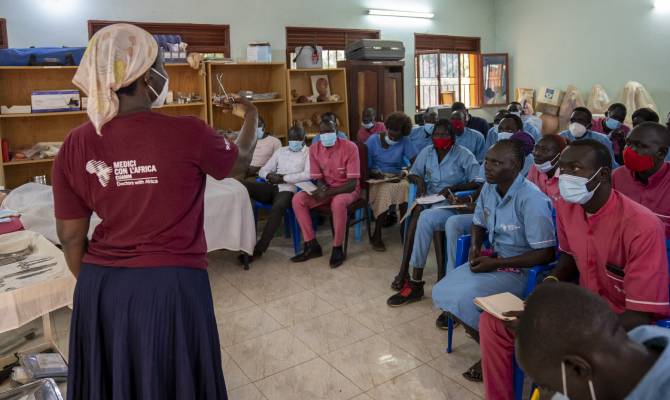
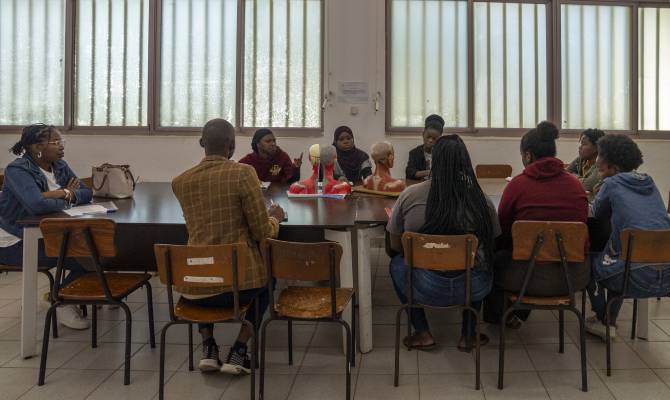
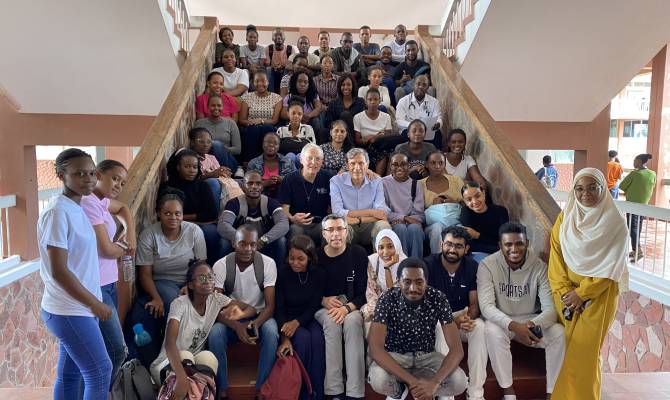
Francesco Segala – infectious disease specialist, arrived in Beira in November. He serves as coordinator for relations between CUAMM and UCM. In recent months, upon request from UCM’s pedagogical board, Francesco took charge of the infectious diseases module, working in the classroom with third-year students and supporting them as a tutor.

It was an opportunity to understand how the educational structure functions, how practical activities are defined, but above all, to build relationships with the students.

“As tutors and professors, we have a duty to nurture in them a sense of responsibility that will be essential in their medical profession,” says Francesco. “It’s truly a joy when you realize you’ve succeeded.”

Francesco truly did succeed, in his own way. He realized this a few weeks ago when he engaged his class in a focus group on the issue of HIV-related stigma.

“It’s extremely important to talk about it, because stigma ends up compromising the social aspects of everyone’s life, with serious consequences for the mental health of those living with the virus,” explains Francesco. He continues: “I started by sharing my own experience, and admitting that, without really realizing it, I too was influenced by stigma for a long time. It’s a fact that an HIV test is scarier than a complete blood count (CBC) which is considered “just a blood test” — but why?”

Mozambique is one of the countries with the highest number of people living with HIV. According to UNAIDS data (2025), there are about 2.4 million people, of which 2 million are on antiretroviral therapy.

“Knowing your HIV status is essential in order to live with the virus and prevent transmission. Moreover, antiretroviral therapy is simple: you just have to take one pill a day. That’s enough to reduce the viral load to zero, with adherence to treatment over time.”

And yet, the fear of the virus is real, especially among young people. Francesco tackled it in a university classroom, creating a safe space for his students.

“The class already knew about HIV from a clinical standpoint — they had studied it in lectures,” Francesco explains. “They didn’t need me to tell them how the virus is transmitted or how the therapy works. What I hoped to do — and what we managed to achieve together — was to create a open debate like a confession. In that way, we were able to see that the stigma was right there, among us.  Despite it being difficult, we now know that overcoming the taboo and disrupting the stigma is possible through awareness”.

Maternal and newborn health on air

Two female voices in dialogue featured in a radio spot about maternal health – this is the initiative promoted by Doctors with Africa CUAMM in collaboration with Action Against Hunger in the Central African capital on the occasion of World Health Day.

A simple yet effective way to deliver an important message to every mother everywhere: Prenatal visits are essential to ensure the well-being of both the mother and the future baby! As one of the voices in the spot says, speaking to a young expectant mother, reminding her of the importance of prenatal visits and access to a safe, assisted delivery in a proper healthcare facility.

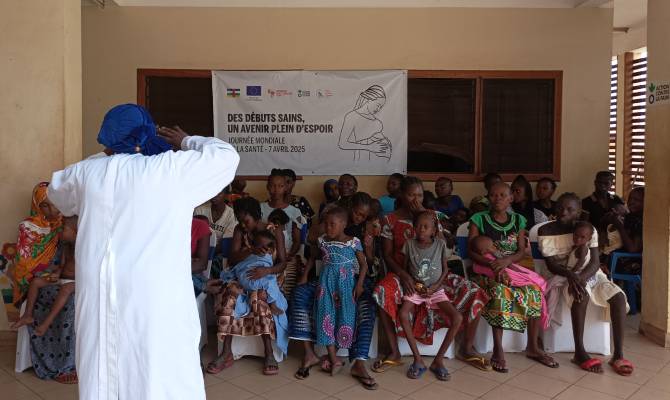
With this message, we wanted to celebrate World Health Day, which this year the World Health Organization (WHO) dedicated to maternal and child health under the theme “A healthy start, a future full of hope.” The spot was broadcast in French and Sango, the local language spoken by most of the population, especially in the suburban areas.

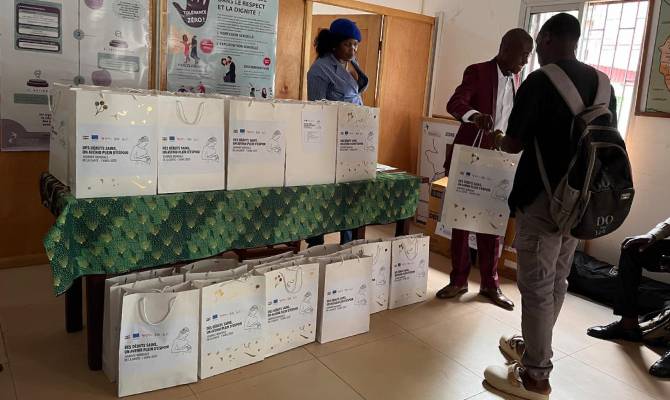
Through the collaboration with the local broadcaster Radio Ndeke Luka, the information activities continued in the following days with the airing of a prize-based quiz. The “Mandako” quiz, broadcast daily from April 7 to 11, asked listeners a series of questions on topics such as pregnancy, childbirth, weaning, and newborn health. The 40 participants took part in the radio game and then received a kit as a prize, which included essential personal hygiene and baby care items.

One of the quiz participants picks up the prize kit.

As part of the celebration, discussion groups were organized at the Bangui Pediatric Hospital (CHUPB). Activists, representatives from the hygiene office, and the person responsible for information, education, and communication activities delivered key messages with the support of a facilitator from Action Against Hunger.

The initiative is part of a project carried out by Doctors with Africa CUAMM and the NGO Action Against Hunger, with financial support from the European Union.

Powering Progress: the energy-food-health nexus for sustainable development

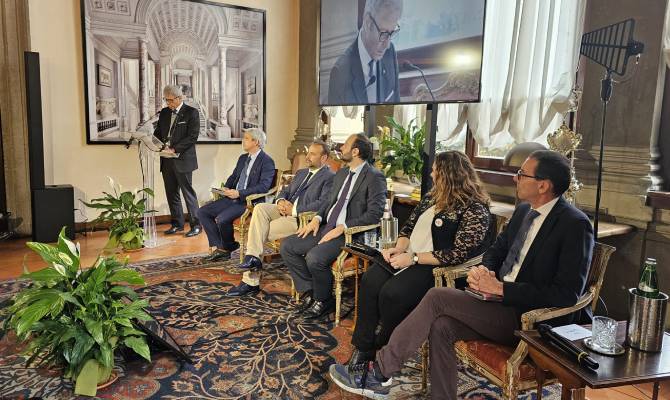
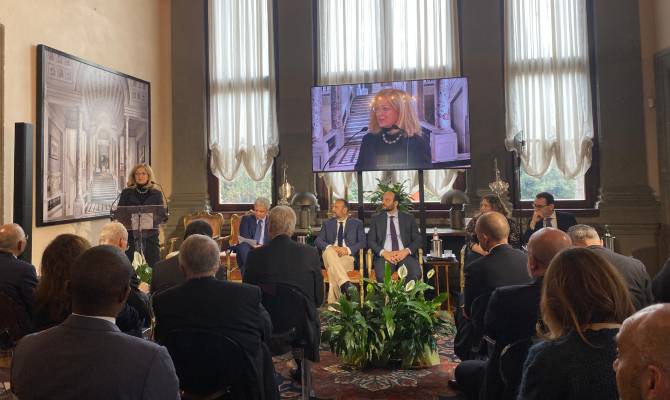
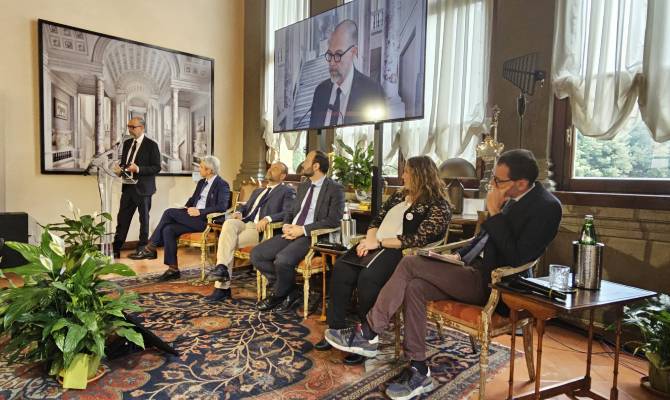
Today, hosted at Palazzo Borromeo in Rome, we met with partners, institutions, civil society representatives and the private sector, as well as religious organizations, on the occasion of “Powering Progress: the energy-food-health nexus for sustainable development”.

The event gave us the opportunity to delve into the connection between sustainable energy, nutrition, and health, with particular attention to the most fragile contexts—those where Doctors with Africa CUAMM works every day.

The Italian Ambassador to the Holy See, Francesco di Nitto opened the meeting welcoming both speakers and guests to then leave the floor to the opening remarks by father Dante Carraro – CUAMM Director General; Carlos Alberto Saraiva de Cravalho Fonseca – Ambassador of Angola to the Holy See; Mons. Fortunatus Nwachukwu – Secretary at Dicastery for Evangelization and Alessandra Fidanza – Ministry of Environment and Energy Security.

An introduction that provided participants with a comprehensive overview on the topic spanning from the needs of underserved communities to the importance of bilateral collaboration for mutual development to the ongoing programs promoted by the Italian government.

“I wish to express my gratitude to organizations like CUAMM for the support provided to those most in need—people who suffer due to conflicts, poverty, and human-made hardships. What you do is in perfect harmony with the call of our Holy Father to preserve and protect our common home—the world—for the good of all. Through this, we are also promoting integral human development.” Fortunatus Nwachukwu – Secretary at Dicastery for Evangelization.

“With regards to bilateral cooperation and international cooperation in sub-Saharan Africa, the Ministry of Environment and Energy Security is engaged in the application of the Mattei Plan specifically in the implementation of selected projects on energy and climate that could benefit African countries while also pursuing the implementation of 2030 Agenda” Alessandra Fidanza – Ministry of Environment and Energy Security.

Alessandra Fidanza - Ministry of Environment and Energy Security.

“With the implementation of this project dedicated to facilitating access to clean energy for people in rural areas, we have the opportunity to also promote health practices, which are at the core of our mission. We are doing this by adopting a new approach that also takes into account other health-related aspects, which are equally important for achieving sustainable development.” Father Dante Carraro – CUAMM Director General.

Also a contribution to the event was offered by Domenico Giani, President of Eni Foundation who greeted the participants with a brief speech.

“We must commit ourselves to building a sustainable model—one that, to truly be sustainable, must be able to hold together social justice, respect for creation, and human dignity. As President of the Eni Foundation and of the Confederation of the Misericordia of Italy, I experience every day the dedication of different realities united by a shared sense of responsibility—an effort that is expressed through concrete closeness to people, the nurturing of relationships, and the patient construction of paths of cooperation. In these complex times, it is essential to listen, to build networks, and to create bridges in order to face global challenges and turn them into opportunities for shared growth”. Domenico Giani, President of Eni Foundation

Before moving into the technical panel, a keynote speech by Andrea Marsianich – Head of Carbon Offset Solutions at Eni – provided participants with a detailed overview of the company’s strategy for promoting clean energy solutions, of which Clean Cooking is a key component.

“Our approach to Africa and communities we work with has always been based on collaboration and I like the fact that your name si Doctors with Africa cause “with” is the most important word. As a company, over the years we have also given great attention to cooperating with local institutions, local companies and communities because we want our present to be based on respect, value creation and development of local competencies” Andrea Marsianich – Head of Carbon Offset Solutions, Eni.


The subsequent technical panel brought together partners such as AVSI, Eni and Solar Barrel to delve deeper into the collaboration opportunities between private sector and civil society for sustainable development in underserved and vulnerable countries.

The conversation highlighted the urgent need for scalable clean cooking technologies and the importance of integrating health-related activities into these efforts. Moreover, the dialogue emphasized the value of engaging faith-based and non-governmental organizations to facilitate community acceptance and promote community ownership, which are key for achieving effective and sustainable results.

“The Clean Cooking project, like other initiatives, is closely aligned with the company’s commitment to working with communities and employees by transferring knowledge and skills. Moreover, we took the opportunity to design the project from a health perspective as well, recognizing the strong connection between energy and health. By doing so, we can offer something more—aligned with our values, mission, and the SDGs.” Simone Mortara, Head of Global Health Competence Center, Eni

“For achieving effective cooperation, we have to look at the human integral development. In that sense the improved cookstove is just a tool that might enable us to design a project for the benefit of communities. That said, I have to highlight the importance of establishing collaborative partnership, as the one we have with Eni” Alessandro Galimberti, Head of Climate Change, Environment and Energy Unit and Corporate Riskm Manager at AVSI

“Sharing best practices, expertise, and knowledge is key to serving a greater purpose—and that’s something we aim to do by transferring our know-how to communities and partnering with the third sector.” Matteo Villa, CEO of Solar Barrel

The dialogue went on with our contribution from Angola—a country where we have been working since 1997 and where we are currently implementing health activities integrated into the clean cooking strategy in rural and semi-urban communities in the northern province of Uíge. Here, we aim to reach around 200,000 households in the most remote areas of a forgotten province, where access to health services is severely limited due also to the long distances to health centers and hospitals.

“As Doctors with Africa, we have soon recognized improved cookstoves as a tool to enter into communities and engage them into wider activities related but not limited to cooking methods. We are talking about the health component which is our expertise. For an effective results, we must not forget community acceptability” Veronica Censi, CUAMM Partnership and Advocacy Manager

To conclude the meeting, emphasis was placed on the key role of faith-based organizations and NGOs which have the potential to facilitate bottom-up change, as they can bridge the technological value brought by the private sector—through partnerships—with their deep knowledge of local contexts. A role to which we remain committed.


Renovated spaces and colorful paintings at Pujehun hospital

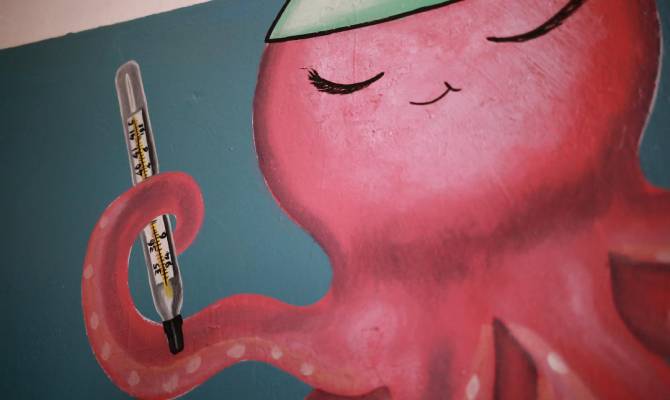
A functional and beautiful place is also a place where better care can be provided. If that place happens to be the pediatric ward of a small hospital in Sierra Leone, where dozens of patients are admitted every day, then perhaps some paintings and a bit of color can make a hospitalization less frightening.

For the past eight months, the Pujheun hospital has been the place where Annachiara and Andrea spend most of their time. She is a CUAMM pediatrician, he is a volunteer physiotherapist. They arrive at the hospital early in the morning and leave when the daylight is over. This facility is a reference center for the area. Last year alone, 1,869 children were admitted to the pediatric ward which also includes a neonatal unit and a malnutrition unit.

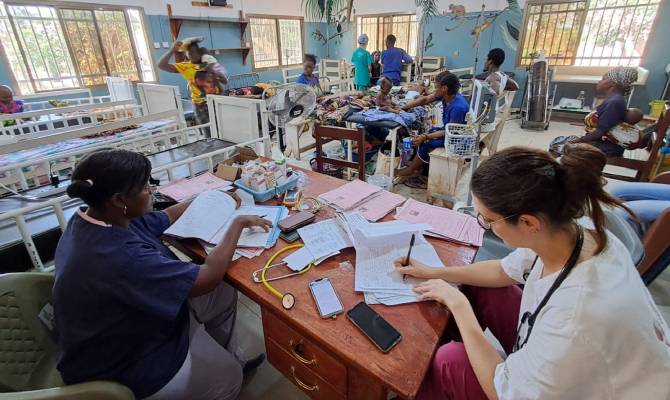
Moving between the beds in the ward, Annachiara and Andrea witness the daily suffering of hospitalized children, the worry of their mothers, and the difficulty of the medical staff in working to the best of their ability in a context where resources are far from sufficient. Despite the high number of patients admitted, the hospital is constantly and overwhelmingly understaffed. Annachiara and Andrea, together with a nurse and a medical intern, are part of the CUAMM team that works alongside the local staff: just one medical technician and three nurses.

“We do what we can with what we have, but the staff is limited and the space is too. To manage to admit everyone to the ward, we were forced to place up to three children in a single bed. Apart from being impractical, this overcrowding was also dangerous for the patients themselves,” says Annachiara Zin, Cuamm pediatrician.

The Pujheun hospital hosts a large number of malnourished children. Most are under five years old and do not receive the proper intake of proteins, minerals, vitamins, and energy during their growth phase. Many arrive at the hospital in critical condition, either because of the distance from the facility or because the mothers do not recognize the warning signs.

“Malnutrition also leads to immunodeficiency,” explains Annachiara. “It means the immune system of these children is extremely weak, and any infection can cost them their lives. This is why it’s crucial to ensure proper care spaces.”

The need for better care spaces is what motivated the reorganization of the pediatric ward at Pujheun, a project led by CUAMM that Annachiara and Andrea, together with Maria—a volunteer nurse— contributed in making happen by working on it with patience and determination. They were supported by both CUAMM team on the field, many friends and family members and CUAMM donors who wanted to contribute to the project.

“We knew the pediatric ward’s conditions weren’t ideal even before we left, and in agreement with Cuamm, we had planned this reorganization,” explains Andrea Pasinato, physiotherapist. “After a few months in the ward, we understood what interventions were needed and started with the floor plans”.

Today, the ward is a different place. What was once a large overcrowded room is now a spacious area divided into two sections: one for emergencies and another for less severe admissions. There are enough beds, each with its own mosquito net, essential in a place with high malaria rates. The mothers have lockers to store the bags they bring to the hospital, unaware of how long they will be away from home. The plumbing has also been fixed to ensure running water in the ward. This new division allows the staff to provide the right care to each patient and move around more easily in a well-organized space. The walls also look different: the faded yellow has been replaced with colorful paintings depicting jellyfish, monkeys, and birds. A project commissioned to local artists, which isn’t just an aesthetic touch but a way to promote sensory stimulation for the malnourished young patients.

“In a few months, we will leave, but we like to think that the effort we put into reorganizing this ward will serve as both a new starting point for the doctors to come and as a gesture of care toward the young patients and their families,” says Annachiara Zin, Cuamm pediatrician.

Malnutrition when adherence to treatment is lifesaving

According to the latest data by UNICEF, WHO and World Bank 30% of under-five children in Tanzania suffers from severe malnutrition, 3,3% from acute malnutrition. Patricia is one of them. She was admitted to Dodoma Regional Referral Hospital a few months ago and treated by CUAMM’s team. Dodoma is one of the regions with the highest prevalence of malnutrition in the Country reaching 40%, Doctors with Africa CUAMM has been working here since 2022.

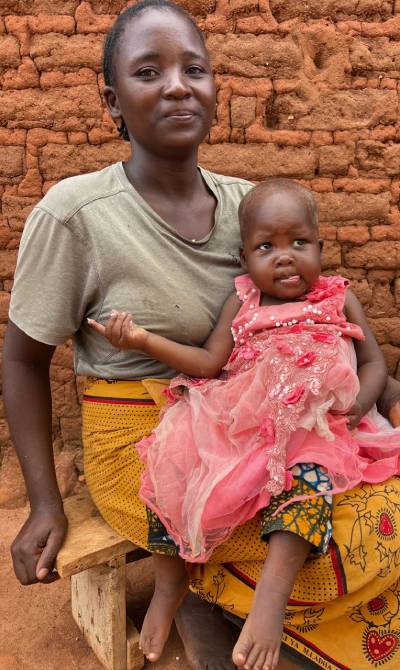
Patricia is two and a half years old and comes from the village of Chiwondo, in the Chamwino district. Her aunt took her to the hospital as her mother stayed home to look after her baby. After a couple of weeks at the malnutrition unit, she was discharged. Once she returned home, she was supposed to take Plumpynut a few times a day for several weeks, to aid in her nutritional rehabilitation. Plumpynut is a vital therapeutic food made of peanut paste enriched with proteins and minerals. Patricia’s family was supposed to collect the necessary Plumpynut to help her recover fully at Dabalo health center, near their village where CUAMM works. However, something went wrong, and Patricia never received it.

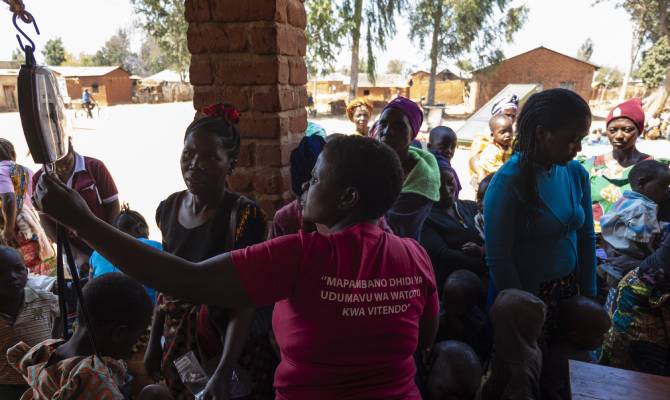
Fortunately, another aunt of Patricia, went to visit the family and immediately noticed that the little girl wasn’t well. She decided to take Patricia to the Dabalo health center, where she was diagnosed with severe acute malnutrition (SAM) and admitted for treatment. Patricia’s aunt quickly realized that medical attention was necessary to save her niece. For some time, Patricia’s aunt has been attending the Village Health and Nutrition Days (VHND), community health and nutrition days that include activities to raise awareness about child malnutrition. On those occasions CUAMM provides community’s members useful information on how to recognize a case of malnutrition, where to seek help, and how to handle the necessary treatments at home.

It is also thanks to these moments that Patricia is now much better. After receiving care at the Dabalo health center, the little girl returned home and completed her treatment with Plumpynut.

Patricia and her mother at home in the village of Chiwondo

Many factors contribute to malnutrition. Therefore, an integrated and multisectoral approach is necessary to address this emergency in a sustainable way. CUAMM is committed to implementing the “Diverse Food Systems: Improving nutrition through support for a diversified and sustainable food system” project in Dodoma, with the support of the Italian Agency for Development Cooperation and the Zanetti Foundation.

The Tanzanian government is supported in implementing national strategic plans for nutrition, with the aim of contributing to improving the quality of services in the Dodoma area, particularly for managing cases of severe acute malnutrition (SAM). Additionally, the integration of early childhood development (ECD) is promoted, with the goal of contributing to the physical and cognitive development of children by encouraging interaction with the community and play, even through the creation of toys made from local materials.


Improving access to safe water, sanitation and hygiene

Access to clean water is a basic human right, yet it remains a privilege for the few. In 2022, 2.2 billion people still lacked access to safely managed drinking water services, while 3.5 billion people were deprived of access to safely managed sanitation.

Universal access to clean water is closely related to hygiene and sanitation services, known as WASH. Inadequate access to WASH services is responsible for as much as 10% of the global burden of disease, contributing to 1.6 million preventable deaths each year, including 60% of all deaths due to diarrheal diseases. In 2022, 3.5 billion people still lacked safely managed sanitation.

Goal 6 of the UN 2030 Agenda for Sustainable Development aims precisely at ensuring universal access to safe drinking water and sanitation. The accomplishment of this goal is a necessary condition for achieving the other SDGs related to poverty, health, education, gender equality and environment. The most vulnerable regions in terms of water availability and access are often located in areas under severe environmental stress and difficult economic and political conditions, where consequently also access to safely managed WASH services in both households and key community facilities, such as health facilities and schools, is very limited.

Over the years CUAMM has implemented numerous WASH projects across several African countries, particularly in Mozambique, Angola and Uganda among others with the key objective of improving access to clean water, sanitation and promoting adoption of desired hygiene and sanitation practices to curb morbidity and mortality due to preventable environmental factors. Our approach is comprehensive and includes a multi-pronged approach that includes infrastructure
development, community-based behavioral change
and health prevention and promotion interventions, hygiene and sanitation in healthcare facilities and outbreak prevention and response.

CUAMM places a strong emphasis on improving water, sanitation and hygiene practices (WASH) at community, household, and individual levels. We achieve this by integrating WASH messaging and education within our community-based health promotion and mobilization campaigns through the Social and Behaviour Change (SBC) strategy.

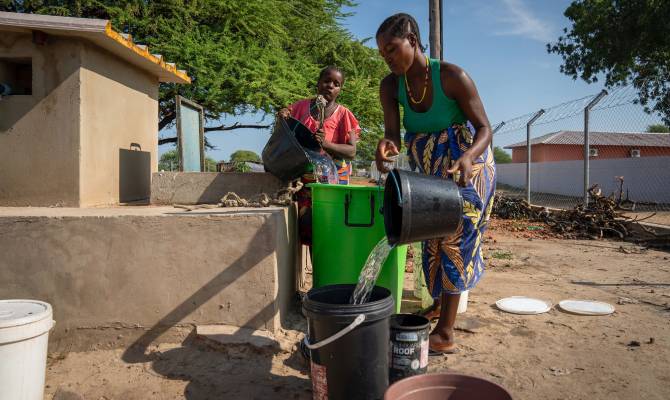
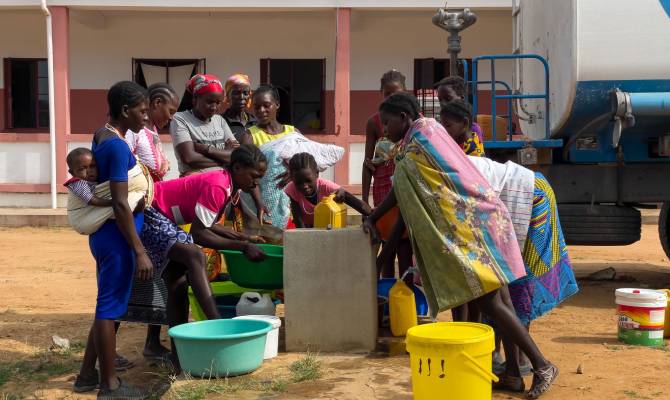
In Cunene province, Angola, thanks to the commitment of the agents from the GAS groups – Grupo de Água e Saneamento (water management groups in English), communities are being sensitized and informed about the correct use of wells to ensure good hygiene and sanitation practices and prevent waste. In addition,  GAS is also responsible for collecting a “symbolic” monthly payment from the households using the water point, to manage maintenance but also to increase ownership.
The intervention has been implemented following a
Community Management Model, actively involving all members throughout the process and making agents of change themselves. The activity is part of the project “Reducing nutritional vulnerability in the municipalities of Cahama and Ombadja through community surveillance and increasing access to safe water sources”, supported by Camões I.P. under the FRESAN Programme in partnership with the Municipal Administrations and the Municipal Directorates of Energy and Water and the Health.

In Mozambique, the “Familia Modelo” program has provided a platform for CUAMM to engage with community members, including parents and caregivers on WASH-related topics. By empowering families to become role models and champions of good WASH practices, CUAMM has created a multiplier effect, where the impact of school-based interventions is amplified through the active participation and support of the broader community.

Similarly, the “Smart Home” program in Uganda focuses on educating families on the importance of proper handwashing, safe water storage, and maintaining a cleaner living environment. By linking community-based WASH interventions with this household-level program, CUAMM ensures that knowledge and skills are applied at home, creating a more comprehensive and sustainable approach.

UCM and CUAMM 30 years of cooperation

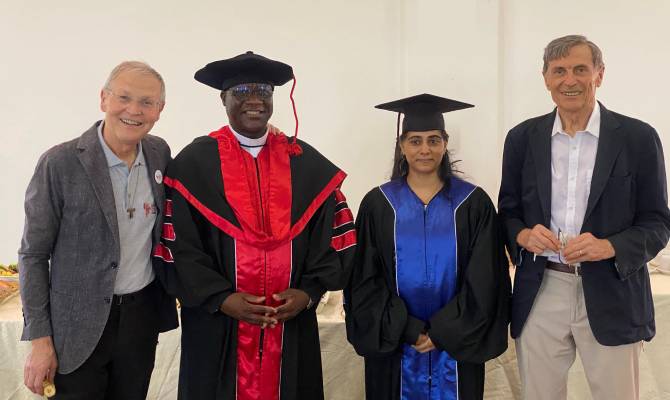
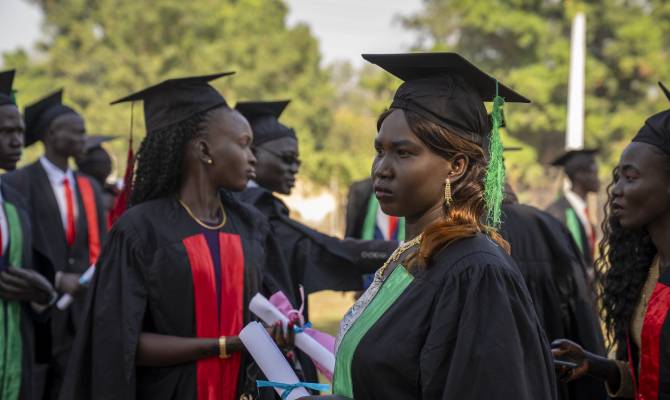
A day of celebration, opened with an official ceremony to inaugurate the new academic year but, above all, to celebrate the thirtieth anniversary of the founding of the Catholic University of Mozambique. A ceremony held today, Friday, March 14, in Beira, in the presence of the rector Father Filipe Sungo, Bishop Dalla Zuanna, the municipal authorities, and the university’s academic community. A CUAMM delegation attended the event including the director Father Dante Carraro, accompanied by Professor Alberto Mantovani, Father Lorenzo Piva, and Father Matteo Fornasiero, priests of the Diocese of Padua; Emilio Agosti, a friend and supporter of Cuamm; Stefano Bassanese, head of the Cuamm college, who joined Cuamm cooperants Francesco Vladimiro Segala and Giorgia Gelfi, already present in the field.

“Today is not the day I want to list the many initiatives in which Cuamm collaborates and supports the Catholic University of Beira,” said Father Dante Carraro – CUAMM Director General in his speech. “Rather, I would like to acknowledge a valuable aspect of this university, which is its strong connection to the community. Individual careers and money are certainly important, but science, research, and expertise must not forget to serve the poorest and most vulnerable.”

Also present at the ceremony, alongside the director Father Dante Carraro, was Professor Alberto Mantovani – Scientific Director at Humanitas. In the framework of the collaboration between CUAMM and UCM, Prof. Mantovani has visited Beira several times in recent years, giving lectures at the Faculty of Medicine.

“It is a privilege to be here for the third time and to celebrate an important anniversary that looks to the future,” said Professor Mantovani. “The future begins right here, where knowledge is built and shared.”

A construction that has lasted thirty years, during which the Catholic University of Mozambique has developed an educational project that today stands out at national level for its scientific rigor, innovation, internationalization, and certainly for its human values.

“Since its founding in 1995, UCM has responded to educational challenges with rigor and innovation, with the firm intention of forming upright citizens. We do not only want well-prepared and highly qualified professionals in their fields, but also leaders committed to the common good,” said the rector, Father Filipe Sungo.

The bishop of Beira, Claudio Dalla Zuanna, also reinforced the importance of the human dimension. Echoing the words of Pope Francis, he said: “The university is certainly a place where science is cultivated with seriousness and rigor, but it is also where hearts and minds bloom not only for academic results but for generously serving humanity. The university cannot be an ivory tower must be able to listen to society, accept challenges, and offer answers.”

Timeline

It was in 1995 that the Catholic University of Mozambique (UCM) was inaugurated in the city of Beira, the second university in the country, about 1,500 km from the capital, Maputo. A few years later, also with the support of Doctors with Africa CUAMM and thanks to over a decade of collaboration with the city’s health authorities, the Faculty of Medicine of the Catholic University of Mozambique was established.

Starting by designing and teaching the Anatomy, Surgery and Internal Medicine course in 2004, CUAMM’s commitment alongside the Faculty of Medicine of UCM has never ceased; on the contrary, it has grown over time.

On August 25, 2007 we participated in the very first graduation ceremony for the first class of aspiring doctors in Beira. “A historic date for the entire country,” as defined by the university’s rector, Father Alberto Ferreira. Indeed, these were the first students trained outside the capital, Maputo, in the central-northern region of the country, where at the time there was only one doctor for every 100,000 inhabitants.

It was not an endpoint but a crucial milestone on which we continued to build a solid and lasting collaboration that over the years has involved numerous partners. From the Municipality of Padua to the city’s Hospital Authority, from the Veneto Region to the Savings Bank of Padua and Rovigo, and the Cariparo Foundation, with everyone’s support, we have ensured teaching support and intensified our commitment. We have ensured maintenance on facilities (classrooms, laboratories), provided educational materials (books, computers, etc.), offered internship opportunities at the Central Hospital (HCB), awarded scholarships to deserving students, supported research projects, and consolidated our collaboration on the faculty’s syllabus.

«For years, Cuamm has collaborated, in synergy with the pedagogical direction, on the curriculum of the Faculty of Medicine,» explains Francesco Segala, a Cuamm doctor and head of relations with UCM. «Through this collaboration, we continue to ensure the delivery of some of the teaching modules included in the students’ curriculum through the dispatch of international experts on short missions, in collaboration with the Universities of Padua and, more recently, Bari. This year, for the first time, the entire infectious diseases module was taught by a Cuamm doctor, and it was a very profound experience for me, both professionally and personally.»

From 2007 to date, over 500 students have graduated at the Faculty of Medicine at UCM thanks to the financial support of CUAMM. Professionals and human resources for a country historically lacking qualified health personnel.

Among the latest results of this historic collaboration is a new training proposal: the first and only advanced training program in Mozambique aimed at healthcare professionals, including doctors and nurses, who now have the opportunity to specialize in pediatric and neonatal emergencies with international experts. Supported by the Italian Ministry of Education (MIUR), the program is the result of then collaboration between CUAMM, the University of Padua, the Catholic University of Mozambique, and the Eduardo Mondlane University of Maputo.


Women supporting other women every day

On March 8 the world celebrates International Women’s Day, an occasion dedicated to recognizing women’s social, economic, and political achievements, as well as a time to reflect on the ongoing challenges related to gender equality and rights. On this occasion, we want to celebrate the incredible women we work with across sub-Saharan Africa and honor their unwavering commitment to supporting and serving women in need.

Meet a few of the inspiring women we’re spotlighting on International Women’s Day.

Magdalen Awor CUAMM Midwife and tutor at Rumbek Health Science Institute, South Sudan

Born in Uganda, Magdalen became a midwife in 2008. She has been living in South Sudan for more than 10 years where she serves as midwife and tutor at Rumbek Health Institute.

South Sudan is not only one of the leading country in terms of maternal mortality but also one with the lowest literacy rate among girls. Magdalen is a highly motivated and passionate professionist who spends her life and competencies where it is needed most. Deeply committed to her work, she in on the frontline of maternal and newborn care.

«When I enter the class, when I support these girls in their clinical practice, I see a future for this country. By educating and training girls we empower them while also contributing to assist women in the delicate and way too often life-threatening moment of delivery».

The Rumbek Health Science Institute in Lake State trains both midwives and nurses for a total of some 320 students enrolled in the first year. CUAMM supports the institute since 2020, some xxx students have graduated at the insitute ever since.


Loide Cambisano – CUAMM Project Manager in Shinyanga, Tanzania

Born and raised in Italy, in 2023 Loide started working with CUAMM in Iringa region, Tanzania. Today she leads a project focused on HIV, youth and adolescents in Shinyanga District.

«Stigma, prejudice and discrimination related to HIV do have a huge impact on the life of young people and adolescents resulting in behaviors such as withholding help, avoidance and coercive treatment. Women and young girls living with HIV are no doubt those most likely to experience HIV-related stigma».

The rate of child-marriage, early pregnancy and gbv cases in Shinyanga District is above the national average. Consensus, sexual and reproductive health and rights, gender-based violence and stigma are the topics often discussed in sensitization sessions promoted by CUAMM and held both within communities and schools. In addition, screening activities and psyco-social support is being provided to young people living with HIV in Shinyanga district.


Germana Tuitileni CUAMM Assistant at Casa de espera in Chiulo, Angola

Germana Tuitileni is a pillar at casa de espera, the maternal waiting home at Chiulo Hospital, Angola. Everyone knows her.

She has been working here since the opening of this space, back in 2012. Although she is not a professional midwife, she supports and assists women in the days that preceed the delivery engaging them in sensitization acitivities on sexual and reproductive health, nutrition and most importantly on the importance of seeking care during pregnancy and delivery.

«Every day I am here to support these women. I talk to them about the importance of being at casa de espera and give birth safely because I know that they will spread the word to other community members and more women will do the same».

The Maternal Waiting home (MWH)casa de espera in portuguese, is a low-cost yet effective introduction to care for pregnant women in the late stages of their pregnancy therefore ensure assisted and safe delivery. Pregnant women with at-risk pregnancy come to this safe space when their due date is approaching. Here, they can be monitored by health professionals and easily access the hospital in case of emergency.

In 2023 more than 2,000 deliveries were assisted at Chiulo Hospital including 167 C-section. The work Germana does for pregnant women in Angola is key to promote their well-being and reduce pregnancy-related complications. By educating these women, Germana is empowering their whole communities while also contributing to reducing the maternal mortality rate which is 222 out of 1000,000 deliveries in Angola.

Enhanced solidarity to support Beira neonatology

Solidarity does go beyond borders creating a feeling of closeness, sharing and support towards people in need, no matter where.

Moved by this value, the Godolphin and Latymer School in London has recently organized and hosted a fundraising initiative promoted by its own student and aimed to raise money for Doctors with Africa CUAMM UK.

Through this inititive, the Godolphin and Latymer School has contributed to CUAMM’s mission to serve vulnerable mothers and children in sub-Saharan Africa. The funds will in fact contribute to supporting the neonatology ward at Beira Central Hospital (HCB) in Mozambique, a second-level facility that serves a total population of nearly 2 million people and where some 6,000 births are perfomed annually.

Doctors with Africa CUAMM started supporting HCB in 2002 and has been working there ever since.

On 14 March 2019 Tropical Cyclone Idai, a category 4 storm, made landfall during the night above Beira city, causing massive damage due to high winds of more than 195km/h. As a result of the devastating impact of the storm, the neonatology ward at Beira central hospital got completely destroyed. While deliverying the emergency response, CUAMM also committed to the reconstruction of the ward which was inhaugurated and handed over to the Ministry of Health on May 2021.

Today, the fully-renovated neonatology is a 600 square meters space with 17 cribs, 22 beds and a neonatal intensive care unit (NICU) where quality assistance is provided to newborns from 0 to 28 days.

The facility is a reference centre for Mozambican mothers as it stands out for the maternal and neonatal services provided through CUAMM’s support.


Uganda welcomes a special visit

CUAMM team in Uganda has recently received a delegation from the Italian Agency for Development Cooperation (AICS) led by AICS Director General Mr. Marco Rusconi and accompanied by AICS Desk Officer for Eastern and Southern Africa Ms. Paola Abenante, Director of AICS office in Kampala Mrs. Teresa Savanella and the AICS Uganda Program Coordinator Dr Paolo Giambelli.

The occasion was an official visit by the Italian Ministry for Foreign Affairs and International Cooperation/Directorate General for Development Cooperation (MAECI/DGCS) and AICS for a bilateral meeting on the perspectives of development cooperation with the Government of Uganda.

The AICS delegation paid a visit to two hospitals supported by CUAMM, namely St. John XXIII Hospital Aber in Lango region and St. Kizito Hospital Matany in Karamoja on the 2nd of March where they have been welcomed and guided by CUAMM Country Manager Mr. Peter Lochoro. By visiting the facilities, the delegation had the opportunity to meet up with both the hospital administration staff and CUAMM health workers.

CUAMM regional coordinator Mr. Simone Cadorin hosted the visit at St. Kizito Hospital Matany. On this occasion, the participants had the chance to discuss the “ALL IN ONE” project on antimicrobial resistance funded by AICS and implemented by Doctors with Africa CUAMM and C&S Africa Mission. This visit was also the occasion for Mr. Peter Lochoro to present the work CUAMM has been and still is doing in the region and indeed in the entire country. Doctors with Africa CUAMM works in Uganda since 1958, to date the Organization supports 13 hospitals and 354 health facilities across the country. The main area of intervention include maternal and neonatal care, prevention and control of infectious diseases and nutrition.

«Despite the challenges we face every day, we remain committed to supporting Matany hospital. Today, we are glad to showcase the results of our long-term presence in the region which is key to ensure continuity of care to the people of Karamoja» said Peter Lochoro – CUAMM Country Manager.

The visit arrived in a very challenging moment. Just a month ago the funding cuts on USAID-funded projects executed by the Trump Administration left international organization shocked, including CUAMM.

As a consequence of the notified order, Doctors with Africa CUAMM has been obliged to interrupt its activities on TB and maternal and neonatal care in Karamoja region. A decision which impact is not only devastating on staff members but also, and mostly, on people whose lives may have been saved by health services supported by cooperation interventions. Despite the funds no longer available, CUAMM remains committed to continue its work on TB and maternal and neonatal care in the region.