Two girls, Two stories of motherhood

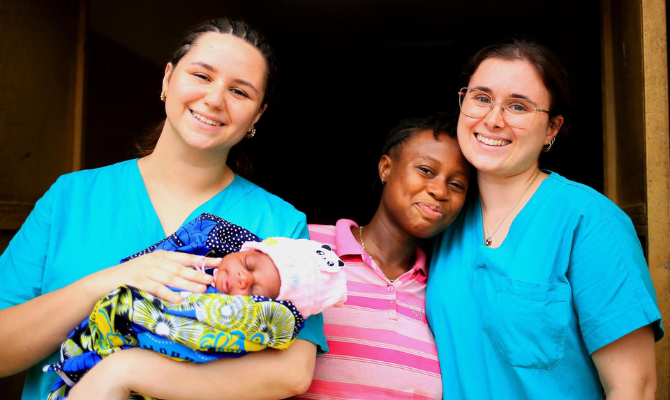
Two fifteen-year-old girls, two parallel yet vastly different stories of motherhood. We heard about them from Elisabetta, midwife who has just returned from a year of civil service with Doctors with Africa CUAMM in Pujehun, Sierra Leone. A year full of sacrifices, joy, self-discovery, and encounters with others—too rich to sum up in a single conversation. But when asked, “Which stories left the deepest impression on you?”, she has no hesitation.

Two faces, two names: Amie and Kadija. Same age, same situation—a pregnancy faced without support. What sets them apart, however, seems to be their sense of hope for the future.

“Amie arrived at the hospital and gave birth to a premature baby boy,” recounts Elisabetta. “Despite many challenges, the healthcare staff managed to keep him alive. But it wasn’t enough to comfort her. During her entire stay, I never saw her smile. It was very hard for her  to open up. I tried to create a relationship with her, to better understand what she was thinking, but I never managed to. Her story will stay with me forever because at some point, she decided to leave the hospital—with her baby. We don’t really know why. Maybe there was pressure from her family, possibly to reduce hospital costs.”

Elisabetta remembers the day Amie made that decision—perhaps not really free from external influence. She recalls the room Amie was in, and a crowd of people surrounding her, all offering different opinions. In the middle of it all, Amie. Fifteen years old may be too young to bear the weight of your child’s fate.

“The doctors were strongly opposed to her discharge because the baby was so tiny, with very little chance of survival. But she left anyway. I’ll never really know why or what she was thinking. I asked myself how hard it must be, for a girl her age, to make such a decision. When I was her age, I could barely decide what movie to watch—she had to choose whether to walk away with a 1.5-kilo baby in her arms.”

Beside this story—whose ending remains unknown, though it’s hard to imagine a happy one—there is another. The story of Kadija. Also fifteen, from the moment she arrived at the hospital she radiated energy. Kadija was a force of nature—tireless, full of a will to live and love.

“In the evenings, I’d see her walking around the town. I’d say, ‘Kadija, you have to go back to the hospital! You’re still admitted!’ She spent two months in the Maternity Waiting Home before giving birth, but she never stopped moving, never rested.”

The Maternity Waiting Home is a place within or near the hospital where pregnant women can safely wait for childbirth. They are monitored and supported in a calm and safe environment. A simple yet effective way to prevent maternal and neonatal deaths. Kadija’s approach to her time there was anything but ordinary.

“Every day, she’d take children for a walk. At one point, she even started helping the woman who sold diapers and other baby goods in front of the hospital… She wanted to work and had a clear goal: to go back to school after the baby was born. She was from Freetown, the capital, but due to family issues, she ended up in Pujehun completely on her own. What struck me about her was that, despite her young age, she was incredibly determined to fight for herself and her baby.”

Thanks to the care of the health staff and the loving support of Elisabetta, the delivery went well. Kadija and her baby were able to go home quickly and in good health. She really wanted to return to school. I don’t know who will take care of her baby. Kadija’s path, too, will likely involve difficult choices. In Elisabetta’s eyes, there’s a shimmer of admiration for these two young women, who have experienced motherhood early in life. Different as they are, both carried the weight of their responsibilities with dignity.


Supply medical equipment to enhance the quality and effectiveness of healthcare services

A collaboration that starts from the ground up — from the needs of peripheral health centers — and involves district authorities, health and administrative officials from the Hamer district and the city of Turmi (South Omo Zone), with the aim of strengthening the capacity to deliver healthcare services to the most vulnerable populations, with particular attention to women, children, and people with disabilities. This is the goal of the Impact project, implemented by Doctors with Africa CUAMM with the financial support of AICS (Italian Agency for Development Cooperation).

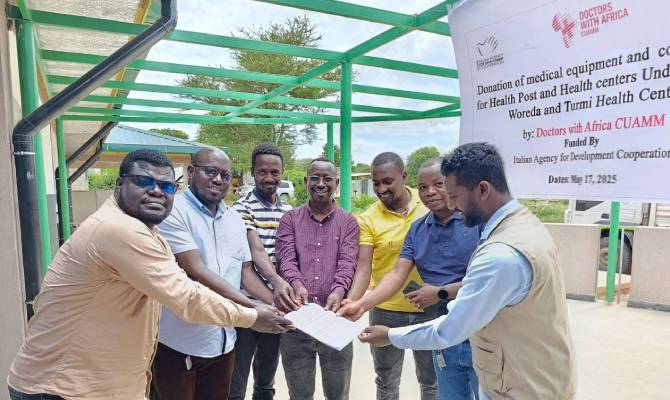
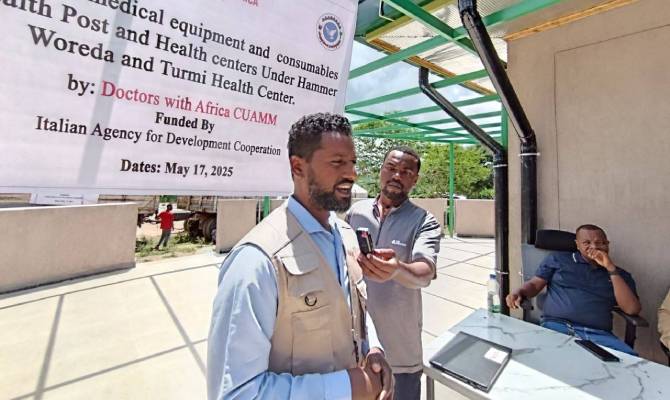
The first results were collected and officially delivered to the Dimeka Health Center on Friday, May 16, during a formal ceremony attended by key officials and stakeholders, including: Matiwos Garsho from the South Ethiopia Region Health Bureau, Tamirat Aseffa and Orion Oysha from the South Omo Zonal Health Department, representatives from the Hamer District and the cities of Turmi and Dimeka, along with CUAMM staff.

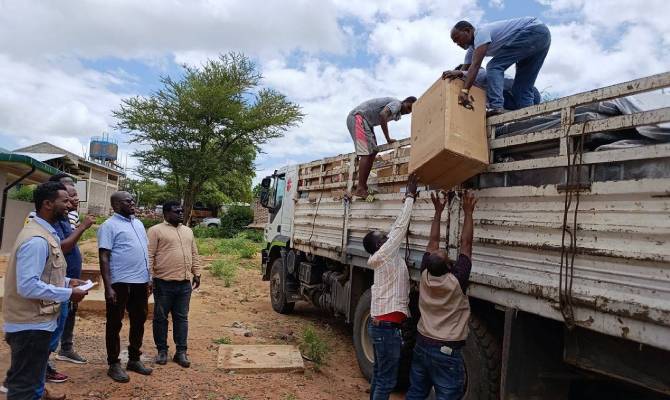
As part of the Impact project, we delivered to the Dimeka Health Center a set of tools and equipment previously identified through an assessment conducted in collaboration with local health officials.

“Our mission is to increase healthcare access in Hamer District and the two city administrations. Providing infrastructure and medical resources to health institutions is one of our biggest responsibilities. So far, we have successfully renovated five health posts in the Dimeka cluster and provided them with essential internal furniture and medicines. Through close collaboration with health institutions, we have identified needs and procured critical resources. Additionally, we are working with the Regional Health Bureau to establish a Blood Bank Service for Turmi CEMONC Center / Primary Hospital to further enhance emergency care.” said Mr. Samuel Kebede, CUAMM Project Manager.

The procurement included a wide range of essential medical items including laboratory reagents, pharmaceuticals, medical consumables, cleaning agents, durable medical equipment, and diagnostic test kits. These items were carefully selected to support clinical, diagnostic, and patient care services comprehensively. Gathered in Dimeka Health Center, participants had the opportunity to visit the facility and see first-hand how the equipment provided will be used and the transformative impact this can have on health service delivery. Later on, they all took part in a dialogue to discuss challenges related to the provision of healthcare service and explore strategies to address the issue.

“This donation is of great significance, filling gaps where the government alone cannot easily provide. The donation of medical equipment and resources will have a major impact on improving healthcare accessibility. However, it is crucial that these supplies are properly managed, monitored, and used effectively. Leadership at all levels must ensure accountability so that these resources truly benefit the community. We must also focus on reducing maternal and child mortality, equipping health institutions with both infrastructure and skilled human resources. As a region, we are committed to doing our part.” said Ato Matiwos Garsho, Deputy Head, Southern Ethiopia Regional Health Bureau.

Then Mr. Wosenu Debela, Head of Health Office ad Hamer District stressed the collaboration behind this remarkable result and the importance to acta t multiple level of the health system.

“The donated items were carefully identified through collaborative assessments with the director of the health center, ensuring that all departments and critical gaps in medical equipment, supplies, and drugs are addressed. These resources will directly enhance service quality and promote health service equity, especially at peripheral health post levels. The items will be distributed across all health centers and health posts to make a tangible impact on patient care.”


“This donation is unprecedented in its scope. Many partners provide support, but rarely do we see such a large-scale medical equipment donation targeting all service areas in Hamer District and Turmi Town Administration. We deeply appreciate this valuable contribution. We are immensely grateful to the donor organization and project members for their commitment to identifying shortages and providing real solutions. As leaders, we must ensure that these resources are used properly, supporting experts in their work and maximizing their impact on community health.” Concluded Mr. Maikel Maliko, South Omo Zone Administrator.

In recent years, Ethiopia has experienced a gradual deterioration in internal security and stability, with several areas of the country affected by various forms of violence and conflict. This is further compounded by an economic and social crisis, as well as recurring climate-related challenges, including severe drought. Ethiopia is currently facing one of the worst droughts in decades, having gone through four consecutive failed rainy seasons. The Somali and parts of the Oromia regions are among the most severely affected, particularly agro-pastoral areas, where the drought has worsened long-standing difficulties in accessing basic services — especially for the most vulnerable groups, including women and girls, children, and people with disabilities.

Among the most pressing needs are access to health and nutrition services, psychosocial support, education, water and energy, and support for agricultural and income-generating activities.

Doctors with Africa CUAMM, with the support of the Italian Agency for Development Cooperation (AICS), is currently operating in the districts of Chifra and Hamer, more specifically in the areas of Wa’ama and Dimeka, where access to social and health services is severely compromised. Through comprehensive support to peripheral health centers, CUAMM, in collaboration with local health authorities, is implementing a multi-sectoral intervention in the fields of health, nutrition, education, WASH (Water, Sanitation and Hygiene), and protection, aimed at reaching vulnerable populations.

This initiative is aligned with the strategic priorities outlined in the Health Sector Transformation Plan.


Challenges and solutions for maternal and child health

We Were 250 in Milan: Discussing the Role of Operational Research in Africa

On Friday, May 16, 2025 our annual event on Operational Research in Africa was held at the Testori Auditorium in Palazzo Lombardia in Milan. The event, promoted by Doctors with Africa CUAMM in collaboration with the Lombardy Region, was hosted by Chiara Bidoli, editor-in-chief at Corriere della Sera newspaper.

The event served as an opportunity to showcase how research is not only a key tool for understanding reality, but also for tackling healthcare challenges in low-resource settings with accountability and innovation unlocking effective, concrete and sustainable answers.

Many diverse voices contributed to the discussion—from institutional representatives to the direct experience of those working directly in the field. It was a meeting that brought together young individuals eager to contribute through research and seasoned professionals with deep-rooted experience.

A Bridge Between Institutions and the Field

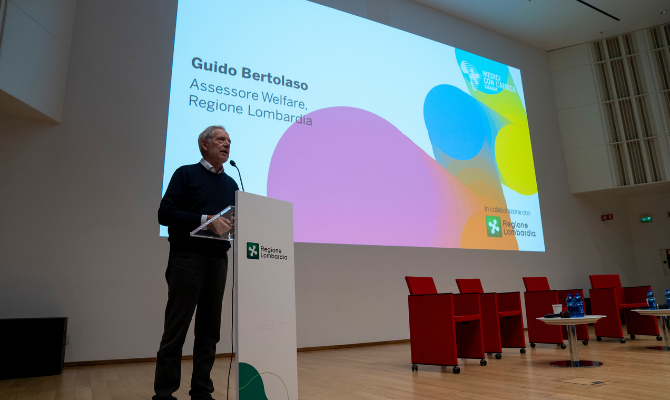
The event opened with institutional greetings from Guido Bertolaso, Welfare Councillor for the Lombardy Region, who reflected on his long-standing relationship with Doctors with Africa CUAMM and offered a heartfelt remembrance of Don Luigi Mazzucato, former director at CUAMM, ten years after his passing:

“I’ve been a CUAMM volunteer for many years. It’s where I got my start, working with people who are no longer with us—like our beloved Don Luigi, who was a father, a brother, and a guide for all of us. Along with Don Luigi, I also want to remember another great mentor, Anacleto Dal Lago. I have a long history of esteem and affection for both.”
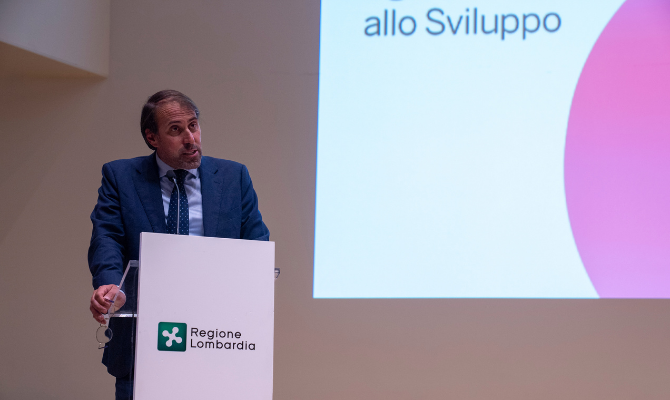
Following him, Marco Rusconi, Director of the Italian Agency for Development Cooperation (AICS), emphasized the role of cooperation in promoting equity and strengthening systems:

“The goal of development cooperation—as defined by law—is to reduce inequality. And we know that health is one of the most visible dimensions of inequality. The poorer you are, the more likely you are to fall ill, and the less likely you are to get treatment. That’s why working with local institutions is essential. We don’t operate in a vacuum—there are already existing structures, centers, and universities on the ground. What they ask of us is to support their growth. Ground-level engagement is key to understanding; if we flip the perspective, the ‘last mile’ becomes the first.”
This collaboration with local institutions is vital not only for making the “with” in CUAMM’s name a reality, but also to carry out their mission effectively, without overlooking any detail. Giovanni Putoto, Head of Planning and Operational Research at CUAMM, reminded:

“CUAMM isn’t a research institution per se—that’s not our specific mandate. That’s why we’ve partnered widely to make nearly 100 publications since 2013 possible. Who are our partners in Africa? Communities, associations, local professionals, district directors… the whole of Africa! Along with 34 Italian universities.”

Daily collaborative work, built over time through relationships and partnerships, is the only real answer to the weakening that many health systems—especially in Africa— have been experiencing in recent years. The reasons are many, as highlighted by Peter Waiswa, Associate Professor at Makerere University in Uganda:

“Each year, 260,000 women die from pregnancy-related causes, 2.3 million newborns die, 1.9 million babies are stillborn, and over 5 million children under five years old die. These numbers are unacceptable. Limited intervention coverage and weak health systems—further impacted by COVID-19 and conflicts in countries like the Democratic Republic of Congo or South Sudan—make inequalities even worse. Vertical, single-focus programs often aggravate the problem. What we need is a systemic, integrated, person- and community-centered approach.”

Voices from the Field: Youth, Tools, and Possible Solutions

Faced with such a daunting picture—which could seem discouraging to those unfamiliar with CUAMM’s tenacity and its partners—the second part of the evening offered a note of optimism. This was the time for “4 Minutes Talks,” brief presentations by young researchers sharing concrete experiences in operational research from the field.

Topics ranged from frugal engineering in newborn care, to pediatric malnutrition examined from the community’s perspective, and psychological support for families with infants in intensive care.

“52% of mothers show signs of depression. But no one notices,” said Ilaria Mariani, a researcher at WHO Collaborating Centre IRCCS Maternal and Child Health Institute “Burlo Garofolo.”

Understanding these realities helps drive more effective community-based work. Likewise, addressing growing resistance to antimalarial drugs in pregnant women and children is crucial. That’s the focus of Valentina Totaro, an infectious disease resident at the University of Bari “Aldo Moro”:

“Identifying drug resistance is a public health action that helps guide prevention and treatment programs benefiting the entire community.”

Matilde Aldeghi, a nurse from the University of Milano-Bicocca, investigated how nurses’ working conditions affect their performance in pediatric care:

“If the crew isn’t in a position to work well, no spaceship is going to take us anywhere.”

These are small but essential building blocks of lasting change. Just as the ability to innovate with limited resources can transform a hospital. Sofia Poletto, PhD in bioengineering at Politecnico di Milano, worked on Safer, a new type of neonatal resuscitator that is compact, portable, and effective in low-resource settings—requiring no external air supply or oxygen tanks:

“Technology can make a difference—if it’s designed by listening to those who will use it.”

Giacomo Buzzao, a researcher at the Venice School of Management at Ca’ Foscari University, explored how to make ambulance use more affordable in Beira, Mozambique. His research, part of the AICS-funded UR-Beira project, led to a command center coordinating emergency transfers between peripheral health centers and the main hospital in Beira:

“Thanks to this work, the cost of an emergency patient transfer is 27.59 euros.” A remarkable achievement.

Andrea Pietravalle, a pediatrician with CUAMM, concluded the talks:

“Malnutrition isn’t ‘just’ about hunger. It’s directly or indirectly responsible for 45% of all deaths under age five globally. It affects 45 million children—equivalent to every child in Italy, France, and Spain combined.”

Together, these experiences form a mosaic of bottom-up research, deeply rooted in human connection, context, and care.

Roundtable: Dialogues in Research

That same spirit animated the roundtable Dialogues in Research, moderated by Andrea Atzori, CUAMM’s Head of International Relations. Key speakers included Annajoyce Clavery Kamugisha, Head nurse at the maternity ward of Tosamaganga Hospital in Tanzania; Tarikua Endrias Butta, Head of neonatal intensive care at Saint Luke Hospital in Ethiopia (online); Serge Boni, Professor of obstetrics and gynecology and advisor to the Ivorian Minister of Health; and Mario Merialdi, founder of Maternal Newborn Health Innovation (MNHI).

Four diverse experiences from across Africa, all highlighting the urgent need to strengthen local health systems through practical approaches that combine scientific rigor, innovation, and community engagement.
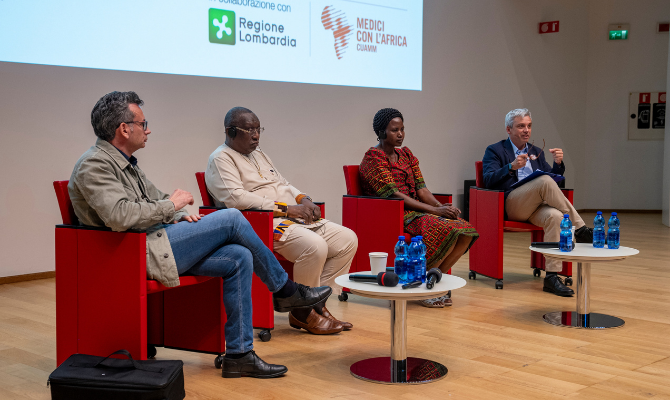
Annajoyce Kamugisha emphasized the “dramatic shortage of trained personnel for assisted vaginal deliveries,” which remain underrecognized and poorly managed due to a lack of skills and tools:

“Yes, we’ve achieved great successes, but the challenges remain critical.”

Tarikua Butta presented neonatal intensive care registries now active in Mozambique, Tanzania, and Ethiopia, which are improving care quality and informing decisions:

“It’s an essential tool for standardizing data, preventing major causes of death, and guiding hospitals toward electronic health systems.”

Serge Boni stressed the importance of task shifting—delegating clinical tasks to trained non-physician staff:

“Maternal and neonatal mortality isn’t just a health issue; it’s a social issue. To make an impact, we need synergy among communities, politics, and the healthcare system.”

Mario Merialdi introduced OdonAssist, an innovative tool for assisted vaginal delivery:

“It’s simple to use, safe for the baby, and ideal for midwives who must make quick decisions in settings without specialized doctors. It’s a democratic system—it works in Milan just as well as in Wolisso.”

He warned:

“Maternal and child health technology is still too driven by the needs of high-income countries. We need to listen more to those working in resource-limited settings.”

Closing the Circle: Knowledge That Matters

Before the final remarks from CUAMM director Don Dante Carraro, the evening closed with greetings from Alberto Mantovani, Scientific Director of Humanitas and member of the Accademia dei Lincei:

“I’m very sorry I couldn’t be there in person,” said Mantovani via video link. “Especially after hearing these powerful talks. I’ve learned a lot in Africa—particularly a different vision of research, one more rooted in real needs. I’ve come to understand that training and research are inseparable. Without research, training is empty; without training, research becomes detached from reality.”
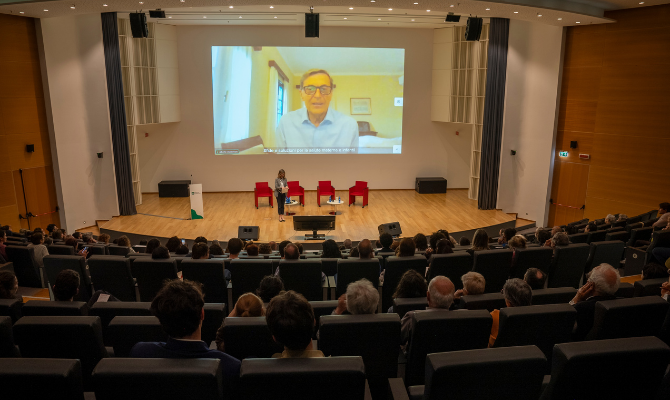
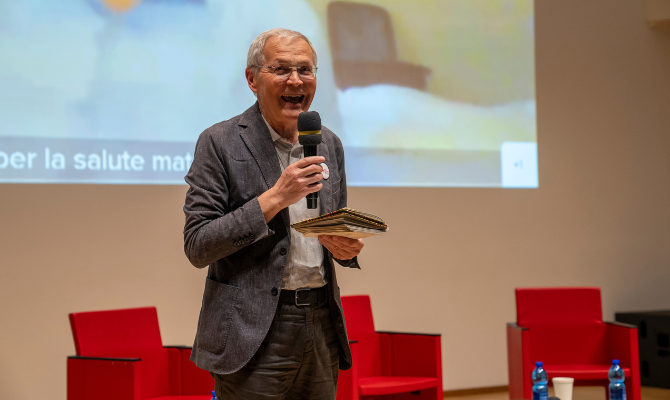
Don Dante concluded:

“Today, we’ve talked about important things: youth, research, innovation. But most importantly, we reaffirmed something simple: to truly understand problems, you have to study them. And once studied, you have to act to change them—not to publish papers, not to seek fame. We care about publishing because it provides solid data for the entire scientific community—even if it comes from an African country with extremely limited resources. Even if it’s about fragile contexts. Even if it speaks of mothers, children, and patients


The Value of on the job training

Involving health professionals in on-the-job training can significantly impact the quality of services provided and improve health outcomes, from peripheral health centers to central hospitals.

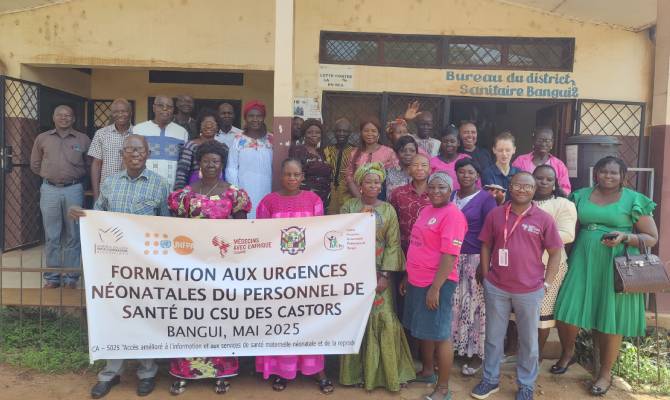
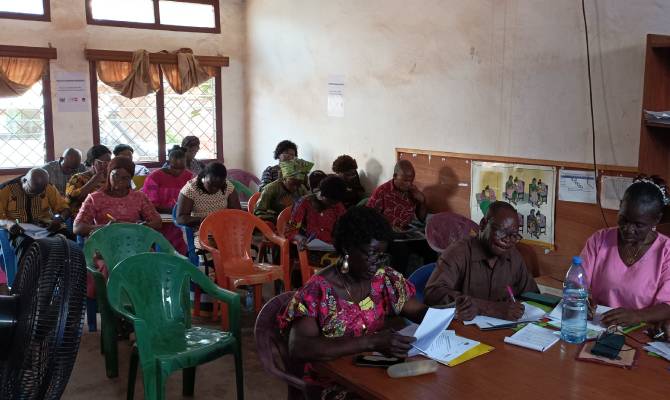
A three-day training focused on neonatal emergencies was held in Bangui, Central African Republic, as part of a project implemented by CUAMM with the support of UNFPA.
Twenty-five health workers, led by Professor Ngbale, Deputy Head of the Gynecology and Obstetrics Department at CHUC (Community Hospital of Bangui), took part in a series of training sessions with the goal of providing quality care at the peripheral level, therefore improve the health conditions of newborns transferred to the emergency department at Bangui Pediatric Hospital (CHUPB).

 “The knowledge gained is not entirely new to me, but science evolves day after day. Ensuring that health professionals stay up to date with the latest guidelines is therefore essential if we want to offer quality care to women and newborns and reduce mortality” said Nzomon Dorcas, midwife. “When I graduated, for example, the 56 WHO recommendations on intrapartum care didn’t exist. Clinical care approaches have also changed over time—just think of oxytocin, which used to be administered systematically, whereas now we know its use should be limited.”

The training, organized under the project “Improved access to information and maternal, neonatal and reproductive health services”, took place at the Bangui II Health District and involved 4 doctors, 1 gynecologist, 15 midwives, and 5 certified nurses.

“The topics covered during the training weren’t new to me, but it allowed us to update ourselves on best practices and new protocols to follow, such as neonatal assessment or identifying danger signs in mothers,” said Welekoi Pierre, nurse. “Opportunities like this are also a great time for us health professionals to exchange experiences and learn from one another.”


Working with and within Communities

Bridging the gap between healthcare providers and communities ain’t easy, particularly in underserved or remote areas. That’s why working with trusted members is paramount and can lead to more effective and sustainable outcomes.

Community health workers – CHWs act as trusted members of their communities, facilitating access to healthcare services, providing health education, and addressing social determinants of health. They receive a lower level of formal education and training than professional health workers such as doctors and nurses, yet they are equally important in ensuring that the most vulnerable and marginalized populations have access to basic health services.

Recognized by the World Health Organization (WHO) in 1989, CHWs have a key role in health promotion, and their integration into multidisciplinary teams dedicated to health is currently being highly encouraged by WHO itself.

Community Health Workers can be men or women, young or old, from any class and social status, literate or not. What truly matters—and what makes them so important in carrying out many health-related activities—is their integration into and acceptance by the community they serve. Cultural ties, language understanding, and proximity to the people they work with allow CHWs to gain vital trust—an essential element for building that bridge between the community and the health system, which is often neglected to people living in rural and underserved areas.

The importance of CHWs’ work is even greater in light of the shortage of qualified health professionals in sub-Saharan Africa. CHWs are often the first point of contact with the most isolated communities in the most difficult-to-reach regions, where the vast majority of the population currently lives.

CHWs in CUAMM’s Interventions

CHWs have always played a crucial role in Cuamm’s interventions, and their work is complementary to that of professional health workers such as doctors, nurses, and midwives. CHWs provide a recognized and integrated service in a wide range of activities, including vaccination campaigns and screenings, as well as preventive interventions—particularly in maternal and child health, infectious diseases, and chronic illnesses.

CUAMM’s strategy has always included CHWs who play a key role in health activities such as pediatric vaccination campaigns and follow-ups for antiretroviral therapies, epidemic prevention and control, and nutritional screenings.

We use the term CHWs to refer to a broad range of figures including village health workers, traditional midwives, village chiefs, health agents, and community health promoters.

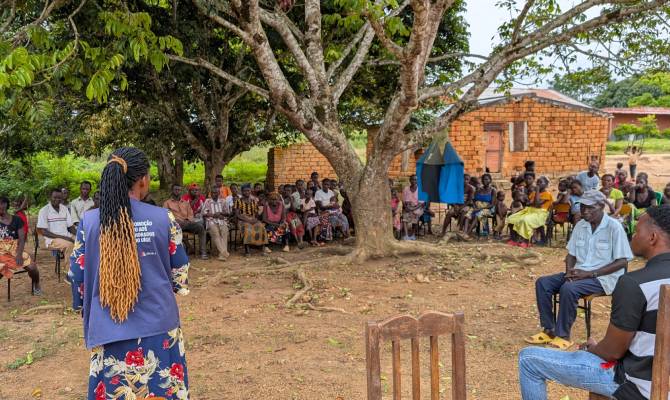
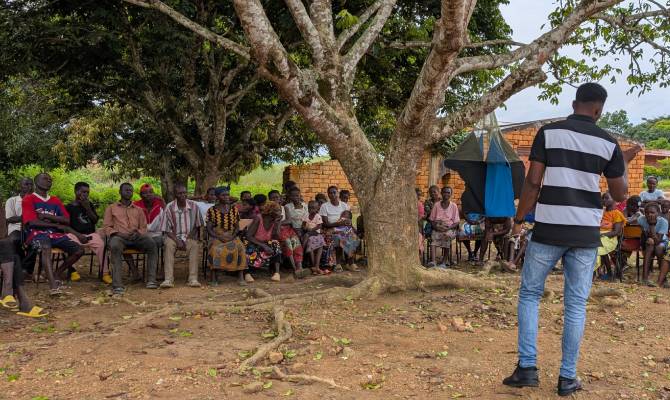
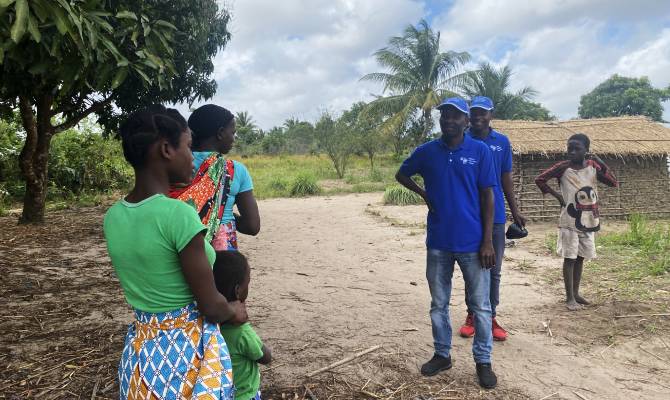
“The communities we serve lack many essential services. Our job is to check on people living in the hardest-to-reach and underserved areas. We carry out awareness-raising activities, promote good health practices, and it’s also our responsibility to inform them about upcoming mobile health clinics so they can get their children vaccinated.” Josè e Favores, Mozambique

In most cases, these workers are selected in collaboration with the community itself and with local health system representatives, to ensure the acceptance that is key for the intervention’s success. They then receive basic training in our areas of focus, which include maternal and child health, infectious and chronic diseases, and nutrition. With the competencies provided, they can effectively work within the communities, identify risk factors, and make early diagnoses. In some cases, they can intervene directly; in others, they refer people to the nearest health facility and make sure that they receive the care needed.

“Working as a CHW I constantly learn more about my own community. I learn how to talk to them, how to build and nurture trust and by doing so I receive much satisfaction because I know we are growing together” Graça Faustino, Angola. 

To effectively contribute to the success of the programs they are part of, CHWs require continuous training and adequate support both in terms of knowledge and equipment which is why CUAMM provides CHWs with tailored informative and educational materials and technological support: with mobile phones, CHWs can connect with village chiefs, district health authorities, and health professionals in health centers, thus creating a network that fosters collaboration at multiple levels.

Strengthening Services in Ivory Coast

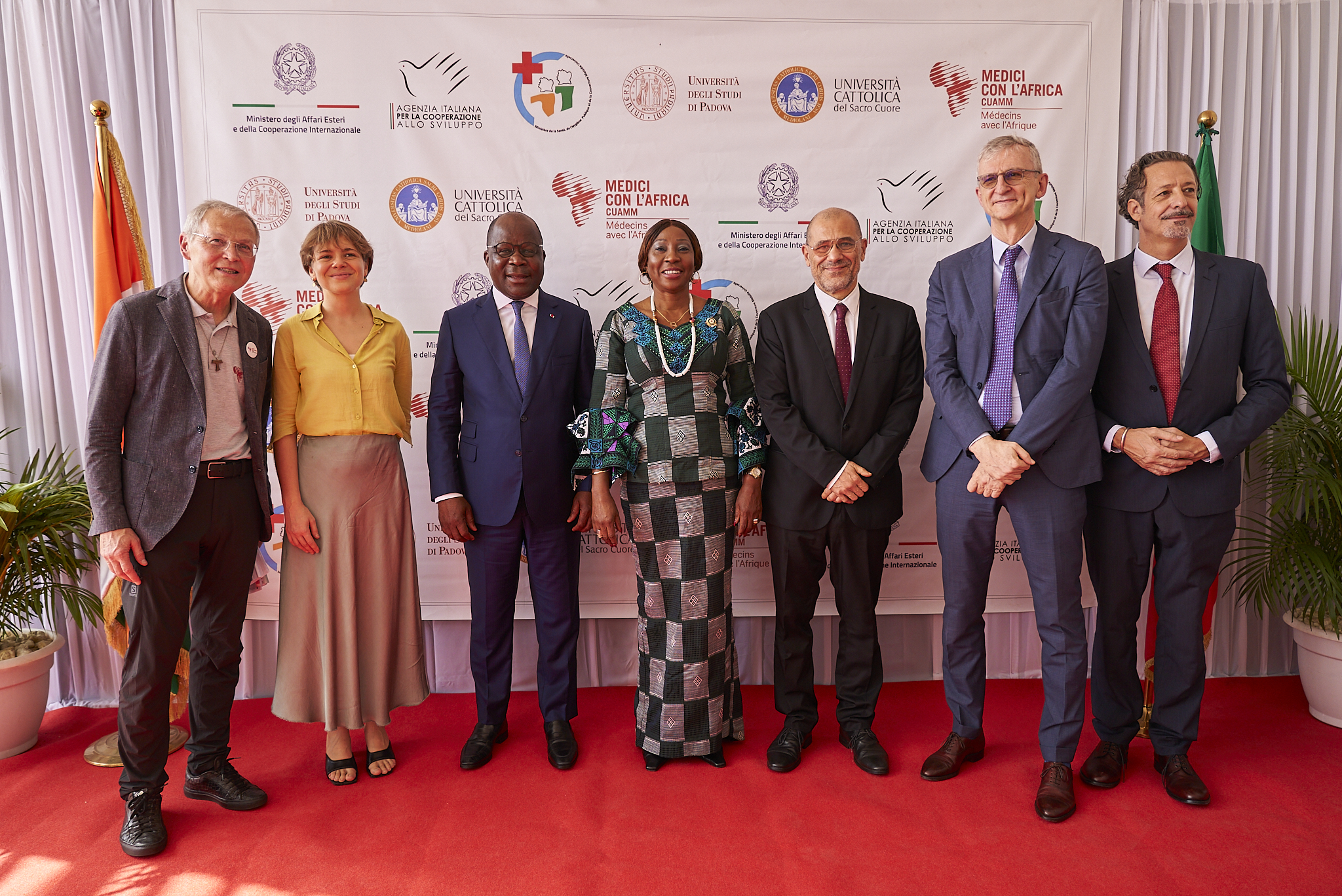
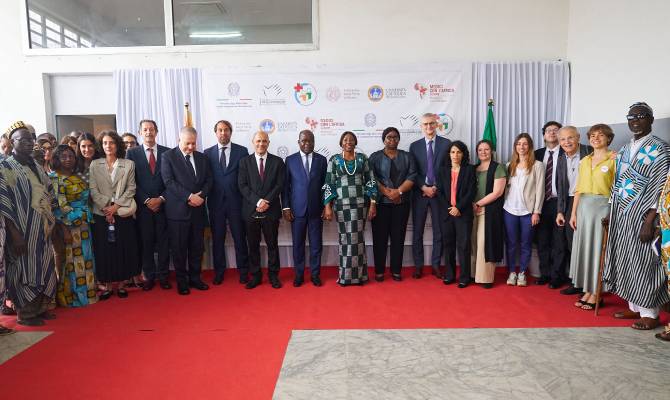
A major new commitment to maternal and child health has been officially presented Friday, May 9, at the Abobo Town Hall, Abidjan, Côte d’Ivoire. Two main projects will in fact be implemented by the University of Padua and the Università Cattolica del Sacro Cuore, in partnership with Doctors with Africa CUAMM, with the support of the Italian Cooperation, as part of the Mattei Plan.

The launch ceremony was attended by Stefano Gatti, Director General for Development Cooperation, who was visiting Abidjan at the head of a delegation from the Italian development cooperation system together with Ivorian authorities, including the Minister of Health of Côte d’Ivoire, Pierre N’gou Dimba, and Madame Kandia Camara, Mayor of Abobo and President of the Senate, as well as project partners Dr. Annamaria Merola and Dr. Francesca Priolo representing the Università Cattolica del Sacro Cuore, and Don Dante Carraro, Director of Doctors with Africa CUAMM.

The projects, developed in close collaboration with the Ivorian health authorities, focus on two main areas.

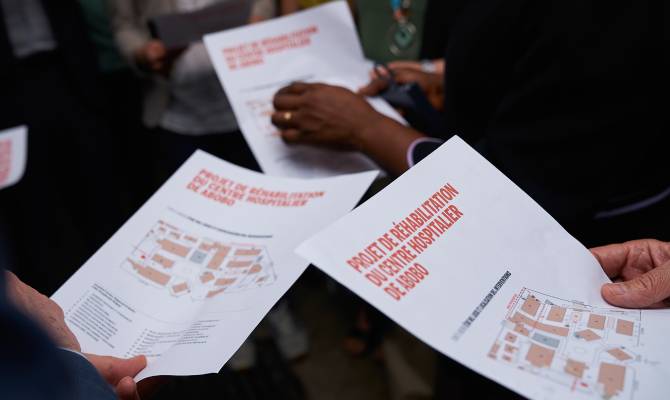
The first initiative focus on the rehabilitation and reconstruction works at the Félix Houphouët-Boigny Regional Hospital Center in Abobo and the strengthening of Community-Based Urban Health Facilities (FSUCom) in Abobo Avocatier and Abobo Baoulé. With an estimated population of about 750,000, Abobo East is a rapidly growing urban area. The Félix Houphouët-Boigny Regional Hospital Center, which alone recorded 8,000 births in 2024, faces increasing demand in an already overcrowded setting. Hence, the need for a major infrastructure upgrade to expand its capacity, enhance the maternity and neonatal units, and introduce support services such as a blood bank and an oxygen center.

In parallel, the second initiative aims to reinforce technical and functional support for 30 faith-based health facilities affiliated with the Union of Religious for Health and Social Affairs in Côte d’Ivoire (URSSCI), with the goal of improving their integration into the national health system. Planned activities include strengthening managerial and clinical skills, promoting coordination and integration mechanisms with the national system, providing medical equipment, improving infrastructure, and developing referral systems.

Complementing these efforts, cross-cutting community health, training, and research activities will be carried out through the involvement of the Università Cattolica del Sacro Cuore and the University of Padua.

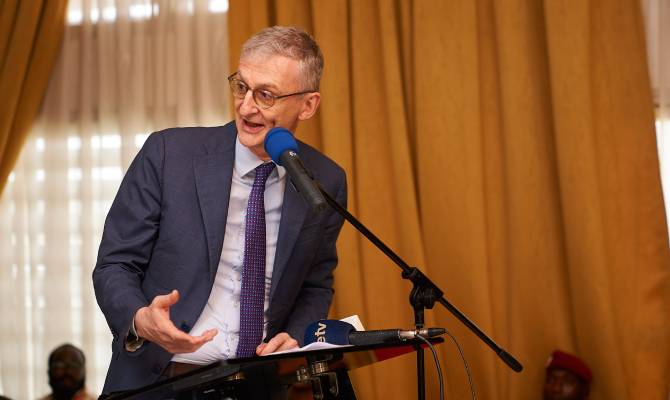
“This project is for you, for the community, but it is also for us, because it stems from a genuine partnership—built on people, organizations, and mutual commitment. This is the essence of this model of cooperation. The initiatives presented today are an extraordinary example of this approach in a country that, since 2024, has become a priority for the Mattei Plan, demonstrating the strategic importance of Côte d’Ivoire for the development of the entire region,” said Stefano Gatti, Director General for Development Cooperation.

Later, Father Dante Carraro, Director of Doctors with Africa CUAMM, took the floor. After thanking Minister Dimba, Ambassador Luzzi, delegation head Gatti, and the entire Abobo community, he addressed the audience:

“Today we are here not for ceremony, but to renew our commitment. We have one single, steadfast goal: we want no mother to die in childbirth, no newborn to die in their first month of life. We know we cannot save the world, but we are determined to do our part. This is our commitment, and we reaffirm it today.”

“This initiative addresses an urgent and priority need: ensuring that pregnant women and children have access to quality health services in one of the most populated and vulnerable districts of Abidjan. By investing in the health of Abobo, we invest in the living heart of Abidjan, and through Abidjan we foster the development of all of Côte d’Ivoire. Today, together, we are laying the foundation for a more just, fair, and united society,” said H.E. Arturo Luzzi, Italian Ambassador to Côte d’Ivoire.

Then representatives from the two universities addressed the participants.

“Since its founding, the Catholic University has placed particular emphasis on training doctors in the values of solidarity, listening, and care, which are at the heart of healing, especially for the weakest and most suffering. It is a fascinating mission that engages the whole person. It is with this spirit that we are preparing to begin the project,” said Professor Annamaria Merola of the Catholic University of the Sacred Heart.

“We firmly believe that the quality of obstetric and neonatal care depends on genuine partnerships, rooted in a deep understanding of the local context, listening to needs, and the co-design of innovative, sustainable, and measurable interventions. The integration of data care, training, and clinical innovation is the distinctive contribution our Department is proud to offer to the project,” stated Professor Eugenio Baraldi, Director of the Department of Women’s and Children’s Health at the University of Padua, in a message delivered in his absence.

To conclude the meeting, Côte d’Ivoire’s Minister of Health Pierre N’gou Dimba remarked:

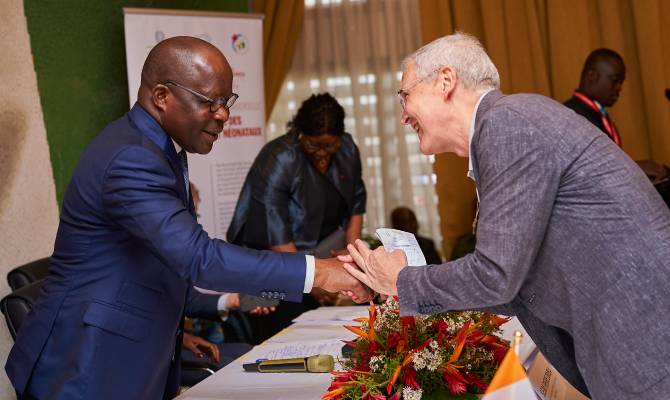
“The urban area of Abobo embodies all the healthcare challenges our system faces today. With this project, we aim to structurally and sustainably improve the health conditions of our population. But it’s not just about infrastructure—it’s about investing in health, dignity, and the future of our communities. This is a strategic project because it meets the real needs of those who seek care and services every day under difficult conditions. I want to express my heartfelt gratitude for this spirit of collaboration. The professionalism, enthusiasm, and dedication I’ve seen from all the partners involved fills me with pride.”

“We are convinced that the quality of obstetric and neonatal care depends on authentic partnerships based on deep knowledge of the local context, listening to needs, and co-designing innovative, sustainable, and measurable interventions. The integration of data management, training, and clinical innovation is the distinctive contribution that our Department is proud to offer to this project,” said Prof. Eugenio Baraldi, Director of the Department of Women’s and Children’s Health at the University of Padua, in a message read during the ceremony.

Complementary activities in community health, training, and research will also be implemented through the involvement of the Università Cattolica del Sacro Cuore and the University of Padua.

The initiatives, aimed at strengthening healthcare services in the country and improving access to care for the population, are part of the Mattei Plan, launched by the President of the Council during the Italy-Africa Summit in January 2024.


A new commitment in Burkina Faso

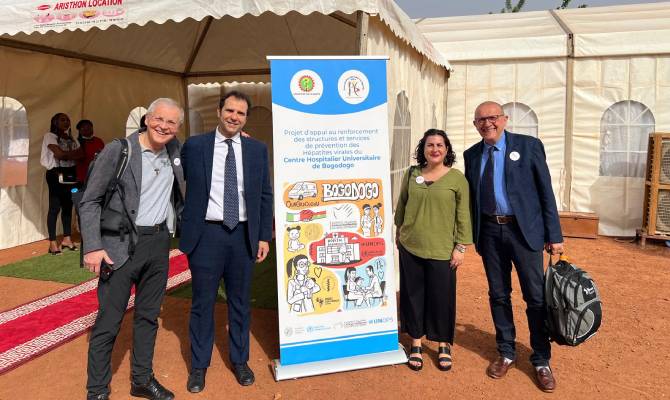
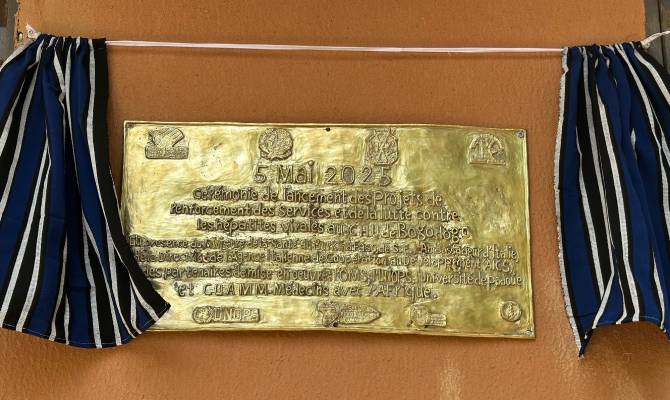
A new commitment in a country we have known and worked in in the past. A three-year project was launched yesterday in Ouagadougou, Burkina Faso, at the Bogodogo University Hospital Center focused on the prevention and treatment of hepatitis B and C. This initiative led by the University of Padua (UNIPD) and implemented in partnership with CUAMM and the Italian National Institute of Health (ISS) fully aligns with the objectives of Universal Health Coverage promoted by the World Health Organization (WHO).

Present at the launch event were the Italian ambassador Gabriele di Muzio, Burkina Faso’s Minister of Health Dr. Robert Kargougou, our director Don Dante Carraro, Dr. Giovanni Putoto – Head of Planning and Operational Research), Claudia Mocci – Project Manager, and Professor Francesco Paolo Russo from the Department of Surgical, Oncological, and Gastroenterological Sciences at the University of Padua.

“This is a sort of a return for us,” said Giovanni Putoto, Head of Planning and Operational Research. “CUAMM worked in Burkina Faso for about ten years, between the 1980s and 1990s. Today, as the country faces a period of great internal instability, we return with a specific intervention. The hepatitis project, which we embraced in collaboration with the University of Padua and the Istituto Superiore di Sanità, once again brings us close to the most vulnerable—especially mothers and children, who have always been at the center of our work.”

In Burkina Faso, viral hepatitis is one of the leading causes of illness and death, with hepatitis B (HBV) affecting an estimated 10% of the general population. The risk is significantly higher among vulnerable groups, who have always been the focus of our work. Pregnant women are particularly at risk: due to the high likelihood of vertical (mother-to-child) transmission, the consequences can also be serious for newborns.

In low-resource settings, poor diagnosis services and barriers in accessing treatment hinder the control of such diseases putting at risk the life of many. If not detected in time and without appropriate clinical care, the consequences can be fatal.

The initiative is a multidisciplinary one: the research component will be led by the University of Padua’s Department of Surgical, Oncological, and Gastroenterological Sciences (DiSCOG), directed by Professor Umberto Cillo, with the specialized contributions of hepatologists and gastroenterologists Professor Patrizia Burra and Professor Francesco Paolo Russo. The Italian National Institute of Health will play a key role in epidemiological surveillance, the provision of tools, data sharing, and the implementation of an electronic health records management system while Doctors with Africa CUAMM will oversee the managerial and technical aspects of the project.

The intervention will be centered at the Bogodogo University Hospital Center in Ouagadougou and aims to diagnose and treat around 3,000 pregnant women and children affected by viral hepatitis B and C. The project also includes the specialized training of local healthcare personnel, strengthening their skills to ensure a sustainable healthcare response.

“This project is part of the University of Padua’s long-standing tradition in health cooperation and training, reaffirming the university’s commitment to promoting global health improvement,” stated Professor Francesco Paolo Russo from UNIPD.

The planned activities follow an integrated approach and include:

  • Training of local healthcare staff, both in-person and remotely
  • Development of scientific research activities
  • Clinical management of complex cases
  • Provision of diagnostic equipment, tests, medicines, and IT systems for managing medical records
  • Contribution to revising protocols for the management of patients with viral hepatitis B and C
  • Introduction of software for the management of chronic patients

The project is being implemented in partnership with the Istituto Superiore di Sanità (ISS) and in close collaboration with the local Ministry of Health and the World Health Organization (WHO). The initiative is funded by the Ministry of Foreign Affairs through the Italian Agency for Development Cooperation (AICS).


Training to care building competencies in South Sudan

South Sudan, the world’s youngest country and one of the poorest in Sub-Saharan Africa, currently has a population of 12 million, the majority of whom are in need of humanitarian aid. According to the World Bank, the country ranks 192nd out of 193 in terms of human development.
The health situation in South Sudan is dire: 1,223 women die in childbirth for every 100,000 live births—shocking figures that are direct consequence of an extremely fragile national health system where the number of qualified healthcare professionals is highly insufficient.

Doctors with Africa CUAMM’s decision to invest in the training of local health personnel in such a fragile country is therefore a crucial step toward initiating real and sustainable progress in the healthcare system.
Today, we support two nursing and midwifery schools in two different states: Lakes State, home to the Rumbek Health Institute and Western Equatoria, where the Lui Midwifery School is located.

Rumbek Health Institute

Active at the State Hospital of Rumbek since 2017, Doctors with Africa CUAMM extended its support to the attached Institute of Health Sciences in the 2020/2021 academic year, particularly in the midwifery and nursing programs.

Each year, CUAMM’s support includes:

  • Food and accommodation for students in need
  • Purchase of teaching and stationery materials for nursing and midwifery courses
  • Financial support for the annual salary of tutors and the academic director
  • Provision of fuel to ensure electricity for the school
  • Supply of medical materials for practical lessons and simulations

Since this initiative began, about fifty students graduate each year from the Rumbek Institute of Health Sciences. These young men and women, equipped with a diploma and vocational training, will be able to work on the front lines to improve the health services and systems of their country, becoming agents of change themselves.

“Mine is not just a profession: being a midwife means welcoming life into your hands and always being at the service of women, to promote their well-being. In our culture, there are taboos to overcome — giving birth in a hospital is one of them. Today, I support women in the delicate moment of childbirth, but ensuring their health every day, in every stage of life, remains my mission.” Martha Mochmetin, midwife graduated from the Institute of Health Sciences in Rumbek.

The institute is located in Rumbek Centre County, in the town of Rumbek, the capital of Lakes State. The adjacent hospital, where students carry out their practical training, is a key referral center in the area. In 2023 alone, over 14,300 patients were admitted to the Pediatrics and Maternity wards (8,918 in Pediatrics, 5,399 in Maternity), 3,414 births were attended (including 120 cesarean sections), and 17,690 outpatient visits were provided at the OPD.

Lui Midwifery School

The Lui Midwifery School is located in Mundri East County, Western Equatoria.
Supported by CUAMM since 2014, the school is attached to the Lui Hospital, a facility serving a population of around 170,000 people.

Students attend theoretical classes, study in the library, and carry out practical activities in the hospital wards under the constant guidance of two tutors and the headmistress—personnel specifically recruited by CUAMM to ensure the proper implementation of the ministry’s curriculum.

“Having the opportunity to do clinical practice in a hospital is a real privilege for students. Everything we see in class and read in textbooks can be applied in real situations—whether by observing clinical procedures or by taking part directly.” Judith Abwol, midwife and tutor at the Lui Midwifery School.

The fact that the Lui School is linked to a functioning hospital offers students an ideal environment for continuous learning—something far from common in South Sudan. In addition to practicing in this hospital, students can also gain field experience in peripheral health units and within local communities.

The school includes several buildings: a classroom facility, a dining hall with kitchens, two dormitories, two staff houses, a services area, and a recreational space. The ability for students to live on campus allows many of them to attend classes and continue their studies without major logistical difficulties. CUAMM’s support covers essential living expenses, as well as hygiene kits, school supplies, and all the materials needed for lessons: from mannequins to consumables, from textbooks to whiteboards.


Thank You Pope Francis

«Pope Francis has left us, and the emptiness and sorrow are deep. Until the very end – even as recently as yesterday – he continued to be present. With his people. With his Urbi et Orbi blessing, he wanted to give one final sign of love for our world, so torn apart by wars and yet so beloved and dear to him. We feel an emptiness because we feel we have lost a father – a gentle and firm guide, clear-minded and courageous, a protective presence who walked with us on our journey. A gift. A gift who, until the end, chose to stand with the poor – near and far – and with Africa in particular. He visited some of its most fragile countries, such as the Democratic Republic of Congo, the Central African Republic, and South Sudan. He chose to be with them, with these people. And we felt him close. He was a great help, a great source of hope for all of us at CUAMM Doctors with Africa. He loved that continent – so rich, so beautiful, so full of potential. And he loved it also because it is a continent full of colour, hardship, and humiliation. In today’s world – a world where arrogance, abuse of power, selfish interests, and the humiliation of the poor seem to prevail – Pope Francis never stopped living out solidarity, closeness, and the defense and respect of the most vulnerable. A great gift. That is why our gratitude is so strong. Gratitude to the Good Father who gave him to us. He gave him to a Church that is bruised and weary, yet radiant in its bold declaration that the kingdom we want to build is one of brotherhood and solidarity. He was a simple man for simple people – a man who opposed all injustice and inequality until the very end. With his life, he proclaimed the Gospel of liberation, of dignity, and of hope for every creature, especially the most fragile. Thank you, Pope Francis».

Don Dante Carraro, Director of CUAMM Doctors with Africa

Making the difference in research and field work

Building lasting change from the ground up. One step at a time by working every day alongside the people most in need, without ever losing sight of the importance of dialogue with institutions. This is what Jerry Ictho, doctor and technical advisor at CUAMM Uganda, has learned to do over nearly ten years of collaboration with the Organization.

This year, in April, Jerry came to Italy as lecturer at the training course Implementation Research: three days dedicated to deepening the themes of operational research in the Global South. That’s Jerry’s expertise and his main job at CUAMM. Before joining Doctors with Africa CUAMM, he spent six years working in the national health system, deployed in the rural district of Zombo, in West Nile. Then he met CUAMM and that was an encounter which he describes as a calling: “It’s a mission that deeply touched my heart.”
The opportunity to combine clinical practice, research, and prevention into one strategy for building change convinced him to join the team.

“Our work is always moved by evidence, context analysis, and research,” he explains. “It is an integrated and differentiated approach that allows us to connect the dots and achieve quality results, even where others might get stuck. For us,” he adds, “this is the key tool to bring about structural improvement. It allows us to merge consistent and effective fieldwork with scientific research, in ongoing collaboration with universities. That’s what makes the difference.”

Not only with universities: working side by side with the local health system is also essential to improve the quality of the work being done.

“We’re not here just to provide treatment, but to build something that will last.” Working in remote areas is an essential part of this vision. Yet doctors often prefer to stay in cities, where the standard of living is higher. But with CUAMM, you’re encouraged to get to the hardest-to-reach areas. We work from the ground up: we want to be where the need is greatest.”

A choice that entails complex challenges. Among them, the recent Mpox outbreak, and malaria, which remains widespread. Also, increased rates of malnutrition resulting from the climate crisis, which brings alternating periods of extreme drought and severe flooding — threating agriculture.

And while prevention is key to success in healthcare, putting it into practice ain’t always easy. In refugee camps for example ensuring preventing measure to tackle epidemic outbreak remains a challenge and Uganda is currently the country hosting the largest refugee population in Africa and the 6th largest in the world.

 “The doors of our country are open to those in need: in recent times we’ve welcomed many South Sudanese, Congolese… but their living conditions are dare and funds are too often unsufficient”.

The situation has recently been compounded by the aid cut of USAID, which severely affected humanitarian projects in Uganda.

“We had to stop activities, let people go, suspend programs. It was a shock. Politically, the issue is more complex — some believe that this new situation may push the system to reorganize, to make better use of available resources and reduce corruption. But we were absolutely not prepared to do that. The Minister of Health presented the revised budget in light of these cuts, and the numbers are staggering. The impact has been, and continues to be, devastating.”

Despite the difficulties, Jerry doesn’t lose hope.

“With CUAMM, we walk together and find solutions together. In times of difficulty, I remind myself: if you have the chance to make a difference for your country, why wouldn’t you?”