WASH in Healthcare Facilities: A Global Call to Action

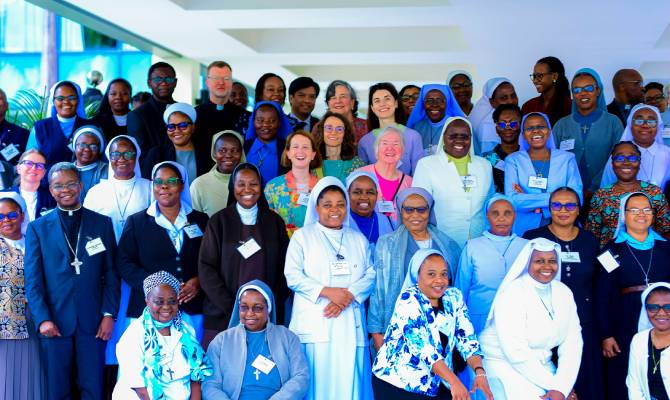
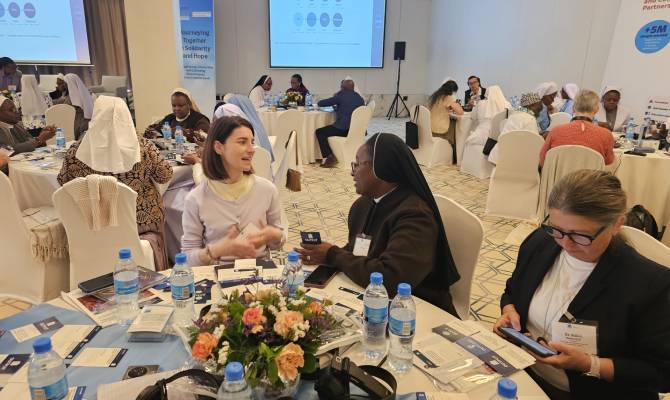
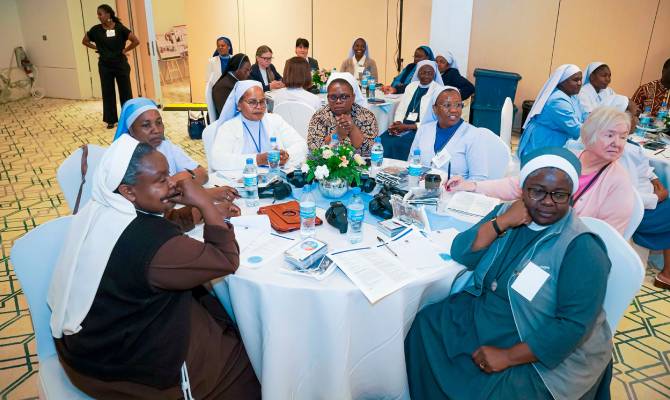
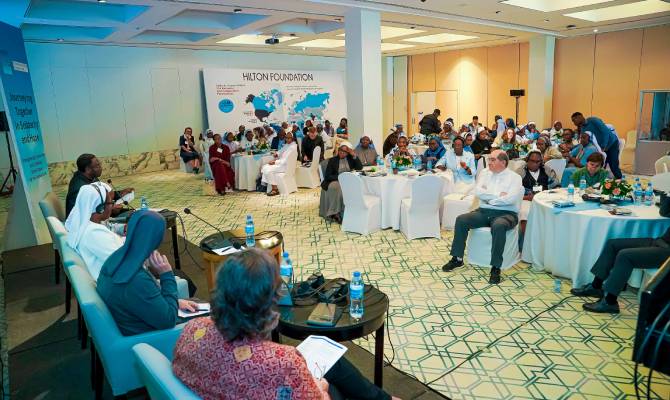
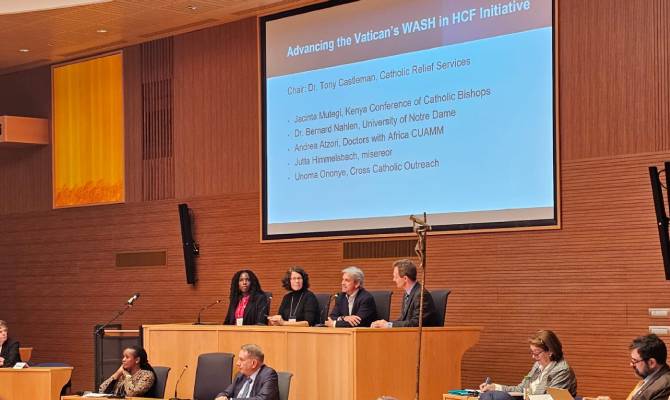
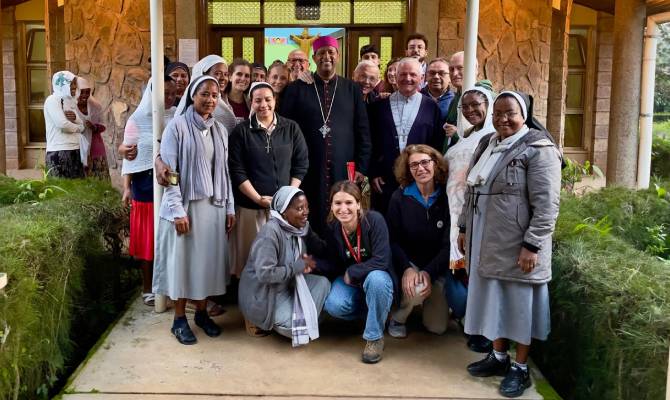
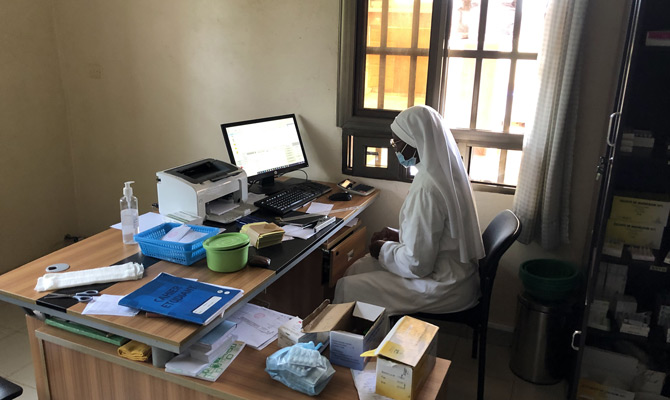
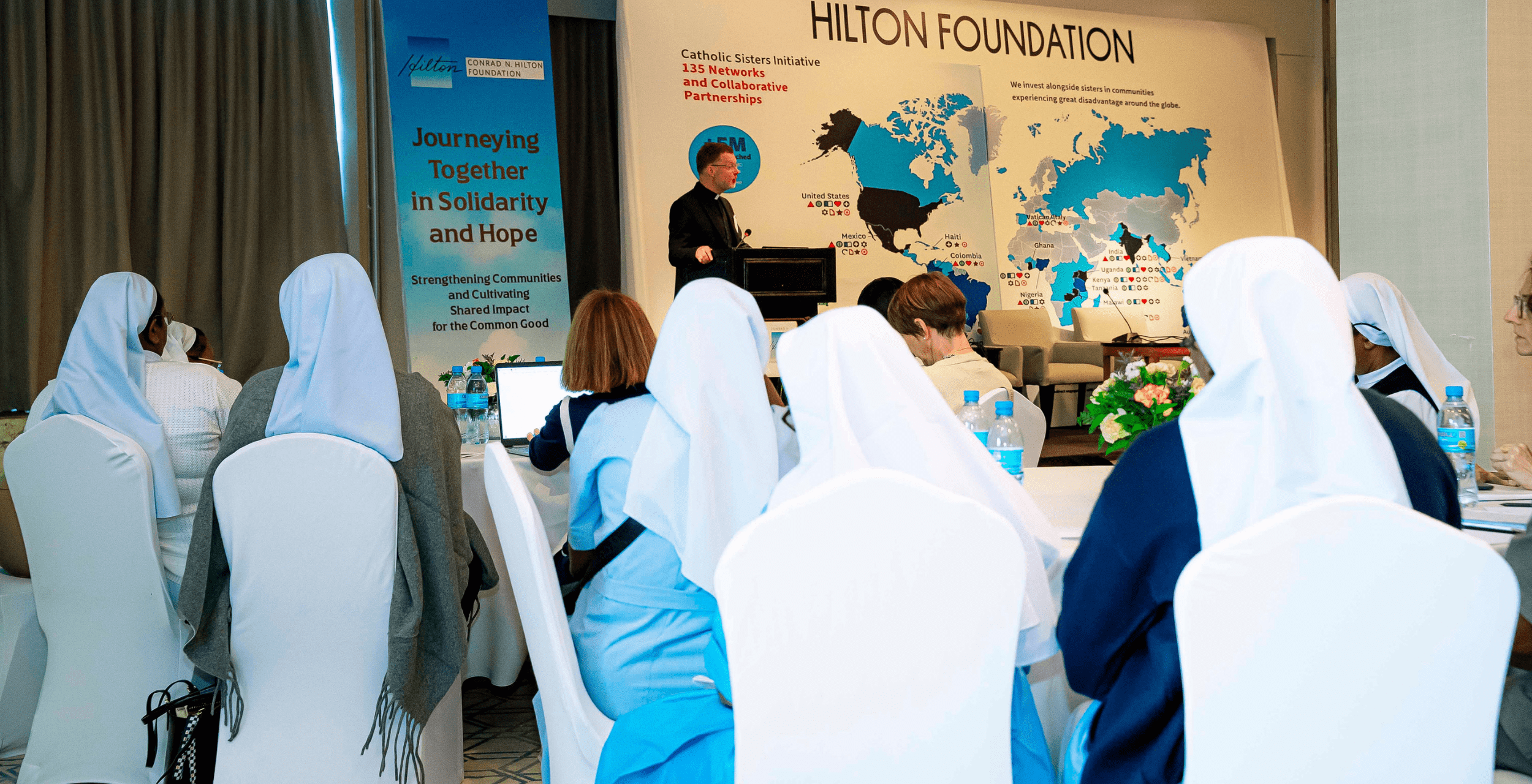
On April 22–23, we took part in the event “Committed to WASH in Healthcare Facilities: A Gathering of Faith-based Organizations and Allies to Accelerate Progress”, held in Rome at the Jesuit Curia. The global meeting brought together faith-based organizations and partners committed to improving access to essential services—water, sanitation, and hygiene (WASH)—in healthcare facilities, a need also highlighted by the United Nations.

The event aimed to secure concrete financial and operational commitments to strengthen WASH services in faith-based healthcare facilities. It also sought to accelerate new initiatives, foster collaboration with secular partners, and share lessons learned and future priorities.

Throughout the discussions, a stark reality was repeatedly emphasized: across 60 low-resource countries, 37% of healthcare facilities lack basic water services and 81% lack basic sanitation. These gaps directly contribute to higher maternal and infant mortality, increased disease transmission, and deepening poverty.

“We all recognize how challenging it is not only to ensure, but also to sustain, WASH services in many health facilities,” said Andrea Atzori, Head of International Relations at CUAMM. “While the term ‘WASH’ may be relatively recent, the challenge of water access has persisted for decades—spanning infrastructure, maintenance, and long-term affordability.” He also highlighted how WASH is closely linked to CUAMM’s commitment to maternal and neonatal health through prevention.

This connection was echoed by Sean Callahan, President and CEO of Catholic Relief Services, who stressed that access to WASH “not only prevents infections and protects health—it also upholds the dignity of vulnerable patients. Every mother deserves clean water, private sanitation, and hygienic conditions when giving birth.”

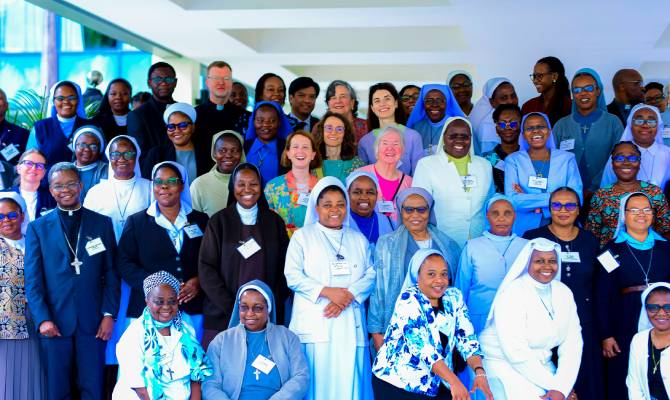
The meeting also highlighted the critical role of women’s religious congregations and faith-based health networks in delivering healthcare and promoting human dignity worldwide.

Faith-based organizations (FBOs) are essential providers in underserved and hard-to-reach areas, delivering 30–50% of healthcare services in some low-resource countries. Despite their impact, their contributions are often overlooked.

Recognizing this, since 2019 we have partnered with FBOs across Africa to strengthen their capacity, resilience, and participation in decision-making processes. Today, we support 93 Catholic congregations in 26 countries through training, technical assistance, and advocacy.

“While WASH is not our core area of expertise, we are committed to identifying sustainable solutions and integrating these services into broader health interventions by working closely with institutions, communities, and partners—including FBOs,” added Atzori. “This collaboration enables us to better understand challenges, co-develop practical solutions, and advocate more effectively for lasting progress.”

The two-day meeting provided a platform to exchange experiences and align on next steps. Participants—from religious leaders to field experts—called for scaling progress and “turning commitments into funded plans with clear targets and deadlines,” as noted by Alistair Dutton, Secretary General of Caritas Internationalis.

Cardinal Michael F. Czerny emphasized the urgency of action:

“Without WASH, healthcare cannot be safe. No treatment, surgery, or delivery can be properly performed. Ensuring these basic conditions is a fundamental step toward human dignity and integral development.”

Adding her voice, Sarah Mullally, Archbishop of Canterbury, stated:

“As a former nurse, I know that clean water and sanitation are essential to safe and effective healthcare. I am encouraged by the progress already underway and urge continued support for this vital work.”

Moving forward, the challenge is clear: transform commitments into concrete, funded actions that reach the most vulnerable. In this effort, the leadership of faith-based actors will remain critical. As Sister Irene O’Neill, Founder of Sisters Rising Worldwide, emphasized, “sisters see what others often miss, they remain where others do not and are already leading solutions that need to be heard, shared and scaled sustainably.” Scaling these solutions is no longer optional—it is urgent.

The event was promoted by a consortium of partners committed to advancing WASH in healthcare facilities, including CUAMM, Caritas Internationalis, Catholic Relief Services, the Daughters of Charity of Saint Vincent de Paul, Global Ministries/UMCOR, the U.S. Catholic Health Association, the Anglican Communion Health and Community Network, ACHAP, and Accord Network. It was held under the patronage of the Dicastery for Promoting Integral Human Development.


Training FBOs on leadership, management & governance

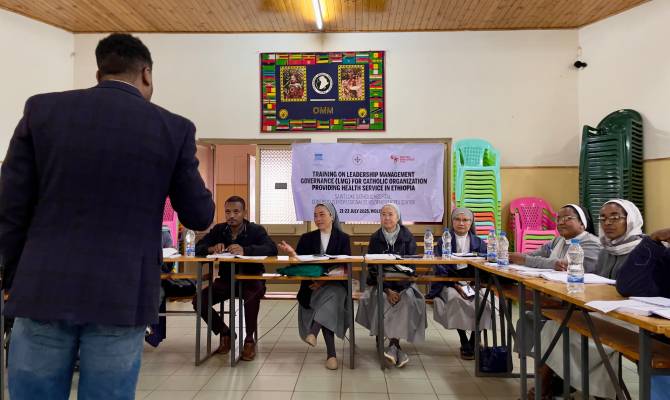
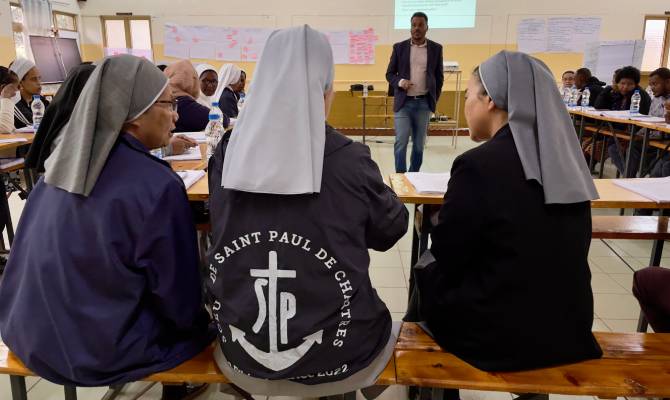
A three-day training course designed to strengthen leadership, management, and governance skills among Catholic Sister health professionals has just come to an end in Wolisso, Ethiopia. The intensive program, tailored for those working in the health sector, aims to equip participants with the knowledge, skills, and attitudes necessary to lead and govern health systems more effectively.

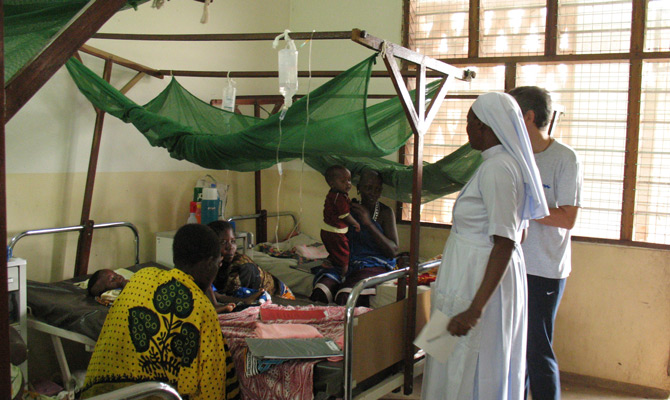
In Ethiopia, as in many African countries, FBOs are crucial in delivering quality health services to the most vulnerable populations. Often located in the last mile, FBOs are frequently on the front lines of service delivery. They maintain close contact with local communities and are well-positioned to recognize and address the real needs of the poorest, often delivering services in remote areas. However, FBOs are frequently overlooked when it comes to supplies, human resources, and funding. Additionally, they may lack formal education and the necessary competencies to manage and lead health facilities effectively.

The St. Luke Hospital in Wolisso, where the training was hosted is indeed a model in terms of management and service provision. Since its inauguration in 2000, CUAMM has been supporting this Catholic Hospital which to date stands as a point of reference for the surrounding districts of Goro, Wolisso, and Wonchi.

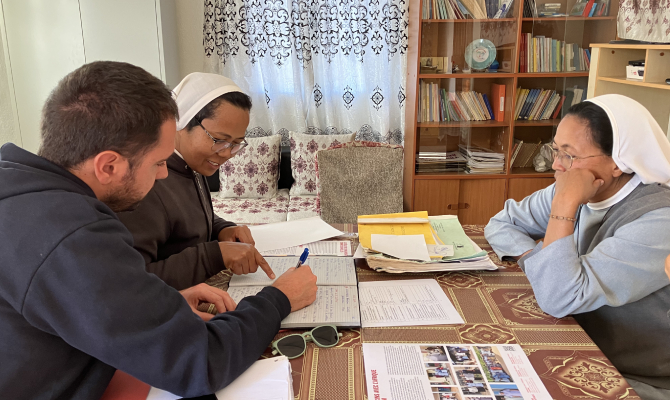
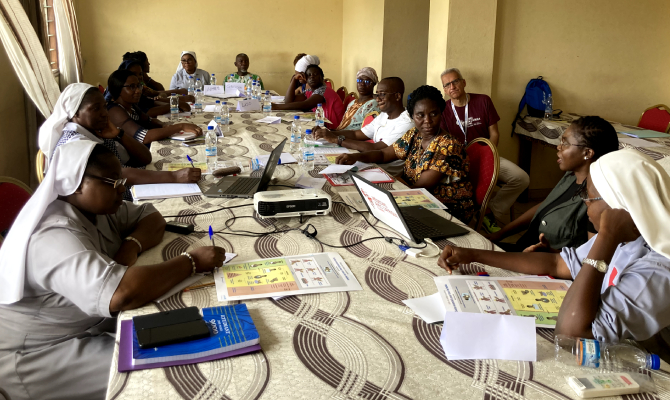
The course brought together 34 Catholic Sister professionals from 14 zones across three different regions — Central Ethiopia Region, Oromia, and Tigray — identified by CUAMM through an extensive mapping process. Participants included Sisters from various Faith-Based Organizations (FBOs), serving in diverse roles such as managers, nurses, and health assistants, and working in health posts, health centres, and general hospitals. On this occasion, Ethiopian Bishop Lukas Fikre, CUAMM Director General Father Dante Carraro, and the Bishop of Padua and CUAMM President, Claudio Cipolla, visited the training to personally congratulate the participants for their unwavering commitment to health promotion.

The meeting offered an engaging learning experience focused on strengthening health systems and improving service delivery across Ethiopia. Through interactive presentations, group-based learning, personal reflection, project work, and guided portfolio development, participants explored key concepts such as Ethiopia’s healthcare environment, policies, strategies, and reforms; leadership and management practices; good governance in health programs and institutions and resource management.

To ensure maximum impact, the training included both formative and summative evaluations. Daily feedback, group exercises, and reflective activities helped assess ongoing learning. A final assessment — made up of a post-test (35%) and a team-based project (65%) — was offered to ensure participants had left with practical, applicable skills.

The course, offered by CUAMM with the financial support of Conrad Hilton Foundation represents a critical investment in building the capacity of Catholic health professionals to lead more effectively, manage resources efficiently, and strengthen health service governance across Ethiopia.


DISCOVER WHAT WE ARE DOING WITH FBOS ACROSS AFRICA


Addressing health challenges with FBOs

Today in Freetown, Sierra Leone we hosted a significant event under the theme “The Role of Catholic Health Institutions in Addressing Health Challenges: Free Care versus Cost Sharing in Different Service Delivery Models.” The gathering, supported by Conrad N. Hilton Foundation brought together representatives from Catholic health institutions, government stakeholders, and international partners to reflect on how faith-based organizations (FBOs) can continue to play a vital role in strengthening the national health system.

Catholic health institutions, many of which are rooted in remote and underserved communities, represent a cornerstone of Sierra Leone’s healthcare landscape. With a long-standing commitment to the dignity of every human life, these institutions often deliver care where services lack yet are most needed.

«As faith-based organizations committed to promoting access to health, our work is driven by the values of equity and solidarity and reaching the most vulnerable and marginalized communities is our mission» said Sister Josephine Amara.

The event offered participants the opportunity to navigate and discuss a pressing dilemma: how to balance the principle of free care—especially for the most vulnerable women and children—with sustainability, quality, and resource constraints. Discussions explored innovative models of cost-sharing that ensure access without compromising on standards, while also emphasizing the need for stronger public-private collaboration.

In this context, CUAMM reaffirmed its commitment to supporting Catholic health institutions as key partners in delivering people-centered care. To date, thanks to the support of international donors like Conrad N. Hilton Foundation, CUAMM is collaborating with 150 catholic institutions across 50 African countries reaching 173 health facilities with activities that spans from technical assistance to traning and advocacy.

By bridging gaps between communities and national health systems, FBOs do not only provide services—they build trust, promote preventive practices, and uphold the moral imperative of caring for all, especially the poorest.

DISCOVER WHAT WE ARE DOING WITH FBOs ACROSS AFRICA

Training healthcare providers from FBOs

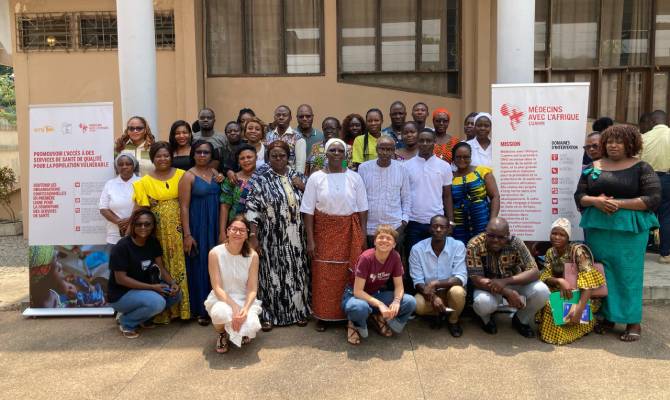
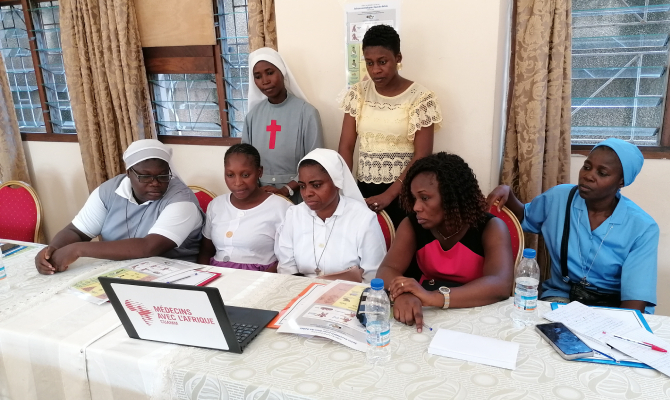
This month our team in Abidjan, Ivory Coast, hosted a 4-day training on basic obtetric and neonatal emergencies aimed at healthcare providers from faith-based health centres.

The training was organized by CUAMM in partnership with the Ministry of Health, Public Hygiene, and Universal Health Coverage through the National Maternal and Child Health Program (PNSME).

More than one woman dies every minute due to pregnancy-related causes worldwide; to date, maternal mortality rate in Ivory Coast is 385 deaths per 100,000 births. As highlighted over the training, common causes of pregnancy-related deaths include: postpartum hemorrhage (51%), hypertension and complications (13%), postpartum infection (4%), abortion (3%). These direct causes account for 3/4 of maternal deaths. Altough quite common in low-resource settings,  these causes do not necessarily have to be fatal. On the contrary, they can be prevented with timely and effective care. 

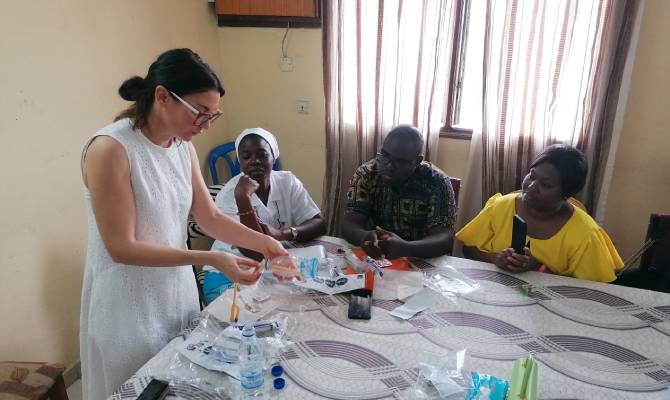
The training course was designed to give healthcare providers from faith-based organizations basic yet necessary competencies to manage obstetric and neonatal emergencies. Four main topics have been covered and addressed by national and international health experts, including contributing factors to maternal and neonatal mortality, crucial tool for monitoring labor and delivery, neonatal complications, post-abortion care and Manual Vacuum Aspiration (MVA) plus two hands-on training activities.

The training also explored the three types of delay that are often referred to as a major contributing factors to maternal and neonatal mortality. Delay in decision-making, delay in accessing a healthcare facility, delay in receiving adequate care.

30 healthcare providers from different faith-based organizations participated in the training course on Basic Emergency Obstetric and Newborn Care (BEmONC). Participants had been identified in partnership with U.R.S.S.C.I.. The activity is part of a wider initiative carried out by CUAMM to promote access to quality maternal, newborn and child health (MNCH) and nutrition services, therefore aiming to support Ivory Coast national and subnational authorities to achieve SDGs 3.1. and 3.2. (Maternal and newborn mortality reduction) as well as SDG 2.2. (Reduction of the burden of malnutrition).

In addition, previous to that, a second training on infection prevention and control (IPC) was held in January in Abidjan for selected FBOs facilities staff. The training was a 5-day training of trainers (TOT) for key staff in order to make an internal cascade training of all the qualified and not qualified staff working in each facility. The IPC training was preceded by an initial survey on the existing IPC situation in each facility, utilizing the WHO Infection Prevention And Control Assessment Framework At The Facility Level to tailor the training on the most critical issues and to have a way of measuring baseline situation and subsequent improvements. 

Maternity care in Ivory Coast: enlarging the commitment

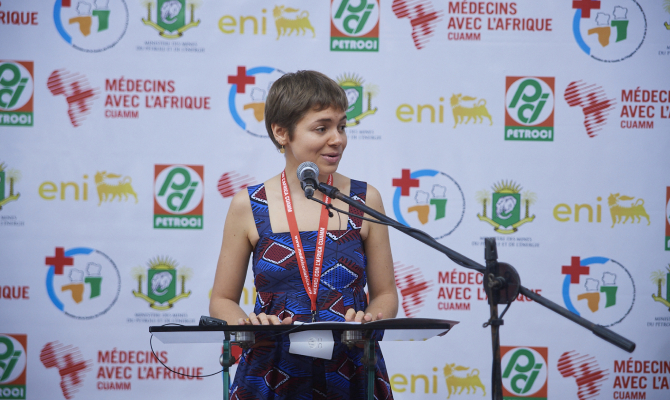
A new maternity ward was inaugurated yesterday in Abidjan, Ivory Coast, at the Anonkoua Kouté urban health center thanks to the partnership between Doctors with Africa CUAMM, Eni Côte d’Ivoire, and U.R.S.S.C.I. – the Union of Religious Men and Women of Côte d’Ivoire. The ceremony took place on October 17, 2024, starting at 2:00 PM at the Anonkoua Kouté Community Urban Health Unit, Abobo, Abidjan, in the presence of Dr. Kpaho Bernard, Inspector General of Health, representing the Minister of Health, Public Hygiene, and Universal Health Coverage, Madame Yao Gnamien Beugré, Deputy Mayor at Abobo and Luca Faccenda Director General Eni Ivory Coast.

The facility, managed by the Congregation of the Sisters of Providence and part of the U.R.S.S.C.I. network, is one of the largest centers by number of births in the district. Around 3,700 births are recorded here each year. By supporting the facility and inaugurating the new maternity spaces, the initiative aims to fulfill one of the objectives of the national strategic plan: to ensure universal health coverage across the country, with particular attention to vulnerable groups, especially women and children.

«I would like to thank the financial and technical partners who contributed to this project, particularly the NGO Doctors with Africa Cuamm and Eni Côte d’Ivoire – said Dr. Kpaho Bernard, Inspector General of Health, representing the Minister of Health, Public Hygiene, and Universal Health Coverage during the ceremony. – The building we are inaugurating today will help improve access to quality maternal, neonatal, and child services, bringing the Ministry of Health, Public Hygiene, and Universal Health Coverage closer to the strategic objectives of our National Health Development Plan».

Abobo district in Abidjan which is home to about 1.5 million people and has the highest population density in Ivory Coast. It faces significant challenges in accessing quality maternal and child health services. The Anonkoua Kouté urban health center, managed by the Congregation of the Sisters of Providence, is one of the largest centers in terms of births in all of Abobo, recording around 3,700 births per year.

The new maternity unit, with its four postnatal wards and a prenatal care room, will provide essential support to pregnant women, mothers, and newborns, improving access to and the quality of healthcare services while reducing the pressure on higher-level healthcare facilities. It will also ensure adequate prenatal care, improve childbirth conditions, and guarantee quality postnatal care, thus contributing to the reduction of infant and maternal mortality.

This initiative represents a significant step forward for the well-being of the local population, addressing the healthcare needs of a growing community, in line with national plans and priorities. This goal will be achieved also through the training and capacity building of healthcare workers in the facilities, the provision of equipment, the improvement of patient referrals to healthcare facilities and the renovation of existing premises.

«It is with great pride that we witness today the tangible achievement of one of our results within this ambitious goal, which is at the core of the priorities of the Ministry of Health, Public Hygiene, and Universal Health Coverage, – said Anna Cavestro, Country Representative for Cuamm in Ivory Coast. Thanks to the commitment of our partners and the determination of national authorities, we have been able to turn this vision into tangible actions».


The construction of the maternity ward is part of the “Santé Pour Tous” – Health for All project promoted by Doctors with Africa Cuamm in collaboration with Eni Côte d’Ivoire and U.R.S.S.C.I. – the Union of Religious Men and Women of Ivory Coast. The aim of this initiative is to improve the quality and access to healthcare for disadvantaged populations in the country, particularly pregnant women and mothers, by promoting the integration of private healthcare facilities managed by religious organizations into the national health system.


Discover CUAMM’s work in the country


Fostering capabilities among french speaking FBOs

Access to training opportunities is a key step in empowering and strengthening FBOs, yet language barriers can lead to missed opportunities. In order to overcome such challenge and promote equal access to training, Doctors with Africa CUAMM has just held its first french-taught course on leadership and networking skills. The training followed the syllabus of the previous english edition, held in July.

  • “Opening remarks” Father Dante Carraro – CUAMM Director General
  • “Connect, strengthen and empower Faith-Based Organisations in delivering healthcare services” Mr. Andrea Atzori – Head of International Relations at CUAMM
  • “Supporting Faith-Based Organizations delivering Healthcare in Africa” Dr. Parotto – Clinical Advisor and Anesthesiologist, Padua’s University Hospital
  • “The cycle of the project” Mrs. Anna Cavestro – Project Manager
  • “Partnerships with Governments & Local Authorities: the experience of UCMB” Dr. Kasyaba – Assistant Executive Secretary of the Uganda Catholic Medical Bureau (UCMB)

    «Participants were encouraged to foster a culture of collaboration, to value the contributions of each team member, and to maintain open and transparent communication» stated the Diocesan Director at Centre de Charité Saint Camille de Djougou – Father Yvon Serge Hounsou from Ordre des Serviteurs des malades, Benin.

43 people representing 22 different faith-based organizations from 11 African countries attended the virtual training course organized by CUAMM thanks to the support of the Conrad N. Hilton Foundation. Professionals such as nurses, medical doctors and health facility’s managers were among the learners who were represented by both ordained and no-ordained members of religious congregations.

«This event was a valuable opportunity for participants from various religious institutes to strengthen their skills and knowledge. As the speakers shared their experiences and intervention strategies, we were able to learn in order to prepare ourselves to better serve our communities» said brother Cosimo, nurse from Ordre hospitalier de St. Jean de Dieu, currently serving at Saint Jean De Dieu Hospital Tanguiéta, Benin.

Since 2019, Doctors with Africa CUAMM has been committed to strengthening the capacity and resilience of staff working in faith-based health facilities across the Africa region by offering training packages on different topics including healthcare facilities management, clinical aspects, project management, disaster preparedness and resource mobilization. While the courses were only available in English until now,  “Compétences en matière de leadership et de mise en réseau” intends to facilitate access and learning to french speaking professionals deployed in the provision of health care across Africa representing a first step in the promotion of a more inclusive and effective training package. Training activities are promoted in the context of “Supporting FBOs on the frontline of healthcare service delivery in Africa”, the program launched by CUAMM in 2019 with the final goal of strengthening the capacity and resilience of staff working in faith-based health facilities through training, technical assistance and advocacy activities. To date, 150 faith-based organizations located in 26 countries, are involved in the program.

TRAINING FBOs LEADERSHIP AND NETWORKING SKILLS

163 people representing 79 different faith-based organizations from across the globe, mainly from the Africa Region, but also Europe, Brazil, Pakistan and USA, subscribed to the online training on Leadership and networking skills organized by CUAMM thanks to the support of the Conrad N.  Hilton Foundation.

The training aimed at addressing two fundamental issues: leadership skills and the ability and importance of networking in health cooperation projects, where building strong connections between religious congregations, government partners, and institutions, is crucial.

Despite the key role played by FBOs in the provision of healthcare services to the most vulnerable populations, numerous challenges undermine their capacity and efficiency such as lack of human resources, weak capacity in disaster management and financial constraints. The training moved from the need to strengthen FBOs capacity in building strong collaborations and partnerships that can indeed make a difference in their health service provision therefore in people’s life.

Why is networking so important? How do you find donors? Which are the key to effective health management?

Those and many others were the questions addressed in the training on leadership and networking skills, attended on June 26. Following the opening remarks by CUAMM Director General – Father Dante Carraro, three modules have been offered to the participants:

  • “Connect, strengthen and empower Faith-Based Organisations in delivering healthcare services” Mr. Andrea Atzori – Head of International Relations at CUAMM
  • “Supporting Faith-Based Organizations delivering Healthcare in Africa” Dr. Parotto – Clinical Advisor and Anesthesiologist, Padua’s University Hospital
  • “Partnerships with Governments & Local Authorities: the experience of UCMB” Dr. Kasyaba – Assistant Executive Secretary of the Uganda Catholic Medical Bureau (UCMB)

The training is part of a wider package designed for FBOs representatives aiming at fostering their competencies on multiple aspects ranging from health facility management to disaster preparedness to monitoring and evaluation and more. The activity is promoted by Doctors with Africa CUAMM in the context of “Supporting FBOs on the frontline of healthcare service delivery in Africa” program launched in 2019 with the final goal of strengthening the capacity and resilience of staff working in faith-based health facilities through trainingtechnical assistance and advocacy activities. Since its launch in 2019, 133 faith-based organizations in 26 countries in sub-Saharan Africa have been involved in “Supporting FBOs on the frontline of healthcare service delivery in Africa” program.

Faith-Based organizations (FBOs) are indeed crucial in delivering quality health services to the most vulnerable populations in Africa. Often located in the last mile, FBOs are frequently on the front lines of service delivery; they are in close contact with local communities and can recognize and address the real needs of the poorest, delivering up to 70% of health services in low and middle income countries. However, FBOs are often neglected in terms of supplies, human resources and funding and are not integrated into the healthcare system.


READ THE FEEDBACK FROM THE FIRST FRENCH EDITION


TRAINING FBOs ON MATERNAL AND CHILD HEALTH

Ensure quality health care at primary level by strengthening the capacities of those deployed on the frontline of healthcare service delivery is key to achieve long-lasting and effective results. This is the commitment leading the partnership between CUAMM and URSSCI, the Union of Religious in Health and Social Affairs in Ivory Coast.

In the last ten years (2012 to 2021), Ivory Coast has made significant progress in maternal, neonatal, and child health. Maternal mortality has decreased from 614 to 385 per 100,000 live births (LB), under-five mortality from 108 to 74 per 1,000 LB, and neonatal mortality from 38 to 30 per 1,000 LB. However, these rates remain high compared to the sustainable development goals (SDG). The leading causes of neonatal deaths are prematurity (31.6%), asphyxia (27.5%), and infections (20.2%) (Ivory Coast’s “Every Newborn” Action Plan 2018-2020). Achieving SDG target 3 by 2030 requires implementing high-impact interventions for mothers, newborns, and children.

In this context of improving neonatal care, the Ministry of Health, Public Hygiene, and Universal Health Coverage (MSHPCMU), through the PNSME and with CUAMM’s support, is implementing the “Health for All” project in 13 Christian faith-based health facilities. This project aims to contribute to improving the quality of health services amidst URSSCI health facilities to serve vulnerable populations, in line with national plans and priorities. Achieving this goal involves training and capacity building for health personnel in charge of managing the health centres.

As part of it, a five-days training course on essential neonatal care and resuscitation was held at the Regional Episcopal Conference of West Africa (CERAO) in Abidjan, in March. The course offered by Doctors with Africa CUAMM and funded by Eni was co-organized by the Coordination Directorate of the National Program for Maternal and Child Health (DC-PNSME).

Thirty healthcare workers from 13 healthcare facilities of the Union of Religious in Health and Social Affairs in Ivory Coast (URSSCI) participated in the training that aimed at strengthening the clinical knowledge and skills of participants in the proper management of newborns. Among the activities performed: newborn resuscitation within the “Golden Minute,” administration of essential newborn care, infections prevention and control.

2 national paediatric trainers from the PNSME in collaboration with 2 international paediatric trainers from CUAMM in-person, engaged the attendees using a participatory approach based on theoretical and practical learning. The theoretical phase was based on teaching techniques including questions and answers, brainstorming, illustrated lectures, and discussions while practical demonstrations on anatomical models supported learning activities on essential care, neonatal resuscitation and nasogastric tube placement.

«The training we are holding are not only a fruitful occasion for health workers and providers to improve their competencies but also a mean to pursue the objectives set by the Ministry of Health who called for quality health services for all» said Dr N’guessan Rebecca paediatrician at PNSME who concluded «By supporting the PNSME in the implementation of this activity, CUAMM is enabling health workers at Primary Contact Public Health Establishments ESPC (Etablissements Sanitaires Publics de Premier contact) to improve the care of mothers, newborns and children»

The participants were assessed through initial, mid-course, and final questionnaires and gained a certificate of participation. The final evaluation highlighted the need to continue the capacity-building process for healthcare workers. Further and regular on-site  theoretical and practical training sessions are already scheduled for the next months, in collaboration with the Coordination Directorate of the National Program for Maternal and Child Health and international neonatology experts, in order to improve the capacity of facilities to reduce maternal and neonatal mortality in Ivory Coast.