“Hypertension, type 1, 2, and gestational diabetes, sickle cell anemia, epilepsy, asthma, hepatitis, and chronic kidney disease are among the conditions we treat most frequently,” explains Mohamed Sannoh, the Community Health Officer (CHO) staff member of the Pen Plus clinic for chronic non-communicable diseases (NCDs), located in the Pujehun district. In this area, health services dedicated to the management of the most severe forms of NCDs are absent, making this facility an essential point of reference for the local population.
Mr. Sannoh, along with two fellow CHOs, a doctor, a nurse, and a social worker, carries out clinical activities alongside community outreach and training work.
“Many are not aware of the clinic’s existence, which is why we organize monthly radio discussions and meetings in markets, during which we explain the signs and symptoms of the pathologies we treat. We also frequently travel to the PHUs (Peripheral Health Units) to directly engage communities and raise awareness among inhabitants. For patients under 18 residing in the district, transportation expenses are also reimbursed to facilitate access to care,” he tells. “For the project to be sustainable, government personnel are constantly involved and trained during supervisions,” adds Sara Perelli.
However, training, particularly on NCDs, is not limited only to the Pujehun district.
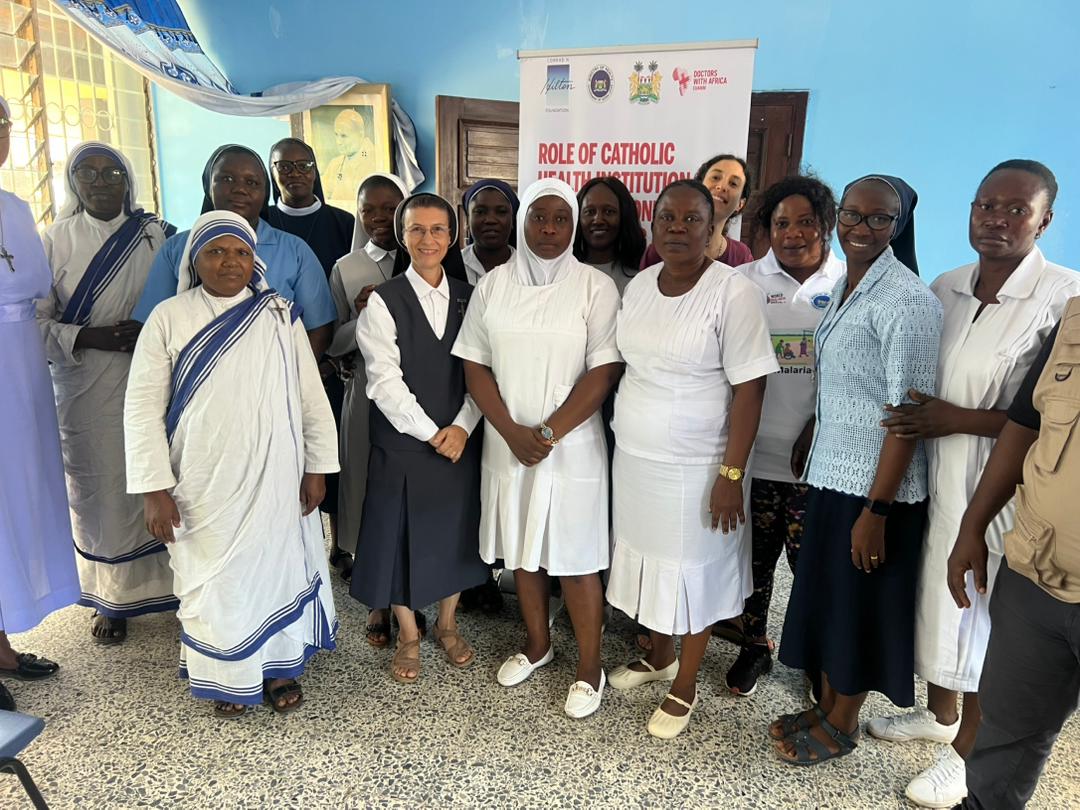
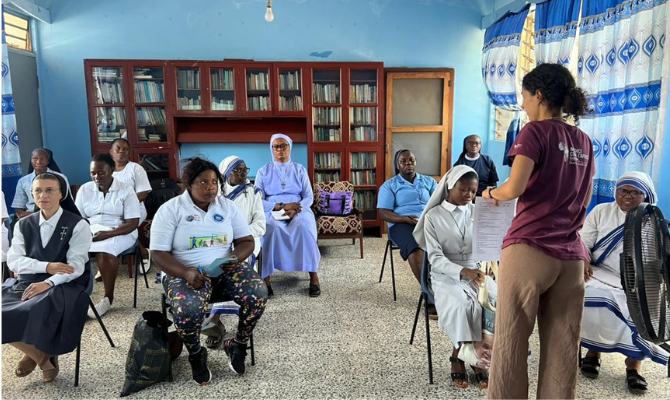
Indeed, another project, funded by the Hilton Foundation, provides training sessions aimed at health personnel from various facilities across the country. On April 24 and 25, Sara Perelli and Mohamed Sannoh traveled to the capital, Freetown, to facilitate a course destined for 12 nuns from local health structures. The topics covered included diabetes, epilepsy, sickle cell anemia, and pregnancy-related complications.
“We have many patients with these symptoms, but due to the knowledge gap, we are unable to diagnose them or manage them adequately. Thanks to today’s training, I have acquired some notions that I will apply in daily practice and share with the rest of the staff,” says midwife Abigail Sulaiman Jalloh from the Dan Sullivan Clinical Center in Waterloo. “I want to thank the donor and the facilitators for teaching us so effectively, especially regarding epilepsy, one of the most neglected and least considered neurological conditions in the country,” adds Sister Victoria from Makeni.
“A great success,” as Dr. Sara Perelli defines the initiative, both for the extensive participation and for the excellent results achieved by the participants in the final tests.
Investing in the training of local personnel doesn’t only mean caring for the patients of today, but guaranteeing that the right to health becomes a sustainable and lasting reality in the heart of every community.