Homenews

6 May 2026

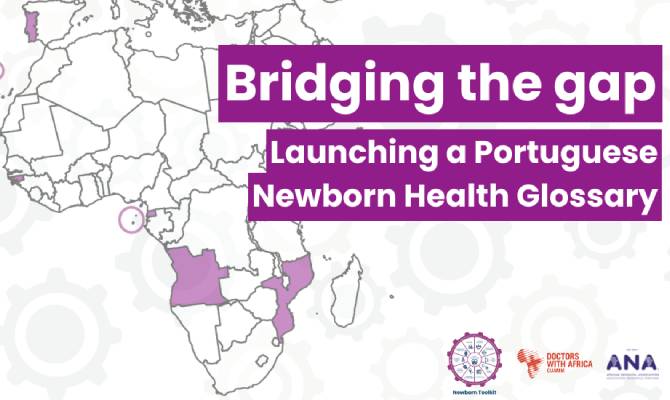
Bridging the Gap a Portuguese Newborn Health Glossary

2026-05-06T12:05:37+02:006 May 2026|

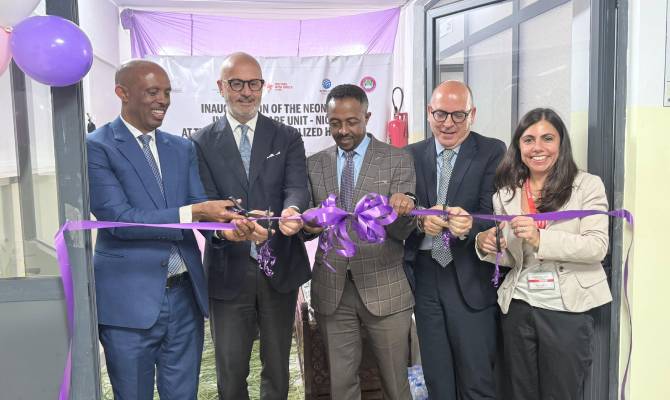
The Newborn Toolkit has just announced the launch of a Portuguese-translated Newborn Technical Terms Glossary that we have contributed in developing, along with the African Neonatal Association. A key tool to facilitate access to current and high-quality information, improve training pathways and ultimately the quality of care.

28 April 2026

WASH in Healthcare Facilities: A Global Call to Action

2026-04-28T09:37:51+02:0028 April 2026|

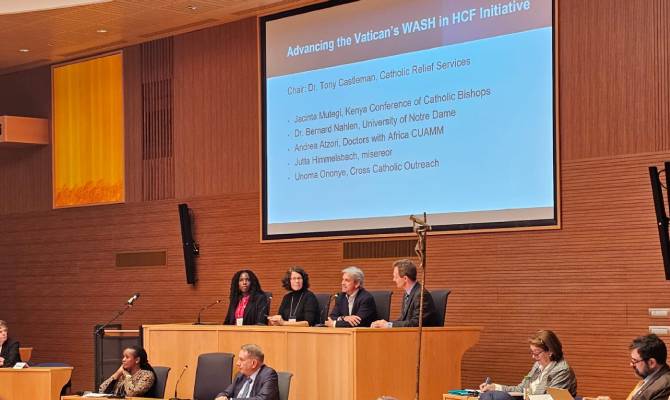
A major international event was held in Rome on April 22–23, bringing together faith-based organizations and partners dedicated to improving access to essential services—water, sanitation, and hygiene (WASH)—in healthcare facilities. The gathering provided a valuable opportunity to advocate for and accelerate progress in strengthening WASH systems in health settings.

25 April 2026

Strengthening care for survivors of violence in Ukraine

2026-05-14T12:41:07+02:0025 April 2026|

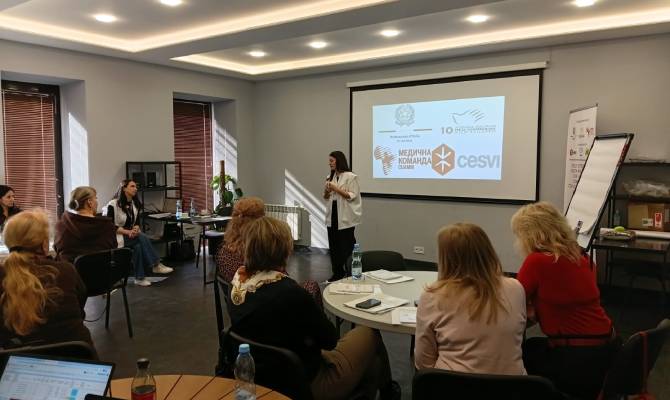
Training health workers in Kharkiv to improve the management of survivors of sexual violence and intimate partner violence (IPV). A key activity within the framework of the SHIELD Project – Strengthening Health and Protection for Vulnerable Communities in Conflict-Affected Sumska and Kharkivska (AID 06/UCR/013157).

17 April 2026

Contrasting GBV to shape a brighter future

2026-04-17T13:19:14+02:0017 April 2026|

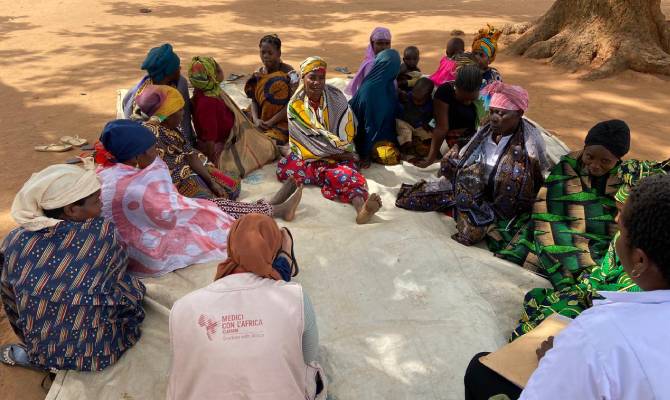
A new commitment alongside young people in Cabo Delgado province to help shape a brighter, more equal, and just future free from violence. The PAZ project, promoted by the Aga Khan Foundation, was officially launched today in Maputo.

13 April 2026

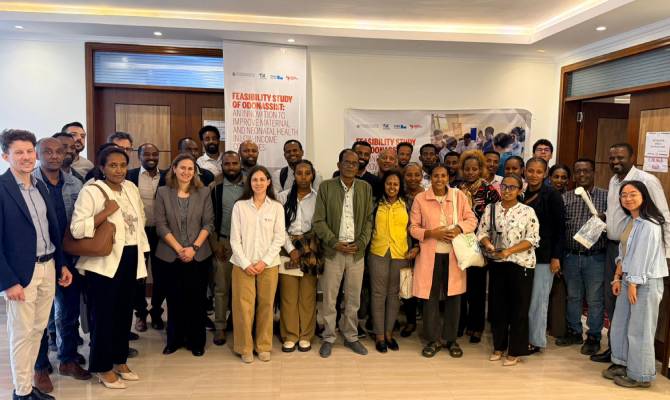
OdonAssist From Research to Practice

2026-04-13T09:12:05+02:0013 April 2026|

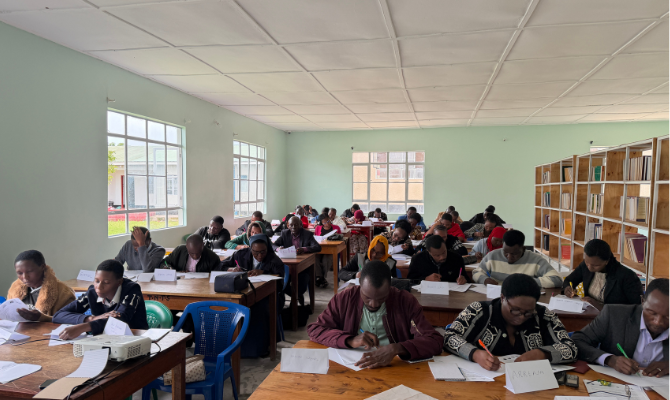
On March 31, we hosted a high-level dissemination workshop in Addis Ababa to present the results of the Assist Ethiopia study. The event marked the conclusion of a feasibility trial for the OdonAssist™—an innovative device designed to simplify assisted vaginal birth (AVB) and reduce the need for risky cesarean sections in low-resource environments.