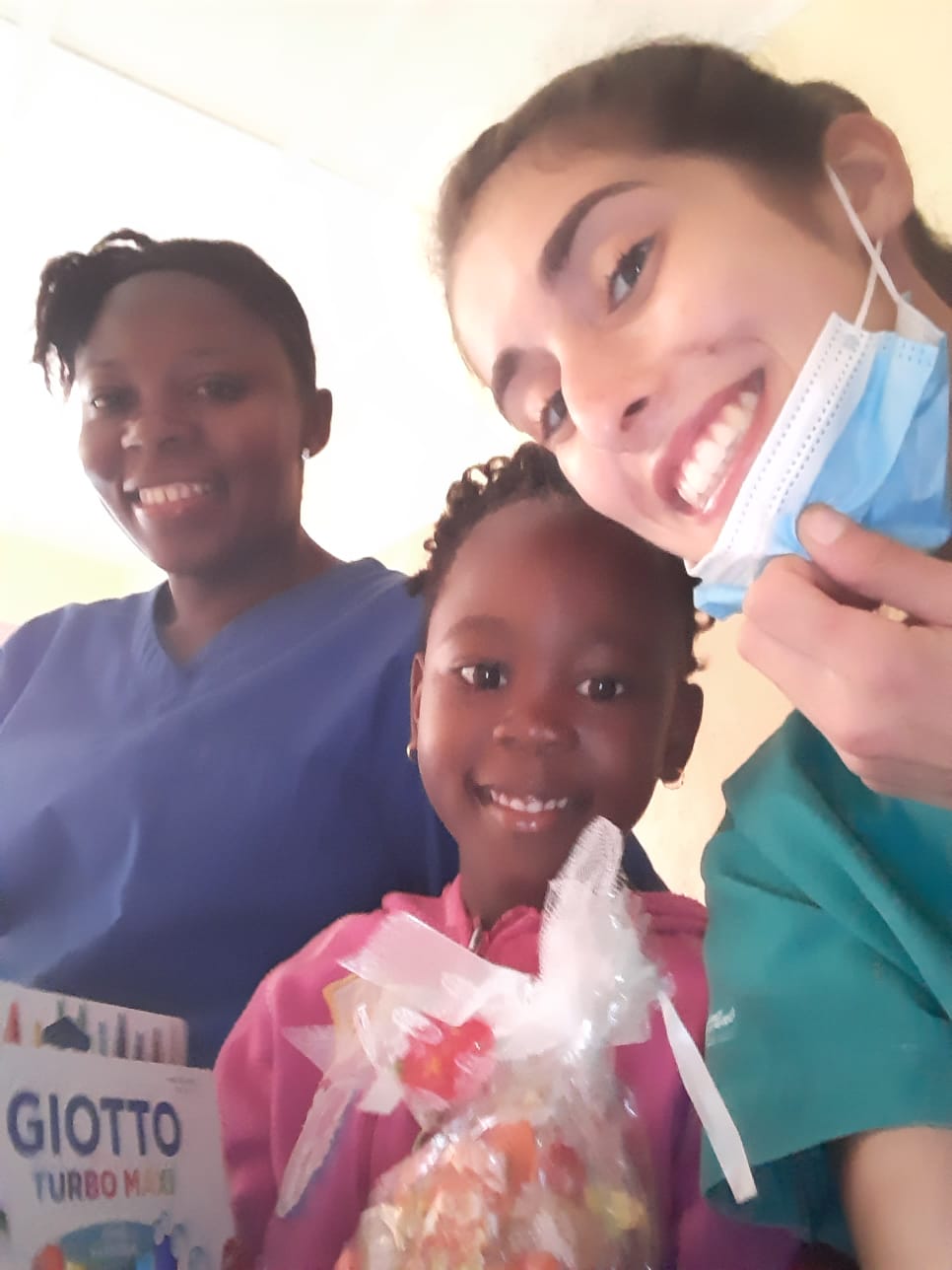
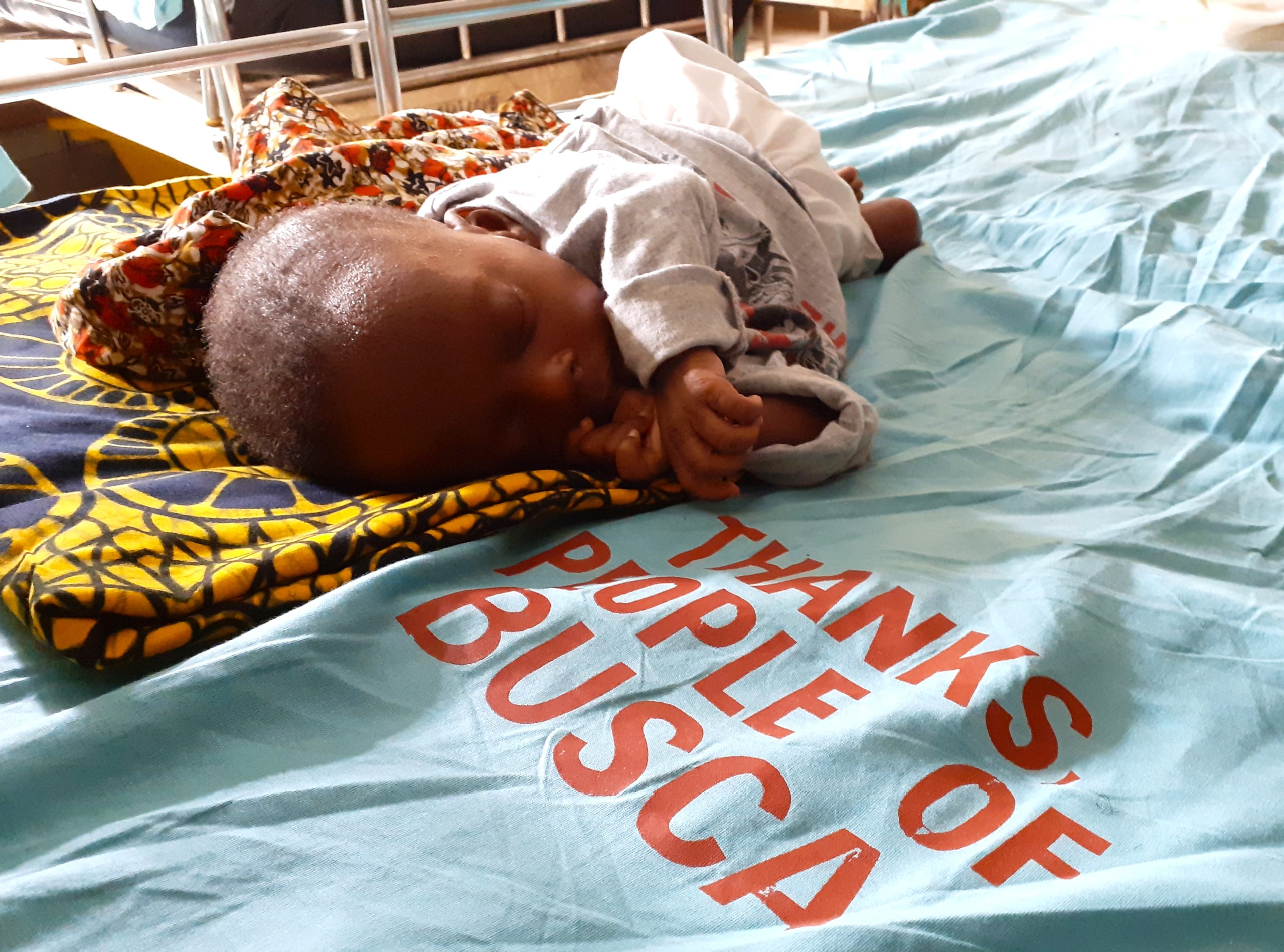
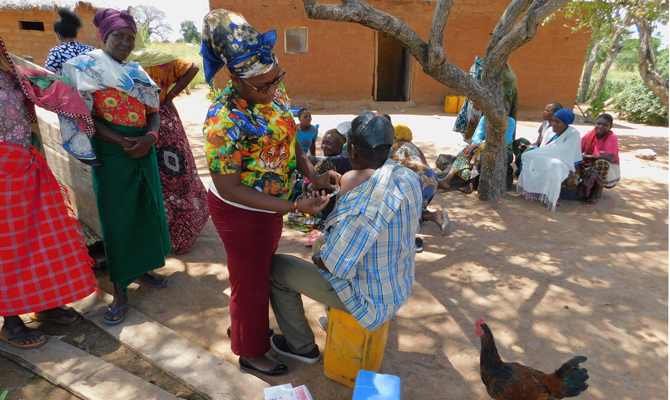
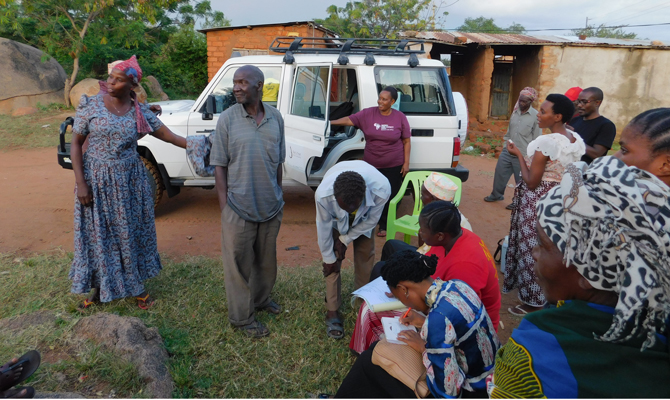
FABIO AND MARICA ON MISSION IN ETHIOPIA

Addis Ababa Airport, Ethiopia, kilometer 0

The wind brings frayed echoes of traditional music, mixed with the twittering of tiny birds. The city of the “new flower,” as it is called in Amharic, wakes up. The Orthodox church is a short walk away and voices in prayer come from there. Our mission is beginning. First stop in the coordinating office, where we meet Riccardo, country manager, Cristina, administrative manager, Ademe, program coordinator. Together we focus on the projects that are ongoing in Tigray and Amhara, funded by the European Union (Echo) and Who. Ours is a planning work, preparatory and functional to everything else.

St. Luke’s Hospital, Wolisso, kilometer 120

Despite a thousand difficulties, St. Luke’s Hospital in Wolisso, southwest of the capital, is a source of pride for Cuamm. Over many years, a reality has been built that still holds up, allows us to be present in a fragile area and to enter with a qualified intervention in the Nicu, the neonatal intensive care unit, where babies live hanging by a thread. That’s the significance of all our reports, papers, documents, and efforts. The hospital recently turned 20 years old… how many patients have been treated here! And even today all the wards are full. Two days ago a woman came in with postpartum hemorrhage, and despite very prompt care, she did not make it. Major cause remains, once again, the delay because of the distance from where mom gave birth to the hospital. Immense spaces of hills and barely passable dirt roads. Against such a backdrop, the waiting house remains the only safeguard to reduce risk. And meanwhile, hospital staff and management continue their daily struggles to ensure accessibility of care amid endless difficulties, such as drug shortages and power going in and out, often malfunctioning medical equipment.

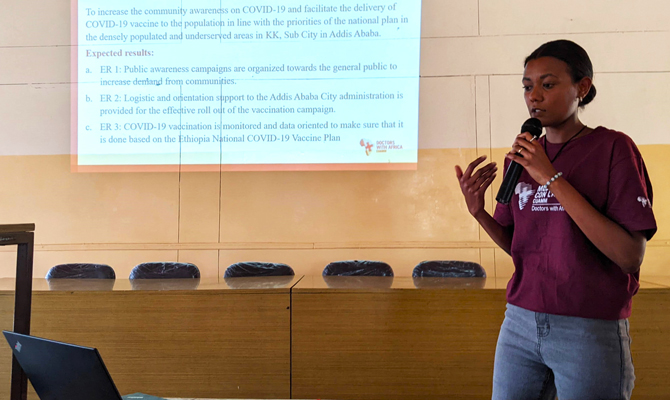
Today we experience Africa helping Africa firsthand. At a workshop with all Cuamm staff, we meet Ethiopian program managers: Tessau, Berhanu and Mary, the only woman, who manage a number of projects in the north of the country. These are local staff in a responsible role, with whom we have been collaborating for some time. The meeting is attended by the full Cuamm staff of 60 people. You can feel the change in the way of doing cooperation, with an Africa supporting Africa: the Ethiopian colleagues are real professionals, with master’s degrees in health sciences, PhDs in public health and expertise that they offer to their country. Our accompanying them is sustainable, because they will soon be walking on their own.

Jijiga, Somali Region, kilometer 600

A flight takes us to southern Ethiopia for a lightning mission. Abdissa, project leader, is waiting for us. We have been operating here since 2020; thanks to the support of the Trevisanato Foundation, we ensured the functioning of the health center by sending staff and mobile clinics. Then, the intervention expanded to two other districts, with support from Aics. The land is very arid, the population is migrant, and there are many refugees from Somalia.

Dharwanaaji, Woreda, kilometer 665

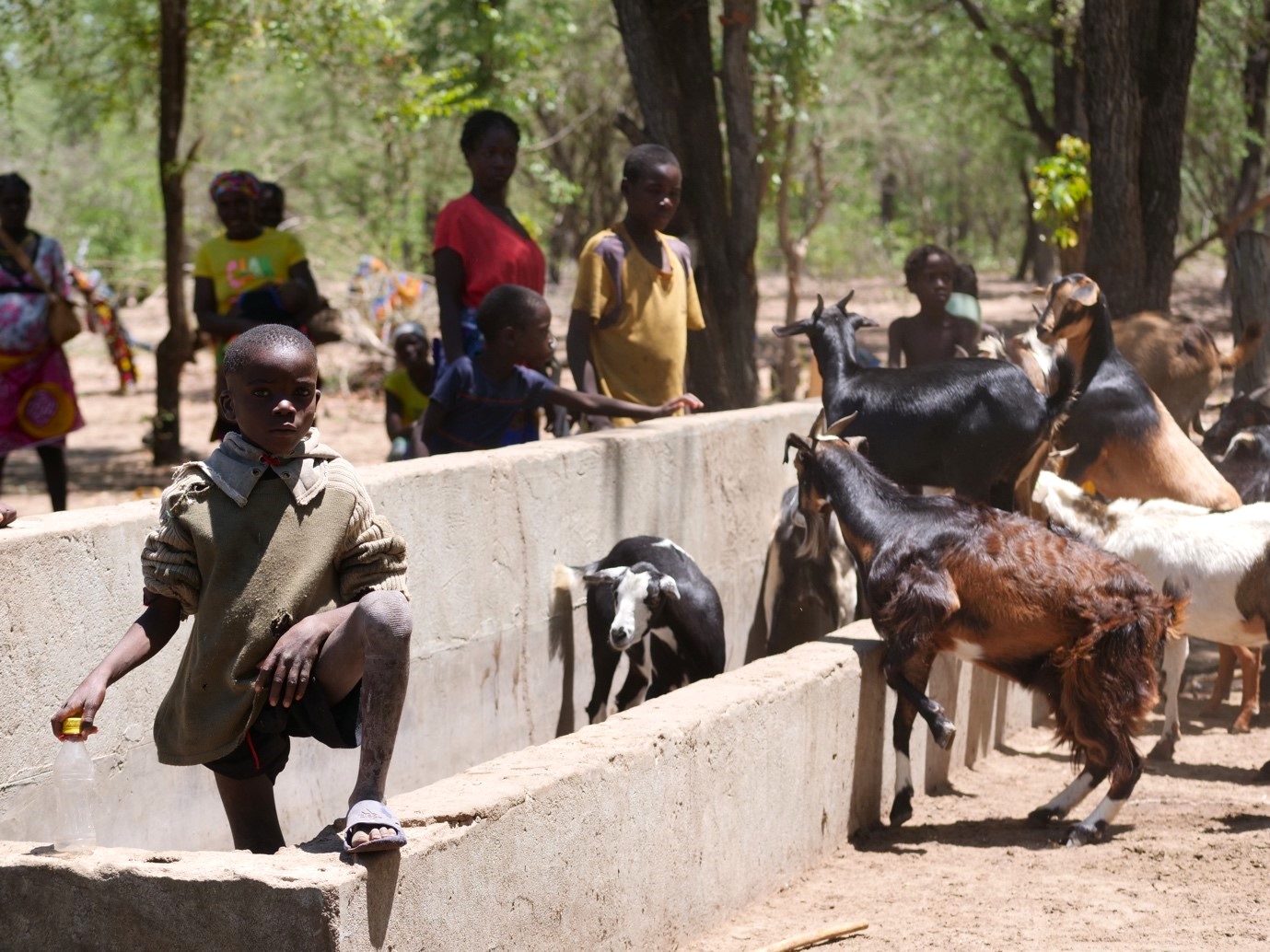
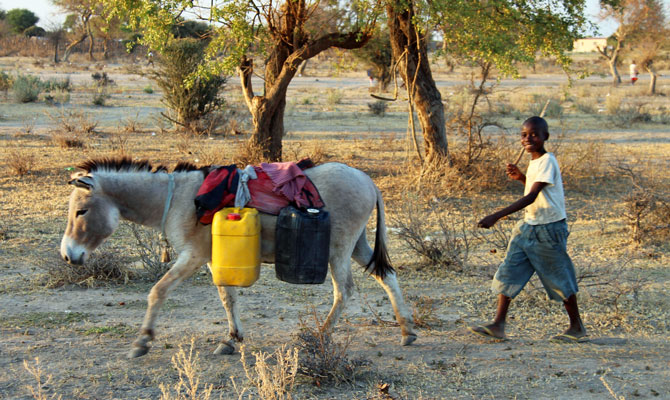
From the capital city of Jijiga, driving 65 kilometers of dirt road, we reach the very health center of Dharwanaaji in the Hawara Woreda, inhabited by 130,000 people. The Woreda has only two health centers and 20 health posts. On the way we intercept herds of grazing camels, cows and sheep that the driver deftly dodges as they cross the road. We glimpse women, covered by Islamic headscarves, walking with heavy jerry cans in their hands. Water is the most precious resource: digging a well can cost 300,000 euros.

Gambella, kilometer 710

We are at the city’s refugee center. The manager points out to us that in addition to the South Sudanese refugees, there are also nomads from other African countries who do not pass through Unhcr registration but are still being assisted. We cannot leave them alone. Later, a moment of serenity: a group of women invite us to participate in the “tea-talk,” the tea ritual, which we sip, hot, accompanied by a handful of “kolo,” a mixture of roasted barley-based grains. These are mothers, who give us a sweet song of thanks for what Cuamm is doing for them and their children.

We move to the general hospital, where we experience the pain. Here the main problem for serious cases, which are transferred even 8 hours away from the region, is the lack of blood. Unfortunately, the Regional Blood Bank has no resources to activate awareness campaigns about the importance of transfusions. With the refugees, the population has grown to 1 million. One of the patients is a small refugee only 10 years old who does not respond to treatment, comatose from meningitis. The doctor decides on a transfer–eight hours of travel on rough roads for a comatose child with seizures. An obstacle course that will cost him his life.

It’s the end of the mission, we return home: the tin roofs scattered between hills reflect the sunlight, as in a kaleidoscope, an expression of our conflicting emotions. We catch sight of the desert plain and it becomes clearer to us how those endless distances are, after all, all connected by little strips of red earth. Which we will not stop walking, with everyone’s help.


Fabio Manenti is a medical surgeon and project manager, Marica Pilon is Ethiopia Project Desk Officer for Doctors with Africa Cuamm.

HYPERTENSION, AN INSIDIOUS CHRONIC DISEASE

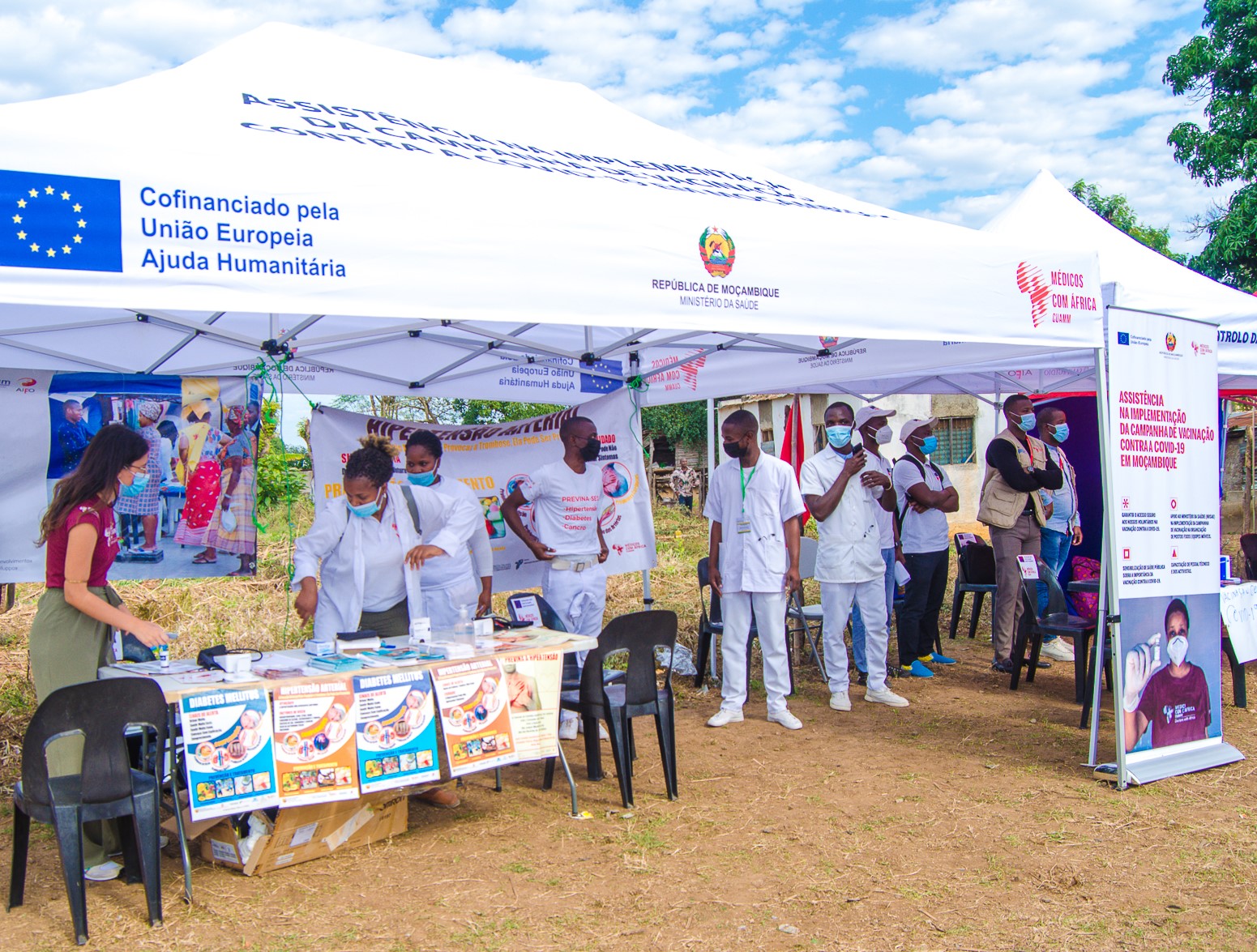
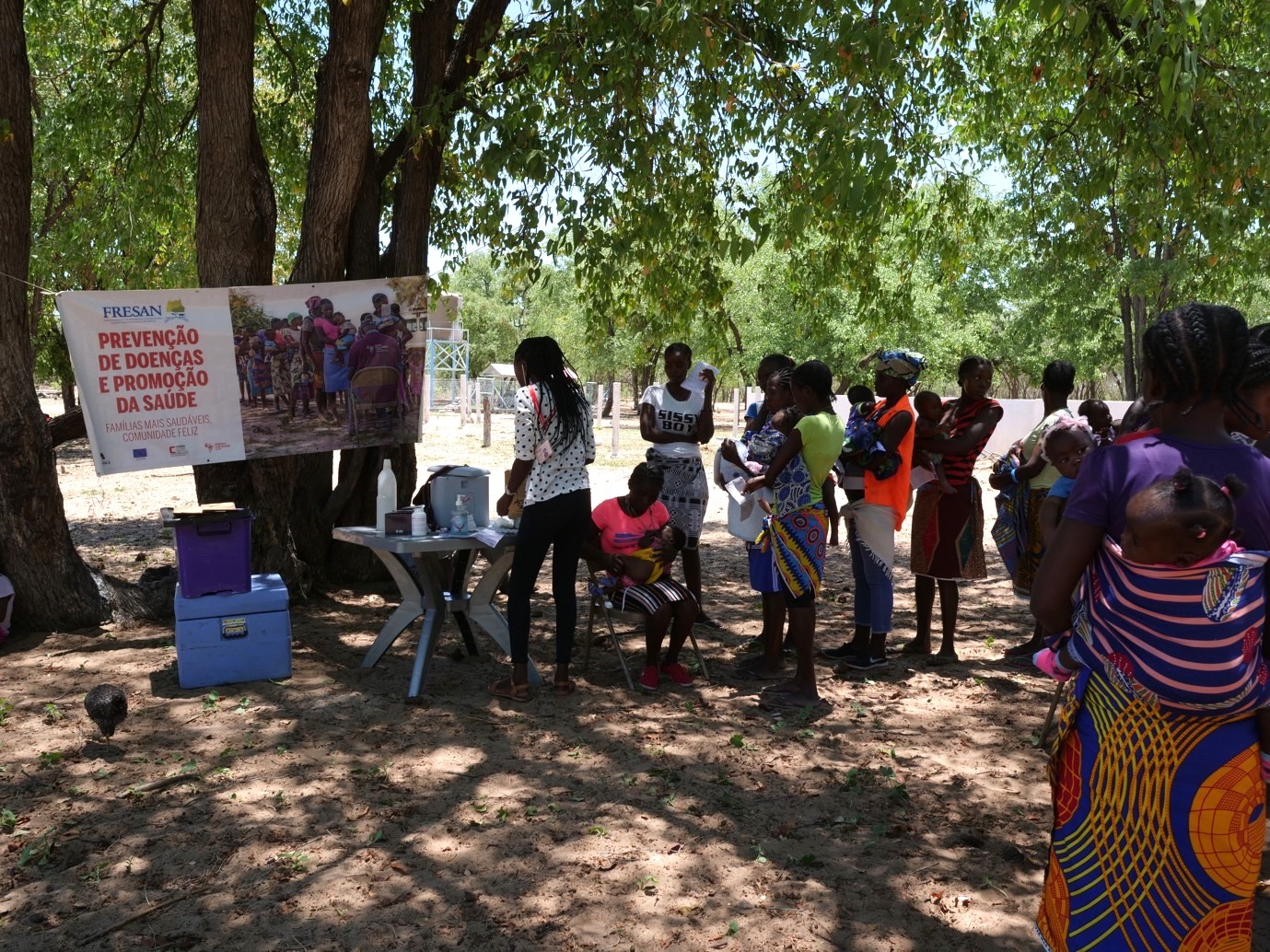
World Hypertension Day reminds us how all chronic diseases need treatment, constant and integrated monitoring because they often intervene together with other diseases, such as diabetes. Today, special attention goes not only to primary health care systems that make it possible to monitor them, put patients on treatment and follow them with community-based treatment (as Cuamm does in Beira in Mozambique, Luanda in Angola, or Ethiopia), but also to the many people who are displaced in their own country or refugees abroad. They are the most vulnerable: in moving around they almost always lose their medical records, they cannot take their treatment with them, they have no medical reference, so they find themselves uncovered for a good period of time, both therapeutically and for medical check-ups.

Doctors with Africa Cuamm follows these patients in Africa, where most of the internally displaced people and refugees in other countries are. We find constant crises in northern Mozambique, where there are internally displaced people in Cape Delgado province or in Ethiopia in Gambella province, where South Sudanese people have found refuge. As they leave the communities and the society in which they live, they do not have health referrals, as well as the ability to access adequate health services, to buy medicines or have access to guaranteed medicines on a consistent basis.

Thoughts also go out to the people of Ukraine and Moldova where we are currently operating due to the ongoing crisis. In Ukraine so many people have fled areas of acute conflict to take shelter in calmer areas, where we have structured a system of medical check-ups and provision of essential medicines. In Moldova, many of the Ukrainian refugees are meeting medical teams on the ground with chronic illnesses, including hypertension and diabetes.

Hypertension, like so many chronic diseases, is a growing problem in Africa. Our commitment is to strengthen health systems, in partnership with local authorities, by enhancing services with a view to sustainability and system growth to provide people with adequate treatment throughout their lives.

In Africa, hypertension is also a problem in adulthood. It is noted to be slightly earlier due to malnutrition and is an increasingly common condition. Since it is a chronic situation, following diagnosis it must be followed throughout life and becomes a major challenge for weak systems. That is why prevention is a key element in all Doctors with Africa Cuamm programs, to prevent all its effects. Sometimes it is too late to get treatment especially in weak health systems. Nutrition and physical activity are also challenging practices in settings where there are refugees, no security, no adequate environmental conditions. Some large cities like Luanda in Angola do not allow for healthy living. In addition to this, there remains the problem of early diagnosis: sometimes all it would take is to change the diet in time and the patient could already receive a benefit, even before giving a treatment that they then have to follow for life. Medical screenings are important for this. Unfortunately, in Africa the more acute effects of hypertension, such as strokes, are difficult to treat, so prevention becomes crucial.

Andrea Atzori, international relations manager

ESPOIR, RECOVERING FROM MALARIA AT TWO YEARS OLD

We are in Bangui, where malaria is the main cause of death under five. Here is the testimony of Corinne, a CUAMM nurse.

«He is in a state of shock, his pulse is fast but weak, his large brown eyes are open but empty, he is breathing heavily and rapidly, he is pale, the conjunctivae of his eyes and the palms of his hands and feet are white; he is alert, with a very high temperature. We immediately take his vital signs, place oxygen, a cannula and carry out urgent blood tests. We soon discover that he is positive for malaria and has a very low haemoglobin, 2.4 gr/dl (normal values are 11-13 gr/dl). We immediately ask for a blood bag, explaining to the mother that she or someone in her family will have to donate blood if she wants to save her baby. Blood is scarce in Africa, so it is important to raise awareness of the importance of donating “because one day you might need it too”».

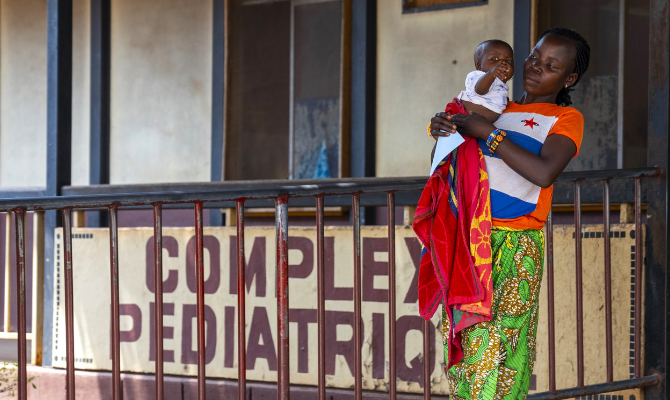
Corinne, a CUAMM nurse in Bangui, tells us the story of Espoir, an almost two-year-old boy, who arrives at the Complexe Pédiatrique in his mother’s arms, in tears, because the little boy does not react. In the Central African Republic, malaria is the disease with the most serious impact on the population and still the main cause of death in children under five. In the rainy season, the transmission rate increases significantly and the disease becomes more deadly.

«The mother is frightened, explaining that a few months ago she lost a four-year-old boy in the same condition. We try to reassure her and explain that we will do everything possible to save her son. There is no time to lose. While waiting for the blood, we give him the antimalarial drug, an antibiotic and an antipyretic; we keep him on an IV to stabilise him. Finally, the transfusion arrived and we mounted it immediately. The fever came down and after a few hours Espoir started to react, he cried and latched on to the breast; this is always a good sign. He will remain in the observation room until the next day and will be transferred to the ward for another five days, before being discharged with a 48-hour follow-up.

Espoir in Italian means hope, which we must never lose! Espoir is one of the lucky few who have made it. For those who work in this context, if even one little sick person makes it, you receive a great strength that confirms the choice you have made and the conviction that you could not be anywhere else.

Awareness-raising campaigns are under way in Bangui’s neighborhoods and suburbs, with the help of community leaders, in the “centre de santé” and through radio spots, explaining the importance of using mosquito nets, of taking the child immediately to a health centre or to the Complexe pédiatrique in case of symptoms such as fever, asthenia, paleness or convulsion. In this hospital that we support, health education and awareness-raising also play a fundamental role and are carried out on a daily basis. Trained staff travel around the hospital to raise awareness among mothers about malaria and its prevention. A commitment that can never be lacking».

PROUD OF BEING FATHER

«My name is Isaya and I am father of two sons: Innocent and Steven. Innocent is now hospitalized here, at the malnutrition unit of the hospital, while Steven is living with his aunt. We arrived here two weeks ago, as we noticed a wired swelling of Innocent’s hands. I was worried about his conditions and I wanted him to be examined in order to receive medicine to make him feel better. However, the doctors decided to hospitalize him, as he was diagnosed with Kwashiorkor, a serious form of malnutrition, due to a lack of proteins and other nourishing elements essential in children’s diet. He needed oxygen to breathe and a feeding tube to be nourished. I felt reassured when I noticed how doctors were taking care of him.

Innocent had been hospitalized for one and a half month at the intensive therapy unit. Once his conditions improved, he could be dismissed. He was finally able to talk, play, eat and moreover, he told his mother: “I prefer rise than ugali”. Unfortunately, his health conditions suddenly got worse again; therefore, here we are one more time. I had to leave my work and come here at my sister’s house, located in a village near Ipamba, to support my son.

Since I came here, doctors and nurses taught me how to take care of my son, how to properly prepare and warm milk and how often should I give him the food. Therefore, I wanted to help other mothers in the unit, explaining them how to take care of their children. During the night, I wake them up to remember that it is time to prepare milk. I taught them how to check their children’s temperature and if too high, report it to nurses. A childhood development specialist is organizing activities and plays to stimulate Innocent’s development and to communicate with me, his mother and other children.

I am the only one father at the unit, as normally in our culture children care is not men responsibility. They are ashamed of it leaving the whole responsibility to mothers who need to provide themselves alone to their children. If I had the possibility to talk to them, I would tell them that when you become parent your son is a gift and it is important for the whole community. It is important to involve fathers in children’s growth, educating and raising awareness among villages about health and children care. My friend asked me often why I am in the hospital, as if it were wired; and I usually answer “Yes, I am taking care of my son, I want him to be healthy again and feel good”. Unfortunately, there is a lack of education; we have not enough instruments to understand the importance of personal and children’s healthcare. Therefore, it is essential that community operators go to villages to raise awareness among communities about many themes, especially, giving advises about proper nutrition, health education and good hygienic practices. I would like to do the same to avoid that other children could suffer as my son».

Life and Love will win, HAPPY EASTER!

Easter is coming. A holiday to commemorate resurrection, life over death. Our thoughts cannot fail to go with those living in dark times, facing suffering and death every day. As Pope Francis keeps reminding us, every conflict, every war is a sacrilege, an atrocity we have to stop fuel before it destroys human beings. Everywhere in the world. From Ethiopia to Northern Mozambique, from South Sudan to Central African Republic up to that one closer to us, in Ukraine. We are constantly, deeply, dedicated to our mission in Africa. That is where our heart and life are. Nevertheless, we are now called to show solidarity also to the nearest mile.

Chinisau e Chernivsti: these are the cities from which our health workers received a deafening appeal for help. Specific interventions. Something we are capable of in a country we are just getting to know; interventions implemented according to our mission, addressing primary health needs while working alongside local authorities; cautiously yet concretely.

Chernivsti is a small town in the north-western part of Ukraine not yet bombed. There, 200.000 inhabitants have welcomed 150.000 internally displaced people. All the schools have been converted into shelters. We are helping five hospital and a local NGO here, providing them equipment and drugs that are essential yet hard to find. Moreover, thanks to 4 ambulances donated by Regione Veneto, we are setting an emergency service to transfer the most vulnerable from inland areas to this town; they are pregnant women, children and elderly.

In Chinisau, the capital of Moldavia, the first Cuamm doctor arrived on April 3rd. His name is Paolo and he is setting up a mobile clinic in a reception centre hosted in a church. The clinic will support the Moldovan health system, that is approaching the breaking point, providing primary health care to refugees fleeing from the south.

I received a message from our colleague Giovanna, who is working on this intervention and has just returned from Ukraine:

«Life must go on, one way or another. While we hope that the war end soon, we also believe that the pain and grief caused can only be mend with love, peace and humanity. Never forgetting that we are brothers and sisters living in the same world and that humanity will win over atrocities. This is what I have seen and heard and witnessed spending my time with Natalia and Katharina in Ukraine, but also with Anastasia and her children, refugees from Odessa who arrived in Chisinau. Life and love will win».

Sure that Life and Love will win, I wish you

HAPPY EASTER!

D.Dante

PS. If you want to know what we do every day to “play our part”, you can follow the stories from Moldova and Ukraine.

Read the stories


WDF TURNS 20 :|THE POWER OF PARTNERSHIP FOR DIABETES’ CARE AND PREVENTION

[fusion_builder_container hundred_percent=”no” equal_height_columns=”no” menu_anchor=”” hide_on_mobile=”small-visibility,medium-visibility,large-visibility” class=”” id=”” background_color=”” background_image=”” background_position=”center center” background_repeat=”no-repeat” fade=”no” background_parallax=”none” parallax_speed=”0.3″ video_mp4=”” video_webm=”” video_ogv=”” video_url=”” video_aspect_ratio=”16:9″ video_loop=”yes” video_mute=”yes” overlay_color=”” video_preview_image=”” border_size=”” border_color=”” border_style=”solid” padding_top=”” padding_bottom=”” padding_left=”” padding_right=””][fusion_builder_row][fusion_builder_column type=”1_1″ layout=”1_1″ background_position=”left top” background_color=”” border_size=”” border_color=”” border_style=”solid” border_position=”all” spacing=”yes” background_image=”” background_repeat=”no-repeat” padding_top=”” padding_right=”” padding_bottom=”” padding_left=”” margin_top=”0px” margin_bottom=”0px” class=”” id=”” animation_type=”” animation_speed=”0.3″ animation_direction=”left” hide_on_mobile=”small-visibility,medium-visibility,large-visibility” center_content=”no” last=”no” min_height=”” hover_type=”none” link=””][fusion_text columns=”” column_min_width=”” column_spacing=”” rule_style=”default” rule_size=”” rule_color=”” hide_on_mobile=”small-visibility,medium-visibility,large-visibility” class=”” id=”” animation_type=”” animation_direction=”left” animation_speed=”0.3″ animation_offset=””]

World Diabetes Foundation turns 20 and celebrates the achievement of the goal offering an online symposium entitled  “20 years of improving lives together- the power of partnership towards better diabetes care and prevention” on Wednesday March 30th. An extraordinary opportunity for professionals to discuss best practices and find new approaches in care and prevention of diabetes, bearing in mind lessons from the past while looking forward.  Among many other speakers, Doctors with Africa is taking part in the symposium to take the experience and the expertise acquired in Africa and to emphasize the importance of partnerships such as the one started in 2014 with the WDF that has been bearing fruit ever since. In Ethiopia, for example, which is rated among the four countries in Africa with the highest incidence of diabetes counting more than 1,7 billion people with the disease. A three-year project, ended in 2022 and implemented with the support of the WDF, yielded remarkable results: 14.455 people tested for diabetes and 17.098 tested for hypertension; 22.470 patients treated in health facilities supported by Doctors with Africa in the framework of the project and 392.355 people sensitized to the topic. Moreover, 505 health workers trained on NCDs and 105 supervisions carried out in health facilities.

The commitment to tackle NCDs is renewed in other countries across Africa such as Sierra Leone and Mozambique where Cuamm is implementing screening and sensitization activities, offering diabetes treatment and promoting healthy habits. In order to reaffirm its decades-long call to beat NCDs, the project “Hub and Spoke” launched in Mozambique by Doctors with Africa aims at creating health centers to provide diabetic children and young adults with treatment and care. Over 70 years of presence in Africa, Doctors with Africa has witnessed the rise of numerous non-communicable diseases such as diabetes, little-known and neglected conditions. The partnership with WDF permitted to implement interventions to bring about a change in health systems, engaging communities, local activists, health authorities and Ministry of Health. The population’s health benefitted from integrated responses that matched the experience and knowledge of Cuamm with WDF’s professionality and competencies. As in Ethiopia and Mozambique, positive results were achieved in Sierra Leone where a total amount of 5.342 pregnant women and 2.847 patients from 10 health facilities were screened in the districts of Pcmh and Pujehun.

«I wish to thank WDF for this opportunity – says Andrea Atzori, Head of International Relations at Cuamm and speaker in the symposium. Over many years of on-field interventions, we have learnt from experience that the defeat of non-communicable diseases such as diabetes must be addressed taking into account three cornerstones that perfectly reflect the mission of Doctors with Africa Cuamm, namely: the strengthening of health systems, which means that care and prevention of diabetes must be integrated into local health services; the engagement of multi-level stakeholders, from the Minister to hospitals up to health facilities and communities; last but not least we believe that no one single person can be left behind and every efforts must be made to reach the “last mile”. Therefore, partnership as the one between Cuamm and WDF are worth and do make a difference to everyone, everywhere, only if context-oriented».

Register here

[/fusion_text][/fusion_builder_column][/fusion_builder_row][/fusion_builder_container]

MARCH 24TH WORLD TUBERCOLOSIS DAY:|CUAMM RENEWS ITS COMMITMENT TO DEFEAT ENDEMIC DISEASES

Every year, March 24th marks the World Tuberculosis Day. This event aims to raise people awareness about the burden of tuberculosis. A total of 1,5 million people died from TB in 2020 and an estimated 10 million fell ill with tuberculosis worldwide. 25% of those people lives in Africa. The theme of World TB Day- “Invest to end TB. Save lives” – conveys the urgent need to keep investing resources to ramp up the fight against TB.

Doctors with Africa Cuamm has been working in Africa for over 70 years. Throughout this time, it has been witnessing the burden and consequences of tuberculosis, a predictable and curable disease that “takes the breath away”. Despite the difficulties, Doctors with Africa has never abandoned patients seeking for health care not even in the hardest time, when Covid-19 spread across African countries limiting people access to health services.

«Every day people with TB enter the hospitals we work in: from Rumbek in South Sudan to Wolisso, Ethiopia, not to mention Tosamaganga, Tanzania. Mortality rate is particularly high in some countries such as Angola where it is estimated to 62/100.000 inhabitants –claims Fabio Manetti, Head of Project Management Department at Cuamm. We detect and treat TB in hospital, some of the facilities we work in are equipped with advanced devices such as Genexpert that permits to detect TB, including MDR-TB or tuberculosis-multidrugs resistance. Four of the hospitals we work in are provided with such device that last year allowed us to identify 22 patients who are drug-resistant. Early diagnosis is crucial to detect and treat drug-resistant TB which is more likely to cause death and which effects might jeopardize the 2 years treatment.

Beside clinical interventions, community engagement is also effective in addressing TB prevention and treatment care as demonstrated by the results achieved in Angola and Uganda».

Team work and community engagement are particularly important in Uganda, especially in Karamoja, a poor region inhabited by a nomadic tribe where 6.000 cases of TB are reported every year. With the support given by the Italian Agency for Development Cooperation (AICS) and The National Trust for Italy (FAI), Cuamm is implementing cross-sectoral interventions including on-field activities, such as supervisions in remote villages; mobile clinics and patient transfer to pick up drugs as well as hospital health care. 5 districts, 26 counties and a population of around 600.000 people are benefiting from the intervention implemented with the support of 2.200 community activists. In 2021, 83.566 people were screened for TB, 15.991 suspected were referred to hospital to confirm the diagnosis and 1.272 people were diagnosed and treated.

«Many people here believe that a positive diagnosis to TB implies Aids. This is only a myth. I am glad for the training received because now I can work within the community and play my part to help them». Paul Lotyang-57 years-old, lives in Kotido with his three sons. His wife passed away. He was selected by Cuamm for the training program designed for community activists. His duty consist of going from one village to another trying to detect TB suspected cases. He is illiterate but he knows how to recognize signs and symptoms of the disease so once he has detected a case, he is in charge of guiding patients to health center to receive the diagnosis. His role is pivotal in the contact tracing system and his close relation with patients reduce the risk of treatment abandonment since he follows them to pick up drugs. «He enjoys the loyalty of the community therefore when someone is sick they ask Lotyang to take them to health center. He is so deeply trusted, they call him “Doctor”» says Kenneth Kuanda, Cuamm staff in Uganda.

We cannot fail to mention the “CombaTB” project implemented in Angola to end TB and its co-morbidity with HIV during Covid-19. The project aims at performing early diagnosis and consequently refer patients to Luanda province for treatment. Training program to health personnel, equipment supplies, support to data management and patients follow-up are among the activities of the project realized by community health workers.

PARMA THE CHILDREN’S HOSPITAL HAS A NEW ADMISSION PATHWAY

New sections within Paediatric General and Emergency Department are being inaugurated today. The Paediatric Emergency Department has been redesigned in order to improve admission patterns and care services at Children’s Hospital “Pietro Barilla” in Parma where a new waiting room and dedicated areas have been introduced. The new sections, inaugurated today, have been implemented by Doctors with Africa Cuamm in the framework of IRC19 project “Italia Response to Covid-19: Improving governance and community preparedness for a resilient society (IRC19)”, supported by USAID, United States Agency for International Development.

Due to Covid-19 pandemic, our national health care system has been under strain over the last two years. We have to be ready to face unpredicted outbreaks setting an efficient triage system. For this reason we are inaugurating today the reorganization of the emergency department at Children’s Hospital in Parma, meant to implement a safety protocol to segment Covid from non-Covid patients. The emergency department provides care and attention to around 20.000 children coming from all over the province and is now organized with clear pathways and specific areas dedicated to the little patients. In these days, our thoughts are with Eastern Europe, with Ukrainian people facing the inhumanity of the war but Covid-19 is not over yet. Altough vaccines are proved to be highly effective against severe illness, numerous patients still seek health care and assistance and many of them are children. This intervention will strenghten our preparedness and response to Covid-19 in the upcoming months.

Structural interventions including different waiting rooms and a dedicated area for paediatrics patients were designed in order to create parallel binary triage system to separate patients with fever from those who do not have. Moreover, another space with direct access from emergency room was designed for patients with suspected or confirmed Covid.

According to Dr. Massimo Fabi – General Director at Azienda Ospedaliero-Universitaria di Parma, “Covid-19 pandemic forced us to introduce structural and organizational changes while rethinking model of health care by introducing integrated services. The support provided by Doctors with Africa CUAMM and USAID (United States Agency for International Development) to the paediatric emergency department enabled us to strenghten our multi-specialist healthcare organization through logistics and effective pathways in a facility that receives around 20 thousands minors every year as the emergency department within Children’s Hospital “Pietro Barilla”».

«Covid-19 proved that global health emergencies such as a pandemic require a global response – states Robert Needham, American Consul, US Consulate General Milan- Our work is still ongoing, however, we cannot forget that global response needs local partners. No amount of money can prevent Covid-19 from spreading without the efforts of driven, committed and generous partners such as Doctors with Africa CUAMM and Children’s Hospital “Pietro Barilla”. We are proud of the donation that USAID, on behalf of the American Government, gave to Doctors with Africa CUAMM to implement IRC19 project. Over the last two year, CUAMM have proved its competencies and resilience in responding to the pandemic. Hence, we would like to express our gratitude for this partnership».

«I wish to thank you all for this important donation – states Prof. Gian Luigi de’ Angelis Director of Maternal and Child Health Department at Azienda Ospedaliero Universitaria in Parma- that contributed to rethink the triage system in our paediatric ward by segmenting Covid from non-Covid patients in the hardest time of this health emergency. Today, while atrocities are being committed in the world also against children whose safety should always be a priority for all, we deeply feel the value of solidarity.»

«The intervention at the Children’s Hospital in Parma was realized by Doctors with Africa Cuamm to support health facilities during the pandemic – explains Andrea Atzori, Chief of Party IRC19 project and Head of International Relations at Doctors with Africa Cuamm-. Such intervention is part of a wider commitment that has been driving Doctors with Africa Cuamm over the last two years. With the backing of USAID we have supported 19 facilities in six Italian regions; have provided health care to vulnerable groups in Piedmont, Liguria, Campania and Apulia; we have set and managed a vaccination point in the province of Padua while also providing health workers with supplies of personal protective equipment and training program. In the meanwhile, we have never forget nor have we left behind our work for the promotion and protection of health in 8 countries in sub-Saharan Africa, ranging from implementing Covid-19 vaccination campaign to promoting maternal and child healthcare».

USAID (United States Agency for International Development) financing IRC19 project, is the world’s premier international development agency working in over 100 countries.

The writing of this press release was possible thanks to the generous support of American citizens on behalf of the United States Agency for International Development (USAID). The contents are the exclusive responsibility of Doctors with Africa Cuamm, recipient of the Fixed Amount Award (FAA) No. 7200AA20FA00013 and do not represent the opinions of USAID or US Government.

Fighting HIV is possible

The “Test&Treat” project is coming to an end, with a closing event in Dar Es Salaam, Tanzania, attended by Professor Anton Pozniak, one of the world’s leading experts on HIV, Marco Lombardi, Italian Ambassador to Tanzania, and representatives of international and local agencies. Important results have been achieved: 6 HUBs have been supported, 338,204 people have been tested for HIV, 7,741 patients are currently on antiretroviral treatment, of whom 3,929 have been treated since the start of the project, thanks also to the 76 CLUBs created, community groups of HIV-positive patients that facilitate adherence to treatment and peer support. To date, 1,469 patients are members of the CLUBs. The project was funded by the Gilead Fundation, started in 2016, over 5 years, involved the northern regions of Shinyanga and Simiyu. The main aim of “Test&Treat” is to reduce transmission and improve the quality of life of HIV-positive people while promoting better access to treatment.

“I lived with Hiv for 11 years and initially felt discriminated against by my community. In 2019, I went to Ngkolo Health Centre, where I was given information about CLUBs. Since then things have changed – says Edita, a member of one of the CLUBs. – Being a member of the CLUB has helped me to improve my condition while taking care of my family. Before, it cost me much more time to go to the hospital to receive treatment”.

A strategy implemented by hospitals and community health centres (HUBs) to facilitate continuity of care. The closing event was a great opportunity to share the progress we have made together in the field to tackle and stop the HIV epidemic: a great challenge but an achievable goal.

Ukraine. Political dialogue and diplomatic action must continue

Against the decision to focus everything on military alliances and the threat of arms in an independent state, LINK 2007 network of NGOs reaffirms the need to make every effort to return to political and diplomatic dialogue, even if this seems impossible.

War affects above all the populations and the vulnerable people with destruction, deaths, wounds, oppression, displacements, encouraging hatreds and grudges that remain unforgettable for a long time.

In recent decades, we have seen and experienced these consequences directly in many areas of armed conflict and war where millions of people have been affected and where nothing has been resolved, abandoning entire populations to their sad fate. LINK 2007 NGOs and many other NGOs have been and continue to be at their side, continuously bringing that message of peace that has been denied them.

We can say with the certainty: war never solves anything. Despite being aware of this, the blindness of the political decision-makers has been impressive. In the past years they have used it as a fig leaf to conceal their inability to deal with problems through dialogue and constant and tenacious diplomatic action, in the mutual understanding of the reasons of others.

LINK’s NGOs have been operating in Ukraine for some time and will continue their solidarity and humanitarian presence in this difficult context, alongside civil society organisations and the most needy populations.

“LINK 2007 – COOPERAZIONE IN RETE” is composed of the following NGOs: AMREF HEALTH AFRICA, CESVI, CIAI, CISP, COOPI, COSV, ELIS, ICU, INTERSOS, LVIA, MEDICI CON L’AFRICA CUAMM, SOLETERRE, WEWORLD, WORLD FRIENDS

presidenza@link2007.org – www.link2007.org