A PHOTOGRAPHIC EXHIBITION CELEBRATING THE UNION BETWEEN ITALY AND UGANDA

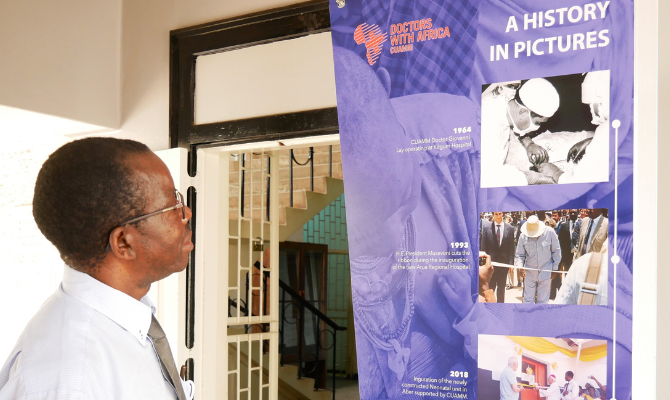
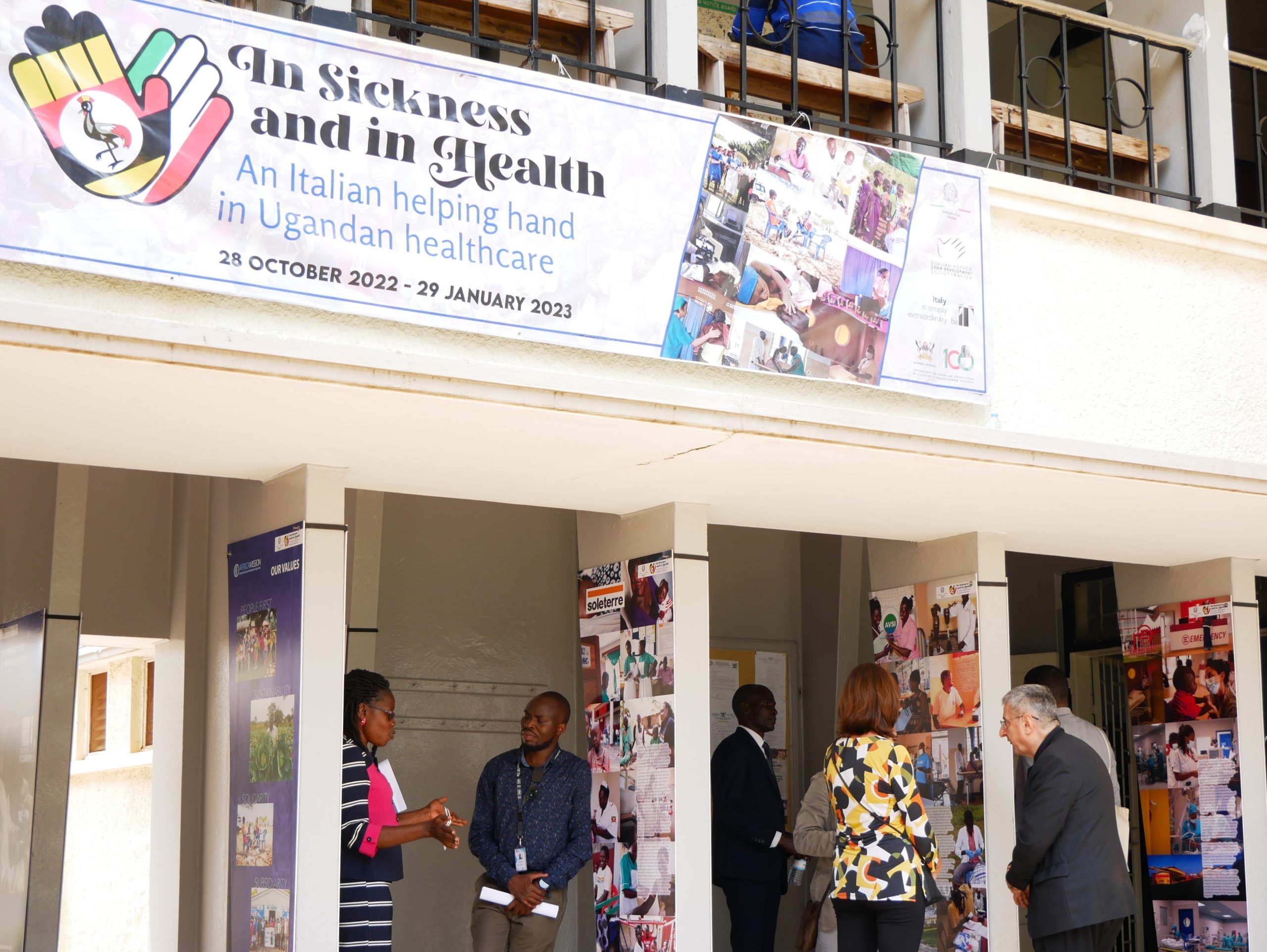
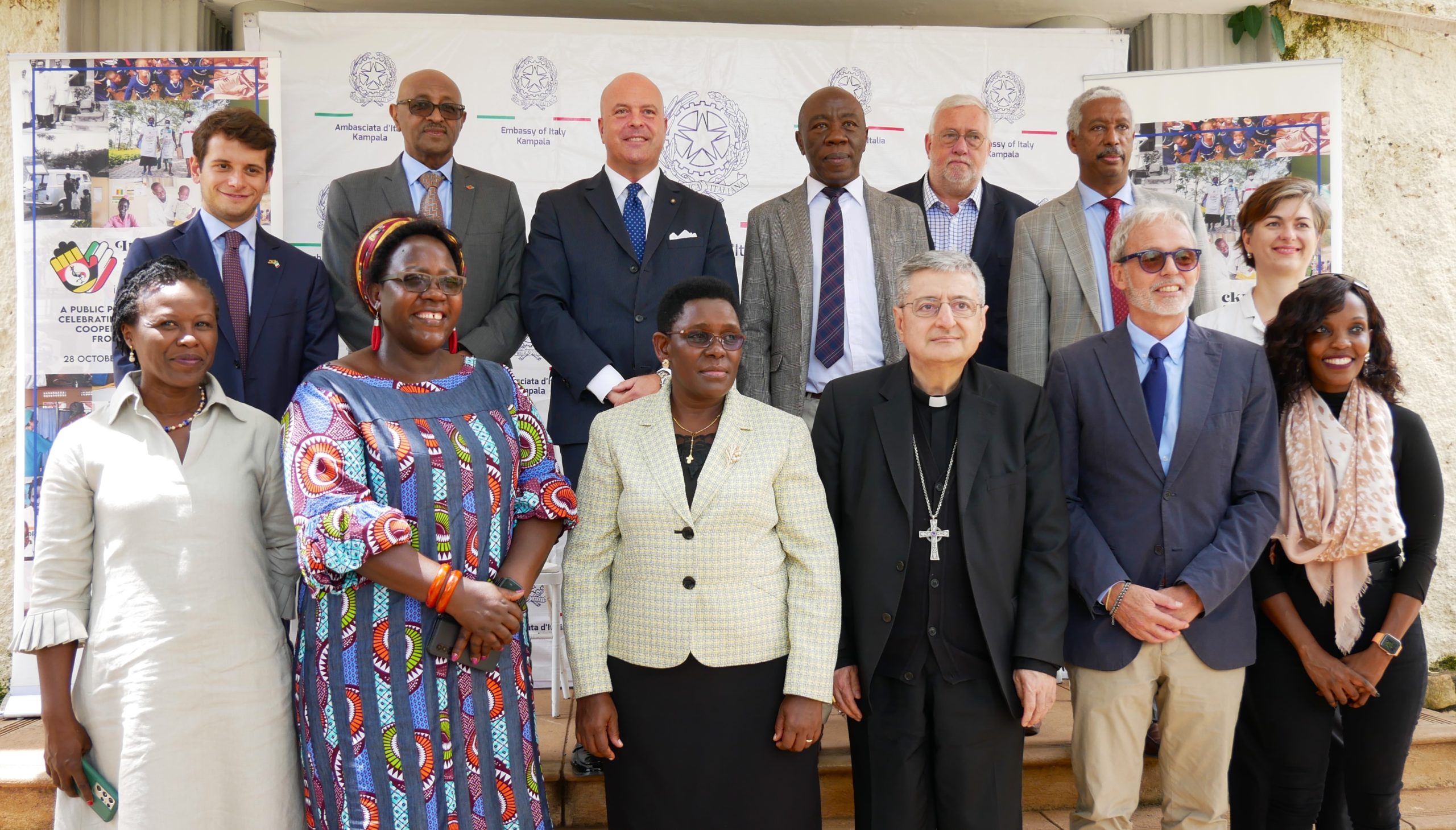
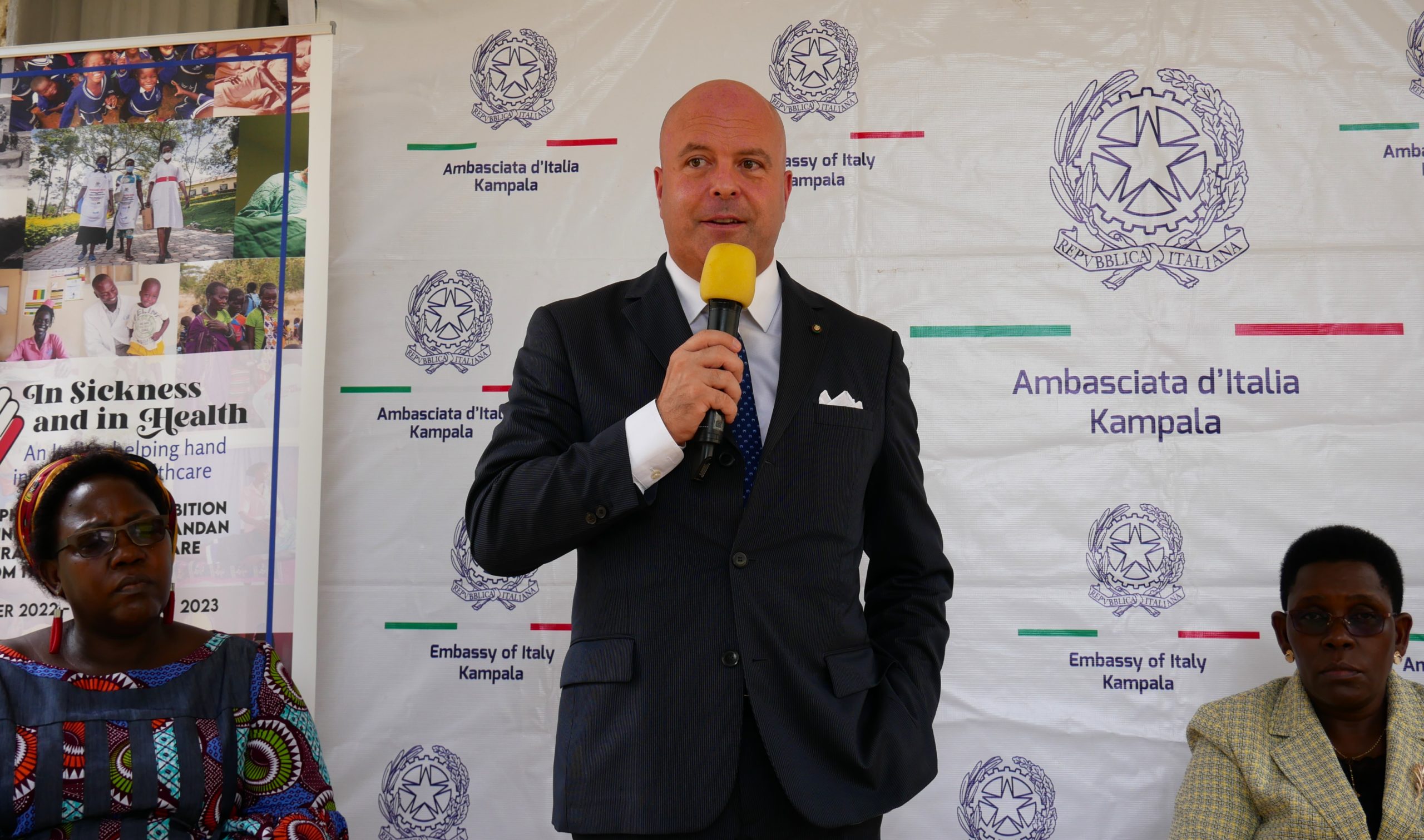
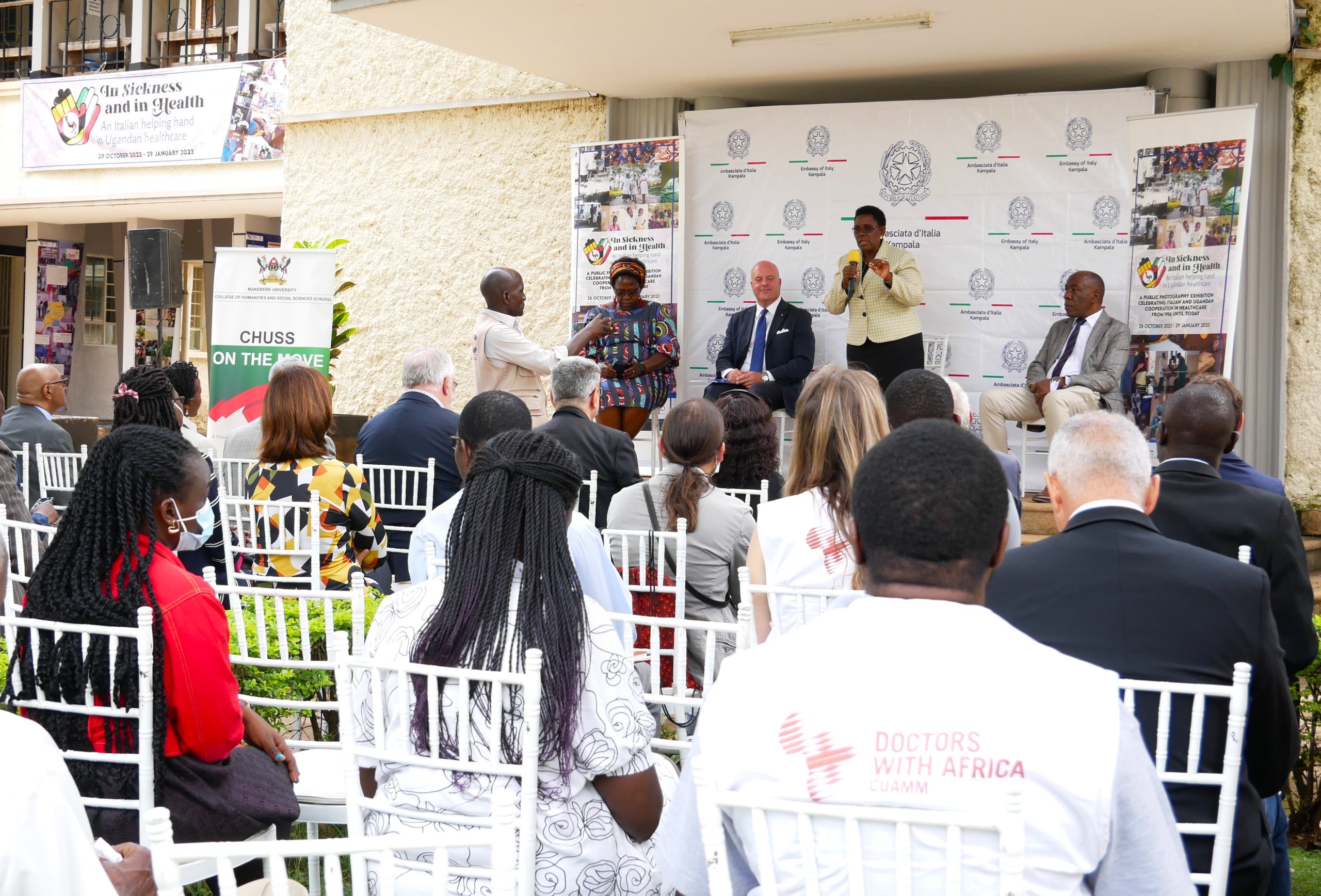
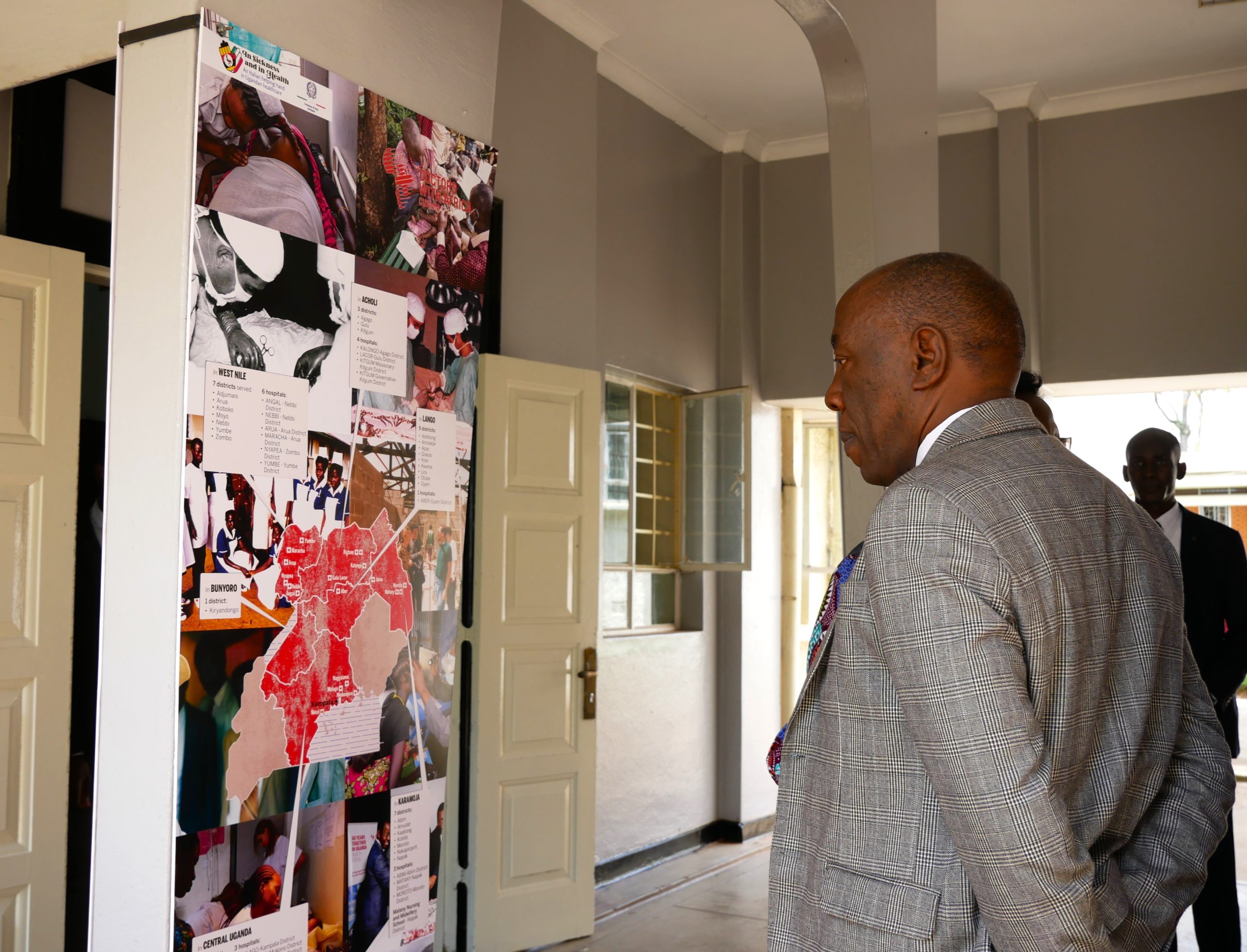
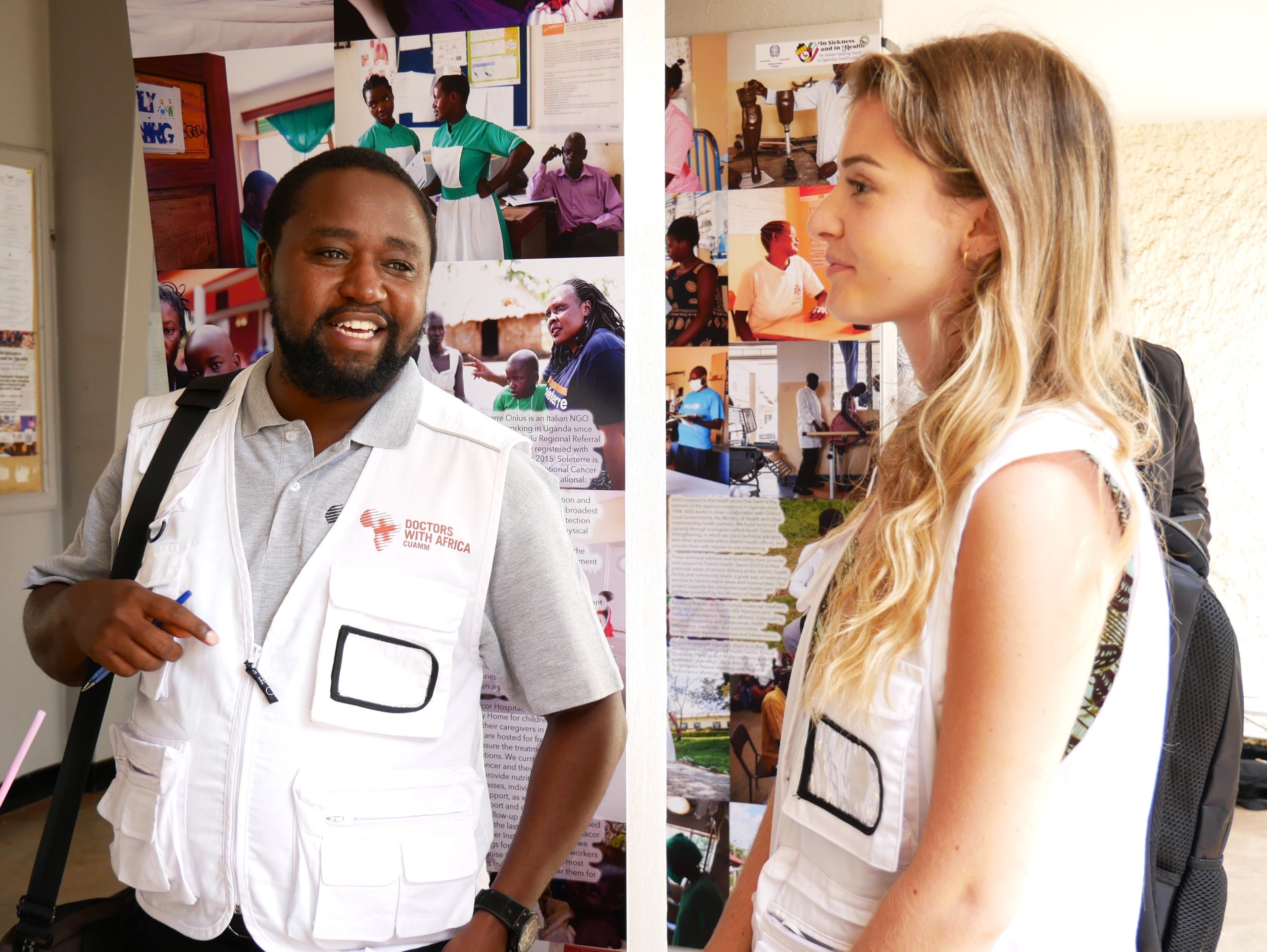
On Friday 28 October, the Italian Embassy in Uganda has opened a three months long photo “In sickness and in health” at Makerere University, Uganda’s centre of excellence. CUAMM was present along with 10 other Italian NGOs.

The opening ceremony was also attended by Massimiliano Mazzanti, Italian Ambassador to Uganda, and Grace Mary Mugasa, Minister of State for Public Service.

«The exhibition – commented Mazzanti – recognises the historical contribution of eleven Italian NGOs and associations to the Ugandan health sector. Italy and Uganda have had a longstanding relationship that dates back to the early 20th Century, when members of the order of the Comboni Missionaries settled in the Northern areas of the country implementing commendable activities of support to the local communities especially in the areas of health and education».

The aim of the exhibition is to inspire young minds at Makerere University, sharing an established history and future of the union between Italy and Uganda, founded in philanthropic collaboration and partnership.

«Italy is the biggest in supporting health in Uganda – concluded Mazzanti – and this is evidenced with the latest approval of 10 million euros for infrastructural development in Karamoja. NGOs from Italy have been the tools used to achieve Italian commitments in health».

CUAMM AWARDED DURING THE SAFE MOTHERHOOD CONFERENCE

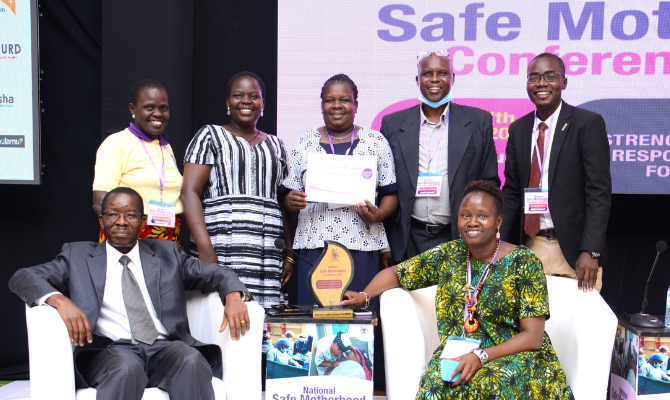
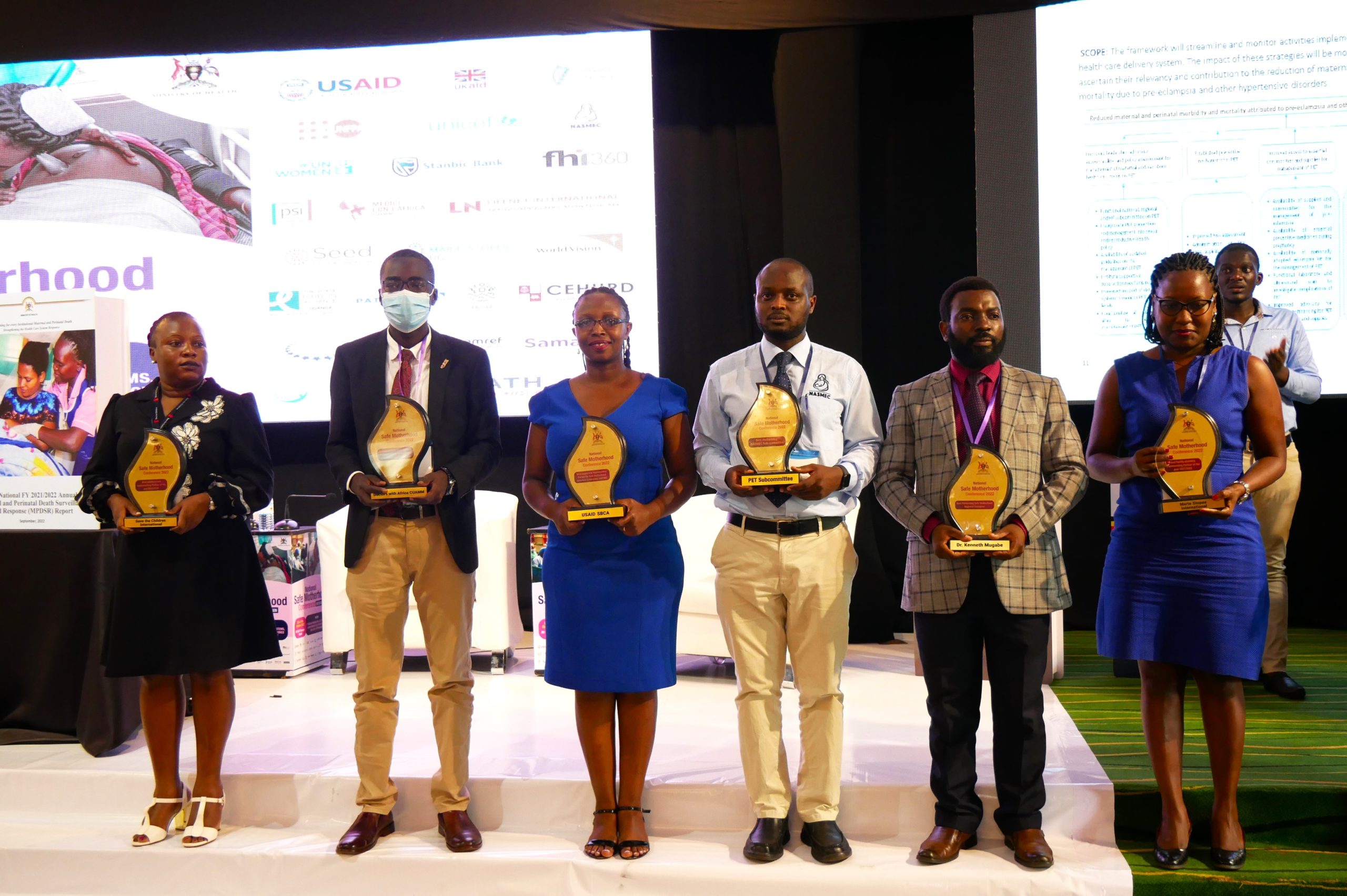
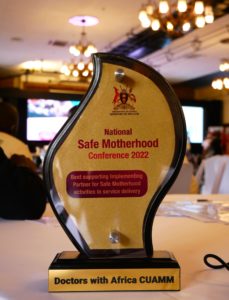
CUAMM achieved an important result at the Second National Safe Motherhood Conference: three days of discussion and debate on key issues concerning maternal and child health and efforts to reduce mortality from preventable causes, particularly post-partum haemorrhage, which remains one of the main causes of maternal mortality in the country.

«The recognition of CUAMM – explains Peter Lochoro, Country Representative of Doctors with Africa CUAMM in Uganda – is very energizing to our work and staff. This award says a lot: firstly, that our work is visible and palpable to the population, even if we spend more time doing it than making it obvious; secondly, that our strategy and programmes are working; thirdly, that CUAMM is consolidating its position as a health services organisation for mothers and children in the last mile; and finally, that we are able to take on even greater challenges to improve the health of communities, especially in the most remote and fragile areas. I congratulate the team on a job well done, and I thank the institutions and our donors who made this possible: the Embassy of Ireland, UNICEF, the ELMA Foundation, the Italian Bank Foundations, in a context of support from the Ministry of Health and local district governments».

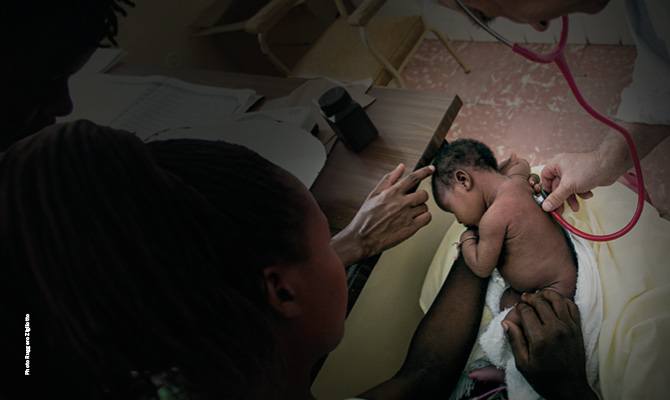
CUAMM’s support for mothers and children is implemented through a series of projects, strengthening the knowledge and skills of health workers through mentoring, cooperating with neonatal care units. Cuamm is also involved in coordinating surgical camps for the transmission of skills, the provision of equipment, ambulance transport and voucher systems to enable mothers to reach health facilities.

Annual Meeting Program

Below you can find more details regarding the Annual Meeting!


FRIDAY, NOVEMBER 18th 2022 

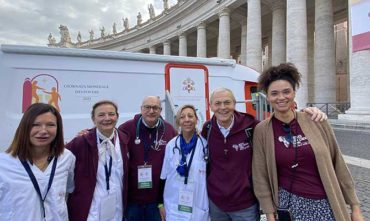
6 p.m. The Holy Mass will take place at the Altar of the Chair, St. Peter’s Basilica, presided by His Eminence, the Cardinal Luis Antonio Tagle, Dicastery for Evangelization Pro-Prefect.


SATURDAY, NOVEMBER 19th 2022

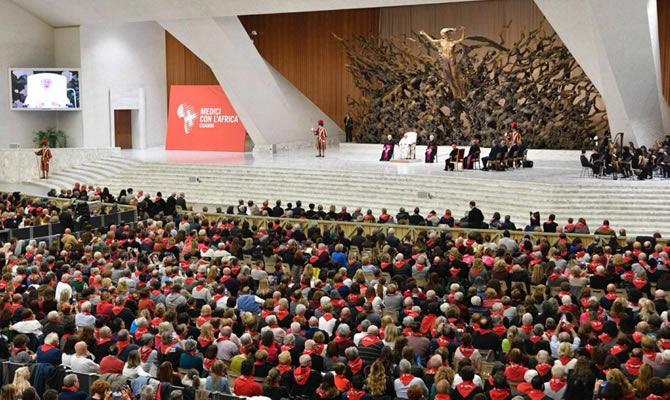
From 7 a.m. to 8:45 a.m. – Reception by CUAMM volunteers and accreditation procedures (you will find “CUAMM” tables for registration and security check) at Piazza Sant’Uffizio in order to proceed into the Paul VI Audience Hall.

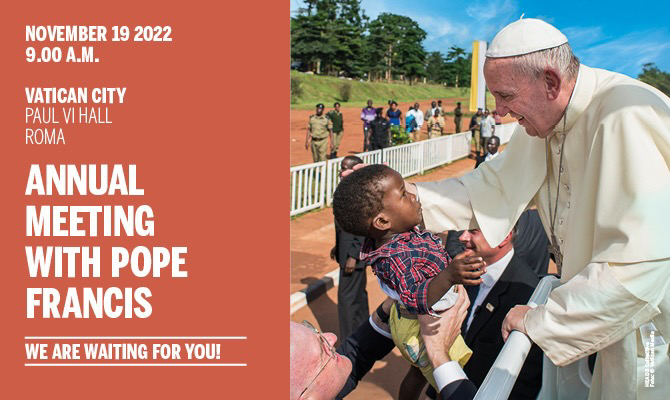
9 a.m. – Special Audience with Pope Francis, a time with guests and testimonials from the field.

Participants will receive a recognition device, which will allow access to controls and to the place of the hearing. Everyone else will receive it directly during the accreditation procedure, from 7 a.m. to 9 a.m. We recommend you to bring water as well as an appropriate clothing for the event.

Sign up now!

THE ESSENTIALS OF HEALTH CARE

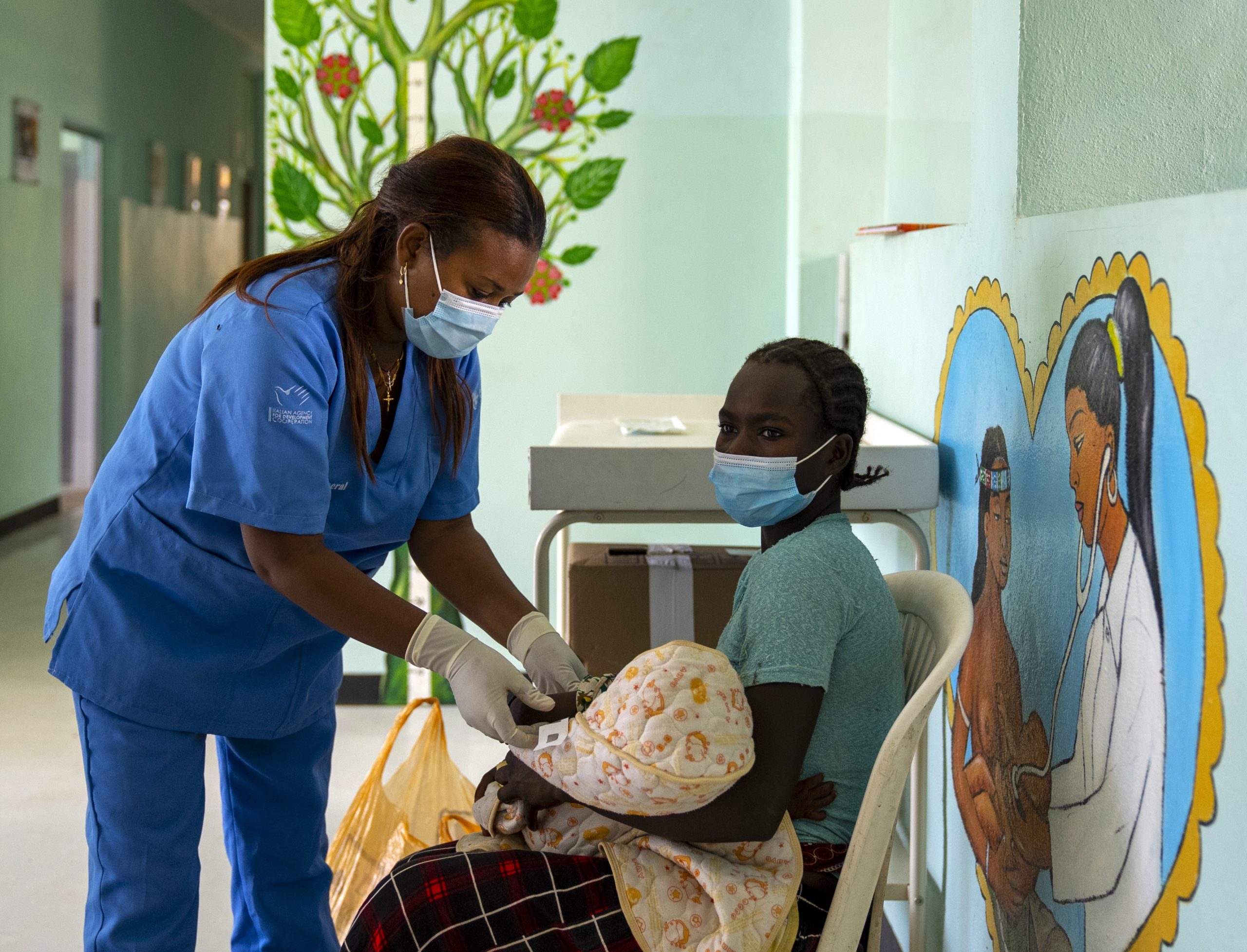
«It was very intense to live and work in a place as remote as Jinka. Being alone totally exposes you to the local culture and allows you to connect deeply with your colleagues. It was an opportunity that really opened my mind. Certainly, the hardest aspect for me was the touch, also in a physical sense, with the experience of death, because I found myself frequently ventilating and giving heart massage to infants and children. We see so many die that would be saved by us; but even in Jinka, if we continued our support, remarkable improvements could be achieved, despite the fewer resources available. “Exposure” to death has, however, taught me to have a more discerning clinical eye, to better assess the actual severity of a patient, and also to scale back what we see in our work in Italy.

In such a special and different context from ours, I was inevitably confronted with cultural and social differences that are also reflected in my work. The Ethiopian specialists doctors are prepared and well disposed to collaborate and to have a confrontation; some nurses, on the other hand, are a little less flexible to accept changes and less attentive to the patients. It has also been a challenge to treat patients from such particular and different ethnic groups. Recourse to traditional care is frequent and this leads to serious health problems for children and adults. In addition, one has to deal with a public healthcare system that is almost totally at the patient’s expense (only infants up to the first month of life and malnourished children are exempt) and, often, families are unable to pay, so they have to renounce treatment. As a doctor accustomed to a different reality, one learns to be more cautious about truly essential treatments and tries to find with the family all possible ways for them to bear the cost of treatment.

CUAMM’s work can be seen, it is tangible, and it is also recognised and valued by the local staff and those who run the hospital. A commitment and presence that has been going on for years. The project “The first 1000 days. Guaranteeing quality health services to mothers and children in the South Omo Zone”, financed by the Italian Agency for Development Cooperation and implemented in partnership with Amref and the Children’s Health Centre (CSB).

What goes unseen…

«From this mission I learnt the essentiality of medical care, which is sometimes lost with us. There are basic, unavoidable actions that must always be assessed to establish the criticality of a patient. At the same time, I believe I have transmitted, especially to general practitioners, a more responsible attitude to work and more critical thinking. A concrete example was the management of PICU, the paediatric intensive care unit, on which we always discussed openly, making the necessary decisions together.

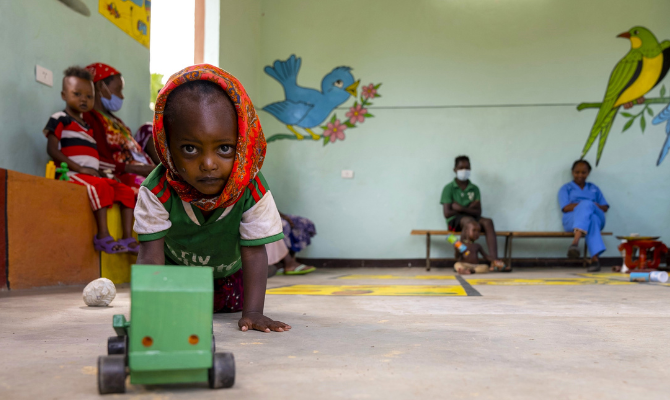
The opening of the PICU was a great satisfaction, an excellence in a context such as Jinka. It has only three beds, with monitors and ventilation, at the disposal of the young patients who are carefully looked after 24 hours a day. We have managed to achieve good results. Among the many situations that have occurred and patients we have met, I vividly remember Netsi, a 1-2 year old girl – there, often, the age is not known precisely – who was the first patient admitted to the PICU. She lived in a hut with her mother and her father, who drunkenly knocked over a pot of boiling water, hitting Netsi and burning her over most of her body. Netsi was hospitalised for four weeks: a constant presence in our daily routine. Being the first patient in the PICU and having a major burn, it was also an opportunity for local colleagues to practice caring for such a delicate patient. In addition, the operators had explained to the mother how to play and interact with Netsi, demonstrating how stimulating children, even in pain and suffering, is really important. Within the “The first 1000 days” project, in fact, special attention is given to Early Childhood Development, the cognitive, physical, linguistic, motor, social and emotional development activities of the child in the first years of life. There is a space dedicated to this and, every now and then, outside, the workers organise a coffee ceremony, as is the tradition, to make parents aware of the importance of play and interaction with their children, particularly in the treatment of malnutrition. Jinka clearly showed me what healthcare is like in the world. We tend to think that ours, the Western one, is the norm, but it is not. We are the exception and Jinka confronts us with that».

BROWSE THE GALLERY

PINK OCTOBER FOR WOMEN’S HEALTH

All over the world October is coloured pink to raise awareness in the community, particularly among women, of the importance of prevention in the fight against female cancers, specifically breast and cervical cancer. Doctors with Africa CUAMM is also reinforcing its commitment, participating in this international movement and reminding us how crucial it is to be properly informed and prevented.

According to the World Health Organisation, in 2021 breast cancer became the most common cancer globally, accounting for 12 per cent of all new annual cancer cases worldwide. Furthermore, cervical cancer globally accounts for 6.5 per cent of all female cancers, and more than a third of deaths from this cancer globally occur in sub-Saharan Africa, although the region accounts for only 14 per cent of the world’s female population.

With each passing year in the countries where CUAMM works, more and more people  know that October is an important month. In Mozambique, for example, the health authorities have again mobilised this year to involve communities in awareness-raising and prevention activities. In particular, in the health units where CUAMM promotes the “Prevention and Control of Non-Communicable Diseases” project, financed by the Italian Agency for Development Cooperation, there is a lot of excitement, and preparations began some time ago. An event has been organised in each of the three regions in which the project promotes its activities – Sofala, Maputo and Zambezia – attended by authorities and the media in order to convince as many women as possible to go for screening. During the day, information leaflets are distributed and activists and nurses gather women into small groups and explain what prevention and treatment consist of.

In the health units, screening activities are intensified to try to reach as many women as possible. Every morning, the nurses organise a special awareness-raising programme and screen all volunteers. The turnout is always very high and the nurses only stop working after all the women, neatly queued up, have been examined.

Today, at the end of the working day in the small rural health centre in Lamego, Sofala Region, a CUAMM nurse came to meet Mrs Julieta, who had visited a short while before. She wanted to thank her. Julieta, 47, had heard community activists talking near her home a few days ago about the importance of screening. Although she had had a pain in her abdomen for some time, it had taken her a long time to decide to go to the health centre. It is not a short walk and there are always many chores to do at home. Eventually she made up her mind and, having arrived at the health centre in Lamego after attending one of the awareness-raising events that the nurses organise in the mornings, all doubts were gone: going to the health centre was the right choice.

«I can’t hide the fact that, on going to the health centre, I was afraid, but after listening to the nurse’s advice, I didn’t hesitate for a moment to get in line for the screening». They found a lesion in her uterus greater than 75 per cent and she will have to go to the hospital in Nhamatanda, 15 kilometres from the health centre.

«The nurses at the health centre have already made the appointment for me and with the savings I have I will take the bus and go to the hospital and then come back here to the health centre to do the follow-up. Despite finding out that I have to have surgery, I am happy. They explained my condition well and I have the possibility of treatment. That’s why I really wanted to say thank you».

Mrs Julieta is one of the many women who have accessed the services offered by the project. Since it began, 87,900 women have been screened, many of them HIV-positive. And thanks to the tireless work of the nurses, 4,270 women have been treated with cryotherapy and 1,950 have been referred to a hospital where they can be observed and treated by specialised medical personnel.

ONLY ONE WAY TO SEE THE FUTURE: DOING PREVENTION TODAY

Globally, at least 2.2 billion people suffer from near blindness or long-distance visual impairment and among at least one billion of these, visual impairment could be avoided. Almost 90 per cent of visually impaired people live in developing countries, including Uganda. Women also run a higher risk of visual impairment and blindness than men. In Uganda, in particular, 5.9 per cent of the population is visually impaired, or six out of every 100 people, while 144,000 people are completely blind.

This is the picture described by Charles Olaro, the Director of Curative Services at the Ministry of Health on the occasion of World Sight Day, which is celebrated every second Thursday in October to raise awareness of eye care, preventing diseases that can lead to serious disorders or even blindness. In addition to screenings, the anniversary was created to improve access to care for all.

This year, Doctors with Africa CUAMM has commemorated World Sight Day in Kitgum, northern Uganda, by participating in the “Love your eyes” event promoted by the Ugandan Ministry of Health. In fact, since January 2020, CUAMM and Christian Blind Mission (CBM) have been implementing the “ForeSeeing Inclusion” project, funded by the Italian Agency for Development Cooperation (AICS), to improve access and quality of inclusive eye care services in communities and health facilities in the Kitgum, Lamwo and Arua districts.

A series of activities were organised to mark the occasion, including the setting up of community eye health stands, radio talk shows, and newspaper inserts, all aimed at raising awareness among the population.

«The eye care stand, which was present for a week at the hospital in Kitgum, thanks to the support of the Ugandan Ministry of Health and local partners, helped bring services closer to the people», emphasised Jackie Kwesiga, National Director of Christian Blind Mission.

Check-ups, treatments and surgeries were offered, with a total of over 1,194 patients visited and 212 surgeries conducted. Of these, 168 were cataract surgeries, 25 excisions and 19 eyelid surgeries. 800 free reading glasses were distributed to young and old.

«I had been unable to read for five years and a few days ago one of my neighbours informed me about the eye camp. So, here I am. I am happy to finally be able to read again, especially the Bible, which I missed so much, thanks to the reading glasses I received for free», said 84-year-old Okumu Discon.

According to Uganda’s 2014 national census, Northern Uganda is home to 32% of all individuals with visual impairment and 75% avoidable blindness. The poor coverage of basic and secondary eye care services has largely contributed to this dramatic figure. The situation worsened further in 2017 due to the increase of South Sudanese refugees in the area and the resulting overcrowding of existing eye care facilities. This explains the decision to celebrate Sight Day in Kitgum.

Some of the common causes of blindness in the country are allergies, cataracts, diabetic and hypertensive retinopathy, and presbyopia. Charles Olaro urged mothers and fathers to vaccinate their children, have regular eye check-ups at the nearest health centre, protect their eyes from direct sunlight, eat a balanced diet, avoid applying herbs to the eyes, read and watch TV with the light on, and avoid self-medication.

Finally, he launched the National Strategic Plan for Eye Health (2021/22 – 2025/26), which will help health professionals to assess, treat and refer eye patients correctly. In order to increase awareness of good eye health and promote the prevention of blindness.


BROWSE THE GALLERY

DISASTER RISK REDUCTION FOR ALL

The 13th of October was designated the International Day for Disaster Risk Reduction (DRR) by the United Nations General Assembly in 1989. Active in many critical contexts, such as the cyclones in Mozambique in 2000 and 2019, Doctors with Africa CUAMM questioned how to contribute to reducing the risk associated with natural events, such as cyclones, droughts and disease outbreaks. The way forward is clear: establish integrated multi-level early warning systems in charge of monitoring, forecasting, predicting and assessing disaster risks and establishing communication and preparedness processes allowing governments, communities and businesses to take early action.

Doctors with Africa CUAMM recognizes the importance of building integrated community-based early warning systems accessible to all in order to prevent and give timely responses to emergencies. For this reason, CUAMM developed a partnership with the UCL Warning Research Centre, and in 2021-2022 CUAMM staff participated in the ‘Warnings for Hazards and Risk Reduction Programme’ to strengthen capacity for risk reduction in relation to the projects in Africa.

The global efforts to improve DRR are based on the Sendai Framework for Disaster Risk Reduction 2015-2030, a document adopted at the Third UN World Conference on Disaster Risk Reduction in Sendai, Japan, on March 2015. For this year, the UN Office for Disaster Risk Reduction established the Target G of the Sendai Framework as a priority: “Substantially increase the availability of and access to multi-hazard early warning systems and disaster risk information and assessments to people by 2030”.

Doctors with Africa CUAMM recognizes the importance of building integrated community-based early warning systems accessible to all in order to prevent and give timely responses to emergencies. For this reason, CUAMM developed a partnership with the UCL Warning Research Centre, and in 2021-2022 CUAMM staff participated in the ‘Warnings for Hazards and Risk Reduction Programme’ to strengthen capacity for risk reduction in relation to the projects in Africa.

Through the partnership with the UCL Warning Research Centre, CUAMM incorporated a DRR component into its work.

NO HEALTH WITHOUT MENTAL HEALTH

“No health without mental health”. This is the message chosen by the World Health Organisation to mark International Mental Health Day, which occurs every 10 October. Established in 1992, the anniversary was created with the aim of promoting mental health awareness against all forms of social stigma. The aim of the 2022 edition is to make mental health a global priority, for everyone, in every corner of the world.

“Mental illness – says Giovanni Putoto, CUAMM’s Head of Programming and Scientific Area – is one of the most forgotten sufferings in Italy as in Africa. Our country has been courageous: thanks to the Basaglia law, it took a big step forward, de-institutionalising the approach to the patient. Africa, on the other hand, is still in the early stages of understanding mental illness, which has many facets. CUAMM, particularly in Mozambique, tries to respond to the most fragile categories of people with mental health conditions: adolescents, particularly HIV-positive ones, who experience a state of real suffering both because they are infected, and because with the Coronavirus pandemic they have suffered, considerably, from loneliness. We see poverty of diagnosis and poverty of services. In collaboration with the local authorities, then, we began to include the figure of the psychotherapist or clinical psychologist to support adolescents with HIV. Resources are extremely limited and the African models are different from what we are used to. In the “Western world”, professionals work in multidisciplinary teams: there is not only the clinical psychologist, who does individual or group psychotherapy, we have a neuropsychiatrist and many other competent figures. In Africa this does not happen.

A second aspect we observe concerns the value of the social response through the contribution of local youth associations. All people, young people first and foremost, have specific communication codes, spaces they frequent, and if we are able to involve them in a positive sense, they make an important contribution to reducing psychological discomfort, supporting peers who have behind them experiences of great marginality and relational suffering, especially within the family.

Another category at risk are women victims of gender-based violence: verbal, physical, sexual, economic. Again, the type of approach we are trying to give is aimed at people living in very stressful situations: women in internal displaced people camps. Young people who have lost their roots, their minimum security and are in a state of permanent precariousness. The approach, following international indications, is to provide them with a safe place and assistance that touches on three dimensions: the health one; the psychological one (to understand if there is a form of discomfort, a pathology, such as depression, anxiety); that of legal assistance, which we do not give as CUAMM, but rely on local associations”.

“We have involved – explains Giulia D’Odorico, coordinator in Pemba (Cabo Delgado) of a project on gender-based violence – all those figures who are fundamental at community level, such as traditional healers and midwives, community health workers. It is important to seek a dialogue with them, who act as a bridge and are central actors in responding to the needs of the population. We have organised awareness-raising activities, such as community theatre and meetings aimed at adolescents and women, promoting some good practices to identify support networks to deal with the issue of mental health: first of all, family and friends, then the possibility of seeking more specialist help through CUAMM and health centres’ services”.

“The greatest risk factor for mental illness –  Putoto concludes – is loneliness, and in Africa more and more people are suffering from it, from migrants to displaced persons, all those at the edge of the world. Today, loneliness is no longer considered just a psychological trait, but a health risk factor. CUAMM’s answer, meanwhile, is in “BEING WITH”. We share and we build. With strength, constancy and patience to offer care paths.

There is no lack of virtuous examples, such as the mental health clinic in Wolisso, Ethiopia. A structure that works… and has patients! Just like the projects active in South Sudan and a research in the offing in Tanzania. Small but great results for Cuamm, which fights all year round against all forms of social stigma”.

IF A HEALTH FAIR SAVES YOUR LIFE. FIGHTING CHRONIC DISEASES

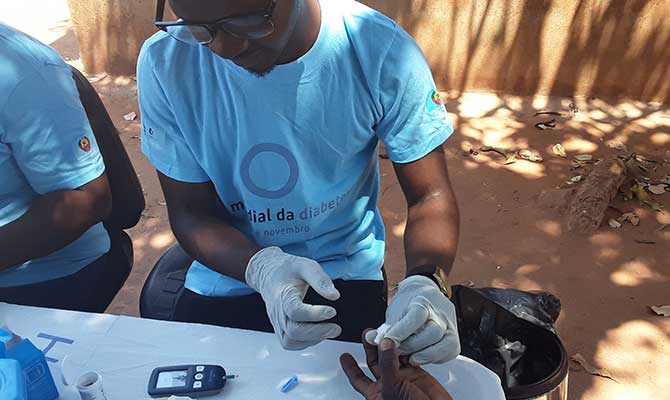
«I was wandering around the market stand at FEIMA, Maputo’s traditional handicrafts fair, when a voice from a loudspeaker invited all visitors to have a free screening. Thus, I discovered CUAMM, engaged in a prevention campaign to measure blood sugar and blood pressure. In the past, I had already checked myself for diabetes at the capital’s Central Hospital, but to be able to do so in this context was fantastic! I hope that similar initiatives will be repeated in the future, because it is important to receive medical advice even outside hospitals».

These are the words of Salvador, 65, collected by CUAMM workers in the field. According to the Ministry of Health, in Mozambique most of the population suffering from diabetes and hypertension do not know their diagnosis: for hypertension, only 15.2% of men in the urban area and 7.9% in the rural area know; 33.2% of women in the urban area and 8.9% in the rural area. For diabetes, 13%. And this is why the “Prevention and control of non-communicable diseases” project, realised by CUAMM, has among its activities the organisation of health fairs to offer screening and diagnosis services, outside health units.

The choice of location always falls on particularly crowded areas, in order to attract attention with the help of community activists, who inform passers-by about chronic diseases, the importance of regular check-ups, and try to encourage them to check that they do not suffer from diabetes and hypertension. As happened in Maputo, during the handicrafts fair: in this context, Naima+, a network of NGOs, organised a fair within a fair, entitled “Your health, our priority”, during which CUAMM was involved in diabetes and hypertension screening activities. Participation was very high and many people who had never heard of NCDs (non-communicable diseases) found out that they were affected, so they started specific treatment.

«I work at a stand at the craft market and, like many colleagues, I had never checked my blood sugar in my life. I am happy that health personnel came to the fair, because I realised the value of proper nutrition to avoid getting sick», Maria Luisa, 48, told us.

CUAMM activist Wuengue explained how even a “simple” job can help save lives: «My job is simple, I talk to people about diabetes and hypertension. I realise, however, that my commitment has great significance when I find that I can convince women and men to go for check-ups. I know that I have the chance to awaken curiosity in people and the desire to take care of their health».

«Non-communicable diseases are silent and, often, people only arrive at the emergency room when their health is compromised. With these health fairs we are able to do prevention and save lives», said health technician Helder.

When someone is reluctant to get screened, the elderly and young people are convinced to get tested thanks to the awareness of the activists who have skills and sensitivity. The craft market provided an ideal opportunity to raise awareness about insidious and rapidly increasing, but preventable and controllable diseases through good practices and early diagnosis.

PROMOTING HEALTH STARTING FROM THE WORKPLACE

Living sustainably in a big city can now seem like an oxymoron. While job opportunities are greater than in the countryside, overcrowding in urban areas has a significant impact on health. According to World Bank estimates, today 55 per cent of the global population lives in cities, but by 2050 this will reach 68 per cent. Numbers that are worrying, if the challenges of urbanisation are not addressed now, promoting better access to health services, especially in countries with few resources.

Dar es Salaam, the administrative capital of Tanzania, is one of the fastest growing cities in sub-Saharan Africa. It could soon become a megacity with 10 million people. Here, since last June, Doctors with Africa CUAMM has been developing an urban health project in a textile factory, Tanzania Tooku Garments, that produces 8 million jeans a year, with the aim of raising awareness among its 4,000 employees on the importance of taking care of their health, through regular check-ups, proper nutrition, good hygiene practices, etc.

In rural areas of the country, life expectancy has increased by 13 years, compared to 3 years in urban areas. People living in cities also have higher under-five mortality and maternal mortality than in rural areas.

From the countryside to the city

CUAMM almost always operates in rural areas, which are generally more in need of help, but the need for a programme to be activated in a big city stems from the fact that less healthy lifestyles are more widespread here than in the “countryside”: “junk” food is at hand and people often lead sedentary lives.

Promoting health education in a factory also makes it possible to raise awareness among a large number of people at the same time. CUAMM welcomed the proposed collaboration with Tooku Garments with interest, also because this is a context in which 75% of the workers are women and 80% are between 20 and 30 years old. These are many future and young mothers who, one day, will be able to pass on the value of prevention to their children.

“In order to properly conduct wellbeing programmes for workers,” explains Franziska Jautz, Head of Human Resources at Tooku, ” among many organisations and after thorough research, we chose Doctors with Africa CUAMM, because in addition to having competent professionals, it has maternal and child health at heart. CUAMM’s philosophy perfectly meets Tooku’s needs. I think this is also a new challenge for CUAMM, which had never operated in such a context before”.

That is not all. Effective workplace policies are an investment in public health: they can have a positive impact on employers, employees, but also on the health of the community. The former benefit from reduced direct costs, while employees reduce health risks and improve their quality of life.

“Trust between employee and employer has also increased and people feel freer to ask open questions, come to the nursing staff more often, ask for advice and openly share health problems they were too afraid to ask about in the past,” Franziska concludes.

CUAMM’s project in the factory

“We were called by Tooku, which had started to offer small training courses on some aspects of safety at work,” explains Barbara Andreuzzi, CUAMM project manager, “but it needed to strengthen health education for workers and nurses. Yes, because the company is so big that it has five nurses among the staff (four women and one man working the night shift) working full-time on first aid. So, we came up with a well-structured programme to train the nurses who, once certified, train the workers.

Before we started, we administered a digital questionnaire to understand the starting status, probing a little into the knowledge and habits of the workers. This first step was not easy, both because of the lack of interest and the poor digitisation of the workers. So, we equipped ourselves with tablets and, with the support of the factory’s human resources department, in the end, we collected a good number of surveys, 1,000!

Now we are on the next step. We have produced the training material to be delivered to the nurses. These are Swahili posters with key topics: reproductive health, maternal and child health, infectious diseases, personal care and balanced nutrition and sustainable lifestyles.

A guide was also produced for the nurses to deepen the topics summarised on the posters, as well as a week-long training they received. Then, the health workers started to lecture the workers: every day, 20 minutes before lunch to address a topic to 30 employees. The aim of the project is to promote good health-related practices. We will ensure that the nurses are able to convey key messages on healthy behaviour. At the end, we will administer a new questionnaire to see if the messages have been received by the employees”.

“The training I received from CUAMM has really helped me to improve my knowledge about health, I now know how to protect myself, as well as how to prevent certain diseases,” adds Elionora, a nurse who has been working in the factory for a year. Thanks to the course, I can train my colleagues so that they in turn raise awareness among those who know nothing about health and also those who want to increase their knowledge”.

Before the end of the project, CUAMM and Tooku’s corporate social responsibility team could explore a possible evolution of the pilot project to also involve outsiders from the employees’ family network, thus using the factory as a kind of hub to engage the community and promote health outside the workplace.