Neglecting diseases caring for lives

Over a billion people worldwide live with a neglected tropical disease (NTD).

These are 21 different conditions caused by parasites, bacteria, viruses, or fungi, primarily affecting the most vulnerable populations in low- and middle-income countries in tropical and subtropical regions.

January 30 marks World NTD Day, established by the World Health Organization to draw attention to a global health emergency that remains largely overlooked. In Karamoja, in northeastern Uganda, these diseases are not just statistics—they are part of daily life.

“Experiencing this day here gives it an even stronger meaning,” says Sara Biagioni, an Infectious Diseases resident at Matany Hospital. “Over these months, I’ve seen just how immense the problem is. Even for someone like me, who has already dealt with these conditions in Italy, their prevalence here is evident every day. The lack of attention and investment in diseases that predominantly affect vulnerable populations and regions marked by poverty and structural challenges is also striking.”

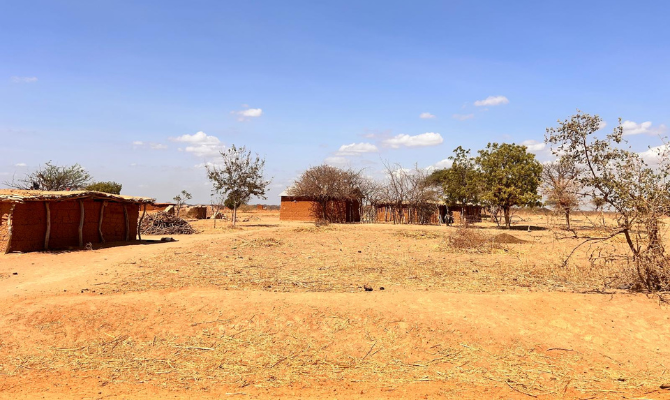
In a rural area where livestock farming is one of the main activities and the poverty rate is among the highest in the country, the social determinants of health are particularly apparent.

“You can fully understand,” she continues, “the interconnection between human, animal, and environmental health. It becomes clear how essential a One Health approach is to address the problem.”

Sometimes, prevention starts with actions that elsewhere we take for granted.

“I have often thought, with no small amount of frustration, that even before distributing medicines, simple measures could be enough for effective prevention—like wearing shoes or other adequate footwear.”

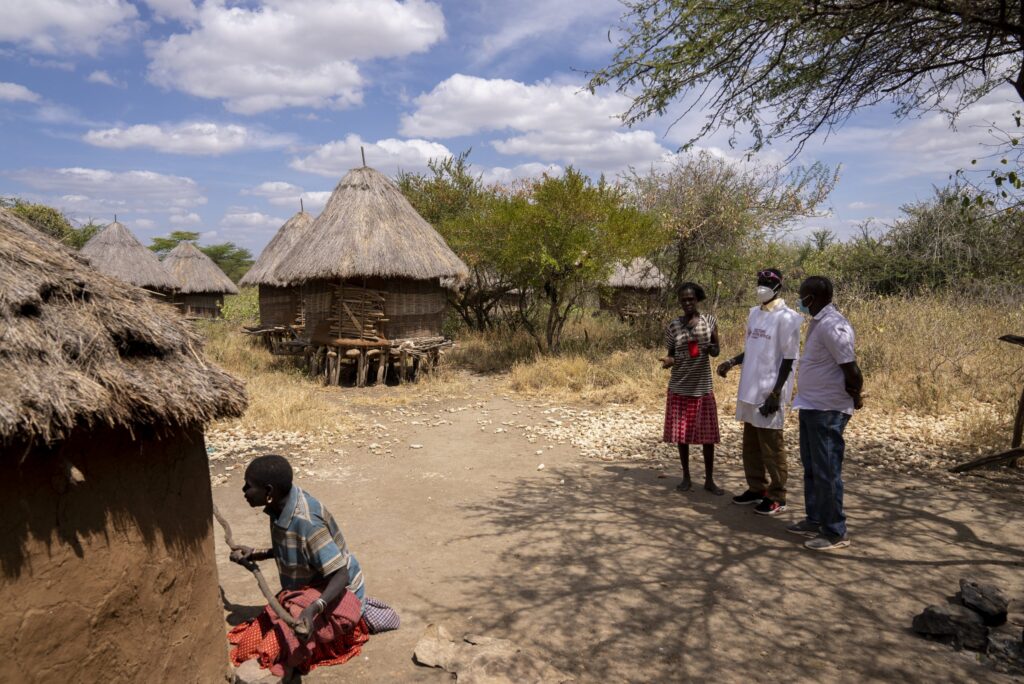
In this area, many people walk barefoot: parasitic infections transmitted through contact with the soil can cause anemia and malnutrition, compromising children’s development and the health of pregnant women. Diseases such as tungiasis and podoconiosis—common in some areas of Karamoja—can progress to chronic lesions, permanent disabilities, and severe mobility issues, compounded by the social stigma faced by those affected.

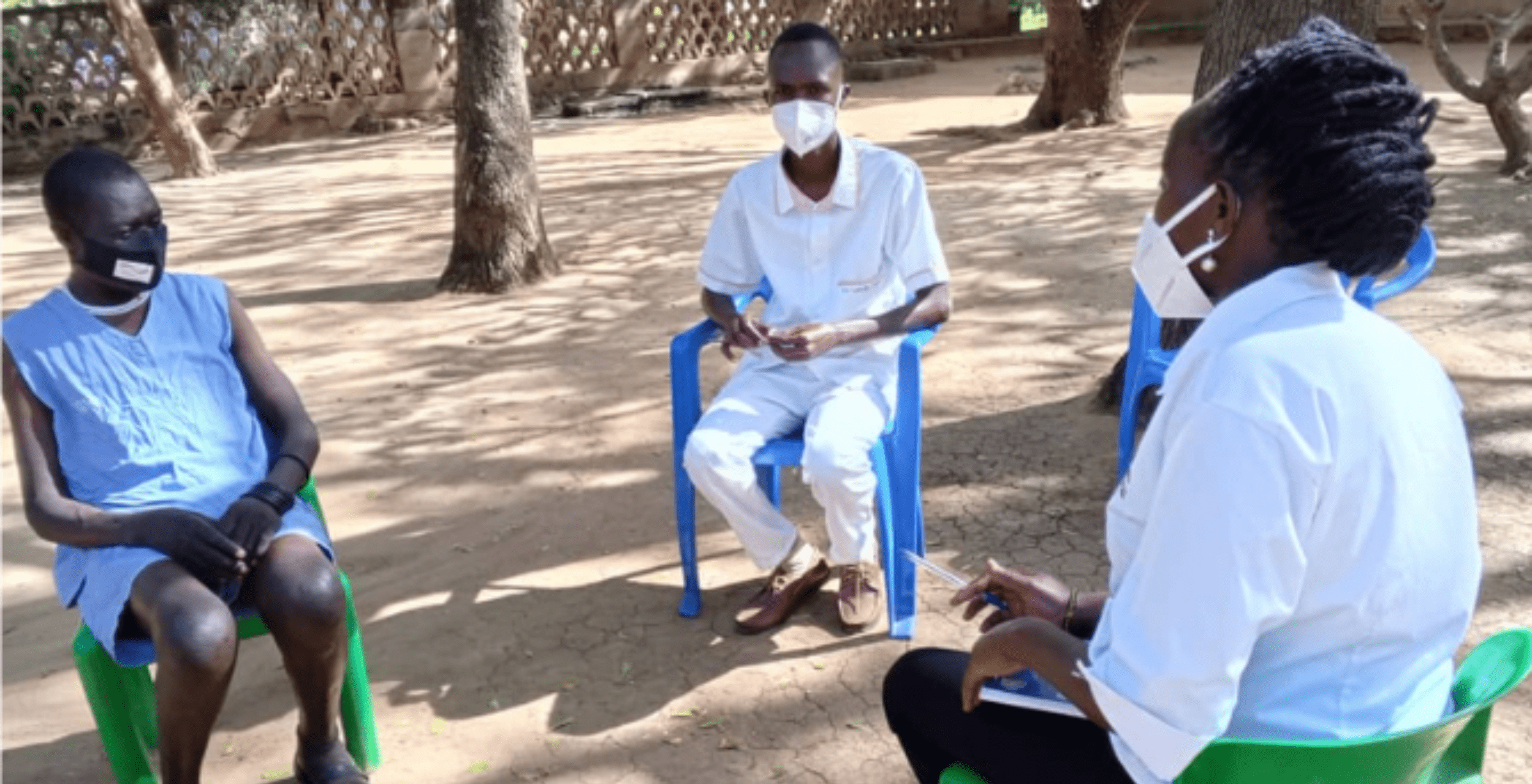
During the days when a Ugandan organization focused on patient care worked in Matany, Sara met people waiting in line for long-awaited consultations.

“With the team, we talked about the social stigma resulting from these conditions and how it complicates people’s lives. Among the patients present, I found genuine and surprised gratitude: in discovering that someone could care for their problem, but also in seeing the improvements achieved through simple measures.”

Among the diseases she has encountered most frequently in recent months is visceral leishmaniasis, an endemic condition in this area that can be fatal if untreated. Its management, however, is complex in Matany: diagnosis is not always immediate, and treatments require prolonged hospitalization and careful monitoring.

“These challenges made me realize how important it is to have constant collaboration with local colleagues, like Julius, a key reference for this condition at the hospital, or Sister Harriet, the head nurse, who on Sundays, after mass, comes to the hospital to ensure that therapy continues even on weekends. It’s a continuous exchange where knowledge is shared, but you learn something every day.”

Every case has a face.

“I remember every face, every name,” she says. Like Alice, who wanted to go home after her first injections because she felt better and stayed only after a heated discussion, later leaving us with one of the most ironic and grateful smiles. Or Anjelina, admitted in serious condition and discharged after weeks of treatment: today, she returns to the hospital only to say hello and give thanks—her last visit she chose to do in Italian.

Neglected tropical diseases are called so because they have long remained at the margins of the global agenda. But in Matany, they have names, stories, relationships. They remind us that the right to healthcare also depends on choices—like looking all the way to the last mile, working side by side with local communities, standing alongside the most vulnerable, and bringing commitment, change, and dignity even to those suffering from forgotten diseases.

Empowering Communities: Linking Agriculture and Nutrition in Tanzania

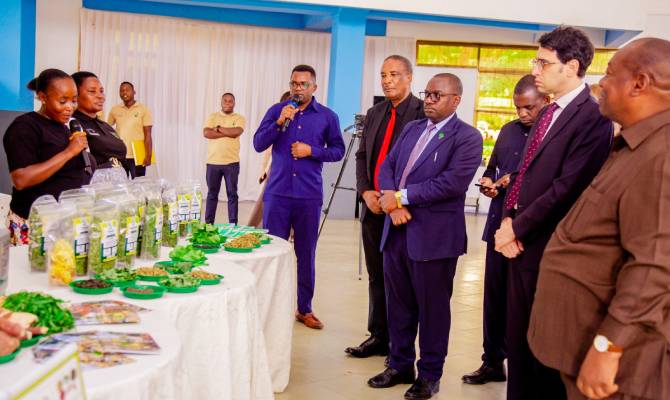
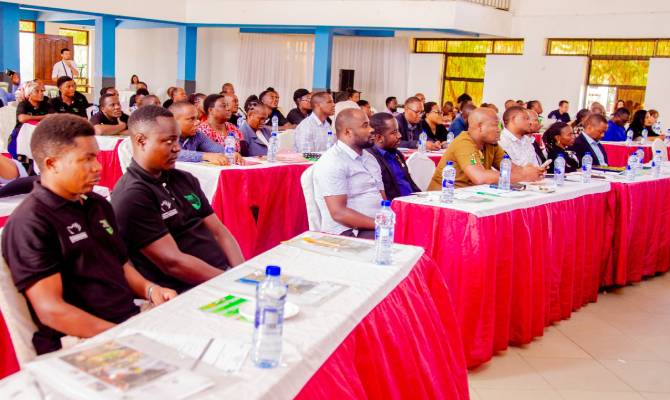
In Dodoma, Tanzania, we recently came together with partners and authorities for the closing event of the project “Diverse Food System: Improving Nutrition by Supporting Diversified and Sustainable Food Systems,” funded by the Italian Cooperation and implemented by Doctors with Africa CUAMM in partnership with LVIA, Sokoine University of Agriculture (SUA), and MVIWATA.

The event gathered around 120 participants, including a wide range of stakeholders, district and regional officials, hospital staff, representatives of the Ministry of Health, and the Italian Agency for Development Cooperation (AICS), under the Italian Ministry of Foreign Affairs.

Through this project, CUAMM expanded access to quality services for the management of severe acute malnutrition, strengthened the clinical skills of healthcare personnel, and provided substantial support to local authorities in addressing malnutrition at both community and district levels. At the same time, in collaboration with LVIA, Sokoine University of Agriculture (SUA), and MVIWATA, the project contributed over three years to improved nutrition outcomes—particularly for children under five, pregnant women, and breastfeeding mothers—while promoting sustainable agricultural practices that enhance community resilience and improve access to healthy, quality food.

“We are very grateful to CUAMM for supporting the government’s efforts to improve nutrition services, especially the treatment of severe malnutrition in children under five. Their partnership ensured better access to medicines and equipment while strengthening our healthcare environment. We are truly thankful for their contribution.” said Maria Haule – District Nutrition Officer from Kongwa DC. 

The event also provided an opportunity to highlight the project’s impact on approximately 110,000 people across the districts of Kongwa, Bahi, and Chamwino. As a result of the initiative, communities can now rely on empowered farmers and enhanced know-how in innovative and sustainable agricultural approaches that are essential to long-term food security.

This project represents a solid foundation for future action and regional development, fully aligned with and supportive of Tanzania’s national strategies for food security and nutritional improvement.

Mozambique Catastrophic Flooding Impacts Thousands of People

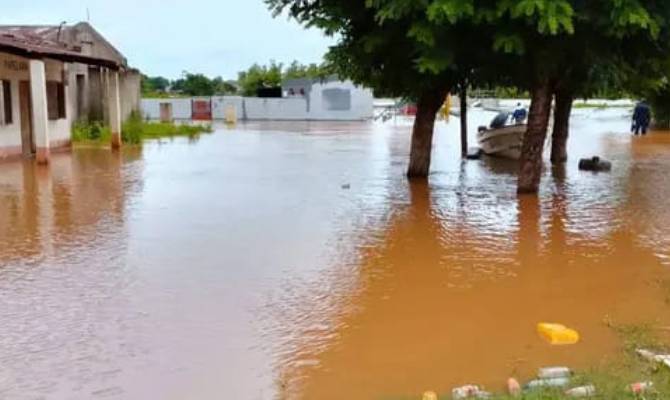
The situation is catastrophic in Mozambique where days of relentless rainfall and the overflow of major river basins have put the life of thousands at risk. Gaza, Maputo and Sofala are the hardest-hit areas: according to official estimates, nearly 600,000 people have been affected by the recent deadly floods.

The impact on housing and the economy is devastating.

Nationwide, an estimated 74,000 homes have been flooded and more than 1,600 destroyed, including 200 in Maputo Province, particularly in the districts of Moamba and Sabie. This is the area where health centres supported through INCLUDE Project are located and where CUAMM teams operate daily.

In the Incomáti Valley, over 10,000 hectares of farmland have been lost, wiping out maize and vegetable crops in just a few hours—crops on which the livelihoods of thousands of families depend.

The Mozambican government has declared a national red alert and has requested support from the international community for rescue and relief operations.

The floods of 17 January, driven by persistent rainfall and the overflow of the Corumana dam, severely affected the administrative posts of Moamba Sede, Sabie and Ressano Garcia. Around 200 homes were damaged and 900 people displaced, many of whom have found shelter in temporary resettlement centres.

Serious concern also surrounds the Buzi District in Sofala, where some of our staff are based. There, heavy rains began as early as the first week of January.

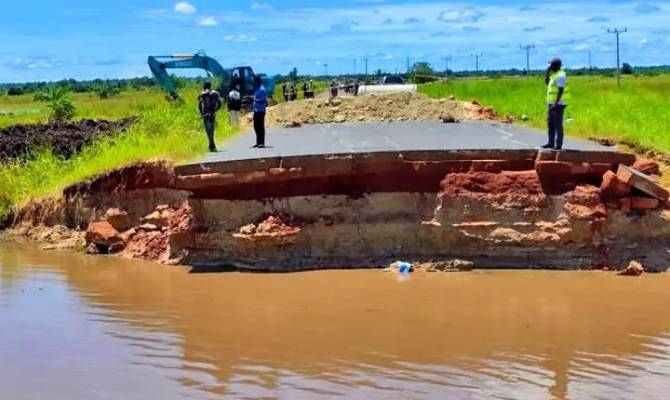
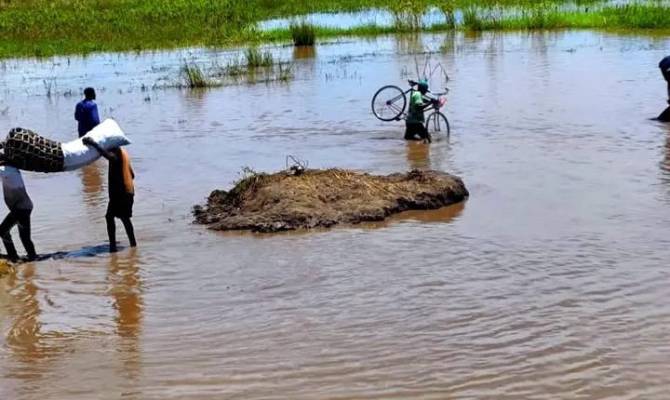
“The situation is very serious,” says Estevão Ilidio Bochana – CUAMM Data collector in Sofala Province. “The river has swept away the bridge, and access to the district hospital has been compromised. People are forced to use boats to cross the river. Some of our activists have also been affected and had to move to emergency shelters because their homes are flooded.”

In Moamba Sede, the locally established resettlement centre is hosting 40 families, for a total of 182 people, mostly women and children. In Sabie, the situation remains particularly fragile: 95 families (495 people) have found shelter in the Samora Machel primary school, while another 35 families (167 people) are being hosted in the secondary school. The neighbourhoods of Incomate, Chiquizela, Matadouro and Magawane are among the most severely affected.

“We are coordinating with the Mozambican Emergency Operations Centre and the Ministry of Health to provide initial assistance to affected communities,” explains Giorgia Gelfi, CUAMM Country Manager in Mozambique. “At this stage, it is crucial to reduce the risk of epidemics—particularly cholera—and to be prepared to manage a surge in malaria cases, especially among the most vulnerable groups, women and children.”

Some families are attempting to return to their homes despite the damage, for fear of looting. Meanwhile, district authorities are carrying out assessments to evaluate the impact of the floods on public and private infrastructure, including essential services. Health centres remain a vital lifeline in an emergency that is not yet over and continues to put the lives and hopes of thousands of people at risk.

The crisis is immense, and the response is stretched beyond capacity. Additional resources are urgently needed.
 

Kyiv Enduring the Cold of War

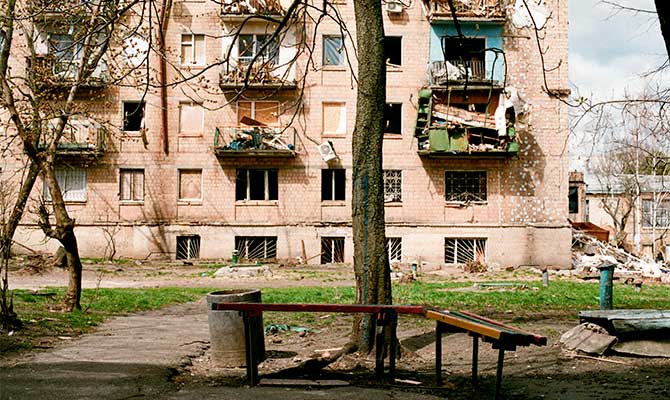
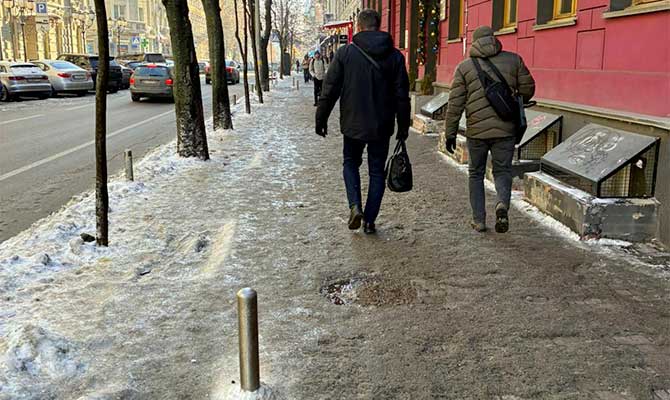
“Yesterday the temperature was -14°C during the day, and at night it dropped to -20°C. We are without lighting, without power, without heating, and those living in taller buildings—from the second floor upwards—are also without water. The cold penetrates you and gives no respite. The bombardments continue, increasingly intense; since 6–7 January, military actions on Kyiv have escalated targeting mainly energy facilities. The intention is to strike people—the entire civilian population—without distinction. The outskirts are in worse conditions than the city centre, because that is where the taller, newly built apartment blocks are. At present, there are areas of the city that have been without electricity, heating and water for as many as three days.

CUAMM field workers in Ukraine are working tirelessly to maintain emergency response operations. They describe the harsh realities faced by the population and the immense challenges of delivering humanitarian assistance in a war-torn country.

“Work resumed after the Orthodox holiday break but unfortunately CUAMM Office is unusable due to the lack of heating and electricity. However, the staff continue working from home, often gathering in the warmest house. At present, CUAMM is engaged in purely emergency assistance, distributing medicines and supplies to the four hospitals located along the front line. In the coming days we should also be provided with the CUAMM vehicle for travel. In addition, we are working with a local NGO to provide psychological support to the communities of Kharkiv and Sumy.”

“In Kyiv the situation is very strange. People try, as best they can, to carry on with their lives and their daily routines. They work, move around, go to the gym or do their grocery shopping (also because having more powerful generators shops offer a bit of warmth). But everything feels suspended. It can happen that, because of a bombardment, for example, the water is cut off while you are in the shower, suddenly”

“In my life, I also witnessed the war in Sarajevo, where there was a clear sense of a city under siege. In Ukraine, instead, you never know what might happen, or when.” said CUAMM Public Health expert in Ukraine then he adds: “For us, who came to Kyiv by choice to help these people, operating is becoming increasingly difficult with each passing day. But I think of the sick, the elderly, and people with disabilities who find themselves without heating or electricity. Until around 4:30 p.m. there is some daylight, and then darkness until the following morning. For them it is even harder. If you are lucky, around 10 p.m. a bit of electricity may return, but only for a very short time. The Mayor of Kyiv has advised families who have the possibility to move towards the west of the country, where there are still difficulties, but to a lesser extent.”

In about a month, on 24 February, it will be four years since the outbreak of the war in Ukraine. For the fourth consecutive winter, the Ukrainian people are facing an exhausting conflict that shows no sign of ending.

“People are tired. There is discouragement and bitterness. They have become accustomed to the constant clashes and to the many words and promises of those who hold the fate of this war in their hands, but they fear that if they give up or give in, the situation will be even worse for them.”

CUAMM has been operating in Ukraine since the outbreak of the war, implementing a wide range of interventions to support primary, secondary, and tertiary health facilities in the areas most affected by the conflict. These activities include the procurement and distribution of medicines, specialised traumatology and orthopaedic kits, obstetric supplies, and other essential medical materials.

In parallel, CUAMM provides multisectoral assistance to people affected by the emergency, with particular focus on the most vulnerable groups, including people with disabilities, women, and children. The current activities are being carried out in collaboration with CESVI under the SHIELD: Strengthening Health and Protection for Vulnerable Communities in Conflict-Affected Sumska and Kharkivska project, funded by the Italian Cooperation.

Learning to Nourish

Pili Mtundu ha dodici figli. Vive con il marito ei figli nel villaggio di Mlodaa, nel distretto di Chamwino, in Tanzania. Una semplice casa di due stanze ospita l’intera famiglia. La vita quotidiana ruota attorno all’agricoltura, che fornisce il sostentamento primario della famiglia. Entrambi i genitori si prendono cura dei figli con dedizione e possono contare sul sostegno della comunità e dei leader locali.

Tuttavia, qualcosa è cambiato con la nascita dei membri più piccoli della famiglia: tre gemelli. Bahati, Shukrani e Baraka sono nati a 36 settimane di gestazione con pesi alla nascita molto bassi: 1,5 kg, 1,5 kg e 2 kg. Pili li ha allattati al seno e ha gradualmente introdotto un’alimentazione complementare, composta principalmente da porridge di cereali. Ma a 15 mesi, le condizioni dei tre piccoli sono peggiorate rapidamente. Ricoverati all’ospedale distrettuale di Chamwino, il personale sanitario ha diagnosticato loro una malnutrizione acuta grave , accompagnata da diarrea e vomito. Per 14 giorni, i tre gemelli sono stati curati presso il Centro di trattamento intensivo (ITC).

La causa di questa situazione non era la mancanza di cibo. Infatti, le forme acute di malnutrizione non sono sempre legate alla povertà estrema, ma spesso alla scarsa consapevolezza di quali nutrienti siano fondamentali per una crescita sana nei primi anni di vita. Nel caso della famiglia Mtundu, la dieta quotidiana si basava quasi esclusivamente su ciò che veniva prodotto nei campi: cereali e frutta secca, con pochissima diversità alimentare.

Per Bahati, Shukrani e Baraka, il percorso di recupero non si è fermato alla fase più critica. Dopo essere stati dimessi dall’ITC, i bambini hanno continuato il trattamento ambulatoriale con controlli settimanali. Nel frattempo, ha preso forma un’iniziativa altrettanto decisiva: l’educazione alimentare per la famiglia. Attraverso visite domiciliari e un dialogo costante con il personale sanitario, Pili e suo marito hanno ricevuto indicazioni sull’alimentazione infantile, l’igiene, l’uso dell’acqua e la prevenzione delle infezioni. Non si trattava solo di cosa mangiare, ma di come e quando farlo, soprattutto durante i primi anni cruciali. Questa iniziativa è stata resa possibile dal progetto “Diverse Food System: Migliorare la nutrizione sostenendo un sistema alimentare diversificato e sostenibile”, sostenuto dall’Agenzia Italiana per la Cooperazione allo Sviluppo (AICS) e dalla Fondazione Zanetti .

Grazie alla continuità delle cure e al cambiamento delle abitudini quotidiane, Bahati, Shukrani e Baraka sono guariti e ora possono crescere sani con le loro famiglie. La loro storia evidenzia la centralità della prevenzione e dell’educazione alimentare come parte integrante della salute infantile.

Marburg Our Emergency Response in Ethiopia

A Marburg outbreak has recently been confirmed by the Ethiopian Ministry of Health in the South Omo region.
The first case dates back to 14 November and was later confirmed by the Ministry on 22 December, when the outbreak was officially declared.

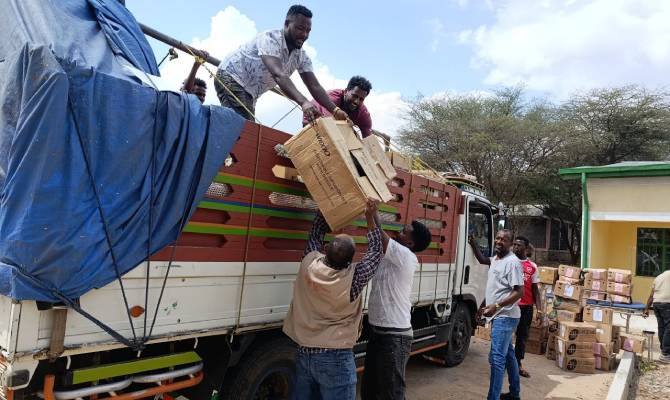
By readjusting project priorities, Doctors with Africa CUAMM intervened from the very beginning to respond to this emergency in a timely and effective manner. In the districts of Hamer— the epicentre of the outbreak— and Dasenech, we provided emergency support to Turmi Primary Hospital and seven affiliated health centres, focusing on five key areas: surveillance; triage and screening; infection prevention and control; staff training; and Risk Communication and Community Engagement (RCCE) activities.

Essential medicines, medical supplies and personal protective equipment were provided to facilities under strain, with the aim of improving preparedness, strengthening emergency response capacity, protecting healthcare workers and ensuring the continuity of essential health services.

Among the donated materials were: antibiotics and antimicrobials for the treatment of infections and the prevention of complications; emergency and life-stabilising medicines for acute cases; analgesics and drugs for symptomatic treatment; as well as significant quantities of intravenous fluids and rehydration supplies.

To reduce the risk of transmission, infection prevention and control materials such as gloves, eye protection, disinfectants and denatured alcohol were distributed. Surgical and consumable supplies supported the safety of clinical procedures, maternal health services and emergency interventions. Diagnostic materials, including pregnancy tests and Hepatitis C tests, ensured the continuity of essential diagnostic services.

Marburg is a severe viral disease caused by the Marburg marburgvirus (MARV), which belongs to the same family as the Ebola virus. With a case fatality rate of around 50%, this haemorrhagic fever can be transmitted through direct contact with the blood or other bodily fluids of an infected person, or through indirect contact with contaminated surfaces or objects. Prevention and control measures are therefore crucial to containing the outbreak.

The Marburg outbreak response in South Omo was made possible thanks to the support of the Italian Cooperation and funding amounting to 2.4 million birr allocated under the IMPACT project.

Building new opportunities of care

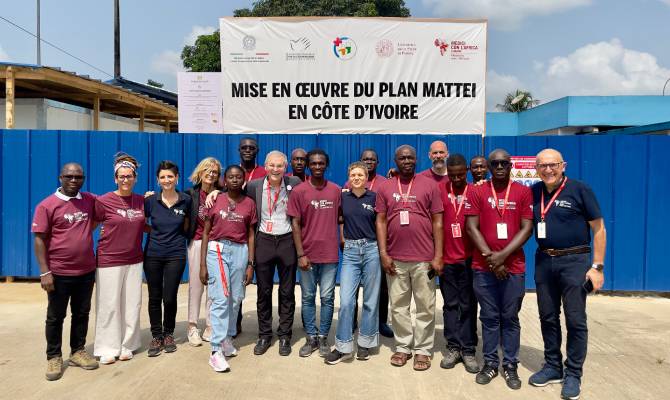
A major initiative is taking shape in Abidjan, involving us as partners alongside the University of Padua in the renovation and extension of the Abobo Hospital and in strengthening two affiliated health facilities: Abobo Avocatier and Abobo Baoulé.

In May, we launched this major initiative with an official ceremony held in Abidjan. Now, several months later, the commitment is becoming tangible. Construction is progressing at a rapid pace, even during the holiday season, in order to return to the population as soon as possible new, more functional spaces and new opportunities for care. This starts with expanding patient capacity, strengthening maternity and neonatology units, and introducing support services such as a blood bank and an oxygen center.

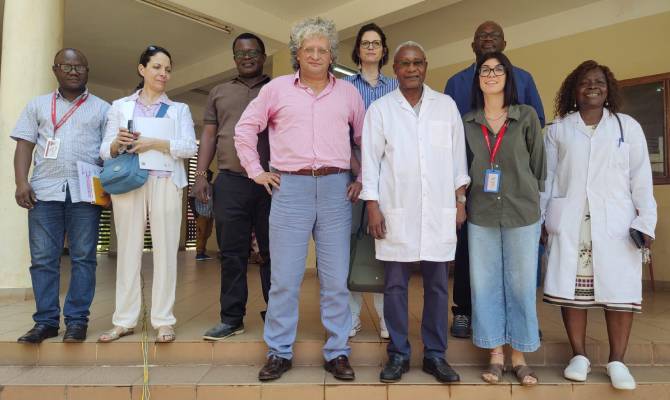
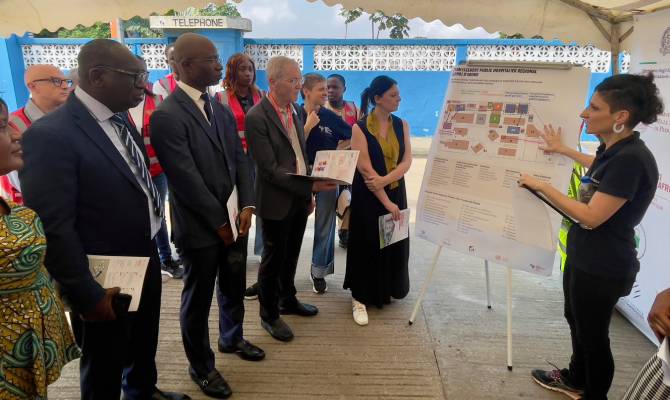
On Monday, December 22, we visited Abobo to see firsthand the progress of the construction site which involve the rehabilitation of existing spaces, the reorganization of services, and a major expansion of maternal and child health services. Specifically, the unit dedicated to gynecology-obstetrics and neonatology will cover 2,250 sqm, compared to the 770 sqm currently available; the number of gynecology-obstetrics inpatient beds will increase from 28 to 56, and the number of neonatology inpatient beds from 12 to 32.

The visit, conducted inside the large construction site, was attended by  Roberta Ronzitti, Italian Vice-Ambassador to Ivory Coast; Alessandro Rabbiosi, Representative of the Italian Agency for Development Cooperation in Abidjan (AICS); project partners from the University of Padua, represented by Professor Liviana Da Dalt; as well as representatives of Ivorian institutions, including Yeo Pena, Director of DIEMP (Direction Infrastructures Equipment Manutention et Patrimonie) and Representative of the Cabinet of the Ministry of Health; Dr. Kassi Georges, Regional Health Director of Abidjan 1; Dr. Kanga Charles, Director of the Abobo Est Health District; and representatives of the hospital itself: Dr. Nathalie Tan Fondio, Hospital Director, and Dr. Kouadio Kouadio Marcellin, Medical Director.

“Two words capture the spirit of this project: thank you, mothers and children.

Thank you first—because without Italy’s concrete and long-term support to strengthen Côte d’Ivoire’s health system, we would not be here today. Special thanks also go to the Ministry of Health for its constant commitment to the people of Abobo and for its trust in this partnership. Mothers and children are at the heart of this project. The high number of women and children we saw here reflects both the scale of the needs and the central role of Abobo Hospital in maternal and child health. Infrastructure matters, but so does training local health staff. In this regard, the partnership between CUAMM and the University of Padua is key. Together, we will continue to strengthen local capacities to ensure lasting, high-quality care for mothers and children.” said father Dante Carraro – CUAMM Director General.

“Maternal and child health is a top priority for the Ivorian government. National programs have been launched to expand quality care, including free targeted services and strong investments in training nurses, midwives, and doctors through institutional partnerships. Reducing maternal and child mortality is essential for Ivory Coast’s ambition to become a health hub in West Africa. This project fully supports that goal, and we are grateful for it. Training, in partnership with the University of Padua, is especially important: infrastructure matters, but well-trained health workers make the difference. We thank CUAMM, the University of Padua, and the Italian State for their commitment to mothers and children in Abobo.” affirmed Mr. Yeo Pena.

“The needs of the Abobo district were identified in 2024, and by the end of 2025 we are already working on the ground. This was made possible thanks to the strong commitment of a high-level Italian and Ivorian team. While challenges remain, particularly in space planning and facility organization, the progress achieved is very encouraging. In just a year and a half, we have reached a strong level of implementation.” concluded Roberta Ronzetti – Italian Vice-Ambassador to Ivory Coast.

Abobo Est is a rapidly expanding urban area. As the vibrant heart of the autonomous district of Abidjan, this neighborhood is home to approximately 750,000 people. In Abobo Hospital alone, 8,000 births were recorded in 2024. This average is expected to rise, making the strengthening of services essential. Hence the decision to intervene by working alongside government health authorities through a key health initiative implemented under the Mattei Plan, with financial support from the Ministry of Foreign Affairs and International Cooperation through the Italian Agency for Development Cooperation.

The scars of displacement and forced migration

“Those who experience displacement, those who are forced to leave everything behind, carry a scar with them. Mine, after all, today allows me to do my job here, among the displaced people of Cabo Delgado, to the best of my ability.”

Elisa Tembe, CUAMM psychologist and Project Manager in Cabo Delgado, Mozambique, works every day with people who have lost everything. Women, men, boys and girls who, because of the violence that erupted back in 2017, have been forced to abandon their homes and their land. According to UNHCR data, since the start of the attacks there have been 1.3 million internally displaced people—one third of the total population of Cabo Delgado—while in 2025 alone, the intensification of violence by non-state armed groups has caused the forced displacement of more than 250,000 people. Since 2017, an additional 6,000 people have been killed in this prolonged and forgotten crisis.

“Leaving a place you consider home is a traumatic experience. The emotional and psychological impact is immense. Many people carry on while waiting for the moment they can return to their place of origin; others try again and again,” Elisa told us.

She knows herself the pain of leaving everything behind and the trauma of being forced to shape a new life far from home. Elisa experienced firsthand the trauma of displacement in 2020, when she left the district of Macomia together her two children due to frequent attacks. Once she arrived in Montepuez, hosted by some relatives, Elisa had to start building a new life.

“When I started working with people who had gone through the same experience as me, I realized how fortunate I had been and how life-saving it was, for me, to have friends and family around. Receiving support in a condition of despair is essential; feeling seen and listened to can truly make a difference.”

Today Elisa works with the CUAMM team in Cabo Delgado; she lives and works in Pemba, where she manages a gender-based violence project funded by UNHCR, the United Nations Refugee Agency. Her personal experience, her training in psychology, and the family education she received from childhood allow her to carry out her work to the best of her ability, relying on the trust and respect of those who work alongside her every day in the field and of the people she assists, internally displaced persons and others.

UNHCR photo exhibition in Maputo on the occasion of the UNHCR’s 75th anniversary commemoration

Forced displacement in fact places an often invisible burden on host communities. Pressure on resources and services (water, food, housing, healthcare), economic impacts (the labor market, social costs), social and cultural tensions (conflict, xenophobia), and the deterioration of infrastructure and local livelihoods worsen an already fragile situation and create new vulnerabilities for everyone, making integrated interventions necessary.

“In Cabo Delgado, everyone needs support. Displacement affects the entire community on a large scale, but each person responds differently to trauma. Every individual finds their own resilience and their own way of applying it. Through our intervention, we try to offer support so that the community can support itself.”

Psychological and legal components are the core of the intervention that Elisa manages as Project Manager. A multidisciplinary group composed by psychologists, legal assistants, and community activists is involved in a bunch of activities that spam from psychological and legal support, to awareness-raising and education sessions, to trainings. Through practical activities such as carpentry and cooking, and vocational training courses, the project aims to promote economic independence and small-scale entrepreneurship, therefore empower community members.

On the occasion of the ceremony organized in Maputo for the 75th anniversary of the United Nations Refugee Agency and the 50th anniversary of Mozambique’s independence, Elisa shared her story, the commitment she carries forward together with the CUAMM team, and the hope she holds for the future: that these communities may grow strong enough to face the challenges ahead on their own, and that every person may be free to live in the place they call home.

A frugal technology for safe births

For the first time since it left the garage of its inventor, the Argentine mechanic Jorge Odon, the OdonAssist™ device has been used in the delivery room by healthcare personnel and not only by specialist doctors. This took place in Wolisso, Ethiopia, at St. Luke Hospital, where midwives and surgical technicians personally assisted women during childbirth.

“The success of these eight deliveries shows that we are on the right track,” says Michele Orsi, gynecologist at the Policlinico of Milan and CUAMM Project Manager. “Thanks to its ease of use, low associated risks, effectiveness, and high acceptability, the device has the potential to be truly revolutionary in expanding access to operative delivery in fragile settings.”

This first result highlights the potential of OdonAssist™, a tool that is as simple as effective and innovative. Thanks to this “inflatable sleeve,” the risks associated with operative vaginal delivery—necessary in cases of prolonged labor or fetal distress and traditionally performed using instruments such as forceps and vacuum extractors—are minimized.

“The tools available so far are instruments that require greater training and familiarity in their use,” says Michele Orsi, “and if they are not used correctly, they can cause complications that are difficult to manage in the absence of specialists and adequate equipment.”

Limited staff, often not highly specialized, and lack of equipment are common conditions in healthcare facilities across sub-Saharan Africa, where specialist doctors are scarce. The need, therefore, is to minimize risks and ensure safe childbirth. Safety, effectiveness, and acceptability are precisely what make OdonAssist™ a promising tool. For these reasons, as part of the feasibility study conducted in Wolisso, delivery-room healthcare staff were directly involved alongside the gynecologist. Assessing acceptability among both healthcare workers and women in labor in this context will be a key parameter in understanding the future prospects of this innovation.

The women who gave birth thanks to OdonAssist™ at St. Luke’s Hospital met specific inclusion and exclusion criteria of the feasibility study launched early this year thanks to an initiative funded by FID and implemented by CUAMM in collaboration with the University of Besançon and St. Luke’s Hospital in Wolisso. This study made Ethiopia the first low-resource country on the African continent to be involved in this type of research and today makes it the first and only country in which healthcare personnel have used OdonAssist™ operationally in a delivery room.

THE DEVICE

OdonAssist™ is safe and designed to be affordable. The device—born from the innovative intuition of Argentine mechanic Jorge Odon—is an inflatable tool intended for assisted vaginal delivery and is produced by Maternal and Newborn Health Innovation, a company registered as a Public Benefit Corporation. Compared to other instruments currently in use, OdonAssist™ is designed to be safer, easier to use, and more acceptable to both women and healthcare providers. It consists of a thin polyethylene sleeve and a retractable plastic introducer, at the end of which is a small cup that rests on the fetal head. Once positioned around the fetal head, the operator inflates a small air chamber at the end of the sleeve, ensuring a secure yet gentle grip around the baby’s head and facilitating traction through the birth canal. Thanks to this innovative design, the device combines three key mechanical principles that support the progression of the fetal head: propulsion, flexion, and traction. OdonAssist™ therefore presents itself as a potential alternative to forceps and vacuum extractors, helping to avoid cesarean section during the second stage of labor, when the mother is actively pushing.

Stepping Forward to Enhance Services for Newborns and Children

Improving the quality and accessibility of maternal-newborn and child health services: this was the core objective of the three-year “PROTECT” project in Mozambique, funded by the Italian Cooperation, which is nearing completion. A dual event in Maputo and Beira served to showcase the results and best practices of an intervention that reached 3 health centers (Zimpeto Center, Maputo Children’s Center, and Machava Center) and the Mavalane General Hospital in Maputo Province; 6 health centers (Munhava, Ponta Gêa, Chingussura, Nhaconjo, Macurungo, and the Multipurpose Center) and the Beira Central Hospital (HCB), specifically targeting the Pediatric Emergency Department (SUP), Neonatology, and the Delivery Room, in Sofala Province.

The project was implemented by Doctors with Africa CUAMM alongside Comunità Sant’Egidio and Auci, in collaboration with the University of Padua, the Beira District Services for Health, Women, and Social Action, the Directorate of the Beira Central Hospital, the Directorate of the Mavalane General Hospital, and the Provincial Health Directorate of Maputo.

While infant and neonatal mortality rates in Mozambique remain high and not alligned with the 2030 Sustainable Development Goals, notable progress has been recorded over the last decade.

Thanks in part to PROTECT, the Beira Central Hospital—the reference facility for the entire Sofala Province—has seen a decrease in pediatric and neonatal mortality. The quality of care provided to newborns with pathologies has improved, leading to a reduction in the early neonatal mortality rate. Furthermore, the quality of the pediatric emergency service has advanced with the introduction of the triage system, and access to both services has increased, supported by the dedicated ambulance system managed by CUAMM.

The numbers bear witness to this dedication:

  • At the Beira Central Hospital, pediatric mortality is now 4% (well below the project target of 10%).
  • Neonatal mortality stands at 7%, and mortality in the first seven days of life is 4.7%.
  • In the health centers, neonatal mortality within the first 24 hours has dropped to under 1%, a success bolstered by the efficient transfer service provided by the Cuamm-managed ambulances.

“I dream of reducing neonatal mortality in our neonatology unit so that mothers and caregivers have total faith in us and that we can be proud of the public service we offer,” shared Dr. Geronimo, a physician in the Beira Neonatology unit.

Focused Support: The Neonatology Unit

The HCB Neonatology service is the main provincial referral center for sick newborns. The primary causes for admission are perinatal asphyxia, prematurity, infections, and malformations, with approximately 150 to 170 newborns admitted each month—around 2,000 annually.

Since 2023, the project has supported the Neonatology unit to enhance the quality of care for sick newborns admitted to the Neonatal Intensive Care Unit, the Joint Admission Unit, and the area dedicated to the Kangaroo Mother Care (KMC) method.

Continuous clinical and technical support was provided, including: 36 “on-the-job” training sessions involving 353 participants, the stable presence of a pediatrician, the addition of 4 maternal-child health nurses and 1 pediatric nurse for a total of 9 months over 3 missions; the development of 8 diagnostic-therapeutic protocols for managing the most common clinical conditions.

“Working with the project team allowed us to exchange ideas and discuss approaches to newborn care. Even with the few resources we have, by changing our behavior, it is possible to achieve better results. This was the most important lesson, and our commitment must continue because the neonatology unit is our home,” added Dr. Geronimo.

A powerful synergy was forged with the project “Strengthening the system of healthcare personnel training institutions and supporting the development of telemedicine” at the Beira Health Sciences Institute, also financed by the Italian Cooperation. A professional course in Neonatal Nursing for 20 nurses already working at HCB, Beira General Hospital, and Nhamatanda Rural Hospital, who will return to their posts in 2026 after a year of training, ensuring the continuity of quality care for newborns. “We learned so much through the training. My dream is to have a team of nurses all trained in neonatology,” added Nurse Angela, head nurse at the Beira Neonatology unit.

Saving Lives in the Emergency Department

The HCB Pediatric Emergency Department (SUP) receives approximately 28,000 children annually, aged one month to 14 years. Over 12,000 children under five access emergency services, with 2,000 annual transfers by ambulance.

As part of the intervention, a triage system was developed to streamline patient management, reduce waiting times, and improve care. Emergency personnel (doctors, nurses, and health technicians) were trained on the correct use of the color-code tool and the management of major pediatric emergencies. This included 3 theoretical training courses with practical components and 36 “on-the-job” training courses, involving a total of 422 healthcare professionals from HCB, Beira General Hospital, health centers, and ambulance services.

Regarding the emergency transfer of sick newborns and children from health centers to the Hospital, 1,909 health workers were trained over three years on stabilization and transfer techniques. This was complemented by strengthening the data collection and review system, along with supervision to monitor improvements.

The Power of Community Activism

A fundamental role was played by the 20 community activists who, after a training period, were assigned to various health centers and the Beira Central Hospital. Their mission was to raise awareness among women about danger signs during pregnancy, the importance of prenatal visits, and adequate nutrition.

In the Maternity and Postpartum wards, the activists supported mothers by reinforcing their knowledge on newborn care, including hygiene and exclusive breastfeeding, as well as the importance of the first-month check-up and adherence to the vaccination schedule. Crucially, the activists promoted the Kangaroo Mother Care method for low-weight newborns and fostered family involvement, particularly that of the father or husband, in the care of mother and child.

During the project, approximately 6,800 awareness sessions were conducted, reaching over 240,000 mothers and caregivers.

I was proud to be part of the project team. I learned many things about caring for the mother and newborn and passed it on to all the women I supported. It was my responsibility to explain to the mother how to care for her newborn and to convince her, for instance, to adopt the Kangaroo Mother Care method. The doctor did not speak the local language and could not follow the woman through her difficulties with her family and managing other children at home. So, I had to mediate and convince the whole family that the newborn, even if premature and underweight, could recover with that method,” concluded one of the project activists.

The Commitment Continues

The “PROTECT” project concludes as a vital pillar in the fight against maternal and neonatal mortality, a success born from teamwork. “We would like the intervention to expand to all 19 health units in the district and for the training package to be shared across all 13 health units with Maternity services,” stated Dr. Sónia Ana Mudengue, Director of the District Services for Health, Women, and Social Action in Beira City.

CUAMM’s technical support to improve the quality of neonatal and pediatric services in Sofala province will continue, with different modalities and levels of intervention, to be planned, as always, together!