TRAINING: A NECESSITY

To provide better health services is possible, including in the Karamoja and Lango regions, by strengthening human resource training.  Since last June Doctors with Africa CUAMM, in collaboration with Elma Foundation, has been supporting a three-year project on maternal and child health to strengthen the skills of health personnel and offer support to the Ugandan Ministry of Health.

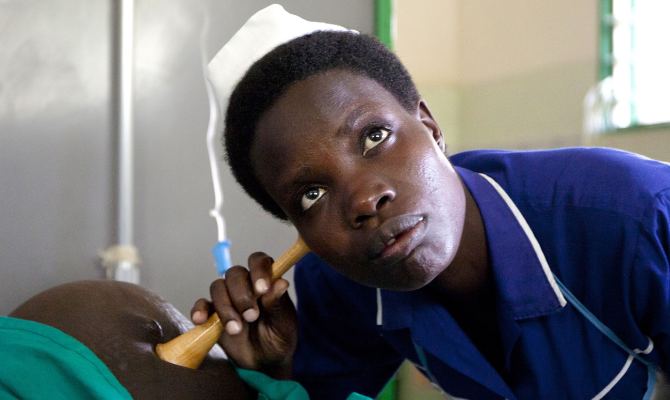
There are 37 professionals included in the training, among them anesthesiologists, radiologists, pediatric nurses, laboratory technicians and midwives.

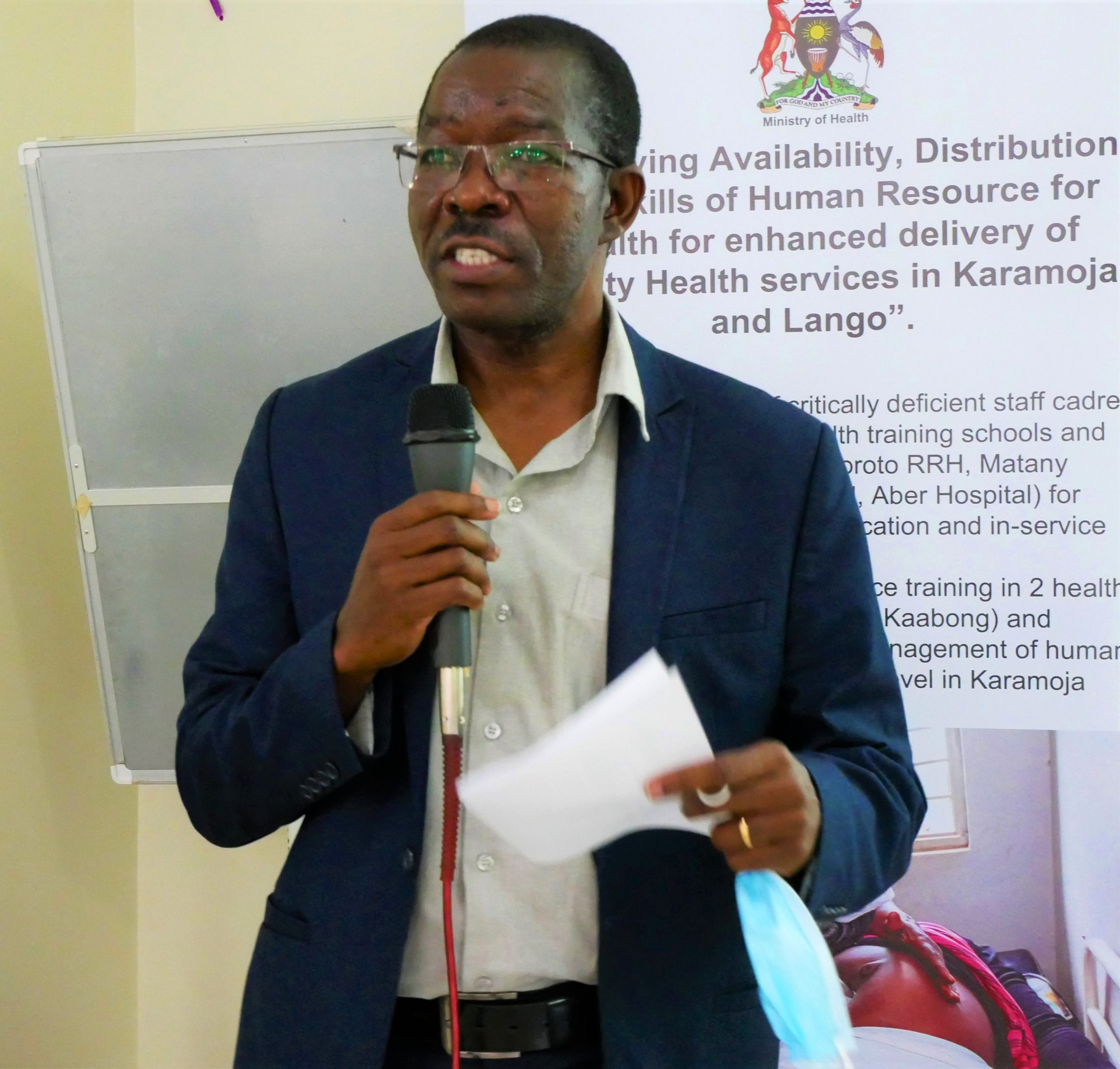
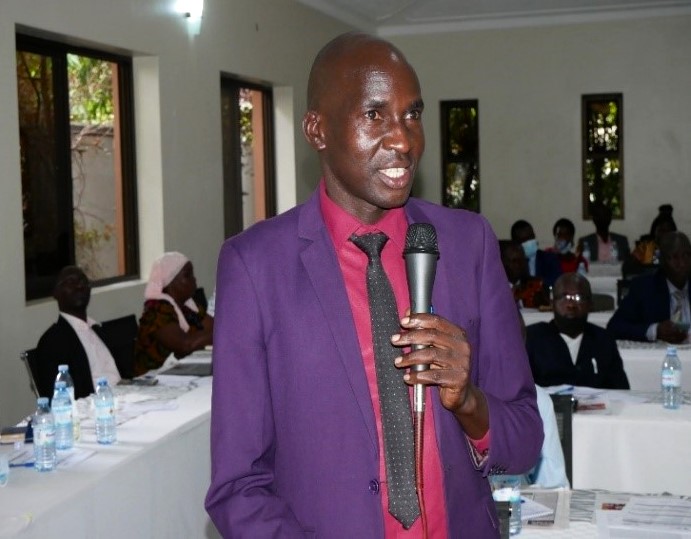
The project was presented during a conference organized in the city of Soroti, which was attended by key stakeholders from the 9 districts of Karamoja and the 4 districts of Lango. This was a key moment for the involvement of local authorities, managers and health facility workers.

Karamoja and Lango regions, with a population of 3,756,500 people, suffer from a shortage of human resources in the health sector. In 2021, there were 1,164 vacancies in Karamoja, accounting for 41% of positions, while Lango had 936 vacancies, accounting for 27% of positions. There was a wide disparity of vacancies among districts and some key positions, such as anesthesiologists and radiologists.

During the meeting in Soroti, Peter Lochoro, CUAMM’s country representative in Uganda, emphasized that this program is timely to increase the number of anesthesiologists and to encourage learning about the use of equipment, such as x-ray machines, and in newborn care. “I am asking the districts to support us as partners in absorbing qualified staff – Lochoro said – starting with placement in private non-profit hospitals or neighbouring districts where there are shortages, so that professionals do not go out of work or change cities after specializing”.

On behalf of Elma Foundation, Rita Akankwasa thanked Doctors with Africa CUAMM for the fruitful collaboration, in support of Karamojacand now Lango to provide quality health services: “Recently CUAMM and Elma  successfully concluded a 4-year program in Karamoja, during which they worked in synergy with the districts to identify local nurses and midwives to be offered specialization. We are working hard, so that these health workers will be absorbed into the country’s workforce”.

In conclusion, the gratitude expressed by Patrick Barughare, representing the Ugandan Ministry of Health: “When we talk about human resources for health, we focus not only on health workers, but on all those people who are engaged in actions that make a difference in the health service. In Uganda, human resources for health is guided by a 10-year strategic plan (2020-2030), which includes three steps: planning, development and management. The major issues are limited salaries, the need for thorough training, and lack of equipment. This project is helping us address all these difficulties, for better health care!”.


THE BEAUTY OF DOING YOUR PART

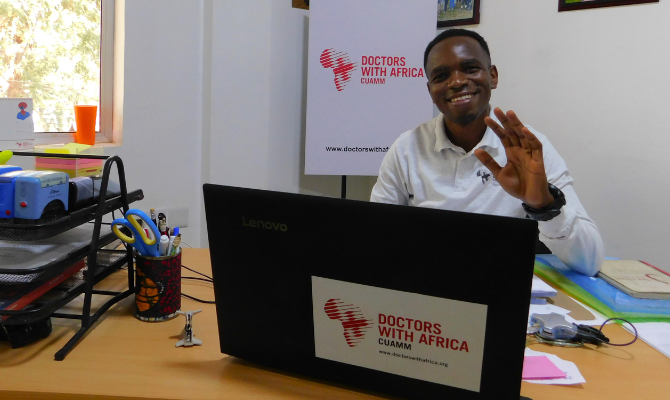
«Today is a special Thursday for me! On August 11, 8 years ago, I joined Doctors with Africa CUAMM. And started to work with professionals who dedicate their time and energy to Africa, often giving up so much to help the most vulnerable.

To hold the admistrative role in this organization means going far beyond accounting, logistics, mobilization and management of resources to implement projects. At CUAMM I have the opportunity to support mothers, children and other fragile groups to have access to quality health care and therefore to improve their well-being.

I am proud of my small contribution: in 8 years, my skills have saved the lives of malnourished little ones, patience with HIV and chronic diseases. It is exciting to reap the rewards of my hard work. The achievements of doctors, nurses and non-medical staff to assist people to the last mile. I am proud to be part of a team that strives, daily, for the right to health of my people!

Foundamental to me were Mahatma Gandhi’s words, “Whatever you do will be insignificant, but it is very important that you do it”. If each of us enacts the insignificant, we will collectively have a huge impact in people’s lives, therefore, we must do it!

Eight years ago, I started with small prject management, eventually moving on to deal with articulated projects. CUAMM gave me confidence, as did my colleagues, who helped me grow professionally and as a human being. THANK YOU!».

ONE IN THREE HUNDRED: THE STORY OF LITTLE PETRO

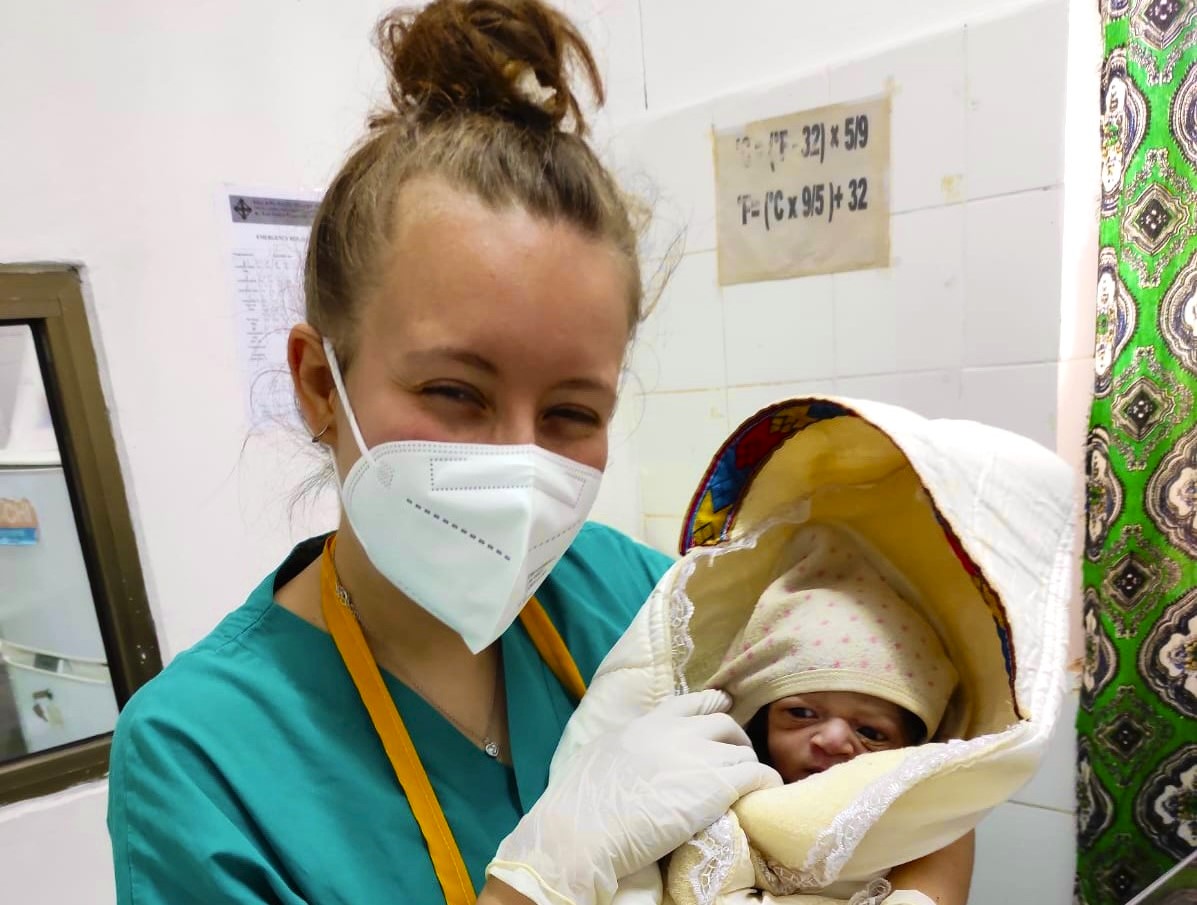
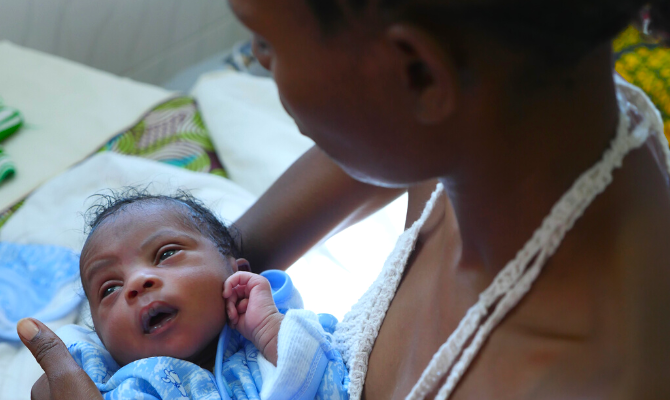
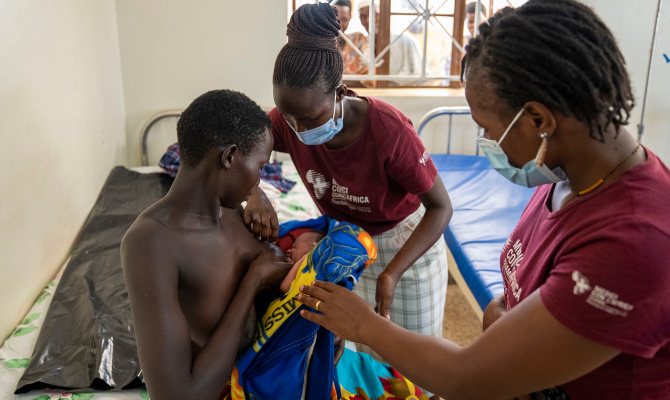
«Petro was born at Tosamaganga Hospital last April. Delivery occurred by natural means, but the baby needed oxygen therapy. So, he was admitted to the neonatology ward, where he received all necessary treatment. Due to breathing difficulties, during the early days of hospitalization, the baby was not able to breastfeed. On the fourth day, Petro got better and, as customary in the ward, we asked the mother to squeeze milk from the breast for her baby. However, only then the woman told us that she was never even able to breastfeed her previous children, who passed away within a few months of birth. Given the exceptional situation, we decided to help the mother and her baby, offering them formula», explains Martina Borelli, Doctors with Africa CUAMM’s paediatrician in Tanzania.

From January to July 2022, in the neonatology ward of Tosamaganga, 300 children have been admitted. Petro is one of them, the only one discharged with formula. Hospitalized children, in fact, receive breast milk as soon as possible and mothers are educated by local staff on the importance of breastfeeding, for themselves and for their baby. All over the world, particularly in low-to-middle income countries such as Tanzania, breast milk is an essential food, not only because of its singular nutritional properties, but also for its financial sustainability. Not being able to guarantee it puts the lives of the most fragile at risk, as the story of Petro’s two little brothers shows.

Today more than ever, breast milk becomes the best defence against malnutrition for African children: the rise in the cost of living and basic necessities, tangible consequences of the ongoing war in Ukraine, causes exponential growth in cases of children with severe acute malnutrition. Without taking into account the sanitary and economic impact of the Covid-19 pandemic. In Tanzania, only 59% of infants under six months are exclusively breastfed. Sometimes mothers tend to feed babies too early with solid foods that can cause permanent damage at such an early age. CUAMM’s commitment to awareness raising activities on the topic of breastfeeding is ongoing. With the support of professionals trained in health centers and through home visits, efforts are made to educate about proper nutrition for one’s baby, which always begins with breast milk.

«Petro is now 4 months old, – concludes Martina – he grows and is doing well. His mother comes back regularly to Tosamaganga Hospital for check-ups and CUAMM staff continues to support the family. The story of this child, one in three hundred, further emphasize the need, at a global level, to protect and promote breastfeeding, the foundation for an equal and sustainable development».

PROMOTING BREASTFEEDING TO PREVENT MALNUTRITION

As usual, even more so this year, Doctors with Africa CUAMM participated to the world week for maternal breastfeeding launched by the World Alliance for Breastfeeding Action (WABA), supporting and promoting in its daily commitment in the field the importance of breastfeeding to ensure a healthy development of children and to prevent malnutrition.

Why?

9.8% of world population does not have regular and daily access to food. A staggering 828 million people suffered from hunger in 2021, 46 million more from 2020 and 150 million more from 2019. An estimated 2.3 billion people worldwide (29.3 percent) lived in moderate or severe food insecurity in 2021, 350 million more than the previous year. About 45 million children under the age of five are malnourished.

Africa carries the heaviest burden

One in five Africans, the 20.2%, suffered from hunger in 2021. These are the alarming figures from the United Nations SOFI 2022 Report on food insecurity and nutrition worldwide, a reflection of the sanitary and economic impact of the Covid-19 pandemic, of the intensification of extreme climate change effects and of conflicts, resulting in a drastic growth in inequality. A scenario further aggravated by the ongoing war in Ukraine, which brought global supply chains to a halt, causing an increase in the prices of grain, fertilizer, energy, and ready- to-use therapeutic food (RUTF) necessary for children with severe acute malnutrition.

Commitment to the field

The world week for maternal breastfeeding then, becomes another opportunity to strengthen the work of maternal and child health intervention done in the various countries, also as part of the program “Mothers and Children First. People and Skills.”

From Ethiopia to Mozambique, from Uganda to the Central African Republic, there have been many initiatives to raise awareness and educate about the importance of exclusive breastfeeding, particularly in the first six months of a child’s life, which is crucial to health and development and, consequently, to the well-being of society as a whole.

In Ethiopia

In Ethiopia, about 58% of children are exclusively breastfed for the first six months (EDHS 2016). This rate is due to the fact that, contrary to the recommendation, many infants are also fed with water, herbal remedies or are early initiated to complementary food other than breastmilk before turning six months old.
“During the recent conflict in cities near Jinka, in South Omo, we have seen children survive to the crisis just trough breastfeeding – recounts Eleni, Ethiopian paediatrician at CUAMM – When mothers get to the hospital with their children sometimes they cannot procure enough food for the journey and for their stay. Most of the times the only source of food for these children is breast milk. We also hospitalized some infants because they had been fed solid foods and herbal remedies that caused them gastroenteritis, dehydration, gastrointestinal bleeding and sepsis. These cultural practices are deeply rooted and widespread. Therefore, we try to educate all hospitalized mothers on what exclusive breastfeeding is and how important it is for their health and that of their little ones. In addition, training was given to health workers, according to WHO guidelines – Eleni continues – It is the health workers, then, who teach mothers good practices during health education activities in hospitals and in the community. In June, we held an updating course for more than 30 operators, concentrating on the importance of initiating breastfeeding in the early hours of life and how to facilitate and practice it properly, using instructional videos.”

In Mozambique

Neonatology at Beira Central Hospital is divided into two areas: kangaroo and intensive care – reports Elena Altieri, Cuamm’s paediatrician in Beira, in Mozambique –. In the former, skin-to-skin contact between mother and baby is encouraged, including through the very practice of kagaroo, breastfeeding or the feeding of extracted breast milk in premature infants who still have sucking problems. In the latter, on the other hand, are the most critical infants who are admitted without their mothers, but even in this case, preference is always given to the administration of extracted breast milk. Every day, when mothers visit, they are encouraged to pump milk, explaining the countless benefits that breast milk has for their babies. A course on managing obstetric and neonatal emergencies for ambulance and peripheral health center nurses was held in recent weeks – recalls Elena – In the section on the newborn, the importance of initiating early breastfeeding in the first hour of life in the delivery room was widely emphasized.”

However, the difficulties are not absent, and the indirect effects of Covid-19 have also affected Beira Hospital, as Maria Luisa, a local neonatology nurse, recounts: “Regarding rural areas, we have the problem of transferring babies from locations far away from Beira. When mothers are not hospitalized, the distance and cost of transportation prevent them from coming to the hospital several times a day and therefore from breastfeeding their baby as often as necessary. With the pandemic, these difficulties have been exacerbated and only now does the situation seem to be improving and the use of extracted breast milk has increased again.”

In Uganda

In Uganda, the promotion of breastfeeding is part of the normal “package” of activities provided for maternal and newborn health. At the health center level, Cuamm supports the training of midwives and the practice of breastfeeding is explained especially during prenatal visits. At the village level awareness is raised through radio messages and during community discussions and meetings with village health teams (VHTs), the village community workers. However, there are some regions where Cuamm works, such as Karamoja, where in recent years, climate change and the current food crisis are having a major impact on breastfeeding, mothers, not having quality food for themselves, are not able to produce nutritious milk for their babies.

Never before has the widespread adoption and promotion of breastfeeding been so crucial: it can prevent 20,000 maternal deaths from breast cancer and 823,000 infant deaths a year (The Lancet), as well as decrease economic losses and the burden on countries’ health systems.

In Sierra Leone

“I had my first daughter at 24 years old and I knew nothing about breastfeeding. I had no one to “teach” me how to raise a child because I had lost my mother seven years earlier –  tells us a mother during an awareness meeting at the PCMH hospital in Freetown, Sierra Leone – At the time, I was feeding my one-week-old baby girl with both my milk and water and therefore she became ill with pneumonia. It was not until my second pregnancy that I started learning a lot about exclusive breastfeeding, hygiene, weaning and taking care of my babies in the hospital, thanks to the health workers. I am grateful for the support I received.”

In Central African Republic

In CAR, health awareness and education activities take place in the yellow code waiting room, triage and wards. The main messages are about hygiene, before and after breastfeeding, and the benefits of exclusive breastfeeding to strengthen the immune system and improve the child’s growth and cognitive development.
Breastfeeding support is a public health issue, a collective responsibility that requires investment at all levels.
FOR AN INTEGRATED APPROACH TO TREATMENT

Insidious, but preventable and treatable, non-communicable diseases (NCDs) are constantly increasing in Mozambique, posing a heavy burden on the health care system. To draw attention to the problem, on researches carried out, on good practice implemented and on the important teamwork developed among different participants, Doctors with Africa CUAMM organized in Maputo, in Mozambique, the International Conference: “Diabetes and Hypertension: access and treatment for chronic patients”. On Tuesday the second of August this conference brought together in a participated discussion institutions and chronic disease experts with whom CUAMM cooperates to promote initiatives set out to prevent and treat diabetes and hypertension in Mozambique.

This initiative has been included in the project of “Prevention and control of non-communicable diseases” in Maputo and in the provinces of Sofala and Zambezia, financed by the Italian Agency for Development Cooperation and realized in partnership with the Sant’Egidio Community and AIFO. This project sets out to reinforce the responsiveness of the Ministry of Health to the rising incidence of non-communicable diseases in the Country, by developing an action aimed at improving early diagnosis and treatments in terms of quality and quantity. The project is now in its final year of implementation, for this reason, the event was also an opportunity to highlight some of the innovative results and good practices achieved during the three-year period in three provinces across the Country.

41,345 people have been screened for diabetes, 377,758 for hypertension, of these, 1,555 people have been diagnosed with diabetes and 12,470 with hypertension. Furthermore, 54,352 visits to patients with diabetes and hypertension were made and 243 health workers were trained on diagnosis and management of chronic patients.

Participation to the conference exceeded all expectations and the three sessions of presentations of ideas, cases and proposals were very successful. At the end of the day a panel discussion was held, which the Ministry of healthcare and major stakeholders present in Mozambique attended. The focus was to figure out how to concretely and decisively contribute to the achievement of the goals laid out in the 2030 Agenda for Sustainable development and to ensure the health and wellbeing of everyone regardless of age.

“Chronic diseases need a new model of care” reiterated Giovanni Putoto, Head of research and programming at Doctors with Africa CUAMM. There have been different interventions highlighting the necessity of an integrated approach to chronic patients who takes into consideration diabetes and hypertension patients’ needs, but, most importantly, incorporates taking care of the chronic patient into the strategies of the Ministry of Health to give a concreate response to the growing number of people diagnosed with diabetes and hypertension in Mozambique. “During the project a lot of studies have been conducted, but among the most important is certainly the one about the cost to the health system of a patient with diabetes and hypertension”, recalled Elio Giombini, Head of the AICS Health Sector. “The study will provide important evidence to support the fight against NCDs that Mozambique’s Ministry of Health has initiated”.

“We have to accelerate and be even more determined”, insisted Raquel Mahoque of the WHO during the panel affirming that it was necessary to have a multi-sector approach, involving the private sector and the diabetes and hypertension patients’ organizations. In agreement with this approach were also Bent Lautrup Nielsen of the World Diabetes Foundation, who insisted on the necessity of creating partnerships with the Ministry of Health, and Ana Olga Mocumbi of NCDI Poverty Network who strongly emphasized the importance of networking among institutions.

This is why pursuing a common agenda is fundamental to improve the quality of life of Mozambican chronic patients especially because, as the Ministry of Health representative reminded everyone at the beginning of the Conference: “the majority of non-communicable diseases is avoidable and controllable”.
The work of Doctors with Africa CUAMM in Mozambique is demonstrating that this is possible.


WE CAN’T WAIT: WORLD HEPATITIS DAY

“We can’t wait”. This is the message chosen by the World Health Organisation for the International Day against Hepatitis, which is celebrated on 28 July. An occasion to remember that a world free of hepatitis is possible, thanks to vaccination, screening and the use of drugs that act directly on the virus and allow its elimination in over 95% of cases.

Action is needed now. This is why Doctors with Africa CUAMM and the Veneto Region are supporting the “Protecting mothers and children in Wolisso and Jinka” programme to defeat hepatitis B in the South Omo area of Ethiopia.

«Since the begining of the program, – explains Eleni Hagos, paediatrician of Doctors with Africa CUAMM – we heve beeen trying to stregthen the screening of all pregnant women for HB virus as there used to be interuptions due to stockout of screening tools and other reasons. We already did an awareness rasing sessions in the different health centers and hospital around South Omo with another CUAMM project, “1000 days”. So the current HB project is stregthening the already started job. But of course, before the awareness raining, we did with the “1000 days” project there was a huge gap in doing screening for all pregnant mothers and adminstering vaccines for the new born. Crucial is the training component for health workers with which we were able to strengthen their awareness on the impact of HB virus infection on the newborn and babies who aquire the disease from their mother. With the training, we were also able aware them about newly strating programs and treatment options for mothers to decrease the transmission from mother to the child».

“Protecting mothers and children in Wolisso and Jinka”, promoted by the Veneto Region, is considered one of the pioneer projects in the southern region of Ethiopia, and probably at national level, specifically focusing on hepatitis B prevention: the Ethiopian Ministry of Health is launching new plans to prevent mother-to-child transmission of hepatitis B, syphilis and HIV.

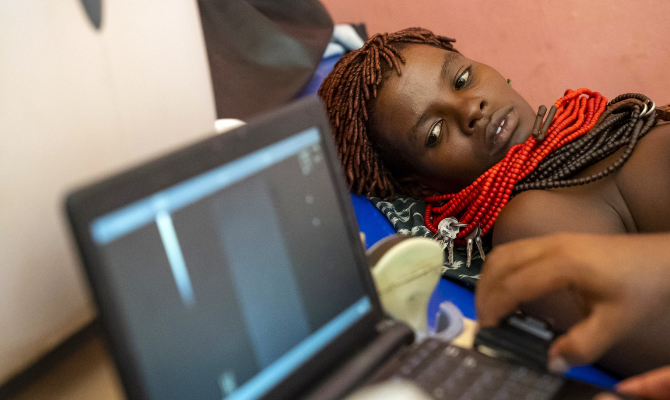
«Among the patients we have cared for – Eleni continues – I remember a mother from the Hamer people who was referred to our hospital because she had given birth to preterm, low-weight twins. The referral came from one of the rural health centres. During the anamnesis, the woman told of having given birth, without any help, in the bushes near her home. She then went to the health facility because her children could not drink milk. As part of the screening against hepatitis B, we tested her and she tested positive. Although it had been 24 hours since her arrival, we gave her the hepatitis B vaccine to take advantage of the 72-hour window, since it is still possible to prevent transmission. We also injected her with a tetanus vaccine, since the birth had taken place on the ground with high risk. Thanks to our care, her babies started feeding and after a week they were discharged healthy, together with the mother».

The programme in brief

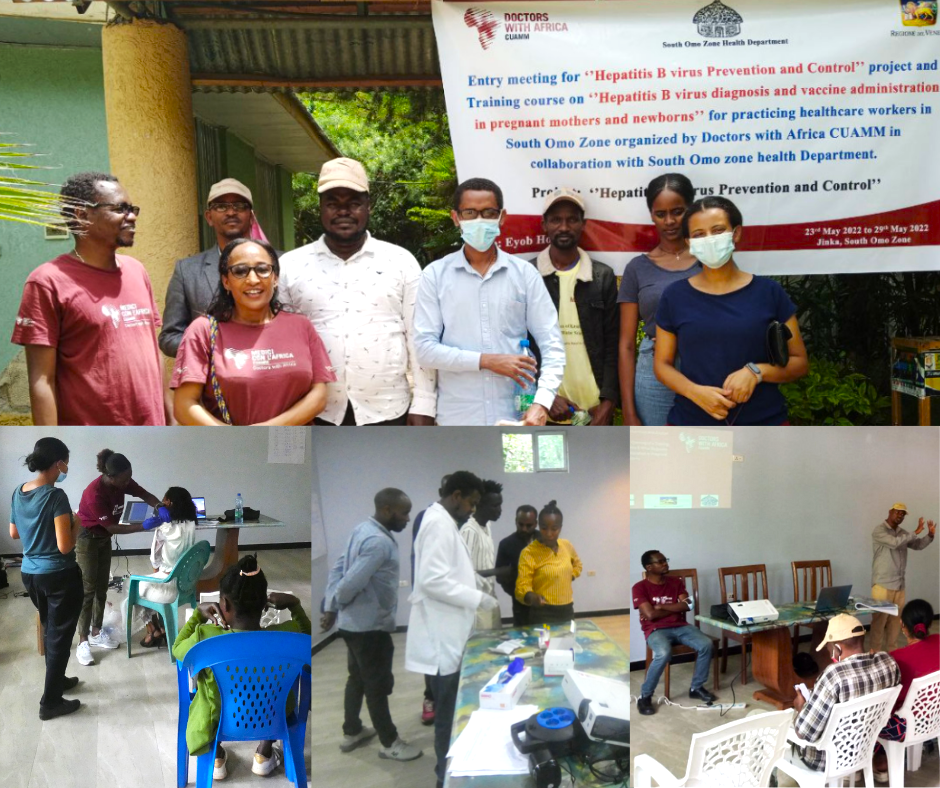
The health campaign “Protecting mothers and children in Wolisso and Jinka” is will end next December. The activities promoted consist of technical assistance by selected health personnel, coordinated by a local paediatrician, and “on-the-job” training of professionals for monitoring and data collection at the target health facilities in the South Omo area.  The last training course on diagnosis and administration of the hepatitis B vaccine was attended by 42 people, 29 of whom passed the final test with over 80% marks.

In addition, awareness-raising activities, a supervision round at peripheral health units in the South Omo area, advocacy meetings and group discussions with Ethiopian authorities were carried out.

The interim results of the project

From January to June 2022, a total of 1,851 women benefited from their first antenatal visit in the health facilities located in the project’s intervention area – Jinka General Hospital, Koybe Primary Hospital, Gazer Primary Hospital and Turmi Health Centre – and a total of 2,841 women gave birth in the facilities with a record 2,875 newborns during the same period. During the same period, 1,161 women completed screening for hepatitis B and 49 were recorded as positive. At St. Luke’s Hospital, 312 mothers were screened for hepatitis B out of a total of 943 women who had their first antenatal visit and 12 tested positive.

Why hepatitis B is so wide-spread in the village of Turmi

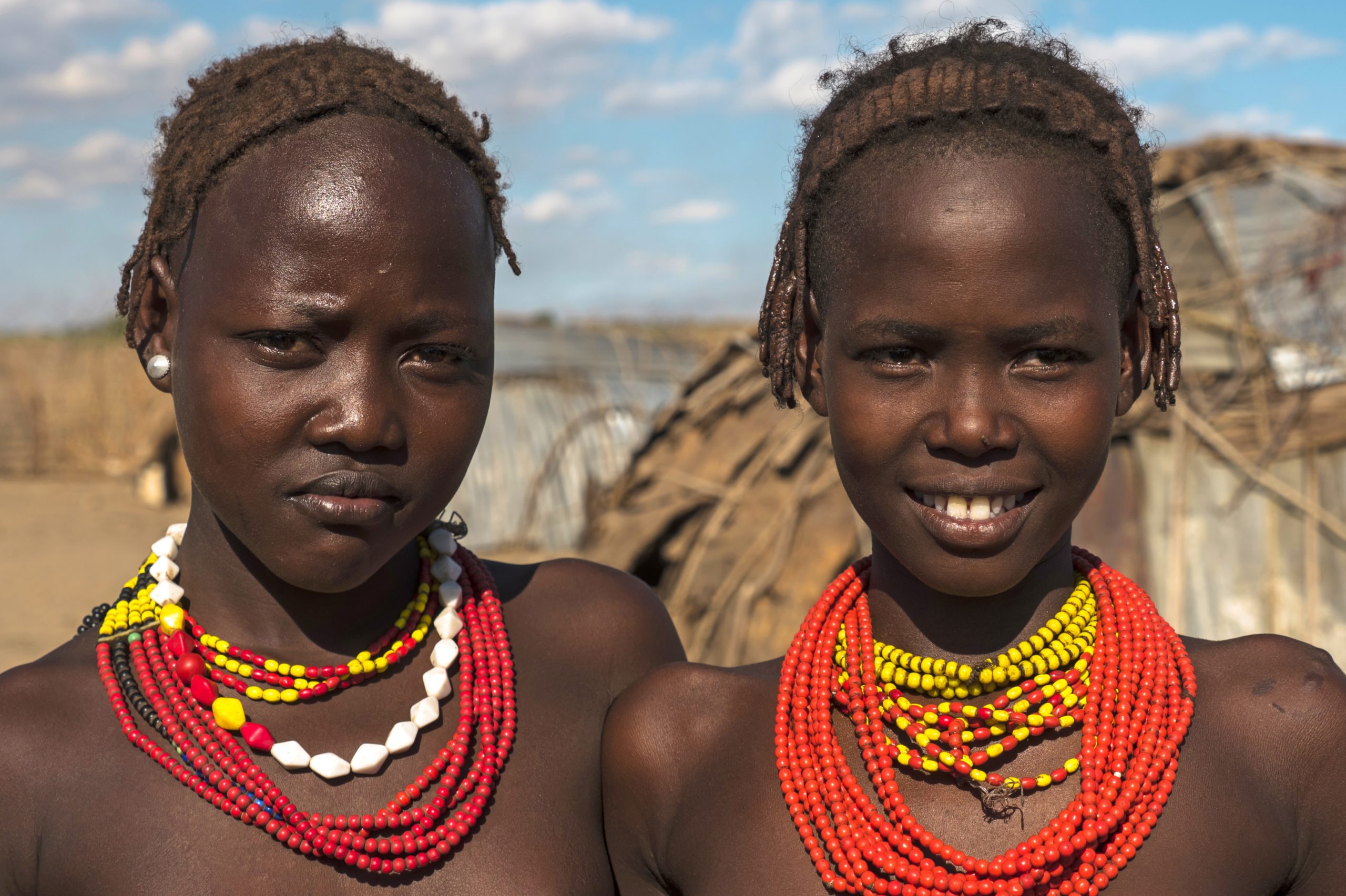
«There are cultural practices in the village of Turmi, an area in South Omo – explains CUAMM project manager Kusse Koirita – that might contribute to the high incidence of hepatitis B and will have significant health implications. First of all, the “bull jumping” ceremony, in which women are hit with the same stick until they bleed, may predispose to blood contamination.

The traditional dance ‘’Evangadi’’, that passed through generations and which is performed at night, mostly to celebrate a good agricultural harvest or peace, where the girls may be exposed to unprotected sex could be another risk factor for the transmission of hepatitis B.

Home birth is also another factor which might contribute to the spread of hepatitis B: traditional birth attendants do not always observe hygiene rules and do not use gloves».

Awareness-raising and community health education, together with staff training, therefore become essential elements to protect mothers and children.

American Ambassador to the Holy See Joe Donnelly meets CUAMM

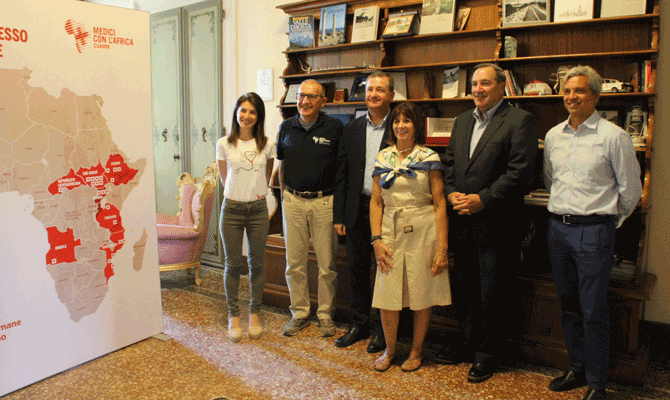
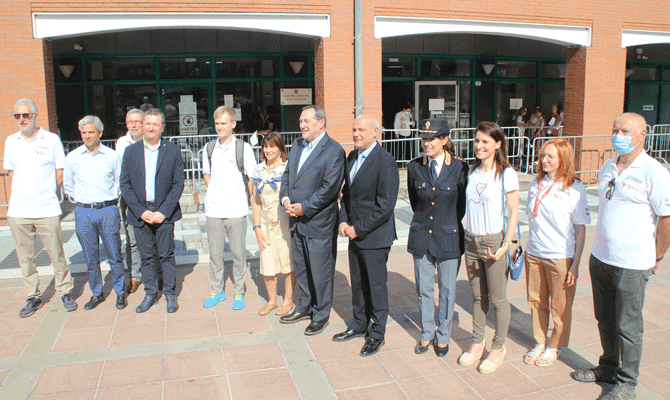
Last week saw the official visit of the American Ambassador to the Holy See, Joe Donnelly, to Padua, to personally get to know Doctors with Africa CUAMM, its commitment in Africa and its intervention in Italy and in Ukraine in favour of the most vulnerable.

The morning was an intense one, which first led the ambassador and his staff to visit the Immigration Office, in Piazza Zanellato, to get a close-up view of the commitment to welcoming migrants. In a second moment, Donnelly visited the CUAMM headquarters, in Via San Francesco, where he was informed about the work in eight African countries south of the Sahara, in favour of health and care for the most fragile segments of the population, mothers and children, and the training of local human resources. A particular focus is the Cuamm’s commitment in Italy, which has grown over the last two years, also thanks to the support of USAID.

Hence the recent collaboration with the Padua Police Headquarters, started on 28 March, to contribute to the activities of the Immigration Office. During March and April, due to the crisis in Ukraine, the number of people received by the desk doubled, reaching peaks of 350-400 in the first weeks of the conflict. They are mostly women, elderly people and minors.  Since this cooperation began, the helpdesk has received some 22,000 foreign nationals and has seen Cuamm volunteers actively engaged in reception.

«This was an important opportunity for me to get to know at first hand the commitment of Doctors with Africa CUAMM, the extraordinary work it is doing in response to the emergency in Ukraine, and its commitment in Africa, where it continues to work on the front lines to ensure access to care for the most vulnerable. – said US Ambassador to the Holy See Joe Donnelly – Thank you for the work you do in what you call the last mile, where the need for intervention is greatest. Seeing the fruits of the collaboration between Cuamm and USAID and knowing that together you can save the lives of many people, in Africa and beyond, is truly inspiring».

Antonio Sbordone, Chief of Police of Padua, said: «Our Immigration Office provides an extraordinary service, managing to bring together security considerations and those of welcoming and supporting the most vulnerable. We need support to best achieve this objective and the CUAMM is making an absolutely outstanding contribution. The volunteers are now perfectly integrated in the spirit that animates the policemen of the Immigration Office of the Questura of Padova, and my admiration and gratitude towards the CUAMM, for what it does in the world, and for what it does for us, is absolute, but also heartfelt».

«This visit is a great sign of esteem and friendship for us – said Andrea Borgato, deputy director of CUAMM -. Thanks to the special support we received from the United States Agency for International Development (USAID) at the outbreak of the Covid-19 pandemic, CUAMM was also able to carry out important initiatives and works in Italy and Padova. Although we always have Africa in our hearts, at a time of serious emergency, we have also been able to donate professionalism and expertise to our country, and this has been very important for all of us. On this road is the collaboration with the Immigration Office, which sees about 30 volunteers working every day to welcome migrants. In recent months, they have donated over 2,600 hours of their free time to help someone fragile and in need. This is one of the foundations on which, for over 70 years, CUAMM has based its choices and actions, in Africa, and also in Italy».

The 30 or so CUAMM volunteers at the Immigration Office give their time and availability to safely manage the reception phase of people in order to facilitate the receipt of paperwork and streamline procedures, thus guaranteeing a service of support and assistance to people in a state of stress or difficulty dictated by the critical situation. Added to these activities was the contribution of the interpreters who, in addition to providing assistance at the Ukrainian language desks, made themselves available for the translation of documents containing useful information for their stay in Italy.

WORLD POPULATION DAY IN MOZAMBIQUE

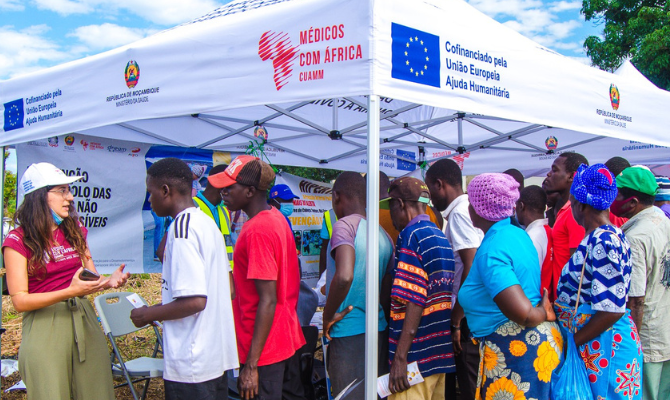
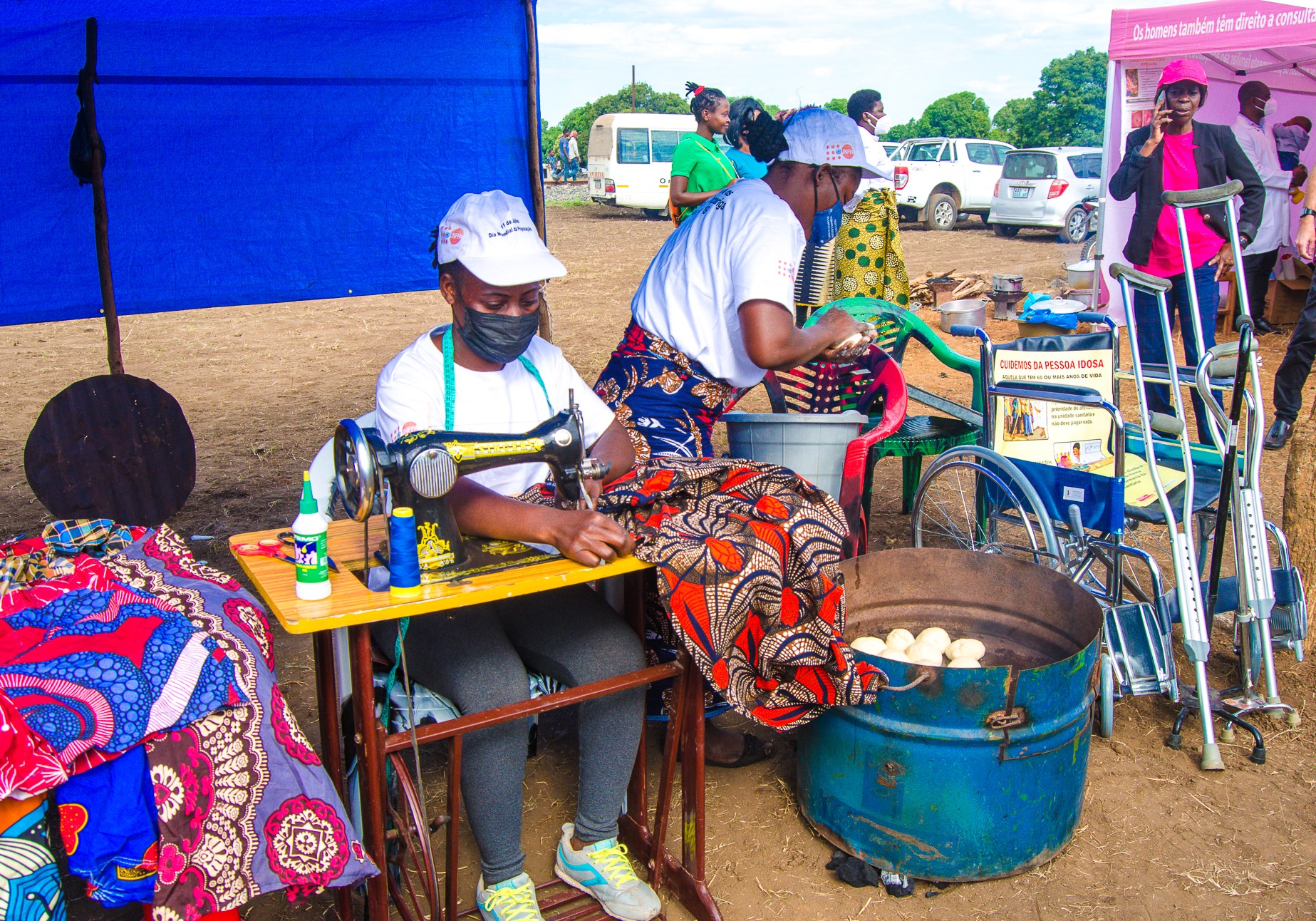
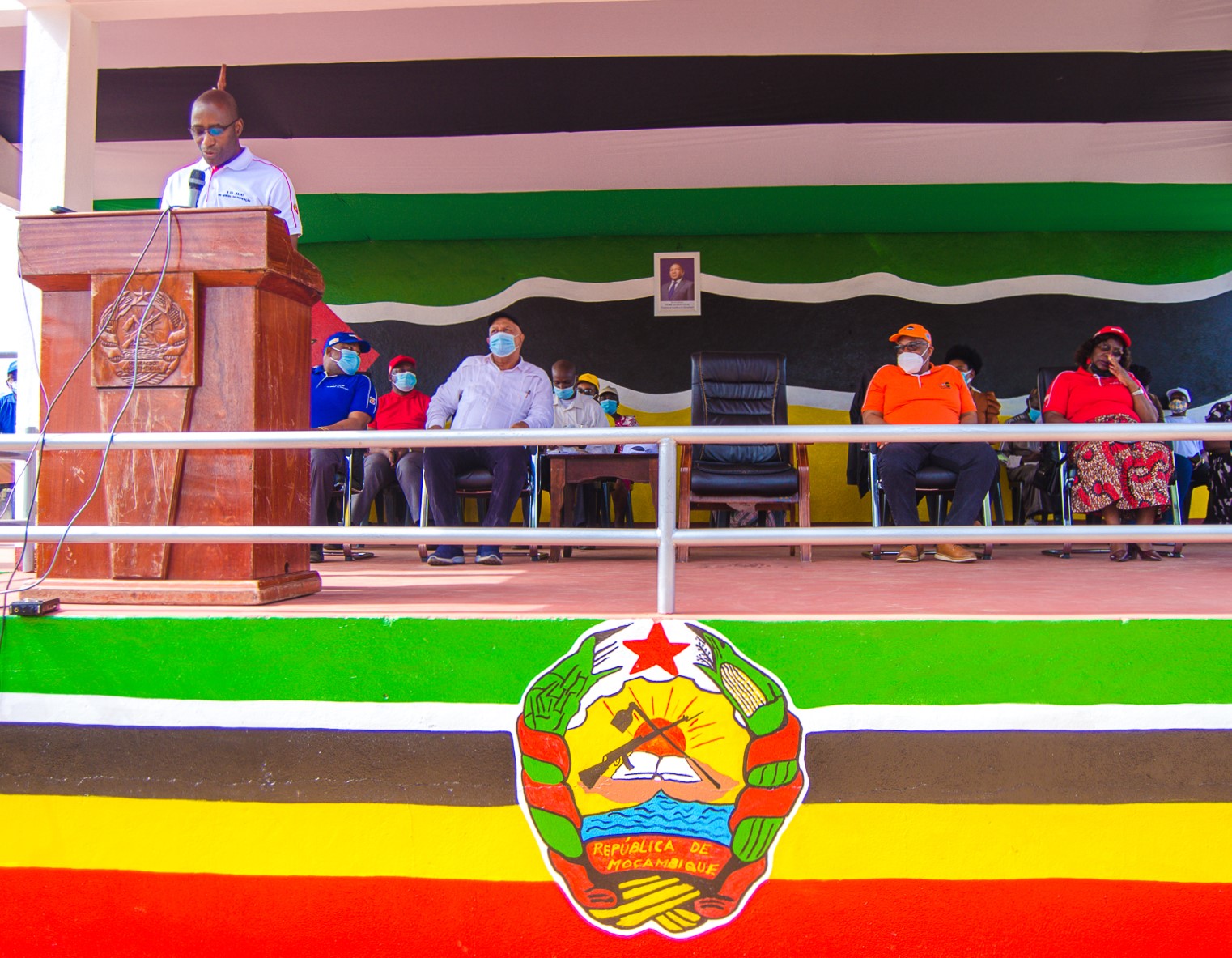
In Siluvo, World Population Day was an opportunity to share the results achieved and raise awareness of those yet to be conquered. The participation of local authorities, community and religious leaders, the Governor of the province Lourenço Bulha and the Minister of Health Armindo Thiago was significant, as well as organisations such as CUAMM, which continued their commitment in the health sector, and theatre, dance and artist groups who animated the initiative.

Armindo Thiago highlighted the improvements that are taking place, such as the reduction in maternal and child mortality, the increase in life expectancy (from 51 years in 2007 to 54 in 2017) and the 50% increase in the literacy rate. The challenges still to be faced, such as forced marriages for underage girls and gender-based violence that still affects many Mozambican women, were also mentioned. A further challenge, highlighted during the event, relates to the world’s growing population, which, especially in a low-resource country like Mozambique, makes it difficult to ensure access to essential services, especially in rural areas.

This is precisely why the suburban centre of Siluvo was chosen to organise World Population Day 2022, in order to involve the community and underline the country’s commitment to making essential services accessible.

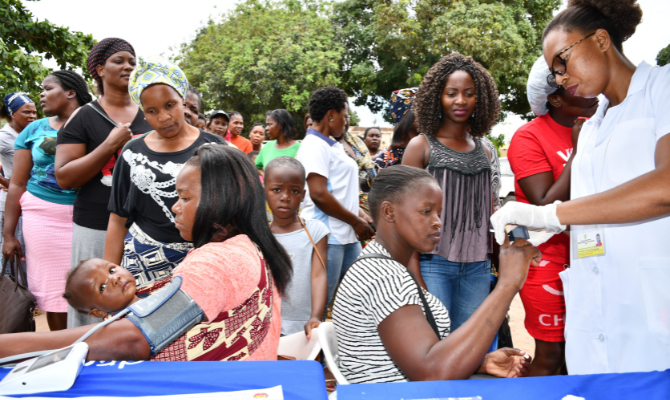
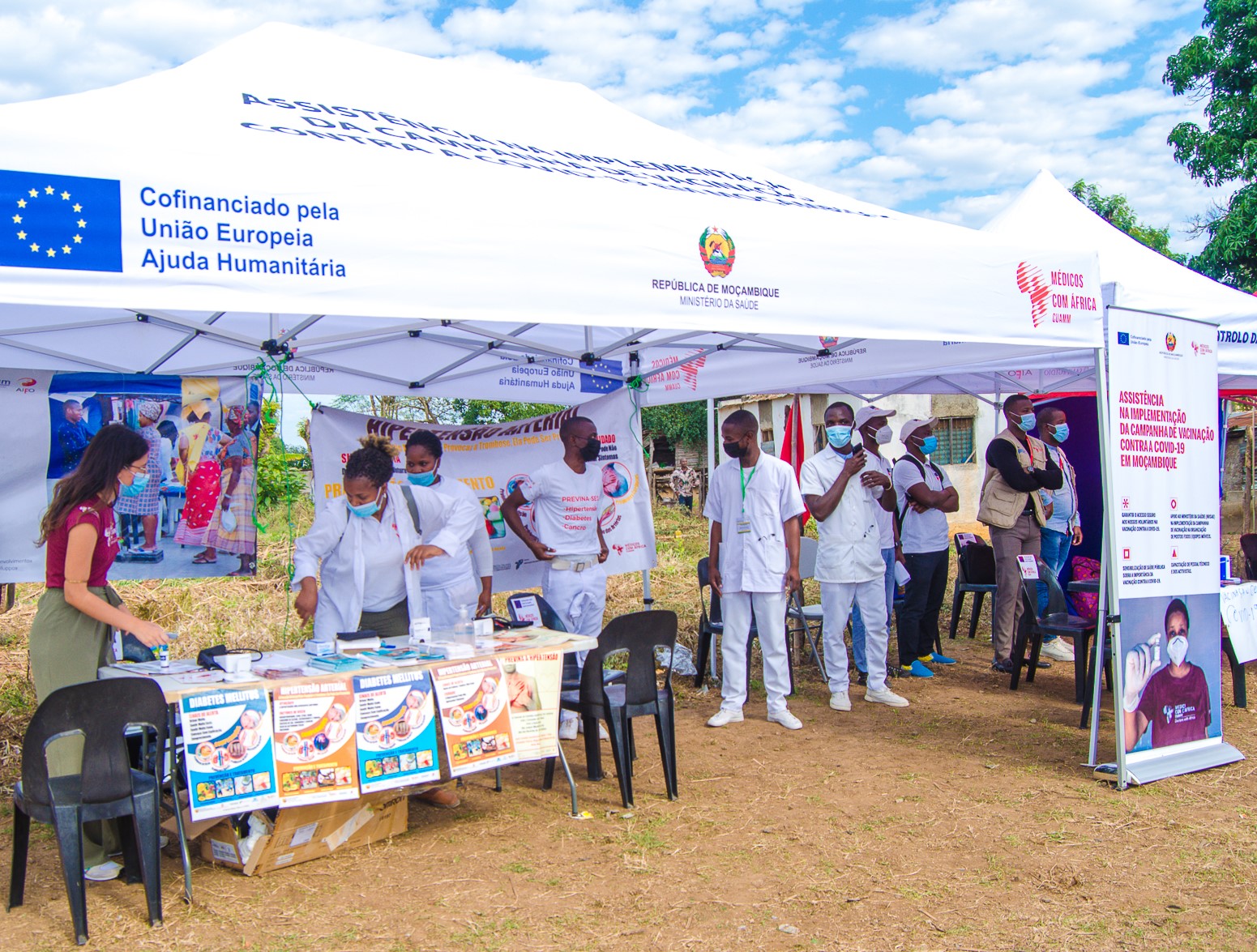
Cuamm continued its commitment in Mozambique during the event, offering the population HIV screening, chronic non-communicable diseases and vaccinations against Covid-19, as well as setting up a medical station and a blood donation stand. During the day, 43 people were examined for HIV, of whom two resulted positive, 138 were screened, identifying one suspected case of hypertension and two cases of diabetes. Finally, 28 vaccinations were carried out, a satisfactory number that reminds us of the importance of events like this.

The event also placed special emphasis on promoting the health of women and girls, especially in rural communities. CUAMM, in this regard, works in the province of Sofala in the field of HIV, which still has an important presence in Mozambique and affects women three times more than men. CUAMM’s activities include raising public awareness, promoting testing activities and improving adherence to treatment for people living with HIV.

Finally, a topic discussed was how to cope with the direct and indirect effects of the Covid-19 pandemic: on this front, the CUAMM, also thanks to the collaboration with the European Union and the Puglia Region, is supporting the Mozambican Ministry of Health in the vaccination campaign against Covid-19, in particular by supporting the logistics related to vaccination and raising awareness among communities in the most remote areas.

RESULTS AND PERSPECTIVES FOR THE BANGUI CHILDREN’S HOSPITAL

«A demanding and exciting mission. Supporting the Bangui Paediatric Hospital Complex for almost four years to improve the services offered and the management of resources was a real challenge! Today, the hospital, the only one in the Central African Republic to offer qualified care to children from 0 to 15 years old and to train the country’s future doctors, is “en marche”, but we hope that new perspectives will soon emerge to ensure its support», said Donata Galloni, project manager of Doctors with Africa CUAMM in Bangui.

The results of the programme “Appui au Complexe Pédiatrique de Bangui”, supported by the European Union through the Bekou Fund and implemented by Doctors with Africa CUAMM and Action against Hunger, were presented this morning at the Ngbako Conference Centre of the Hotel Ledger in the capital of the Central African Republic, on the occasion of the closing event.

Since 2018, “Appui au Complexe Pédiatrique de Bangui” has made possible to cover 65% of the facility’s expenses and to guarantee free care and assistance to young patients, as well as to offer continuous and qualified training to health staff and more.

Important numbers have been achieved in four years: 282,976 children had free access to an initial consultation and paediatric examination; of these, 138,197 were examined for medical emergencies; 76,088 were hospitalised; 6,514 were treated at the Nutritional Therapy Unit.

Much has also been done in regard to professional development: 366 health staff members have been trained in paediatric care (including nutritional rehabilitation); 395 staff members (or 98%) have been trained in Covid-19 prevention and response; and 23 health staff members have received specific training in Covid-19 patient management. In this way, the Bangui Hospital Complex has become, in effect, one of the central referral institutes of the Ministry of Health and Population.

Our commitment does not end here, as we continue to pursue the path taken to support a great hospital like the one in Bangui, together with technical partners and donors.

AN EXCHANGE THAT BUILDS LINKS

«It’s my first time in Italy to meet Doctors with Africa CUAMM: it is a joy for me to be here! After three years of commitment in the field, in Addis Ababa, my homeland, it’s exciting to see up close where it all began, it pushes me to give everything I can to my community!».

Mary Ayele is a very young Ethiopian project manager, working in Addis Ababa on public health and the vaccination campaign against Covid-19. Her passage to Padua was an opportunity to meet and engage with the Italian team, through the satisfaction of collaborating with local colleagues, precious resources, the expression of an Africa that helps Africa.

This is also how the program “Mothers and children first. People and skills”, which places the training and growth of the skills of the operators, from health workers to administrative staff, at the centre of Doctors with Africa CUAMM’s activities. The real driving force for improving access and quality of care in countries with limited resources.

«I am happy to be here for my first visit to Italy. I am originally from Hawassa, a town south of Addis Ababa». Her visit to Cuamm is an opportunity to get to know more about her training, the Ethiopian education system, her first experiences of commitment, the difficult vaccination campaign and future prospects. A frank exchange, pointing out lights and shadows, progress and struggles, of a local human resource empowerment that Doctors with Africa supports and encourages.

«After graduating in public health, I took a master’s degree, specialising in nutrition. At CUAMM, I started as a project worker in the WDF (World Diabetes Foundation) program, dedicated to chronic non-communicable diseases. Recently, I was promoted to project manager: I am leading the vaccination project, financed by IRC (International Rescue Committee) with ECHO funds. In the first months after joining CUAMM, the big challenge I faced was understanding how to handle administrative procedures. Today I am in charge of implementing activities and managing budgets. Following up on projects, especially at a regional level, I interact with our beneficiaries, local authorities, and government office staff.

At the same time, I am the coordinator of “Impulse”, a newly launched research project, about improving data quality on neonatal care. I also got married a few months ago! My husband has a background in environment and health. He now works with the Institute of Public Health in Ethiopia, as head of prevention and control of infectious diseases, and is as committed as I am to curbing Covid-19. Thus, we share ideas and aspirations.

As a teenager, my wish would have been to become a doctor, but in Ethiopia, the government assigns students a specific field of education and university. However, I became deeply passionate about public health. I believe that prevention is crucial: if we can prevent diseases, we reduce treatment costs; of course treatment remains critical, but the more we can prevent, the better!».

Growing with Africa

«I am growing professionally, acquiring skills related to my new role. It is a great opportunity for me to work in an Italian organisation like CUAMM. In the future, I hope to be involved in more projects, especially research ones. Compared to local NGOs, here I can work in a diverse, international team, interacting with different perspectives».

The progress of the vaccination campaign against Covid-19 in Addis Ababa

«The campaigns are planned at the national level. So far they are proceeding quite well. We try to collect data to monitor progress. For example, in the last campaign in Kolfe Keranio, Addis Ababa, June 20 to 29, we carried out 24,531 vaccinations. However, based on previous experience, the demand for vaccines in the capital is still low. We expect to vaccinate more in the future. People are slowly becoming aware of the importance of having protection against the virus. Until last March, we only had a few people vaccinated, we have definitely improved, but the number is still less than a million.

It is not easy, because the population often receives wrong and conflicting information, depending on the source and the area they are in. Local and international media do not always go in the same direction. Fake news such as post-vaccine deaths and claiming the vaccine is still experimental, spreads. Also the percentage of Covid-19 cases in Ethiopia does not appear to be very high, this leads people to think there is no need to vaccinate. We continue to raise awareness, broadcasting information on those radio stations that are most listened to by communities, to reach those who are most reluctant of the vaccine. We try to debunk fake news by interviewing experts. We are also pursuing a new path to community engagement, together with community leaders to give correct information and listen to people’s concerns: we gather women and men who are against vaccination around a table to understand their concerns and fears. We hope this will at least raise awareness about the severe effects of Covid-19».

Always keeping up to date

«I have come a long way since handling emergencies in a local organisation. Today I learn a lot by doing, by closely taking care of procedures. I try to keep up to date, to go deeper, to study. I always have less time to read, because I work late or even during weekends, but when I can, I go back to the books of Yismak Worku, a famous writer who has published works on Ethiopia’s history, traditions and sacred culture. My personal recharge!».