Since the start of the war in Ukraine in February 2022, amost one million refugees (UNHCR, 2023) have fled the country to Moldova. Starting from April 2022, Doctors with Africa CUAMM has intervened to both bring support to the displaced population in Moldova through Emergency Medical Teams and to foster the preparedness of health professionals through neonatal emergency trainings.
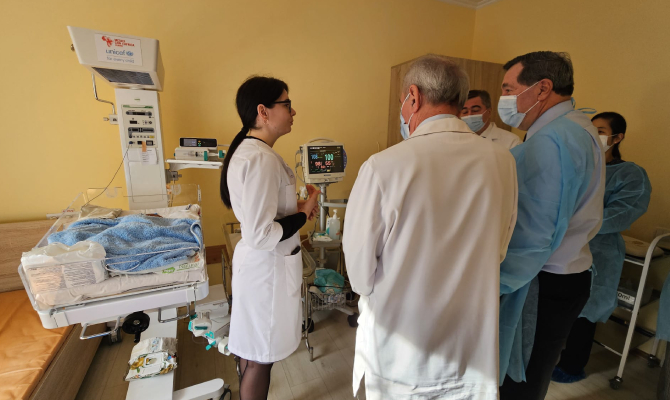
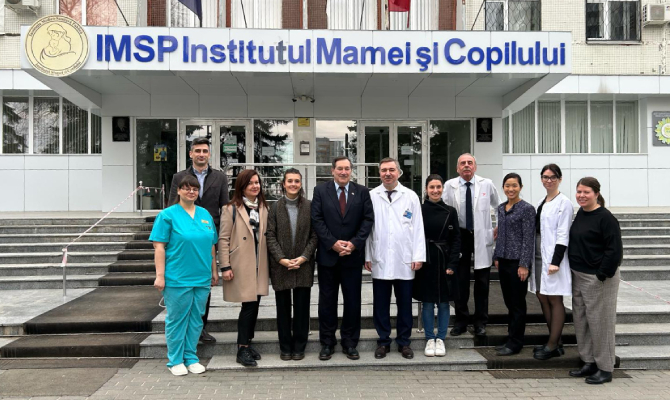
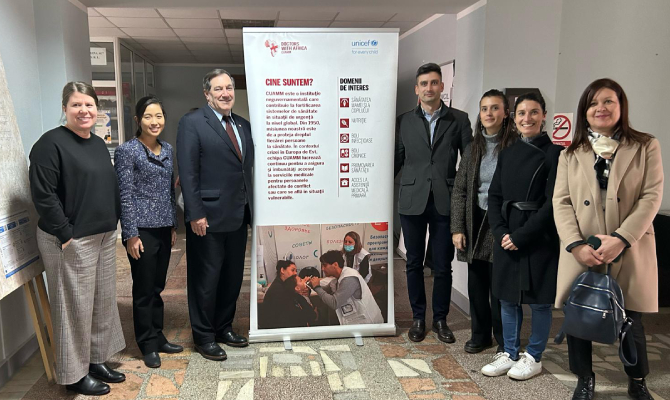
On February 8th our team on the ground have guided the Ambassador to the Holy See – Joe Donnelly in a on-site visit to see first-hand CUAMM’s response to the refugee crisis. The visit started at the Institul Mama şi Copilul IMSP (Mother and Child Institute) in Chișinău which cooperated with CUAMM in offering specialized training on neonatal emergency from June to August 2023.
«It is a priviledge to support CUAMM’s work in Italy and I am thankful for this opportunity to learn more about its work in Moldova– said Ambassador Joe Donnelly during the visit at the IMSP. Providing training for medical personnel dealing with neonatal emergencies is an investment in the future of the children».
The training, designed in collaboration with the MoH and implemented in collaboration with the IMSP, was structured in three phases with the ultimate goal of fostering capabilities on emergency neonatal resuscitation and stabilization among local medical staff. It was offered in 7 regional hospitals where multidisciplinary team ranging from 12 to 20 individuals had been engaged for a total of around 100 local doctors trained. In addition, training and mentorship activities have also been implemented in order to ensure adequate leadership during the emergency response.
The visit at the Department of neonatology gave the Ambassador the occasion to meet both health workers; Dr. Sergiu Gladun – Director of the facility and Dr. Larisa Crivceanscaia – Head of the Neonatal Department and President of the perinatal medicine association of the Republic of Moldova whose commitment and collaboration was key during the activities.
In addition to specialized training, CUAMM intervention has also ensured basic medical care to more than 1,800 Ukrainian refugees (both adults and children) accomodated in RAC Testemitanu 6. Testemitanu is one of the 44 RACs opened by the Moldovan government during the crisis, it currently hosts around 200 people among which both Ukranian refugees and third country nationals. Health services were offered at the centre from Monday to Friday since April 2022, thanks to the support of 32 Italian volunteer medical doctors plus local doctors and nurses with different competencies ranging from internal medicine to cardiology to intensive care and paediatrics, etc. Among the services provided: health screening and outpatient activities; drugs distribution and storage monitoring that made it possible not only to ensure continuity of care but also prevent the already fragile Moldovan health structures from being overwhelmed by the influx of refugees.
«As CUAMM we are committed to respond to humanitarian crisis both in Africa, Europe and Italy to reaffirm the right to health and protection for all – said Andrea Atzori – Head of International Relations at CUAMM. Nowadays, contribution and partnership with governments, international partners, local actors and private sector is key to address present and future crisis and to stand with the most vulnerable, anywhere at any time. For this reason, we are thankful to the U.S. Embassy to the Holy See and to Ambassador Joe Donnelly for renewing the support».
Ambassador Donnelly has recently paid a visit to the suburbs of Foggia, Apulia where CUAMM is working to strengthen healthcare services for migrant and refugee communities thanks to funds from the US programme “Julia Taft”. The visit to Moldova was not only a fruitful occasion for sharing experiences and results but it also reaffirmed the importance of multi-level collaboration in time of crisis.
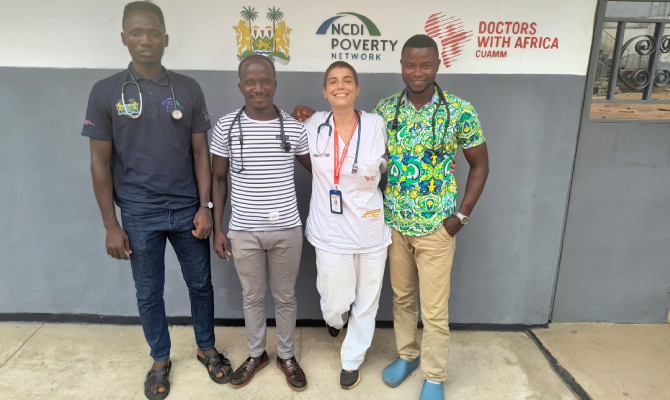
Ibrahim, Fullah and Saidu have a dream. When you are young, passions and desires light you up leading the way ahead. Yet, dreams require perseverance, dedication and commitment. In Pujehun district, Sierra Leone, a dream come true can be life-changing.
Ibrahim, Fullah and Saidu are now working together at the PEN-Plus clinic for NCDs. The facility was opened last March with CUAMM support and it is dedicated to provide healthcare to people living with diabetes, hypertension and other non communicable diseases.
Silvia Professione also works at the clinic. She is a 30 years-old Italian resident in internal medicine who left her Univesity and hospital in September to live an experience of cooperation with CUAMM. Ibrahim, Fullah and Saidu are also the same age as Silvia, they are the Community Health Officer at the clinic.
«It is them who see the patients. By working shoulder to shoulder every singe day, we have built a deep and genuine relationship both professionally and personally» said Silvia.
Ibrahim is from the northern region of Makeni, he moved to Pujehun after graduating in Health Science in 2022. «I started as a volunteer at the general hospital. When the PEN-Plus clinic was inaugurated, I started coming here to see how it worked: I used to follow Dott. Giacomo Marro, the head of the clinic. I wanted to learn as much as I could. To be honest, back then my dream was to become a surgeon. Everything changed when I entered the clinic. Working on NCDs I figured out internal medicine was way more interesting for me, even more than surgery».
As a new vacancy for Community Health Officer at the clinic was published, Ibrahim applied. «I really enjoyed the first months of my work. I had the opportunity to work with numerous CUAMM doctors who held different training sessions as the one on the use of the electrocardiograph. Thanks to that training we are now able to diagnose a heart failure and intervene timely». Today Ibrahim dreams of becoming a doctor to then pursue a specialization in internal medicine. Working on NCDs which incidence is on the rise in Sierra Leone, is his goal in life.
As Bryma did, also Fullah arrived at Pujehun hospital as a volunteer at the paediatric ward. Although he dreams of becoming a cardiologist.
«A large number of patients at Pujheun hospital suffer from either heart diseases or hypertension and I would like to be able to help them, to help my own community».
Training local resources is key not only for Ibrahim and Fullah to accomplish their dream but also for the community to have access to quality health services. «Working with CUAMM I have the chance to pursue my dreams. We have learnt a lot since the beginning of the project and we are now qualified to intervene timely when needed». A year after the clinic was opened, health staff keep learning:
«We learn something new every day and we do hope we can be qualified doctor one day. This is our strongest desire» said Saidu who volunteered two years at the district hospital before becoming a member of CUAMM team.
The three of them, they all started their professional experience by volunteering at the hospital two years ago. They are CUAMM staff today: they see and treat over 170 patients suffering from either diabetes or hypertension who seek medical care at the clinic, every month.
«They are eager to learn. They do know very well that being qualified is key. To support them in the training activities, for them to become themselves trainers one day, is no doubt the best part of this experience that I am living» stated Silvia.
Doctors with Africa CUAMM is committed to promote education both in Italy and on field, within both health facilities and hospitals where Italian and local staff work side by side sharing ideas and experiences and learning by doing, together. This is the way we believe Ibrahim, Fullah and Saidu can make their dream come true and inspire other young Africans, every day.
Monday Jan 22, the first malaria immunization campaign started in Soa, a village 20 km away from the capital Yoaundé under the supervision of WHO, GAVI and UNICEF. Cameroon is the first country to roll out the immunization campaign following successful trials in Ghana, Kenya and Malawi. The RTS,S vaccine also known as Mosquirix, will be administered in 42 districts and 10 counties across the country both in health centres and private clinics. The rollout started after the delivery of about 331.120 jabs in November 2023.
PILOT PROGRAM
Since 2019, Ghana, Kenya, and Malawi have been administering the vaccine in a schedule of 4 doses from around 5 months of age in selected districts as part of the pilot program, known as the Malaria Vaccine Implementation Programme (MVIP). 2 million children received the immunization. According to WHO, the first malaria vaccine has contributed to reduce child deaths by 13% in 4 years. The results also demonstrated that severe malaria was reduced by 22% in children who received 3 doses, reduction was also recored in hospitalization. Other African countries have already planned to introduce the vaccine this year, with hopes that 6.6 million children could be reached. Deliveries are due for Burkina Faso, Liberia, Niger and Sierra Leone.
«There are numerous challenges ahead – says Giovanni Putoto, Head of Planning and Operational Research at CUAMM, since, as we all know, Africa does not only struggle to access vaccines. Once again, the major challenges is to transform vaccine into immunization, that is what we have experienced in the past years during the Covid-19 pandemic. In order to do so, cross efforts from both governments and international partners are essential. The major challenges we will be call to address? Of course vaccine shipment and storage but also vaccine skepticism and false information, insufficient knowledge of the malaria vaccine among health workers and last but not least, inadequate funding and resource allocation needed to ensure the administration of the 4 doses. These are all aspects concerning the functioning of the health system».
About a week after the campaign’s kick-off concerns about low participation in the immunization campaign have already risen showing the consequences of little knowledge of the vaccine’s benefits among both communities and health workers. At the same time, while WHO together with the scientific community warn the public to integrate preventive tools such as bed nets and chemoprophylaxis with vaccine administration, research continues on a second vaccine: R21. The WHO has recommended R21 for the prevention of malaria in children in October 2023. Although both vaccines are shown to be safe and effective in preventing malaria in children, available supply of RTS,S is limited. The addition of R21 is therefore expected to result in sufficient vaccine supply to benefit all children living in areas where malaria is a public health risk. Moreover, the cost-effectiveness of the R21 vaccine would be higher than RTS,S which cost per dose administered is now estimated around US$10 against US$ 2 – 4 due for R21. Results from the clinical trials have demonstrated the latter’s high efficacy especially when administered before the rainy season.
MALARIA IN AFRICA
Malaria remains a major cause of disease and mortality worldwide. Plasmodium falciparum, which is the cause, is a parasite that is transmitted to humans by infected female mosquitoes belonging to the genus Anopheles.
«The vaccine that was studied, recommended and that is now being administered is revolutionary because it fights a pathogen as complex as the malaria parasite, which is constantly changing and able to escape our immune system», stated Giovanni Putoto.
In 2022 alone, 186,318,000 malaria cases have been recorded across 12 major African markets namely: Burkina Faso, Cameroon, DRC, Ghana, Kenya, Mali, Mozambique, Niger, Nigeria, South Africa, Tanzania and Uganda. According to scientists, this datais expected to rise to 211,098,000 by 2027.
According to WHO, in 2021 alone 619,000 death accurred worldwide due to malaria and 247,000 cases were diagnosed globally with Africa carrying the burden of 95% of cases. Africa also counts for 80% of malaria deaths in children under 5 years of age.
Doctors with Africa CUAMM works in 8 African countries where it keeps up its committment to scale up malaria prevention, diagnosis and treatment starting from the hardest-to-rich villages to communities, to health centres, up to the main hospitals. In 2022 alone, CUAMM registered 1,666,785 cases of malaria treated, including 744,182 children under the age of 5 in 6 of the 8 countries in which it operates namely: Ethiopia, Central Africa, Mozambique, Sierra Leone, South Sudan, Tanzania and Uganda.
This is a good news. Although it seems to be of little value taking into account the endless needs of South Sudan, it does make a difference for many, especially mothers and children. We are talking about the new emergency referral system launched in Lakes State, South Sudan. It serves 8 counties with 8 ambulances, on duty 24/7, free of charge. Every single health centre can now refer to the three hospitals in Rumbek, Yirol and Cueibet. By calling the emergency number, they receive information from qualified health personnel who send them the ambulance in case of emergency. Such system allows to handle emergencies in the most efficient way ensuring the right assistance from qualified personnel in well equipped facilities. The service is provided by the Health Ministry of the State in collaboration with both Doctors with Africa CUAMM and local authorities.
Lakes State borders Unity and Jonglei States. It counts 675,047 inhabitants and 208,277 IDPs. Over 80% of the population live in poverty, 59% are in need of humanitarian assistance and 25% live in a state of disaster. While the percentage of malnourished women was of 18,5% as in 2016, today it increased to 36%. Women and girls represent half the percentage of people living in need of humanitarian aid.
«The importance and the meaning of CUAMM intervention lies behind the data because data are people, they are women and children. I have met many. Joyce, Amina, Grace, Martha, Suzan. They look brave yet you can see they are fragile. What they are going through is something far away from our imagination – says Chiara Scanagatta, CUAMM Programme Manager. In South Sudan 50% of the girls are forced into marriage before the age of 18; only 19% of the women are literate and only a few are economically independent. It is estimated that in Lakes State over 80% of the women do not have free access to maternal healthcare either to safe delivery. Why? Because of the distance from the health facilities but also because of the ignorance about the risks of home birth and poverty. Gender based violence is also another issue in South Sudan where 97% of gbv cases reported concerns women and girls. What is alarming is the high tolerance toward gender-based violence that is not only accepted but considered normal in some circumstances, such as the decision to go to the hospital, made by the woman without her husband’s permission».
Such information do nothing but testify the level of criticality in South Sudan where the maternal mortality rate is of 789 per 100,000 women while neonatal mortality rate is of 30 per 1,000 live births. Those data drove the commitment to improve the access to health care for the most vulnerable groups (women, children and people living with disabilities) among both IDPs and host communities with the aim to offer them quality medical and nutritional services also during emergencies. The emergency referral system, launched by Doctors with Africa CUAMM in collaboration with Ovci La Nostra Famiglia and funded by The Italian Agency for Development Cooperation is one of the initiatives implemented to respond to the chronic emergency South Sudan lives in.
«As CUAMM, we decided to promote this intervention with the aim to strenghtening the health facilities, respond to obstetric emergencies and educate both the women and the whole community. We believe that if a woman has access to healthcare, she can not only give birth safely but also acquire information and mature awareness with respect to her own well-being as to that of those who live around her, such as children» said Chiara.
According to World Health Organisation, African countries, including Ethiopia, continue to experience severe shortages of blood and blood products, resulting in many preventable deaths each year, particularly of women and children. Blood donation and thus blood collection in these countries remains very low: currently only 6 units of blood per 1,000 people are collected, far below the 33 units of blood per 1,000 people collected in more developed countries.
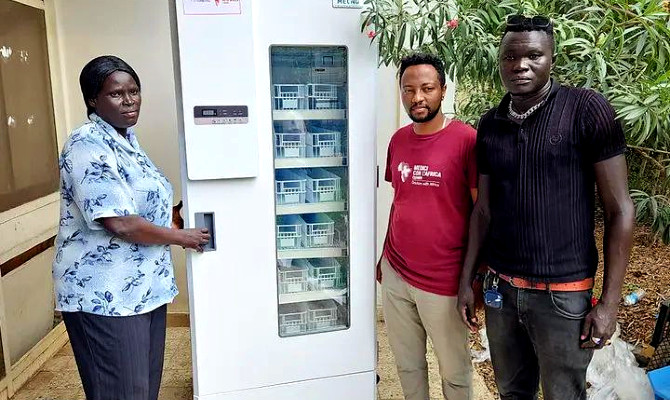
To ensure the availability of safe blood in Ethiopia, particularly in the Gambella region, Doctors with Africa Cuamm has distributed medical and non-medical supplies, financed by the Italian Agency for Development Cooperation within the project “RECEIVE- Refugees Empowerment through Care, Education and Income Vital Economy”, implemented together with the non-governmental organizations VIS and CEFA. 7 blood collection chairs, a 630 ml refrigerator for storing the blood bags, and consumables used for blood screening, for a total value of 1.7 million birr (about 28,300 euro).
“Blood donation – recalls Daniel Frehun, Area Co-ordinator for the CUAMM – is a precious and fundamental act that can help save the lives of many people who have been injured, have infections and undergo surgery. Especially in a region with a large influx of refugees, a high prevalence of malaria and frequent conflicts, we know how precious everysingle drop of blood can be. Nowadays, children and pregnant women with severe anaemia and obstetric complications are transferred to another region due to the lack of safe blood in the Gambella region; being a regular donor will help to ensure adequate blood supplies in a sustainable manner, thus addressing the major challenges related to this issue”.
During the handover ceremony, the representative of the Gambella Regional Health Office, the representative of the Director of Maternal and Child Health Services, and the Director of the Gambella Blood Bank expressed gratitude for the support. The day ended with a voluntary blood donation by those present, further demonstrating the recognition of the importance and value of this practice.
Throughout the overall project, 29 blood collection campaigns were organized by the project team. These campaigns served as crucial platforms for sensitizing the community, resulting in the awareness-rising of 808 individuals. Moreover, this commitment led to a significant contribution to the region’s blood supply, with 348 units of blood collected.
Ensuring safe blood and supporting the Gambella Regional Blood Bank (GRBB) is just one of the significant activities that have been carried out within the RECEIVE project. Despite the instability in the area and the insecurity situation, daily services have been guaranteed in the two Health Posts of Tierkidi and Kulle Refugee Camps thanks to dedicated teams, comprising of health officers, nurses, midwifes, pharmacists, translators, triage and registrar officers, guards, cleaners, and through the regular provision of drugs and consumables. Overall, the Tierkidi and the Kulle health post teams provided 36,507 OPD consultations, with 18,472 for female. Notably, 11,524 of the total visits were for children under the age of five.
At the same time, the community activities have been promoted through an additional outreach team consisting of two midwives, essential to strengthen the linkages between community and health services.
The network of the Community Outreach Agents (COAs), under the supervision of the health coordinator, has been fundamental to implement awareness-raising activities, reaching 3,477 people (2,944 women) in Tierkidi and Kulle camps. The main goal is to promote key messages on vaccine-preventable diseases, the importance of institutional delivery and exclusive breastfeeding, reproductive health, prevention and control of communicable diseases, hygiene promotion, and maternal, child health, and nutrition good practices. Tea talk sessions have been then utilized as valuable channels for community feedback collection.
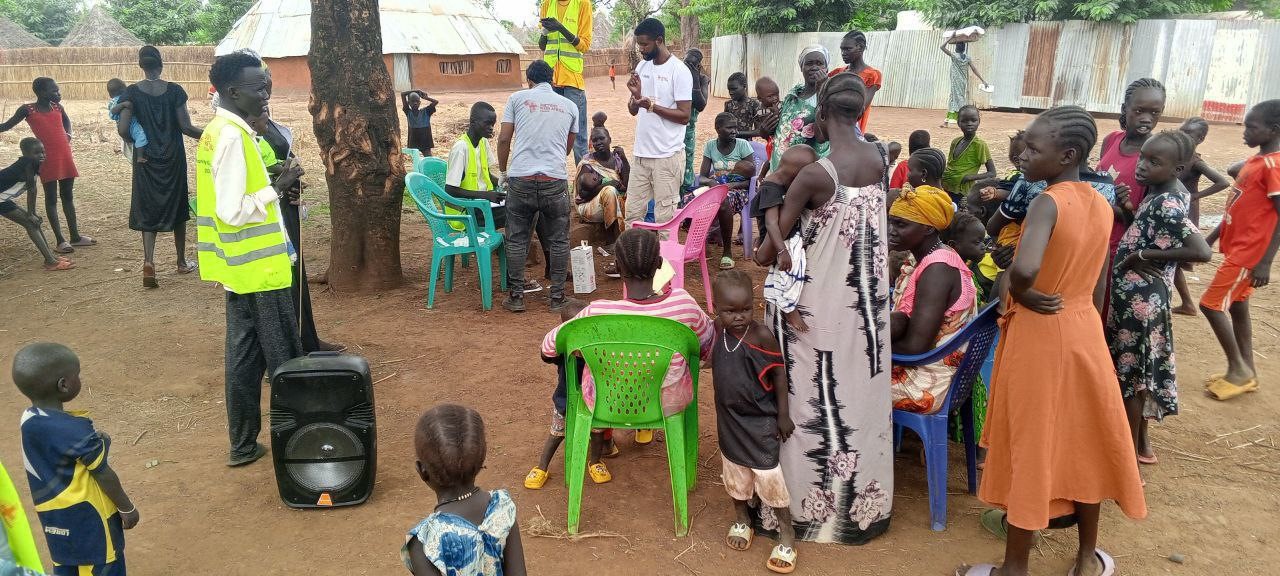
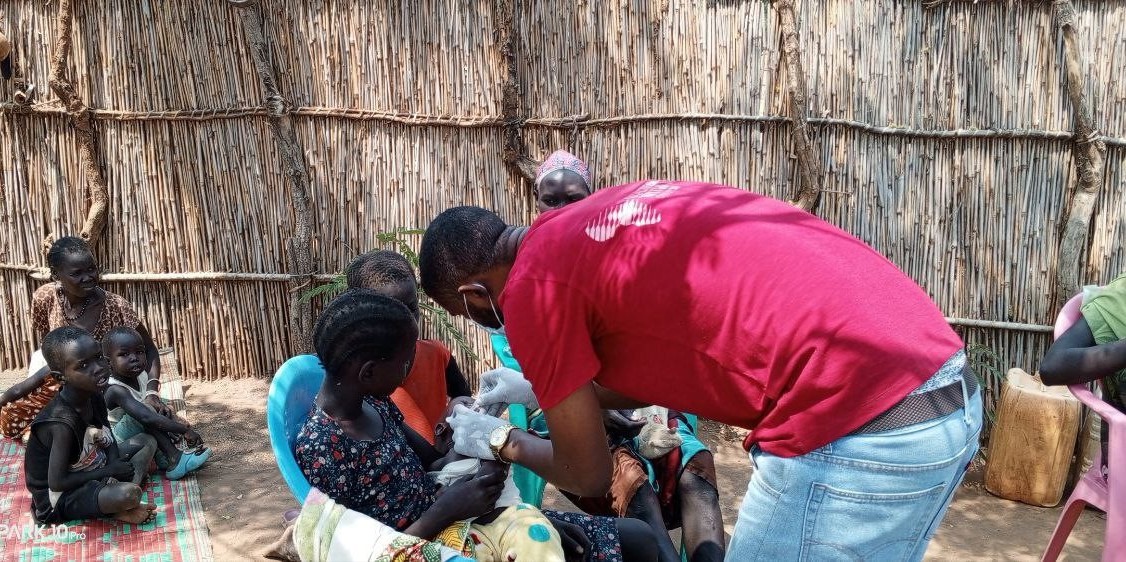
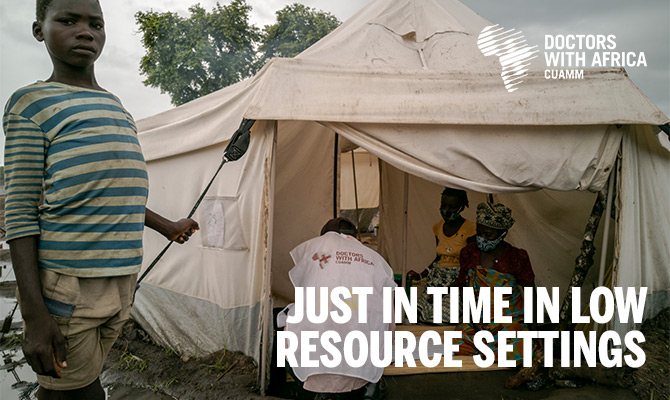
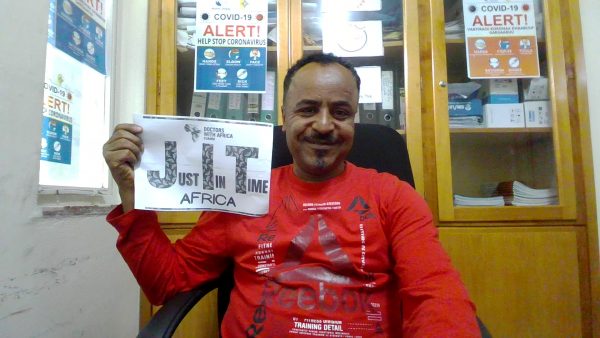
Since its launch, the Just in Time (JIT) training program has evolved from a crisis response tool into a global benchmark for disaster preparedness. By bridging the gap between academic expertise and field reality, JIT has empowered a vast, multidisciplinary network of professionals to operate safely in high-pressure environments. Between 2021 and 2025, the program has reached nearly 3,000 participants worldwide. This significant engagement highlights the urgent demand for accessible, high-quality training tailored specifically for low-resource settings.
Disaster management is never the responsibility of a single profession. The diversity of our participants reflects the coordinated, “whole-system” approach required during emergencies:
Frontline Clinicians: Medical doctors, nurses, and residents form the core of our alumni, confirming the course’s direct relevance to bedside care in crises.
Specialized Support: Pharmacists and physiotherapists have utilized the training to adapt their specific workflows to disaster logic.
System Leaders: Health facility managers and public health specialists have engaged with the program to strengthen institutional SOPs.
Community Pillars: Representatives from social and community-based organizations ensure that preparedness extends beyond the hospital walls.
From Italy to Africa: A Universal Training Model
Between March 2021 and April 2022, CUAMM trained 765 Italian health professionals through the JIT course. This substantial participation not only reflects the course’s origins during the COVID-19 pandemic, but also demonstrates its sustained relevance across markedly different health systems, from European hospital settings to rural clinics in sub-Saharan Africa.
Strategic Partnerships and the Role of Faith-Based Organizations
A defining feature of the 2021–2025 period was strong engagement of representatives from 67 faith-based organizations across 25 African countries. In many remote and underserved areas, these organizations constitute the primary, and sometimes the only, providers of healthcare services. Strengthening their preparedness and response capacity remains a strategic priority for Doctors with Africa CUAMM. At the same time, the programme’s broader impact is grounded in its evolving trajectory.
The wide participation across Africa was supported by strong local networks, including partnerships such as PACTPAN, as well as by the accessibility of the online format, which enabled healthcare professionals, CUAMM staff, faith based organisations, and other stakeholders to join the training regardless of geographic location.
«It has been very educative and helpful in terms of expanding my knowledge on emergency response in disasters. I look forward to more learning opportunities in the future»
Clare Ameri, Uganda.
“I have gained a lot of very important and vital information for disaster management. I have no doubt recommending it to anyone who wants to get information about disaster management”.
Amani Mosha, Tanzania
“This course helped a lot my professional life as it takes the knowledge I already had, a little further and improves my performance”.
Cassimo Manuel Saide, Mozambique
“The training really equip me ; thanks very much for everythings, it will really help me in my international solidarity carreer ; may GOD bless all of you”.
Emmanuel Fossouo Deffo, Cameroon
“The training is excellent. As you know our health facilities/workers are in rural areas, so they don’t have access to internet service. For example, since I am in the city, I was able to follow. I don’t think the health centers I attend have had the opportunity to do so. The training will be very useful. I would like to give my opinion that if physical training is organized in the nearby cities, the opportunity will benefit everyone. Thank you!”
Sr. Bizunesh Yoseph, Ethiopia
“Thank you very much for the opportunity created to have a such wonderful training in the “Just In Time Training in Low Resource Settings, 2024 Edition” which was about Disaster prevention, preparedness, response and management; a timely topic. It is very much supportive and capacity building actions from your office for us specially as a Catholic Health Coordinator in Ethiopia who have little chance to get and take such critically in need and capacity building training.”
Register here to join the free virtual Side Event to the 3rd International Conference on Public Health in Africa – CPHIA 2023 , that will take place on wednesday November 22nd from 6 to 8 PM Central Africa Time, via ZOOM Meeting.
No Fields Found.
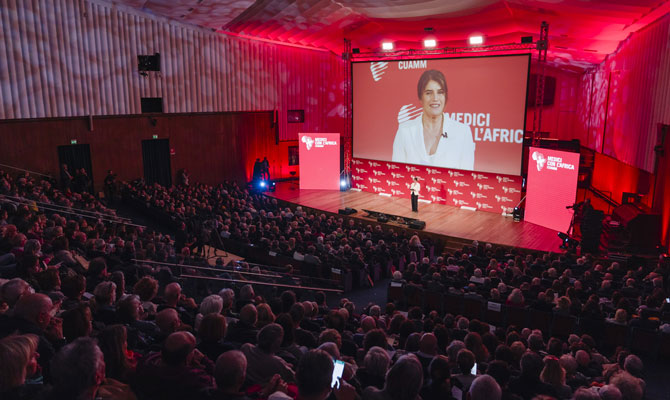
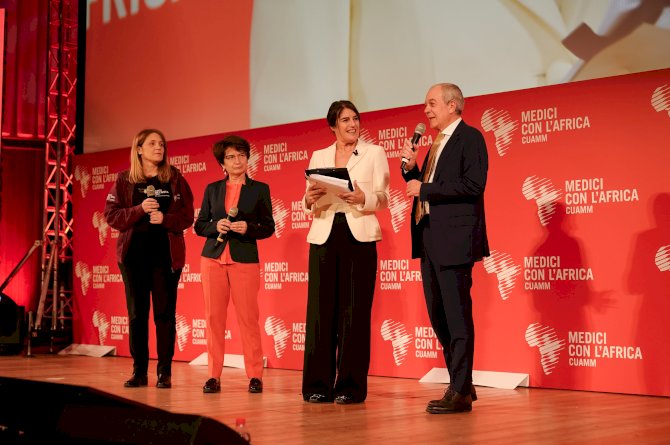
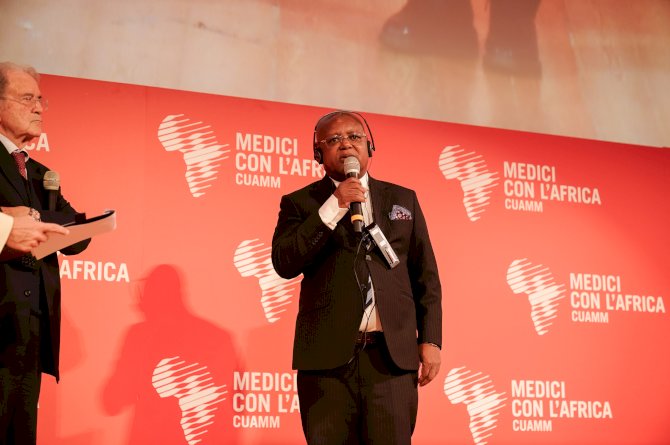
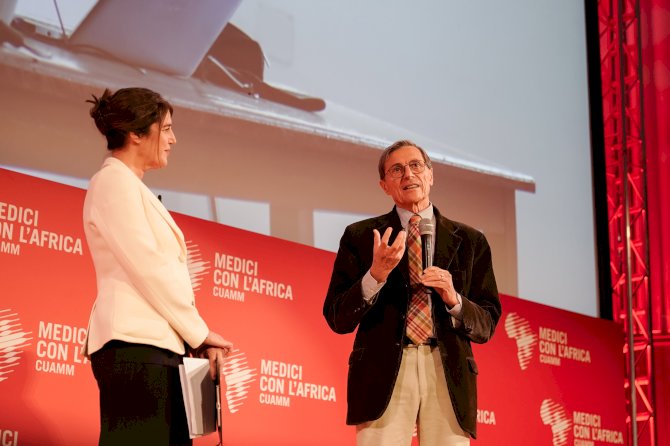
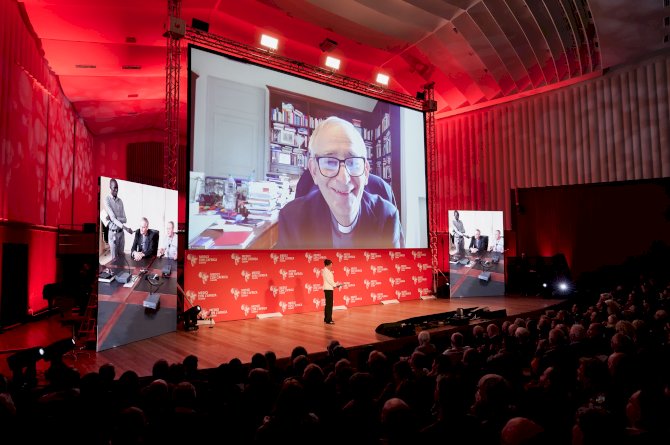
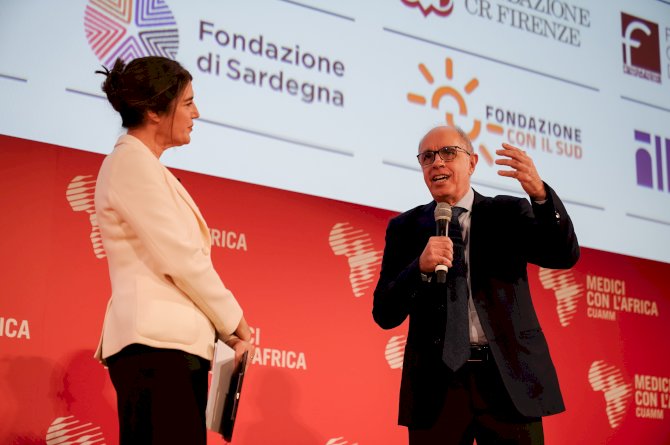
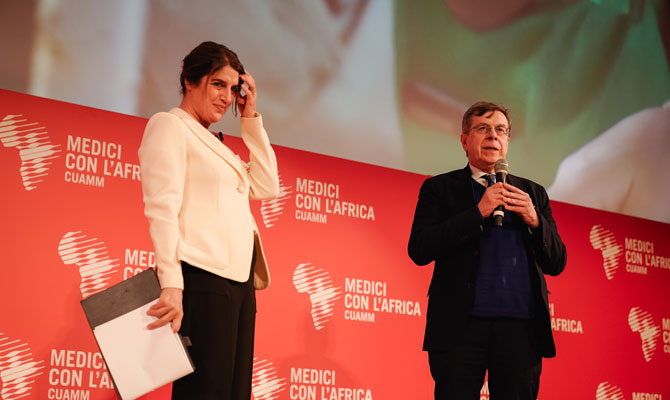
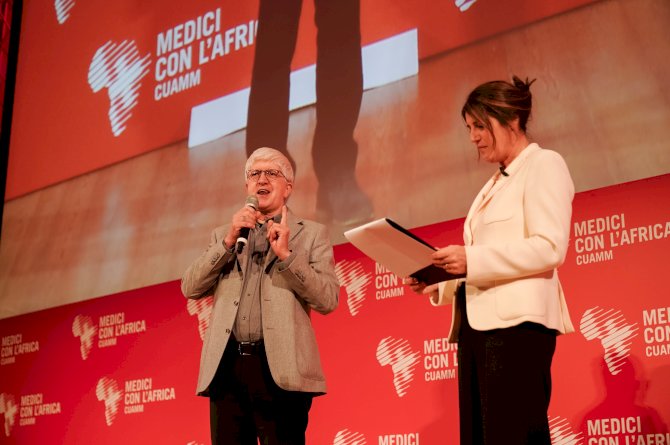
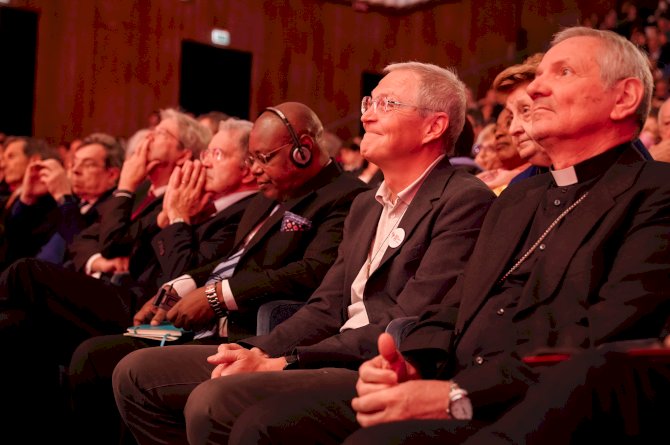
Padua, 4th November 2023 – Passion, hope and a lot of commitment are at the core of the intervention that Doctors with Africa CUAMM carries out every day since 1950. Today, CUAMM has given account of that work talking to thousands of people gathered in Milan about either the results of Mothers and children first programme and its support to the education of local health workers.
Massimiliano Baggio: Direttore del Conservatorio Milano
It was Massimiliano Baggio, Director of Conservatorio Verdi in Milan to open the meeting: «On behalf of the Conservatorio I am pleased to host you all here. We have been “on the move” with CUAMM for several years, we have organized concerts and events to support CUAMM’s commitment in Africa and today, by hosting the Annual Meeting, we renew our solidarity to the mission».
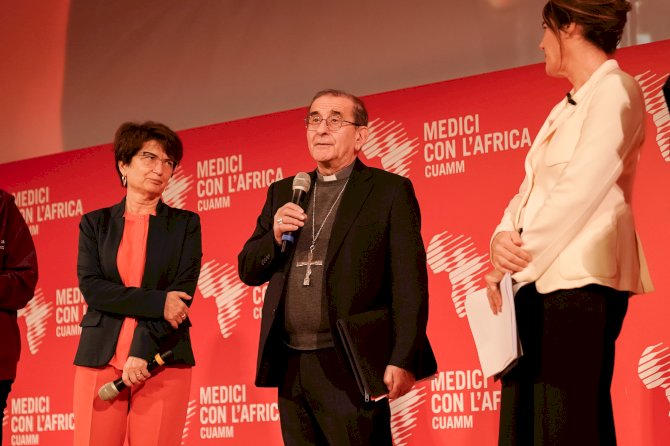
Mons. Mario Delpini: Bishop of Milan
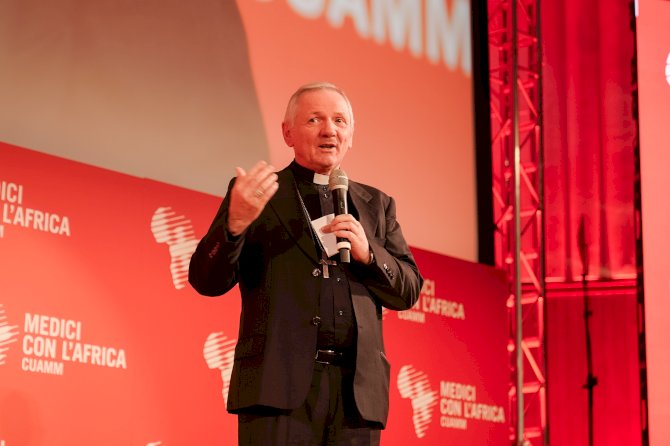
Mons. Mario Delpini, Bishop of Milan: «I am here, on behalf of the city of Milan, to show my support. Many are the doctors, volunteers and people from Milan who went out to the world. This is a tradition for the city that is not only appealing but also magnanimous and willing to help the others. As well as thanking, I wish to reflect on something: Africa is complex and it is wrecked, we struggle to see a path towards development and democracy. It is a continent rich in resources yet exploited, over and over. I believe that preposition “with” that CUAMM embedded in its name, is key to understand how Africa changes them and how much they actually learn from it».
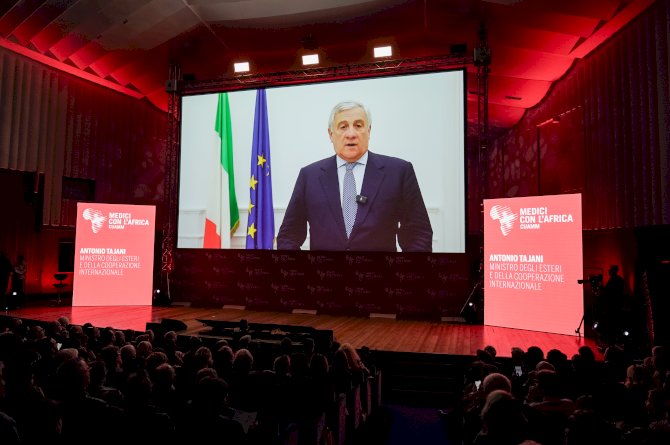
Antonio Tajani: Minister of Foreign Affairs and International Cooperation
The words pronounced by Hon. Antonio Tajani, Minister of Foreign Affairs and International Cooperation were heard through the video message sent on occasion of the Annual Meeting in which the Minister said: «Dear CUAMM friends, I am pleased to contribute in your Annual Meeting. The world is currently facing hard times, also worsened by the dramatic crisis ongoing in the Middle East without forgetting to mention the conflict in Ukraine which continues and for which we seek a fair peace. Following the same spirit, we have approved yesterday at the Council of Ministers the Mattei Plan. The Plan will help us work towards both the stability of the African continent and the shaping of a more ambitious European Marshall Plan. We want to promote a great European initiative with the twofold objectives of creating job opportunities and offering a chance to the many young African. We also wish to increase the scholarships and contribute in building a strong African leadership which is accountable and responsible, by doing so we want to address the issue of the development as we also want to stop the human trafficking in the Mediterranean».
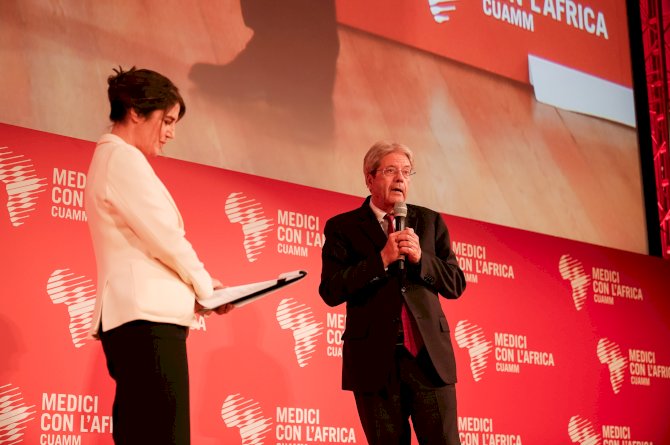
Paolo Gentiloni: European Commissioner for Economy
Paolo Gentiloni, European Commissioner for Economy: «Europe should be inspired by that simple preposition “WITH” that is embedded in the CUAMM name. Europe is on the forefront of humanitarian aid and a milestone in the international cooperation system, by putting together European Union and the member states, it is without any doubt the one that helps Africa the most. Yet, we need a transformation: Europe has adopted a horizontal approach so far, we now need to skip to a vertical one, an approach that brings together Europe, the Mediterranean and the African continent. This is the future from either a demographic, climatic and economic perspective».
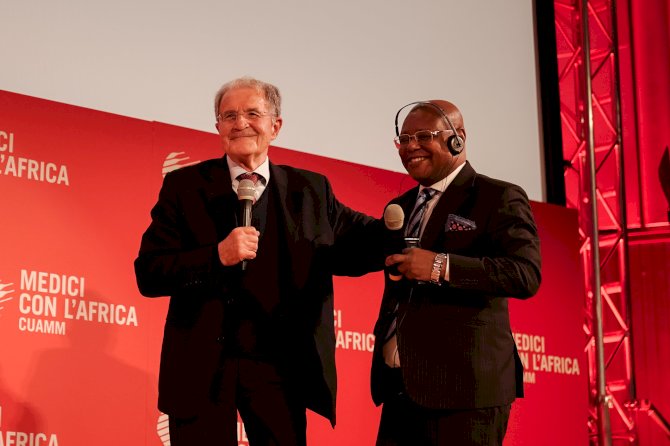
Romano Prodi: President of the Foundation for Worldwide Collaboration
Romano Prodi, President of the Foundation for Worldwide Collaboration has brought the attention back to the severe crisis that we are currently facing at global level saying: «Either we seek a change at international level or we will not go over this, not over any crisis. We witness the numerous divisions within Africa but we cannot talk about hope without calling on the international community that unfortunately is not intervening now. The war in Ukraine is now a trench warfare, the one between Israel and Palestine is particular itself: we need to find a specific solution for the two states. We need to address the issue at international level to guarantee a long-standing solution, be the one of the two states or that of a unite one. We will not find a solution without any aid, hate is already rooted».
Pierre Somse: Minister of Health and Population, Central Africa Republic
Pierre Somse, Minister of Health and Population, Central Africa Republic: «Central Africa Republic is among the poorest countries in the world, it has gone through decades of civil war that ended up wrecking the national health system. The maternal mortality rate is extremely high, the second worst at global level: 729 deaths per 10.000 live births; one of the worst neonatal mortality rate: 50 neonatal deaths per 1.000 live births. A terrible situation. Taking into account this picture, we can really appreciate the work both Cuamm and the Italian government are doing. With CUAMM support we have trained 20 paediatricians over the last 5 years, we only had two!».
Alberto Mantovani: Scientific Director at Humanitas
Alberto Mantovani, Scientific Director at Humanitas: «I think of both the Italian and African youth who are on the ground. Teaching in Africa with CUAMM has been one of the most fruitful experiences of my academic career. I would like to stress four words: challenge, passion, intelligence and hope. Challenge means adapting to a different context and re-evaluate what is essential. Passion in Italian has two meanings. It means suffering but it also refers to the hunger that the youth have in learning which is extraordinary, it is driven by a rare enthusiasm. Then, intelligence and hope since I believe that passion and enthusiasm are the hope and that hope is what we take home when we return».
Every year, through data CUAMM gives account of “Mothers and children first” programme. Today, the latest have been discussed in Milan: 188.923 assisted deliveriesover 2 years in 10 hospitals across 8 African countries; 8.102 manlourished children treated,659 African health manager trained. 211 the young Italian residents who have lived a experience in one of the hospitals where CUAMM operates, over the last 2 years.
Mons. Claudio Cipolla: bishop of Padua and CUAMM President
Mons. Claudio Cipolla, bishop of Padua and CUAMM President said: «I am beyond happy to see that an experience driven by the faith and by the humanity of many from Padua who are not only priests but also no religious humans, has gone big and is now capable of offering opportunities beyond its place of origin becoming a nationwide service. The claim “On the move” has a inner dimension, the one reflected in each of us that we shape through the steps we take. The first step is that of picturing a future, a goal as that of Gordon, the South Sudanese man who suceeded in his goal of serving his own community».
Card. Matteo Zuppi: President of the Bishop’s Conference of Italy
Card. Matteo Zuppi, President of the Bishop’s Conference of Italy: «To help is to live and to live is to help, they perfectly match. To do good to others, make us live well, by doing good to them we also are good. The self-love we feel for ourselves is something that way to often hurts us and undermine our conduct. In addition to this, what is also more important is to bring together emergency and development. Unfortunately, to often we only address the first forgetting to promote the second. We thank CUAMM for being committed to both. Pope Francis call on anybody to build peace and he does not give up on the logic of war. This is a research we all have to be engaged in, it is a mosaic constituted by many who pursue the solution to the war».
Giovanni Azzone: President of Cariplo
Giovanni Azzone, President of Cariplo: «We live in a deeply conntected world, all over us we witness emergencies that do have an impact on our territory. CUAMM’s experience prove us that by improving the quality of life in a wide territory, we foster the improvement of many other communities. As Cariplo Foundation, we decided to support CUAMM in its work in Africa because its mission is coherent with the objective to strengthen the communities as demonstrated by data showed».
Elio Franzini: Dean at Statale University
Elio Franzini, Dean at Statale University: «We talk a lot about the youth and I believe that our residents are truly exceptional people who keep our national health system on its feet. The training of young people should never be one-way. We thank CUAMM and the opportunity it gives to our residents for showing us that the exchange is bidirectional because our youth do come back enriched by their stay in Africa».
Beppe Severgnini: Columnist at Corriere della Sera
Beppe Severgnini, Columnist at Corriere della Sera: «We need to tell people about the solidarity chain that exists to make them aware of this humanity who works hard for the peace, a humanity capable of looking in the eyes those who seem different. The power of a meeting like the one we are all gathered at today, is its authenticity, there is no retoric. To launch a good news is not sufficient, you have to tell the news in the right way, with passion, just as the youth who left with CUAMM are doing, To tell the brutality is unfortunately easier. To tell nice stories is more complicated but we have to keep in mind that out there there are people who want to read, look and listen to them».
Neri Marcorè: Author and actor
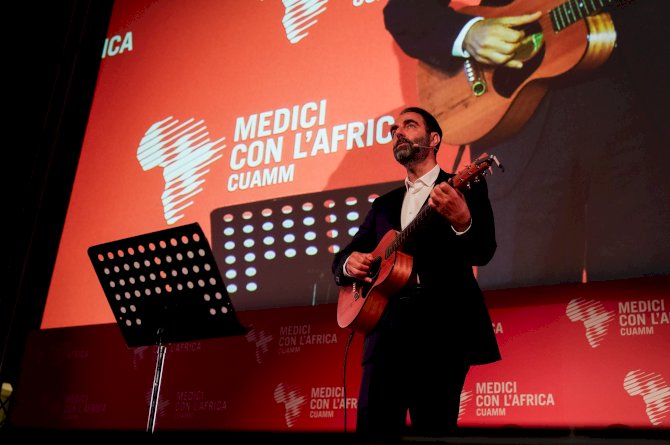
Following the performance by Neri Marcorè who interpreted the well-known song “La guerra di Piero”, which appear to be sadly current, don Dante Carraro, CUAMM Director, thanked all the people in the hall as well as those on the ground starting by the 8 Country Managers who attended the meeting seated in the hall: «We also feel the duty to honour and pray the casualties of every war, we carry in our heart the concern for the consequences that such wars are having on the African continent. We watch over them through our commitment, courage and dedication. We do not mind being rose or tulips. We mind being there. We will be just tulips watching over and we will do what we can because we do want to sow hope in Africa: we believe that bringing together Italia and Africa is possible».
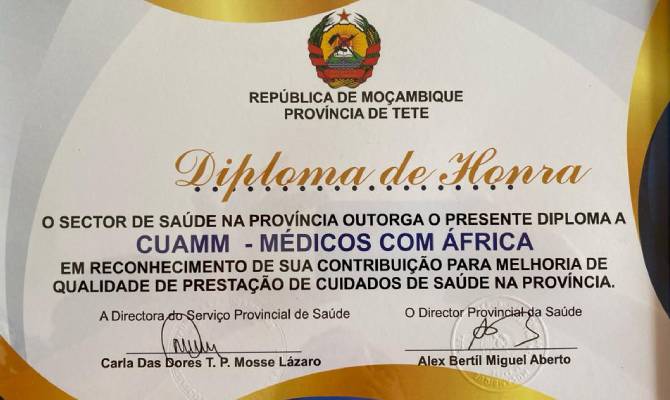
Health authorities in Tete province gathered for the III Coordinating Council on Strenghtening Community Systems for Universal Health Coverage, a recurring institutional appointment to consolidate relations with international partners and enhance the results of a synergetic work. This year the Council was dedicated to health promotion at community level and the authorities recognized CUAMM’s commitment to collaborating with local actors. The recognition is not one-of-a-kind: in fact, CUAMM had already been awarded in 2019 for its commitment to supporting the provincial health system.
“A recognition that, once again, fills us with joy and motivates us to continue our commitment in this province,” said Giorgia Gelfi – Cuamm Country Representative in Mozambique after receiving the certificate of recognition from the health authorities in Tete.
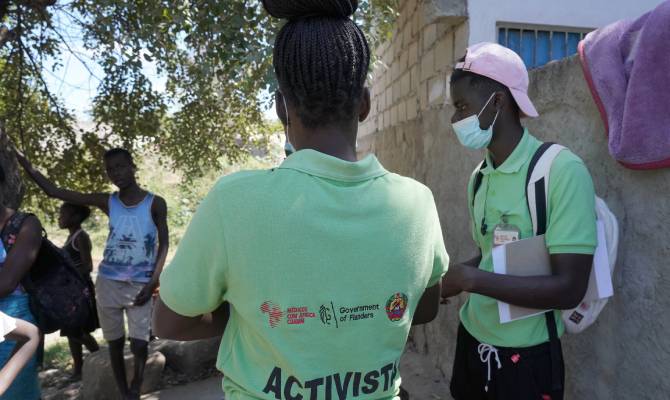
Collaboration with communities and local actors is fundamental in achieving health objectives. Awareness-raising and health education on the ground are a pivotal element in the implementation of lasting and effective interventions, for which the involvement of community agents is fundamental. In the districts of Moatize and Angónia, and in the city of Tete, Cuamm has long been working in training young activists, key figures in the community and in the SAAJ – Servícios Amigos dos Adolescentes e dos Jovens which are youth counselling centres located in the health centres.
Community agents bridge local populations and health services by carrying out various activities: they inform about the basic and specialist services available in the health centres; they organise awareness-raising activities on prevention and health education issues; they animate the SAAJs, where they provide individual and collective counselling for young people; they convince their peers to test and not to be afraid of the diagnosis and are ready to support them during their treatment. Working within the SAAJs and in the villages, the community agents ensure continuity of care: they keep track of patients undergoing treatment and go to the field in case of missed appointments. Either a call or a home visit is often essential to bring faltosos– patients who shirk antiretroviral therapy – back to treatment.
“I am very excited to see this diploma,” says Emília Marcelo Cunamisana, a 28-year-old Cuamm activist. As an activist, receiving this recognition is an incentive to continue doing my part because it demonstrates the effectiveness of our role, the importance of dialogue with the population and therefore the value of collaboration between Cuamm and the communities”.
Operating in Mozambique since 1978, Cuamm arrived in Tete in 2017 with a programme on sexual and reproductive health in 3 districts of the province, for a target population of around 130,000 adolescents. Since then, the commitment has never stopped. In the last three years alone, thanks to the work of the community agents involved, 135,000 visits and 96,000 HIV tests have been carried out within 10 target SAAJs, while 66,000 young people have been educated and sensitized on sexual and reproductive health issues thanks to awareness-raising activities in the area. An intervention also made possible thanks to the support and contribution of the Government of Flanders.
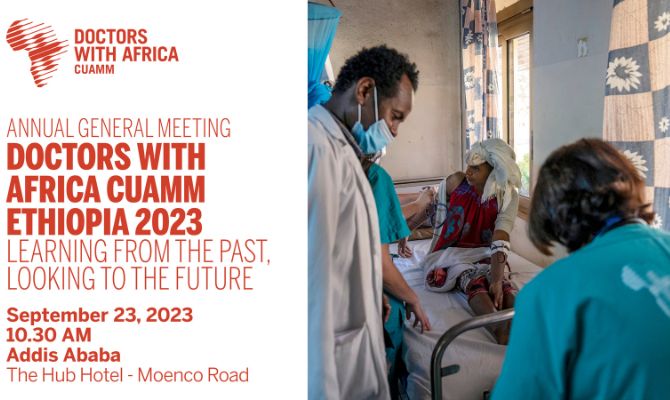
We gathered in the Hub Hotel in Addis Ababa on Saturday, September 23, together with institutional guests, partners, donors and local authorities to retrace a long-standing history of commitment and dedication.
Cuamm – Ethiopia 2023, Learning from the past, looking to the future is the first annual general meeting organized by Cuamm in the country, not only to share good practices and lessons learned but also to look forward and face present and future challenges that we have to address in order to continue promoting the right to health for all.
“The humanitarian situation in Ethiopia continues to be critical,” said Agostino Palese, Ambassador of Italy in Addis Ababa during the meeting. Supporting the Ethiopian health system is a priority for the Italian government and cooperation. I have personally visited several hospitals in the country and I am convinced that must act now. This is why we will continue to work, also with Cuamm, to meet the basic needs of the population and strengthen health facilities in the most fragile areas of the country.”
Many are the fragile areas in Ethiopia: from the northern region of Tigray, wrecked by a long war, to Oromia hardly hit by severe floods to Gambella bordering South Sudan where currently more than 933.000 refugees are accomodated in refugees camps, mainly coming from South Sudan, Eritrea and Somalia plus 4,38 millions of IDPs caused mainly by the Tigray war. CUAMM is working in these areas as in the rest of the country to address the basic needs of the population. Our staff presented the current interventions on the ground in the first session of the meeting which was dedicated to CUAMM’s approach, activities and good practices in Ethiopia. We therefore explored Maternal and child health, Early Child Development, the increasing global burden of NCDs, the Management of health facilities in humanitarian settings as the key role of mobile clinics in providing health assistance to the last mile.
Throughout the second session, we focused on the St. Luke Catholic Hospital in Wolisso. The hospital was built in 2000 together with a nursing and midwifery school in collaboration with the Ethiopian Catholic Church and the regional government of Oromia. CUAMM’s support has been continuous ever since. 837 students graduated since the opening of the school, number of assisted deliveries increased from around 400 in the first year (2001) to over 3,500 in 2022; OPD also increased from only 14,000 in 2001 to over 60,000 in 2022.
In 2019 the hospital was awarded the certificate of excellence from the Ethiopia Medical Association and today, despite the numerous difficulties, it continues to offer specialistic health services through psychiatric clinic, gynecological clinic, surgical clinic, orthopedic clinic, ophthalmic clinic and others.
«It is important to learn from the past and evaluate what was done. Over the years, CUAMM has been doing a lot in the health sector and Wolisso hospital is with any doubts a model of commitment. We have to continue cooperating with governments, benefactors and friends who share our same mission: to ensure the right to health to those who cannot acceed it» said Musie Ghebreghiorghis – Bishop of Emdeber diocese during his welcoming speech in which he called those who believe in the same idea to join us in support of Wolisso hospital. An appeal made also by father Dante Carraro who address the guests saying: «If we really want to change the future, it is important to put all our efforts, we must all play our part and then we must connect, create collaborations and work together».
«This event was a proof of team work and dedication. It has been for us an important moment to thank donors, authorities and partners we collaborated with over this 43 years in Ethiopia and who shared with us the same mission: to promote health for all» claimed Luisa Gatta, CUAMM Country Manager in Ethiopia.