CUAMM recognized by WHO for its commitment in controlling NCDs

«For the work done in the improvement of health outcomes in rural areas in Tanzania as for the dedicated commitment in supporting local and forgotten communities» stated the United Nations Inter-Agency Task Force on the Prevention and Control of Non-communicable Diseases (NCDs) to justify the assignment of the Task Force Awards 2024 to Doctors with Africa CUAMM. Such prestigious award recognizes actions and approaches driven to preventing NCDs and promoting universal access to assisting technology.

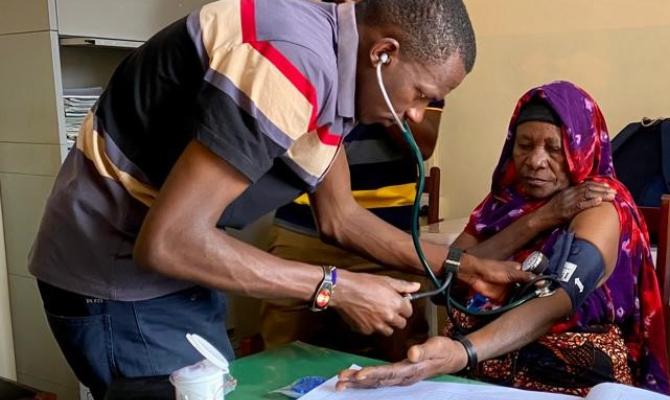
CUAMM received the award for its commitment in Tanzania. Over the last year in fact, we have carried out an integrated project for the prevention and treatment of diabetes and hypertension in the Iringa DC District and at the Tosamaganga Hospital, with the hospital acting as the district’s referral facility for the diagnosis and care of chronic patients and peripheral facilities supporting treatment and follow-up. The “Friends of the Task Force” award ceremony was held today on the margins of the 79th session of the United Nations General Assembly.

«This important award is being assigned to recognize the commitment in improving health outcomes in Tanzania and assisting marginalized communities – says Gaetano Azzimonti CUAMM Program Manager in Tanzania -. Our work on non-communicable diseases ensures that people living with chronic conditions have access to the health services they need all life-long. We do so by localizing health services therefore enabling people living in rural areas to acceed the care. This work is being done in the health centres located all-over Iringa district. This award encourages us to keep up the work and to continue and recognises an innovative intervention, which involved many local health professionals, from the Tosamaganga Hospital to the peripheral health units’».

Doctors with Africa Cuamm was awarded in the NGO category, along with three other organisations, and the award ceremony took place on the sidelines of the 79th session of the UN General Assembly in New York.

Improving access to HIV services among adolescents

Mozambique is one of the African countries with the highest HIV prevalence, with a national average of 11.5% (UNAIDS 2020). As of 2020, 2.1 million people were estimated to be living with HIV in Mozambique, with a higher prevalence among adolescent girls (ages 15-19) and young women (ages 20-24).

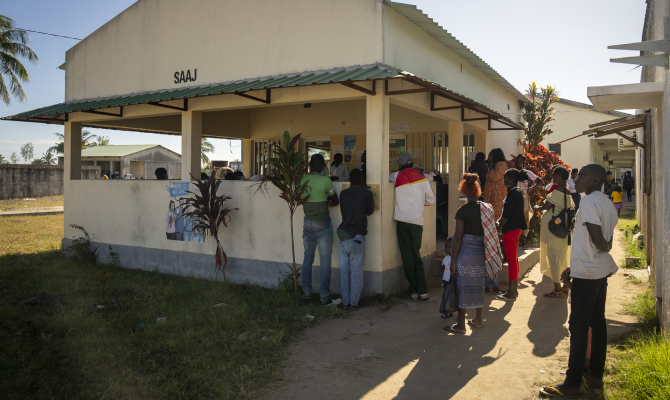
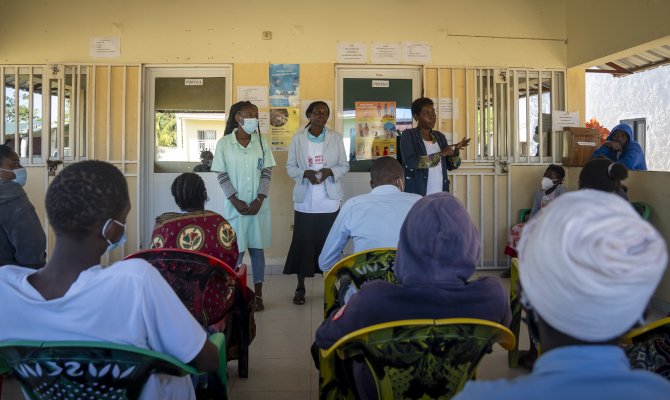
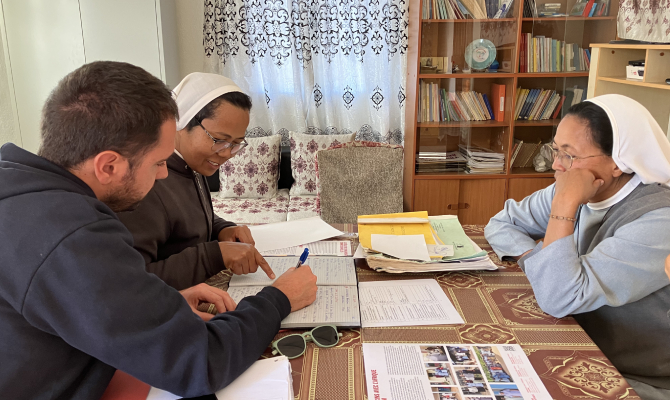
Youth and adolescents were the direct recipients of an intervention planned to improve access to HIV services in 9 SAAJs (Serviço Amigo do Adolescente e Jovem) in Beira city and Nhamatanda district. Implemented by CUAMM with the support from Manos Unidas, the intervention aimed to educate young people/adolescents (ages 10-24) about safe sexual behaviours, encourage (voluntary) HIV testing, improve access to and quality of HIV healthcare services for adolescents/youth, and ensure adherence to ART, particularly for pregnant and breastfeeding HIV-positive women.

To enhance access to sexual and reproductive health services (SRH) and reduce HIV incidence among adolescents/youth, CUAMM has used an approach based on integrating different levels of intervention, namely health units (SAAJs) and communities, creating links between counselling, testing, and treatment and engaging local peer-to-peer associations and community based organizations (CBOs).

«So many people around us are widely considered crazy and excluded from the community with severe consequences on their life. What is not known is that people are not crazy, they are just going through something difficult and may not be able to cope with it. That is why mental health is important and caring, accepting and supporting the suffering others are experiencing can help them healing» Marina Castaneja – activist from Kuplumussana Association.

The intervention’s objectives were designed to meet the programmatic priorities and targets established by the Government of Mozambique in the National HIV Response Plan. The activities, carried out in collaboration with local authorities both at provincial and district level, showed positive results. In the last 13 months alone, a total of 44.858 HIV tests were performed allowing to detect 404 new HIV positive cases. Despite an early 28% of people in TARV who abandoned the follow-up, 98% of them returned to the treatment thanks to the collaboration with CBOs and peer-to-peer activities.

In addition to the three components previously integrated to the approach, namely involvement of clinical officers, participation of CBOs and provision of mental health and psychosocial support (MHPSS) for patients in TARV, the main activities implemented focused on:

1) Strengthening access to and quality of HIV services (SAAJs) in the Beira and Nhamatanda Districts,

2) Increasing HIV and SRH knowledge and awareness among adolescents in the target area,

3) Improving the Health Information System.

The project did not fail to include trainings as a tool to enhance competencies among professionals, thus ensure the sustainability of the intervention over time. Health professionals/managers got involved in training sessions to foster their capacities in case diagnosis and management as well as data collection and analysis skills.

Despite the country in the last years made progress on HIV and AIDS (UNAIDS) 95-95-95 goals, with 82% of PLHIV aware of their status, gaps remain among adolescents. Estimates suggest that Mozambique has 98,328 new HIV infections annually, and 28.7%, (28,220) are among adolescent girls and young women compared to 11.4% (11,209) among men in the same age group. Within Mozambique, the Province of Sofala is one of the worst in the country for HIV prevalence, which stands at 16,3 % (IMASIDA).

«We have to keep working with the youth because they are extremely fragile. Adolescents are highly sensitive to peer values and opinions, being accepted is in fact a key component of the phase they are living. Due to stigmatization and discrimination related to HIV, by receiving a positive diagnosis young people can experience panic and depression. We have to support them and help them cope with the diagnosis not only from a medical perspective but also psychological» said Hamilton Cardoso – CUAMM psychologist.

Since 2014, Doctors with Africa CUAMM has been implementing a patient-centered HIV case management system, with a focus on supporting adherence of HIV+ pregnant adolescent girls and tracking defaulter patients. Moreover, a new service of MHPSS was introduced lately in order to respond to the negative consequences on the mental wellbeing of adolescent and young people due to the impact of disasters and emergencies like Cyclone IDAI and the Covid Pandemics. Indeed, in a study conducted with more than 2,000 adolescents and young adults in Beira, CUAMM found that approximately 54 were positive at least at one screening tool for anxiety, depression, PTSD (Post Traumatic Stress Disorder) and drugs-alcohol abuse.


Future doctors in Mozambique

Patience, humanity, trustworthiness, affability, and empathy, along with an indispensable dose of professionalism.

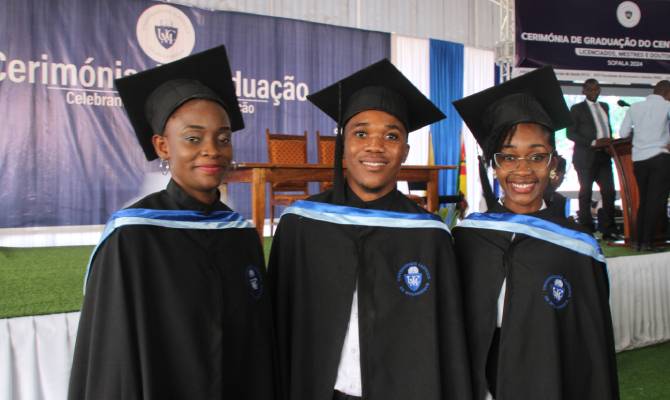
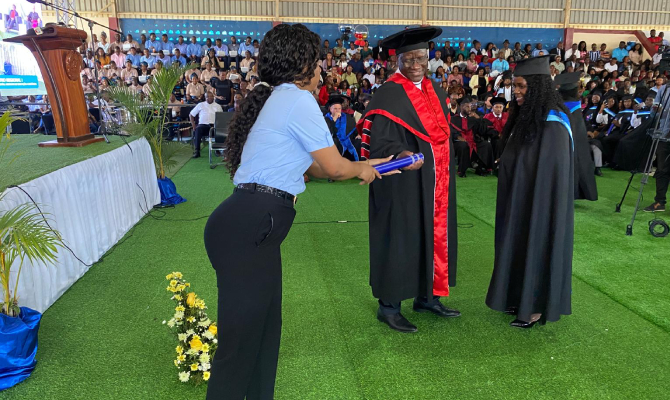
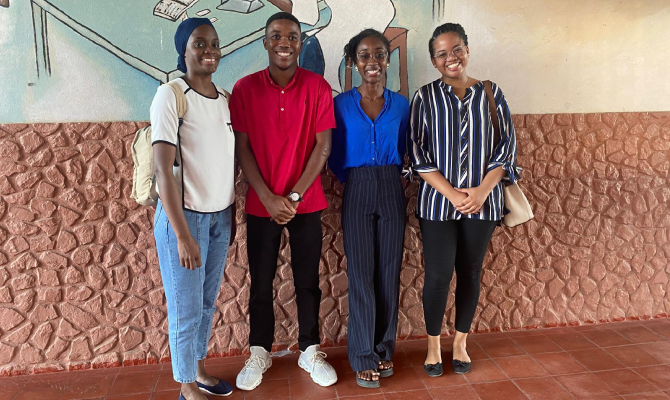
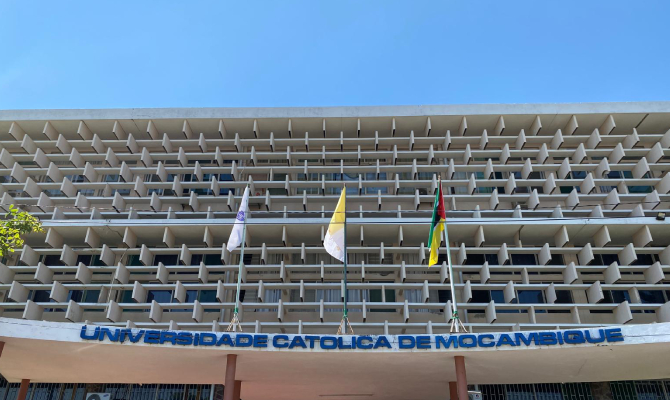
For Atianete, Hercília, Muaziza, and Victorino, these are the qualities that a medical professional should embody, and ones they hope to maintain throughout the years of practice ahead of them. This is what they revealed to us when we meet them in Beira, at the headquarters of the Catholic University of Mozambique (UCM). They are four of the 44 newly graduated doctors in general medicine, who were just declared doctors the day before by the Magnificent Rector, Professor Father Filipe Sungo. It was a grand ceremony that brought together professors, students, friends, and families in a day of celebration and emotion.

In his speech, the rector of UCM, Professor Filipe Sungo, thanked the students for their dedication, the professors for their commitment to teaching and continuous research, the families for their unwavering support, and the partners, including CUAMM, for their ongoing collaboration. “This achievement, which is yours,” said the Magnificent Rector in front of an audience of 893 students, “is also a testament to the collective effort that unites us as an academic community.”

We meet our four scholarship recipients a few days after the celebrations. Their smiles and teary eyes betray the strong emotion of having reached such a long-desired milestone. It’s a contagious feeling that also reflects on our faces, and when Victorino, with a soft voice and a hint of embarrassment, says “My name is Victorino Fernando Junior, I was a medical student, today I am a general practitioner,” we can only respond with a heartfelt round of applause. Over the past eight years, Atianete, Hercília, Muaziza, and Victorino have spent most of their time between the UCM classrooms and the library, keeping their commitment and determination alive even during the most challenging periods.

“It hasn’t been an easy journey, we must admit, which is why today we are doubly happy about the goal we’ve achieved,” says Hercília, her eyes shining with satisfaction. “Eight years is a long time, the cyclone first, then the pandemic—moving forward wasn’t easy. Studying requires consistency and method, and we found ourselves having to start over so many times! The passion for this work and the support of the people who believed in us were the driving forces during the hardest moments.”

Four young doctors, four stories of commitment, and four paths still to be walked. Sitting in a small classroom at UCM, we start talking until the initial embarassed is over. Difficulties and motivation, expectations and desires is what we have shared in a long conversation.

“I thought I was more suited for IT,” confesses Victorino. “Medicine seemed like an enormous commitment; I would have had to give up much of my personal life. This faculty is like a girlfriend, it wants all your time! What convinced me? Maybe my mother’s threats. After a bad accident, it was she, a nurse, who took care of me for months. She never missed an opportunity to point out that if it hadn’t been for her training, it would have been much harder to get through that period. Today, I owe her the joy of this degree.”

The shortage of qualified healthcare professionals is, in fact, one of the biggest obstacles to the full development of the national healthcare system in Mozambique. According to the latest data (WHO, 2022), the country has 2,473 doctors for a population of 30 million people, with only 778 being specialist doctors. The average is 0.8 doctors per 10,000 inhabitants, two-thirds of whom are employed in the capital, Maputo.

“Now the clinical work begins. In Mozambique, it is mandatory to serve two years as a general practitioner before potentially specializing. We can express preferences, but it’s not guaranteed that we will be assigned where we want. Some stay in the cities, others are sent to the districts, but in any case, it will be a useful period to better understand what we want to do,” says Atianete, who hopes to move to Maputo to continue specializing in emergency medicine.

Specialization is a shared desire: Victorino will have to decide whether to become a pediatrician or a gynecologist, Hercília is sure of her passion for surgery, and Muaziza dreams of becoming Mozambique’s first endocrinologist.

Doctors with Africa CUAMM has been committed to supporting the Catholic University of Mozambique since its foundation in 1995, contributing to the establishment of the Faculty of Medicine, the second in the country. Until then, medical studies could only be pursued in the capital, Maputo, making a medical career difficult to access for those from other provinces.

“Studying away from home is challenging in many ways: you have to deal with loneliness, financial difficulties, and do your best to honor the commitment you made because you know well that behind it there are many sacrifices: yours, your family’s, and those of those who believe in your dream,” says Muaziza, from the province of Nampula.

Since 2007, the year the first class of aspiring doctors graduated, Cuamm has continued to support the teaching activities of the UCM Faculty of Medicine, providing concrete assistance to the facilities (classrooms, laboratories) and equipping teaching materials (books, computers, etc.). The close collaboration on the curriculum is also significant, with visiting professors from CUAMM holding teaching modules at UCM. Additionally, within the partnership, internship opportunities are facilitated at Beira Central Hospital, research projects are promoted, and, most importantly, scholarships are offered to deserving students. This is a concrete example of cooperation that becomes a tool for the training of many students, and a bridge between distant academic realities. Every year, we renew our commitment, thanks to the support of those who, like us, wish to contribute to the dreams of young Mozambicans, the future doctors of this country.

Budget

The annual budget to support the costs of a scholarship amounts to 3,100 euros per student, broken down as follows:

Expense Category Annual Cost
Administrative fees for enrollment at Beira University 1,500 €
Subsidy for food and accommodation 1,200 €
Subsidy for purchasing educational materials 400 €
Fee for one year 3,100 €
Total fee for the entire study cycle (6 years) 18,600 €

What You Can Do

Join our commitment—thanks to you, we can carry out concrete actions that change the lives of many people. Support the training of local doctors.

DONATE NOW


Fostering capabilities among french speaking FBOs

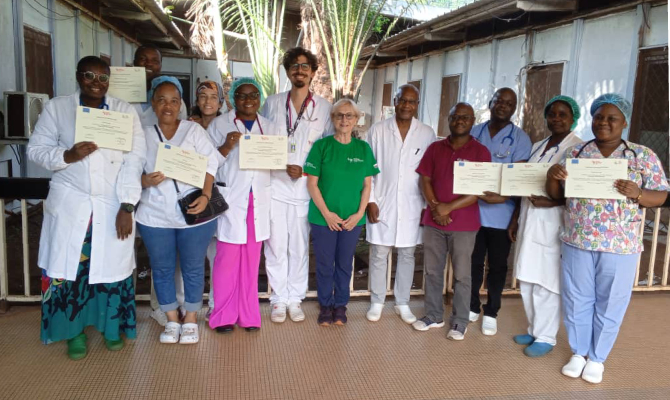
Access to training opportunities is a key step in empowering and strengthening FBOs, yet language barriers can lead to missed opportunities. In order to overcome such challenge and promote equal access to training, Doctors with Africa CUAMM has just held its first french-taught course on leadership and networking skills. The training followed the syllabus of the previous english edition, held in July.

  • “Opening remarks” Father Dante Carraro – CUAMM Director General
  • “Connect, strengthen and empower Faith-Based Organisations in delivering healthcare services” Mr. Andrea Atzori – Head of International Relations at CUAMM
  • “Supporting Faith-Based Organizations delivering Healthcare in Africa” Dr. Parotto – Clinical Advisor and Anesthesiologist, Padua’s University Hospital
  • “The cycle of the project” Mrs. Anna Cavestro – Project Manager
  • “Partnerships with Governments & Local Authorities: the experience of UCMB” Dr. Kasyaba – Assistant Executive Secretary of the Uganda Catholic Medical Bureau (UCMB)

    «Participants were encouraged to foster a culture of collaboration, to value the contributions of each team member, and to maintain open and transparent communication» stated the Diocesan Director at Centre de Charité Saint Camille de Djougou – Father Yvon Serge Hounsou from Ordre des Serviteurs des malades, Benin.

43 people representing 22 different faith-based organizations from 11 African countries attended the virtual training course organized by CUAMM thanks to the support of the Conrad N. Hilton Foundation. Professionals such as nurses, medical doctors and health facility’s managers were among the learners who were represented by both ordained and no-ordained members of religious congregations.

«This event was a valuable opportunity for participants from various religious institutes to strengthen their skills and knowledge. As the speakers shared their experiences and intervention strategies, we were able to learn in order to prepare ourselves to better serve our communities» said brother Cosimo, nurse from Ordre hospitalier de St. Jean de Dieu, currently serving at Saint Jean De Dieu Hospital Tanguiéta, Benin.

Since 2019, Doctors with Africa CUAMM has been committed to strengthening the capacity and resilience of staff working in faith-based health facilities across the Africa region by offering training packages on different topics including healthcare facilities management, clinical aspects, project management, disaster preparedness and resource mobilization. While the courses were only available in English until now,  “Compétences en matière de leadership et de mise en réseau” intends to facilitate access and learning to french speaking professionals deployed in the provision of health care across Africa representing a first step in the promotion of a more inclusive and effective training package. Training activities are promoted in the context of “Supporting FBOs on the frontline of healthcare service delivery in Africa”, the program launched by CUAMM in 2019 with the final goal of strengthening the capacity and resilience of staff working in faith-based health facilities through training, technical assistance and advocacy activities. To date, 150 faith-based organizations located in 26 countries, are involved in the program.

A new diagnostic tool in neonatology

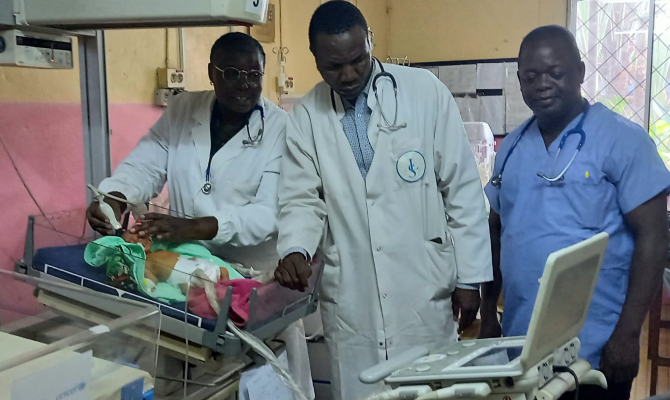
There is an important diagnostic tool in neonatology that can be used in babies arriving at the emergency department in critical situations: it is transfontanellar ultrasound, i.e. in babies with an open fontanelle. Specific training was focused on this diagnostic method at the Complexe Hospitalier Universitaire Pédiatrique in Bangui (CHUPB), Central African Republic, to learn and improve its use. Children with convulsions and/or sepsis or with acute malnutrition in order to assess and possibly exclude an underlying neurological pathology, children with macrocrania, and even children with spina bifida or cleft lip and palate, conditions that are frequent in this country: all these young patients will have a new diagnostic tool at their disposal.

“This training has given us the opportunity to review and improve our diagnoses in neonatology by showing us that we can also identify other pathologies beyond those typical of the newborn. As a paediatric oncologist at CHUPB, I will try to apply this expertise to supplement my means of diagnosing brain tumours in infants and children,” said Dr Kosh.

The training was instrumental in demonstrating the potential and versatility of the ultrasound instrument, enabling health professionals to become more proficient in its use. The course is part of the ongoing training plan for staff, including students and residents, on perinatal and paediatric care techniques that Doctors with Africa CUAMM and the Hospital Directorate are promoting as part of the “Support for Paediatric and Nutritional Care, Resilience and Governance at CHUPB” project, funded by the European Union, which started on 1 July 2024. As part of this intervention, CUAMM provides technical assistance and training in the administrative, management and clinical areas, while promoting the strengthening of CHUPB governance. This commitment thus makes it possible to ensure quality health and nutritional care for young patients.

“This course has been a great opportunity, because it has allowed us to broaden our diagnostic capabilities with regard to neurological disorders in infants and children who still have open fontanels. I remember the case of an infant with a rash and convulsions, who was treated and discharged from hospital; a month later, this infant came back with convulsions, without fever but with a pathological electroencephalogram,” says Ida Noki, CUAMM paediatrician at CHUPB. “We treated him with an anti-epileptic and then, thanks to the ultrasound scan, identified a triventricular hydrocephalus and so referred him to neurosurgery. Without this diagnostic tool, the management of this child would certainly have been different, probably inadequate. Now, we have one more possibility to look for lesions early and we have understood how to better monitor cases,” Ida enthuses.

The contents are the sole responsibility of Doctors with Africa CUAMM and do not necessarily reflect the vision of the European Union.


FRENCH VERSION 

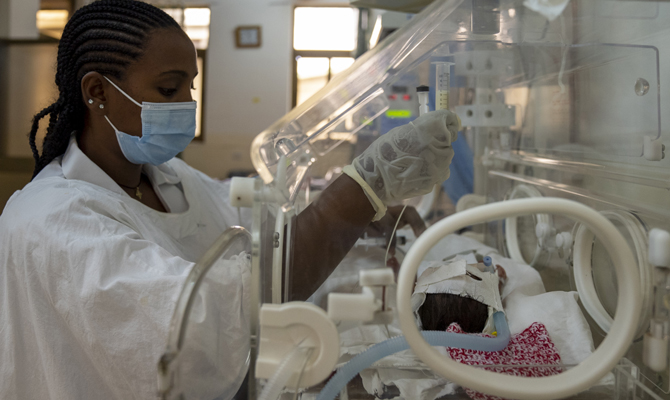
The training focusing on the newborns needs

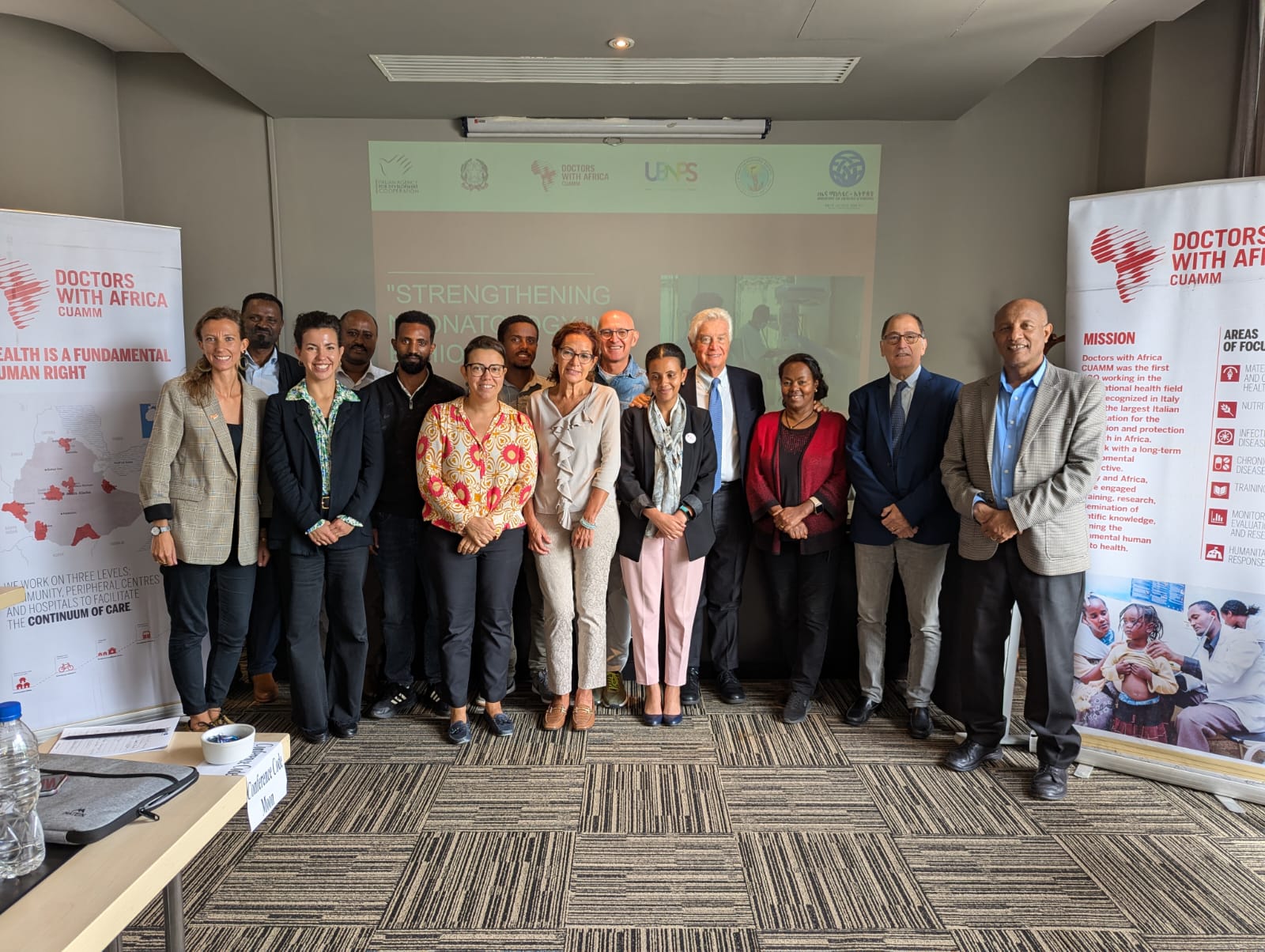
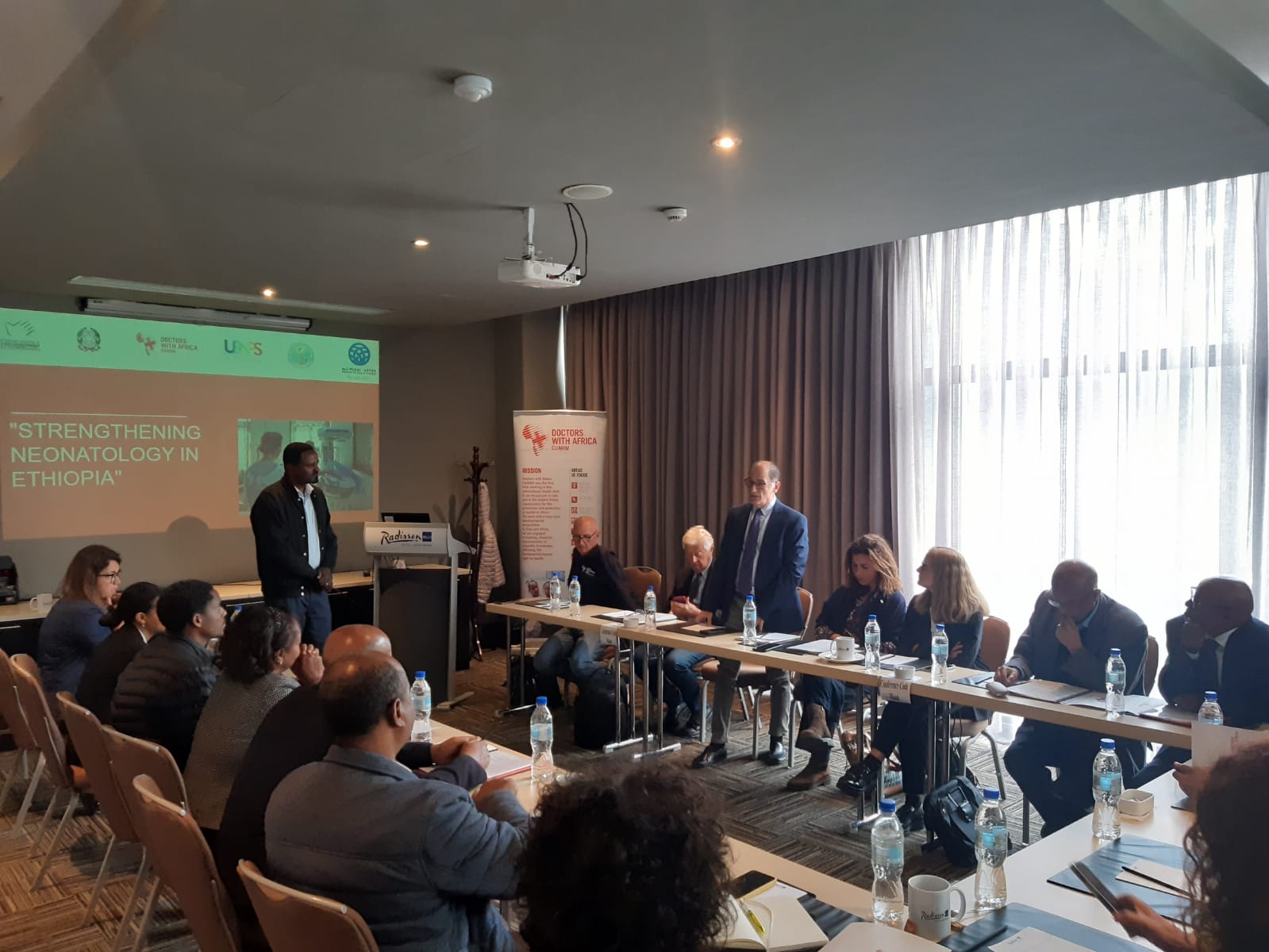
A workshop with 20 experts from Doctors with Africa CUAMM, UENPS (Union of European Neonatal and Perinatal Societies), EPS (Ethiopian Pediatric Association), and the Health Ministry of Ethiopia has just concluded in Addis Ababa. This meeting marked the first step in the new intervention aimed at strengthening neonatal care in Ethiopia, all thanks to the support of the Italian government.

“The meeting of these two days was beneficial and fruitful for getting to know and connect with a group of Ethiopian Neonatologists. We were able to plan the main initiatives and the topics to be covered in a first congress that we will organize in January 2025, a starting point to improve neonatal care in Ethiopia,” said Corrado Moretti, director of UENPS.

This endeavor will see CUAMM at the forefront mainly in treatment activities, rehabilitation of some NICU (Neonatal Intensive Care Units), provision of materials and equipment for the wards, and, most importantly, training of health personnel.

“It was an important meeting for all project partners,” emphasized Dr. Eleni Hagos, CUAMM pediatrician at St Luke Hospital in Wolisso. ”We defined the framework and the actions we will implement based on an interesting survey conducted by UENPS in 44 neonatology units in Ethiopia. Once again, we start from the real needs of people and look for ways and answers to improve the care of tiny newborns.”

CUAMM will renovate, improve and equip the neonatology units of Shire Hospital in Tigray and Black Lion Specialized Hospital in Addis. In addition, the project includes training 20 Ethiopian pediatricians through the involvement of neonatologists from UENPS and EPS. The Ethiopian pediatricians, in turn, will train 125 midwives and nurses on neonatal resuscitation. The expected beneficiaries are more than 20,700 women and more than 3,700 newborns treated at the NICU of the two hospitals.

“I returned to Ethiopia after some years away, and I was able to verify that the country has grown in terms of neonatal care,” said Gaetano Azzimonti, CUAMM program manager, on the sidelines of the meeting. We found very competent and motivated people who have clear goals and are committed to achieving them; I am thinking, for example, of CUAMM pediatrician Dr. Eleni, Dr. Atsani, head of Neonatology at Black Lion Hospital, the largest in Ethiopia, and Dr. Bogale, president of EPS. The value of this intervention is in the training of neonatology doctors and the techniques and methodologies to teach them. These specialists will train other health personnel, midwives, and nurses, particularly from Black Lion and Shire Hospital, but in the future also in many different areas of the country.”

This intervention is linked to one presented in Tigray in recent days in the presence of Tigray’s interim president, Getachew Reda, by the Italian ambassador to Ethiopia, Antonio Palese, AICS Addis Ababa director, Isabella Lucaferri, and CUAMM director, Fr Dante Carraro.

Capacitation for neonatal emergencies and stabilization

92 health workers coming from 7 facilities across the country have been trained on neonatal emergencies and stabilization as part of the R.I.S.E. project implemented by Doctors with Africa CUAMM UK. Such project is part of a 46,5 million euro initiative funded by the Italian Agency for Development Cooperation, reaching 900,000+ people affected by the Ukraine crisis.

The trainings were designed in collaboration with the Moldovan Paediatric Association with the ultimate goal of fostering capabilities on emergency neonatal resuscitation and stabilization among local medical staff serving both at primary hospitals and secondary health facilities therefore strenghtening the national health system.

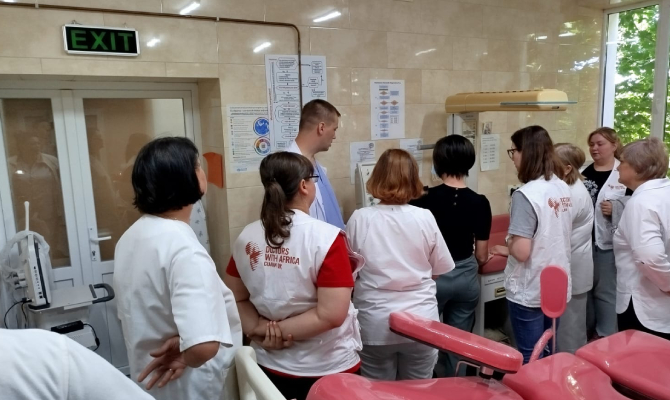
The first phase of the activity started with a 5-days training of trainers held by Dr. Daniele Trevisanuto – Neonatologist and CUAMM doctor and dedicated to 7 professionals from both IMAC Hospital and the Ministry of Health (MoH). By empowering a group of skilled instructors, the activity had a trickle-down effect on a wider network of health workers from 7 facilities disseminated troughout the Country namely Soroca, Orhei, Ungheni, Edinets, Hincesti, Cahul and Causeni thus ensuring a sustainable impact.

«The courses organised have a significant impact on the practice of health workers in district hospitals. Considering the low opportunities they have to practice resuscitation, such activity can indeed support professionals and improve their clinical skills through both theoretical and practical information» claimed Dr. Olga Rotari – Neonatologist from IMAC and ToT.

In Moldova, there are 32 hospitals handling a total of 27,000 births annually. However, many of these facilities have a low number of deliveries per year, below 500, resulting in limited exposure to maternal and newborn emergencies from health workers. Additionally, hospital data reports a high rate of post-birth transfers from peripheral facilities, that are not equipped with intensive care units, to third-level facilities located in the capital. Having qualified staff at peripheral level is therefore of paramount importance to guarantee quality and timely newborns care after delivery.

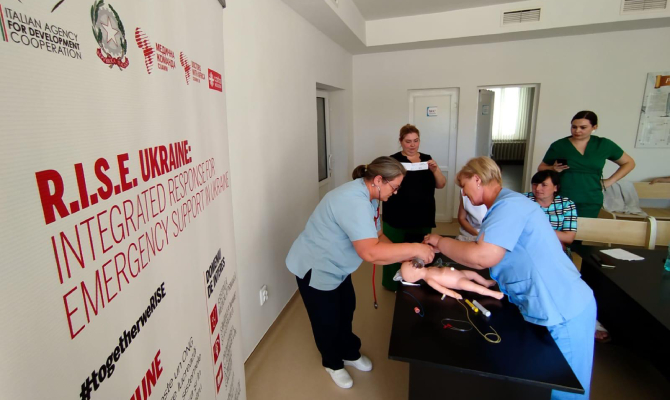
For this reason, the second phase of the training activity aimed at empowering health professionals serving in second level hospitals with a 2- day training course at each of the 7 hospitals. The methodology embraced both frontal learning, through explanation and powerpoint presentations, and practical experiences. Simple and complex neonatal resuscitation scenarios were staged, where all the participants were requested to apply the techniques explained in a highly stressful situation. The overall 92 participants involved were represented by different professionals including 9 neonatologists, 13 gynaecologists, 8 paediatricians, 34 midwives, 25 nurses and 3 anesthetists who had the opportunity to navigate and practice on multiple concepts and procedures including neonatal resuscitation, neonatal asphyxia, diagnosis and treatment of hypoglycemia and pneumothorax emergency.

«The course was a great opportunity because not only we consolidated some previous knowledge, but also learnt new information. Although we try to assimilate as much as we can during courses, we do not come across situation that requires these skills in our daily practice. Such lack of exercise leads us to loosing confidence and capacities which we regain with these trainings» said Ciobirca Ana – midwife at Hincesti Regional Hospital.

The success of the training is reflected in the significant improvement in the participants’ knowledge, as measured by the test delivered at the very beginning and end of the training. In the pre-test, the participants from the 7 facilities reached an average 60% score, while the post-test showed an accuracy of 93%, with an increase of 33 points percentage.

Maternal mortality rate has significantly decreased in Moldova over the past 10 years, dropping from 44 per 100,000 live births in 2010 to 19 in 2017, the infant mortality rate per 1,000 live births has declined from 26 in 2010 to 12 in 2019 thanks to the proactive commitment of the Ministry of health and health workers. However, this rate still remains above the WHO index for European regions. Although maternal and infant mortality rates have reduced over the years, there is a margin to improve the mortality index and the output of emergency procedures by working on the remaining gaps regarding referral and post-natal healthcare in peripheral hospitals.

Since the conflict broke out on 24th February, 2022, approximately over one million refugees crossed the border seeking refuge in Moldova, one of Europe’s most fragile countries. To prevent the collapse of the national healthcare system and address the healthcare needs of both the refugee and local populations, targeted interventions have been deemed necessary. CUAMM’s commitment in the country started in April 2022 in the capital Chişinau. Since then and in close collaboration with the Ministry of Health and the WHO, the intervention has been guided by the twofold objective of providing basic medical assistance within RACs and offering specific training for local medical personnel on neonatal emergency. The commitment also extends to Ukraine, focusing on the delivery of medicines, medical equipment, and consumables to healthcare facilities; distribution of food items, essential goods, and equipment to combat the cold; as well as providing psychological support to the most vulnerable. Our project, is part of a 46,5 million euro initiative funded by the Italian Agency for Development Cooperation, reaching 900,000+ people affected by the Ukraine crisis.

Reconstructing health care in war-torn Tigray region

Today marks the official launch of a major new initiative promoted by Doctors with Africa CUAMM in the Shire Indasilasse district. The intervention aims to respond to the health needs of the population living in the war-torn region through the reconstruction of Shire hospital, referral facility for over 2 million people and 5 pertinent health centres that serve both internally displaced people (around 1 million) and host communities who are taking the strain of 80% of the IDPs.

Many are the components of the intervention that will bring about a substantial improvement in the healthcare system of the region.

Major reconstruction works will be undertaken at Shire hospital, particularly in the neonatal unit, where new entry points for patients admission will be set. In addition, both the electrical and plumbing systems will be resumed to guarantee access to water, as well as waste disposal after the severe damages caused by to the conflict.The project will also ensure the provision of equipment and supplies such as medical materials, medicines, laboratory reagents, and diagnostic tools (ultrasound machines, X-rays). An integral part of the intervention will also be the training of healthcare personnel.

A major initiative implemented in collaboration with VIS, local authorities and communities in the Tigray region, and facilitated by the support of the Italian Agency for Cooperation and Development – AICS.

Alongside the important work of rehabilitation at the hospital, CUAMM will be committed to resuming and supporting emergency referral services from peripheral centers to the hospital, with a particular focus on obstetric emergencies; providing assistance, including psychological support at health centers and within displaced communities; and strengthening services for the identification, treatment, and follow-up of acute malnutrition in children and pregnant women.

This intervention, conducted in collaboration with local authorities and communities, also aims to provide support to women and adolescent girls who have suffered the most severe violence and atrocities with interventions ranging from nutritional services and childbirth assistance to the distribution of dignity kits to the provision of clinical services. The program also includes a component related to agriculture and food security, implemented by VIS, which will involve the distribution of food and awareness-raising on best practices to adopt.

The launch event held today in Shire Town counted with the participation of the acting President of Tigray region Getachew Reda, the Italian Ambassador Agostino Palese, the representative of AICS in Addis Ababa Isabella Lucaferri, the Director of the Tigray Regional Health Bureau Dr. Amanuel Haile, the Director of Suhul Hospital in Shire Dr. Gebremedhin Atakiltie and the Director General of CUAMM, father Dante Carraro, along with the CUAMM staff directly involved in the intervention

«It is either an honour and a responsibility for us as CUAMM to be here today to present this new intervention. I would like to stress three words: “when”, which mean today after years of conflict, we celebrate the willingness and commitment to rehabilitate the health system in the region; “where”: in Shire and in the surrounding area where over 2 million people and 500,000 IDPs are hosted. This is where we want to start the reconstruction by rehabilitating 2 hospitals and 4 health centres; to conclude, “together” because we are Dcotors with Africa and we believe that the goals set can only be achieved by working alongside local health authorities starting from the acting President of Tigray whose support and collaboration we truly appreciate» said father Dante Carraro Director General of Doctors with Africa CUAMM.

«The projects we are launching today prove our commitment to supporting the people of Tigray, especially the most vulnerable groups. Thanks to the dedication of extraordinary partners such as CUAMM and VIS, and with the committed support of local authorities, not only we aim to give concrete help but also build hope in a region that deserve peace, security and prosperity after years of suffering» said the Italian Ambassador Agostino Palese.

«Once again THE Italian Cooperation demonstrates its commitment to the most vulnerable groups through concrete actions such as infrastructural rehabilitation and staff training, all aimed at improving access to and the quality of care, fundamental rights of every person» added Isabella Lucaferri, Director of Aics Addis Ababa.

The event also gave the opportunity to present a specific intervention dedicated to strengthening neonatal care both at the Suhul General Hospital in Shire – Tigray region, and at the Black Lion Specialized Hospital in Addis Ababa. In regard to this new commitment, a workshop is scheduled in Addis Ababa on September 3-4. On the occasion, Doctors with Africa CUAMM will be leading activities related to care, rehabilitation of NICUs (Neonatal Intensive Care Units), supply of materials and equipment, and training at various levels, in partnership with UENPS (Union of European Neonatal and Perinatal Societies) and EPS (Ethiopian Pediatric Association), with the support of AICS and the Italian Embassy in Addis Ababa.


THE CONTEXT

Almost two years after the Tigray peace deal, signed in November 2022, the situation remains dire. The conflict that erupted on November 4, 2020, between the Federal Democratic Government of Ethiopia and the Tigray People’s Liberation Front (TPLF) has had a devastating and brutal impact on the population, leading to a dramatic humanitarian crisis that remains critical. Estimates indicate a total of 600,000 deaths and approximately 1 million internally displaced people. About 20.1 million individuals need food assistance, and 17.4 million require access to basic healthcare services. A staggering 86% of healthcare facilities (736 out of 853) have been damaged or destroyed. The conflict has severely hindered people’s access to healthcare services, particularly affecting women and children. After 13 months of conflict, in the end of 2021, access to prenatal care had significantly reduced dropping sharply from 73% to 19%. Similarly, the percentage of births attended by qualified personnel plummeted from 81% to 21%. Lack of access to obstetric care also contributed to the increase of deaths during childbirth, with maternal mortality in 2022 recorded at 840 per 100,000 live births, approximately three times the national average in 2020. In addition, only half of the 19,324 healthcare workers registered before the conflict have resumed service to date.

Shire Indasilasse is one of the areas hardest hit by the conflict. Widespread looting and destruction have had severe impact on the delivery of basic services for the population in an area that has the highest number of internally displaced persons. 324,000 people out of the over 400,000 living in the area are currently displaced. The city hosts 18 reception centers, most of which are school buildings. The Northwest Tigray area, where Shire is located, has the highest percentage of destroyed healthcare facilities.

DRIVING THE DESERT TO PROVIDE HEALTH CARE

«We only get water few months throughout the year, the land is too arid to cultivate. It’s tough, but we stay here. Even though the health facility is small, when the mobile clinics arrive we can check the health status of our children and have them vaccinated» says Antônia Paula, a mother of seven, who we met in the tiny community of Kwuiti Kwuiti, in the heart of Namibe province.

According to the latest data released by Fews Net – the Famine Early Warning Systems Network, the situation is worrying. Angola is experiencing phase 3 of the IPC Acute Food Insecurity classification, the tool for accurately assessing the severity of food insecurity and acute malnutrition. Calculated according to precise standards recognized at international level, phase 3 is assessed when households either have food consumption gaps that are reflected by high or above-usual acute malnutrition; or are marginally able to meet minimum food needs but only by depleting essential livelihood assets or through crisis-coping strategies.

Having to put something on the plate every day is difficult for Antônia, as it is for many other families in this area who depend either on livestock or the little that the land, which is dry for most of the year, has to offer.

Located in southern Angola, the province of Namibe is among the hardest hit by the drought that has crippled the country. Six rainy seasons with below-average precipitation have compromised the crops, which are now insufficient, and have threatened the livelihood and survival opportunities of those who rely on the land to survive. The people most affected are mainly men and women from the Mumuila ethnic group but the drought also threatens the Mucubal, a nomadic cattle-herders with a pastoralist way of life.

«The communities of Namibe are fragile ecological niches, increasingly at risk of and exposed to the impact of the multiple threats expressed by the One Health concept. To respond effectively, we must recognize the interdependence between ecological crisis and health, therefore adopt a strategic and interdisciplinary approach – said Edoardo Occa, CUAMM anthropologist and community health expert who added: the outreach strategy, adopted by deploying mobile clinics becomes essential in this context where it is only by adapting the health system’s needs to those of the communities that can we increase access to services».

Since May 2023, eight CUAM mobile clinics have been moving each month in the area, reaching nine communities located between the municipalities of Virei and Caindi. Nutritional screenings, prenatal visits, awareness sessions, and nutritional education are the main activities offered by the team.

«We work to support populations who, due to environmental conditions, are always on the move, says Rossella Corrà, CUAMM project manager. The biggest challenge is to ensure follow-up, both in prenatal visits and in the treatment of malnutrition».

Using the ficha de transferência – a health record, the teams can monitor malnutrition cases detected in the field and ensure adherence to the therapeutic program even for patients on the move. However, food insecurity is not the only challenge to address. In these areas, where health services are either insufficient or entirely absent, ensuring maternal health can be a struggle. The general hospital where people refer to, located in Virei, is in fact one and a half hours by car from the nearest community of Kwuiti Kwuiti and about three hours from the most isolated Tchacuto, in the municipality of Caindi. It is only in that facility that women can have access to assisted birth yet, they rarely walk this distance.

«During prenatal visits, we always recommend to the women to move closer to the hospital as their due date approaches, but they barely do that. Compunding the challenge of the distance to be walked, is the widespread belief that they don’t need an assisted birth. We try our best to make them understand that giving birth with the support of health professionals is important to respond promptly to possible complications» explains Gelssica Chimanda, CUAMM nurse.

Since May 2023, 77 awareness and nutritional education sessions have been carried out by the mobile clinics, reaching a total number of 4,604 people; 383 prenatal visits have been conducted in the nine communities as part of the KUPE project – Kilonguela pala ekongoko, meaning “educate for health” in the Kuvale language. The intervention, supported by the Instituto Camões, is carried out in collaboration with the Portuguese NGO Fec.

BANGUI RENEWED SUPPORT TO THE PEDIATRIC COMPLEX

The Pediatric University Complex of Bangui (CHUPB) in the Central African Republic is the country’s largest pediatric hospital. With its 257 beds, it provides health care and assistance to over 60,000 children annually. In 2023 alone, it conducted more than 68,000 outpatient consultations and over 15,000 hospital admissions. This significant commitment by the Ministry of Health and Population has been supported since 2018 by Doctors with Africa CUAMM in synergy with local authorities and the French NGO Action Against Hunger (ACF). Starting from July 1, 2024, the European Union’s renewed support allow to continue and reinforce the support given to the facility.

This 18-month project will enable the consortium to ensure health and nutritional care for young patients, while also strengthening the governance of the Complex. Technical assistance and training will be provided in administrative, managerial, and clinical areas.

This is good news for a country ranked 188th out of 191 according to the Human Development Index, which struggles to provide health care and assistance to the vulnerable groups of the population, such as children and mothers. Thanks to this project, Doctors with Africa CUAMM will be able to ensure young patients health and nutritional care while also strengthening the governance of the Complex. Additionally, technical assistance and training will be provided in administrative, managerial, and clinical areas. Besides the young patients, both Complex’s staff and interns will also benefit from this intervention, gaining greater skills to improve their professional performance.

This European support aims to strengthen the governance of the healthcare sector and improve access to quality healthcare which are considered pillars of the partnership with the Ministry of Health and Population.

The European Union started supporting the CHUPB in 2018, since then it has provided health care and assistance to over 60,000 children annually through the CUAMM-ACF consortium. For the EU, the support to the healthcare sector in the Central African Republic has been a priority ever since. The EU spares no human, technical, or financial efforts to support the Ministry of Health in its mission, which includes offering quality basic health services to the Central African population and continuously strengthening the Ministry’s functions. This approach aligns with the priorities indicated in the Recovery and Peace Consolidation Plan in the Central African Republic (RCPCA), particularly concerning the provision of basic services to the population throughout the territory, especially in education, health, and water.

 DOCTORS WITH AFRICA CUAMM

Founded in 1950, Doctors with Africa CUAMM is the first NGO dedicated to health to be recognized in Italy and the largest Italian organization for the promotion and protection of the health of African populations. It carries out long-term projects with a development perspective, adopting such approach also in emergencies to ensure that quality services are accessible to all. Today, Doctors with Africa CUAMM works in 9 countries in sub-Saharan Africa (Angola, Ethiopia, Ivory Coast, Mozambique, Central African Republic, Sierra Leone, South Sudan, Tanzania, Uganda) with more than 3,465 humanitarian workers on the ground, including 273 Italians. It supports 21 hospitals and 116 districts (working on public health activities, maternal and child care, response and treatment of infectious diseases such as HIV, tuberculosis, and malaria), 4 nursing schools (in South Sudan, Uganda, and Ethiopia), and 1 university in Mozambique.

Doctors with Africa CUAMM entered the Central African Republic in 2018. Ever since, it has been supporting the Pediatric Complex of Bangui upon request of Bambino Gesù Hospital in Rome, the CAR Ministry of Health, in collaboration with the European Commission (primarily through the Bêkou Fund) and Italian Cooperation, in partnership with ACF. Since the beginning, CUAMM has not only guaranteed support to the main hospital but also sustained the hospitals in Bossangoa and Koui as well as the health districts of Bocaranga, Bossangoa, and Ouango-Gambo. The NGO is also responsible for training initiatives and operational research carried out across the country.

ACTION AGAINST HUNGER (ACF)

Founded in 1979, Action Against Hunger (ACF) is an international solidarity NGO committed to ending hunger worldwide. Conflicts, climate change, poverty, and inequalities in accessing water and healthcare are some of the leading causes of malnutrition. The NGO’s mission is to save lives by eliminating hunger through prevention, detection, and treatment of undernutrition, particularly during and after emergency situations related to conflicts and natural disasters. Today, ACF is a major player in the global fight against hunger. Founded by a group of French doctors and intellectuals, ACF saves millions of lives each year in Asia, South America, Africa, the Middle East, the Caribbean, and even Europe.

Additionally, in 2023 ACF provided emergency support to vulnearble populations in the Central African Republic by improving access to healthcare and nutrition for children and pregnant and breastfeeding women in the prefectures of Basse-Kotto, Nana-Mambéré, Sangha-Mbaéré, Ouham, and Ouham-Pendé. Interventions were also carried out in Basse-Kotto, Ouham, and Ouham-Pendé to improve access to water and sanitation facilities and to promote good hygiene practices among the population. Health services within health centers were improved. ACF also implemented interventions to enhance food security and mental health for the populations residing in Basse-Kotto and throughout the western part of the country.


The European Union is an economic and political union of 27 European countries. It is founded on the values of respect for human dignity, freedom, democracy, equality, the rule of law and respect for human rights, including the rights of persons belonging to minorities. It acts globally to promote sustainable development of societies, environment and economies, so that everyone can benefit. 


DOWNLOAD THE PRESS RELEASE IN FRENCH