Reconstructing health care in war-torn Tigray region

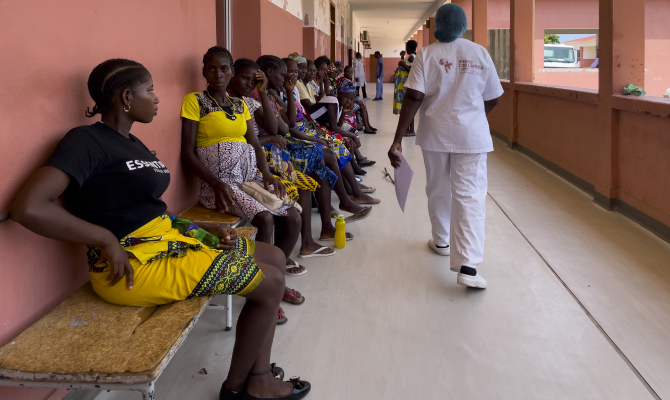
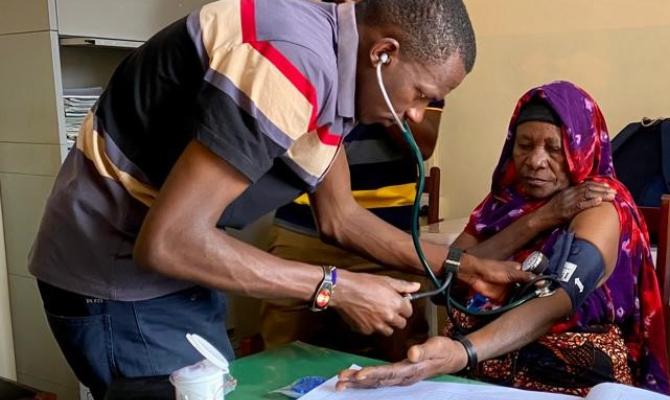
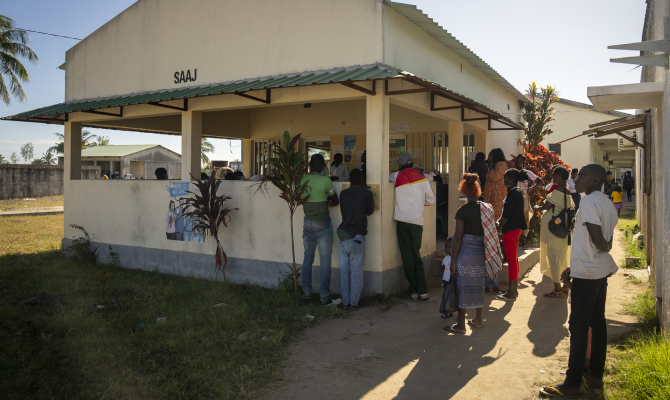
Today marks the official launch of a major new initiative promoted by Doctors with Africa CUAMM in the Shire Indasilasse district. The intervention aims to respond to the health needs of the population living in the war-torn region through the reconstruction of Shire hospital, referral facility for over 2 million people and 5 pertinent health centres that serve both internally displaced people (around 1 million) and host communities who are taking the strain of 80% of the IDPs.

Many are the components of the intervention that will bring about a substantial improvement in the healthcare system of the region.

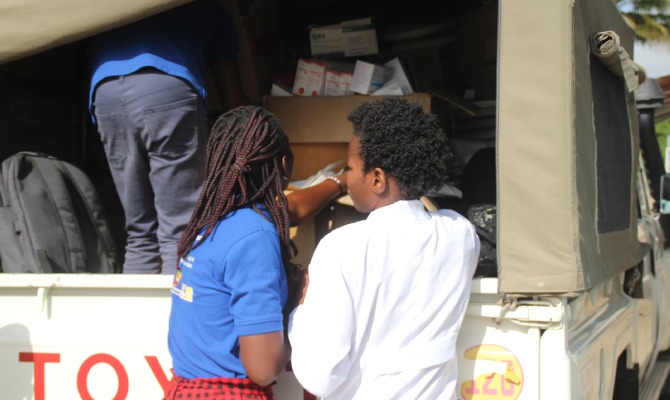
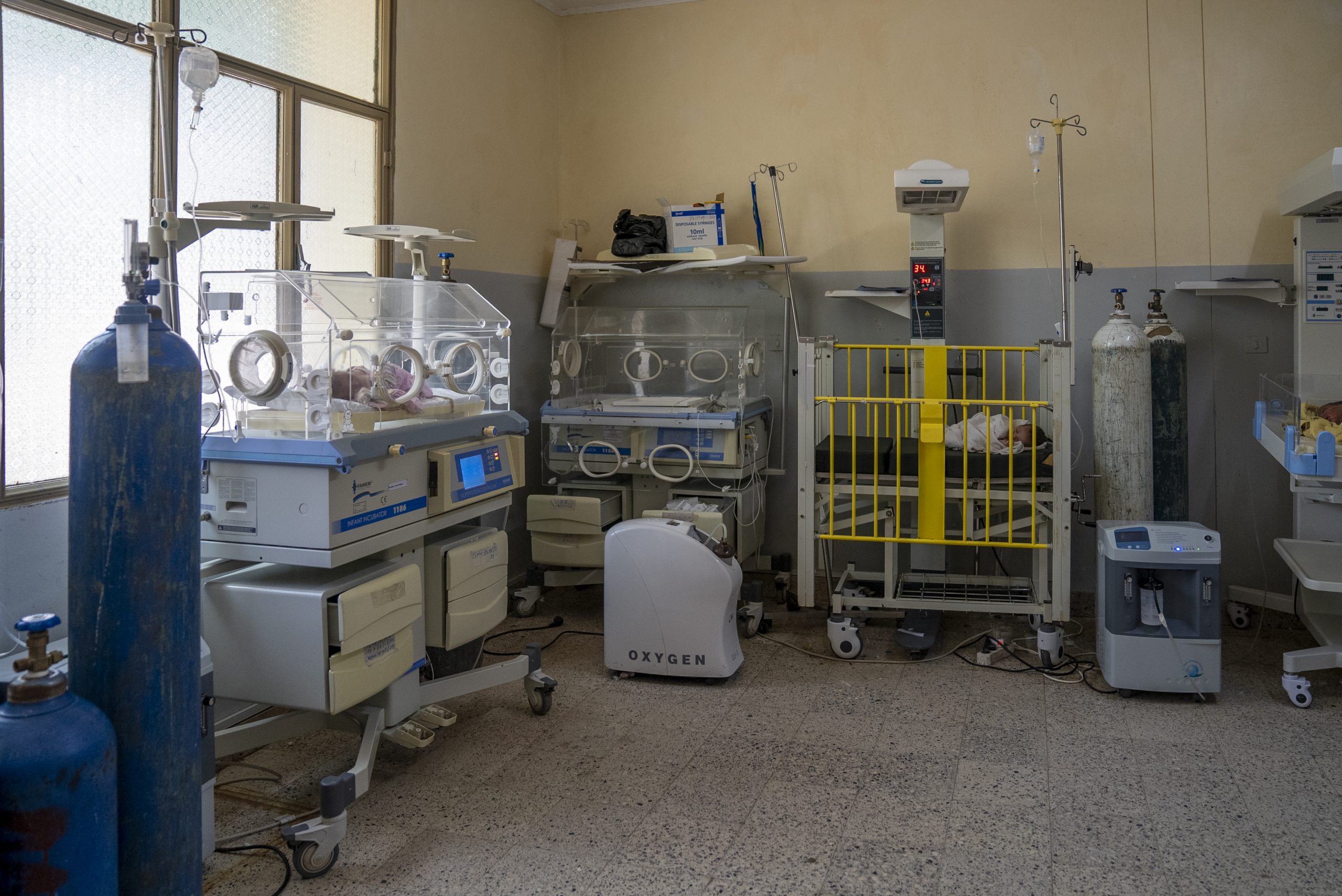
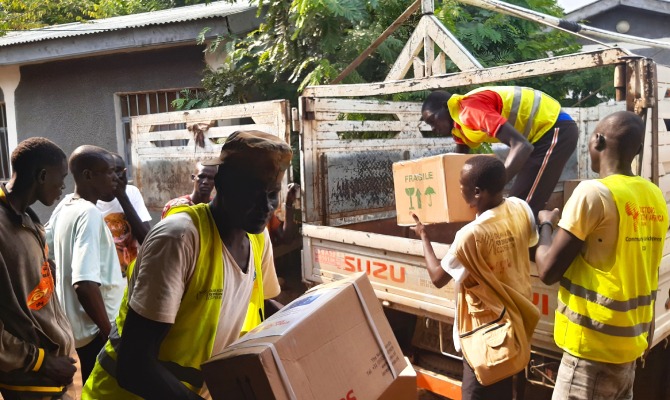
Major reconstruction works will be undertaken at Shire hospital, particularly in the neonatal unit, where new entry points for patients admission will be set. In addition, both the electrical and plumbing systems will be resumed to guarantee access to water, as well as waste disposal after the severe damages caused by to the conflict.The project will also ensure the provision of equipment and supplies such as medical materials, medicines, laboratory reagents, and diagnostic tools (ultrasound machines, X-rays). An integral part of the intervention will also be the training of healthcare personnel.

A major initiative implemented in collaboration with VIS, local authorities and communities in the Tigray region, and facilitated by the support of the Italian Agency for Cooperation and Development – AICS.

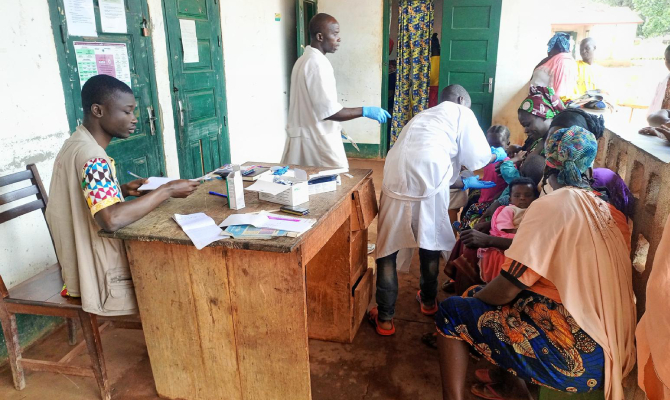
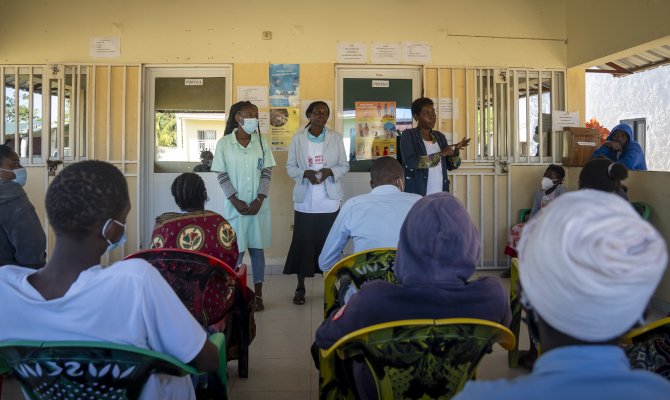
Alongside the important work of rehabilitation at the hospital, CUAMM will be committed to resuming and supporting emergency referral services from peripheral centers to the hospital, with a particular focus on obstetric emergencies; providing assistance, including psychological support at health centers and within displaced communities; and strengthening services for the identification, treatment, and follow-up of acute malnutrition in children and pregnant women.

This intervention, conducted in collaboration with local authorities and communities, also aims to provide support to women and adolescent girls who have suffered the most severe violence and atrocities with interventions ranging from nutritional services and childbirth assistance to the distribution of dignity kits to the provision of clinical services. The program also includes a component related to agriculture and food security, implemented by VIS, which will involve the distribution of food and awareness-raising on best practices to adopt.

The launch event held today in Shire Town counted with the participation of the acting President of Tigray region Getachew Reda, the Italian Ambassador Agostino Palese, the representative of AICS in Addis Ababa Isabella Lucaferri, the Director of the Tigray Regional Health Bureau Dr. Amanuel Haile, the Director of Suhul Hospital in Shire Dr. Gebremedhin Atakiltie and the Director General of CUAMM, father Dante Carraro, along with the CUAMM staff directly involved in the intervention

«It is either an honour and a responsibility for us as CUAMM to be here today to present this new intervention. I would like to stress three words: “when”, which mean today after years of conflict, we celebrate the willingness and commitment to rehabilitate the health system in the region; “where”: in Shire and in the surrounding area where over 2 million people and 500,000 IDPs are hosted. This is where we want to start the reconstruction by rehabilitating 2 hospitals and 4 health centres; to conclude, “together” because we are Dcotors with Africa and we believe that the goals set can only be achieved by working alongside local health authorities starting from the acting President of Tigray whose support and collaboration we truly appreciate» said father Dante Carraro Director General of Doctors with Africa CUAMM.

«The projects we are launching today prove our commitment to supporting the people of Tigray, especially the most vulnerable groups. Thanks to the dedication of extraordinary partners such as CUAMM and VIS, and with the committed support of local authorities, not only we aim to give concrete help but also build hope in a region that deserve peace, security and prosperity after years of suffering» said the Italian Ambassador Agostino Palese.

«Once again THE Italian Cooperation demonstrates its commitment to the most vulnerable groups through concrete actions such as infrastructural rehabilitation and staff training, all aimed at improving access to and the quality of care, fundamental rights of every person» added Isabella Lucaferri, Director of Aics Addis Ababa.

The event also gave the opportunity to present a specific intervention dedicated to strengthening neonatal care both at the Suhul General Hospital in Shire – Tigray region, and at the Black Lion Specialized Hospital in Addis Ababa. In regard to this new commitment, a workshop is scheduled in Addis Ababa on September 3-4. On the occasion, Doctors with Africa CUAMM will be leading activities related to care, rehabilitation of NICUs (Neonatal Intensive Care Units), supply of materials and equipment, and training at various levels, in partnership with UENPS (Union of European Neonatal and Perinatal Societies) and EPS (Ethiopian Pediatric Association), with the support of AICS and the Italian Embassy in Addis Ababa.


THE CONTEXT

Almost two years after the Tigray peace deal, signed in November 2022, the situation remains dire. The conflict that erupted on November 4, 2020, between the Federal Democratic Government of Ethiopia and the Tigray People’s Liberation Front (TPLF) has had a devastating and brutal impact on the population, leading to a dramatic humanitarian crisis that remains critical. Estimates indicate a total of 600,000 deaths and approximately 1 million internally displaced people. About 20.1 million individuals need food assistance, and 17.4 million require access to basic healthcare services. A staggering 86% of healthcare facilities (736 out of 853) have been damaged or destroyed. The conflict has severely hindered people’s access to healthcare services, particularly affecting women and children. After 13 months of conflict, in the end of 2021, access to prenatal care had significantly reduced dropping sharply from 73% to 19%. Similarly, the percentage of births attended by qualified personnel plummeted from 81% to 21%. Lack of access to obstetric care also contributed to the increase of deaths during childbirth, with maternal mortality in 2022 recorded at 840 per 100,000 live births, approximately three times the national average in 2020. In addition, only half of the 19,324 healthcare workers registered before the conflict have resumed service to date.

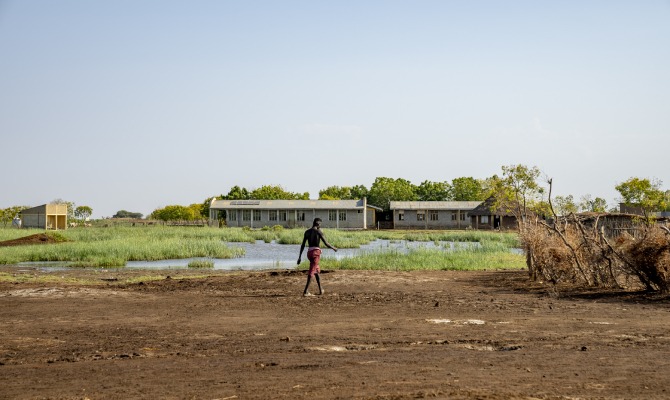
Shire Indasilasse is one of the areas hardest hit by the conflict. Widespread looting and destruction have had severe impact on the delivery of basic services for the population in an area that has the highest number of internally displaced persons. 324,000 people out of the over 400,000 living in the area are currently displaced. The city hosts 18 reception centers, most of which are school buildings. The Northwest Tigray area, where Shire is located, has the highest percentage of destroyed healthcare facilities.

DRIVING THE DESERT TO PROVIDE HEALTH CARE

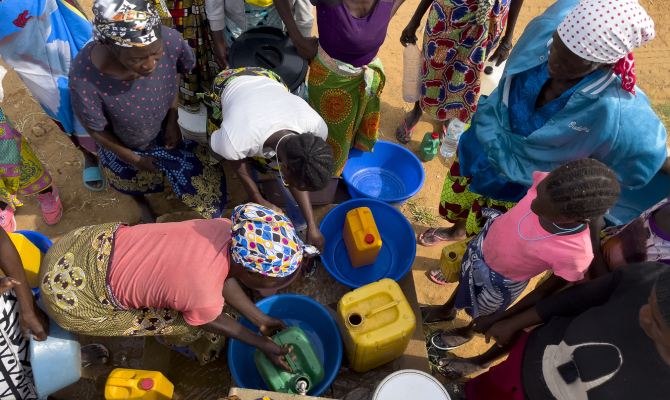
«We only get water few months throughout the year, the land is too arid to cultivate. It’s tough, but we stay here. Even though the health facility is small, when the mobile clinics arrive we can check the health status of our children and have them vaccinated» says Antônia Paula, a mother of seven, who we met in the tiny community of Kwuiti Kwuiti, in the heart of Namibe province.

According to the latest data released by Fews Net – the Famine Early Warning Systems Network, the situation is worrying. Angola is experiencing phase 3 of the IPC Acute Food Insecurity classification, the tool for accurately assessing the severity of food insecurity and acute malnutrition. Calculated according to precise standards recognized at international level, phase 3 is assessed when households either have food consumption gaps that are reflected by high or above-usual acute malnutrition; or are marginally able to meet minimum food needs but only by depleting essential livelihood assets or through crisis-coping strategies.

Having to put something on the plate every day is difficult for Antônia, as it is for many other families in this area who depend either on livestock or the little that the land, which is dry for most of the year, has to offer.

Located in southern Angola, the province of Namibe is among the hardest hit by the drought that has crippled the country. Six rainy seasons with below-average precipitation have compromised the crops, which are now insufficient, and have threatened the livelihood and survival opportunities of those who rely on the land to survive. The people most affected are mainly men and women from the Mumuila ethnic group but the drought also threatens the Mucubal, a nomadic cattle-herders with a pastoralist way of life.

«The communities of Namibe are fragile ecological niches, increasingly at risk of and exposed to the impact of the multiple threats expressed by the One Health concept. To respond effectively, we must recognize the interdependence between ecological crisis and health, therefore adopt a strategic and interdisciplinary approach – said Edoardo Occa, CUAMM anthropologist and community health expert who added: the outreach strategy, adopted by deploying mobile clinics becomes essential in this context where it is only by adapting the health system’s needs to those of the communities that can we increase access to services».

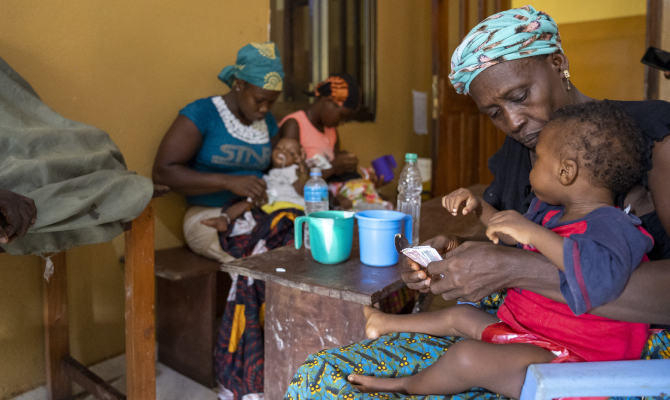
Since May 2023, eight CUAM mobile clinics have been moving each month in the area, reaching nine communities located between the municipalities of Virei and Caindi. Nutritional screenings, prenatal visits, awareness sessions, and nutritional education are the main activities offered by the team.

«We work to support populations who, due to environmental conditions, are always on the move, says Rossella Corrà, CUAMM project manager. The biggest challenge is to ensure follow-up, both in prenatal visits and in the treatment of malnutrition».

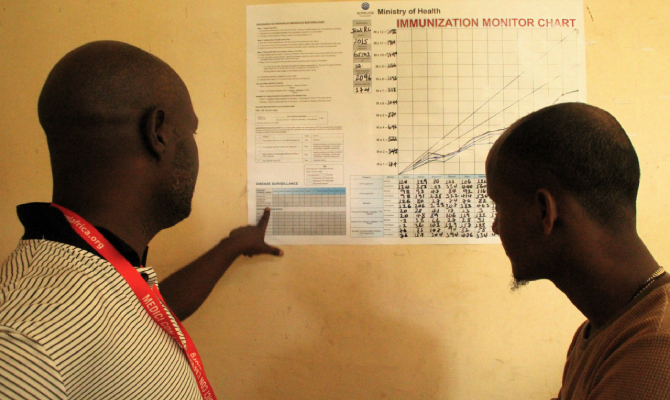
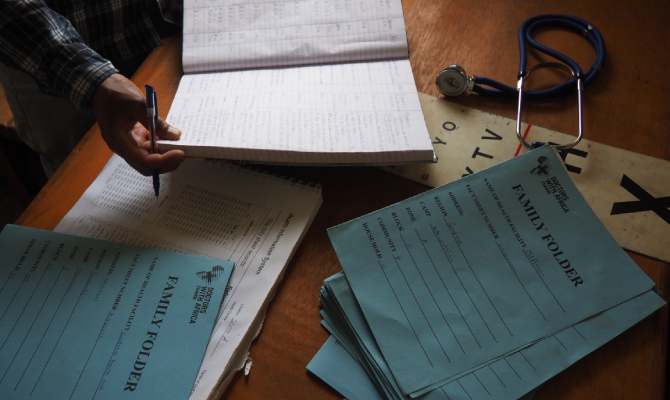
Using the ficha de transferência – a health record, the teams can monitor malnutrition cases detected in the field and ensure adherence to the therapeutic program even for patients on the move. However, food insecurity is not the only challenge to address. In these areas, where health services are either insufficient or entirely absent, ensuring maternal health can be a struggle. The general hospital where people refer to, located in Virei, is in fact one and a half hours by car from the nearest community of Kwuiti Kwuiti and about three hours from the most isolated Tchacuto, in the municipality of Caindi. It is only in that facility that women can have access to assisted birth yet, they rarely walk this distance.

«During prenatal visits, we always recommend to the women to move closer to the hospital as their due date approaches, but they barely do that. Compunding the challenge of the distance to be walked, is the widespread belief that they don’t need an assisted birth. We try our best to make them understand that giving birth with the support of health professionals is important to respond promptly to possible complications» explains Gelssica Chimanda, CUAMM nurse.

Since May 2023, 77 awareness and nutritional education sessions have been carried out by the mobile clinics, reaching a total number of 4,604 people; 383 prenatal visits have been conducted in the nine communities as part of the KUPE project – Kilonguela pala ekongoko, meaning “educate for health” in the Kuvale language. The intervention, supported by the Instituto Camões, is carried out in collaboration with the Portuguese NGO Fec.

BANGUI RENEWED SUPPORT TO THE PEDIATRIC COMPLEX

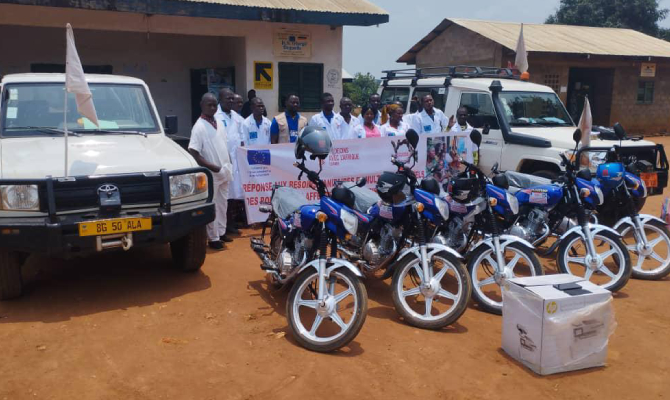
The Pediatric University Complex of Bangui (CHUPB) in the Central African Republic is the country’s largest pediatric hospital. With its 257 beds, it provides health care and assistance to over 60,000 children annually. In 2023 alone, it conducted more than 68,000 outpatient consultations and over 15,000 hospital admissions. This significant commitment by the Ministry of Health and Population has been supported since 2018 by Doctors with Africa CUAMM in synergy with local authorities and the French NGO Action Against Hunger (ACF). Starting from July 1, 2024, the European Union’s renewed support allow to continue and reinforce the support given to the facility.

This 18-month project will enable the consortium to ensure health and nutritional care for young patients, while also strengthening the governance of the Complex. Technical assistance and training will be provided in administrative, managerial, and clinical areas.

This is good news for a country ranked 188th out of 191 according to the Human Development Index, which struggles to provide health care and assistance to the vulnerable groups of the population, such as children and mothers. Thanks to this project, Doctors with Africa CUAMM will be able to ensure young patients health and nutritional care while also strengthening the governance of the Complex. Additionally, technical assistance and training will be provided in administrative, managerial, and clinical areas. Besides the young patients, both Complex’s staff and interns will also benefit from this intervention, gaining greater skills to improve their professional performance.

This European support aims to strengthen the governance of the healthcare sector and improve access to quality healthcare which are considered pillars of the partnership with the Ministry of Health and Population.

The European Union started supporting the CHUPB in 2018, since then it has provided health care and assistance to over 60,000 children annually through the CUAMM-ACF consortium. For the EU, the support to the healthcare sector in the Central African Republic has been a priority ever since. The EU spares no human, technical, or financial efforts to support the Ministry of Health in its mission, which includes offering quality basic health services to the Central African population and continuously strengthening the Ministry’s functions. This approach aligns with the priorities indicated in the Recovery and Peace Consolidation Plan in the Central African Republic (RCPCA), particularly concerning the provision of basic services to the population throughout the territory, especially in education, health, and water.

 DOCTORS WITH AFRICA CUAMM

Founded in 1950, Doctors with Africa CUAMM is the first NGO dedicated to health to be recognized in Italy and the largest Italian organization for the promotion and protection of the health of African populations. It carries out long-term projects with a development perspective, adopting such approach also in emergencies to ensure that quality services are accessible to all. Today, Doctors with Africa CUAMM works in 9 countries in sub-Saharan Africa (Angola, Ethiopia, Ivory Coast, Mozambique, Central African Republic, Sierra Leone, South Sudan, Tanzania, Uganda) with more than 3,465 humanitarian workers on the ground, including 273 Italians. It supports 21 hospitals and 116 districts (working on public health activities, maternal and child care, response and treatment of infectious diseases such as HIV, tuberculosis, and malaria), 4 nursing schools (in South Sudan, Uganda, and Ethiopia), and 1 university in Mozambique.

Doctors with Africa CUAMM entered the Central African Republic in 2018. Ever since, it has been supporting the Pediatric Complex of Bangui upon request of Bambino Gesù Hospital in Rome, the CAR Ministry of Health, in collaboration with the European Commission (primarily through the Bêkou Fund) and Italian Cooperation, in partnership with ACF. Since the beginning, CUAMM has not only guaranteed support to the main hospital but also sustained the hospitals in Bossangoa and Koui as well as the health districts of Bocaranga, Bossangoa, and Ouango-Gambo. The NGO is also responsible for training initiatives and operational research carried out across the country.

ACTION AGAINST HUNGER (ACF)

Founded in 1979, Action Against Hunger (ACF) is an international solidarity NGO committed to ending hunger worldwide. Conflicts, climate change, poverty, and inequalities in accessing water and healthcare are some of the leading causes of malnutrition. The NGO’s mission is to save lives by eliminating hunger through prevention, detection, and treatment of undernutrition, particularly during and after emergency situations related to conflicts and natural disasters. Today, ACF is a major player in the global fight against hunger. Founded by a group of French doctors and intellectuals, ACF saves millions of lives each year in Asia, South America, Africa, the Middle East, the Caribbean, and even Europe.

Additionally, in 2023 ACF provided emergency support to vulnearble populations in the Central African Republic by improving access to healthcare and nutrition for children and pregnant and breastfeeding women in the prefectures of Basse-Kotto, Nana-Mambéré, Sangha-Mbaéré, Ouham, and Ouham-Pendé. Interventions were also carried out in Basse-Kotto, Ouham, and Ouham-Pendé to improve access to water and sanitation facilities and to promote good hygiene practices among the population. Health services within health centers were improved. ACF also implemented interventions to enhance food security and mental health for the populations residing in Basse-Kotto and throughout the western part of the country.


The European Union is an economic and political union of 27 European countries. It is founded on the values of respect for human dignity, freedom, democracy, equality, the rule of law and respect for human rights, including the rights of persons belonging to minorities. It acts globally to promote sustainable development of societies, environment and economies, so that everyone can benefit. 


DOWNLOAD THE PRESS RELEASE IN FRENCH


CUAMM JOINS GOARN

 Doctors with Africa CUAMM has officially entered the WHO Global outbreak alert and response network (GOARN). The network, composed of over 250 technical insitutions, provides international public health resources to control outbreaks and public health emergencies across the globe. Staff, resources and experts selected from the members are deployed to affected countries to deliver rapid and effective support under the coordination of an Operational Support Team based at the WHO headquarters in Geneva and governed by a Steering committee.

Being part of the network, Doctors with Africa CUAMM has recently taken part in the response intervention to the famine and drought crisis in the Greater Horn of Africa, an unprecedented emergency that is affecting Gibuti, Ethiopia, Kenya, Somalia, South Sudan, Sudan and Uganda. The current response to the crisis, including the health response appears to be deeply insufficient. Epidemic disease outbreaks are currently one of the main public health concerns, especially considering the increased susceptibility to infections due to malnutrition and micronutrient deficiencies, particularly in children. CUAMM has therefore stepped in to respond to the GOARN call for an epidemiologist to be deployed in the intervention area with the aim of strengthening the prevention and response to outbreaks and other health emergencies therefore minimize their impact.

«As extreme climate events worsen and become more frequent, disease outbreaks, food insecurity, forced displacements and conflicts will incresingly threaten people’s health. Rather than keep calling it a emergency, we should move towards a paradigm shift to unlock a new, more sustainable approach to humanitarian aid. Prevention, preparedness and adaptation will require collaboration at multiple levels. By acting with both communities, institutions and policymakers we can shape a new health cooperation system able to face challenges ahead» said Francesco Vladimiro Segala – CUAMM Epidemiologist who supported the WHO Country Office in Nairobi, Kenya.

THE REGION

The Greater Horn of Africa region is among the most vulnerable areas in the world to the impact of climate change. Extreme weather events, particularly droughts and floods, are occurring with increasing frequency. Five consecutive failed rainy seasons have led to the worst drought in the region’s recent history. From March to May 2023 floods have replaced the drought in many of the seven countries: Djibouti, Ethiopia, Kenya, Somalia, South Sudan, Sudan, and Uganda.

The climate crisis is being exacerbated by economic shocks related to the socio-economic outcomes of the COVID-19 pandemic, the fluctuation of food and fuel prices, and conflicts that have caused widespread displacement and hindered people’s ability to grow their own food. Now, with the onset of El Niño, a series of extreme weather events is expected to hit the Horn of Africa region, including droughts, floods, hurricanes, and heatwaves that could harm human health.

THE CLIMATE CRISIS IS A HUMANITARIAN CRISIS

As a consequence of extreme weather events, a higher risk of increased vector-borne diseases (malaria, dengue, yellow fever, Rift Valley fever) and waterborne diseases (cholera, AWD) is expected to emerge. In May 2022, the WHO classified the crisis as a level 3 emergency, being the first food and health crisis to receive this classification. Projections indicate that this will be a prolonged emergency due to the negative impact of El Niño on the health and nutritional situation. To date, the emergency continues with more than 55 million people facing critical levels of food insecurity; 11 million children under five years of age at risk of acute malnutrition, of which 2.7 million are severely malnourished and in need of hospital care.

Food crisis bring about health crisis: the lack of adequate food promotes malnutrition and diseases. The number of disease outbreaks reported in the Horn of Africa has reached the highest level ever recorded this century. The region is battling multiple disease outbreaks, including cholera, type 2 poliovirus, measles, meningitis, malaria, dengue fever, hepatitis E, leishmaniasis, and anthrax. The frequency of these diseases can be directly linked to extreme weather events.

DOCTORS WITH AFRICA CUAMM EXPERIENCE AND RESPONSE IN ETHIOPIA

Doctors with Africa CUAMM began providing services to Ethiopians in crisis-affected and underserved communities in 1980. Since then, has adopted a multifaceted approach that combines long-term interventions with emergency relief to respond to conflict and climate shocks in Ethiopia while also building a long-lasting impact through the support to the national health system.

In recent years, Ethiopia has been affected by multiple crises, which have worsened the already precarious humanitarian situation. The South Omo region is, in particular, one of those most severely affected by the impact of El Niño. The region currently counts over 60,000 internally displaced persons (IDPs), particularly in the Woreda of Dassenech where Doctors with Africa CUAMM, in collaboration with CST, is implementing the project “Reach Out – Humanitarian response with lifesaving services and protection for the Dassenech Communities affected by drought in South Omo,” funded by the Italian Agency for Development Cooperation. The area, predominantly inhabited by semi-nomadic pastoral communities, has been severely affected by climate change in recent years: periods of drought alternate with severe floods are threatening people’s livelihoods, increasing the risk of disease and death, and fueling mass migration.

As a result, food insecurity and malnutrition are increasing: according to data from the Woreda Health Office, a Global Acute Malnutrition (GAM) rate of 36.4% was recorded over the last months, as is the risk of epidemic, especially those caused by contaminated water. Health services are becoming increasingly inaccessible due to the difficulty of movement and damage to infrastructure. It is within this context that the CUAMM team continues to provide support and medical care to communities through mobile health clinics (MHNTs), particularly in various areas of the Woreda. MHNT are also being deployed in other areas of the Country as Amhara and Somali regions. To respond to the needs of the most affected and vulnerable populations, including refugees and internally displaced person, over the last year CUAMM ha salso managed health facilities (in Gambella), and supported the post-conflict rehabilitation of some hospitals in Tigray region. At the present moment, CUAMM’s interventions in Ethiopia encompasses health and nutrition and emergency response. Our approach provides communities with immediate assistance and sustainable solutions, fostering self-reliance and resilience in local communities and refugee camps.


MHPSS SERVICES IN CHERNIVSTI

Doctors with Africa CUAMM has gathered 113 participants in Chernivsti for the first weekend of a 5 months-long programme on mental health. The weekend was dedicated to provide refugees, IDPs and host communities representatives with a variety of activities ranging from art therapy to handcraft to animation counting with the participation of both adults and children supported by a team of 10 professionals: 1 psychologist for the adult sessions, 1 psychologist for the children and 8 social workers.

The mental and psychological support session for adults was held by a specialized professional who introduced the participants to the concepts of “stress”, “burnout”, and “psychological stability” to then provide them with useful techniques to cope with stressful situations and reduce the impact of stress. The theoretical part was balanced with practical exercises and group discussions. Participants were also helped in identifying both leading causes of stress as well as things that make them feel good in order to design coping strategies.

In a separate room, a safe environment for children was created for them to freely express their emotions. The professionals engaged them in different and simultaneous art therapy activities (drawing, quilling, modeling Play-Doh) and let children move freely from one activity to the other. The psychologist played an active role in approaching children. Under her supervision and through the activities promoted, they offered children emotional support and relief.

«These sessions provide critical emotional support and stability, helping individuals navigate the trauma and uncertainty they face daily.
However, the challenges are immense. Many children and adults are dealing with severe psychological distress, making our work both urgent and complex. At one of these events, an older man told me that in his old age he came to believe in the power of psychology.
Continued support from our donors is vital to sustain these efforts and bring hope and healing to those who need it most» said Karina Gostyuk – CUAMM Psychologist and Field Coordinator.

Mental health is health. As WHO estimates on a piece published in The Lancet, one person in five is living with some form of mental disorder, from mild depression or anxiety to psychosis in areas affected by conflict. Worse, almost 1 in 10 is living with a moderate or severe mental disorder. These people desperately need to be able to obtain treatment and care. Their disorders often impair their ability to function – so access to care isn’t just about improving mental health, it can be a matter of survival. 22% of the Ukranian population affected by the conflict has mental health problems (WHO), including depression and anxiety. The soaring number of people seeking mental health assistance is directly linked to the war, prolonged displacement and the critical deterioration of living conditions. The most vulnerable population groups appear to be women, children and adolescents being the latter those who show major signs of trauma, fear, isolation, loss of hope, and depression. Two-thirds of the children have experienced displacement, while those living in conflict areas have faced continuous threats, fears, family separations, and bereavements, while the provision of child protection services has decreased due to the disruptions caused by the conflict.

Doctors with Africa CUAMM has been working in Ukraine since March 2022, providing multisectoral responses to the urgent needs of the most vulnerable populations affected by the Ukrainian conflict. Since the onset of the humanitarian crisis in Ukraine, CUAMM has adopted a flexible, multisectoral approach to address the multidimensional needs of war victims. In close collaboration with local authorities and civil society organizations, CUAMM has developed an intervention strategy aimed at supporting and integrating the socio-healthcare system in conflict-affected countries, ensuring access to essential and life-saving services for the most vulnerable groups. The MHPSS activity is part of  R.I.S.E. project, funded by The Italian Agency for Cooperation and Development (AICS) aiming at providing support to IDPs, refugees and host communities in conflict-affected zones.

Active from the outset of the humanitarian crisis in the Ternopil and Chernivtsi regions in western Ukraine, CUAMM has reached over 40,594 people and supported more than 29 healthcare facilities with medicines, consumables, biomedical equipment, and logistical support materials ensuring the continuity of life-saving services and contributing to reducing morbidity and mortality among war victims in the areas targeted.


Clean Cooking Angola

Doctors with Africa CUAMM together with Eni and in collaboration with Don Bosco Salesian promotes its latest intervention for the promotion of access to improved cooking methods in Uige Province, Angola with the aim to improve the health outcomes of the population, especially women and children. The intervention is part of the Clean Cooking Program to advance at least six SDGs, including Good health and well-being.

The launch event took place today, in Luanda at the presence of the Minister of Health – Silvia Paula Valentim Lutucuta, the Angolan Secretary of State for Petroleum and Gas – José Alexandre Barroso, and the Italian Ambassador –  Cristiano Gallo, along with project partners Eni and other stakeholders involved in the initiative, such as the Salesians of Don Bosco.

Starting with the distribution of improved cookstoves (ICs) across 16 municipalities of the province, the intervention aims to promote access to sustainable cooking among local communities thus reduce malnutrition and improve health outcomes, with a focus on children under 5. Following the distribution of ICs, a second phase of the intervention will be guided by health community agents (HCA) to conduct education activities on nutrition and sustainable cooking. 800 HCA will be trained by CUAMM to sensitize the community through the adoption of Social and Behaviours Change Communication Strategy (SBCC) while 3 municipalities are targeted in a wider health intervention that include the support to health facilities in the prevention and treatment of both malnutrition and malaria in children under 5-years of age. Such intervention will also ensure the continuum of care from community to secondary level to hospitalization, hence benefit about 150,000 recipients.

«This program not only aims to guide the ecological transition in terms of energy but also encompasses aspects related to health, education, and the creation of new jobs, doing so with the involvement of Doctors with Africa CUAMM and the Salesians of Don Bosco, entities with a well-established presence here in Angola and known for their commitment to the health and well-being of the Angolan population. I would therefore like to emphasize the importance of this initiative, which perfectly embodies the spirit of the Mattei Plan, the strategic collaboration plan with the African continent launched by the Italian government last January during the Italy-Africa Assembly,» stated the Italian Ambassador to Angola, Cristiano Gallo.

In order to ensure the quality of health care and guarantee service availability, in each of the three municipalities CUAMM is committed to support 1 Special Nutrition Unit (UEN) and 4 Mobile Therapeutic Programme (PTPA) that could treat moderate but also severe SAM without complications.

«Doctors with Africa CUAMM has been working in Angola since 1997 starting right in Uige province with the aim to support the health system severely affected by the civil was – says Joaquim Thomas, CUAMM Country Manager in Angola. Over the past 20 years, CUAMM has been walking alongside the people of Angola expanding its intervention to the capital Luanda and the southern province of Cunene. This latest intervention in Uige not only gives us the opportunity to go back to the start but also to have an impact on the health indicators that to date remain a concern. By penetrating into the community and sharing good nutrition and hygiene practices we aim to create an effective, long-lasting and sustainable impact».

THE PROGRAMME

2.4 billion people, or 40% of the world’s population, rely on polluting open fires and inefficient fuels such as wood, charcoal, coal, and kerosene for cooking. Traditional cookstoves, prevalent in many rural and low-income households in sub-Saharan Africa, often rely on simple mud designs and burn solid fuels inefficiently.

«The Clean Cooking program will contribute also to the improvement of our population’s health – stated José Alexandre Barroso, Angola Secretary of State for Petroleum and Gas. Access to improved cooking methods is currently a global priority. In Angola, half of the population still relies on traditional cooking methods that have a major imapct on the health of women and children».

Traditional cooking methods have indeed multiple impacts both in terms of adverse health outcomes and environmental degradation, not to mention the social and economic burden disproportionately affecting women and young girls. Ensuring access to clean cooking in sub-Saharan Africa by transitioning from traditional to improved cook stoves is a key step towards SDGs, including those related to health, environmental sustainability, gender equality and poverty reduction.

  • Health impacts: children under five are disproportionately affected by indoor air pollution, with pneumonia being the leading cause of death in this age group, responsible for 1.5 million deaths annually. Moreover, millions of women and girls around the world breathe in harmful smoke while cooking and spend hours walking far distances to secure cooking fuel. Reliance on polluting, open fires and inefficient fuels leads to health impacts like emphysema, cataracts, cancer, and heart disease.
  • Women and young girls empowerment: around the world, daily cooking responsibilities are largely held by women and girls. Not only does cooking endanger their health from inhaling toxic smoke, but they may be removed from school because of domestic work like firewood collection, and walk ever-greater distances carrying heavy loads due to forest degradation. The adoption of improved cookstoves can ease the health problems and economic burdens that disproportionately impact them.
  • Air pollution: the World Health Organization (WHO) estimates that 4.2 million deaths are attributable to indoor air pollution from solid fuels each year, with 99.9% of these deaths occurring in low- and middle-income countries.
  • Higher emissions: according to the WHO, traditional cook stoves contribute to 25% of global black carbon emissions and 3% of global greenhouse gas emissions.
  • Deforestation and habitat loss: an estimated 2.4 billion people rely on traditional cook stoves, leading to the annual deforestation of 13.7 million hectares globally.

Transforming cooking methods in sub-Saharan Africa through the introduction of improved cookstoves, may help mitigate health impacts, address environmental concerns, enhance cooking efficiency and promote gender equality. Improved cookstoves have indeed shown better results than traditional stoves in health impacts, gender equality, emissions, resource consumption and air quality. The adoption of a new cooking method would therefore be an economical and social transformation for the society as a whole.

The program implemented by CUAMM is being supported by Eni and implemented in collaboration with Don Bosco Salesian.


TRAINING FBOs LEADERSHIP AND NETWORKING SKILLS

163 people representing 79 different faith-based organizations from across the globe, mainly from the Africa Region, but also Europe, Brazil, Pakistan and USA, subscribed to the online training on Leadership and networking skills organized by CUAMM thanks to the support of the Conrad N.  Hilton Foundation.

The training aimed at addressing two fundamental issues: leadership skills and the ability and importance of networking in health cooperation projects, where building strong connections between religious congregations, government partners, and institutions, is crucial.

Despite the key role played by FBOs in the provision of healthcare services to the most vulnerable populations, numerous challenges undermine their capacity and efficiency such as lack of human resources, weak capacity in disaster management and financial constraints. The training moved from the need to strengthen FBOs capacity in building strong collaborations and partnerships that can indeed make a difference in their health service provision therefore in people’s life.

Why is networking so important? How do you find donors? Which are the key to effective health management?

Those and many others were the questions addressed in the training on leadership and networking skills, attended on June 26. Following the opening remarks by CUAMM Director General – Father Dante Carraro, three modules have been offered to the participants:

  • “Connect, strengthen and empower Faith-Based Organisations in delivering healthcare services” Mr. Andrea Atzori – Head of International Relations at CUAMM
  • “Supporting Faith-Based Organizations delivering Healthcare in Africa” Dr. Parotto – Clinical Advisor and Anesthesiologist, Padua’s University Hospital
  • “Partnerships with Governments & Local Authorities: the experience of UCMB” Dr. Kasyaba – Assistant Executive Secretary of the Uganda Catholic Medical Bureau (UCMB)

The training is part of a wider package designed for FBOs representatives aiming at fostering their competencies on multiple aspects ranging from health facility management to disaster preparedness to monitoring and evaluation and more. The activity is promoted by Doctors with Africa CUAMM in the context of “Supporting FBOs on the frontline of healthcare service delivery in Africa” program launched in 2019 with the final goal of strengthening the capacity and resilience of staff working in faith-based health facilities through trainingtechnical assistance and advocacy activities. Since its launch in 2019, 133 faith-based organizations in 26 countries in sub-Saharan Africa have been involved in “Supporting FBOs on the frontline of healthcare service delivery in Africa” program.

Faith-Based organizations (FBOs) are indeed crucial in delivering quality health services to the most vulnerable populations in Africa. Often located in the last mile, FBOs are frequently on the front lines of service delivery; they are in close contact with local communities and can recognize and address the real needs of the poorest, delivering up to 70% of health services in low and middle income countries. However, FBOs are often neglected in terms of supplies, human resources and funding and are not integrated into the healthcare system.


READ THE FEEDBACK FROM THE FIRST FRENCH EDITION


DISSEMINATING KNOWLEDGE

2 two-day training courses were held in Soroca and Orhei Hospital, Moldova between Monday 20 and Friday 24 to foster capabilities on neonatal emergencies and stabilization among health workers deployed in secondary health facilities. The activity was conducted on-site with low-fidelity techniques by local professionals trained during “Training of Trainers –ToT” with the support of an international certified trainer in neonatal emergency and neonatal stabilization. Two interdisciplinary team, 11 people at Soroca and 16 at Orhei Hospital counting a total of 27 people composed of nurses, obstetricians and paediatricians got involved in the training in Soroca and Orhei Hospital respectively 94 and 31 miles away from the capital Chişinau. The training was designed to address a multidisciplinary team to simulate daily work activities and improve the responsiveness of local teams at peripheral facilities.

«Currently, the second phase of the project is underway. We are strengthening skills among health professionals working in the outskirts of Moldova by teaching them how to improve neonatal resuscitation – said Anastasia Tean, Trainers from the task force. I am happy to be part of this team. Now we are visiting the areas where we worked a year ago and we see firsthand the impact of our trainings. Doctors and nurses feel way more confident. The practical part develops in a much more interesting way, as all the medical staff act confidently in their practical knowledge. They follow the resuscitation algorithm precisely without ignoring details. As a practicing doctor in a level 3 hospital in Chisinau, I can observe the conditions in which children are transferred from the outskirts. And I can say with certainty that the stabilization of these children has greatly improved, which significantly increases the chances of successful treatment and survival of the children».

The activity paves the way to the second phase of R.I.S.E. project, led by Doctors with Africa CUAMM Uk and funded by The Italian Agency for Cooperation and Development (AICS) aiming at ensuring health service coverage at multiple level of the health system. Moldovan hospitals have reported an out-of-scale postnatal transport index (3.6% in 2022). Due to the long distance from the secondary facilities to the main hospital, it is essential that staff at peripheral levels are capable of performing stabilisation before the referral. In order to achieve the goal and offer quality care to mothers and children, an overall number of 84 health workers from 7 second-level hospitals located in 7 different regions will be engaged in the trainings.

Maternal mortality rate has significantly decreased in Moldova over the past 10 years, dropping from 44 per 100,000 live births in 2010 to 19 in 2017, the infant mortality rate per 1,000 live births has declined from 26 in 2010 to 12 in 2019 thanks to the proactive commitment of the Ministry of health and health workers. However, this rate still remains above the WHO index for European regions. Although maternal and infant mortality rates have reduced over the years, there is a margin to improve the mortality index and the output of emergency procedures by working on the remaining gaps regarding referral and post-natal healthcare in peripheral hospitals.

«These courses are much needed for strengthening our skills therefore deliver a better service to the population. Medecine is constantly evolving, being up to date is key especially in neonatal management but we have limited learning opportunities. Through these courses we acquire knowledge and confidence essential to promptely operate in case of emergency» said Silvia Ciugava – neonatologist from Soroca Hospital.

In Moldova, there are 32 hospitals handling a total of 27,000 births annually. However, many of these facilities have a low number of deliveries per year, below 500, resulting in limited exposure to maternal and newborn emergencies from health workers. Additionally, hospital data reports a high rate of post-birth transfers from peripheral facilities, that are not equipped with intensive care units, to third-level facilities located in the capital. Quality and timely newborns care after the delivery is hence highly needed in order to stabilize the newborn. For this reason, training activities on neonatal stabilization are key in peripheral facilities in order to avoid leaving these services uncovered.

Since the conflict broke out on 24th February, 2022, approximately over one million refugees crossed the border seeking refuge in Moldova, one of Europe’s most fragile countries. To prevent the collapse of the national healthcare system and address the healthcare needs of both the refugee and local populations, targeted interventions have been deemed necessary. CUAMM’s commitment in the country started in April 2022 in the capital Chişinau. Since then and in close collaboration with the Ministry of Health and the WHO, the intervention has been guided by the twofold objective of providing basic medical assistance within RACs and offering specific training for local medical personnel on neonatal emergency. To date, CUAMM is still committed to the such activities thanks to the support offered by the Italian Agency for Development Cooperation (AICS). The commitment also extends to Ukraine, focusing on the delivery of medicines, medical equipment, and consumables to healthcare facilities; distribution of food items, essential goods, and equipment to combat the cold; as well as providing psychological support to the most vulnerable.


TRAINING FBOs ON MATERNAL AND CHILD HEALTH

Ensure quality health care at primary level by strengthening the capacities of those deployed on the frontline of healthcare service delivery is key to achieve long-lasting and effective results. This is the commitment leading the partnership between CUAMM and URSSCI, the Union of Religious in Health and Social Affairs in Ivory Coast.

In the last ten years (2012 to 2021), Ivory Coast has made significant progress in maternal, neonatal, and child health. Maternal mortality has decreased from 614 to 385 per 100,000 live births (LB), under-five mortality from 108 to 74 per 1,000 LB, and neonatal mortality from 38 to 30 per 1,000 LB. However, these rates remain high compared to the sustainable development goals (SDG). The leading causes of neonatal deaths are prematurity (31.6%), asphyxia (27.5%), and infections (20.2%) (Ivory Coast’s “Every Newborn” Action Plan 2018-2020). Achieving SDG target 3 by 2030 requires implementing high-impact interventions for mothers, newborns, and children.

In this context of improving neonatal care, the Ministry of Health, Public Hygiene, and Universal Health Coverage (MSHPCMU), through the PNSME and with CUAMM’s support, is implementing the “Health for All” project in 13 Christian faith-based health facilities. This project aims to contribute to improving the quality of health services amidst URSSCI health facilities to serve vulnerable populations, in line with national plans and priorities. Achieving this goal involves training and capacity building for health personnel in charge of managing the health centres.

As part of it, a five-days training course on essential neonatal care and resuscitation was held at the Regional Episcopal Conference of West Africa (CERAO) in Abidjan, in March. The course offered by Doctors with Africa CUAMM and funded by Eni was co-organized by the Coordination Directorate of the National Program for Maternal and Child Health (DC-PNSME).

Thirty healthcare workers from 13 healthcare facilities of the Union of Religious in Health and Social Affairs in Ivory Coast (URSSCI) participated in the training that aimed at strengthening the clinical knowledge and skills of participants in the proper management of newborns. Among the activities performed: newborn resuscitation within the “Golden Minute,” administration of essential newborn care, infections prevention and control.

2 national paediatric trainers from the PNSME in collaboration with 2 international paediatric trainers from CUAMM in-person, engaged the attendees using a participatory approach based on theoretical and practical learning. The theoretical phase was based on teaching techniques including questions and answers, brainstorming, illustrated lectures, and discussions while practical demonstrations on anatomical models supported learning activities on essential care, neonatal resuscitation and nasogastric tube placement.

«The training we are holding are not only a fruitful occasion for health workers and providers to improve their competencies but also a mean to pursue the objectives set by the Ministry of Health who called for quality health services for all» said Dr N’guessan Rebecca paediatrician at PNSME who concluded «By supporting the PNSME in the implementation of this activity, CUAMM is enabling health workers at Primary Contact Public Health Establishments ESPC (Etablissements Sanitaires Publics de Premier contact) to improve the care of mothers, newborns and children»

The participants were assessed through initial, mid-course, and final questionnaires and gained a certificate of participation. The final evaluation highlighted the need to continue the capacity-building process for healthcare workers. Further and regular on-site  theoretical and practical training sessions are already scheduled for the next months, in collaboration with the Coordination Directorate of the National Program for Maternal and Child Health and international neonatology experts, in order to improve the capacity of facilities to reduce maternal and neonatal mortality in Ivory Coast.


UR-BEIRA INAUGURATED THE CALL-IN CENTRE

Considerable progress in maternal and newborn health were achieved during the Millennium Development Goal era in Africa. Despite this, maternal and perinatal mortality remain among the leading causes of death in sub-Saharan Africa. According to the World Health Organization (WHO), approximately 800 women die from pregnancy or childbirth-related complications every day, of which nearly 99% occur in developing countries, with over half occurring in sub-Saharan Africa. According to data, Mozambique has one of the highest maternal and neonmatal mortality rate in the world due to pregnancy complications and/or delay in receiving emergency medical attention.

Most maternal deaths are associated with hemorrhaging, unsafe abortions, obstructed labor, infection, or eclampsia –causes that could be prevented if women received timely care during medical emergencies. Referral care represents an important step in the management of the sick, especially vulenrable groups such as women and children. UR-Beira project aims at reversing this course by offering the people of Beira timey and effective referral in case of emergency. 8 workers trained in emergency management work around the clock at the call-in centre to respond and handle the requests they receive from 17 health centres and subsequently arrange the referral to Beira General Hospital – HCB. The focus is on women and children: since February 1, 2022 19,700 referrals of which 6,600 maternal and 4,000 neonatal emergencies have been performed thanks to the referral.

«Today, we celebrate the inauguration of the call-in centre in collaboration with the Italian Cooperation with great satisfaction» said Gianni Bardini – Italian Ambassador in Mozambique. This project enforce the collaboration between Italy and Mozambique and prove the commitment to promoting the health and well-being of the Mozambican populations by the Italian government»

UR-Beira project is being implemented by Doctors with Africa CUAMM in collaboration with Regione Veneto, Ca’ Foscari University, Padua Croce Verde, together with local health authorities AS Serviço Provincial de Saúde de Sofala (SPS) and Serviço Distrital de Saúde, Mulher e Acção Social (SDSMAS) and Direção Nacional de Assistência Médica (DNAM).

«This intervention goes beyond traditional cooperation projects as it has brought together multiple partners who have collaborated towards achieving a common goal» said Luigi Zanin – from Regione Veneto.

The inauguration represents a milestone in the promotion of healthcare services in Mozambique being the call-in centre and the referral system the first in the country.

«I wish to thank all the partenrs involved for choosing Sofala province for the introduction of this pivotal intervention- said the Sofala Province Secretary of State Sandra Jeronimo Francisco Chamutotana. I call everybody to assume the responsibility of this service and to work tirelessly to make it possible to both expand the service within Sofala province and beyond, reaching more areas across the country».