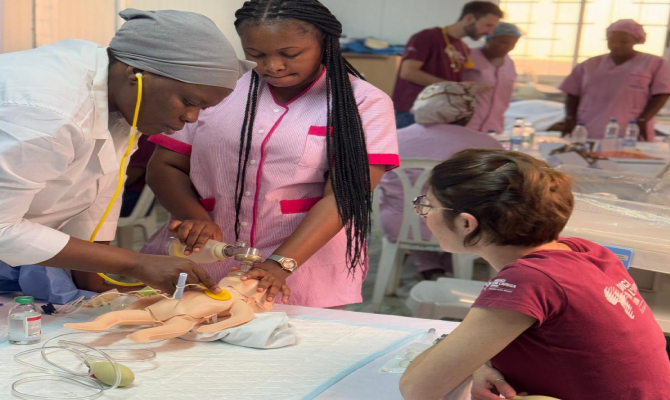
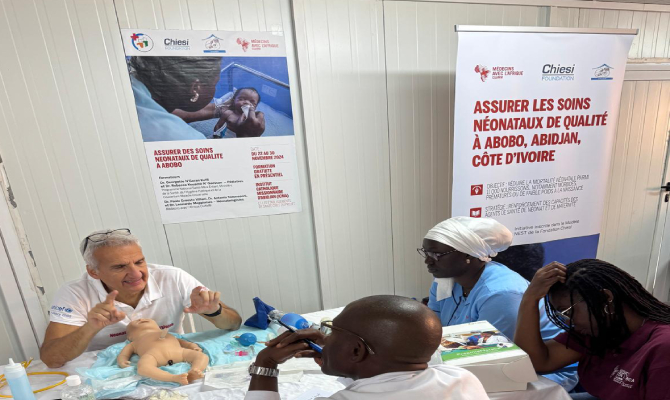
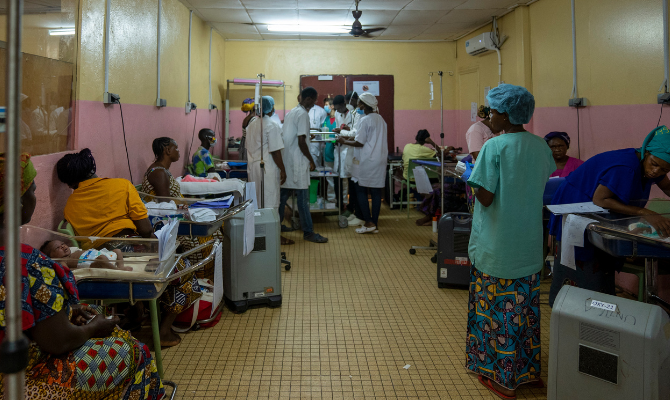
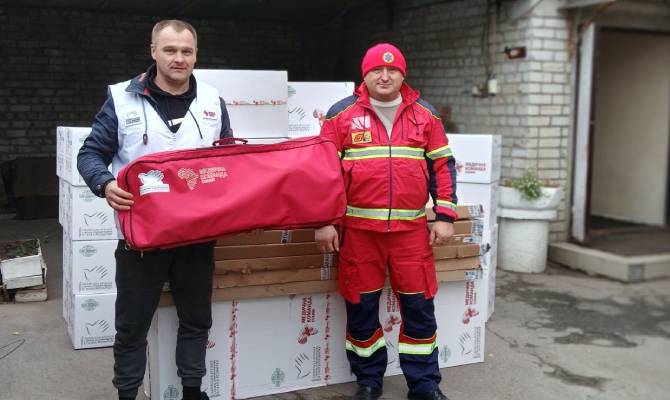
A 7-days training on neonatal care was offered from November 22-30 to 40 health workers in Abidjan, Ivory Coast as part of the project “Ensuring quality neonatal care in Abobo, Abidjan” implemented by CUAMM in partnership with Chiesi Foundation.
Midwives, nurses and doctors from 3 different facilities, namely Anonkoua-Kouté (FSU-COM), Saints Cœurs de Clouetcha and Abobo regional Hospital participated in the training held by three international neonatologists from CUAMM together with two experts from the National Mother and Child Health Programme.
«We engaged professionals with different backgrounds, some of them had little experience in neonatal stabilization and resuscitation but it is important to reach a wide range of health professionals especially midwives and nurses who are the first to care for newborns» said Dr. Antonia Tomasoni.
Specific objectives of the training included:
Update participants’ knowledge of the essential components of neonatal care;
Ensure mastery of resuscitation maneuvers;
Guarantee intelligent use of oxygen;
Ensure the acquisition of newborn stabilization skills;
Conduct on-site simulation and training sessions in a delivery room and/or neonatal ward, to make participants more comfortable in using proper equipment available.
The training, designed to foster knowledge, skills and competencies on essential functions of neonatal care among health professionals, provided both theoretical contents and cinical activities on essential care and neonatal resuscitation and stabilization techniques.
«The most interesting part of the course was that on infection management. These topics are essential for improving the quality of newborn care and allowed me to acquire practical and theoretical skills directly applicable to my daily work. I was able to better understand the concept of infection in infants and its main causes, describe the clinical signs of neonatal bacterial infections, and learn how to monitor infected infants and refer them if necessary» said Adoni Anon Marcel nurse at Saints Cœurs de Clouetcha General Hospital.
Knowing the steps of neonatal resuscitation and performing them correctly, in what is known as the golden minute, is key to save a newborn. Yet, neonatal emergencies are often received in peripheral facilities where health professionals are not properly capacitated with the skills and ability to deliver a timely and effective response.
«80 to 90% of neonatal emergencies can be managed by performing simple procedures at the early stage of the emergency without the need for further procedures such as incubation, resuscitation or even drug therapy» said Dr. Antonia Tomasoni
Unfortunately, both lack of knowledge and poor learning opportunities often jeopardize the ability of health professionals to adequately perform such life-saving procedure, with tragic consequences on maternal an dneonatal health indicators. With a population of 28.5 million and a concerning newborn mortality rate of 385 per 100,000 live births (2021), Ivory Coast faces a critical neonatal healthcare challenge.
By collaborating with Chiesi Foundation on the implementation of the Neonatal Essential Survival Technology (NEST Model), we aim to enhance care for premature, low-birth-weight, and medically fragile infants through healthcareprofessional training and the provision of essential equipment to neonatal wards.
«Some of the topics covered during the training were new to me, especially specific neonatal resuscitation techniques. Although I had some basic knowledge on these topics, I discovered practical tools and new methods such as MRSOPA. On the other hand, the notions on essential newborn care, such as early initiation of breastfeeding or optimal cord clamping, enabled me to reinforce practices that were already known but sometimes underestimated in my daily work» claimed Diomande Bintou, midwife at Regional Hospital of Abobo.
The initiative is being implemented by CUAMM in collaboration with the Coordination Directorate of the National Program for Maternal and Child Health (DC-PNSME) and it is aligned to the Maternal and Perinatal Death Surveillance and Response Strategy and the Mother and Child Health Strategic Plan (2021-2025) set by the government. The overall objective of the intervention is to ensure improved care for newborns therefore reduce the maternal and neonatal mortality rate in Ivory Coast.
Operational research is an essential tool to understand contexts of intervention, identify effective actions and unlock good practices to be integrated into health planning. This was the approach of Fighting TB strengthening the prevention, early diagnosis and treatment project implemented by Doctors with Africa CUAMM in partnership with Università di Bari and Global Fund in collaboration with the Oromia Health Bureau, funded by Aics.
The intervention merged operational research and on-field activities with the aim to improve access to tuberculosis prevention, diagnosis, and treatment services in the South West Shoa Zone and the three districts/woredas of Goro, Wolisso Rural, and Wolisso Town therefore achieve Sustainable Development Goal 3.3 and Strategic Objective 1 of the Global Fund.
«CUAMM is trying its best to improve the work on infectious disease, especially TB, in the South West Shoa Zone, and also to advocate for it.This is a challenge we are committed to take up, together with the support from donors and stakeholders» said Luisa Gatta CUAMM Country Manager in Ethiopia.
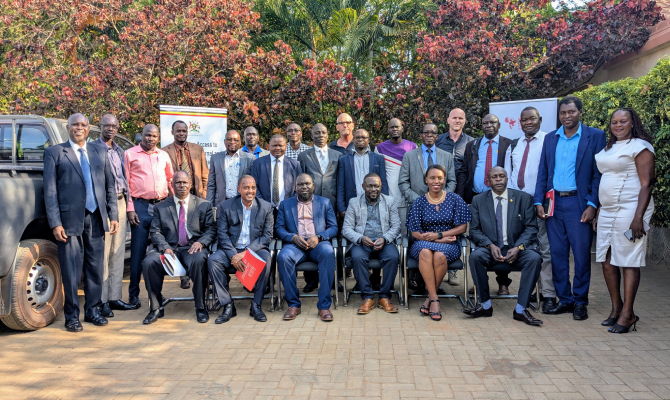
On Thursday, November 28, we gathered at St. Luke Hospital in Wolisso, with partners and local authorities to give account of the work done on TB response over the past 2 years, and to disseminate the results of a research led by our partner University of Bari.
«Despite the burden Tb represents on people and health systems, efforts on research are still limited. With this investigation we aimed to detect the impact of Tb in South Shew Zone to improve diagnostic services therefore mitigate the impact of the disease» said Giacomo Guido, researcher of University of Bari.
Working in collaboration with Ethiopian health authorities in Wolisso Town, Wolisso Rural and Goro districts, CUAMM has implemented interventions on multiple levels. First, it has increased awareness and consequently, the demand for TB services by providing training to a total of 277 Health Extension Workers (HEWs) and community leaders. Additionally, it engaged the community in advocacy activities during 40 events held in several venues including schools, prisons, factories and marketplaces across the target area. These efforts were complemented by screenings conducted for a total of 499,047 individuals.
«The work we have carried out over the last year is something we cannot but appreciate. It was a load on our shoulder, yet by cooperating with CUAMM we managed to overcome difficulties and challenges and gain good results especially in South West Shewa» said Lemma Desu M&E Coordinator at Oromia Health Bureau
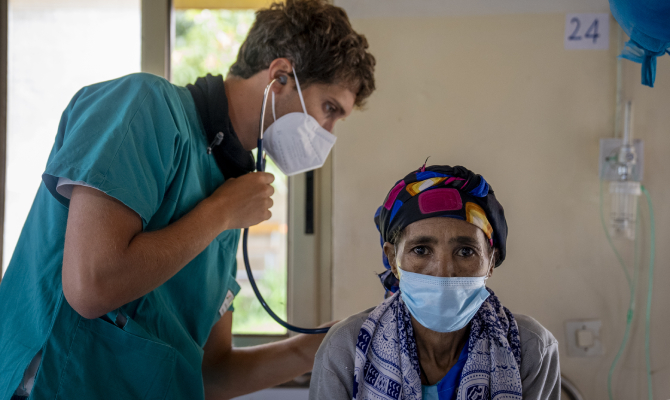
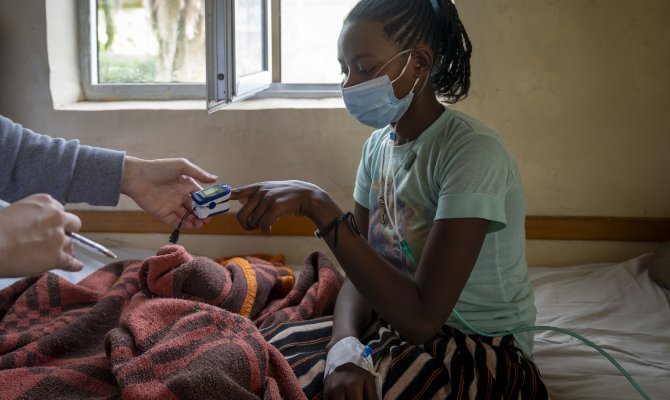
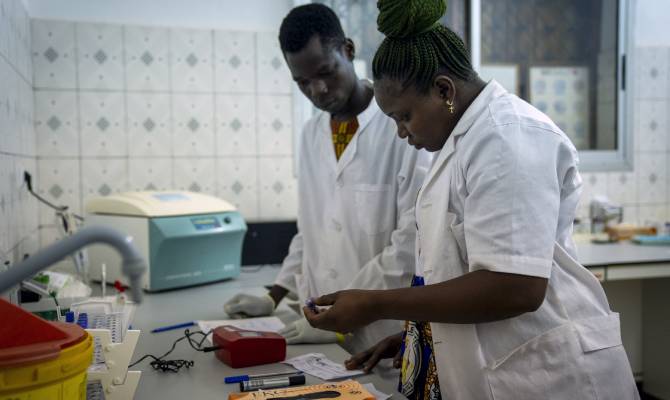
Secondly, CUAMM strengthened the capacity of health personnel in early diagnosis, treatment and management of TB patients within health facilities by training 72 healthcare workers on clinical management of TB. This was achieved through on-the-job training and the provision of essential supplies for diagnostic services and clinical activities in 16 health facilities and at St. Luke Hospital. Finally, the intervention enhanced the ability of zonal and national health authorities to plan, coordinate and monitor services for the diagnosis, treatment and follow-up of TB patients. Key activities included geo-mapping tuberculosis cases, organizing regular meetings at district and zone level and analysing the results of the operational research conducted by the University of Bari.
«When we were doing TB preventive activities there was a shortage of slides and medical equipment. This project identified these gaps and helped filling them both at local and zonal level. I believe that by scaling up the activities to other districts, we can accelerate the response to TB» stated Tesfaye Kitaba – SWSZ Health OfficeTB focal person.
The intervention conducted over the last two years has shown that regular joint supportive supervision and performance review meeting improves the quality and performance of care for TB patients. Moreover, involvement of community leaders on prevention and control of TB and identification of presumptive cases is paramount in reducing TB incidence as it also is the active case search for TB detection. Finally, collaboration with multiple stakeholders throughout the implementation of activities has been key to ensuring their effectiveness and sustainability.
«We are working closely with CUAMM staff as a whole. This tight collaboration between CUAMM, Oromia Health bureau, Oromia bureau of finance, Health minister and all the other stakeholders is key for the sustainability of the project which is something we truly appreciate» said Guteta Degefa – SWZS Health Office Head.
Ethiopia is one of the countries in the Africa region with the highest burden of TB. Despite the evident progress achieved, as for 2020 the incidence of Tuberculosis was 132 per 100.000 people and the mortality rate of 17 per 100.000. Moreover, 51% of households in Ethiopia count a patient facing catastrophic costs due to the disease.
Generally, TB patients in low- and middle-income countries face medical expenses, costs of seeking and staying in care, and income loss equivalent to more than 50% of annual income. Such factors end up triggering a downward spiral whereby the patient struggle in completing treatment, is more likely to have repeat episodes and more likely to develop drug resistance resulting in more expensive and arduous treatment. Worldwide, TB has probably returned to being the world’s leading cause of death from a single infectious agent, following three years in which it was replaced by coronavirus disease (COVID-19).
«Worldwide TB continues to be fueled by inequity. Vulnerable groups like IDPs and refugees, as well as people in isolated places are those whose access to diagnostic services is often neglected. Ensuring detection of undiagnosed, untreated or unreported cases is the challenge we have to address together with that of multi-drug resistance. – said Alessia Montanari External Relations and Communications at Global Fund Geneva – in order to achieve the goal, we are scaling up our efforts to develop innovative tools and to decrease the price for diagnostic services».
The project “Humanitarian Support in Response to Pediatric and Nutritional Care Needs for the Population of Bangui and Bégoua” is nearing its conclusion. This project, involving CUAMM in collaboration with Action Against Hunger (ACF) at the CHUPB Pediatric Hospital in Bangui, has been supported by the Italian Agency for Development Cooperation (AICS) and in partnership with the Ministry of Health of Central African Republic.
The main objective? To improve the availability, quality, and coverage of paediatric health services by acting on multiple levels: strengthening the capacities of hospital staff and infrastructure in service delivery; improving hygiene conditions and the prevention and control of hospital infections and infectious disease epidemics; enhancing the identification, coverage, and treatment of severe acute malnutrition in children under five in the health districts of Bangui and Bégoua.
At the center of this joint effort by CUAMM, ACF, and AICS is training in various areas as a tool for improving and strengthening health services for children. During the project, theoretical and practical training sessions were conducted in collaboration with the Ministry of Health and the World Health Organization to strengthen hospital infection prevention and control, targeting medical and nursing staff and cleaning personnel at the Complexe. Additionally, awareness activities on good hygiene practices were promoted for mothers and other caregivers.
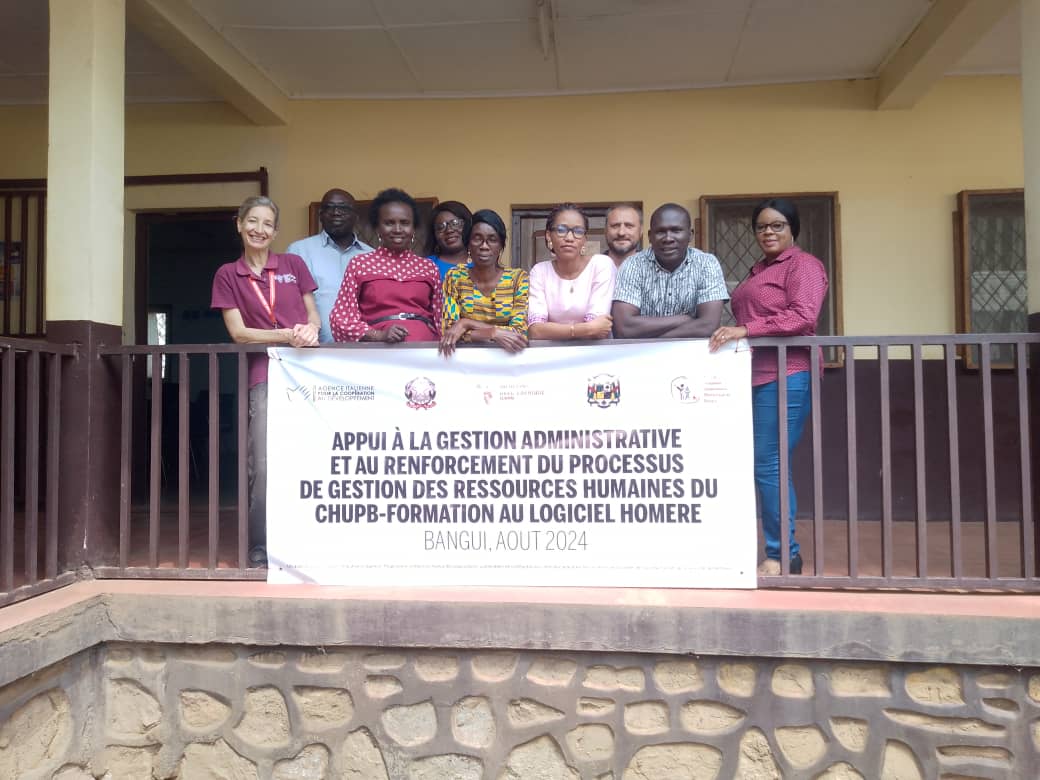
No less significant was the investment in training various hospital executives on best practices for hospital management. In particular, in August 2024, a mission supported the CHUPB administration in the implementation and use of the human resources management software Homère. Furthermore, in October, two specialized technicians were sent to Bangui to install two radiological devices at the hospital, training 10 members of the surgical staff on their use and the maintenance team for technical monitoring of the equipment.
Training efforts were complemented by ensuring the availability and supply of essential drugs and consumables to provide adequate and quality care for the youngest patients. For this purpose, CUAMM supported the rehabilitation of the CHUPB pharmacy and the rehabilitation of the Isolation Unit, which began in August 2024 and was completed in early October 2024. “The goal of the rehabilitation work was to accommodate the neonatal unit beds before the start of the ward’s renovation. Today, we can say that the objective has been achieved on schedule, allowing children and their caregivers to receive appropriate care. Once again, on behalf of CUAMM, I would like to thank all the parties involved in this activity, and in particular the Hospital Director, Professor Gody, for his usual collaboration in implementing activities within the Complex,” stated Armelle Couvreur, CUAMM project manager in Bangui.
Thanks to this intervention, which began in May 2023, there have been definite steps forward in ensuring better paediatric health services, but many challenges remain. The number of human resources at the CHUPB is insufficient to support the workload, and their motivation is often not sustained by adequate compensation. The supply of drugs and reagents is inconsistent, so CUAMM has developed an action plan to strengthen pharmacy management at the hospital. Additionally, it is crucial to continue investing in medical and managerial training for executives and trainees.
In the face of these challenges, CUAMM envisions concrete perspectives: joint efforts with the hospital administration to promote the autonomy and sustainability of the CHUPB in the near future; consolidating and reinforcing improvements in infection prevention and control; enhancing equipment; improving the skills of medical and paramedical staff through expert missions; supporting research work. Furthermore, continuing to support the 9 UNTAs that received assistance as part of the project and implementing a comprehensive maternal and child health and nutrition package at the community level, reducing the overcrowding of secondary hospitals.
The journey continues, as does CUAMM’s commitment to stand by the mothers and children of the Central African Republic.
Less than a century ago, the fortunate discovery of penicillin revolutionized medicine: until 1929, the world had to contend with daily deaths caused by infections without effective treatments. Today, however, millions of lives are at risk due to infections that no longer respond to available therapies: this is the threat of antimicrobial resistance. To raise awareness about this issue, the WHO has been observing the World Antimicrobial Awareness Week every year since 2015, from November 18 to 24.
A Global Health Threat
Numerous studies have highlighted that the danger now lies not only in pathogens themselves but also in the mechanisms these microorganisms adopt to defend against our attacks. This phenomenon, known as antimicrobial resistance (AMR), represents a global health emergency. Bacteria, viruses, fungi, and parasites can develop mechanisms that make them resistant to drugs designed to kill them or inhibit their growth—these drugs being antimicrobials.
Within this broader issue, the international community is particularly concerned about antibiotic resistance: the ability of bacteria to resist the action of antibiotics and pass this adaptation on to future generations. This undermines the effectiveness of standard treatments, severely impacts healthcare quality, and turns even common infections into potentially fatal conditions. The rise of antibiotic resistance is driven by the overuse of antibiotics in humans and in hospital settings. However, it is also closely linked to environmental factors, such as the use of antibiotics in livestock and agriculture and poor hygiene and sanitation systems with improper disposal of wastewater containing partially active antibiotics.
Antibiotic Resistance: A Serious and Growing Global Concern
WHO estimates reveal the severity of the phenomenon: antibiotic resistance is already a significant cause of mortality. Globally, it is estimated that 1.27 million deaths per year (WHO) are due to antibiotic-resistant infections. In the African region alone, around 250,000 deaths annually are directly attributable to antibiotic-resistant bacteria.
The African Continent
In resource-limited settings where infectious, sexually transmitted, and tropical diseases have high incidence rates, antibiotic resistance takes on even greater significance. Africa accounts for 95% of global malaria deaths, 70% of people living with HIV, and 25% of tuberculosis-related deaths (Africa CDC). In 2019 alone, antibiotic resistance was linked to 55,000 deaths from HIV and 30,000 deaths from malaria, underscoring the severity of the crisis in the region. Beyond the misuse and overuse of antimicrobials, additional factors exacerbate the impact in African nations: migration, low vaccination rates, environmental contamination from pharmaceutical and hospital waste, lack of access to clean water and sanitation, inadequate infection prevention measures, and limited knowledge and training. Antimicrobial resistance places additional strain on health systems, as standard treatments become ineffective, hospital stays lengthen, and healthcare costs rise.
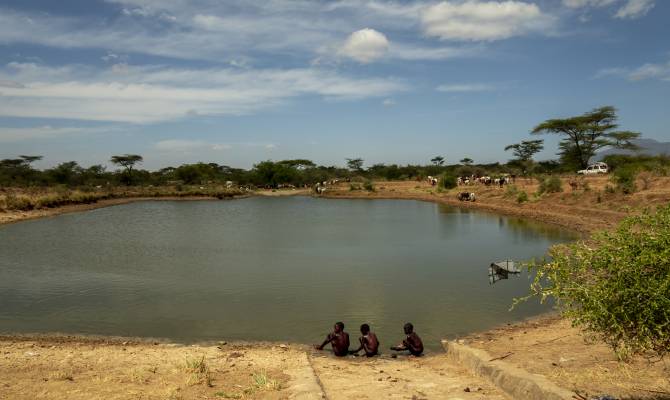
CUAMM’s Operational Research on the topic
Antibiotic resistance is a complex and interdisciplinary issue that spans clinical care, epidemiological surveillance, and public health. This holistic perspective has shaped CUAMM’s collaborative research efforts to deepen field knowledge in Uganda.
The Opt-AMR project, led by the Centre for Infectious Disease Control in Zambia (CIDRZ) and involving the Makerere University (Uganda),Malawi-Liverpool Wellcome Trust Centre (MLW), Medici con l’Africa CUAMM, and Liverpool School of Tropical Medicine, focuses on investigating fever management and antibiotic administration in children. The study addresses both the biological dimension of antibiotic resistance—collecting samples to directly examine bacterial populations—and the community dimension, analyzing how care is managed and treatments are administered. In resource-limited settings, healthcare workers, community health providers, traditional healers, and medicine vendors are often the first responders in treating childhood febrile illnesses, offering support to mothers. Understanding the processes of diagnosis, care management, and antibiotic administration is essential to identifying whether and how unnecessary broad-spectrum antibiotics are being used, and how interventions can improve these practices.
Another research initiative, Advancing Antibiotic Resistance Surveillance and Harnessing Antimicrobial Stewardship in the Karamoja Sub-region (ARSK), linked to the ALL IN ONE project in Uganda’s Karamoja region, explores antibiotic use patterns and the knowledge, attitudes, and prescribing practices of healthcare professionals at St. Kizito and Moroto hospitals. These insights will inform updates to clinical guidelines for antibiotic prescribing, hygiene practices, and patient education. Collaborating with Makerere University and the Uganda National Council for Science and Technology, the research also examines samples from hospital surfaces (e.g., floors, workstations) as well as from healthcare workers and the general population to study bacterial population responses to antibiotic use.
Strengthening Global Partnerships
CUAMM’s operational research has recently expanded to include collaboration with the World Health Organization as part of the Infection Prevention and Control (IPC) network. By rigorously analyzing hospital practices to minimize infection risks, identifying gaps, and implementing improvement strategies, CUAMM aims to limit the emergence of resistant bacteria and safeguard public health.
A Global “One Health” Approach
Antimicrobial resistance (AMR) is a challenge that transcends medicine, connecting human, environmental, and animal health within the One Health framework. Addressing this crisis requires integrated actions, including research, training, prevention, and policy development, to mitigate the impact of a growing threat to public health worldwide.
CUAMM’s work in the field
In Uganda, CUAMM works to prevent and respond to the outbreak of zoonotic diseases in the northern region of Karamoja thanks to All in One project, implemented in collaboration with Africa Mission and with the financial support of the Italian Cooperation Agency for Cooperation and Development (AICS).
One in four adolescent girls in Uganda becomes pregnant before the age of 19. In the Oyam district, where Medici con l’Africa Cuamm began operating in 1996, the percentage is even higher, at 28.5% (source: DHIS 2). The consequences of these early pregnancies have long-term effects on the lives of young girls, including forced marriages, school dropouts, lack of financial independence, social marginalization, stigma, and gender-based violence, to name a few.
According to the Gender Index, in Uganda, approximately 35% of girls drop out of school due to early marriages, and 23% due to teenage pregnancies (UBOS and ICF International, 2012). Child marriage violates the fundamental rights of girls and women, denying them many others, such as the right to education, the freedom to choose whom and when to marry, when to have children, and how many children to have, as well as the right to be safe from sexually transmitted infections. Moreover, data on violence against married women by their partners show that violence against adolescent girls aged 15-19 is higher in all forms compared to violence against adult women aged 20 and above. While 16% of women aged 15 to 49 report experiencing sexual violence, the actual figures could be much higher.
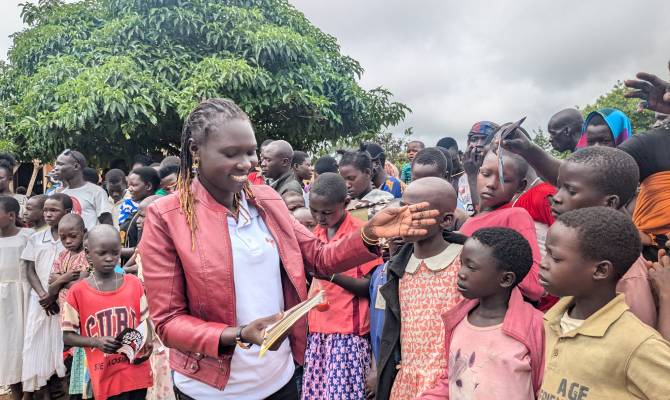
«The community always blames women and young girls. If you got pregnant, it’s because you allowed someone to harm you. It’s your fault- says Ejang Irene, 17 years old – we need to do more to raise awareness about gender-based violence, but we can’t give up on seeking justice. By doing so, we also show that it is a violation of human rights».
Irene (a pseudonym) lives with her family in Oyam District, Uganda. At the age of 15, she had to drop out of school because her parents couldn’t afford the cost of education.
«I wanted to help them and become financially independent, so I started a sewing course. That’s where I met the man who harassed me» Irene told the Cuamm team, who supported her from the moment she filed the report to the trial, providing her with medical care and psychological support.
Medici con l’Africa Cuamm is operating in the Oyam district, in the Lango region, with a series of activities aimed at increasing the availability of and access to social and health services for the most vulnerable adolescent girls, with a particular focus on gender-based violence. The intervention, which covers 11 counties in the district, involves local authorities, associations, schools, and community leaders in intensive advocacy efforts.
«The education and awareness component is key to preventing gender-based violence – says Monica Peace Alupu, CUAMM Social Worker -. Through radio messaging and the dedicated work of village teams, we ensure that services are accessible to everyone, even in rural and peri-urban areas where abuse and violence cases are more frequent».
It is precisely fieldwork that gives concrete support to the intervention, aiming to provide women and young girls with tangible help to escape the cycle of violence they too often endure, addressing their most urgent needs: health and legal assistance.
Community mobilization allows field agents to personally receive reports that might otherwise go unheard while simultaneously raising awareness about available services. Since 2022, CUAMM, in close collaboration with district authorities, has established the first call center in Oyam district. This hotline provides an integrated service for reporting cases of violence, offering psychological support, legal assistance, and clinical care.
Two trained CUAMM social workers manage the hotline, working alongside the District Probation and Social Welfare Officer’s office. The first step involves informing the individual about available services, including healthcare, as well as their rights and potential legal avenues. The social workers act as intermediaries, facilitating the reporting of incidents and initiating the clinical process, which, in cases of physical violence, must be completed within 72 hours in order to prevent sexually transmitted infections and unintended pregnancy. At the same time, legal proceedings are pursued—a path that can be both time-consuming and resource-intensive.
«Unfortunately, the greatest challenge remains ensuring that justice is served for these young girls and women. The system is fragile, judges often are absent, and witnesses fail to appear in court on the day of testimony. It’s difficult to make people understand that gender-based violence is an issue that concerns us all, and one that we must work on together, but we continue to push forward, knowing that we are on the right path» conludes Giovanni Dall’Oglio, CUAMM Doctor and Project Manager in Oyam.
Among the primary challenges are limited access to services for young girls and women in rural or peri-urban areas, the persistent fear of stigma associated with the issue, and the extrimely long duration of legal proceedings, which can take up to three years to conclude.
«In the six-month period from April to September alone, we handled 30 cases. We are committed to ensuring that, once reported, the case does get to court for the woman to have justice but this does not always happen. It is in fact quite common that witnesses fail to appear in court, or that judges themselves are absent. However, we managed to secure two convictions for rape, and this is an achievement considering the average duration of legal proceedings» explains Giovanni Dall’Oglio.
«I have long carried out that feeling of shame before speaking out and seeking support – said Yvon, 36 years-old from Cabo Delgado. – but I believe we have all gone through some sort of violence just because we are women. Aquiring awareness on this, helped me realize gbv is the elephant in the room and it is only by speaking out that we can dismantle the taboo and help other women raise their voce».
Yvon is a 36 years-old woman from Muidumbe, northern Cabo Delgado, Mozambique. In 2022, due to the insurgencies in the northern province of Cabo Delgado, she fled her home to Pemba together with her partner and 5 kids.
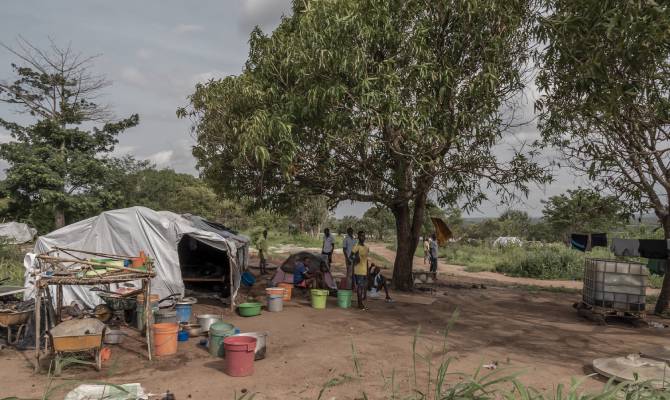
For 7 years, the province of Cabo Delgado has been a conflict zone, with about 834,304 internally displaced people. Most have experienced or witnessed extreme violence including killings, sexual violence, kidnappings, extortion, and villages being burnt. Some have lost their entire family.In this context of displacement and conflict, gender-based violence is among the major safety problems.
«We had no place to go when we left Muidumbe, as we arrived in Pemba we had to find a way for living. Everything was difficult and soon my husband started blaming me» said Yvon recalling how she entered in a series of psychological violence that later resulted in physical aggression.
The risk factors underlying GBV are multiple, interrelated, and mutually reinforcing. These include individual factors, such as young age or illiteracy; societal factors, such as poverty, unemployment, and displacement; behavioral factors, such as alcohol and substance use; and environmental factors, such as complex emergencies, armed conflicts, and impunity. These factors worsen during crises, resulting in an increase in GBV cases, disproportionately affecting vulnerable groups such as IDPs, women, and young girls.
Intimate partner violence can have severe short- and long-term physical and mental health effects, including injury, depression, anxiety, unwanted pregnancies, abortions, sexually transmitted infections, and worse. GBV can affect social well-being, leading to loneliness, social withdrawal, and a sense of victimhood in the affected person.
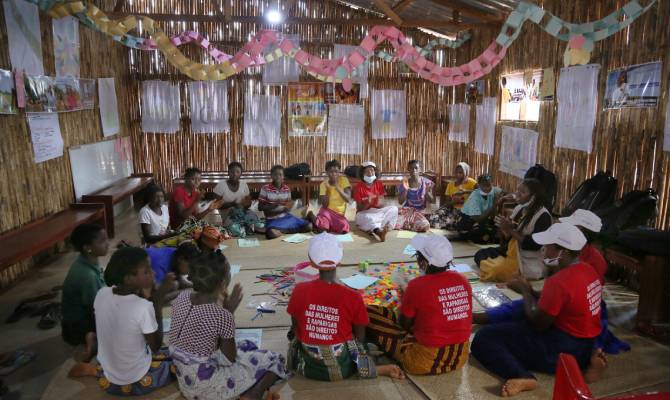
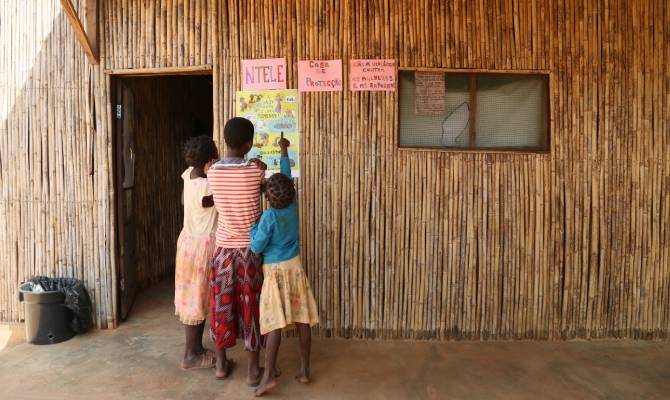
In the city of Pemba and the district of Montepuez, in Cabo Delgado province, Doctors with Africa CUAMM addresses gender-based violence with a multisectoral and community-based approach. Within safe spaces (casa de proteção) for women and girls, CUAMM teams conduct awareness-raising activities on GBV and the prevention of sexual exploitation and abuse (SEA) using various methodologies such as theater, community dialogues, workshops, and more.
«By engaging women and young girls who have experienced gbv in social activities we aim to overcome the social emargination in which they often end up living because of the stigma and that sense of ashame that can have long-term psychological damages» explained Lúcia Maria de Fatima Henriques, CUAMM psychologist.
Photo by Marco Trovato
CUAMM’s intervention in the province combines operational research and field actions to provide psychological support (MHPSS) and integrated clinical and legal assistance to victims of gender-based violence (GBV) in collaboration with government legal services and the Mozambican association MULEIDE.
«We work to assist women and young girls throughout the process, from the reporting to court, offering also health assistance and psychological support – explained Isefa Sufo, CUAMM Legal Assistant -. We have trained local authorities on gbv management case and the collaboration is good but we do know that the process can be extremely long and exhausting for the survivor and it is our duty to inform them» stated Isefa.
From 2021 to the present, CUAMM has been working to mitigate GBV risks and improve responses for survivors, actively involving communities, raising public awareness, and addressing the urgent need to provide integrated services. Today there are 12 supported safe spaces in Cabo Delgado that offer care, psychosocial support, and information for other services related to safety and health needs. There were 900 people supported in 2023 for GBV or MHPSS (Mental Health and Psychosocial Support). Over 60 women have been supported and legally assisted to date.
«We have seen improvements over the last years, when we started gbv was not a priority on the agenda, not even something the civil society was interested in but things are changing – said Elisa Fernando Tembe, CUAMM Project Manager -. In the long-run we’d like to enrich the service ensuring a safe place to live to the survivors who suffer perpetrated domestic violence».
Objectives of the Intervention:
Improvement of Access to GBV and SEA (Sexual Exploitation and Abuse) Services in line with international guidelines, the intervention aims to facilitate survivors’ access to services by covering costs such as transportation and medications, providing hygiene kits, and, in some cases, integrating the most vulnerable individuals into an economic support system.
Enhancement of Mental Health Services targeting at-risk individuals, especially women and young girls who have survived gender-based violence. In collaboration with local health authorities, after referring the most sensitive cases to government mental health services, the Cuamm team ensures regular follow-up and involvement in age-, gender-, and context-specific group activities conducted within safe spaces.
Prevention and Preparedness for Managing GBV and SEA Cases through safety audits in intervention areas, the activity aims to strengthen services offered in coordination with the Ministry of Health, the Provincial and District Directorate for Gender, Children, and Social Action, as well as the Technical Working Group on Psychosocial Support and Mental Health.
Gender based violence at glance
Gender-based violence is a human rights violation perpetrated by an aggressor against a person because of their gender or sex. The United Nations defines violence against women as “any act of gender-based violence that results in, or is likely to result in, physical, sexual, or mental harm or suffering to women, including threats of such acts, coercion or arbitrary deprivation of liberty, whether occurring in public or in private life.” The most prevalent form of gender-based violence is committed by intimate partners (Intimate Partner Violence). Globally, it is estimated that, on average, 27% of women aged15 to 49 have experienced violence by an intimate partner (IPV) or a non-partner during their lifetime and millions are those affected by other forms of gender-based violence, such as child, early, and forced marriage, sex trafficking, and harmful traditional practices. The highest prevalence of GBV globally is reported in the regions of Africa and Oceania.
According to a recent report by the Secretary-General of the United Nations “Sexual and Conflict-Related Sexual Violence” for the year 2022, the countries where this violation of human rights is most widespread are the Central African Republic, South Sudan, Democratic Republic of Congo, Mozambique, Ethiopia, just to mention sub-Saharan Africa.
1,000 days have passed since the Russian invasion of Ukraine that has pushed CUAMM to take action in favor of over five million internally displaced people and 5.8 million refugees.
Last week our team in the field got to Chernihivska Oblast to deliver kits and consumables including emergency bags, an orthopedic surgical kit, and ABC kits (Non-disposable, adult and paediatric) intended for the emergency services and surgical units for in-patient and trauma care to Borzna Central City Hospital. The facility is a second-level healthcare provider with 140 beds and it serves as referral points for the sorrounding area being the only facility in the radius of 80 km to be equipped with a surgery room and a trauma ward for the treatment of gunshot wound victims.
The security context of Chernihivska Oblast has been influenced by its proximity to the Russian border. At the beginning of the war, on the 24th of February 2022, Chernihivska Oblast was invaded by the Russian military. According to the International NGO Safety Organisation (INSO), in the period 16-31 October 2024, 141 total incidents were recorded, of which 94 in the previous two weeks only. In the first week of November, 28 incidents were recorded in the Oblast. This caused high pressure on the area’s central hospitals, including those in Borzna.
«In recent weeks, unfortunately, we have witnessed an intensification of the conflict, especially in areas close to the frontline, such as Dnipro and Sumy. The country’s healthcare system is increasingly strained, and the challenges are countless: in some areas, facilities are destroyed; in others, there is a lack of supplies, and even human resources are scarce. It is a dramatic situation that, despite the extraordinary resilience of the Ukrainian people, worsens day by day» said Antonio Zardini, CUAMM Head of Mission.
In the past three weeks alone, CUAMM has distributed about 500 kg of materials including medical equipment, consumables and emergency kit. This effort reaches the highest-risk areas, going as far as 10 km from the front line to ensure support to those struggling to guarantee healthcare to the population.
The activity is in line with Strategic Objective 113 of the HRP (Ukraine Humanitarian Response Plan) 2023 and Sectoral Objective 114 of the health cluster. It also aligns with the cluster’s standard activity: “Procure, pre-position, and distribute essential medicines, medical equipment, and medical commodities to health facilities”. The medical equipment kits to be distributed have been composed by CUAMM according to the needs of local hospitals and health authorities and following the guidelines set by the WHO Health Request Planning and Response Tool.
From our first activity concentrated in the city of Chernivtsi to the border with Romania, CUAMM’s intervention has grown reaching the war-affectedareas of Kharkiv, Donetsk, Dnipro, Zaporizhzhia, and Kherson with logistics support and provision of supplies to the health facilities in need.
Our project is part of a 46.5 million euro initiative funded by the Italian Agency for Development Cooperation, reaching 900,000+ people affected by the Ukraine crisis and it is being implemented in collaboration with Caritas Italiana, Caritas Drohobych Sambir and Volonterskiy ruh Bukovyny (VRB).
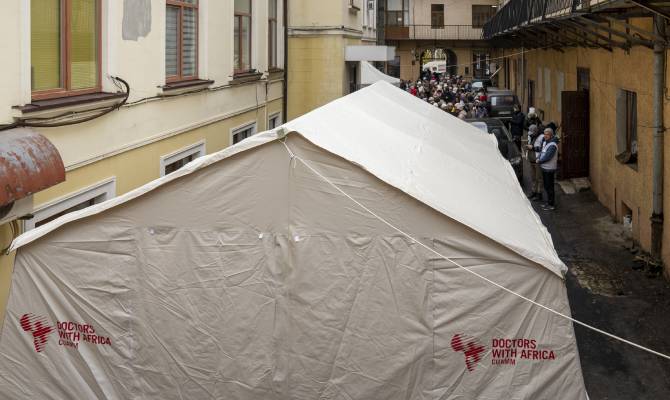
Doctors with Africa CUAMM has been working in Ukraine since March 2022, providing multisectoral responses to the urgent needs of the most vulnerable populations affected by the Ukrainian conflict. Since the onset of the humanitarian crisis in Ukraine, CUAMM has adopted a flexible, multisectoral approach to address the multidimensional needs of war victims. In close collaboration with local authorities and civil society organizations, CUAMM has developed an intervention strategy aimed at supporting and integrating the socio-healthcare system in conflict-affected countries, ensuring access to essential and life-saving services for the most vulnerable groups.
In Karamoja region, northern Uganda, CUAMM is working to reduce the incidence of human and animal communicable diseases through All in One project funded by Agenzia Italiana per la Cooperazione allo Sviluppo and implemented with Africa Mission.
All in One is part of the fight against the Coronavirus pandemic, which has made even more evident the relationship that exists between human, animal, and environmental health. The objective of the project is to intervene in a context such as Karamoja, at high endemic risk of communicable diseases both human and animal, to reduce the incidence of such diseases, adopting a health model based on the integration of different disciplines that is inspired by the concept of One Health. The initiative at a global level is aligned with SDG 3, and in particular with target 3.3, and contributes to the implementation at the district level of the One Health National Strategic Plan of the Ugandan government.
The intervention is being implemented in particular in the districts of Napak and Moroto, in a context with a high endemic risk of both human and animal communicable diseases, with the aim of reducing the incidence of these diseases and building more resilient social and health systems, strengthening their preparedness and capacity to respond to diseases.
The sensitization activity is being supported by awareness raising activities and radio spot reaching a wide range of population. “Safeguarding Karamoja from Antimicrobial Resistance! Use antibiotic Wisely, Save Lives: St.Kizito Matany Hospital Leads on Antibiotic Stewardship to combat Antibiotic Resistance” is the slogan chose by CUAMM on occasion of the Global Antimicrobial Resistance Awareness Week
All in One acts on three levels namely community, health and livestock to create an integrated system of prevention, monitoring, and control of diseases with epidemic potential, through:
1) the prevention of infections through the improvement of hygiene conditions and practices at the community level. The intervention aims to rehabilitate 70 wells and building 210 pit latrines, promoting the conscious use of safe water sources and improved latrines, and combating the widespread practice of open defecation, which is the main cause of infectious diseases among the community.
2) the improvement of infection and control practices and epidemiological surveillance at the health care level intervening in 16 peripheral health centers and strengthening two hospitals’ laboratories also by supporting the animal infectious disease surveillance system and animal welfare through trainings to veterinary and para-veterinary staff in addition to livestock vaccination.
A Global “One Health” Approach
Antimicrobial resistance (AMR) is a challenge that transcends medicine, connecting human, environmental, and animal health within the One Health framework. Addressing this crisis requires integrated actions, including research, training, prevention, and policy development, to mitigate the impact of a growing threat to public health worldwide.
On Tuesday, Novemebr 19 the U.S. Embassy to the Holy See delegation, represented by Laura Hochla – Chargé d’Affaires together with Alyce Ahn – Political-Economic Officer and Chiara Di Mizio – Public Engagement Specialist has been welcomed to CUAMM headquarter in Padua.
«It is a privilege to visit the headquarters of CUAMM, our long-time partners. We are honored to support the substantive and impactful work of your team. CUAMM’s efforts to improve the health of vulnerable communities in Africa and in many other countries facing challenges is an inspiration. Thank you for all you do” said Laura Hochla during the meeting.
The visit was an occasion for the delegation to meet CUAMM Country Representatives and better know our commitment in 9 countries in sub-Saharan Africa as well as our interventions in Italy and Eastern Europe.
«Since several years, CUAMM relationship with the US Embassy to the Holy See has played a key role for our activities both in Africa and in Italy. We are grateful for the funds received which allows us to keep working for the most vulnerable groups, not only in Africa but also here in Italy» said Don Dante Carraro – CUAMM Director General mentioning the collaboration between CUAMM and the Immigration Office at Padua Police Headquarters.
Laura Hochla – Chargé d’Affaires at US Embassy to the Holy See and Don Dante Carraro – CUAMM Director General
CUAMM has been working in collaboration with the Padua Police Headquarters since March 2022 to support the Office in managing and running hundreds of requests resulting from the Ukrainian crisis. Today, thanks to the fund received from the US Embassy to the Holy See, the collaboration continues. Speaking of CUAMM’s commitment in Italy, another health intervention mentioned during the meeting was the one in Apulia region where CUAMM works to provide health services to refugee and migrant communities in the province of Foggia. An intervention that has also benefited from the support of the US Bureau of Population, Refugees, and Migration (PRM) through the Julia Taft grant.
Being CUAMM’s main mission, the meeting gave ample room to various topics related to the work in Africa. The discussion ranged from CUAMM long-term commitment in favor of maternal and newborn health, to the latest efforts in supporting faith-based organizations across 25 Africa countries, to the main challenges in the poorest countries namely South Sudan and Central African Republic, to the lessons learned from the over 66-years-long presence in Uganda, the discourse also delved into localization as a new paradigm in humanitarian aid and international cooperation.
«As CUAMM we strengthen local capacities to deliver high-quality healthcare services. We work in partnership with MoHs, healthcare providers, and civil society partners and provide technical assistance and capacity building, as well as other resources they may need to institutionalize and sustain evidence-based approaches and best practices with proven life-saving impact. We regularly work with facilitators from MoHs when delivering trainings so as to ensure adherence to national guidelines and standards» stated Andrea Atzori – Head of International Relations at CUAMM concluding the meeting.
Over 1,800 people from across Italy gathered in the Giovanni Agnelli Auditorium at Lingotto in Turin for the Annual Meeting of Doctors with Africa CUAMM. “Health First. For Everyone’s Future” was the theme of this event, now in its 14th edition.
Neri Marcorè, Author and actor
After an intense monologue by Neri Marcorè, who performed Giorgio Gaber’s “La Paura” (Fear), the audience was guided by the graceful hosting of Paola Saluzzi on a captivating journey. This journey featured video testimonies from Africa and live voices on stage, creating an emotional crescendo of stories from the field.
Paola Saluzzi, Annual Meeting Host and Journalist at TV2000
Alberto Cirio, President of the Piedmont Region
Alberto Cirio, President of the Piedmont Region: «The first word I want to say is ‘Thank you.’ To Don Dante Carraro and everyone, for choosing Turin and Piedmont, a land of culture and values rooted in solidarity. Your presence here is meaningful».
Michela Favaro, Deputy Mayor of Turin
Michela Favaro, Deputy Mayor of Turin: «I am glad to greet you all, on behalf of the city and the mayor. Turin has a long tradition of solidarity and continues with a strong international vocation. We are happy that so many doctors and health workers dedicate themselves to this bridge of hope for the world».
Alberto Mantovani, Scientific Director of Humanitas (on the right) and Guido Forni, Immunologist, Accademia dei Lincei
Alberto Mantovani, Scientific Director of Humanitas referring to the award presented to CUAMM by the Accademia dei Lincei in late June, said: «Serving this cause means working ‘with.’ The participation and enthusiasm for this award highlight CUAMM’s virtuous triangle of medicine: assistance, particularly for children and at-risk mothers, training young professionals, and operational research. This triangle brings extraordinary hope. We give something and return home with even more hope».
Guido Forni, Immunologist, Accademia dei Lincei: «Spurred by Alberto Mantovani, a group of immunologists wrote a book to demonstrate the importance of vaccines. The proceeds will go to CUAMM, and I am proud to be part of this beautiful initiative».
Antonio Tajani, Deputy Prime Minister and Minister of Foreign Affairs and International Cooperation
Antonio Tajani, Deputy Prime Minister and Minister of Foreign Affairs and International Cooperation: «We must look at Africa through African lenses, valuing its richness without neocolonizing, providing meaningful responses. Thank you for being an operational reference point for Italian Cooperation. We must do more to prevent children from dying before age two or mothers losing their lives during childbirth. This is the foundation of the Mattei Plan, a ‘win-win’ strategy to foster friendship and investment in the continent».
Alberto Anfossi, Secretary General of the Compagnia di San Paolo Foundation (on the right) and Don Gabriele Pipinato, CEI
Alberto Anfossi, Secretary General of the Compagnia di San Paolo Foundation: «Italian banking foundations work locally, but we all feel the need to act on a national level as well. Cooperation leads us to select projects and partners that can truly make a difference».
Don Gabriele Pipinato, CEI: «Last Saturday, I celebrated a 25-year project started with CUAMM, which continues to this day. I recently visited Wolisso, where CUAMM is doing exceptional work as a driving force generating new energy».
Fabio Manenti, Head of Project Department and Chiara Maretti, midwife and Country Representative in South Sudan
The Meeting, as every year, was an opportunity to present data from the extensive program “Mothers and Children First”, explained by Fabio Manenti, Head of Project Department at CUAMM. In its third year, the program supported 101,132 assisted births across eight sub-Saharan African countries where CUAMM operates; 817,916 prenatal visits were conducted; 3,804 malnourished children were treated, and 340 local health managers were trained.
Chiara Maretti, midwife and Country Representative in South Sudan
Chiara Maretti, midwife and Country Representative in South Sudan, shared her field experience: «South Sudan is one of the poorest countries, yet it demonstrates incredible resilience. It’s an overused term, but if any population deserves it, it’s South Sudan. Since gaining independence in 2011, the country has faced unrelenting challenges, with extraordinarily high maternal mortality rates. At CUAMM, we support midwifery schools, and witnessing these young, future colleagues attending classes and preparing to help their country gives me joy amid the daily struggles».
Daguma Dereje, Ethiopia’s Deputy Minister of Health, highlighted: «The Ethiopian government has been collaborating with CUAMM for many years in a true partnership. Our healthcare system faces three main challenges: maternal and child mortality exacerbated by poverty, lack of equipment and medicine, communicable and other diseases such as cancer, and a third set of challenges posed by malaria, cholera, and similar disases».
Daguma Dereje, Ethiopia’s Deputy Minister of Health (on the right); Getachew Reda, President of the Tigray region in Ethiopia (in the middle) and Agostino Palese, Italian Ambassador in Ethiopia (on the left)
Getachew Reda, President of the Tigray region in Ethiopia, remarked: «The past three years of war have devastated infrastructure and more. We don’t just need to rehabilitate hospitals, on the contrary we need to rebuild the entire system. Guns have gone silent, but thousands live in extreme vulnerability without any services. CUAMM supports us in this. Above all, what matters now is peace».
Agostino Palese, Italian Ambassador to Ethiopia
Agostino Palese, Italian Ambassador to Ethiopia, emphasized: «In the past year, we have invested in what seemed impossible. Our priorities are threefold: healthcare, education, and employment. It’s not about optimism or pessimism, but about working with commitment every day and believing in what we do. We are fostering a paradigm shift, moving from aid to development as a right».
Franca Fagioli, Director of the Pediatrics Specialty School, University of Turin, said: «I believe the JPO program for residents is strategic even for our national territory. It is crucial for developing doctors capable of operating in global, multidisciplinary contexts. These doctors treat patients without or with minimal technology, adapt to diverse cultural settings, and become assets for both host country, themselves, and our national healthcare system».
Franca Fagioli, Director of the Pediatrics Specialty School, University of Turin (in the middle) and Elena Altieri, CUAMM Doctor (on the left)
Elena Altieri, CUAMM pediatrician shared: «Every day in my work in Italy, I draw from my experience as a resident in Tanzania and as a specialist in Mozambique. In Africa, I learned clinical practice by talking to patients, using my heart and hands. There, we learn to use our hands, minds, and a frugal approach to medicine effectively».
Journalist Diamante D’Alessio commented: «Thanks to Massimo Carraro of Morellato, I stumbled upon CUAMM, and from there, my commitment grew to give voice to the remarkable work of doctors on the ground».
Antonio Biasiucci, photographer; Diamante D’Alessio, journalist (on the left) and Patrizia Sandretto Re Rebaudengo, President of the Sandretto Re Rebaudengo Foundation
Photographer Antonio Biasiucci reflected: «CUAMM’s mission is truly contagious. I often work with metaphors; I could have done this project without going to Uganda, but I felt involved and chose to visit a delivery room in Matany with CUAMM. It was incredibly challenging. Pointing a camera at a woman in labor, possibly delivering a stillborn child, is not easy. It’s an experience I’ll always remember».
Patrizia Sandretto Re Rebaudengo, President of the Sandretto Re Rebaudengo Foundation, shared: «Art and culture play a role in raising awareness and attention on critical causes like CUAMM’s. Art serves aesthetic, political, and social functions. It can align with significant causes to support and help raise funds. We’re launching a new project with CUAMM to send artists to Africa, who will sell their work to support CUAMM».
Giuseppe Ferro, President of CUAMM volunteering groups; Nicola Penzo, CUAMM Fundraising Department; Simona Sala, Director of Radio Rai 2
Simona Sala, Director of Radio Rai 2, proposed: «Good deeds rarely make the news. Talking about the positive is challenging. Today’s conflicts risk further overshadowing Africa. That’s why I’d like to propose an idea for us all to work on next year: 2025 marks the 40th anniversary of Bob Geldof’s Live Aid. Organizing a major concert to raise awareness on Africa would be magnificent».
Serge Boni, Professor of Gynecology and Obstetrics and Advisor to the Minister of Health, Ivory Coast, noted: «Ivory Coast is fortunate to have a good neonatal and maternal health system, but significant challenges remain in many regions. The maternal mortality rate is far from Europe’s. Our country aspires to reduce this rate because the greatest injustice is a woman dying while giving life. We are grateful for CUAMM’s support».
Ehouman Serge Boni, Professor of Gynecology and Obstetrics and Advisor to the Minister of Health, Ivory Coast (on the right) and Giovanni Putoto, CUAMM Head of program and operational research
Giovanni Putoto, CUAMM Head of program and operational research revealed: «CUAMM is launching a new project at the Abobo hospital in Abidjan. Together with the University of Padua, we will double maternity support, establish a neonatal unit, and ensure essential services like a blood bank. This critical endeavor will focus on research and study».
Andrea Malaguti, Editor-in-Chief of La Stampa, interviewed Romano Prodi about Africa and the Mattei Plan, asking if this intervention is enough and where Europe falls short. Romano Prodi, President of the Foundation for Worldwide Cooperation, responded: «The Mattei Plan won’t be sufficient. Africa is immeasurably larger than Italy and Europe. While Europe is the continent’s largest donor, it wields no influence, which is a major issue. In contrast, China has diplomatic ties with 54 of Africa’s 55 countries and operates systemically. Europe provides fragmented, short-term aid. CUAMM’s distinguishing strength is its decades-long, continuous presence».
Andrea Malaguti, Editor-in-Chief of La Stampa and Romano Prodi, President of the Foundation for Worldwide Cooperation
Don Dante Carraro, CUAMM Director, closed the event with a call to support a new training center in Bossangoa, Central African Republic: «At the request of the local Ministry of Health, we aim to establish this center in one of the poorest areas, building on our successful maternity project there. The cost is 1 million, but we are confident we can achieve this with everyone’s help».
Don Dante Carraro, CUAMM Director General
The Annual Meeting will be aired on TV2000, Channel 28, on Saturday, November 23, at 4:00 PM.
The ANNUAL MEETING is under the patronage of: Regione Piemonte, Municipality of Turin, University of Turin, the National Federation of the Orders of Physicians and Dentists, and the National Federation of Midwifery Orders.
In collaboration with: Intesa Sanpaolo, Gilead.
Technical sponsors: Lavazza, Fondazione Sandretto Re Rebaudengo, Coldiretti Piemonte. Cuamm is a member of Link 2007.
Media partners: Rai Radio 1, Rai Radio 2, Gruppo 24 Ore, Tv2000, Radio InBlu, Avvenire, La Stampa, Radio Vaticana, Vatican News, L’Osservatore Romano, Africa Rivista.
PRIMA LE MAMME E I BAMBINI is a program in collaboration with Fondazione Cariparo, Fondazione Cariverona, Fondazione Cariplo, Compagnia di San Paolo, Fondazione Cassa di Risparmio di Lucca.
Thanks to: Fondazione Cassa di Risparmio di Bologna, Fondazione del Monte di Bologna e Ravenna, Fondazione CR Firenze, Fondazione Cassa dei Risparmi di Forlì, Fondazione Friuli, Fondazione di Sardegna, Fondazione con il Sud, Fondazione CRT.