Karamoja: drought pushes thousands into hunger

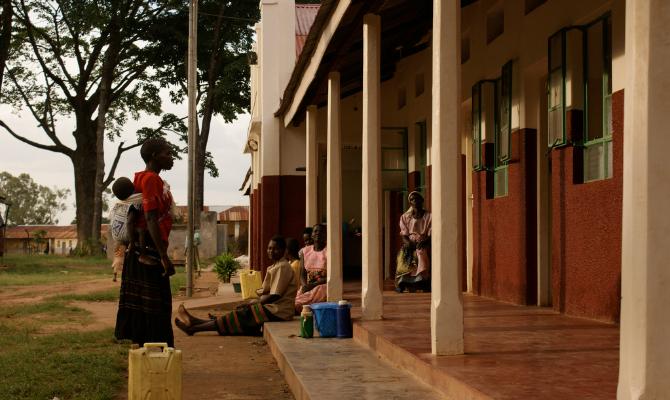
In Karamoja, northeastern Uganda, months of drought have severely affected crops. The situation, already marked by poverty and malnutrition, has now become critical.

According to the latest analysis by the Integrated Food Security Phase Classification (IPC), 473,000 people, representing 32% of Karamoja’s population, are currently experiencing acute food insecurity (IPC Phase 3 or above). Of these, 41,000 people are facing Emergency levels of food insecurity (IPC Phase 4) and require immediate assistance. At the same time, an estimated 122,100 children under the age of five will suffer from acute malnutrition in 2026, including more than 30,000 who will experience severe acute malnutrition. In addition, approximately 8,000 pregnant and breastfeeding women are in urgent need of nutritional care.

We have been working in Karamoja for more than twenty years. Today, in the face of this new emergency, we feel more strongly than ever our responsibility to stand alongside the most vulnerable communities. Our team are strengthening efforts to provide nutritional care for children suffering from severe acute malnutrition, support mothers through antenatal care services, help families identify and address the most serious cases as early as possible and link families to food assistance programmes supported by the Ugandan Government, the World Food Programme and the United Nations.

Once again, this crisis reminds us that hunger is not a fate, but the result of conditions that can be changed when we work together – from the effects of the climate crisis to poverty and the fragility of agricultural systems. We continue our work in close coordination with local authorities, the Ministry of Health, United Nations agencies and other partners on the ground, with the aim of saving lives today while strengthening the resilience of communities in the medium and long term. However, additional resources remain essential to ensure that no child or mother is left without the care and support they need during this critical time.

The future of TB care in Karamoja: the end of a project that marks a new beginning

“I had coughed for more than 5 months without stopping. I went to Napumpum health center and other peripheral private clinics in Kotido town; initially, they gave me Amoxicillin capsules and other medicines for pneumonia, but my cough was not responding to any of these medicines. I was getting worse day by day, and I thought the cause was an evil spirit”.

This is the story told by Adome Lochul, a 32-year-old peasant who lives with his wife and two children in a village in the Kotido district, within the Karamoja region of Uganda.

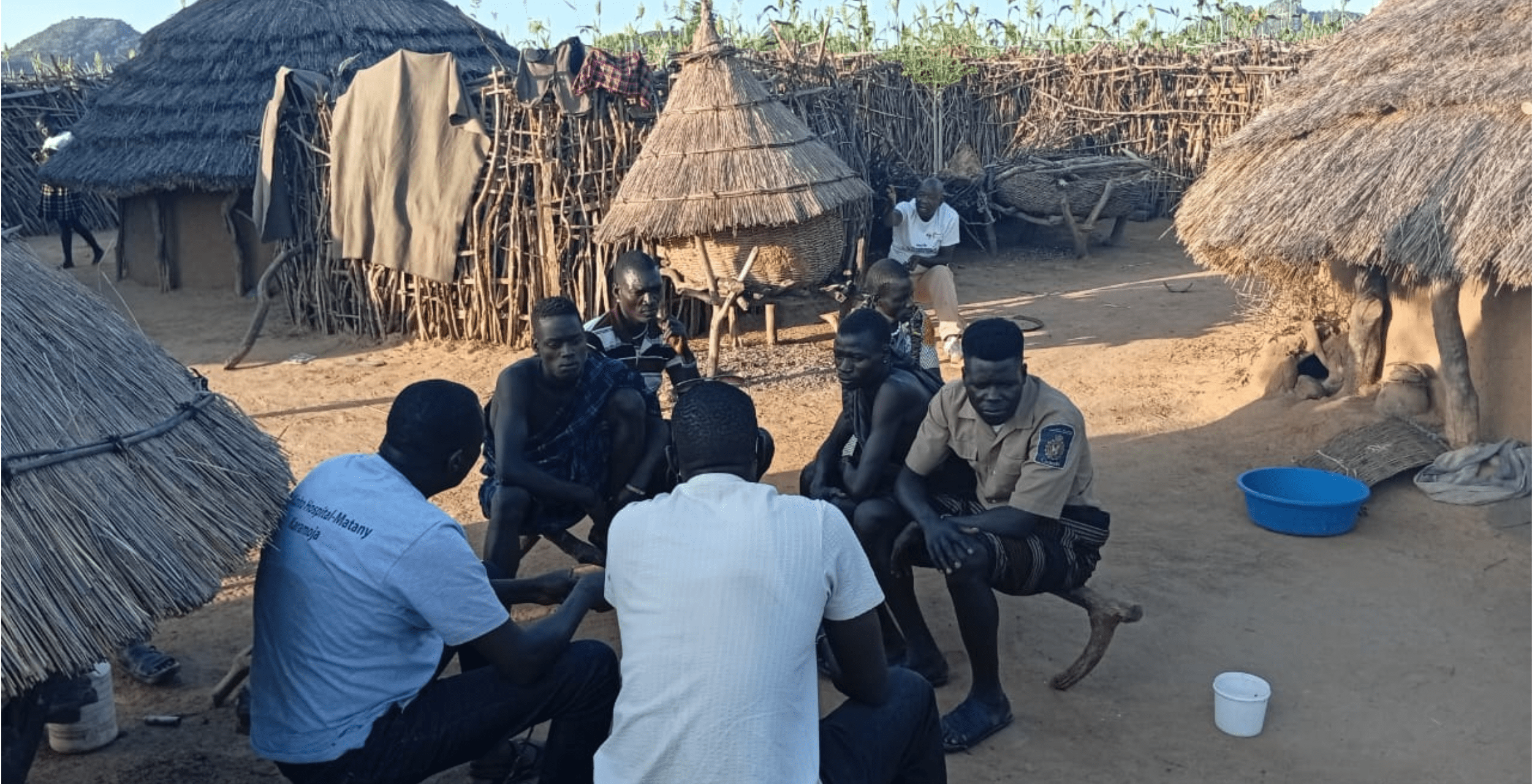
“I was referred to Kotido General Hospital where they took a sample of my sputum, and I was diagnosed with multi-drug resistant tuberculosis (MDR-TB). I didn’t understand what it meant; it was only explained to me that it needed to be treated at Matany Hospital, far away from my village. I was really scared and worried, but the health workers and Dr. Paul encouraged me, assuring me that I would recover and explaining that a team of doctors from the Hospital and CUAMM would come to pick me up for treatment. I accepted and, as promised, the team reached my village, where they sensitized the community on TB, screened people, and collected samples from those who were coughing; then they transported me to Matany Hospital for care. They performed various tests, a chest X-ray to check my lungs, and provided me with the necessary medications. The doctors and nurses checked the ward every day, and during my stay, I met other patients who came from Kotido and Kaabong districts, which are very far from Matany; we became friends and encouraged each other to adhere to the therapy and get cured,” Adome added. “When I was discharged, food items such as sugar, salt, cooking oil, and flour were delivered to my home to help support my therapy. I also receive financial support to cover travel expenses on clinic days and to refill medicines at Matany Hospital”.

Since April 2025, Doctors with Africa CUAMM has been implementing the project “PRO-TB: Strengthening the Organized Network for Tuberculosis in Karamoja,” supported by the Charitable Fund and social and cultural initiatives of Intesa Sanpaolo. In this north-eastern region of Uganda, tuberculosis continues to hit hard, much more so than in the rest of the country.

The intervention has had a clear objective: to strengthen the existing networks for tuberculosis screening, case notification, and treatment in Napak and Moroto, while expanding access to care for drug-resistant tuberculosis (DR-TB/MDR-TB) across all nine districts of the sub-region.

TB control in areas like Karamoja is challenging and complex. The communities are predominantly pastoralist, health facilities are scattered across a vast and often inaccessible territory, and healthcare-seeking behavior is heavily influenced by cultural practices and a certain mistrust towards formal healthcare systems.

“We, who are uneducated peasants, don’t have much of an idea of what TB is and sometimes mistake it for something else, just like what happened to me. It is thanks to programs like this from the Government and CUAMM that my people and I were informed, changing our beliefs and later supporting us throughout the treatment. For this reason, people need to be aware. The real challenge comes with home-based care, when taking medications every day becomes difficult and food is scarce. I, however, do my best with the support of my wife”.

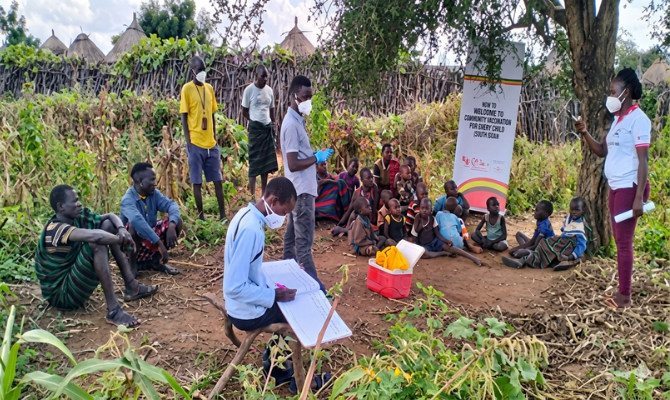
Over the course of the project, 4,690 people were screened in the health facilities of the two districts; 1,558 presumptive cases of tuberculosis were identified, and 78 new cases were diagnosed using GeneXpert technology. Furthermore, 968 health workers were trained through on-the-job mentorship, and 145 multi-drug resistant tuberculosis patients were transported and initiated on treatment across the two DR-TB centers of the two districts; 413 patients with various forms of TB were managed at Matany Hospital. Additionally, 20,609 people were reached by awareness-raising activities on the disease during community outreach campaigns, thanks to the invaluable contribution of Village Health Teams (VHTs).

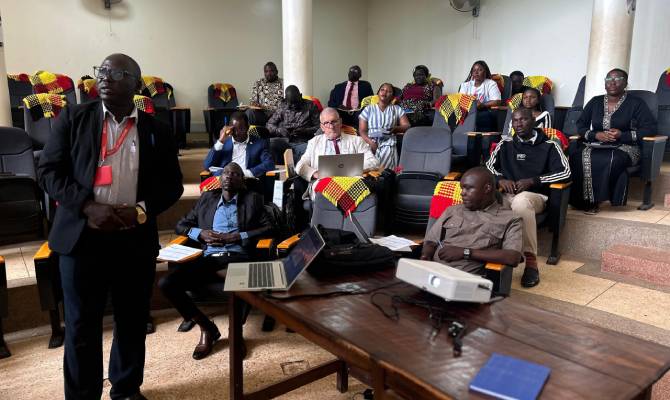
“Closing a project like PRO-TB means much more than presenting a final report; it means laying the foundations for the work to continue. We wanted this final meeting to recognize the extraordinary commitment of the healthcare teams and the DR-TB centers of Matany and Moroto, but above all to encourage the districts to learn from the collected data, results, and treated cases. Sustainability is not automatic: it requires clear agreements and defined responsibilities. By validating the milestones achieved and analyzing the experiences lived, the goal is to define a shared and concrete action plan. We want the health systems of Napak, Moroto, and the entire Karamoja sub-region to be ready to own and implement these activities, ensuring that this moment marks a new beginning for tuberculosis care in the territory, and not an end,” concluded Dr. Solomon Aleper, CUAMM Project Manager.

Cuamm’s philosophy is to accompany local authorities and communities so that the legacy of this intervention is embraced with responsibility, for a more sustainable healthcare system that is deeply rooted in the territory.

Tuberculosis a disease we can end

“Yes! We can end tuberculosis!” The slogan for World TB Day 2026 is not just a message of hope—it is a concrete commitment that we carry forward in the 9 Sub-Saharan African countries where we operate. Every day, through their work and dedication our team on the ground shape this message translating it into act of care to ensure that every person has the right to a healthy future.

Although tuberculosis is now a treatable and curable disease, the latest Global TB Report from the World Health Organization confirms that Africa still bears 25% of the global burden of this epidemic. In Uganda in particular, the challenge is a delicate balance between technological progress and social barriers: according to the most recent data from the Ugandan Ministry of Health, incidence remains high at around 200 cases per 100,000 people. TB continues to be the leading cause of death among people living with HIV and one of the main threats in the country’s most vulnerable areas, such as the Karamoja region.

Today, the real challenge in Uganda—as in many other contexts—is not faced only in healthcare facilities but in the most isolated villages. Although the treatment success rate monitored by the National TB and Leprosy Programme has reached a record high of 90%, a dangerous gap remains: 20% of people with Tb remain undiagnosed.

These are the “missing millions”—people living with symptoms without knowing they are contagious, unintentionally fueling transmission. To identify them, CUAMM, in line with the WHO’s “End TB” strategy, has chosen a multi-level approach aiming at intervening at every level of the health system, promoting the strengthening and expansion of prevention, diagnosis, treatment, and follow-up services, with particular attention to drug-resistant TB. Specifically, in the Napak and Moroto districts of the Karamoja region, CUAMM is implementing, together with local health authorities, the “PRO-TB: Strengthening the Organized Network for Tuberculosis in Karamoja” project, supported by the Charitable Fund and social and cultural initiatives of Intesa Sanpaolo.

Today our Tb response efforts in Uganda have the name of Lokoth Joseph Akorikibok, 39 from Kotido district. For months, he suffered from a relentless cough that stole his voice, appetite, and slowly, his hope.

“I coughed for so long that I almost lost my voice,” Joseph recalls. “I was terrified. I kept thinking about death and what would happen to my wife and children if I weren’t there.”

Like many living in remote areas, Joseph initially sought help wherever he could: small pharmacies, taking medicines that had no effect. “No improvement. I knew it was only a matter of days before I would die.”

The turning point came at Losilang HC II health center. When asked for a sputum sample for testing, Joseph was about to give up: “I had lost all hope; I didn’t even want to take the test. But then I found the energy to do it, and it was the decision that changed my life.”

The diagnosis was one of the most difficult: MDR-TB, drug-resistant tuberculosis. With support from CUAMM and Matany Hospital, an ambulance was sent to bring Joseph to Matany, where he began a strict treatment protocol.

“CUAMM and the Matany team saved me. They gave me the right medicines, but not only that. I want to thank them for the food they provided in the hospital: without it, the medicines would have been too strong for my body. The food made the treatment possible.”

Today, Joseph has returned home. His condition has improved, his weight has increased, and above all, he has regained his determination.

“Every day, exactly at 10:00 a.m., I take my medicine. I don’t skip a minute, I don’t skip a day.”

Joseph’s story is a tangible proof that healing is possible.

“Ikilakara aiyiun lojokotau nooi”—a heartfelt thank you to all the good people who supported me. In his language, this gratitude captures the essence of our work. He also offers an “appeal” to his community:

“Stop taking medicines without knowing what you are doing. Go to the hospital, get tested. My life improved because I trusted medicine and the healthcare workers.”

A New Chapter for Maternal and Child Health in Oyam and Otuke, Uganda

In a significant step toward strengthening healthcare for the most vulnerable, Doctors with Africa CUAMM in partnership with African Network for Change, and in collaboration with the “la Caixa” Foundation, has officially launched a transformative two-year initiative in the Lango sub-region in Uganda, particularly in Oyam and Otuke Districts.

The project sets an ambitious but vital primary goal: to reduce neonatal, perinatal, and under-5 mortality by 15% across the two districts by December 2027. By integrating clinical excellence with community-based interventions, the collaboration seeks to ensure that no mother or child is left behind due to distance from the health facilities or lack of resources.

The inception meeting, held to formally introduce the project to stakeholders, was defined by a spirit of shared responsibility. Obizu Moses, CUAMM’s Monitoring and Evaluation Manager in Uganda, set the tone by emphasizing that success depends on a unified front. “Our purpose today is to ensure a shared understanding of our goals. We are here to strengthen coordination between district leadership and health teams. Only through true collaboration can we improve child survival, nutrition, and HIV services within these communities,” Moses stated.

The project’s strategy is built on four pillars designed to enhance both the quality of care and the leadership required to sustain it:

  • Antenatal and Postnatal Care: Increasing service utilization by 10% through the support of Peer Mothers and Village Health Teams (VHTs).
  • Newborn Excellence: Boosting the quality of care for newborns by 20% by upgrading Emergency Obstetric and Newborn Care with essential equipment, medicines, and “newborn transporters.”
  • Child Survival: Tracing “zero-dose” children and following up on immunization defaulters using the “Reach Every Child” (REC) approach.
  • Accountability and Leadership: Improving data quality (HMIS/DHIS2) and strengthening emergency referral systems, including ambulance functionality.

For districts like Otuke, which are classified as hard-to-reach, the project represents a lifeline.

“Otuke faces many hurdles as a hard-to-reach area, which makes delivering health services difficult,” Opio Patrick, the District Health Officer (DHO) of Otuke, explained highlighting the unique challenges his teams face daily. “We feel fortunate to have CUAMM’s ongoing support, particularly in improving facility-based deliveries and maintaining the ambulances donated by the Ministry of Health. It is a great privilege to be selected for this project.”

Dr. Peter Lochoro, CUAMM Country Representative, introduced the “la Caixa” Foundation to the stakeholders, underlining the international solidarity behind the funding:

“We are operating across several districts in Uganda to strengthen health systems at the roots,” Dr. Lochoro remarked. “I encourage every leader and health worker here to work diligently. We have a two-year window to achieve meaningful, measurable results for these families.”

A recurring theme of the launch was ensuring sustainability: the progress made during the project survives long after the funding concludes.

“Project funding doesn’t just solve immediate challenges; it highlights practices we must hold onto forever,” noted Mr. Ebong Chris, representative of the Ministry of Health, challenging district leaders to look at the project as a catalyst for long-term development. “Effective data management and the systems introduced now must become part of our routine health system.”

He also addressed the critical issue of human resources, urging the districts to remain vigilant in filling staffing gaps. “When health workers leave, they create gaps in service delivery. We must ensure these roles are replaced promptly so that the impact of CUAMM’s monitoring and support leads to a lasting legacy.”

Through school outreaches, community mobilization, and the provision of specialized equipment for sick newborns, this intervention isn’t aimed just at delivering assistance but rather at building a resilient health network. As activities move from planning to implementation, the focus remains clear: saving lives, one birth and one village at a time.

From Hospitals to Communities Being Where It Matters Most

One day, while I was on my way to a health facility for a supervision activity, I was informed that a mother was experiencing severe hemorrhaging. I immediately got into the ambulance with another midwife. When we arrived, the situation was critical: the woman was lying in a pool of blood. We worked together to stabilize her before transferring her to the hospital. I followed the case step by step to make sure she received everything she needed. In the end, it was a success. Knowing that your presence, at that exact moment, saved a person’s life… that is the energy that drives you to keep going.

Barbra, a Ugandan midwife who worked for many years in Aber with CUAMM, carries in her heart countless memories and stories of patients she will never forget. Growing together—amid daily challenges and the dream of making public health care accessible to all—has been the story of her life. Barbra has never stopped learning:

“Today I look back on my journey with deep pride, both as a woman and as a professional. When I joined this family, I had only a diploma in midwifery. Today, thanks to CUAMM’s support, I was able to resume my studies, earn a degree, and I am currently attending a Master’s program in Public Health, which I will complete next May.”

It has been—and still is—a path of professional and personal growth.

“There is an enormous difference between how I worked at the beginning and how I work today. The quality of the service I can offer has grown along with my skills. For this reason, my gratitude toward CUAMM is immense. My daily work is a constant source of inspiration.”

The health system has also grown stronger and is now more solid.

“When I look back, the improvements in health facilities are evident—from internal organization to the ability to manage emergencies. In past years, we faced extremely difficult challenges, especially due to shortages of medicines and medical supplies. However, we invested in training: today the staff is more aware and better prepared. Even when funds for supplies are lacking, facilities know how to respond to emergencies, and that gives me greater peace of mind.”

Present and future of the new generations

The real transformation has taken place above all in people’s mindsets.

“It takes time, but you learn how to interact better with patients and colleagues. I see this change even in those who were more resistant; when a midwife you are supporting looks at you with respect, you realize that people trust your work. Once, a supervisor told me: ‘You are our living dictionary. We are proud of you.’ Hearing those words is what pushes me to always give my best. Of course, challenges never disappear: in Uganda the system is changing, and with it the way training is delivered—we are still catching up. Our challenge is the gap between theoretical training and practice. Many facilities are becoming privatized, and often profit is prioritized over quality,” Barbra explains.
“At this very moment, we are bringing in 20 new midwives, many of whom have not worked for a long time and are not familiar with updated guidelines. Our task as the CUAMM team is to support the district: these new staff members need ‘mentors,’ senior midwives who can guide them step by step. It is a slow process, one step at a time—it feels like starting over—but we know we will succeed. I firmly believe we should invest more and more in continuous training and in motivating staff, offering them new responsibilities so they feel valued.”

Barbra’s greatest wish for the mothers and children of Oyam is that there be a real investment in public health, because everything begins in the community, with prevention.

“We must reach women in their homes and address problems where they begin: difficulties with transportation, lack of financial means, and the need to involve husbands so they support their wives. I hope we will reach a point where every man and every woman feels responsible for their own health through knowledge.”

Today, being both a midwife and a public health specialist allows her to see reality from multiple perspectives—from the hospital ward to the heart of the village.

Neglecting diseases caring for lives

Over a billion people worldwide live with a neglected tropical disease (NTD).

These are 21 different conditions caused by parasites, bacteria, viruses, or fungi, primarily affecting the most vulnerable populations in low- and middle-income countries in tropical and subtropical regions.

January 30 marks World NTD Day, established by the World Health Organization to draw attention to a global health emergency that remains largely overlooked. In Karamoja, in northeastern Uganda, these diseases are not just statistics—they are part of daily life.

“Experiencing this day here gives it an even stronger meaning,” says Sara Biagioni, an Infectious Diseases resident at Matany Hospital. “Over these months, I’ve seen just how immense the problem is. Even for someone like me, who has already dealt with these conditions in Italy, their prevalence here is evident every day. The lack of attention and investment in diseases that predominantly affect vulnerable populations and regions marked by poverty and structural challenges is also striking.”

In a rural area where livestock farming is one of the main activities and the poverty rate is among the highest in the country, the social determinants of health are particularly apparent.

“You can fully understand,” she continues, “the interconnection between human, animal, and environmental health. It becomes clear how essential a One Health approach is to address the problem.”

Sometimes, prevention starts with actions that elsewhere we take for granted.

“I have often thought, with no small amount of frustration, that even before distributing medicines, simple measures could be enough for effective prevention—like wearing shoes or other adequate footwear.”

In this area, many people walk barefoot: parasitic infections transmitted through contact with the soil can cause anemia and malnutrition, compromising children’s development and the health of pregnant women. Diseases such as tungiasis and podoconiosis—common in some areas of Karamoja—can progress to chronic lesions, permanent disabilities, and severe mobility issues, compounded by the social stigma faced by those affected.

During the days when a Ugandan organization focused on patient care worked in Matany, Sara met people waiting in line for long-awaited consultations.

“With the team, we talked about the social stigma resulting from these conditions and how it complicates people’s lives. Among the patients present, I found genuine and surprised gratitude: in discovering that someone could care for their problem, but also in seeing the improvements achieved through simple measures.”

Among the diseases she has encountered most frequently in recent months is visceral leishmaniasis, an endemic condition in this area that can be fatal if untreated. Its management, however, is complex in Matany: diagnosis is not always immediate, and treatments require prolonged hospitalization and careful monitoring.

“These challenges made me realize how important it is to have constant collaboration with local colleagues, like Julius, a key reference for this condition at the hospital, or Sister Harriet, the head nurse, who on Sundays, after mass, comes to the hospital to ensure that therapy continues even on weekends. It’s a continuous exchange where knowledge is shared, but you learn something every day.”

Every case has a face.

“I remember every face, every name,” she says. Like Alice, who wanted to go home after her first injections because she felt better and stayed only after a heated discussion, later leaving us with one of the most ironic and grateful smiles. Or Anjelina, admitted in serious condition and discharged after weeks of treatment: today, she returns to the hospital only to say hello and give thanks—her last visit she chose to do in Italian.

Neglected tropical diseases are called so because they have long remained at the margins of the global agenda. But in Matany, they have names, stories, relationships. They remind us that the right to healthcare also depends on choices—like looking all the way to the last mile, working side by side with local communities, standing alongside the most vulnerable, and bringing commitment, change, and dignity even to those suffering from forgotten diseases.

Papa Tito an African man

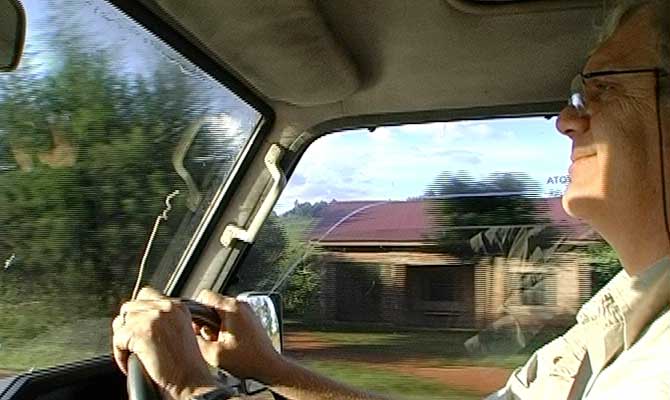
“The night whistles, the lake immense and still like a prairie, Tito Dal Lago waiting for us in the crowd, watchful and curly-haired, beneath a heavy moon among the eucalyptus trees. It is the whitest black I have ever seen; he would never leave his Uganda for any substitute Europe. He was born in Africa, ‘born free,’ he emphasizes, driving his off-road vehicle like a ranger.”
This is how the Italian writer Paolo Rumiz, described Tito Dal Lago in his novel Il bene ostinato.

Two eyes, clear and deeply blue, gazing at you from behind his glasses. They looked like his father’s, Professor Anacleto Dal Lago. A descreet man, one of few words, yet always available. One of those you could count on, at any moment, to solve problems and keep things running, with discretion and professionalism.

“Shock and profound sorrow. An enormous loss for the whole CUAMM,” says Fr. Dante Carraro. “Almost 40 years at CUAMM, a life lived WITH Africa. This was Tito Dal Lago. A great friend to everyone, a true point of reference, a real ‘African’ who loved Africa with all his life and his family. Thousands of people passed through that welcoming port that was his home in Kampala, on Ggaba Road, Kansanga, where you would have always found fruit salad and coffee.”

Born in Nkobu, Kenya, in 1955, where his father Anacleto and mother Bruna had moved shortly after their wedding, Tito Dal Lago loved Africa and CUAMM throughout his life. In the late 1980s, he began working in Uganda with his wife Nicoletta, where he continued to serve as the country’s administrative manager until today.

“I can only say good things about Tito, a great man, friendly with everyone, always available and available,” comments Antonio Sebben, CUAMM logistician and handyman who worked alongside Tito for over 20 years.

And Chiara Conti, Uganda desk officer, adds: “Tito and Nicoletta were the first to welcome us when my husband Matteo and I arrived in Uganda for the first time ever with our baby Gregorio in 2008. Every time I returned to them, I felt at home. ‘Papa Tito’: that’s what the whole staff in Uganda called him, because he was a reference point for everyone. In addition to his role as administrative manager, he also handled logistics, relations with the Italian embassy, and welcomed all newcomers to the country, following their journey and stay.”

With affection and deep esteem, he is remembered by Peter Lochoro, Country Manager in Uganda: “Tito Dal Lago, commonly called ‘Papa’ by colleagues in Uganda, was an essential figure in the country. Although CUAMM began operating in Uganda in 1958, it is thanks to Tito that its presence was strengthened from the mid-1980s, until it became what it is today: one of the main health NGOs in the country. Tito dedicated 40 of his 69 years to working for CUAMM in Uganda, a personal contribution of inestimable value. He was a point of reference, a source of advice and support for staff at all levels, which earned him the nickname Papa. He had an extraordinary ability to find solutions in a simple and straightforward way. We valued his competence across many different fields, which enabled him to give the right guidance for the challenges we faced. Drawing on his long experience, he always did everything with the humility and simplicity that distinguished him. The void Tito leaves behind is immense. I pray God that his soul may rest in peace.”

Tito Dal Lago passed away last night, around 11 p.m., suddenly and quietly, at home with his wife Nicoletta. He leaves the entire CUAMM family, from Africa to Italy, and all who knew him, with an immense void.

“We accompany him to Paradise with our prayer and express all our affection to Nicoletta, to his sons Francesco and Davide, and to his brother and sisters,” concludes Fr. Dante.

The funeral of Tito Dal Lago will be held on October 2 in Kampala. His ashes will then be brought back to Italy and laid to rest in Brendola, in the tomb where his parents Anacleto and Bruna rest. Director General Fr. Dante Carraro will be attending the funeral representing the embrace of all CUAMM.

A new blood bank for Karamoja

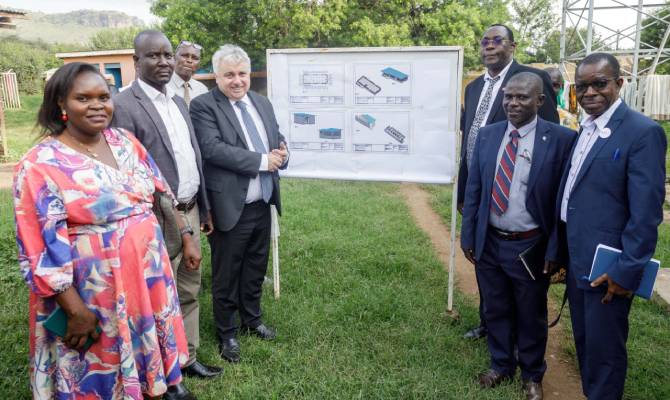
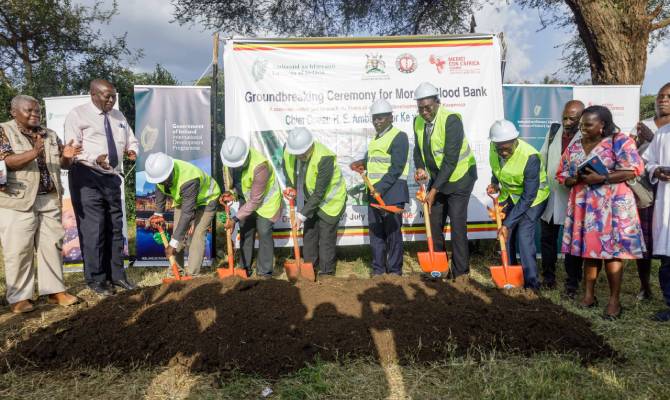
A groundbreaking ceremony was held yesterday 23rd July, 2025 at Moroto Regional Referral Hospital to mark the beginning of construction works for a new blood bank, a critical infrastructure project aimed at improving access to safe blood in the Karamoja sub-region. The project is being implemented by Doctors with Africa CUAMM, with funding support from the Embassy of Ireland in Uganda. This was in an event officiated by the Ambassador of Ireland to Uganda H. E. Kevin Colgan. Other dignitaries in presence were the Director of Health Services at the Ministry of Health in Uganda, Dr Okware Joseph, CUAMM Country Representative Dr Peter Lochoro, the hospital administration, representatives from the Uganda Blood Transfusion Services, Moroto district officials among others.

The construction of the blood bank comes as part of a broader initiative to strengthen health systems in underserved regions by CUAMM. Once completed, the facility will ensure timely availability of safe blood for patients in need, especially mothers experiencing complications during pregnancy and childbirth.

Speaking at the ceremony, Dr. Peter Lochoro, Country Representative of Doctors with Africa CUAMM, emphasized the importance of the facility:

“This blood bank is a culmination of a number of efforts tracking the pain gaps in Karamoja. With this, Moroto Regional Referral Hospital is increasing their rightful roles as a regional referral hospital. He recognized the district leadership of Moroto district for the warm relationship with donors and partners like CUAMM hence the good results that are being witnessed. He also appreciated the support from the Embassy of Ireland that has made all this possible through their generous funding.”

Dr Peter noted that with the initial blood collection, storage and distribution center, over 6600 people had been transfused in one year compared to the baseline of 5200 people. A 110% increase in transfusions for mothers who needed blood during pregnancy or delivery had also been noted reducing maternal death from 29 to 20 people in one year.

The Ambassador H. E. Kevin Colgan of the Embassy of Ireland also remarked:

“Access to safe, timely blood transfusion services is one of the most critical and too often overlooked components of an effective health system. It can mean the difference between life and death for a mother suffering postpartum haemorrhage, a child with severe anaemia or a trauma victim in urgent need of care. For a longtime, the lack of blood storage and supply capacity in Karamoja has limited the region’s ability to save lives. Today, we take an important step forward. This new blood bank will help ensure that life-saving blood is available when and where it is needed most. It is a symbol of hope and resilience for this region, and a major milestone in our shared journey towards equitable health care for all.”

He added that the Embassy was proud to support the new blood bank as part of that vision. To him, it is their belief that every mother deserves a safe birth, every child deserves a healthy start in life, and every health worker deserves the tools to provide quality care. The hospital administration and the district leadership welcomed the initiative, noting that the facility will help reduce maternal and child mortality rates and improve emergency response capacity in Karamoja. Previously, the region has struggled with frequent blood shortages, leading to preventable deaths and pledging their full support to ensure full utilization.

The 1.8 billion blood bank will include cold storage units, screening and processing laboratories, and donor facilities. Construction is expected to be completed within the next 5 months, and the facility will be staffed by trained personnel from the Ministry of Health with ongoing technical support from CUAMM.

In addition to the construction of the blood bank, a 200 million mothers’ waiting shelter will also be constructed. This facility will accommodate mothers whose babies are admitted to the Neonatal Intensive Care Unit, offering them shelter and dignity in place of the hospital verandas where they currently wait.

The groundbreaking for both facilities represents a major milestone in the journey toward a healthier Karamoja. As stakeholders reaffirm their commitment to sustainable healthcare, these projects stand as a testament to the power of effective partnerships between government, international donors, and implementing organizations in improving health outcomes in the region.


Refugees in Africa: those who stay, those who heal

While borders and barriers become stronger and stronger across Europe, in 2024, 73% of the world’s refugees found shelter in low- and middle-income countries.

Data are reported in the latest UNHCR report, published ahead of World Refugee Day to shed a light on the lives of people forced to flee.

Uganda is currently among the top hosting countries in Africa. With 1.8 million refugees, it ranks fifth globally and first in Africa. In Uganda’s West Nile region, most refugees come from South Sudan, Sudan, and the Democratic Republic of Congo.

“Conflicts are increasing, and people keep arriving in desperate, emergency conditions,” says Joseph Katetemera, CUAMM Project Manager in West Nile. “Uganda keeps its doors open, even though funding is rapidly declining. To date, overcrowding in camps is a serious issue, and USAID cuts have led to severe underfunding. People must rely solely on their own resilience to survive.”

CUAMM has been working to support refugees in the region since 2022, with the most recent project running through March 2025. The focus has been on providing primary health services, emergency obstetric care, and psychosocial support.

Over the last year alone: 2,777 women gave birth safely, over 14,500 people received care during 100 outreach sessions in villages, 1,042 patients accessed life-saving medications. Special attention was given to people with disabilities, with the construction of accessible latrines, provision of hygiene kits, and inclusive training sessions.

“One of the key achievements, I believe, is that we were able to perform more than 2,000 surgeries on refugees, including over 600 people blinded by cataracts,” says Katetemera. “The story that stays with me most is that of Atizuyo Gladys, a woman who had been blind for eighteen years. Because of her condition, she had lost everything—even the small shop she once ran to support herself. She was ostracized by the community, who believed she had been cursed. Only her family and husband stayed with her. I’ll never forget the day she regained her sight after the surgery: it was the day she saw her children’s faces for the very first time. She even reopened her small business, thanks to a fundraising effort organized in her support.”

Stories like that of Atizuyo give hope in a country where the situation remains critical and the strain is starting to show. And the pressure isn’t limited to Uganda— it also threatens countries like Ethiopia. In Gambella region, near the border with South Sudan, the crisis is deepening. The region currently hosts five refugee camps with over 375,000 South Sudanese, with an additional 50,000 arrivals due to the escalating conflict.

“The situation is truly dire: we’re trying to expand the camps because there’s simply no more space,” explains Daniel Frehun, CUAMM Area Manager in Gambella.
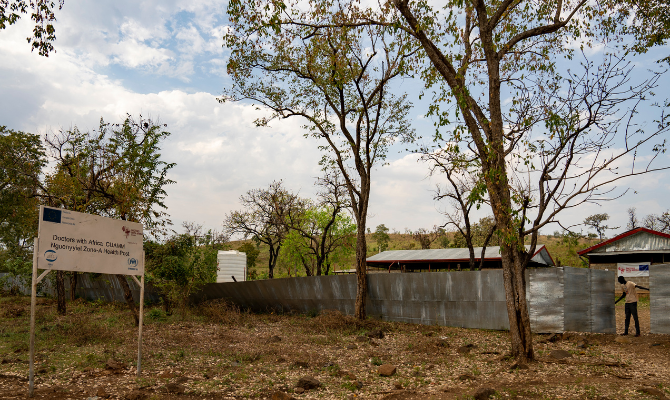
The camps are located in remote areas, often far from water sources and services. Yet CUAMM remains committed. Active in Gambella since 2018, CUAMM currently provides full healthcare services at two health posts in the Ngunyyiel camp and collaborates with community structures in three additional camps.

Activities include: health promotion, preventive care (vaccinations, nutritional screening), treatment, with special attention to women and children. A key initiative is the “tea talks”—informal gatherings led by community health workers, many of whom are refugees themselves, to raise awareness among women of reproductive age.

“These are moments when concerns surface, challenges are shared, and trust is built,” says Daniel.

In a context plagued by recurrent health emergencies—from cholera to the recent Mpox outbreak—the presence of trained personnel and consistent commitment becomes vital.

“Many partners are leaving, but we are staying. Even with fewer resources, we continue working side by side with the community.”

He closes with a message that goes beyond statistics:

“What has struck me most in these four years alongside refugees is their resilience and sense of humanity. I’ve witnessed profound suffering, caused by poverty and repeated health emergencies. Yet they’ve never stopped showing strength, gratitude, and hope. One mother in the Ngunyyiel camp even named her son after ‘CUAMM’, in gratitude for the care she received during her pregnancy.”


“Refugees are not just victims. They are mothers, fathers, and children who once lived in peace and still dream. Today, they continue to support their communities with dignity. We see them, we listen to them, and we walk alongside them.”
Blood bank as a lifeline in Karamoja

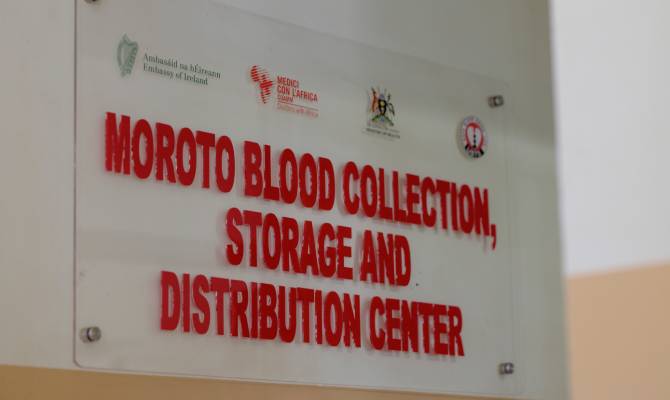
In a region historically plagued by severe blood shortages and high maternal and child mortality, a remarkable transformation is underway. Since the establishment of the Moroto Blood Bank in September 2022 the Karamoja subregion is witnessing tangible improvements in healthcare delivery—especially in emergency care and maternal health. The service was established by Doctors with Africa CUAMM with support from the Embassy of Ireland in Uganda (IrishAid) and serves as collection, storage, and sistribution centre in the region.

This facility, the first of its kind in Karamoja, has revolutionized blood transfusion services by dramatically reducing the distance and time required to obtain life-saving blood.

“Before the opening of the blood bank in Moroto, the hospitals in Karamoja relied on blood from Mbale (300 km away) and Nakasero (500 km), with delivery delays of up to five days. These delays often resulted in preventable deaths, particularly among mothers and children” said Dr. Lilly Achayo Boxtell – CUAMM Project Manager.

Thanks to the Moroto centre, which now serves nine transfusion sites across nine districts, blood is more accessible for Karamoja’s 1.4 million residents. Blood collection numbers have risen significantly—from 8,063 units in the first project phase (Nov 2021–Oct 2023) to 11,439 units in the ongoing second phase (Nov 2024–May 2025), with efforts still ongoing.

Results are being collected in terms of improved health outcomes. Maternal deaths in the region have dropped from 28 at baseline to 12 by October 2023. Nationally, Uganda’s Maternal Mortality Ratio has declined from 336 to 189 per 100,000 live births between 2016 and 2022, according to the Uganda Demographic and Health Survey. The under-five mortality rate in Karamoja has also decreased from 102 to 56 per 1,000 live births, in part due to the availability of safe blood for children suffering from severe malaria and anemia.

To ensure blood continues reaching those in need, Doctors with Africa CUAMM, together with the Ministry of Health Uganda, Uganda Blood Transfusion Services (UBTS), Moroto Regional Referral Hospital, district local governments, and local communities, have implemented a comprehensive strategy:

  • Community engagement through radio shows, community dialogues, educational dramas, donor testimonials, and information campaigns.
  • Mobile blood drives in public places like markets, schools, barracks, offices, and on occasion of cultural events like the Karamoja Cultural Gala.
  • Capacity building for healthcare workers through training, mentorship, and technical support.
  • Infrastructure development, including equipment procurement and installation at Moroto and the supported transfusion sites.

However, challenges remain: Karamoja’s cultural conservatism and sparse population contribute to low blood donation rates, especially among those unfamiliar with the practice. Addressing this requires ongoing community sensitization and storytelling, highlighting real-life success stories and the power of donation to save lives.

“Blood donation in Karamoja is more than a medical act—it’s an act of solidarity. Every unit collected is a life preserved,” said Dr. Lilly Achayo Boxtell.

As this vital work continues, CUAMM remains committed to ensuring no mother or child dies for lack of blood, standing with the people of Karamoja to strengthen the region’s health system, one drop at a time.