Innovating to Advance Better Health Outcomes Beira’s New Learning Hub

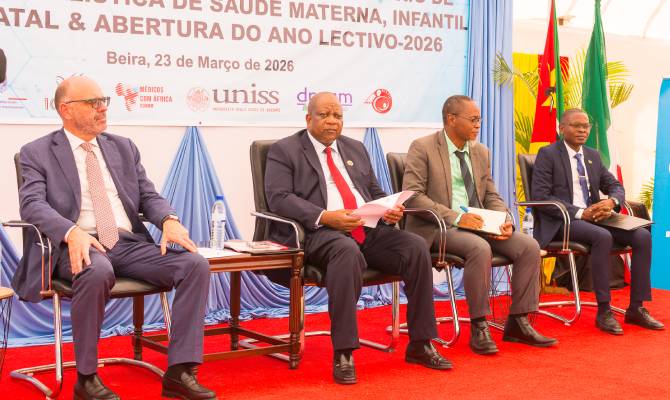
At the Beira Health Sciences Institute, in Sofala Province, Mozambique, we inaugurated this week a new training and simulation center for maternal and child healthcare. This is not just a classroom, but a cutting-edge hub—a model of training designed to offer students, faculty, and healthcare staff a new experience in learning and continuous professional development.

Among the attendees at the ceremony were the Italian Ambassador to Mozambique, Gabriele Annis, Secretary of State Manuel Rodrigues Alberto, and Sérgio António Rodrigues Chicumbe, National Director of the Health Professional Training Program at the Ministry of Health.

“The health sector has always been a priority for Italian cooperation: it is a tradition we are proud of, guiding our commitment to ensure quality healthcare for all. For Italy and the Mattei Plan, maternal and child health is the top priority. I thank the Secretary of State, the National Health Directorate, the Beira Health Sciences Institute, the University of Sassari, CUAMM, and all those who contributed to this achievement. The true value of this classroom will be realized when it is actively used to train and inspire new generations of health professionals,” said Gabriele Annis, Italian Ambassador to Mozambique.

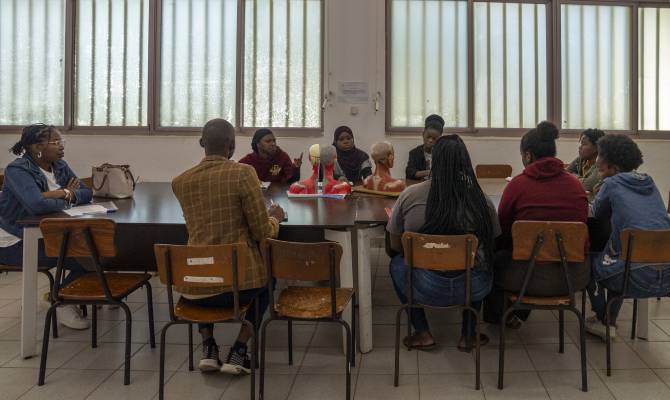
The newly inaugurated center, the second of its kind in the country, will now serve Sofala Province and represents the first national laboratory dedicated exclusively to maternal and neonatal health technicians. It provides a space where students in the professional neonatal nursing course can practice clinical cases they will encounter in daily work. The equipment supplied includes mannequins, cribs, incubators, scales, neonatal resuscitation devices, and much more.

The course is a one-year training program offered by CUAMM and recognized by the National Directorate for Health Personnel Training, now in its second edition. Last year, 20 professionals participated: 15 nurses from Beira Central Hospital (usually working in neonatal intensive care or delivery wards), 3 nurses from Beira General Hospital, and 2 nurses from Nhamatanda Rural Hospital.

The inauguration of this new space is part of a project funded by Italian Cooperation and implemented by CUAMM in partnership with the Community of Sant’Egidio and Aispo, under the guidance of the University of Sassari and in collaboration with the Ministry of Health of Mozambique. The project aims to support healthcare worker training, enhance the clinical and managerial skills of health authorities, and strengthen the health system, including through innovative tools such as telemedicine.

Thanks to the technology available in the center, participants will have access to a wide digital library and the ability to communicate with experts worldwide on maternal and child health. This facilitates the sharing of knowledge and best practices and helps create and strengthen lasting partnerships.

“This space is pioneering. We are delivering a beacon of hope, a pillar for maternal and child health in the country,” said Secretary of State Manuel Rodrigues Alberto.
 

Mozambique Turns Pink for Women’s Health

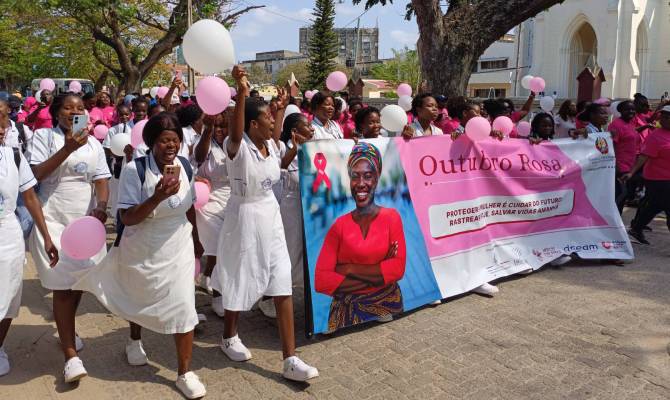
This past weekend, Mozambique was awash in shades of pink as CUAMM teams in the provinces of Zambézia and Sofala joined the world in celebrating Outubro Rosa – Pink October, the annual campaign dedicated to raising awareness about breast and cervical cancer.

Under the theme “Protecting women is caring for the future: screen today, save lives tomorrow!”, communities came together to promote prevention, early diagnosis, and women’s well-being through two vibrant days of activity.

In Quelimane, Zambezia province, the Provincial Health Department led a celebration hosted at Licungo University, where participants—including students, teachers, and health professionals—engaged in open discussions about risk factors, warning signs, prevention, and treatment pathways.

The event was attended by high-level representatives, including the First Ladies of the Province and District, university leaders, and local health authorities. The day featured educational talks on cervical and breast cancer, led by qualified health experts, alongside cultural performances by the Nhambaro group, exhibitions of local health services, and closing remarks from the Provincial First Lady, who underscored the importance of prevention as a collective responsibility.

Meanwhile, in Beira, a pink wave of energy filled the streets as women and men marched together towards a large health fair held at the city’s sports pavilion. The event combined aerobics sessions, free screenings, theatre performances, and community dialogues, turning awareness into action.

These activities were part of the noncommunicable diseases (NCDs) project, led by CUAMM in partnership with AIFO and ACAP – Sant’Egidio, and supported by the Italian Agency for Development Cooperation (AICS).

Prevention is at the heart of this new initiative, which builds on the experience developed with the support of AICS and aims to consolidate the progress achieved while expanding its impact across the provinces of Maputo, Sofala, and Zambezia. The intervention seeks to strengthen the Mozambican health system’s response to non-communicable diseases (NCDs) – such as hypertension, diabetes, and cervical cancer – which are among the leading causes of morbidity, disability, and mortality in the country.

This renewed commitment now involves 20 health units, including 14 that were already part of the previous phase and 6 newly added ones, along with three referral hospitals responsible for managing the most complex cases. The activities focus on improving access to quality prevention, diagnosis, and treatment services by enhancing human and material resources, reducing architectural barriers, and ensuring continuity of care. At the same time, the project will strengthen the capacity of the Mozambican Ministry of Health (MISAU) in epidemiological surveillance and NCD monitoring, contributing to better data collection and use to inform national health policies.

Pink October underscores the vital importance of prevention and early detection in the fight against breast and cervical cancer, as they greatly increase the chances of a successful and complete recovery. By raising awareness of risk factors, encouraging regular screenings such as mammograms, and fostering open conversations that break down fear and stigma, we can empower individuals to take charge of their health. These efforts are especially critical in vulnerable and resource-limited settings, where access to timely care can make the difference between life and loss.

Advanced Training in Mozambique Second edition

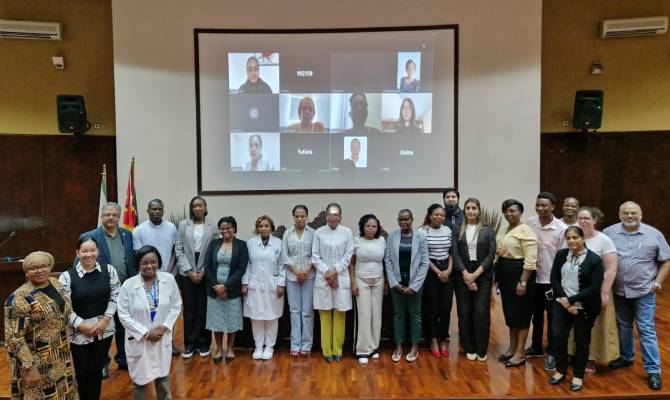
An official ceremony at Eduardo Mondlane University in Maputo marked the start of the academic year for the Master’s in Pediatric and Neonatal Emergencies, promoted by the same university in collaboration with the University of Padua, the Catholic University of Mozambique (UCM), and coordinated by Doctors with Africa Cuamm.

Launched for the first time in the autumn of 2022, the Master’s program has now reached its second edition. It offers an important opportunity for advanced training and hands-on field learning for the 15 professionals admitted. All participants come from medical backgrounds: nine are technicians and nurses, and six are doctors with training in pediatrics and neonatology.

They come from different provinces of Mozambique — Nampula, Zambézia, Manica, Sofala, and Maputo — and share the goal of strengthening their skills to improve the quality of care for children and newborns in the country’s health facilities.

During the ceremony, Professor Jahit Sacarlal, Dean of the Faculty of Medicine at UEM, emphasized that the program aims to train professionals capable not only of acting in clinical settings but also of developing strong research skills:

“This master’s program will stimulate scientific production through new insights and provide students with the tools to conduct field research, critically analyze evidence, and propose innovative solutions. It is an opportunity to enhance their ability to research, observe, and understand the real needs of the health system.”

Professor Daniele Trevisanuto, from the University of Padua and Director of the Master’s program, also expressed satisfaction at the start of the new academic year:

“I extend my best wishes to the students and professionals embarking on this journey. Their motivation and commitment are a tangible sign of dedication to improving neonatal and child care in Mozambique.”

The ceremony was also attended by Dr. Tufaria Mussà, from the Faculty of Medicine at UEM, and Dr. Kajal, representing UCM Beira, who both highlighted the importance of inter-university collaboration and the strengthening of specialized training in the country.

During the event, students had the opportunity to introduce themselves, expressing enthusiasm and gratitude for the chance to join such a high-level program that integrates theory, practice, and field research.

This course, funded by the Italian Ministry of University and Research (MUR), represents a significant step in strengthening pediatric and neonatal competencies in Mozambique and stands as a virtuous example of collaboration between Mozambican and Italian academic institutions. Investing in the training of qualified professionals means laying the foundations for a stronger health system capable of effectively responding to emergencies and ensuring every child’s right to quality care.

Beira Advancing Medical Training and Care

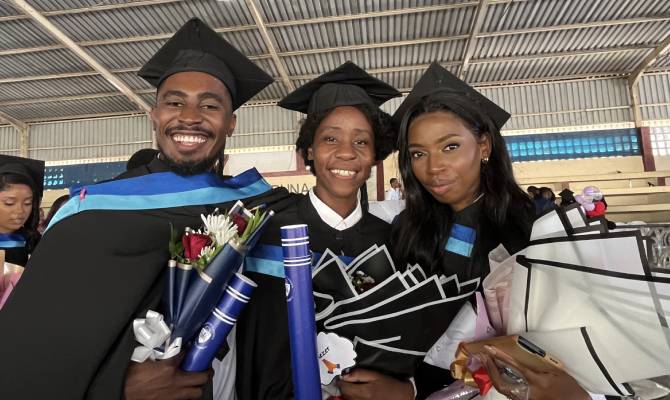
As every year, September is a long-awaited moment in Beira. The month of new beginnings is, for medical graduates of the Catholic University of Mozambique – UCM, the conclusion of a journey made of study and determination.

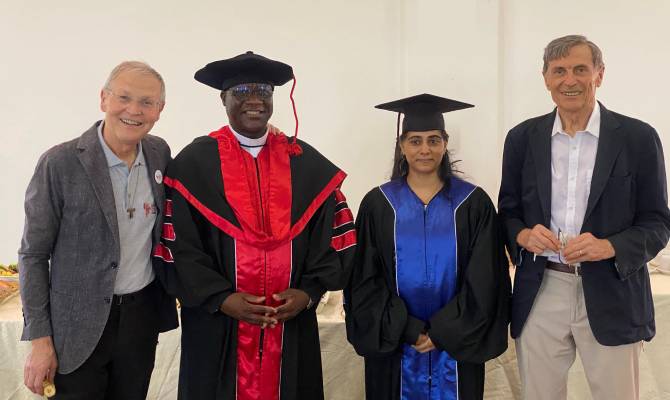
This year, UCM awarded medical diplomas to as many as 57 young men and women who nurtured the dream of caring for the weakest, the vulnerable, and the sick. And, as every year since 2007, Doctors with Africa CUAMM has helped some of them achieve that dream. Seven CUAMM scholarship students—six women and one man—pursued their studies with perseverance and determination, reaching this important milestone today.

“With this ceremony, we celebrate a story of resilience, dedication, and hope. This is not the conclusion of a cycle of studies, but the beginning of a new chapter of service to the Mozambican community,” said the Dean, Father Filipe Sungo.

The city comes to a halt on this festive morning. Traffic is congested in the Palmeiras neighborhood, while students in academic gowns are accompanied by family and friends. Elegant outfits, flowers, and colorful decorations abound, as in any proper graduation ceremony. The students are euphoric: between posed photos, chants, and dances, we too are swept up in the contagious joy. The same joy that every year reminds us how important it is to build together a future of opportunities for young people and of healthcare for the country.

Doctors with Africa CUAMM began supporting the Catholic University of Mozambique from its foundation in 1995, contributing to the establishment of the Faculty of Medicine—the second in the country. Since 2007, the year the first class of aspiring doctors graduated, CUAMM has continued to support the teaching activities of UCM’s Faculty of Medicine. Over the years, this collaboration has grown stronger and richer. Today, we work together on the faculty’s syllabus, internship opportunities at Beira Central Hospital, and research projects.

As further proof of this strong and long-lasting partnership, another important milestone has been achieved: the opening of the Maternity Ward of UCM’s Faculty of Health Sciences. The facility was inaugurated on Thursday, September 4, in an official ceremony attended by the Minister of Health, Dr. Ussene Hilario Isse, the Bishop of Beira, Don Claudio Dalla Zuanna, the Rector, Father Filipe Sungo, and a delegation from the MartaLive Foundation. The ward has a dual purpose: to address and manage maternal care needs in the area, and to contribute to the training of UCM’s students.

“The inauguration of the new maternity ward at the Catholic University of Mozambique is not just the delivery of a healthcare facility, but the concrete result of collaborative work, a shared commitment that brings together institutions, universities, donors, and civil society. In other words, it is the fruit of synergy, which has always been at the core of our work,” said Giovanni Putoto, CUAMM’s Head of Planning and Operational Research.

The 560 m² facility, dedicated to maternal and child health services, is expected to handle around 1,400 deliveries per year and 100 prenatal visits per month, effectively expanding the prenatal services previously provided only by the San Luca Center.

“This Maternity Ward was built in memory of Marta, thanks to the collaboration between the MartaLive Foundation and CUAMM – Doctors with Africa. I am very pleased and moved to be here with you today, and I am honored by the presence of so many authorities. I sincerely thank them for joining this significant and meaningful event for us,” said a visibly moved Costantino Nurizzo, President of the MartaLive Foundation.

The maternity unit at the San Luca Center will not only be a place of care but also a space for learning, professional growth, and research. It will not only provide medical treatment and skill development but will also serve as a concrete tool to improve the quality of health services available to the community.

“Today is a historic day for Mozambique. The maternity ward we are inaugurating perfectly represents the vision of the Ministry of Health and our commitment to decentralize maternal and child health services at the peripheral level, ensuring what we call ‘proximity healthcare,’” said Dr. Ussene Hilario Isse, Mozambique’s Minister of Health.

Growing together

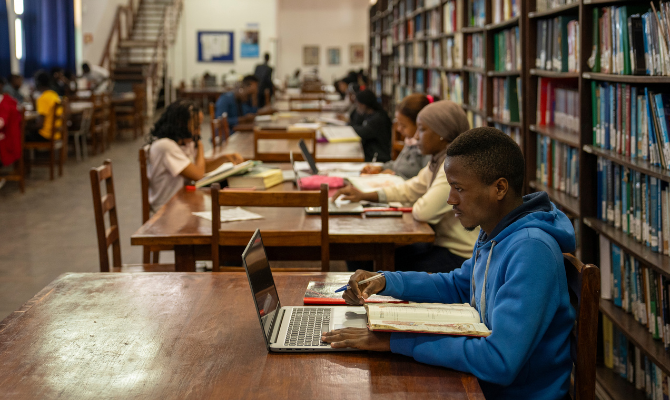
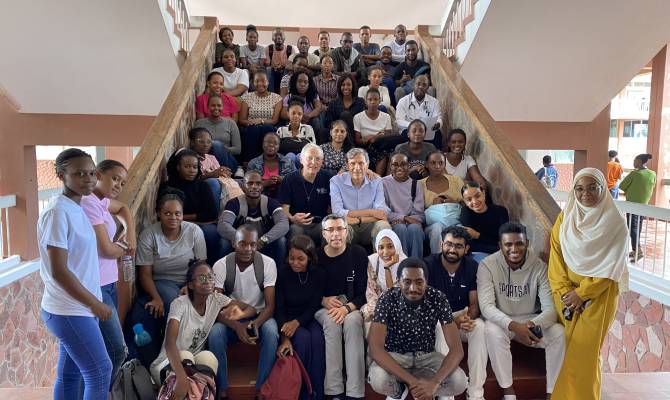
In one of Mozambique’s youngest and most dynamic cities—Beira—the Catholic University (Universidade Católica de Moçambique, UCM) isn’t just an institution for higher learning: it’s a vibrant laboratory of ideas, exchange, and growth which is courageously and pragmatically shaping the future of health. Here, a new generation of doctors and nurses is being educated and trained, alongside the dedicated work of Doctors with Africa CUAMM.

We have heard about it from the testemony of Dr. Francesco Segala, from Turin, and Federica Penco, nurse from Genoa—who have been working hand-in-hand with the university since November and April respectively, thanks to a CUAMM-supported project.

“It’s a formative experience even for me, despite being here to teach,” Francesco shares.
“Our office is inside the university. We live the dynamics of a centre of excellence from within—one that a great many Catholic universities in Africa and the Lusophone world look to as a point of reference.”

UCM’s pedagogical method is innovative: designed around the so-called “based learning” approach, it places students at the centre of the educational process. Small tutor‑led groups guide them step by step.

For Federica—working in an academic setting for the first time—the welcome has been warm:

“My colleagues and the students involved me right away. Despite my imperfect Portuguese, they correct me, support me, listen to me—and they ask me to contribute my own experience.”

One of UCM’s most pioneering initiatives is the Saúde Familiar programme—launched over twenty years ago: from the very first year, each student is assigned to five or six families in the bairro of Chipangara, located right across the campus. These are communities often lacking electricity or running water, exposed to infectious diseases and severe health vulnerabilities. Over a four-year period, students follow these family units: they visit them, record health issues, and accompany them—if needed—to local health centres.

“It’s a powerful message to send students into the most disadvantaged neighbourhoods to knock on doors and ask, ‘How are you? What’s going on here? How are your children?’ ” Francesco explains.
“I’ve never seen anything like this at a Western university. It’s a lesson in medicine and humanity rolled into one.”

Starting this September—and thanks to CUAMM’s support—the project will be enriched with a new research activity: a prospective cohort study to monitor key poverty-related infectious diseases—HIV, malaria, tuberculosis, schistosomiasis, helminthiasis. The goal: produce an up-to-date snapshot and design targeted future interventions. But the transformation is already underway.

“Being part of Mozambique’s nursing revolution is both a beautiful and necessary challenge,” Federica admits.
“UCM graduated its first nursing cohort only in 2009, but today the profession is gaining recognition and autonomy. Here, a new generation of care professionals is being built. And step by step, real change is happening.

A classroom to disrupt HIV stigma

“Studying medicine is a social responsibility to these students. In that sense, The Catholic University of Mozambique – UCM supports them throughout their academic career both professionally and personally. One day, they won’t just be the health professionals of Mozambique but also responsible citizens, active members of their community.”

Francesco Segala – infectious disease specialist, arrived in Beira in November. He serves as coordinator for relations between CUAMM and UCM. In recent months, upon request from UCM’s pedagogical board, Francesco took charge of the infectious diseases module, working in the classroom with third-year students and supporting them as a tutor.

It was an opportunity to understand how the educational structure functions, how practical activities are defined, but above all, to build relationships with the students.

“As tutors and professors, we have a duty to nurture in them a sense of responsibility that will be essential in their medical profession,” says Francesco. “It’s truly a joy when you realize you’ve succeeded.”

Francesco truly did succeed, in his own way. He realized this a few weeks ago when he engaged his class in a focus group on the issue of HIV-related stigma.

“It’s extremely important to talk about it, because stigma ends up compromising the social aspects of everyone’s life, with serious consequences for the mental health of those living with the virus,” explains Francesco. He continues: “I started by sharing my own experience, and admitting that, without really realizing it, I too was influenced by stigma for a long time. It’s a fact that an HIV test is scarier than a complete blood count (CBC) which is considered “just a blood test” — but why?”

Mozambique is one of the countries with the highest number of people living with HIV. According to UNAIDS data (2025), there are about 2.4 million people, of which 2 million are on antiretroviral therapy.

“Knowing your HIV status is essential in order to live with the virus and prevent transmission. Moreover, antiretroviral therapy is simple: you just have to take one pill a day. That’s enough to reduce the viral load to zero, with adherence to treatment over time.”

And yet, the fear of the virus is real, especially among young people. Francesco tackled it in a university classroom, creating a safe space for his students.

“The class already knew about HIV from a clinical standpoint — they had studied it in lectures,” Francesco explains. “They didn’t need me to tell them how the virus is transmitted or how the therapy works. What I hoped to do — and what we managed to achieve together — was to create a open debate like a confession. In that way, we were able to see that the stigma was right there, among us.  Despite it being difficult, we now know that overcoming the taboo and disrupting the stigma is possible through awareness”.

UCM and CUAMM 30 years of cooperation

A day of celebration, opened with an official ceremony to inaugurate the new academic year but, above all, to celebrate the thirtieth anniversary of the founding of the Catholic University of Mozambique. A ceremony held today, Friday, March 14, in Beira, in the presence of the rector Father Filipe Sungo, Bishop Dalla Zuanna, the municipal authorities, and the university’s academic community. A CUAMM delegation attended the event including the director Father Dante Carraro, accompanied by Professor Alberto Mantovani, Father Lorenzo Piva, and Father Matteo Fornasiero, priests of the Diocese of Padua; Emilio Agosti, a friend and supporter of Cuamm; Stefano Bassanese, head of the Cuamm college, who joined Cuamm cooperants Francesco Vladimiro Segala and Giorgia Gelfi, already present in the field.

“Today is not the day I want to list the many initiatives in which Cuamm collaborates and supports the Catholic University of Beira,” said Father Dante Carraro – CUAMM Director General in his speech. “Rather, I would like to acknowledge a valuable aspect of this university, which is its strong connection to the community. Individual careers and money are certainly important, but science, research, and expertise must not forget to serve the poorest and most vulnerable.”

Also present at the ceremony, alongside the director Father Dante Carraro, was Professor Alberto Mantovani – Scientific Director at Humanitas. In the framework of the collaboration between CUAMM and UCM, Prof. Mantovani has visited Beira several times in recent years, giving lectures at the Faculty of Medicine.

“It is a privilege to be here for the third time and to celebrate an important anniversary that looks to the future,” said Professor Mantovani. “The future begins right here, where knowledge is built and shared.”

A construction that has lasted thirty years, during which the Catholic University of Mozambique has developed an educational project that today stands out at national level for its scientific rigor, innovation, internationalization, and certainly for its human values.

“Since its founding in 1995, UCM has responded to educational challenges with rigor and innovation, with the firm intention of forming upright citizens. We do not only want well-prepared and highly qualified professionals in their fields, but also leaders committed to the common good,” said the rector, Father Filipe Sungo.

The bishop of Beira, Claudio Dalla Zuanna, also reinforced the importance of the human dimension. Echoing the words of Pope Francis, he said: “The university is certainly a place where science is cultivated with seriousness and rigor, but it is also where hearts and minds bloom not only for academic results but for generously serving humanity. The university cannot be an ivory tower must be able to listen to society, accept challenges, and offer answers.”

Timeline

It was in 1995 that the Catholic University of Mozambique (UCM) was inaugurated in the city of Beira, the second university in the country, about 1,500 km from the capital, Maputo. A few years later, also with the support of Doctors with Africa CUAMM and thanks to over a decade of collaboration with the city’s health authorities, the Faculty of Medicine of the Catholic University of Mozambique was established.

Starting by designing and teaching the Anatomy, Surgery and Internal Medicine course in 2004, CUAMM’s commitment alongside the Faculty of Medicine of UCM has never ceased; on the contrary, it has grown over time.

On August 25, 2007 we participated in the very first graduation ceremony for the first class of aspiring doctors in Beira. “A historic date for the entire country,” as defined by the university’s rector, Father Alberto Ferreira. Indeed, these were the first students trained outside the capital, Maputo, in the central-northern region of the country, where at the time there was only one doctor for every 100,000 inhabitants.

It was not an endpoint but a crucial milestone on which we continued to build a solid and lasting collaboration that over the years has involved numerous partners. From the Municipality of Padua to the city’s Hospital Authority, from the Veneto Region to the Savings Bank of Padua and Rovigo, and the Cariparo Foundation, with everyone’s support, we have ensured teaching support and intensified our commitment. We have ensured maintenance on facilities (classrooms, laboratories), provided educational materials (books, computers, etc.), offered internship opportunities at the Central Hospital (HCB), awarded scholarships to deserving students, supported research projects, and consolidated our collaboration on the faculty’s syllabus.

«For years, Cuamm has collaborated, in synergy with the pedagogical direction, on the curriculum of the Faculty of Medicine,» explains Francesco Segala, a Cuamm doctor and head of relations with UCM. «Through this collaboration, we continue to ensure the delivery of some of the teaching modules included in the students’ curriculum through the dispatch of international experts on short missions, in collaboration with the Universities of Padua and, more recently, Bari. This year, for the first time, the entire infectious diseases module was taught by a Cuamm doctor, and it was a very profound experience for me, both professionally and personally.»

From 2007 to date, over 500 students have graduated at the Faculty of Medicine at UCM thanks to the financial support of CUAMM. Professionals and human resources for a country historically lacking qualified health personnel.

Among the latest results of this historic collaboration is a new training proposal: the first and only advanced training program in Mozambique aimed at healthcare professionals, including doctors and nurses, who now have the opportunity to specialize in pediatric and neonatal emergencies with international experts. Supported by the Italian Ministry of Education (MIUR), the program is the result of then collaboration between CUAMM, the University of Padua, the Catholic University of Mozambique, and the Eduardo Mondlane University of Maputo.


Enhanced solidarity to support Beira neonatology

Solidarity does go beyond borders creating a feeling of closeness, sharing and support towards people in need, no matter where.

Moved by this value, the Godolphin and Latymer School in London has recently organized and hosted a fundraising initiative promoted by its own student and aimed to raise money for Doctors with Africa CUAMM UK.

Through this inititive, the Godolphin and Latymer School has contributed to CUAMM’s mission to serve vulnerable mothers and children in sub-Saharan Africa. The funds will in fact contribute to supporting the neonatology ward at Beira Central Hospital (HCB) in Mozambique, a second-level facility that serves a total population of nearly 2 million people and where some 6,000 births are perfomed annually.

Doctors with Africa CUAMM started supporting HCB in 2002 and has been working there ever since.

On 14 March 2019 Tropical Cyclone Idai, a category 4 storm, made landfall during the night above Beira city, causing massive damage due to high winds of more than 195km/h. As a result of the devastating impact of the storm, the neonatology ward at Beira central hospital got completely destroyed. While deliverying the emergency response, CUAMM also committed to the reconstruction of the ward which was inhaugurated and handed over to the Ministry of Health on May 2021.

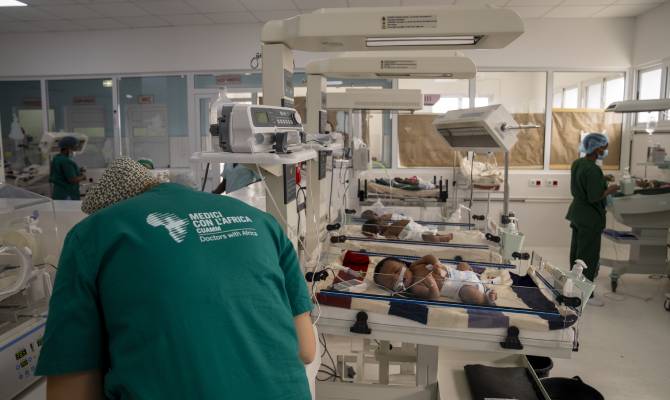
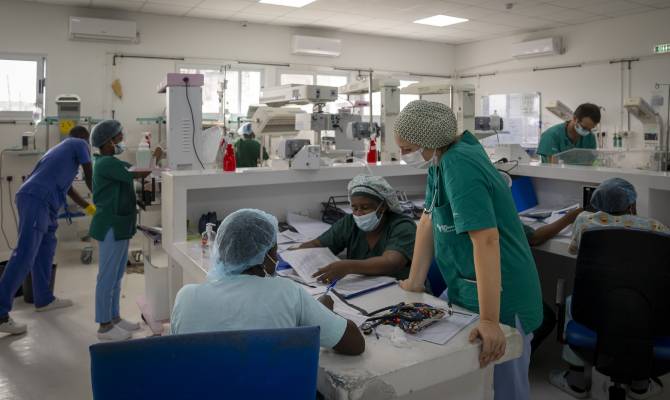
Today, the fully-renovated neonatology is a 600 square meters space with 17 cribs, 22 beds and a neonatal intensive care unit (NICU) where quality assistance is provided to newborns from 0 to 28 days.

The facility is a reference centre for Mozambican mothers as it stands out for the maternal and neonatal services provided through CUAMM’s support.


Validated plans for the management of medical emergencies

Effectively and promptly managing emergencies is crucial, especially when it comes to obstetric and neonatal emergencies. For this reason, Doctors with Africa CUAMM in collaboration with Mr. Paolo Rosi, SUEM Coordinator at Regione Veneto, has developed two emergency plans and an operational plan as part of the UR-Beira project. A workshop held on on Wednesday, January 28 gave the occasion to present and discuss the plans with local authorities from both Beira district and Sofala province. The meeting was also attended by project partners, namely the District Health, Women, and Social Action Service (SDSMAS), the Beira Central Hospital (HCB), and the Mozambique Medical Emergency Service (SEMMO).

The Internal Emergency Plan for the management of a Mass Casualty Incident, the Hospital Emergency Plan, and the Medical Emergency Operational Plan for the Beira district were drafted by a group of experts from Veneto Region. These plans were then reviewed by the staff of Beira Central Hospital, who adapted them to the real needs, ensuring the sustainability of the service. Already shared with relevant authorities, health centers, and healthcare and paramedical personnel involved, these plans will help improve emergency service planning, management, and coordination in the Beira district. They will also enhance the quality of clinical and organizational emergency services and facilitate access to emergency care through the adoption of a validated emergency management model at the district, provincial, and national levels.

“In terms of both sustainability and collaboration, the emergency management plans that we present today with a focus on sustainability and strong collaboration,” said Donata Dalla Riva, Area Manager in the province of Sofala. “The validation and adoption of these tools by health authorities demonstrate the importance of local ownership, which is essential to ensuring the future of the service.”

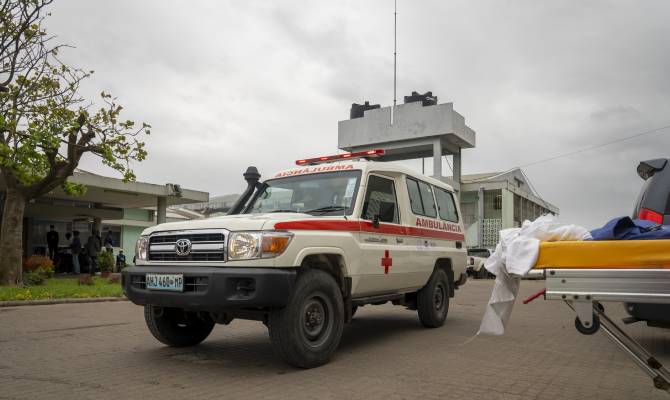
The meeting also served as an opportunity to present some key results. Launched in February 2022 with the deployment of two vehicles, the service now operates with four ambulances, a emergency operations center, and three management plans. In terms of human resources, the medical emergency service counts on 8 operators managing call flows at the control center set up within the 24 de Julho Hospital, as well as 18 nurses and 18 drivers.

“It was in 2019 when Cyclone Idai hit Beira that it became clear that the city of Beira needed an emergency management system,” said Dr. Neusa Rosalina Joel, Director of the Sofala Provincial Health Directorate (DPS). “Today, we are pleased to witness how this project has increasingly served and benefited our community, to the point where we now have four ambulances, which significantly reduce transfer times and, consequently, the mortality rate, particularly for obstetric and neonatal emergencies.”

In nearly three years of activity, the ambulances have completed over 26,000 transfers, averaging 752 per month. Obstetric emergencies top the list, accounting for 38% of cases referred to HCB, followed by medical emergencies (28%) and pediatric and neonatal emergencies (24%).

“Today, we conclude three years of commitment to strengthening medical emergency services in the city of Beira,” said Marcello Mazzotta, CUAMM Project Manager. “This meeting has demonstrated not only the effectiveness of the service but also the strong engagement of local partners, who are determined to create the right conditions to gradually take over the medical emergency management system, which is now a model for the Country.”

UR-BEIRA: Strengthening Medical Emergency Services in the City of Beira is a project funded by the Italian Agency for Development Cooperation and implemented by Medici con l’Africa Cuamm in partnership with the Veneto Region, the Beira District Health Service, the Medical Emergency Service of the Ministry of Health of Mozambique, Ca’ Foscari University of Venice, Beira Central Hospital, and P.O. Croce Verde of Padua.

Improving access to HIV services among adolescents

Mozambique is one of the African countries with the highest HIV prevalence, with a national average of 11.5% (UNAIDS 2020). As of 2020, 2.1 million people were estimated to be living with HIV in Mozambique, with a higher prevalence among adolescent girls (ages 15-19) and young women (ages 20-24).

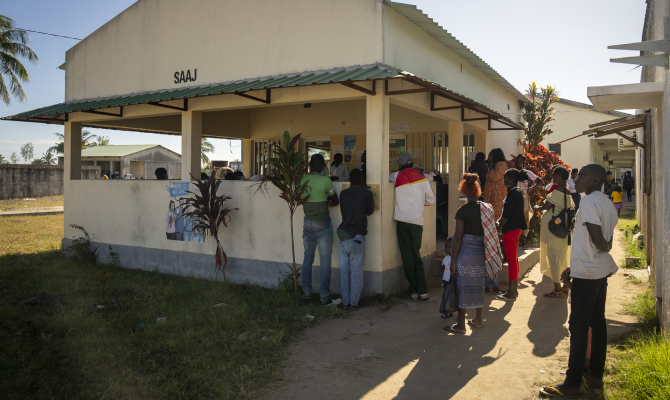
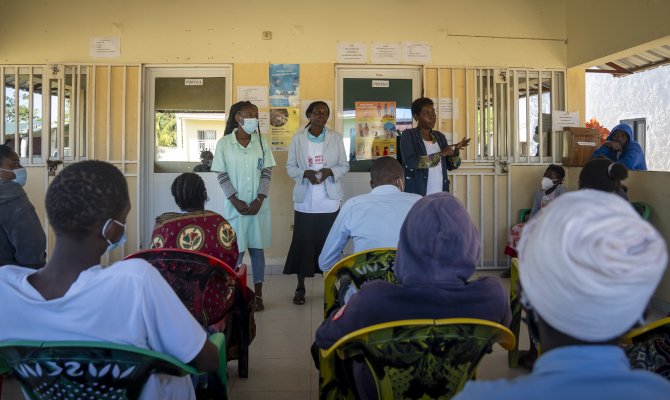
Youth and adolescents were the direct recipients of an intervention planned to improve access to HIV services in 9 SAAJs (Serviço Amigo do Adolescente e Jovem) in Beira city and Nhamatanda district. Implemented by CUAMM with the support from Manos Unidas, the intervention aimed to educate young people/adolescents (ages 10-24) about safe sexual behaviours, encourage (voluntary) HIV testing, improve access to and quality of HIV healthcare services for adolescents/youth, and ensure adherence to ART, particularly for pregnant and breastfeeding HIV-positive women.

To enhance access to sexual and reproductive health services (SRH) and reduce HIV incidence among adolescents/youth, CUAMM has used an approach based on integrating different levels of intervention, namely health units (SAAJs) and communities, creating links between counselling, testing, and treatment and engaging local peer-to-peer associations and community based organizations (CBOs).

«So many people around us are widely considered crazy and excluded from the community with severe consequences on their life. What is not known is that people are not crazy, they are just going through something difficult and may not be able to cope with it. That is why mental health is important and caring, accepting and supporting the suffering others are experiencing can help them healing» Marina Castaneja – activist from Kuplumussana Association.

The intervention’s objectives were designed to meet the programmatic priorities and targets established by the Government of Mozambique in the National HIV Response Plan. The activities, carried out in collaboration with local authorities both at provincial and district level, showed positive results. In the last 13 months alone, a total of 44.858 HIV tests were performed allowing to detect 404 new HIV positive cases. Despite an early 28% of people in TARV who abandoned the follow-up, 98% of them returned to the treatment thanks to the collaboration with CBOs and peer-to-peer activities.

In addition to the three components previously integrated to the approach, namely involvement of clinical officers, participation of CBOs and provision of mental health and psychosocial support (MHPSS) for patients in TARV, the main activities implemented focused on:

1) Strengthening access to and quality of HIV services (SAAJs) in the Beira and Nhamatanda Districts,

2) Increasing HIV and SRH knowledge and awareness among adolescents in the target area,

3) Improving the Health Information System.

The project did not fail to include trainings as a tool to enhance competencies among professionals, thus ensure the sustainability of the intervention over time. Health professionals/managers got involved in training sessions to foster their capacities in case diagnosis and management as well as data collection and analysis skills.

Despite the country in the last years made progress on HIV and AIDS (UNAIDS) 95-95-95 goals, with 82% of PLHIV aware of their status, gaps remain among adolescents. Estimates suggest that Mozambique has 98,328 new HIV infections annually, and 28.7%, (28,220) are among adolescent girls and young women compared to 11.4% (11,209) among men in the same age group. Within Mozambique, the Province of Sofala is one of the worst in the country for HIV prevalence, which stands at 16,3 % (IMASIDA).

«We have to keep working with the youth because they are extremely fragile. Adolescents are highly sensitive to peer values and opinions, being accepted is in fact a key component of the phase they are living. Due to stigmatization and discrimination related to HIV, by receiving a positive diagnosis young people can experience panic and depression. We have to support them and help them cope with the diagnosis not only from a medical perspective but also psychological» said Hamilton Cardoso – CUAMM psychologist.

Since 2014, Doctors with Africa CUAMM has been implementing a patient-centered HIV case management system, with a focus on supporting adherence of HIV+ pregnant adolescent girls and tracking defaulter patients. Moreover, a new service of MHPSS was introduced lately in order to respond to the negative consequences on the mental wellbeing of adolescent and young people due to the impact of disasters and emergencies like Cyclone IDAI and the Covid Pandemics. Indeed, in a study conducted with more than 2,000 adolescents and young adults in Beira, CUAMM found that approximately 54 were positive at least at one screening tool for anxiety, depression, PTSD (Post Traumatic Stress Disorder) and drugs-alcohol abuse.