World Breastfeeding Week: Giving Every Child the Best Possible Start in Life

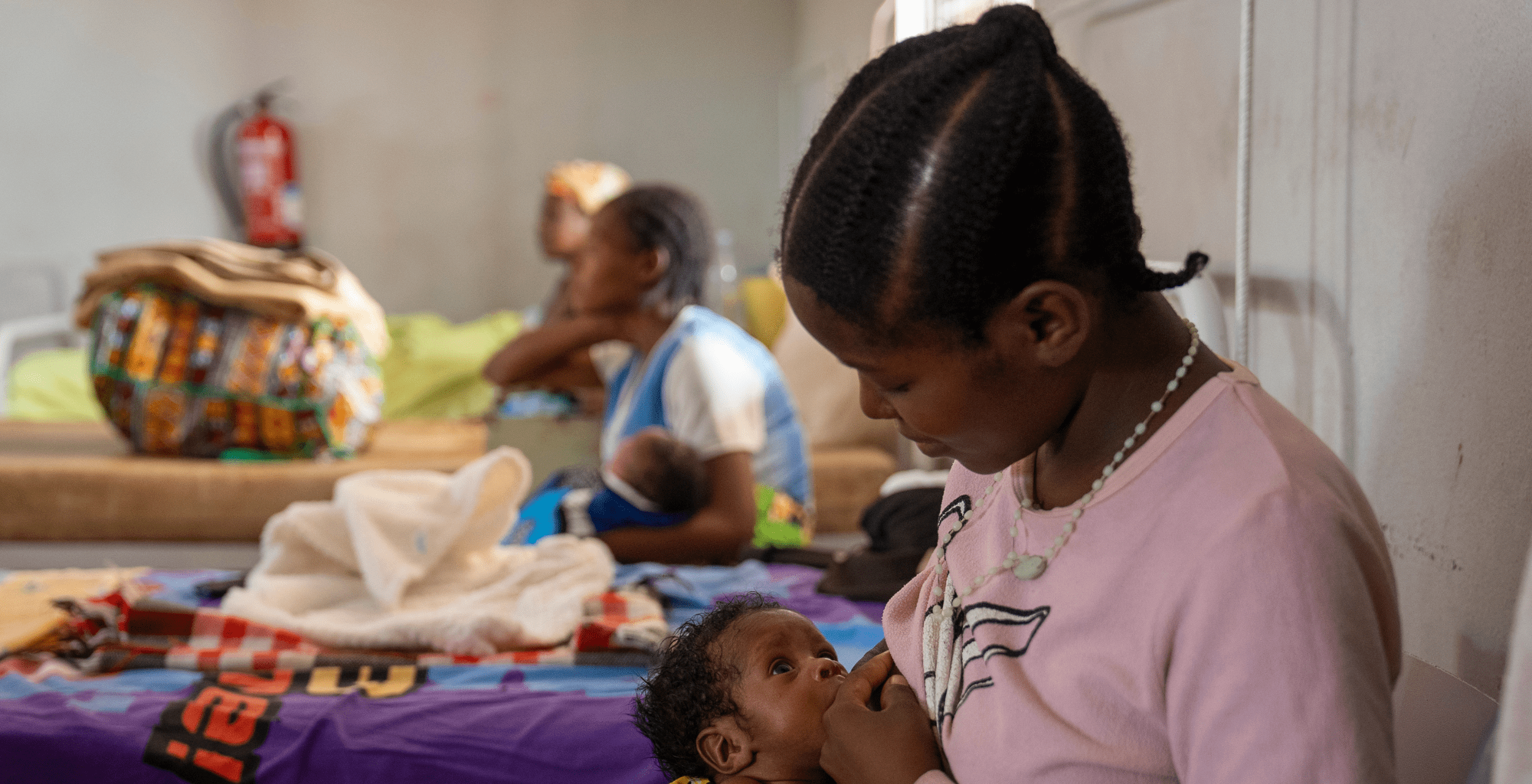
Breastfeeding is much more than an act of care: it is one of the first and most powerful ways to ensure health, growth, and a better future.

During the first six months of life, breast milk provides everything a baby needs and remains a vital source of nutrition beyond that, alongside appropriate complementary feeding. It protects against infections, supports healthy growth and cognitive development, and strengthens the bond between mother and child. At the same time, breastfeeding also contributes to mothers’ health and well-being.

But breastfeeding is not simply an individual choice. Every woman should be able to rely on trained health workers, accessible health services, and supportive communities throughout her breastfeeding journey. That is why protecting, promoting, and supporting breastfeeding is a public health priority—a shared responsibility that requires investment at every level.

This is the vision that guides us. In every country where we work, we stand alongside mothers and their children during one of the most important and delicate moments of their lives together, strengthening maternal and child health services, training health workers, and working with institutions and communities to create an environment where breastfeeding can thrive.

This is also the message behind World Breastfeeding Week 2026, celebrated under the theme “Breastfeeding for a Sustainable Start in Life: Strengthen What Works”, which calls for greater investment in the policies, services, and support systems that enable every child to have the best possible start in life.

Tanzania: A New Space to Support Mothers and Early Childhood Development

To mark the closing of World Breastfeeding Week, together with the Ministry of Health of Tanzania, we inaugurated the new Breastfeeding & Early Childhood Development (ECD) Room at the Ministry’s headquarters in Dodoma. Established by CUAMM with the support of Zanetti funds, the facility provides mothers with a safe, private and welcoming space to breastfeed or express milk while promoting nurturing care and early childhood development. It represents a concrete step towards creating more breastfeeding-friendly environments.

Angola: Strengthening Skills and Collaboration

In Angola, we supported the Provincial Department of Public Health in organising the World Breastfeeding Week celebrations, contributing to awareness activities and a technical round table where health professionals shared experiences and developed recommendations on exclusive breastfeeding, complementary feeding, maternal support, breastfeeding for mothers living with HIV or hepatitis B, Kangaroo Mother Care, and the future development of Baby-Friendly Hospitals and a human milk bank.

Mozambique: Supporting Mothers Every Day

In Beira, through the Protect Project, we highlighted the work of the Kuplumussana Association activists, who work every day in the Central Hospital and four health centres to support women through awareness and education activities on breastfeeding, Kangaroo Mother Care, and the care of premature newborns.

From national institutions to hospitals and the most remote communities, our commitment remains the same: strengthening what works so that every mother receives the support she needs and every child has the best possible start in life.
Clean Cooking, fostering the commitment to improved cooking solutions

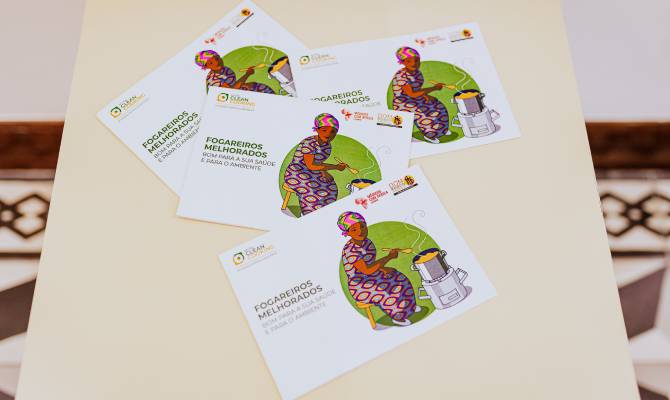
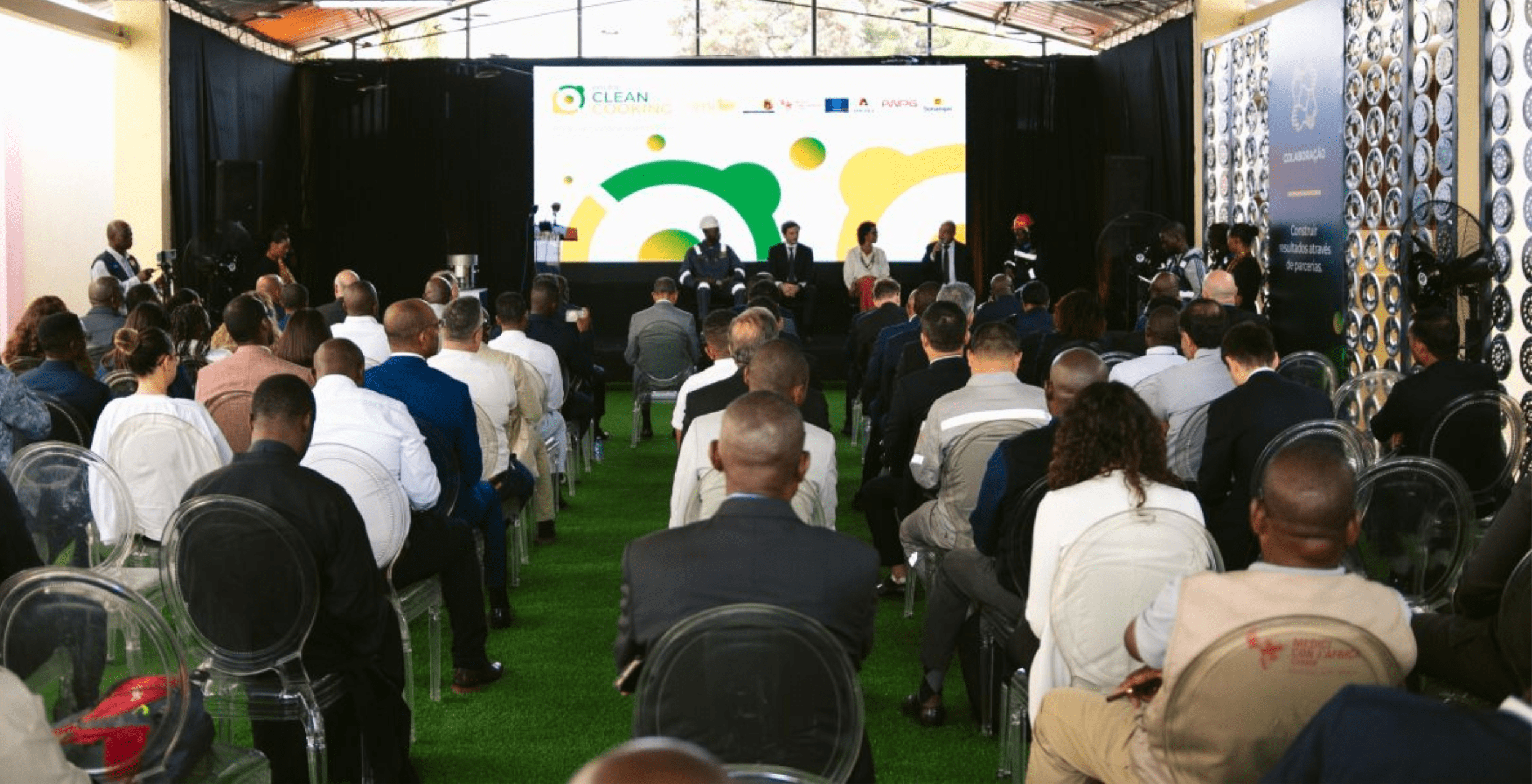
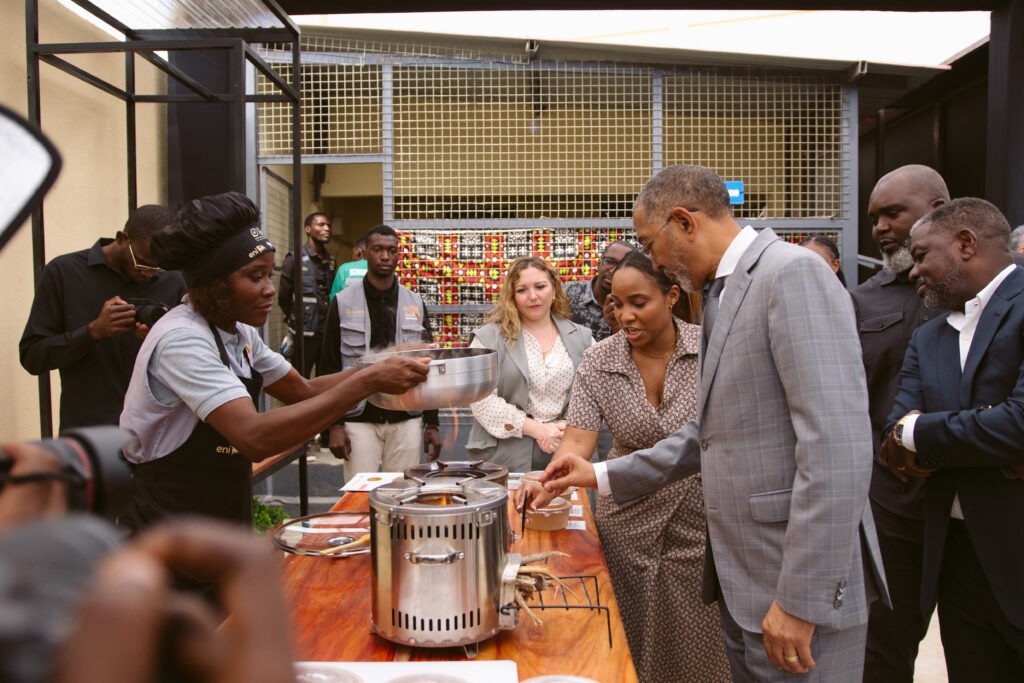
Yesterday in Luanda, we attended the inauguration of a new improved cookstove production center, which will enable the large-scale manufacturing of innovative, efficient, and improved cookstoves. This new facility complements the existing center in Benguela and will support the large-scale production of modern and innovative models as part of the Clean Cooking programme.

Promoted by Eni and implemented in partnership with the Salesianos de Dom Bosco, the programme aims to improve access to modern cooking solutions in Sub-Saharan Africa while also integrating interventions to support community health.

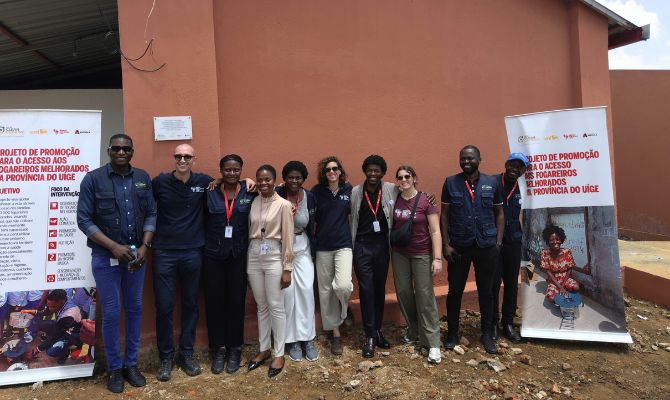
In Uíge, northern Angola, we are engaged in promoting hygiene, health, and nutrition activities, strengthening nutrition services, and training healthcare personnel across 15 health facilities in five municipalities. To date, four health centres have been renovated and upgraded to provide enhanced nutrition services; our awareness-raising activities have reached more than 37,000 people, while training programmes have involved 247 community health workers and 89 healthcare professionals.

This work starts within communities and extends to hospitals, while also strengthening peripheral health centres to ensure the effective management of acute malnutrition cases and continuity of care.

As part of the intervention, we adopt an innovative Social and Behaviour Change (SBC) approach, which seeks to encourage the adoption of healthier practices and ensure the long-term impact of the programme.

This is a tangible example of how access to energy, health, and community development can advance together, generating meaningful benefits for both people and the local area.

Improving nutrition services in Uige

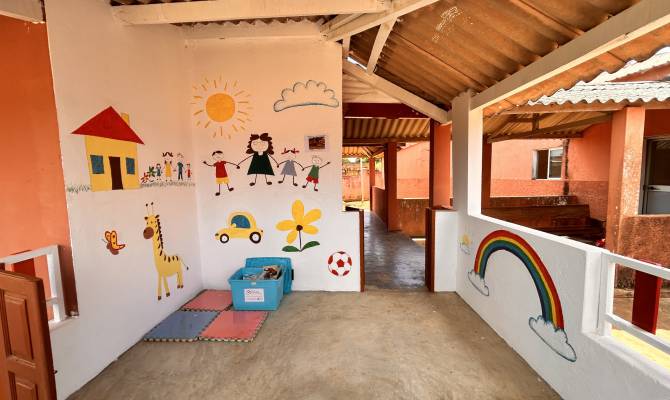
Last week we inaugurated the Special Nutrition Unit, complete with an ECD corner and an open kitchen, at the Songo Municipal Hospital, Uige province, northern Angola. The intervention has provided the community with renewed and efficient spaces for care, allowing well-trained healthcare staff to manage nutrition services more effectively.

“We are delighted to be here today to celebrate a major shared milestone: the inauguration of these premises. It is an honor to represent Doctors with Africa CUAMM, an organization whose connection to this province runs deep—Uíge was the very first province in Angola where CUAMM began its work back in 1997. My colleague and I are committed to honoring this legacy, continuing our collaboration with local authorities, and strengthening the province’s health system. We would also like to acknowledge our donor, Eni, and our partner, Don Bosco, whose support made this project possible.” Said Nicolò Grassia – CUAMM Project Manager.

In addition to the municipal hospital, the rehabilitation also included three health centers in Songo, where Therapeutic Programs for Malnourished Patients will be implemented to address moderate and severe acute malnutrition without complications, aiming to reduce its prevalence in the region. Following this first structural intervention, two more centers in Songo will be upgraded, and similar initiatives will be carried out in the municipalities of Quitexe, Damba and Nsosso —bringing the total to 13 strengthened healthcare facilities.

The rehabilitation of the premises is part of the activities planned within the Clean Cooking programme. The programme, carried out in collaboration with Eni and Salesiani Don Bosco, aims to distribute 200,000 improved cookstoves and reach over one million people in the area.

“The project has a clear purpose and aims to improve people’s health, with a special focus on the nutritional status of young children. As the municipal administration, we are committed to doing our best and we thank CUAMM and its partners for their dedication, spirit of solidarity, and strong collaboration.” Floberto David – Deputy Administrator, Songo.

As CUAMM, by adopting the Health Plus strategy we have integrated health services within the broader Clean Cooking initiative with the aim to strengthening local healthcare provision and ensuring adequate support at all levels of care in a total of 5 municipalities (Songo, Quitexe, Damba, Nsosso, and Vista Alegre).

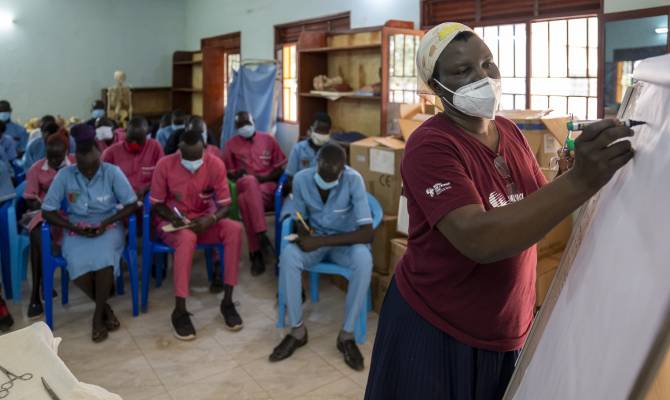
As part of the project, the GIDA training for the integrated management of malnourished patients was carried out in recent months, involving 81 healthcare professionals from four municipalities. The courses strengthened skills in screening, diagnosis according to GLIM criteria (Global Leadership Initiative on Malnutrition), management of enteral and parenteral nutrition, and personalized interventions, promoting a multidisciplinary approach and improving the quality of life for malnourished patients.

A commitment aimed at strengthening the local healthcare system by ensuring continuity of care—from communities to health centers and up to municipal hospitals. In recent months, 18 cooking demonstrations have already been organized thanks to 147 trained community agents deployed in the field. These activities represent a simple yet effective way to raise awareness among communities about nutrition, as well as hygiene and sanitation practices, promoting positive behaviors and contributing to a reduction in malnutrition, malaria, and infectious diseases.

Health amid food energy and life

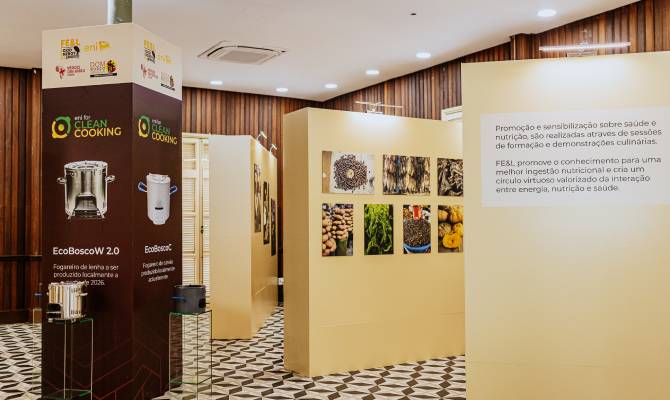
Today, together with our project partners Salesianos de Dom Bosco and ENE, we took part in the inauguration ceremony of Food, Energy & Life (FE&L) organized by Eni and hosted at Palácio de Ferro in Luanda.

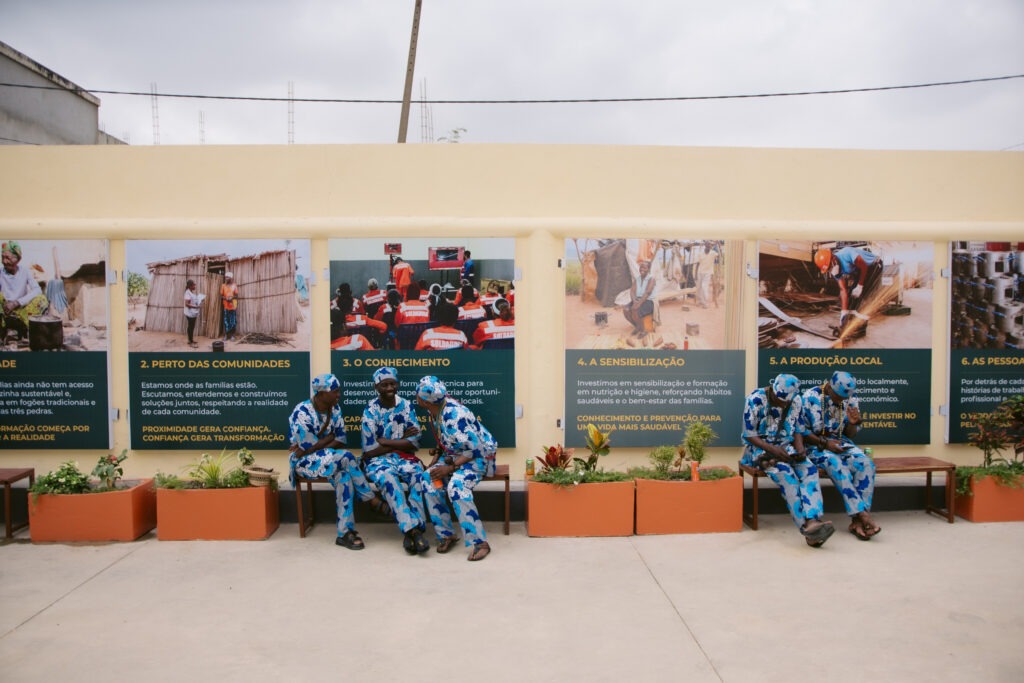
FE&L is the photographic exhibition that portrays an Angola in transition, between culinary traditions and new cooking methods introduced through the Eni for Clean Cooking programme. It is a journey through Angolan society and the ongoing changes that will guide thousands of people toward cleaner and healthier habits.

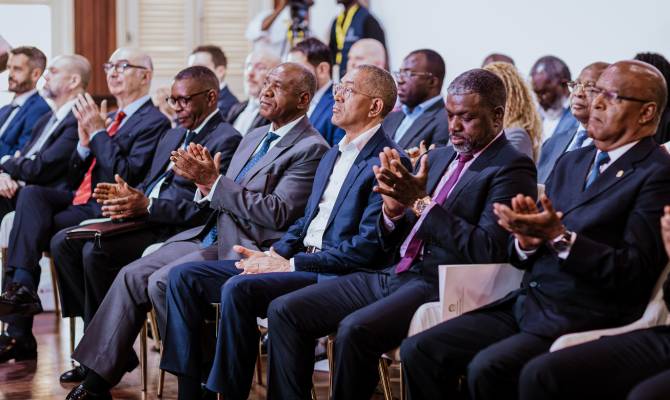
The exhibition was inaugurated by a highly institutional event attended by the Italian Ambassador to Angola, Marco Ricci; the Minister of Mineral Resources, Petroleum and Gas, Diamantino Azevedo; the Secretary of State for Health, Carlos Alberto Pinto de Sousa; and the Secretary of State for the Environment, Yuri Valter de Sousa Santos.

It was an opportunity to discuss the programme, which aims to reduce household pollution and associated health risks, while also contributing to the reduction of biomass emissions. Today, over 80% of the population of Sub-Saharan Africa lacks access to safe and efficient cooking systems. According to the World Health Organization, household air pollution causes around 3.2 million premature deaths every year, particularly among women and children, while the International Energy Agency estimates that collecting biomass for cooking contributes to the loss of 1.3 million hectares of forest annually.

“This initiative aligns perfectly with the national strategic plan and supports our long-term strategy to ensure the well-being of the population, combat poverty and guarantee the human right to food and access to sufficient, healthy and nutritious food,” said the Secretary of State for Health, Carlos Alberto Pinto de Sousa.

As Doctors with Africa CUAMM, we are working on the front lines in the northern province of Uige. At the centre of our efforts are nutrition, hygiene and health, along with an innovative and effective approach: Social and Behavioural Change.

“People want to learn, exchange ideas and be heard. Community activities often last up to three hours, and people stay with us, actively participating. Their involvement reminds us every day why this intervention matters. What we offer is not just awareness-raising activities, but spaces for dialogue where we debunk myths, cultural beliefs and long-established perceptions,” said Nurcia Chiwisa – CUAMM Project Manager and nutritionist.

Through awareness campaigns on food and basic hygiene, the initiative makes it possible to work on nutrition and on preventing health risks linked to inefficient combustion, thus promoting the well-being of families, especially the most vulnerable. As part of the Eni for Clean Cooking programme, implemented in Uige province in collaboration with the Salesianos de Dom Bosco, we have already reached more than 236,000 people through the distribution of over 47,000 improved cookstoves.

“As Doctors with Africa CUAMM, we are very pleased to be part of this large programme, Eni for Clean Cooking. Ten years after our last activities in Uíge province, we have returned with an innovative project in which health — the core of our mission — intersects with fundamental themes such as women’s empowerment, environmental protection and access to energy. It is a truly integrated approach, fully reflecting the CUAMM style and our way of working: close to communities, alongside health authorities and committed to sustainable solutions that can drive development,” said Joaquim Tomas – CUAMM Country Representative in Angola.


The fight against malnutrition starts with the community

In Angola, in the heart of the municipalities of Ombadja and Cahama, health and nutrition are not just goals to be achieved, but represent a commitment that grows from the grassroots.
Doctors with Africa Cuamm knows this well, as since November 2023, it has been carrying out the “START” project, an initiative funded by the European Union and implemented in collaboration with Codespa and Adespov.

The goal is ambitious but concrete: to strengthen the nutritional status of vulnerable women and children through the empowerment of civil society and the promotion of gender equality. To date, there are already 20 Civil Society Organizations involved in a process of training and growth to become protagonists of change in their own territory.

But what does it mean, in practice, to “build community”? Telling us are the members of the youth association Amigos do bem Aja bem, who have seen firsthand the daily challenges of local healthcare. “On October 18, we were received at the Ombadjia Municipal Hospital by the municipal nutrition manager, Indira Kativa, and a team of nurses. We saw the reality of our brothers and sisters hospitalized for malnutrition. 22 children hospitalized: 14 in the Emergency Unit and 8 in Pediatrics.”

From listening, action was born. It is not just about large structural interventions, but about human closeness and daily support. The young people of the association decided not to stand by, transforming their sensitivity into tangible help for local health facilities. “After the visit, we offered our support, becoming godparents of the municipal hospital and the Okaimo maternal-infant center, to carry forward together the fight against malnutrition. We offered to take charge of basic necessities such as disposable diapers, detergent, and soap. Every seven days, we distribute soup to the patients and their families. We were well received and they motivated us to continue working for the children and their recovery.”

The fight against malnutrition is more effective thanks to the support and closeness of the community. “We will continue our commitment with faith, love, and a lot of hope. Together we are stronger. Helping others is not a burden! It is an honor,” concluded the young people of Amigos do bem.

Chiulo renovated spaces reinvigorate care

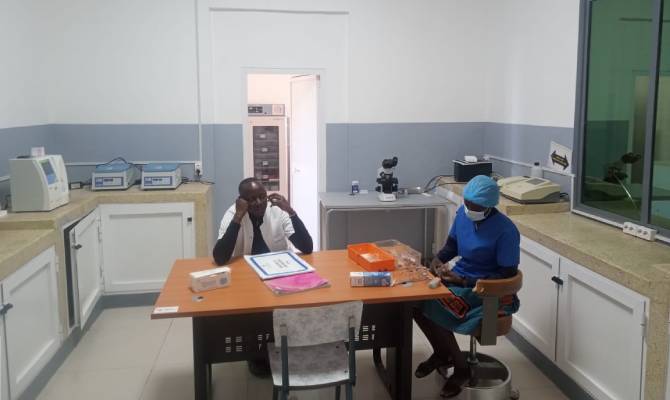
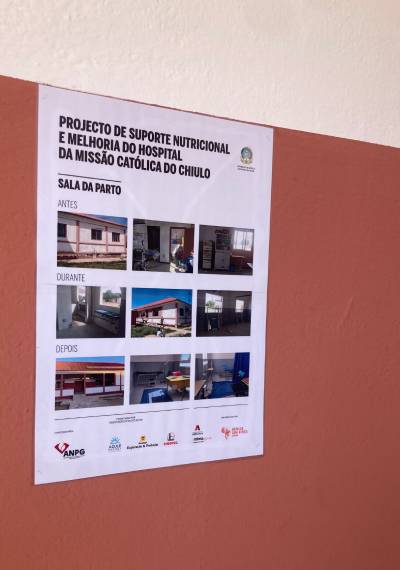
Laboratory, delivery room, theatre room and radiology have been renovated and equipped to continue providing quality services to mothers and children.

A official ceremony was held in Chiulo yesterday to cut the ribbon and mark a new beginning for the Hospital, which now counts on renewed and more functional spaces thanks to the intervention carried out by CUAMM with the support of ANPG, Azule Energy and partners from Bloco 15/06 namely Sonangol and Sinopec, as part of the project “Supporting Chiulo Hospital and evaluating nutrition interventions in the south of Angola.”

Yesterday, June 25, we gathered at Chiulo Hospital for an official inauguration ceremony attended by His Excellency the Bishop of Ondjiva – Father Dom Pio Hipunyati, Father Alexandre – local head of the Chiulo mission, the Board of Chiulo Hospital, Matteo Villa – engineer at Solar Barrel together with local authorities including: the Municipal Administrator – Elizeth Kondjasili Mwamelungi, the Municipal Health Director of Ombadja – Epifânia Ndesiuda, the Municipal Administrator of Humbe – António dos Santos Luepo and the Provincial Director of the Health Department – Dr. Georgina Graciete Nunes,.

“This partnership comes at a good time, at a moment when our hospital is in need of a profound and complete rehabilitation of its physical infrastructure, in order to meet universal standards and offer quality services to its users. I am deeply grateful for the strength and the positive energy of this great gesture of solidarity and humanity. I wish to express a word of recognition to all the hospital’s staff and beneficiaries. In particular, the government of Cunene province is committed to continuing to fulfill its evangelizing and social mission with determination,” said His Most Reverend Excellency Dom Pio Hipunyati, the Bishop of Ondjiva.

The hospital’s laboratory, operating theatre, theatre room, and radiology unit have been renovated and newly equipped with instruments and materials essential for clinical activity. The intervention aimed at improving healthcare services and ensuring quality care for patients – primarily women and children.

“It has been 25 years since CUAMM began its activities at the Chiulo hospital. Today, I would like to express my gratitude to Azule Energy, ANPG, and all those who were involved in the completion of the works including the health authorities and the hospital staff. As CUAMM, we will continue with our commitment to work at the hospital as well as in the communities to care for the most vulnerable: mothers and children,” stated Joaquim Tomas – CUAMM Country Representative.

The renovated and fully equipped laboratory at Chiulo Hospital

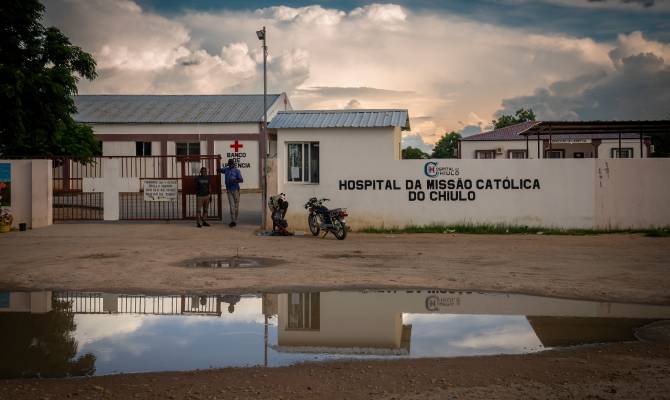
Chiulo is a rural hospital located in the heart of the Angolan mato, in Cunene province. The facility has 234 beds but, due to the scarcity of healthcare infrastructure in the province, its actual catchment area extends well beyond the limits of Humbe municipality. In this hospital, even access to running water and electricity is a challenge. Today, thanks to support from Solar Barrel, we inaugurated a new photovoltaic system that will allow the hospital to reduce energy costs and ensure a more sustainable power supply.

“Chiulo Hospital must continue to be a reference unit within our national health system. We are always grateful for the support received in ensuring quality services, although our desire is to keep improving so that this hospital becomes a true center of excellence,” declared Belarmino Felix – Head of the Public Health Department.

CUAMM’s commitment to supporting Chiulo Hospital has remained constant since 2000, the year we signed a memorandum of understandingt with the Diocese of Ondjiva. Since then, we have focused primarily on maternal and child health, first working within the hospital and later enforcing our efforts with community-based activities including mobile clinics and awareness-raising activities. Over the years, we’ve also invested in on-the-job training for local staff and in the upkeep of the maternity waiting home – a safe place for women nearing childbirth, established by CUAMM in 2012 and still operating today. Thanks to the collaboration with ANPG, Azule Energy and partners like Sonangol and Sinopec we are currently deliverying community-based activities focused on nutrition and hygiene and sanitation both in the provinces of Cunene and Namibe.

Twenty-five years since the beginning of our work in this small hospital located in the Angolan mato, we renew our commitment with enthusiasm to improving the health of mothers and children.


Cholera outbreak in Angola CUAMM emergency response

Following the first cholera cases recorded early this year, on January 7th the Angolan Ministry of Health officially declared a cholera outbreak. The Country is currently facing one of the most serious cholera outbreaks in decades. As of May 21, more than 21,000 cases and almost 700 deaths have been recorded in 18 of the country’s 21 provinces (WHO, May 2025) being Luanda and Bengo those most severely affected.

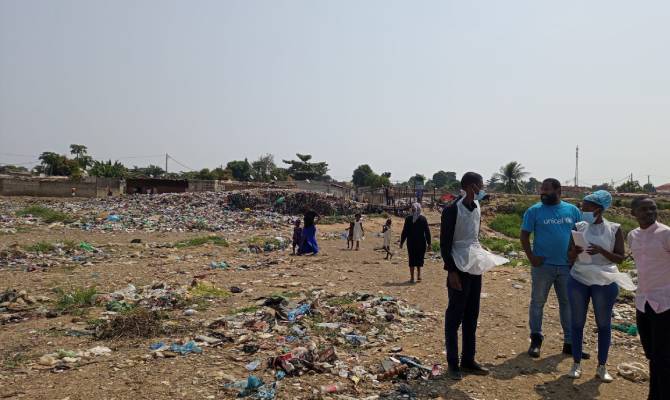
The situation is particularly serious in Luanda province, where the lack of clean water, hygiene, and basic sanitation has accelerated the spread of the disease. Entire families are at risk, with no access to adequate means to treat water—and many without even understanding the risks and origin of the disease. The most affected age group is children between 2 and 5 years old, followed by the 10 to 14 age group.

In response to this public health threat, Doctors with Africa CUAMM in collaboration with UNICEF is delivering a emergency response to contain the outbreak and reduce transmission within communities, especially among vulnerable populations. The intervention, financed by the European Union aims to support the Ministry of Health in ending cholera epidemic thus contributing to reduce the case fatality rate.

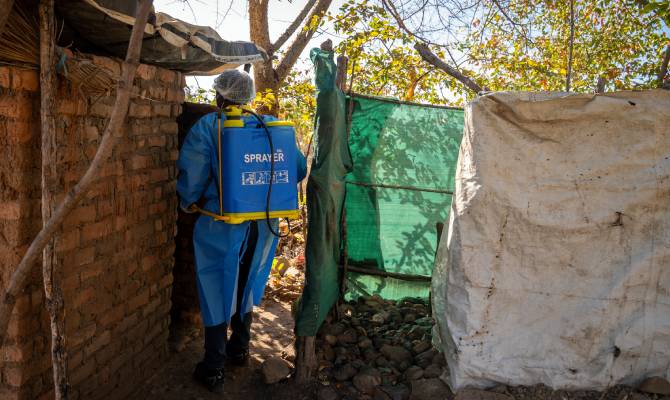
“For the first time in the country, we are implementing the rapid response methodology known as CATI (Case Area Targeted Intervention), which involves the deployment of a mobile team to carry out disinfection, water chlorination, residual chlorine testing in drinking water, and health education, while establishing a sanitary cordon around the household of the confirmed case. This is complemented by a large-scale outreach effort aimed at raising awareness and reducing risk factors in the city’s bairros, while trained teams conduct disinfection activities and disseminate chlorine in public water sources.” said Edoardo Occa, CUAMM anthropologist and community health expert

As part of the CATI strategy, CUAMM is committed to delivering WASH and Infection Prevention and Control (IPC) activities and Risk Communication and Community Engagement (RCCE) intervention in 12 municipalities in Luanda province over the next three-months. A grassroot intervention that by combining community-based and IPC activities enhances the effectiveness of the response. While IPC focuses on reducing transmission in healthcare settings and at the household level, community interventions extend this impact across the broader population through awareness, behavior change, and local engagement. This integrated approach ensures faster case detection, wider adoption of safe practices, and addresses the environmental and social factors that drive transmission. Crucially, it also fosters trust and community ownership, which are essential for both immediate outbreak control and longer-term resilience against future epidemics.

WASH and Infection Prevention and Control (IPC)

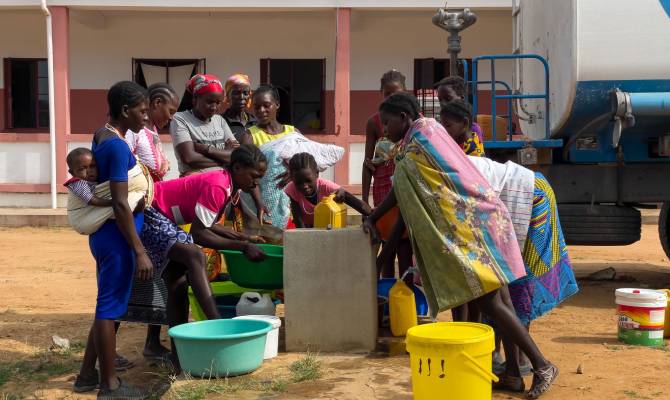
Improving access to safe water is crucial in cholera outbreak control. A bucket chlorination strategy is being rolled out to cover hundreds of community water points —including private water tanks, water transporters (tricycles), community wells, and public fountains. Owners and operators of these points, selected by the communities, are being trained by CUAMM in proper chlorination techniques and mobilized to sustain treatment practices during and beyond the outbreak.

In addition to this, CUAMM is ensuring a proper organisation and distribution plan of the chlorination kits and providing logistical and technical support to municipal surveillance teams by ensuring they have vehicles and proper equipment to conduct the targeted household interventions package within a maximum of 48 h—including active search of cases, household disinfection, and RCCE in cases households and immediate neighbors. Visits to family are moreover an additional opportunity for the teams to identify water sources used by the cases households and the water sources most used by the neighbors of the cases houses and train the owners or managers of these water points to do bucket chlorination.

As part of the emergency response, CUAMM in collaboration with UNICEF has also invested in prevention, community mobilization, and volunteer training to ensure that information and solutions reach those who need them most. In times of health emergency, information is one of the most powerful weapons. Through awareness campaigns, CUAMM and UNICEF are working closely with community leaders, teachers, and health agents to ensure that messages on prevention, control and treatment reach everyone.

Risk Communication and Community Engagement (RCCE)

Community mobilization is being done through trained mobilizers from targeted municipalities supported by a CUAMM team leader. They are in charge of leading interactive dialogues with affected populations at specific and selected central and public gathering sites. These mobilizers are trained to demonstrate water treatment methods and the preparation of standard rehydration solutions (SRO) at Oral Rehydration Points (ORPs), and within communities.

Community engagement is paramount not only to deliver effective response but also to promote ownership within communities. Through continuous education and awareness work, they have promoted changes in hygiene habits and water treatment practices. Moreover, by involving the residents themselves in the process, they have strengthened the sense of responsibility and encouraged the population to tackle this public health issue more effectively.


Working with and within Communities

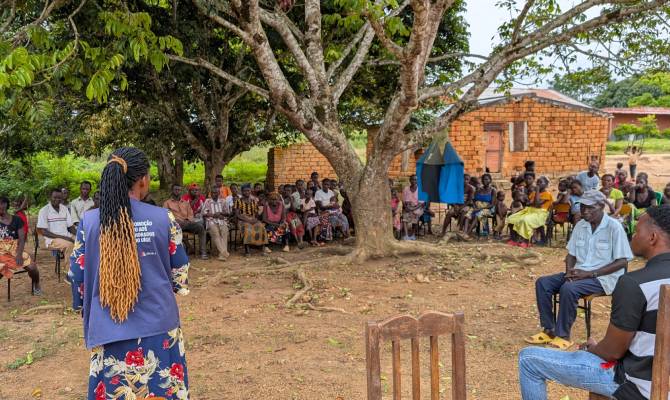
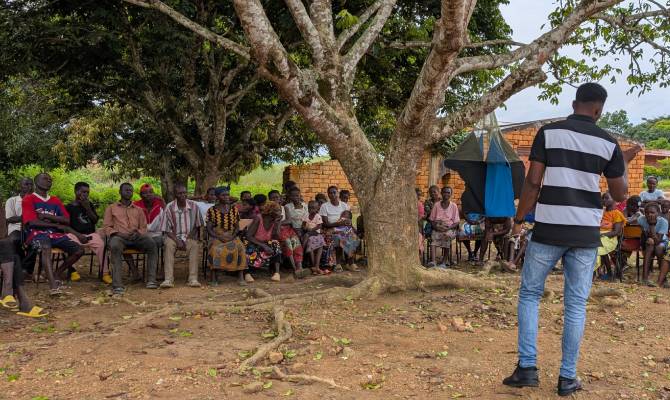
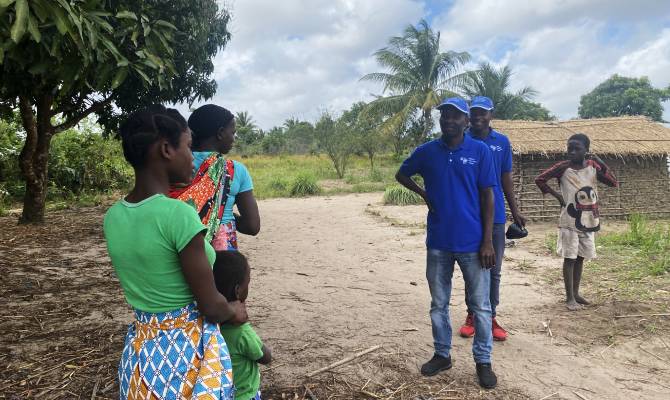
Bridging the gap between healthcare providers and communities ain’t easy, particularly in underserved or remote areas. That’s why working with trusted members is paramount and can lead to more effective and sustainable outcomes.

Community health workers – CHWs act as trusted members of their communities, facilitating access to healthcare services, providing health education, and addressing social determinants of health. They receive a lower level of formal education and training than professional health workers such as doctors and nurses, yet they are equally important in ensuring that the most vulnerable and marginalized populations have access to basic health services.

Recognized by the World Health Organization (WHO) in 1989, CHWs have a key role in health promotion, and their integration into multidisciplinary teams dedicated to health is currently being highly encouraged by WHO itself.

Community Health Workers can be men or women, young or old, from any class and social status, literate or not. What truly matters—and what makes them so important in carrying out many health-related activities—is their integration into and acceptance by the community they serve. Cultural ties, language understanding, and proximity to the people they work with allow CHWs to gain vital trust—an essential element for building that bridge between the community and the health system, which is often neglected to people living in rural and underserved areas.

The importance of CHWs’ work is even greater in light of the shortage of qualified health professionals in sub-Saharan Africa. CHWs are often the first point of contact with the most isolated communities in the most difficult-to-reach regions, where the vast majority of the population currently lives.

CHWs in CUAMM’s Interventions

CHWs have always played a crucial role in Cuamm’s interventions, and their work is complementary to that of professional health workers such as doctors, nurses, and midwives. CHWs provide a recognized and integrated service in a wide range of activities, including vaccination campaigns and screenings, as well as preventive interventions—particularly in maternal and child health, infectious diseases, and chronic illnesses.

CUAMM’s strategy has always included CHWs who play a key role in health activities such as pediatric vaccination campaigns and follow-ups for antiretroviral therapies, epidemic prevention and control, and nutritional screenings.

We use the term CHWs to refer to a broad range of figures including village health workers, traditional midwives, village chiefs, health agents, and community health promoters.

“The communities we serve lack many essential services. Our job is to check on people living in the hardest-to-reach and underserved areas. We carry out awareness-raising activities, promote good health practices, and it’s also our responsibility to inform them about upcoming mobile health clinics so they can get their children vaccinated.” Josè e Favores, Mozambique

In most cases, these workers are selected in collaboration with the community itself and with local health system representatives, to ensure the acceptance that is key for the intervention’s success. They then receive basic training in our areas of focus, which include maternal and child health, infectious and chronic diseases, and nutrition. With the competencies provided, they can effectively work within the communities, identify risk factors, and make early diagnoses. In some cases, they can intervene directly; in others, they refer people to the nearest health facility and make sure that they receive the care needed.

“Working as a CHW I constantly learn more about my own community. I learn how to talk to them, how to build and nurture trust and by doing so I receive much satisfaction because I know we are growing together” Graça Faustino, Angola. 

To effectively contribute to the success of the programs they are part of, CHWs require continuous training and adequate support both in terms of knowledge and equipment which is why CUAMM provides CHWs with tailored informative and educational materials and technological support: with mobile phones, CHWs can connect with village chiefs, district health authorities, and health professionals in health centers, thus creating a network that fosters collaboration at multiple levels.

Improving access to safe water, sanitation and hygiene

Access to clean water is a basic human right, yet it remains a privilege for the few. In 2022, 2.2 billion people still lacked access to safely managed drinking water services, while 3.5 billion people were deprived of access to safely managed sanitation.

Universal access to clean water is closely related to hygiene and sanitation services, known as WASH. Inadequate access to WASH services is responsible for as much as 10% of the global burden of disease, contributing to 1.6 million preventable deaths each year, including 60% of all deaths due to diarrheal diseases. In 2022, 3.5 billion people still lacked safely managed sanitation.

Goal 6 of the UN 2030 Agenda for Sustainable Development aims precisely at ensuring universal access to safe drinking water and sanitation. The accomplishment of this goal is a necessary condition for achieving the other SDGs related to poverty, health, education, gender equality and environment. The most vulnerable regions in terms of water availability and access are often located in areas under severe environmental stress and difficult economic and political conditions, where consequently also access to safely managed WASH services in both households and key community facilities, such as health facilities and schools, is very limited.

Over the years CUAMM has implemented numerous WASH projects across several African countries, particularly in Mozambique, Angola and Uganda among others with the key objective of improving access to clean water, sanitation and promoting adoption of desired hygiene and sanitation practices to curb morbidity and mortality due to preventable environmental factors. Our approach is comprehensive and includes a multi-pronged approach that includes infrastructure
development, community-based behavioral change
and health prevention and promotion interventions, hygiene and sanitation in healthcare facilities and outbreak prevention and response.

CUAMM places a strong emphasis on improving water, sanitation and hygiene practices (WASH) at community, household, and individual levels. We achieve this by integrating WASH messaging and education within our community-based health promotion and mobilization campaigns through the Social and Behaviour Change (SBC) strategy.

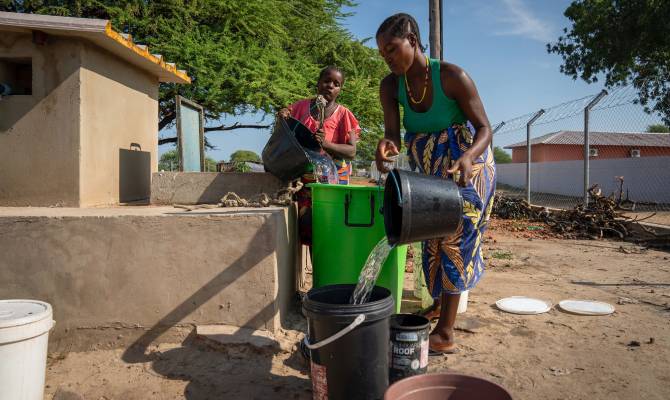
In Cunene province, Angola, thanks to the commitment of the agents from the GAS groups – Grupo de Água e Saneamento (water management groups in English), communities are being sensitized and informed about the correct use of wells to ensure good hygiene and sanitation practices and prevent waste. In addition,  GAS is also responsible for collecting a “symbolic” monthly payment from the households using the water point, to manage maintenance but also to increase ownership.
The intervention has been implemented following a
Community Management Model, actively involving all members throughout the process and making agents of change themselves. The activity is part of the project “Reducing nutritional vulnerability in the municipalities of Cahama and Ombadja through community surveillance and increasing access to safe water sources”, supported by Camões I.P. under the FRESAN Programme in partnership with the Municipal Administrations and the Municipal Directorates of Energy and Water and the Health.

In Mozambique, the “Familia Modelo” program has provided a platform for CUAMM to engage with community members, including parents and caregivers on WASH-related topics. By empowering families to become role models and champions of good WASH practices, CUAMM has created a multiplier effect, where the impact of school-based interventions is amplified through the active participation and support of the broader community.

Similarly, the “Smart Home” program in Uganda focuses on educating families on the importance of proper handwashing, safe water storage, and maintaining a cleaner living environment. By linking community-based WASH interventions with this household-level program, CUAMM ensures that knowledge and skills are applied at home, creating a more comprehensive and sustainable approach.

Women supporting other women every day

On March 8 the world celebrates International Women’s Day, an occasion dedicated to recognizing women’s social, economic, and political achievements, as well as a time to reflect on the ongoing challenges related to gender equality and rights. On this occasion, we want to celebrate the incredible women we work with across sub-Saharan Africa and honor their unwavering commitment to supporting and serving women in need.

Meet a few of the inspiring women we’re spotlighting on International Women’s Day.

Magdalen Awor CUAMM Midwife and tutor at Rumbek Health Science Institute, South Sudan

Born in Uganda, Magdalen became a midwife in 2008. She has been living in South Sudan for more than 10 years where she serves as midwife and tutor at Rumbek Health Institute.

South Sudan is not only one of the leading country in terms of maternal mortality but also one with the lowest literacy rate among girls. Magdalen is a highly motivated and passionate professionist who spends her life and competencies where it is needed most. Deeply committed to her work, she in on the frontline of maternal and newborn care.

«When I enter the class, when I support these girls in their clinical practice, I see a future for this country. By educating and training girls we empower them while also contributing to assist women in the delicate and way too often life-threatening moment of delivery».

The Rumbek Health Science Institute in Lake State trains both midwives and nurses for a total of some 320 students enrolled in the first year. CUAMM supports the institute since 2020, some xxx students have graduated at the insitute ever since.


Loide Cambisano – CUAMM Project Manager in Shinyanga, Tanzania

Born and raised in Italy, in 2023 Loide started working with CUAMM in Iringa region, Tanzania. Today she leads a project focused on HIV, youth and adolescents in Shinyanga District.

«Stigma, prejudice and discrimination related to HIV do have a huge impact on the life of young people and adolescents resulting in behaviors such as withholding help, avoidance and coercive treatment. Women and young girls living with HIV are no doubt those most likely to experience HIV-related stigma».

The rate of child-marriage, early pregnancy and gbv cases in Shinyanga District is above the national average. Consensus, sexual and reproductive health and rights, gender-based violence and stigma are the topics often discussed in sensitization sessions promoted by CUAMM and held both within communities and schools. In addition, screening activities and psyco-social support is being provided to young people living with HIV in Shinyanga district.


Germana Tuitileni CUAMM Assistant at Casa de espera in Chiulo, Angola

Germana Tuitileni is a pillar at casa de espera, the maternal waiting home at Chiulo Hospital, Angola. Everyone knows her.

She has been working here since the opening of this space, back in 2012. Although she is not a professional midwife, she supports and assists women in the days that preceed the delivery engaging them in sensitization acitivities on sexual and reproductive health, nutrition and most importantly on the importance of seeking care during pregnancy and delivery.

«Every day I am here to support these women. I talk to them about the importance of being at casa de espera and give birth safely because I know that they will spread the word to other community members and more women will do the same».

The Maternal Waiting home (MWH)casa de espera in portuguese, is a low-cost yet effective introduction to care for pregnant women in the late stages of their pregnancy therefore ensure assisted and safe delivery. Pregnant women with at-risk pregnancy come to this safe space when their due date is approaching. Here, they can be monitored by health professionals and easily access the hospital in case of emergency.

In 2023 more than 2,000 deliveries were assisted at Chiulo Hospital including 167 C-section. The work Germana does for pregnant women in Angola is key to promote their well-being and reduce pregnancy-related complications. By educating these women, Germana is empowering their whole communities while also contributing to reducing the maternal mortality rate which is 222 out of 1000,000 deliveries in Angola.