Uganda welcomes a special visit
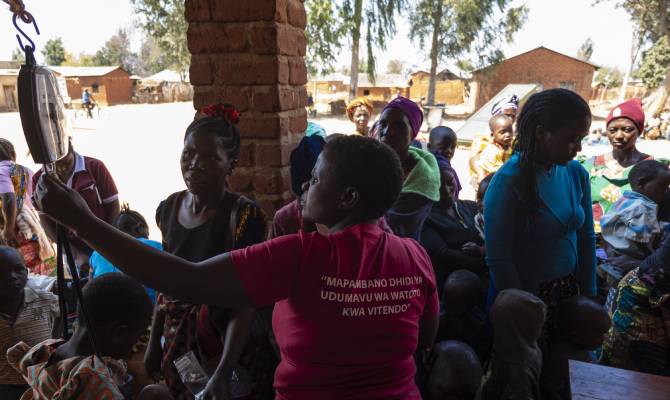
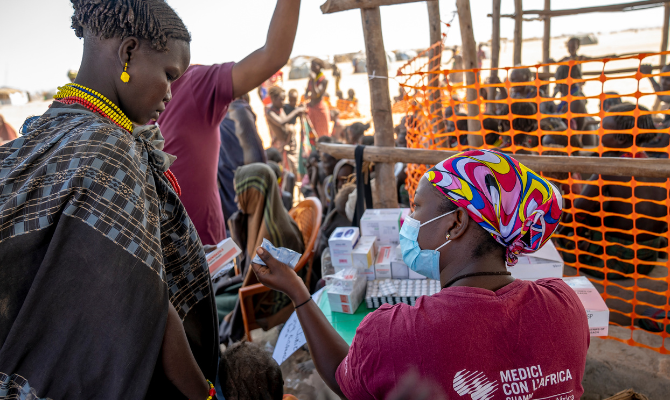
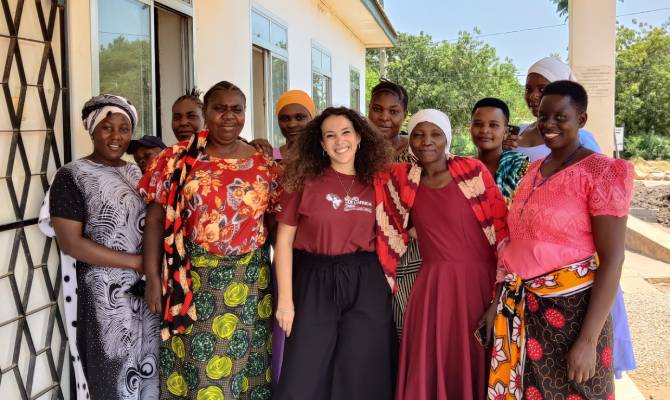
CUAMM team in Uganda has recently welcomed a AICS visit to Lango and Karamoja region. An occasion to discuss present challenges and explore future perspectives.
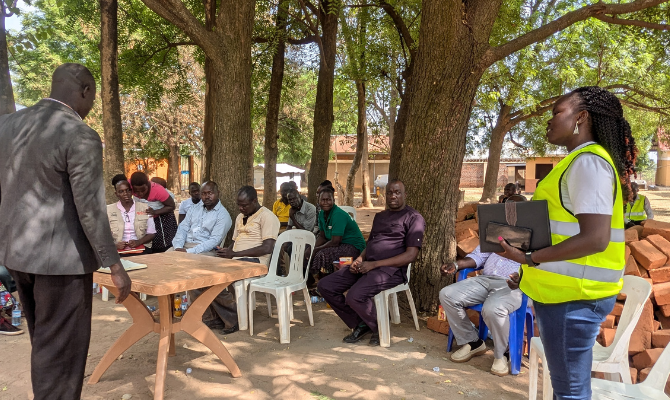
The project in West Nile aimed at improving health and hygiene services, with a focus on people with disabilities, comes to an end.
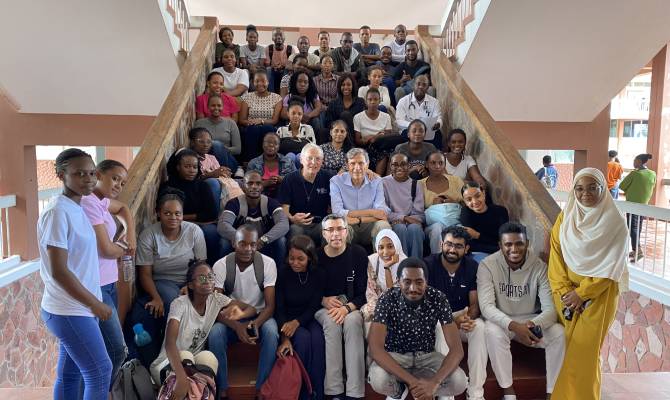
A series of training courses have been held recently in Abidjan, Ivory Coast, to strengthen the capacity of healthcare personnel to deliver quality, timely and evidence-based services to the population in need.
A woman seeking a safe delivery in Bossangoa village, a emergency c-section, a newborn come into the world with a rare tumor. Then, a tremendous humanitarian chain to transfer both the baby and her mother to the pediatric hospital in Bangui.
A global partnership to accelerate efforts towards the achievement of the three 90 targets to end HIV infections and AIDS-related deaths, in line with the 2030 Sustainable Development Goals. Numerous cities around the world are partecipating in the initiative, Bari is officially among the Italian cities listed.
Three years on the outbreak of the Ukraine war, CUAMM’s commitment in Eastern Europe continues, from Ukraine to Moldova and Italy, to provide assistance to refugees and host communities and ensuring assistance to those who need it most.
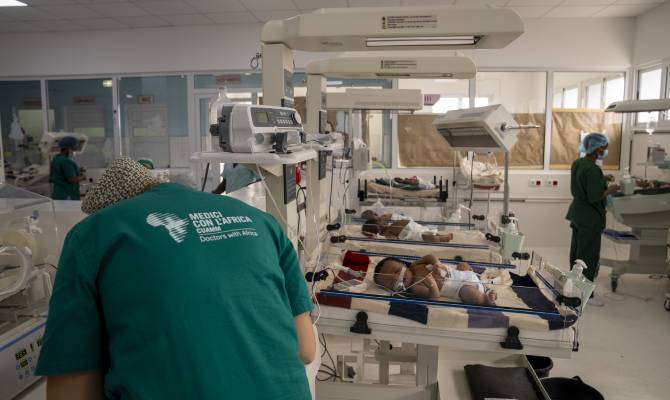
IMAC hospital receives the first therapeutic hypothermia system to be installed in the Country and enforces its response capacity in newborns’ care.
In Angola, the START project promotes women's health and empowerment to protect and improve the future of the whole community.
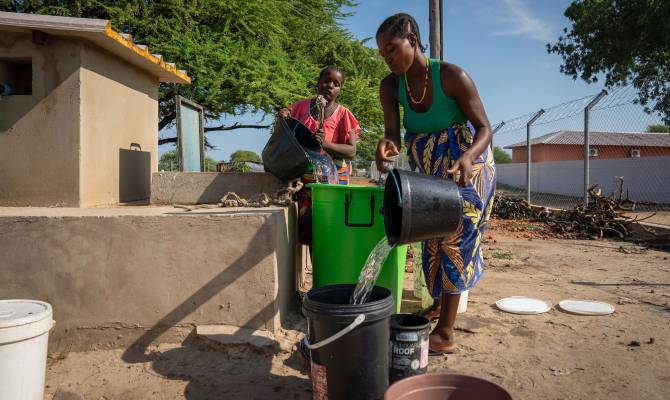
CUAMM is working in Namibe province, southern Angola with activities aimed at ending malnutrition. Local artists are boosting educational campaign among local communities.
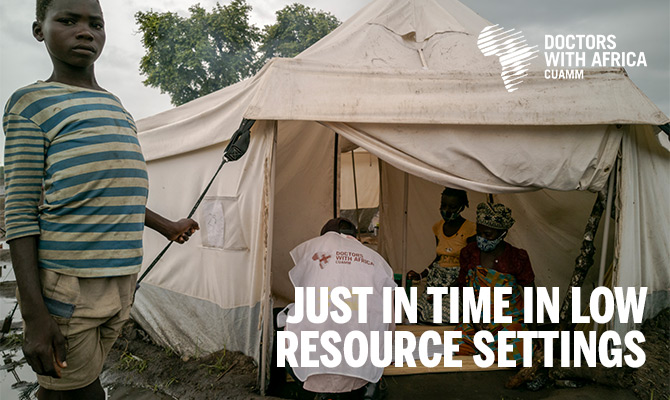
When facilities have little means to properly assist their patients and the distance from general hospitals hinder the provision of timely care, trained and qualified personnel can make the difference.