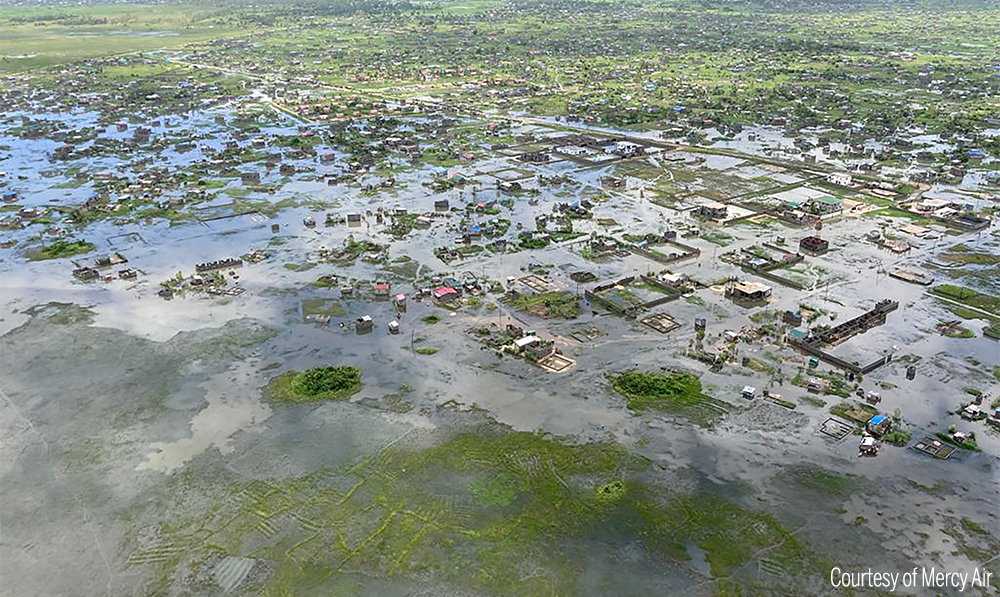
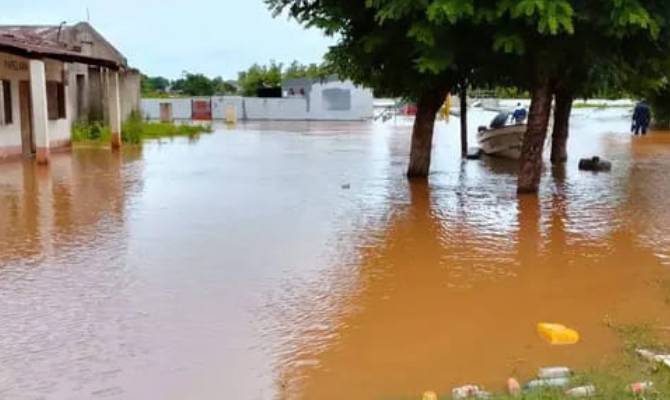
The situation is catastrophic in Mozambique where days of relentless rainfall and the overflow of major river basins have put the life of thousands at risk. Gaza, Maputo and Sofala are the hardest-hit areas: according to official estimates, nearly 600,000 people have been affected by the recent deadly floods.
The impact on housing and the economy is devastating.
Nationwide, an estimated 74,000 homes have been flooded and more than 1,600 destroyed, including 200 in Maputo Province, particularly in the districts of Moamba and Sabie. This is the area where health centres supported through INCLUDE Project are located and where CUAMM teams operate daily.
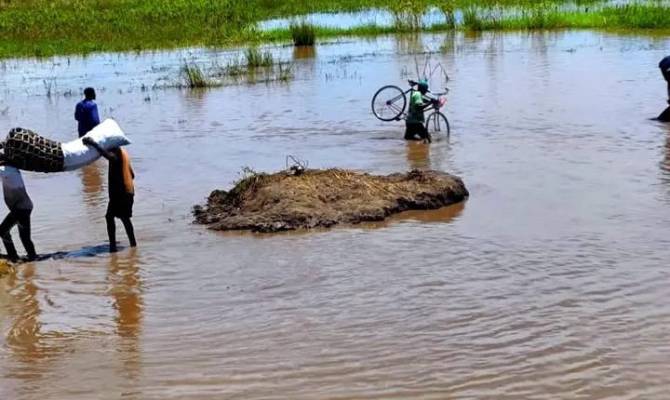
In the Incomáti Valley, over 10,000 hectares of farmland have been lost, wiping out maize and vegetable crops in just a few hours—crops on which the livelihoods of thousands of families depend.
The Mozambican government has declared a national red alert and has requested support from the international community for rescue and relief operations.
The floods of 17 January, driven by persistent rainfall and the overflow of the Corumana dam, severely affected the administrative posts of Moamba Sede, Sabie and Ressano Garcia. Around 200 homes were damaged and 900 people displaced, many of whom have found shelter in temporary resettlement centres.
Serious concern also surrounds the Buzi District in Sofala, where some of our staff are based. There, heavy rains began as early as the first week of January.
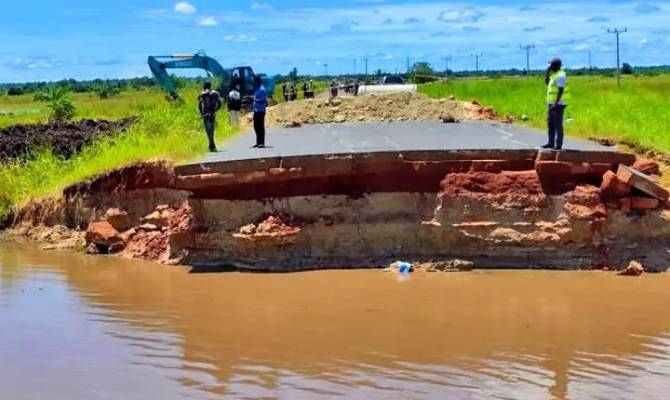
“The situation is very serious,” says Estevão Ilidio Bochana – CUAMM Data collector in Sofala Province. “The river has swept away the bridge, and access to the district hospital has been compromised. People are forced to use boats to cross the river. Some of our activists have also been affected and had to move to emergency shelters because their homes are flooded.”
In Moamba Sede, the locally established resettlement centre is hosting 40 families, for a total of 182 people, mostly women and children. In Sabie, the situation remains particularly fragile: 95 families (495 people) have found shelter in the Samora Machel primary school, while another 35 families (167 people) are being hosted in the secondary school. The neighbourhoods of Incomate, Chiquizela, Matadouro and Magawane are among the most severely affected.
“We are coordinating with the Mozambican Emergency Operations Centre and the Ministry of Health to provide initial assistance to affected communities,” explains Giorgia Gelfi, CUAMM Country Manager in Mozambique. “At this stage, it is crucial to reduce the risk of epidemics—particularly cholera—and to be prepared to manage a surge in malaria cases, especially among the most vulnerable groups, women and children.”
Some families are attempting to return to their homes despite the damage, for fear of looting. Meanwhile, district authorities are carrying out assessments to evaluate the impact of the floods on public and private infrastructure, including essential services. Health centres remain a vital lifeline in an emergency that is not yet over and continues to put the lives and hopes of thousands of people at risk.