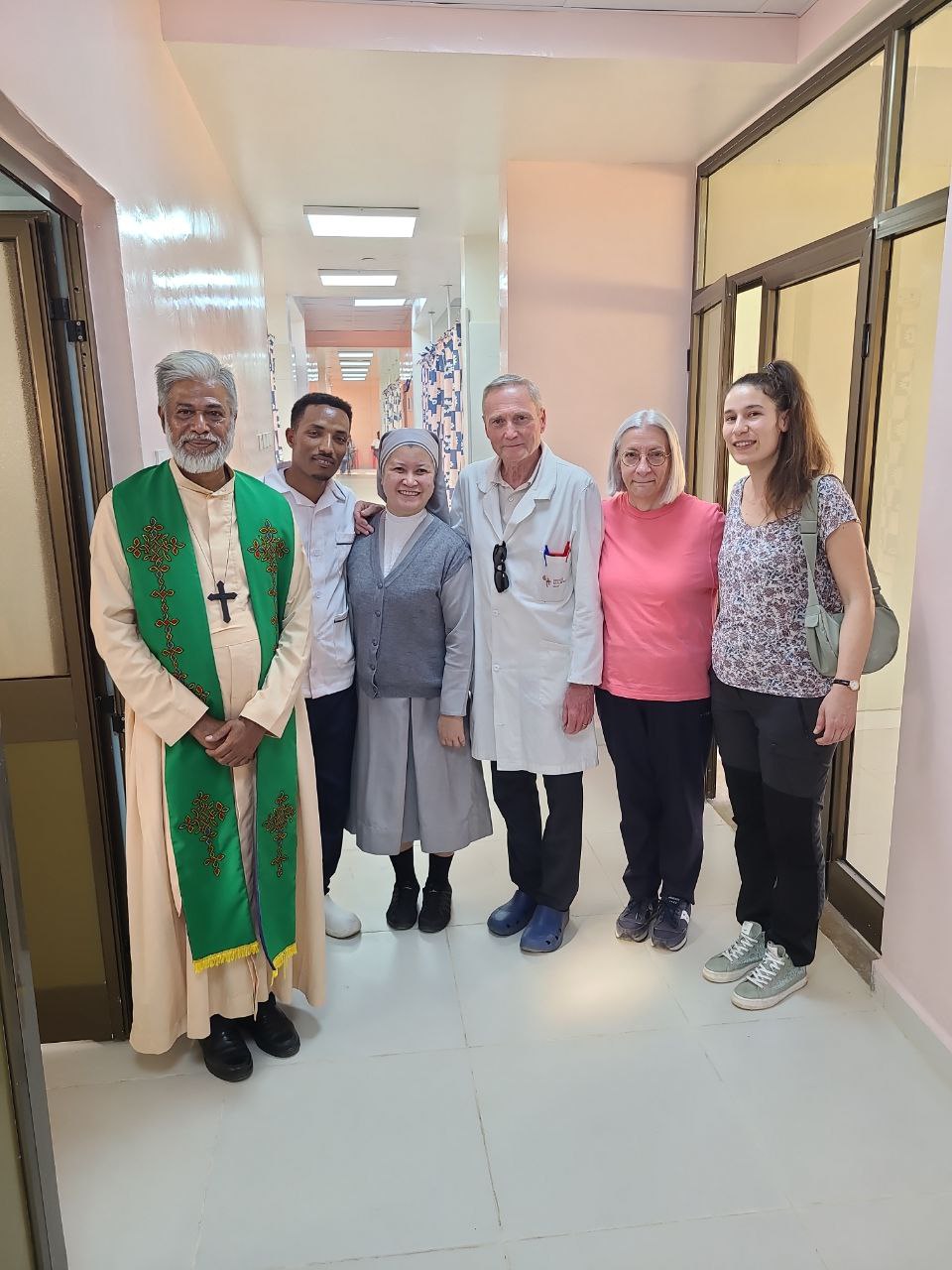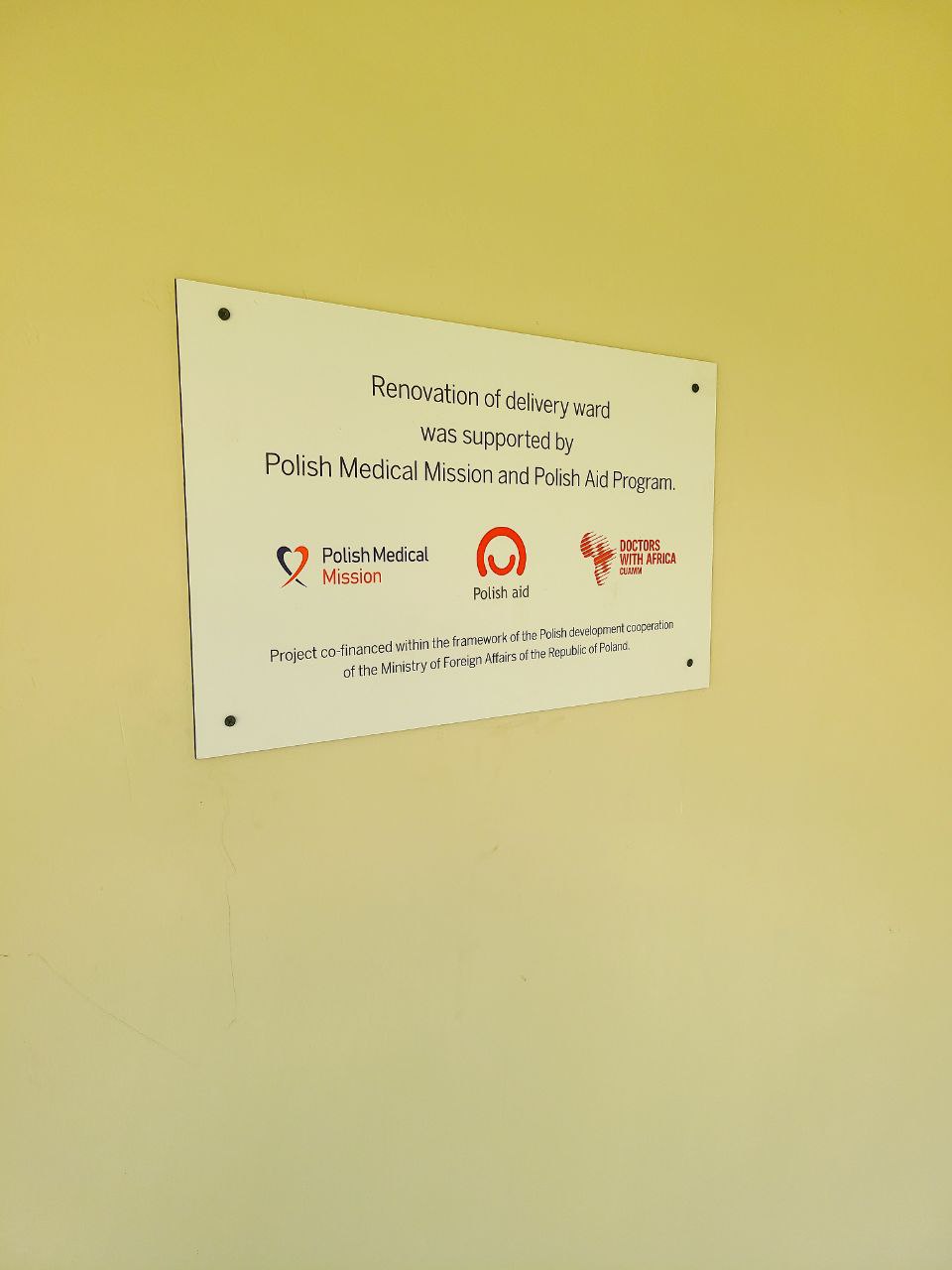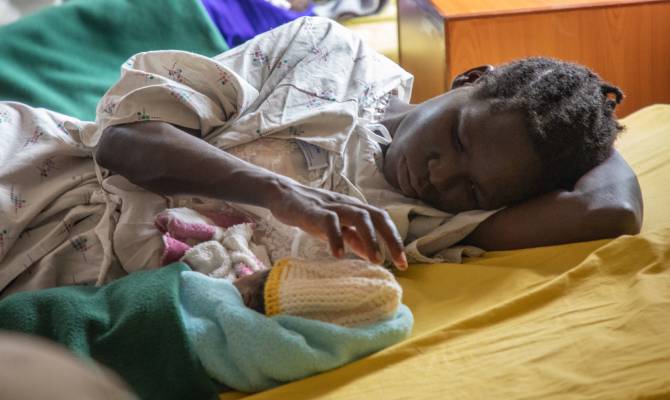
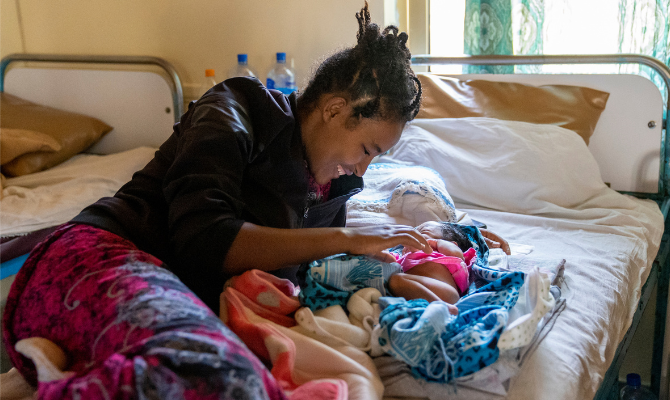
In Ethiopia, in the heart of the South-West Shoa region, decisive steps continue to be taken for the health of mothers and children. The project “Safe Motherhood: support for maternal and neonatal care” was born with a clear objective: to transform the wait for childbirth into a moment of joy and safety, reducing the barriers that too often put the most fragile lives at risk. Thanks to the invaluable collaboration between Doctors with Africa CUAMM, Polish Medical Mission and Polish Ministry of Foreign Affairs, the obstetrics and neonatology services of the St. Luke Catholic Hospital in Wolisso and the surrounding rural health centers have been strengthened.
A renovated delivery room for emergency management
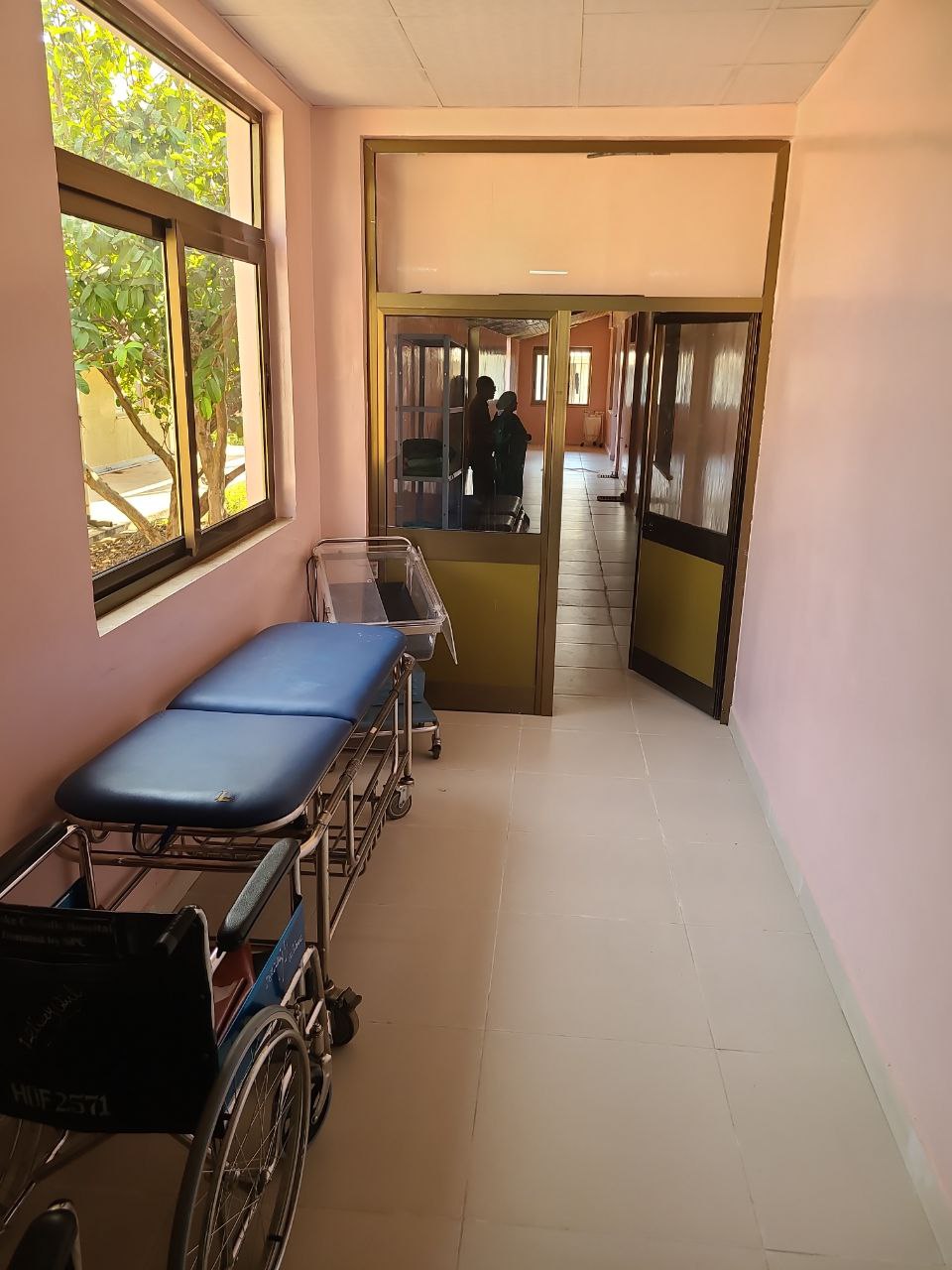
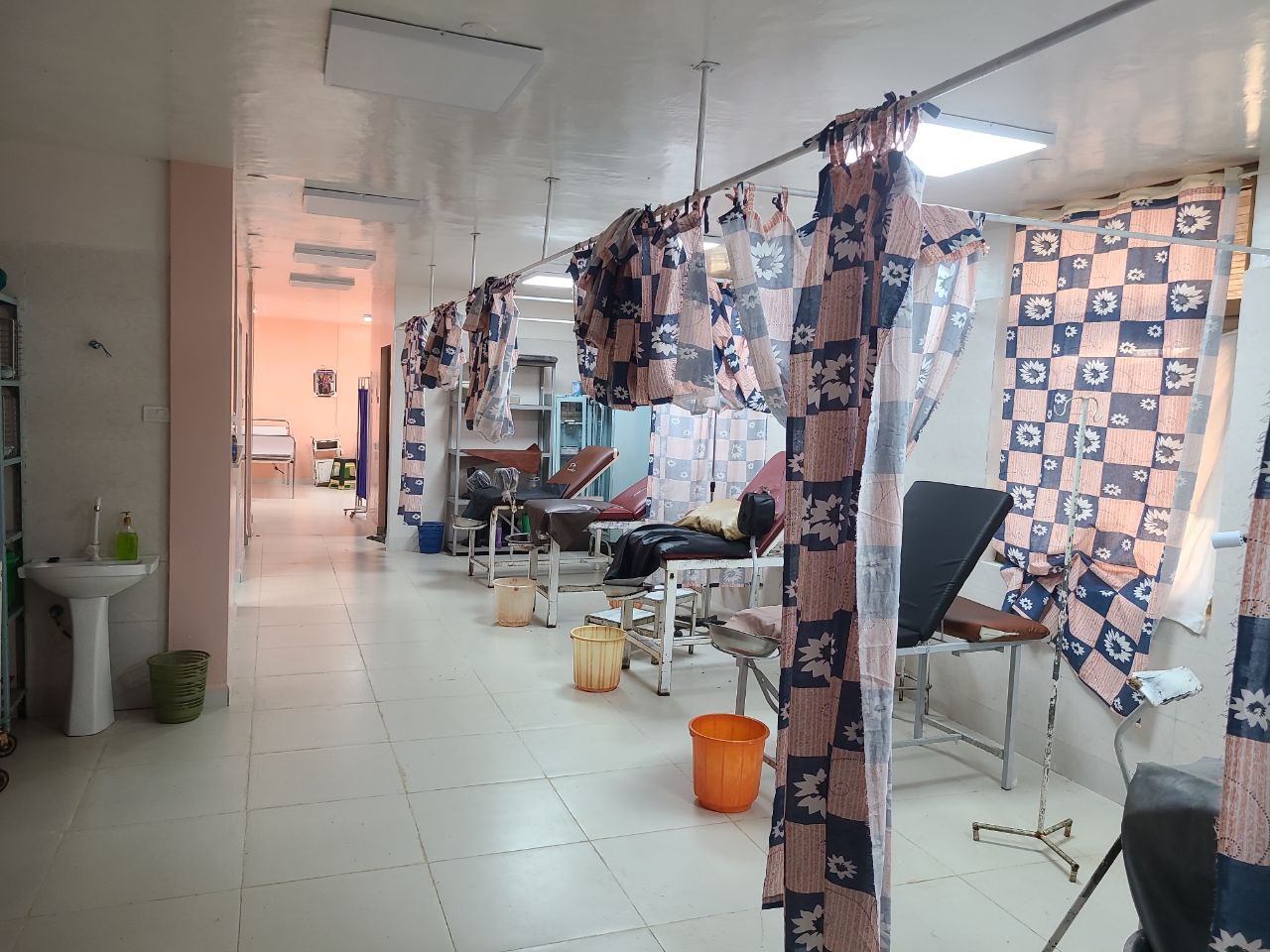
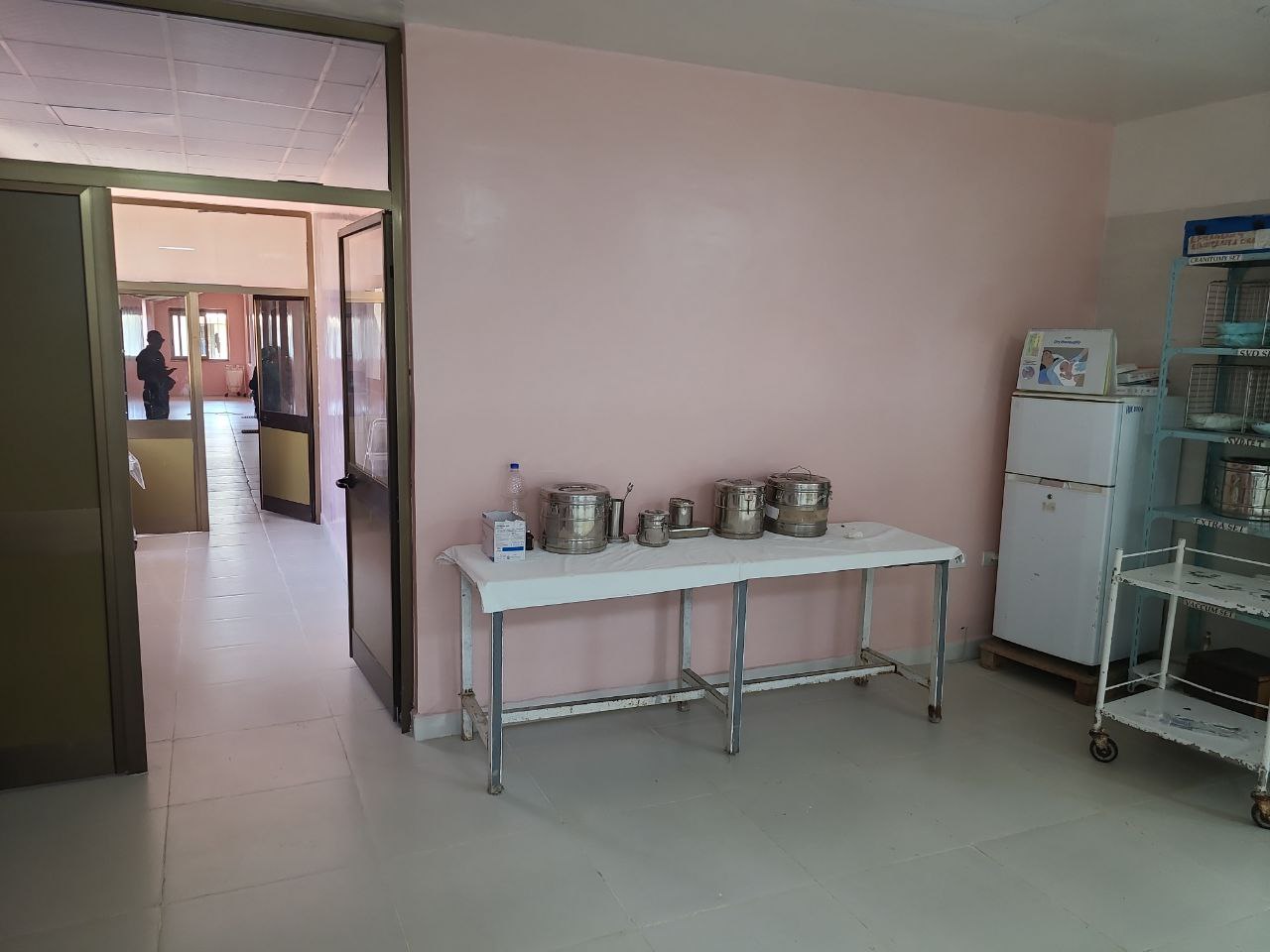
The beating heart of the intervention was the complete renovation of the delivery room and the maternity ward of St. Luke Hospital, which has made these spaces much more functional and aesthetically pleasing. The creation of a new direct connection corridor between the maternity ward and the operating theatre now represents a life-saving bridge, allowing the immediate transfer of patients for emergency caesarian sections and slashing critical intervention times.
“The inauguration of the fully renovated delivery ward was a defining milestone, a major step forward in ensuring safer, higher-quality, and more dignified childbirth services. The renovation introduced modernized clinical spaces, reinforced infection prevention and control standards, among others”, says Henock Adugna, CUAMM project manager.
This renovation, combined with the purchase of new operating tables, surgical lights, and fetal monitors, has confirmed the hospital’s role as a referral center capable of managing over 3,500 annual births with dignity and adequate hygienic standards.
“The new ward now offers a safer, more efficient, and respectful environment for mothers and newborns, while also improving working conditions for healthcare providers. Beyond immediate service improvements, this intervention represents a sustainable investment in maternal health, directly contributing to better outcomes and strengthening community confidence in facility-based delivery services”, adds Henock.
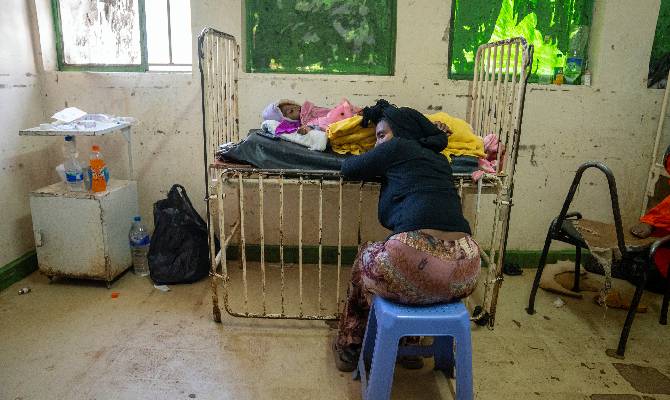
The impact of the project is measured above all in the assisted patients who return home. Thanks to the strengthening of the Neonatal Intensive Care Unit (NICU), 600 newborns in critical condition received life-saving care, making it possible to achieve a neonatal mortality rate between 3.6% and 4%, an extraordinary figure when compared to national averages. It did not stop at the first days of life: the intervention guaranteed treatment for 200 children suffering from severe acute malnutrition, recording a cure rate of 89%, restoring hope and a future to a vulnerable generation.
Beyond the hospital: energy and prevention in the field
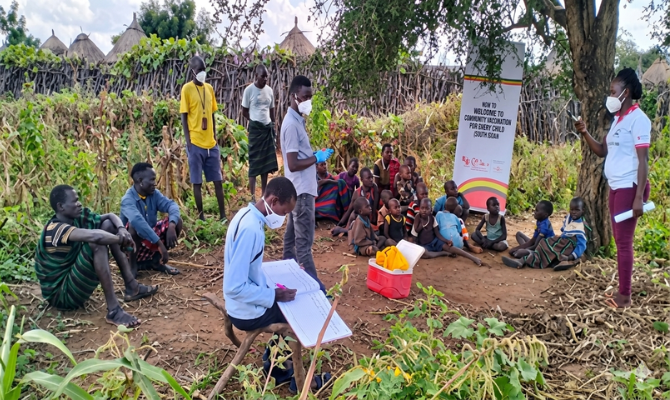
Aware that there can be no care without basic resources, special attention was dedicated to clean energy through the installation and repair of solar panel systems in four rural health centers, ensuring the continuity of electricity and water for peripheral delivery rooms. At the same time, efforts were made to break down the economic barriers that prevent access to care: awareness-raising activities led over 14,800 residents to join the Community-Based Health Insurance (CBHI), guaranteeing lasting social protection for thousands of families.
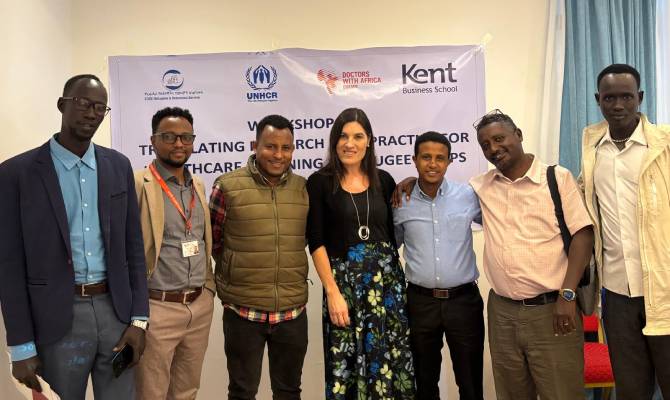
Change only becomes sustainable through people. For this reason, the specialized training of health personnel was an absolute priority, leading to a 45% increase in clinical skills for managing childbirth complications. Finally, to ensure that no emergency remained isolated, support for ambulance maintenance made the safe transfer of 633 critical patients possible, half of whom were pregnant women with complications.
Every kilometer traveled by these ambulances and every hour of training dedicated to doctors represent an investment in the future of Ethiopia, where being born must no longer be a risk, but a guaranteed right to life.