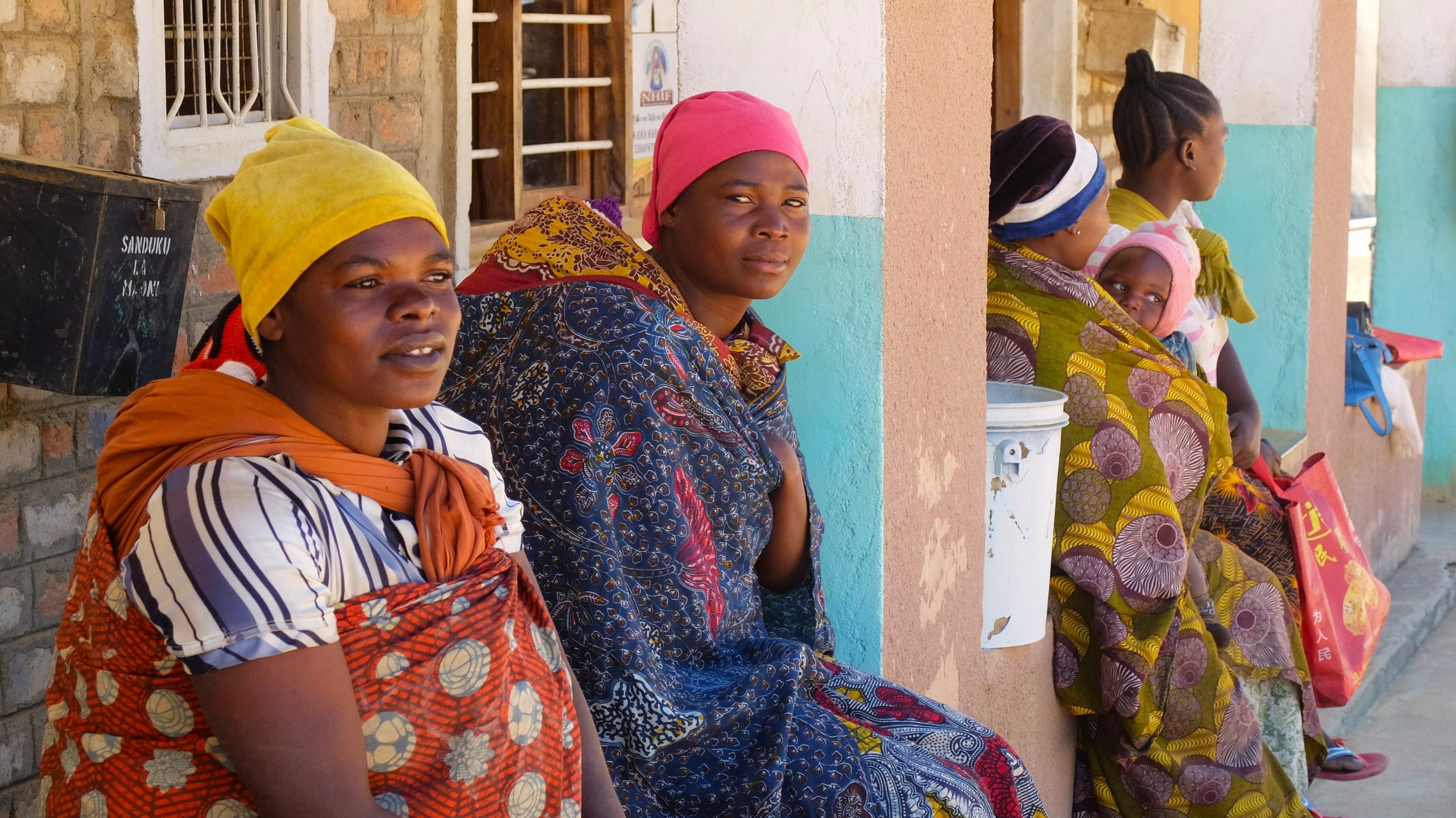
In Tanzania, obstetric complications during pregnancy and childbirth are among the leading causes of maternal mortality, especially in rural areas. Obstetric fistula, particularly vesico-vaginal fistula, is a severe and often neglected condition, primarily caused by prolonged and obstructed labour without timely access to emergency obstetric care.
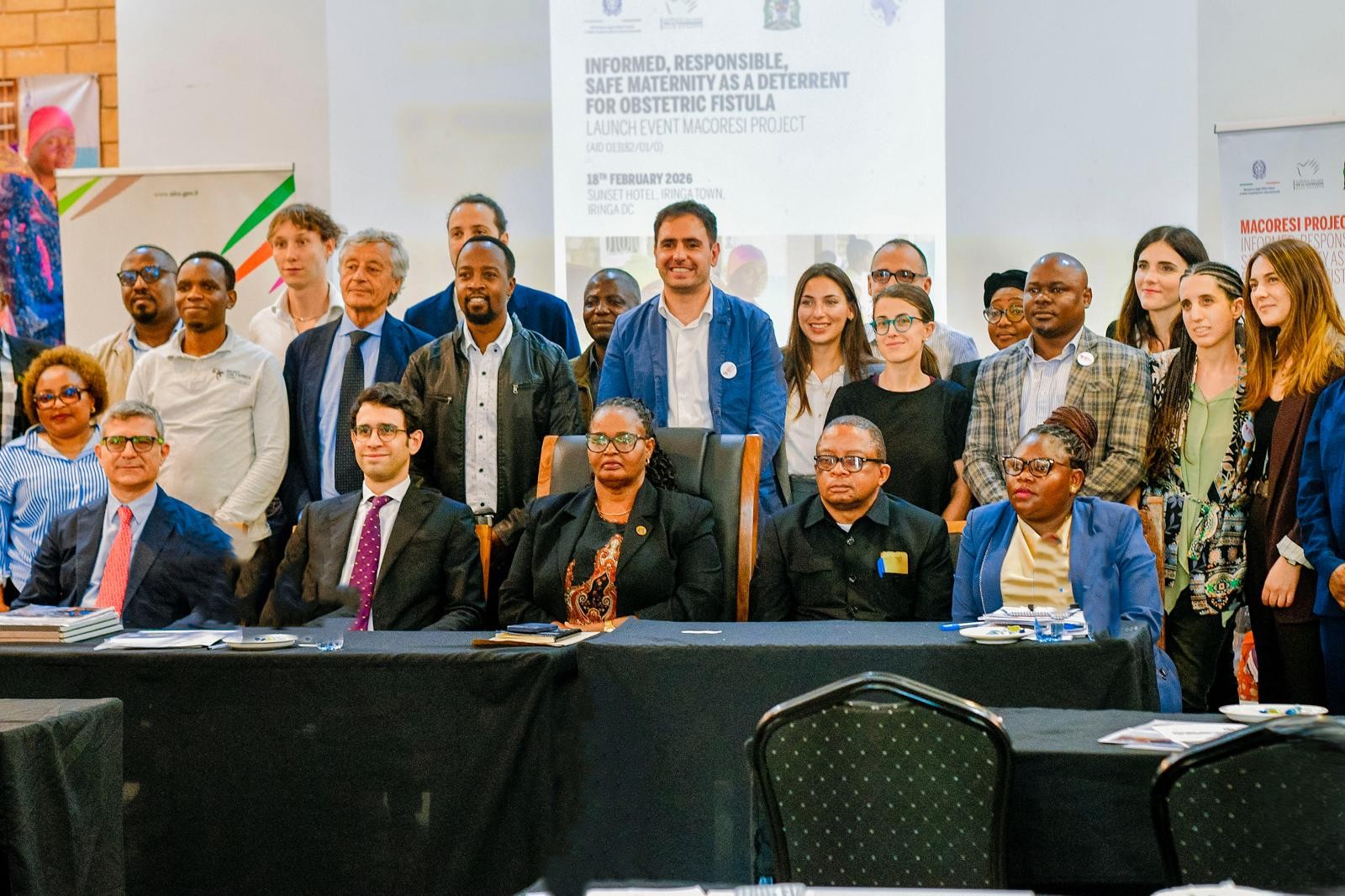
With the goal of improving maternal and reproductive health through the prevention, diagnosis, and treatment of obstetric complications—specifically vesico-vaginal fistula—the “MACORESI project – Informed, responsible and safe maternity, as a deterrent for obstetric fistula” was officially launched yesterday in Iringa. Funded by the Italian Cooperation, the project operates in the districts of Kilolo, Mufindi, and Iringa DC. The University of Campania “Luigi Vanvitelli” in partnership leads it with Doctors with Africa CUAMM, the Tosamaganga Regional Referral Hospital, the Association of Obstetric Fistula Surgeons of Tanzania (AOSFT), Iringa Development of Youth Disabled and Children Care, and the Muhimbili University of Health and Allied Sciences (MUHAS).
Regional and district authorities, hospital representatives, key stakeholders, and the representative of the Italian Agency for Development Cooperation (AICS) attended the launch event in Tanzania.
«Let today mark the beginning of a journey to reduce preventable obstetric complications, strengthen services, and restore dignity to women who need it most. Together, let us work so that every pregnancy is safe, every childbirth is assisted with quality care, and no woman is left behind», stated Paolo Razzini, AICS Representative in Tanzania.
Commitment on three levels
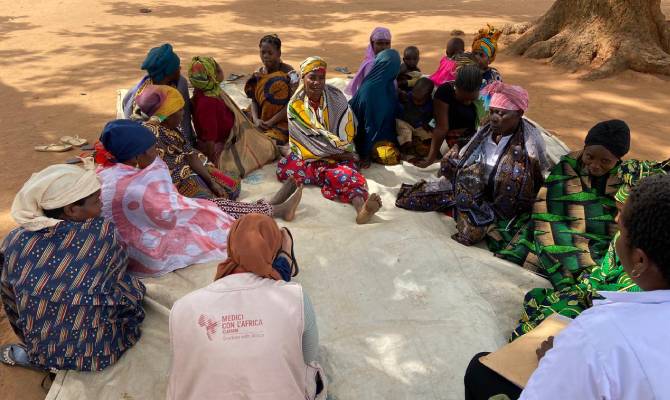
Through this three-year project, action is taken at three levels: clinical, community, and institutional. The improvement of services—to make them more personalized and women-centered—is coupled with the strengthening of knowledge and skills regarding sexual and reproductive health, as well as the enhancement of cooperation and coordination among the actors involved. Efforts will also focus, thanks to community health workers, on countering socio-cultural barriers and reducing the stigma associated with women’s health conditions.
The aim is therefore to strengthen obstetric care and improve the overall health and well-being of women, so that the right to health is not just an ideal, but also a daily reality.
«Health is every woman’s right», stated the Regional Medical Officer. «Thanks to this project, we will place community health workers at the center of our strategy to prevent, detect, and ultimately eliminate obstetric fistula in Tanzania».