CUAMM Supports the Global Sumud Flotilla

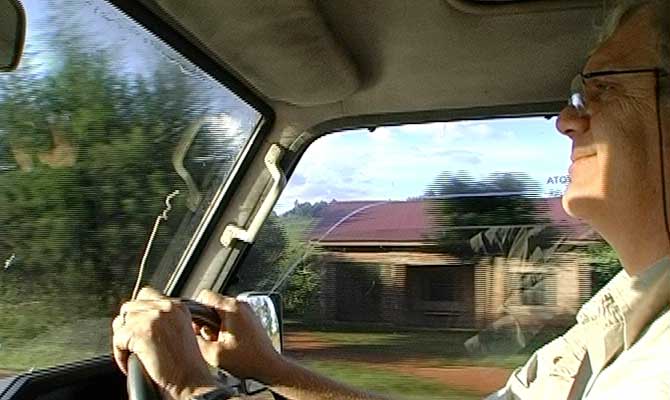
For 75 years, we have been delivering care to the very last mile in Africa, by any means necessary, along roads that are often impassable,
because we firmly believe in the urgency to reach those in need, especially those who are marginalized, without giving up in the face of obstacles.

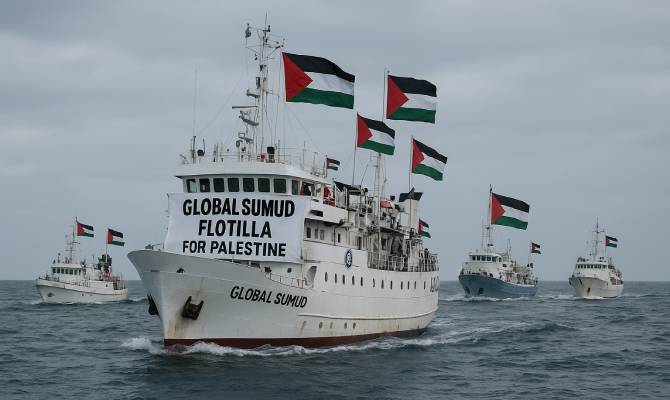
This is why we strongly support the journey of the Global Sumud Flotilla: the perseverance embodied by the flotilla and its name, Sumud (resistance), is ours as well.

From Africa to the Mediterranean, we feel united by the same dream of a more just world, in which we are all called to do our part — with courage and through our choices.

Fair winds! May care always find its way, even across the sea.

ANA Conference: CUAMM Research Projects on Neonatal Care

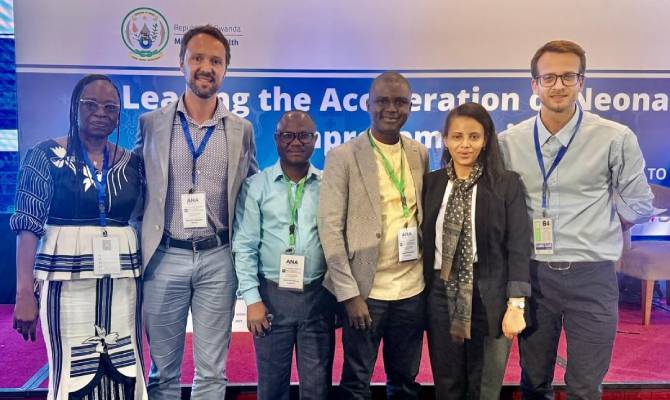
Doctors with Africa CUAMM also participated in the African Neonatal Association (ANA) Conference held in Kigali, Rwanda (August 20-22, 2025). The event gathered doctors, researchers, and healthcare workers from various countries to discuss the most urgent challenges for neonatal health in low-resource settings.

CUAMM presented three strategic operational research projects aimed at strengthening African health systems in the field of neonatal health.

The Critical Care Registry project in the hospitals of Wolisso (Ethiopia) and Beira (Mozambique) involved CUAMM collecting data on over 2,600 newborns, creating actual registries to track the management and outcomes of admissions to Neonatal Intensive Care Units (NICUs). The results highlighted significant differences between the two contexts (e.g., in cesarean section rates and the use of ventilation at birth), demonstrating the feasibility and value of implementing low-cost, real-time data collection tools in low-income countries to improve health outcomes.

“It was a moment to share our experiences in different contexts and backgrounds and learn from others. It was an opportunity for CUAMM doctors to meet and engage with colleagues working on the continent, allowing us to plan a common goal and link existing platforms with new innovative initiatives,” said Eleni Hagos, CUAMM pediatrician at St. Luke Hospital in Wolisso (Ethiopia).

The focus on building and analyzing quality data collections is the common theme of the second project presented. Impulse assessed the quality and use of routine data on neonates and stillbirths in four high-neonatal-mortality countries (Central African Republic, Ethiopia, Tanzania, and Uganda). Dr. Ousman Mouhamadou, project coordinator in the CAR, presented the results of the first phase of this international research project, which showed challenges in standardizing registries and data completeness, but also significant opportunities for improvement, emphasizing the need to invest in reliable information systems to guide healthcare policies and clinical care.

“Presenting at the ANA Conference confirmed the power of data as a tool to transform neonatal care and the value of working together as one dedicated team.”

Finally, the EpiNICU study, conducted in collaboration with partners in Italy, Brazil, and Tanzania, investigated stress, anxiety, and depression in parents of newborns admitted to intensive care, involving over 700 mothers and fathers. The results showed a high frequency of psychological distress across all countries, with particularly high levels of depression in Tanzania and severe stress in Brazil. At the same time, parental involvement in care was higher in Tanzania, highlighting the complexity and importance of psychosocial support in NICUs.

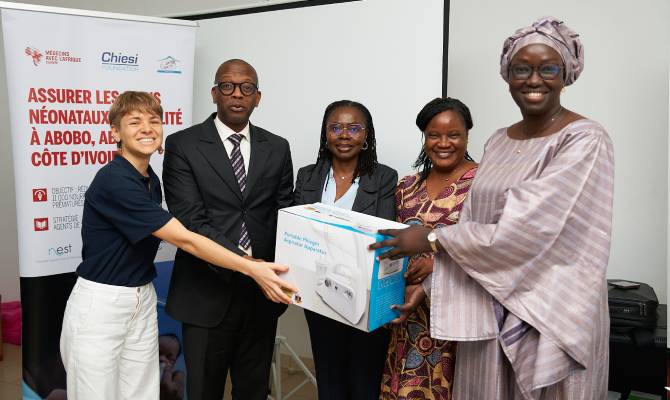
CUAMM’s participation was made possible with the support of the Chiesi Foundation, which also funds the EpiNICU and Impulse projects, a collective effort to support health in fragile settings.

“I realized that across the entire continent, we are not alone in facing the challenges of neonatal care in difficult contexts. No matter the location, a newborn is always a newborn, and as a CUAMM team, we had the opportunity to strengthen our network and collaborations,” explained Marco Frison, CUAMM pediatrician at Beira Hospital.

Dr. Franck Houndjahoue, pediatrician, Health Coordinator in Bangui for Medici con l’Africa CUAMM, and scientific advisor to ANA, emphasized:

“CUAMM’s participation in the first ANA Conference in Kigali was highly significant. The organization was represented by staff from three different regions, reflecting the multilingual identity of ANA (French, English, and Portuguese). The three contributions fully align with ANA’s vision and suggest a promising perspective for CUAMM’s projects in the Association’s member countries.”

This confirms CUAMM’s strong dedication and interest in operational research.

Gambella emergency New wave of refugees from South Sudan

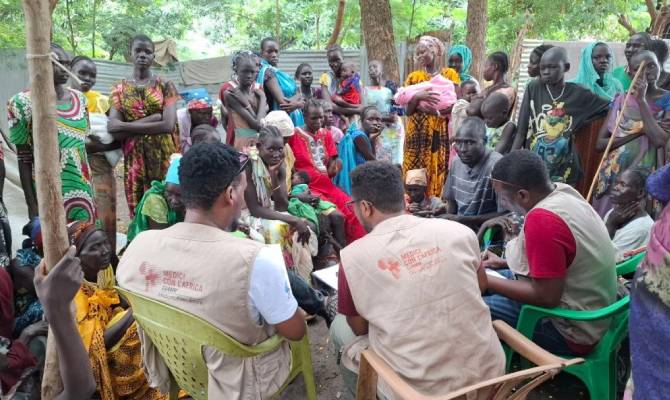
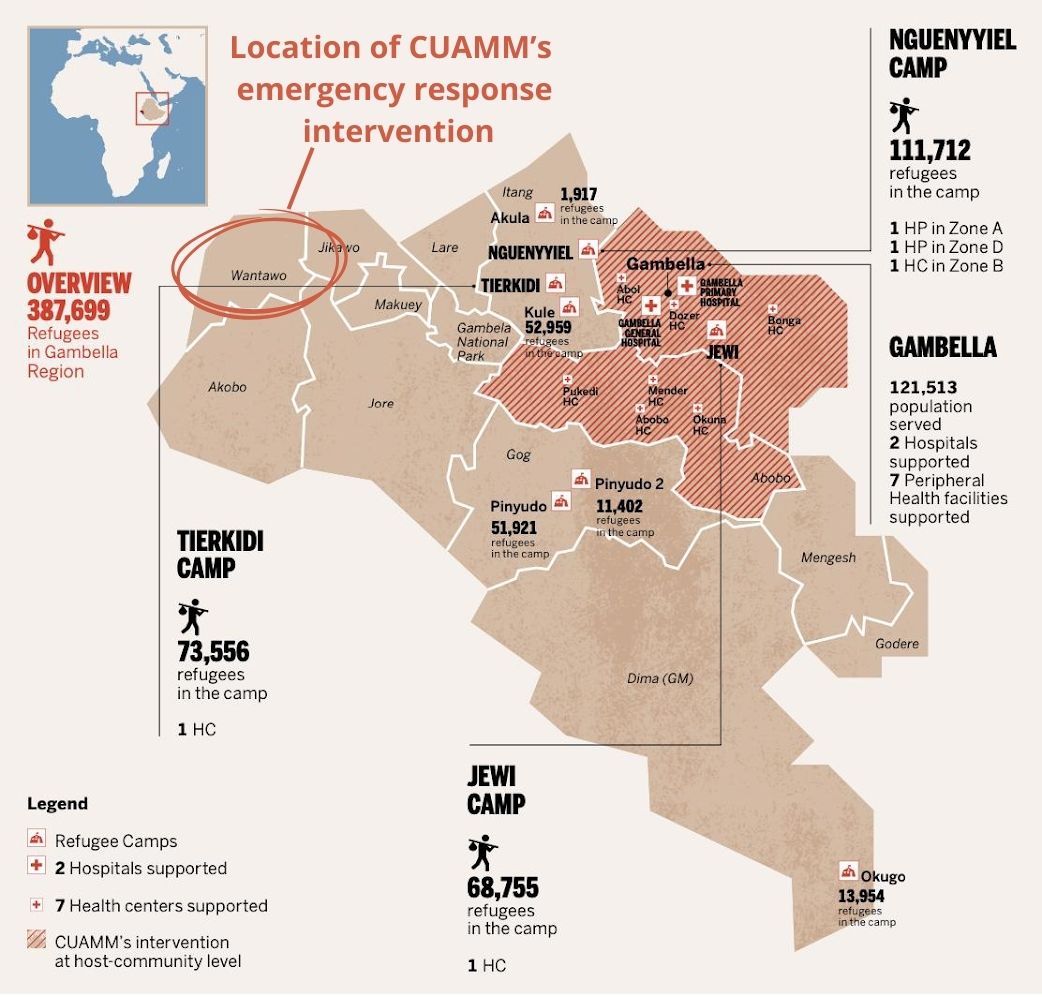
The escalation of violence in South Sudan has triggered new waves of displacement into Ethiopia and increased humanitarian needs, including urgent health services. Nutritional support and maternal care identified as top priorities in Gambella region.

CUAMM has just launched an emergency intervention in the region to provide immediate assistance to both host communities and refugees, while strengthening the capacity of the local health system.

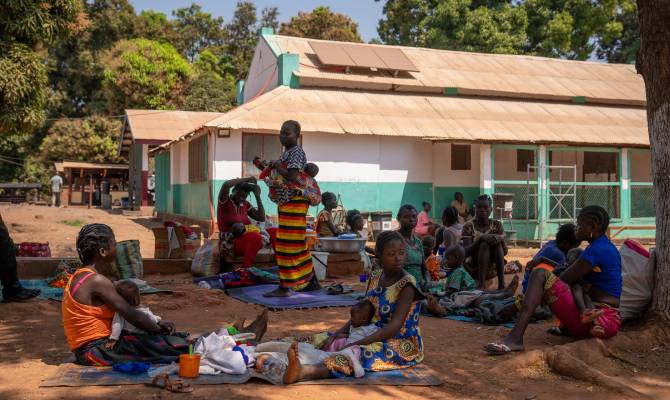
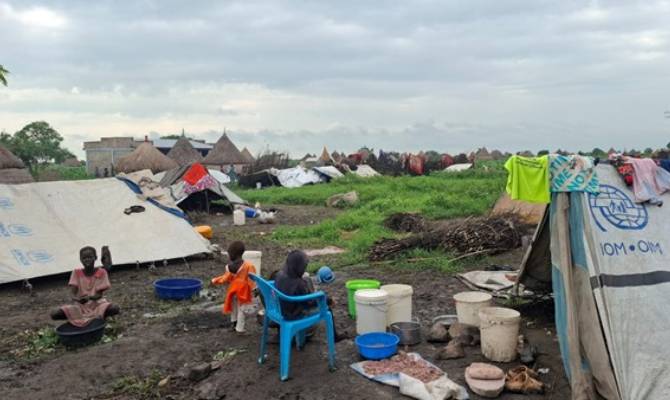
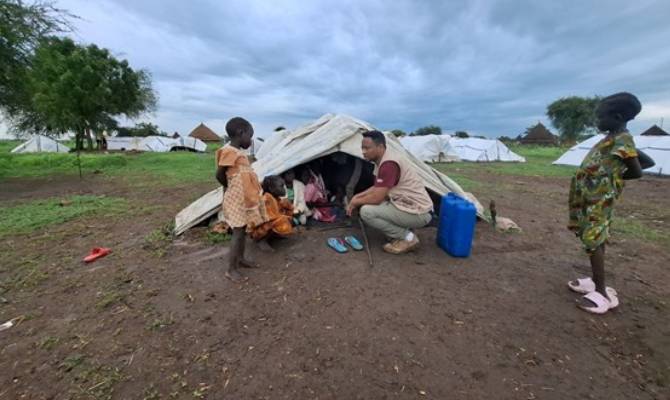
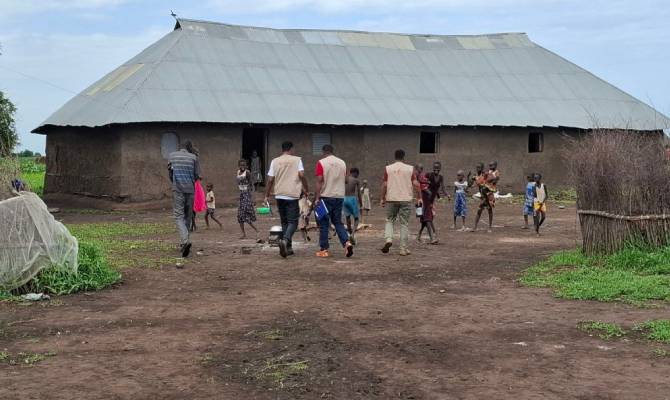
In recent months, thousands of civilians—mainly women and children—have crossed the Ethiopian border in search of safety. An estimated 50,000 displaced people have been received in the southwestern Gambella Region, the majority are being sheltered in churches, schools, and small plastic shelters in Matar town. Before the outbreak of fighting in South Sudan’s Upper Nile region, some 430,000 refugees were already recorded in the region.

“The situation is dire: Ethiopia is one of the African countries hosting the largest number of refugees, with the Gambella region having long taken in the largest share. Today, however, the crisis is reaching even more alarming proportions due to the country’s high inflation rate and recent cuts to humanitarian aid. Meanwhile, the needs of the refugee population are growing exponentially, and the host communities themselves are being plunged into extreme vulnerability,” stated Daniel Frehun, CUAMM Area Manager in Gambella.

Internal instability has compounded the crisis, forcing members of host communities in border areas to flee. Alongside the influx of South Sudanese refugees, more than 15,000 people have been internally displaced, moving to the Nuer Zone—particularly to the towns of Mathar and Moun in Wantawo District. As of August, RRS and UNHCR began relocating the new arrivals to the newly established refugee camp, LuakDong. However, the relocation process has since been put on hold due to the lack of essential life-saving services in the new camp highlighting the urgent need for a coordinated and timely response.

Refugees' temporarily shelter at Moun
Refugees’ temporarily shelter at Moun

“From a health perspective, the most urgent needs are those of women and children, who make up the majority of the refugee population,” said Daniel Frehun. “People on the move are struggling to get even one meal a day. If you consider the children—and pregnant or breastfeeding women—this has serious consequences for their health. We must ensure prenatal care, nutritional screening, and appropriate treatment. And we must not forget seasonal illnesses like malaria, against which these vulnerable groups lack protective measures, nor cholera, which is already spreading inside the camps with the onset of the rainy season.”

In collaboration with the District Health Office and in coordination with local partners, we have decided to launch an emergency intervention in the Nuer Zone, supporting two critical health facilities: the Matar Health Centre and the Nyinenyang primary hospital.

“These are two extremely important facilities for delivering health services in the area,” said Daniel Frehun, CUAMM Area Manager in Gambella. “The Matar Health Centre is a key point of reference which, due to the closure of neighbouring health posts, is now forced to handle an even greater patient flow with the same limited resources. As for Nyinenyang Hospital, it struggles to operate as a full-fledged hospital and is currently acting more like a referral point toward the main hospital in Gambella, undermining its capacity to manage cases and delaying timely access to care for patients.”

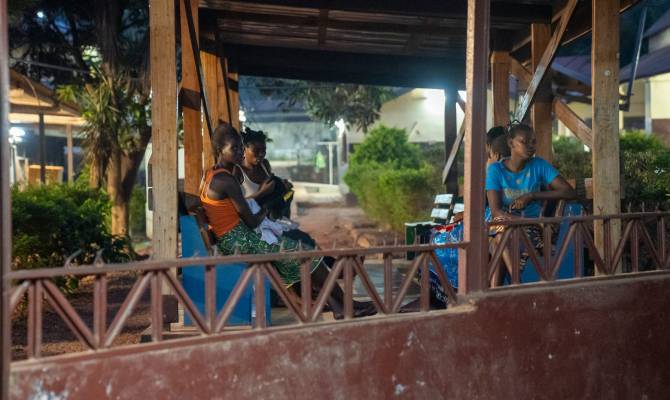
Refugees' temporarily shelter at Mathar
Refugees’ temporarily shelter at Mathar

In the coming months, CUAMM’s intervention will focus on two main objectives: providing immediate support to both host communities and refugees, and strengthening the capacity of the local health system. To achieve this, we will strengthen local health services through technical and logistical support to the District Health Bureau, ensuring quality care and equitable access to basic services; promote prevention with health and nutrition awareness activities and screening for both host and refugee populations; deliver lifesaving healthcare and nutritional support where it is most needed through mobile health clinics.

These interventions share a common goal: to help displaced families move beyond the emergency phase and accompany them, step by step, towards returning home and rebuilding a stable and safe life.

Mathar Refugee camp
Mathar Refugee camp

Ethiopia hosts one of the largest refugee populations in Africa, mainly from Sudan, South Sudan, Somalia, and Eritrea. Most live in 24 refugee camps located in five regions across the country, with Gambella hosting the largest share. CUAMM has been working in Gambella since 2016, supporting both the host community and refugees. Our work focuses on supporting the provision of health services in the two main hospitals—Gambella Primary Hospital and Gambella General Hospital. In addition, over the past year we have supported seven peripheral health centres, and worked in five health facilities within the refugee camps of Tierkidi, Jewi, and Nguenyyiel providing essential medical services.

“Today, Ethiopia is facing numerous crises—including conflicts, recurring natural disasters like floods, acute food insecurity, and diseases outbreaks. While immediate emergency responses remain essential to save lives, they are not sufficient on their own. For response efforts to be truly effective and enduring, we must pair urgent humanitarian action with comprehensive, long-term strategies that build resilience, support livelihoods, and create local ownership. That’s CUAMM approach” claimed Daniel Frehun.

World breastfeeding week Create support systems

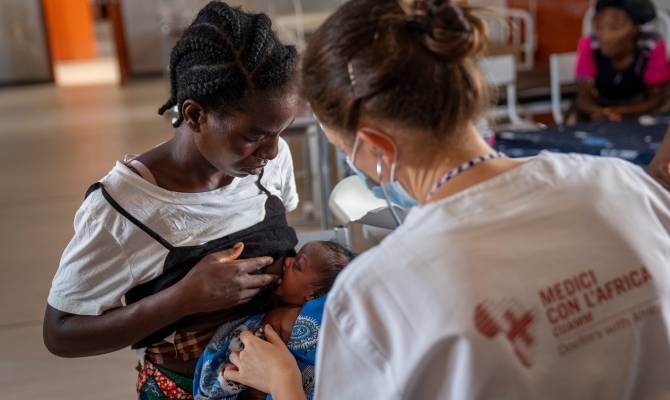
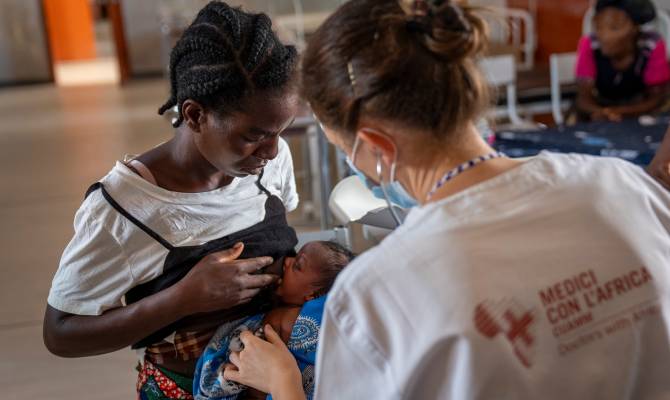
Breastfeeding offers numerous benefits for both newborns and mothers. Breast milk provides essential nutrients and crucial immune protection, especially in low-resource settings where diarrheal diseases and respiratory infections are widespread and often fatal.

While reaffirming the importance of every woman’s right to choose whether and how to embark on the breastfeeding journey, during World Breastfeeding Week we highlighted the benefits this simple act has for both babies and their mothers.

Benefits for newborns: protection against diseases – breast milk contains antibodies and immune factors that help prevent infections such as diarrhea, pneumonia, and other common childhood illnesses; optimal growth and development – thanks to the presence of all essential nutrients during the first six months of life and support for cognitive development; reduced long-term health risks – data show that breastfed children have a lower risk of obesity, diabetes, and cardiovascular diseases later in life.

Benefits for mothers: postpartum recovery – breastfeeding promotes uterine contraction and helps mothers return to their pre-pregnancy weight; reduced cancer risk – it lowers the likelihood of developing breast and ovarian cancers; natural birth spacing – breastfeeding can help space pregnancies, a particularly relevant benefit in contexts with limited access to family planning services.

Finally, and no less importantly, breastfeeding significantly strengthens the bond between mother and newborn thanks to physical closeness, hormonal release, and the promotion of emotional security and responsiveness. During breastfeeding, skin-to-skin contact and mutual eye contact stimulate the release of oxytocin — often called the “love hormone” — in both mother and child, fostering deep emotional connection and attachment.

During World Breastfeeding Week, we reaffirmed our commitment to the health of mothers and newborns by promoting, collaborating on, and participating in a range of initiatives aimed at spreading awareness of the benefits of this simple yet important act.

In Mozambique

From the northern province of Cabo Delgado to Sofala and Tete, several initiatives were organized across the country to celebrate World Breastfeeding Week. As CUAMM, under the Protect project in Sofala province, Beira, we highlighted the work of activists in the five health centers involved in the project and at the central hospital (HCB), especially regarding postpartum care and Kangaroo Mother Care.
In Cabo Delgado, our activists engaged women and mothers in awareness-raising activities on the importance of breastfeeding, also inviting them to participate in focus groups and meetings to share experiences. This initiative was carried out within the ongoing project funded by UNICEF.
In Tete province, we opened the week with an official ceremony attended by local health authorities and presented gifts to the maternity ward of the hospital.


In Tanzania

We promoted and participated in a series of activities in the Dodoma region, working closely with the Ministry of Health.
Among the initiatives: a two-day workshop on breastfeeding and maternal-child health; outreach activities in the most remote areas of the district; and a second outreach in Bahi district, where we took part in a Village Health and Nutrition Day.

Additionally, we provided logistical and organizational support for the Village Health and Nutrition Day organized in Kongwa district, Dodoma region, where we work daily in support of the district hospital.


In Sierra Leone

For the opening event of World Breastfeeding Week, we engaged the Pujehun district in awareness activities on topics such as: exclusive breastfeeding during the first six months; breastfeeding up to two years; complementary feeding; good hygiene practices; and health benefits for mother and child.

The event was organized in collaboration with district authorities (DMO and District Nutritionist), international partners, local authorities, and civil society representatives, including over 200 breastfeeding mothers.

Every meeting and initiative promoted by Cuamm during the week provided our teams with opportunities to address this topic while emphasizing an often-overlooked aspect: the need to create support systems for breastfeeding women. This was, in fact, the theme chosen this year by the World Health Organization: “Prioritise Breastfeeding: Create Sustainable Support Systems.” 

On this subject, and on maternal and child health more broadly, a series of radio broadcasts were aired throughout the week to spread key messages as widely as possible and to strengthen collaboration and support for breastfeeding women.

In our daily work — in hospitals, health centers, and within the communities themselves — we do everything possible to foster collaboration and find sustainable solutions involving health facilities, communities, and families.

We do this by:

  • Strengthening the skills of health workers in breastfeeding counseling through training, mentoring, and supervision;
  • Creating breastfeeding support and safe spaces within hospitals, such as Kangaroo Mother Care units;
  • Supporting peer groups such as Mother Support Groups (MSG) in Sierra Leone and “lead mothers” to promote correct practices among peers, with particular attention to involving fathers;
  • Collaborating with districts and local health authorities to refer complex cases early to appropriate healthcare facilities.


Empowering Refugees the experience of CHWs in Ethiopia

“The training I took not only strengthened my ability to serve but also empowered me to protect my own family. I have learned, I have grown and I have found strength in the support and commitment CUAMM has shown to my people. For that, I am deeply grateful” Ruey Tut Pal is a South Sudanese Refugee living in Ngunyyiel Refugee camp. In 2020 he took part in health trainings offered by CUAMM and joined the team as a Community Health Worker, soon after he became a Supervisor. “Working with CUAMM alongside both national and international teams have shaped me in ways I never imagined” he claimed.

Located in southwestern Ethiopia near the South Sudanese border, Gambella region has hosted a large number of mostly South Sudanese refugees since 2014. Today, more than 395,000 refugees are living in seven camps, including Ngunyyiel.

In this camp, CHWs conduct daily house-to-house visits to deliver key health messages, assess children’s vaccination status, remind families about critical health appointments such as immunization and antenatal care (ANC), and trace defaulters children and pregnant women who have missed their scheduled care. They also identify children who have never been vaccinated and link them to the immunization services.  In collaboration with healthcare workers, they support outreach vaccination campaigns to reach unserved populations.

“One of their most impactful initiatives is the Tea Talk Sessions – said Daniel Frau, CUAMM Area Manager in Gambella. Twice a week, these community gatherings which are predominantly attended by pregnant and lactating women offer a platform for health education, feedback collection, and community dialogue. During these sessions, CHWs, midwives, and nutrition officers identify unvaccinated children, women missing ANC visits, and screen for malnutrition”.

Community Health Workers – CHWs are an essential pillar in delivering and sustaining primary health care services among refugees. By living and working within the community, CHWs are often the first to recognize signs of illness or complications in pregnant women and children and can therefore help overcoming the first delay, the delay in seeking care which is a major contributor to preventable maternal and child deaths. Their early intervention ensures that health conditions are addressed before they become severe, reinforcing the principle that prevention and early detection are more effective than curative care. This frontline presence has significantly contributed to reducing maternal and child morbidity and mortality in Nguneyyiel Refugee Camp.

“CHWs have always played a key role in CUAMM’s interventions in the region. They have always been selected from within the refugee community and this has proven to be strategic and effective approach due to the fact cultural and linguistic familiarity make the CHW’s are more likely to be accepted and respected, leading to greater community engagement to the project intervention” stated Daniel Frau.

Over the past 5 years, more than 500 CHWs have been trained by CUAMM in health-related issues to better serve the refugee populations in the bordering region of Gambella. Currently, 60 trained CHWs are deployed in Nguenyyiel refugee camp as part of the team serving in the “Emergency response to the South Sudanese crisis through an integrated and inclusive approach in health, nutrition and protection” project which is supporting two health posts located in the camp.

The contributions of CHWs have been instrumental to the success of CUAMM’s primary health care interventions in the Ngunyyiel refugee camp. Their close connection with the community, consistent engagement, and ability to mobilize and educate residents have made health services more accessible and effective. The progress made in disease prevention, maternal and child health, and immunization coverage in Nguneyyiel would not have been possible without the tireless efforts of the Community Health Workers.


Escalating displacement in Cabo Delgado CUAMM’s reponse

In recent weeks, attacks by non‑state armed groups (NSAGs) have intensified in Cabo Delgado, Mozambique’s northernmost province, resulting in the displacement of over 46,000 individuals across the districts of Chiúre, Ancuabe, and Muidumbe. According to the United Nations Office for the Coordination of Humanitarian Affairs (OCHA), Chiúre is the most affected district, with 42,411 people displaced most of them women and children.

Since the first attack was recorded in October 2017, violence in Cabo Delgado has continued to displace and traumatise thousands of people. To date, some 865,000 people are internally displaced in the region. Most have experienced or witnessed extreme violence including killings, sexual violence, kidnappings, extortion, and villages being burnt. Many had or saw their relatives and neighbours being assassinated, decapitated, or killed by gunfire. Some have lost their entire family.

CUAMM has been working in Cabo Delgado for years. Presently, we work in Pemba providing support to women who survived gbv and in the districts of Chiure and Ancuabe by deploying mobile health clinics to take healthcare in underserved communities, including IDPs camps.

This surge in violence has severely crippled communities’ access to healthcare. In response, CUAMM has significantly expanded its operations. Mobile health clinics activities have been intensified in Chiúre and Ancuabe, providing essential healthcare services—such as maternal health, child immunizations, and general consultations—to displaced populations.

“We are working in coordination with local authorities and international partners like UNICEF and Vitol to deliver a timely response – said Giorgia Gelfi, CUAMM Country Manager. Due to security reasons our team can no longer access some areas but mobile clinics have been relocated to the area with a higher concentrations of IDPs”.

This latest surge in displacement is unfolding as humanitarian access is decreasing and funding is dropping, making it exceedingly difficult to meet the needs of the newly displaced. Despite these mounting pressures, CUAMM remains steadfast in its commitment to delivering critical healthcare—particularly to the women and children most affected by this crisis.


Moses made it

The pediatric ward of Tosamaganga Hospital, located in the Iringa region, Tanzania, receives dozens of patients daily. Children arrive with fevers, injuries from domestic accidents, or in a state of extreme weakness, often due to malnutrition, as in the case of Moses a one‑and‑a‑half‑year‑old child.

“When Moses arrived at the hospital in his mother’s arms, his condition immediately appeared very serious,” said Giulia Guerrini, pediatrics resident at Tosamaganga hospital. “His abdomen was extremely swollen, and his body was covered with edema—common signs of severe protein-energy malnutrition, known as kwashiorkor.”

Kwashiorkor is a type of malnutrition characterized by severe protein deficiency, a severe condition prevalent in developing countries. Originally, the term described an illness affecting a child who is no longer breastfed when a new sibling is born, typically impacting children under five years old. Contributing factors include a protein-deficient diet—mainly consisting of rice, cassava, or maize—recent infections, or weaning from breast milk.

“Knowing how to feed one’s children isn’t straightforward in contexts like this,” explains Giulia Guerrini. “Often, mothers stop breastfeeding and start feeding their children cassava flour and water. But it’s not just about availability and resources; it’s also about education and lack ok knowledge.”

The first five years of a child’s life are extremely delicate, especially in the areas where we operate. Breastfeeding, followed by proper weaning, is critical for healthy growth. Breast milk provides essential nutrients and amino acids. Even after weaning, it’s vital to ensure children receive these nutrients through other food sources. Improper weaning without essential nutrients can lead to dramatic consequences.

Moses took a long time to recover; his hospitalization was lengthy and complex. For about a month and a half, the medical staff at Tosamaganga closely monitored him, managing complications as best they could. However, he wasn’t without familial affection during his hospital stay.

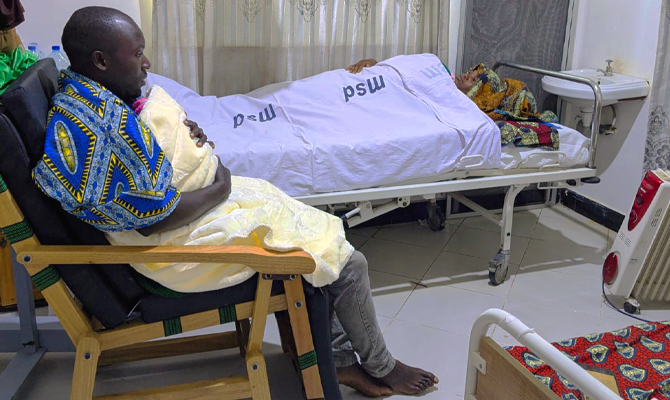
Moses with one of his caregiver during hospitalization at Tosamaganga Hospital

“It was touching to see the care and concern two women, neighbors, showed Moses throughout his hospitalization. His mother had to stay home to care for her newborn, so these women took turns daily, participating in every decision regarding Moses’ health. They are mothers themselves, with families and responsibilities, yet they chose to help their friend and be mothers to Moses in that hospital room,” said Giulia.

After over forty days in the hospital, Moses’ health conditions strated improving. The edema gradually disappeared, the swelling subsided, and he started gaining weight.

Tosamaganga Hospital is a reference point in the Iringa region. As Giulia mentioned, malnutrition remains the leading cause of death for children under five in the area. In 2024 alone, Doctors with Africa treated 129 children who arrived in a state of severe malnutrition.


Growing together

In one of Mozambique’s youngest and most dynamic cities—Beira—the Catholic University (Universidade Católica de Moçambique, UCM) isn’t just an institution for higher learning: it’s a vibrant laboratory of ideas, exchange, and growth which is courageously and pragmatically shaping the future of health. Here, a new generation of doctors and nurses is being educated and trained, alongside the dedicated work of Doctors with Africa CUAMM.

We have heard about it from the testemony of Dr. Francesco Segala, from Turin, and Federica Penco, nurse from Genoa—who have been working hand-in-hand with the university since November and April respectively, thanks to a CUAMM-supported project.

“It’s a formative experience even for me, despite being here to teach,” Francesco shares.
“Our office is inside the university. We live the dynamics of a centre of excellence from within—one that a great many Catholic universities in Africa and the Lusophone world look to as a point of reference.”

UCM’s pedagogical method is innovative: designed around the so-called “based learning” approach, it places students at the centre of the educational process. Small tutor‑led groups guide them step by step.

For Federica—working in an academic setting for the first time—the welcome has been warm:

“My colleagues and the students involved me right away. Despite my imperfect Portuguese, they correct me, support me, listen to me—and they ask me to contribute my own experience.”

One of UCM’s most pioneering initiatives is the Saúde Familiar programme—launched over twenty years ago: from the very first year, each student is assigned to five or six families in the bairro of Chipangara, located right across the campus. These are communities often lacking electricity or running water, exposed to infectious diseases and severe health vulnerabilities. Over a four-year period, students follow these family units: they visit them, record health issues, and accompany them—if needed—to local health centres.

“It’s a powerful message to send students into the most disadvantaged neighbourhoods to knock on doors and ask, ‘How are you? What’s going on here? How are your children?’ ” Francesco explains.
“I’ve never seen anything like this at a Western university. It’s a lesson in medicine and humanity rolled into one.”

Starting this September—and thanks to CUAMM’s support—the project will be enriched with a new research activity: a prospective cohort study to monitor key poverty-related infectious diseases—HIV, malaria, tuberculosis, schistosomiasis, helminthiasis. The goal: produce an up-to-date snapshot and design targeted future interventions. But the transformation is already underway.

“Being part of Mozambique’s nursing revolution is both a beautiful and necessary challenge,” Federica admits.
“UCM graduated its first nursing cohort only in 2009, but today the profession is gaining recognition and autonomy. Here, a new generation of care professionals is being built. And step by step, real change is happening.

Enough is enough

Dear Friends,

Enough is enough.
Enough destruction, enough death, enough violence.
We must shout it aloud, ring it with bells and proclaim it in every possible way — as many have done — to break the silence and halt this relentless march toward the destruction and massacre of innocent lives in the ongoing genocide in Gaza.

We want to make noise, as so many others are doing — believers and non-believers, women and men of goodwill, people of all backgrounds and ages — to once again raise our voices and demand a ceasefire.

We all strongly condemn the October 7th tragedy caused by Hamas. We firmly reject all forms of terrorism, all wars — even those that remain unnoticed — but together we must also say enough to the killing of innocents.

“We want peace!”
Just a few days ago, Pope Leo XIV made this call, together with young people from around the world gathered in St. Peter’s Square for the Jubilee.
And the Italian President Sergio Mattarella spoke clearly and forcefully:

“The situation in Gaza is becoming more dramatic and intolerable with each passing day; we hope that the announced pauses will translate into genuine ceasefires,” he said, stressing that “starving an entire population, from children to the elderly, is inhumane.”

“Break the silence.” That is what a group of professors from the University of Padua and many other voices from the academic world are urgently calling for in a petition published recently in The Lancet.
As CUAMM, we have also signed it to denounce “the severe food insecurity and risk of starvation for the entire population, and a life expectancy at birth reduced by around 35 years in 2024.”

That signature is a way to say loud and clear: in the face of such atrocities — even if they are happening far from where we work — we have the responsibility to make noise. Just as it is a moral imperative and a concrete daily commitment for us to always keep Africa and its development at the center, and to make every effort to seek paths of dialogue, of listening to others, of mutual welcome and respect.

We will bear witness to all of this on November 22 in Padua, during the CUAMM Annual Meeting.
It is our tangible way of joining all men and women of goodwill to build a shared path toward the future — beyond political and ideological divisions — along the road of dialogue, understanding, and peace.

Father Dante Carraro – CUAMM Director General


© Photo by Mohammed Ibrahim

Annual Report 2024

Doctors with Africa CUAMM Annual Report is an account of our activities both in Italy and across the 9 African countries we work in.

Over the past year, we have provided care to over 2 million patients, assisted 272.557 births, treated 7.236 malnourished children both in hospitals and hard-to-reach areas. In addition, we have trained 4.876 health workers, rehabilitated health facilities and furnished consumables.
These activities are part of our mandate to promote access to adequate health care for the most vulnerable populations in Africa therefore protect their lives and dignity.