Migrants and Asylum Seekers CUAMM’s Support

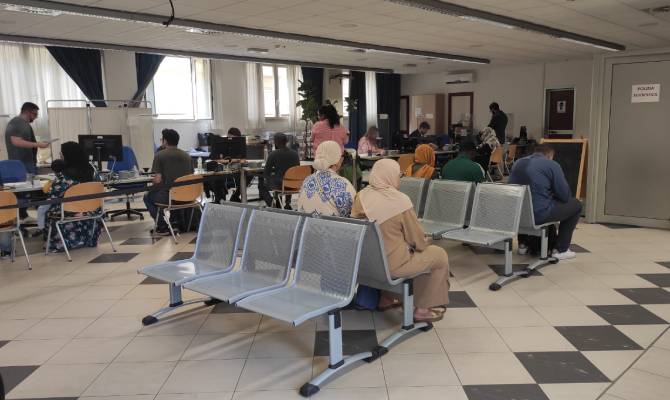
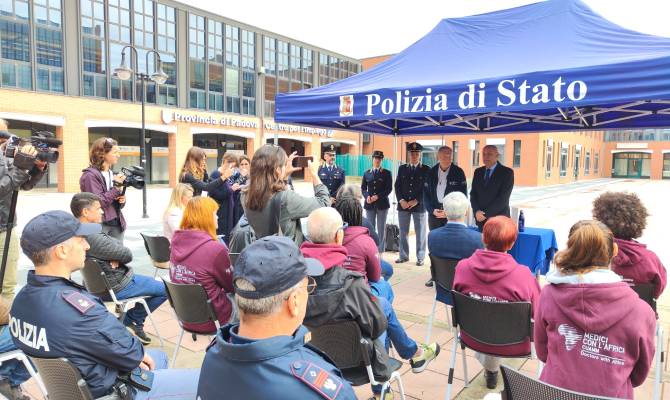
Managing the reception phase, assisting at the information desk, guiding and directing users to ensure faster and smoother access to procedures: this is CUAMM’s commitment in supporting the immigration offices of police headquarters. This work began in Padua in 2022 and was later extended to the city of Bologna. It is an effort grounded in the dedication of volunteers who have chosen to devote their time to supporting and welcoming people in need.

Ceremony for the beginning of the collaboration between CUAMM and the Immigration Office in Padua.

In Padua

Support activities at the Immigration Office of the Padua Police Headquarters began in March 2022, when the outbreak of the war in Ukraine exponentially increased the workload. At the beginning of 2022, the number of people assisted by the offices doubled, reaching peaks of 350–400 people per day in the first weeks of the conflict. Many were Ukrainian refugees seeking to regularize their temporary stay in Italy—mostly women, elderly people, and minors.

Currently, the Immigration Office receives an average of 250–300 daily visits from people of various nationalities, and CUAMM’s support continues. The presence of volunteers has significantly eased the atmosphere of tension often felt during waiting times and at the counters, helping users feel listened to and supported.

Today, 18 CUAMM volunteers regularly serve at the Immigration Office from Monday to Friday in two shifts—morning (9:00–13:30) and afternoon (14:30–17:30)—ensuring the presence of about 5 volunteers per day.

From March 28, 2022 to September 2025, the Immigration Office recorded nearly 500,000 visits by foreign citizens (including Ukrainians) seeking to regularize their stay in Italy. Over the course of three years supporting the Padua Immigration Office, CUAMM volunteers have donated more than 27,000 hours of their free time to user support and reception activities. Thanks to this valuable support at the reception desks, the State Police staff were able to focus more on counter operations, speeding up the processing of applications and reducing waiting times for residence permits—from the initial 10 months to the current 4 months.

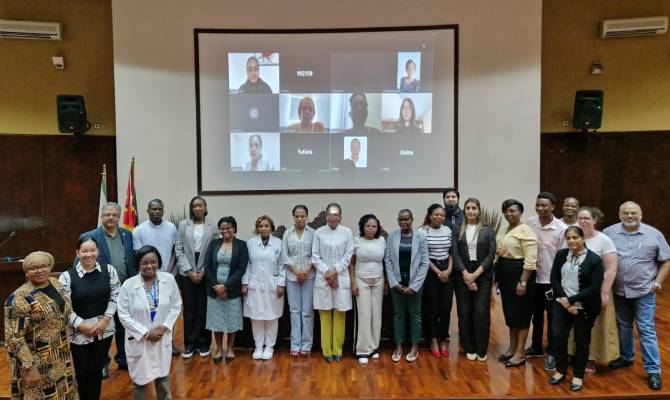
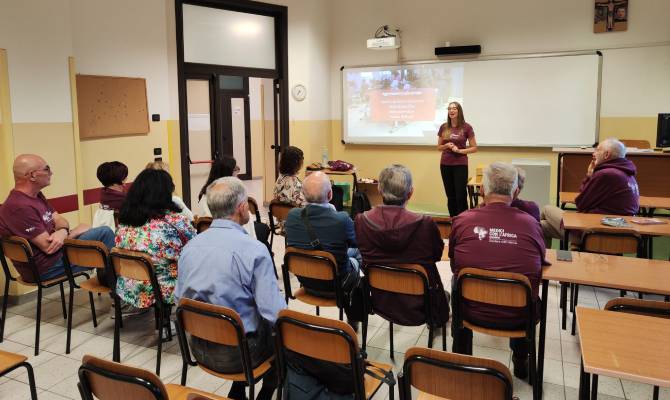
Meeting with CUAMM volunteers in Bologna

In Bologna

Since June 2025, CUAMM has also extended its support to the Bologna Police Headquarters. The goal is to ensure reception and assistance services for the many migrants arriving daily in Bologna, replicating the model already successfully tested in Padua.

The Immigration Office of the Bologna Police Headquarters receives around 300 people every day, handling requests ranging from the renewal and issuance of residence permits to photo-identification, asylum applications, and the delivery of electronic residence permits. This project is supported and sustained by local businesses, through Confindustria Emilia Area Centro.

From June 3, 2025 (the start of the CUAMM–Police Headquarters collaboration) to September 2025, the Immigration Office registered more than 5,000 visits by foreign citizens seeking to regularize their stay in Italy.

This result was made possible thanks to the competence of the Police Authority in managing requests, together with the dedication of volunteers, who contributed nearly 1,000 hours of their free time in just over three months to support and welcome users.


World Day of Migrants and Refugees searching a better and dignified life

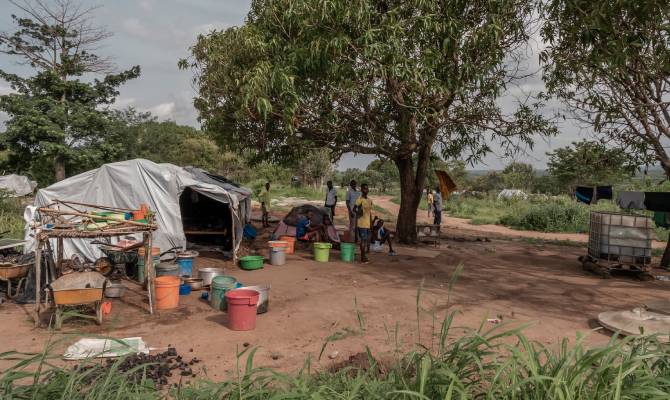
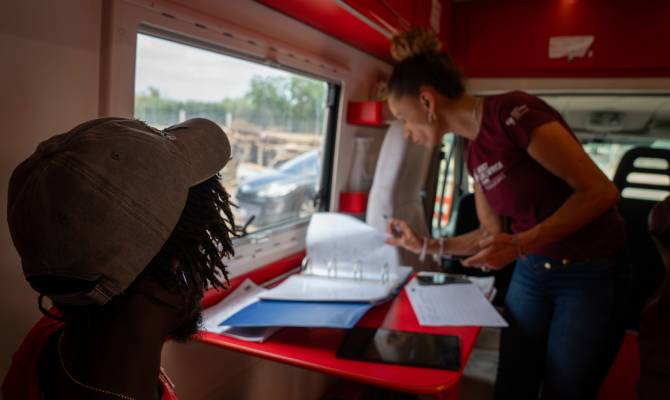
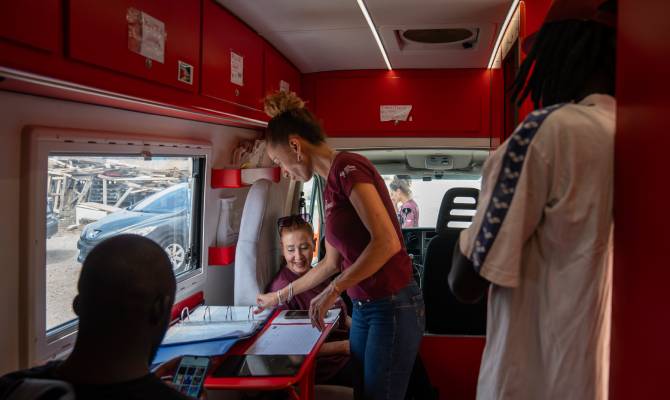
Lamine* is jumping into our van when we meet him. We are in San Severo, in the Casa Arena ghetto, province of Foggia. Here, hundreds of seasonal workers—mostly migrants—live without rights or protections. The settlement, once equipped with basic services, today has no electricity or hot water: people cannot even charge their phones and make do as best they can, in crowded dormitories or containers, surrounded by old bikes and broken-down cars.

Lamine is accompanying a friend to a medical visit. His friend arrived in Italy only eight months ago and hasn’t been feeling well. Lamine translates for him, stays by his side, and makes sure he is carefully examined. That is how we begin talking with him, in English.

“He’s been here a short time, and he’s still struggling with the journey,” Lamine tells us. “Eight months aren’t enough to overcome the trauma of migration. Lately I can see he’s not doing well—at work he’s slower, he struggles. He’s not himself.”

Lamine himself has been in Italy for ten years. He left Gambia, crossed the desert and Libya—where he waited three months for his brother so they could cross the Mediterranean by boat together. Since then, he has been working in the fields around Foggia. Was it worth it?

“Yes, it was absolutely worth it. It’s hard, but in my country there was no future. Here, it’s not that different from Gambia, but at least it’s a little better.”

He lives in a crowded dormitory with dozens of others, cooks on makeshift stoves in the middle of the room, and faces the same daily hardships as his companions. Still, he manages to send something back home to his mother, brothers, and younger sisters: “They are my first thought.”

After his friend, Lamine also asks to be examined: heavy loads and the physical strain of farm work are causing him back pain. These are common ailments we often encounter during our health assistance activities.

Through the Su.Pr.Eme 2 project, our mobile clinics regularly reach the so-called ghettos of Foggia—from Casa Arena to Casa Sankara and other informal settlements—providing basic care, listening, and support. It is daily work, built on relationships formed step by step, leaving no one behind.

On this World Day of Migrants and Refugees, which Pope Francis has dedicated this year to the theme “Migrants, messengers of hope”, we reflect on Lamine’s story. With his braids, a baseball cap, and a smile, he looks like someone who has somehow found his path—a path that passed through the desert, through Libya, across the sea, and has ended up in the harsh, difficult conditions of the fields in Foggia. Conditions that, to him, still seem like an acceptable prospect.

*Name has been changed.


Papa Tito an African man

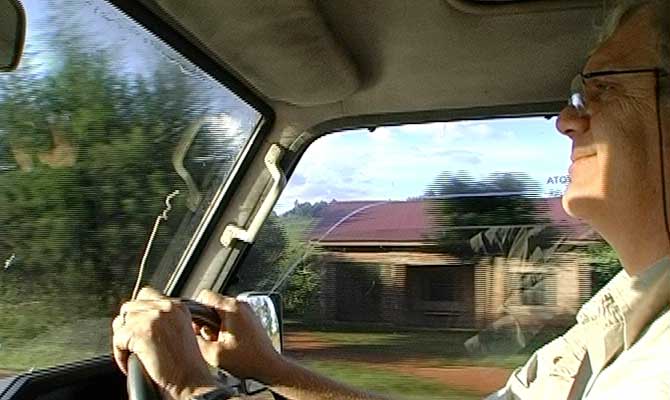
“The night whistles, the lake immense and still like a prairie, Tito Dal Lago waiting for us in the crowd, watchful and curly-haired, beneath a heavy moon among the eucalyptus trees. It is the whitest black I have ever seen; he would never leave his Uganda for any substitute Europe. He was born in Africa, ‘born free,’ he emphasizes, driving his off-road vehicle like a ranger.”
This is how the Italian writer Paolo Rumiz, described Tito Dal Lago in his novel Il bene ostinato.

Two eyes, clear and deeply blue, gazing at you from behind his glasses. They looked like his father’s, Professor Anacleto Dal Lago. A descreet man, one of few words, yet always available. One of those you could count on, at any moment, to solve problems and keep things running, with discretion and professionalism.

“Shock and profound sorrow. An enormous loss for the whole CUAMM,” says Fr. Dante Carraro. “Almost 40 years at CUAMM, a life lived WITH Africa. This was Tito Dal Lago. A great friend to everyone, a true point of reference, a real ‘African’ who loved Africa with all his life and his family. Thousands of people passed through that welcoming port that was his home in Kampala, on Ggaba Road, Kansanga, where you would have always found fruit salad and coffee.”

Born in Nkobu, Kenya, in 1955, where his father Anacleto and mother Bruna had moved shortly after their wedding, Tito Dal Lago loved Africa and CUAMM throughout his life. In the late 1980s, he began working in Uganda with his wife Nicoletta, where he continued to serve as the country’s administrative manager until today.

“I can only say good things about Tito, a great man, friendly with everyone, always available and available,” comments Antonio Sebben, CUAMM logistician and handyman who worked alongside Tito for over 20 years.

And Chiara Conti, Uganda desk officer, adds: “Tito and Nicoletta were the first to welcome us when my husband Matteo and I arrived in Uganda for the first time ever with our baby Gregorio in 2008. Every time I returned to them, I felt at home. ‘Papa Tito’: that’s what the whole staff in Uganda called him, because he was a reference point for everyone. In addition to his role as administrative manager, he also handled logistics, relations with the Italian embassy, and welcomed all newcomers to the country, following their journey and stay.”

With affection and deep esteem, he is remembered by Peter Lochoro, Country Manager in Uganda: “Tito Dal Lago, commonly called ‘Papa’ by colleagues in Uganda, was an essential figure in the country. Although CUAMM began operating in Uganda in 1958, it is thanks to Tito that its presence was strengthened from the mid-1980s, until it became what it is today: one of the main health NGOs in the country. Tito dedicated 40 of his 69 years to working for CUAMM in Uganda, a personal contribution of inestimable value. He was a point of reference, a source of advice and support for staff at all levels, which earned him the nickname Papa. He had an extraordinary ability to find solutions in a simple and straightforward way. We valued his competence across many different fields, which enabled him to give the right guidance for the challenges we faced. Drawing on his long experience, he always did everything with the humility and simplicity that distinguished him. The void Tito leaves behind is immense. I pray God that his soul may rest in peace.”

Tito Dal Lago passed away last night, around 11 p.m., suddenly and quietly, at home with his wife Nicoletta. He leaves the entire CUAMM family, from Africa to Italy, and all who knew him, with an immense void.

“We accompany him to Paradise with our prayer and express all our affection to Nicoletta, to his sons Francesco and Davide, and to his brother and sisters,” concludes Fr. Dante.

The funeral of Tito Dal Lago will be held on October 2 in Kampala. His ashes will then be brought back to Italy and laid to rest in Brendola, in the tomb where his parents Anacleto and Bruna rest. Director General Fr. Dante Carraro will be attending the funeral representing the embrace of all CUAMM.

Strenghtening neonatal care in Abobo

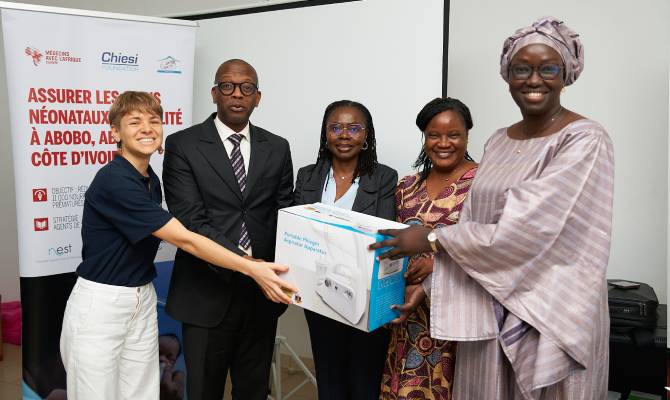
Last Friday in Ivory Coast, on the occasion of a meeting with partners and authorities gathered at the Anonkoua-Kouté Health Center, we delivered medical equipment to three facilities located in the municipality of Abobo, Abidjan.

The donated materials, designated for the neonatal wards of Anonkoua-Kouté Hospital, the Saints Cœurs de Clouetcha General Confessional Hospital, and the Houphouët Boigny Regional Hospital, will enable these facilities to improve their neonatal care and services. The equipment and devices provided include oxygen therapy and suction devices, masks and ventilation equipment, diagnostic instruments, and monitoring tools.

In Ivory Coast, maternal and neonatal mortality indicators remain alarming: 16 million newborns die within the first month of life, half of them on the first day. The main causes are prematurity (30.1%), asphyxia (27.6%), and infections (20%) (EDS-CI 2021).

With an estimated population of approximately 750,000, Abobo represents a rapidly growing urban area. In this context, healthcare needs are increasing while resources and facility management capacities remain severely limited. Hence, the project “Ensuring Quality Neonatal Care in Abobo, Abidjan,” implemented in collaboration with the Paolo Chiesi Foundation and with the technical support of the Ministry of Health, Public Hygiene, and Universal Health Coverage (MSHP-CMU). This initiative aligns perfectly with the National Health Development Plan, which aims to reduce maternal, neonatal, and child mortality by 2025.

“The initiative we are celebrating today is a first step. It is equally important to continue working together, creating integrated health systems where facilities communicate with each other to bridge disparities, where staff are continuously supported, trained, and evaluated based on performance. To achieve these strategic goals, it is essential to pursue ever greater synergy and coordination among key actors: institutional ones, such as the National Maternal and Child Health Program (PNSME), and technical and financial partners, such as Doctors with Africa Cuamm and the Paolo Chiesi Foundation,” said Dr. Meité, Director of the Directorate for Nursing, Maternal, and Child Care at the Ivorian Ministry of Health.

When Care does Becomes Accessible to All

A free referral system that enables access to services—particularly delivery care—while also revitalizing the entire healthcare system.
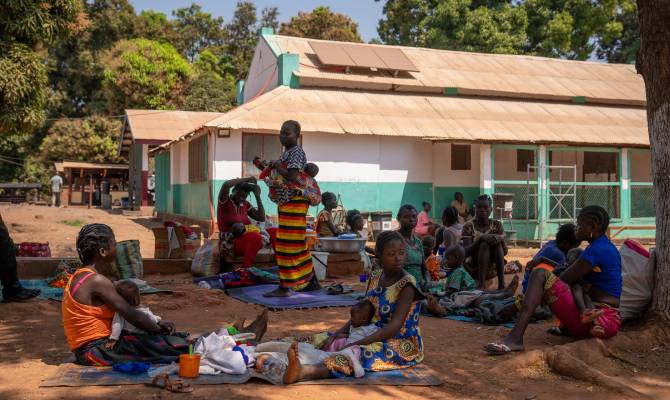
It is all expressed in a name, but above all in a goal: “Support to Essential Maternal and Child Health Services for the Most Vulnerable Population in the Bossangoa Health District.” This initiative, funded by the Italian Ministry of Foreign Affairs and International Cooperation (MAECI) through the Italian Agency for Development Cooperation (AICS) and implemented by Doctors with Africa CUAMM, was recently concluded in Bossangoa, Central African Republic. Launched in September 2024, the project, after one year of activity, has already yielded concrete and meaningful results through a number of strategic actions outlined below:

Transport and Referral System

Ensuring free healthcare, together with the introduction of a free referral system to and from the Regional Hospital of Bossangoa, was crucial to facilitating access to maternal health services, particularly delivery care.
Between September 2024 and July 2025, an 11.9% increase was recorded compared to the same period of the previous year.

The referral system represents one of the most significant outcomes of the intervention in the Bossangoa Health District. The availability of free transportation to and from the hospital not only improved access to services, but also strengthened the population’s perception of the system’s efficiency and usefulness. The hospital has in fact seen a growing influx of emergencies and complex cases requiring advanced care: a indicator is the rate of caesarean sections, which account for 19% of assisted deliveries. At the same time, the number of referrals has exceeded expectations, with a monthly average of 105 cases—eight times the initial level.

Starting from October, CUAMM carried out 29 community sensitization sessions, focusing particularly on the free services available at the Regional University Hospital of Bossangoa.

Medicines and Consumables

Among other key activities, the project ensured the procurement and transport of medicines, reagents, and consumables needed for the management of obstetric and neonatal cases—including emergencies—complementing government supplies.
It also secured the purchase and distribution of essential equipment for adequate obstetric and neonatal care across 2 Health Centres and 12 Health Posts. Specifically: a 14-piece surgical instrument set, a weighing scale, a blood pressure monitor, a manual suction device, and a neonatal resuscitation ambu bag.

In each facility, a tailored training session was conducted to familiarize healthcare staff with the new tools and to contextualize their use within maternal and child health protocols. In total, 18 health workers were trained, including 15 traditional birth attendants and 3 midwifery assistants.

Training and Monitoring

The presence of CUAMM technical staff in the maternity ward of the hospital helped strengthen the skills of local personnel in detecting and correctly recording obstetric emergencies. Between September 2024 and July 2025, data show an increase of nearly 25% in managed obstetric complications, confirming the fundamental impact of the intervention in preventing and reducing maternal mortality and morbidity in the District.

Moreover, interventions that were previously not fully free—and whose direct and indirect costs represented a major barrier for women, even in emergencies—such as caesarean sections or blood transfusions, can now be provided thanks to the project’s support.

Since January, five community blood donation campaigns were organized, mobilizing 328 donors. All community activities organized allowed us to engage and reach an overall number of 2,382 people.

Equipment and Maintenance

Special attention was given to improving and maintaining equipment and facilities for obstetric and neonatal care, including those required for emergency management at the hospital. Notably, renovation work on an old building—soon to house a new maternity ward—and the construction of an operating block dedicated to gynecological and obstetric surgery are nearing completion.

Support to Staff and Management of Hospital Services

As part of routine activities, CUAMM supports the management of the Bossangoa Hospital in maintaining a motivated and stable health workforce, indispensable for the proper functioning of maternity, neonatal, and related services. This includes covering salaries and/or monthly incentives.

In parallel, CUAMM has taken over the management of the hospital kitchen and, under the direction of ward heads, ensures the provision of two daily meals to all hospitalized patients.

Consolidating Prospects

The commitment continues and strengthens, still with the support of Italian Cooperation, through the project “Promoting Access to Health and Nutrition Services for Women and Children in the Bossangoa Health District.”

Interventions will operate at multiple levels:

  • At hospital level, by supporting management structures, strengthening staff skills, and providing medicines and equipment.
  • At community level, by promoting initiatives to disseminate good practices in health and nutrition, and to facilitate access to obstetric, neonatal, and acute malnutrition treatment services.
    Additionally, the project will promote screening campaigns for malnutrition among children under five and pregnant/breastfeeding women, as well as blood donation campaigns.

Continuous training and supervision of traditional birth attendants will also be ensured, with a focus on safe pregnancy and delivery, pre- and post-natal services, and the timely identification and referral of complications.

Something rare in Tosamaganga

The Tosamaganga Hospital in Tanzania handles around 3,000 births each year. AnnaJoyce, head nurse of the maternity ward and a professional midwife, assists many of them. Altough she has been working in this facility for about twenty years, what just happened here a few days ago is something extremely rare.

“A triplet vaginal delivery, so delicate and so successful, is such a success!”

And indeed, this delivery was a real success. Beta Andrea, the mother’s name, arrived in labor with what AnnaJoyce describes as an “enormous belly.” Nobody at Tosamaganga Hospital had ever seen anything like it.

Since the woman lives in a village in the neighboring district, two hours away by bus, she had attended prenatal visits at the local health center. A community facility like many in Iringa and across the country. Centers that provide basic services with essential tools—and certainly without an ultrasound machine.

“The mother had no idea about her condition,” says AnnaJoyce. “When she arrived in labor, we immediately performed an ultrasound and discovered it was a triplet pregnancy! A surprise for her, and for her husband who had accompanied her.”

Labor didn’t last long— just the time for AnnaJoyce to prepare the mother, give her some instructions, and reassure her before delivery. With over twenty years of experience, she knew very well the risks involved: a hemorrhage could have put the mother, and the babies, in serious danger. But that day in the delivery room, things went just right. Alongside AnnaJoyce were Arianna, a JPO in gynecology, and a second midwife. It was a team effort, carried out with perfect collaboration and at the right pace.

“Timing is essential. Being three in the room was important because each of us had a role, we knew what to do, and if complications had arisen, we were ready to act.”

Beta Andrea gave birth to three baby girls, born premature at 32 weeks of gestation, but healthy. They were immediately transferred to the neonatal intensive care unit, where Giulia and Veronica, JPOs in pediatrics, took care of them during the most delicate moments.

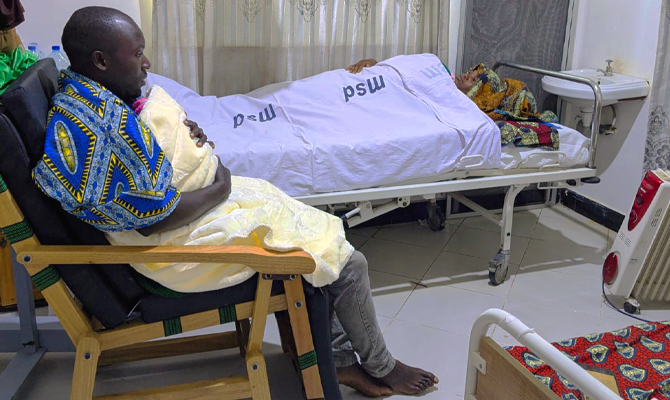
“We immediately encouraged the mother and father to practice kangaroo care. Incubators are certainly fundamental in cases like this, but skin-to-skin contact should never be overlooked—it has countless benefits for the newborns and for the bond created with their parents,” explained Giulia Guerrini, JPO in pediatrics.

In that small, tidy, and quiet room of Tosamaganga Hospital, Ana Beta and her husband spent days and weeks holding their little girls—Arianna, Giulia, and Veronica—close to their chests. Their daughters will always remind them that this hospital, miles away from home, is a place of care and hope.


Preventing GBV through Early Detection

Gender-based violence (GBV) has reached alarming levels in the Central African Republic (CAR). Despite the existence of national policies and legal frameworks, entrenched sociocultural norms continue to disadvantage women and girls, with devastating effects on their well-being and personal development.

According to the Gender-Based Violence Information Management System (GBVIMS), 2,445 GBV cases were reported by dedicated service providers in the first quarter of 2025. Among the survivors, 96 per cent were women and girls (OCHA, June 2025).

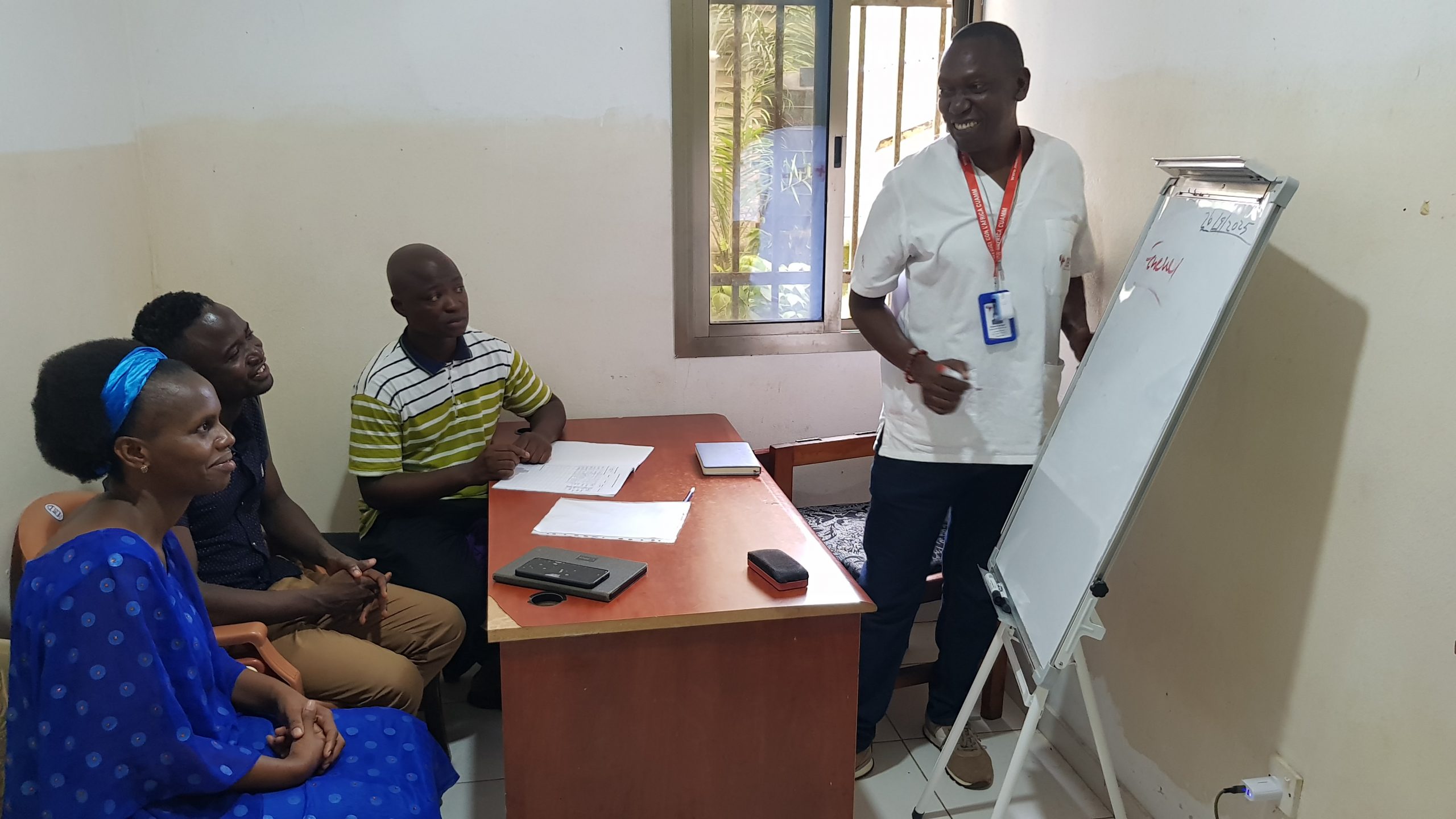
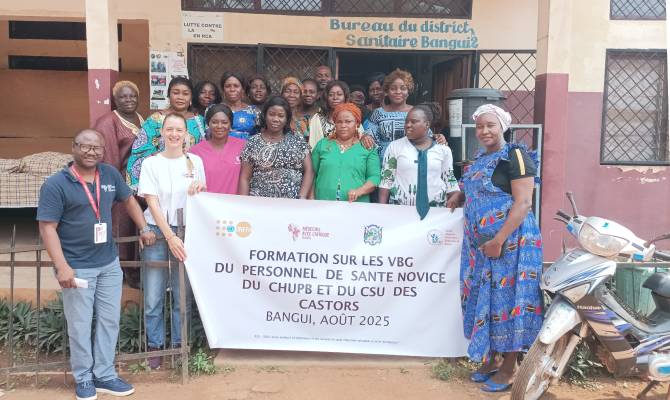
Recognizing the urgency of the issue and the importance of ensuring safety and care for women and girls seeking health services, CUAMM recently organized a three-day training for healthcare workers in Bangui under the UNFPA project. The course brought together 13 health professionals from the Castors maternity ward and two from Bangui Paediatric Hospital (CHUPB).

The training covered a comprehensive range of topics, including the epidemiology of GBV, types of violence, risk factors, and consequences. Participants explored the principles of care for survivors, first-line communication techniques, and identification of intimate partner violence (IPV).

Further sessions focused on the links between GBV, sexual and reproductive health, and HIV/AIDS, as well as case management processes and mapping the availability of GBV services. Mental health care for survivors and practical exercises, including video analysis, were also part of the agenda.

“I was aware of GBV as an issue; I had heard about it, but until now I had never received formal training on the subject. This was a real opportunity for me because the tools shared by the facilitators will help me better recognize and support GBV survivors. In my view, it’s a very important issue that requires us to mobilize in order to help the population overcome these challenges. I look forward to strengthening my knowledge further in future training sessions.”
Sioven Inés, newly appointed psychologist at CHUPB

Pre- and post-training assessments showed significant improvements in participants’ knowledge and readiness to respond to GBV cases. The training concluded with a closing ceremony attended by health authorities and CUAMM representatives, reinforcing the commitment to strengthen care for survivors of gender-based violence in Bangui.

While internally displaced persons and refugees are often seen as the most visible faces of the crisis in CAR, GBV has escalated to alarming levels. Women and girls are the most frequently affected, facing risks of violence during everyday activities such as collecting wood and water, going to markets, or simply being in community spaces. According to the United Nations Office for the Coordination of Humanitarian Affairs (OCHA), every hour in CAR more than one person is subjected to GBV, particularly rape.

Today, a drastic drop in funding for GBV prevention and response programs threatens progress, forcing the closure of many essential support services, including healthcare and mental health and psychosocial support (MHPSS). In this challenging context, CUAMM remains committed to addressing GBV in the Central African Republic, as well as in many other countries where the situation remains critical.


Beira Advancing Medical Training and Care

As every year, September is a long-awaited moment in Beira. The month of new beginnings is, for medical graduates of the Catholic University of Mozambique – UCM, the conclusion of a journey made of study and determination.

This year, UCM awarded medical diplomas to as many as 57 young men and women who nurtured the dream of caring for the weakest, the vulnerable, and the sick. And, as every year since 2007, Doctors with Africa CUAMM has helped some of them achieve that dream. Seven CUAMM scholarship students—six women and one man—pursued their studies with perseverance and determination, reaching this important milestone today.

“With this ceremony, we celebrate a story of resilience, dedication, and hope. This is not the conclusion of a cycle of studies, but the beginning of a new chapter of service to the Mozambican community,” said the Dean, Father Filipe Sungo.

The city comes to a halt on this festive morning. Traffic is congested in the Palmeiras neighborhood, while students in academic gowns are accompanied by family and friends. Elegant outfits, flowers, and colorful decorations abound, as in any proper graduation ceremony. The students are euphoric: between posed photos, chants, and dances, we too are swept up in the contagious joy. The same joy that every year reminds us how important it is to build together a future of opportunities for young people and of healthcare for the country.

Doctors with Africa CUAMM began supporting the Catholic University of Mozambique from its foundation in 1995, contributing to the establishment of the Faculty of Medicine—the second in the country. Since 2007, the year the first class of aspiring doctors graduated, CUAMM has continued to support the teaching activities of UCM’s Faculty of Medicine. Over the years, this collaboration has grown stronger and richer. Today, we work together on the faculty’s syllabus, internship opportunities at Beira Central Hospital, and research projects.

As further proof of this strong and long-lasting partnership, another important milestone has been achieved: the opening of the Maternity Ward of UCM’s Faculty of Health Sciences. The facility was inaugurated on Thursday, September 4, in an official ceremony attended by the Minister of Health, Dr. Ussene Hilario Isse, the Bishop of Beira, Don Claudio Dalla Zuanna, the Rector, Father Filipe Sungo, and a delegation from the MartaLive Foundation. The ward has a dual purpose: to address and manage maternal care needs in the area, and to contribute to the training of UCM’s students.

“The inauguration of the new maternity ward at the Catholic University of Mozambique is not just the delivery of a healthcare facility, but the concrete result of collaborative work, a shared commitment that brings together institutions, universities, donors, and civil society. In other words, it is the fruit of synergy, which has always been at the core of our work,” said Giovanni Putoto, CUAMM’s Head of Planning and Operational Research.

The 560 m² facility, dedicated to maternal and child health services, is expected to handle around 1,400 deliveries per year and 100 prenatal visits per month, effectively expanding the prenatal services previously provided only by the San Luca Center.

“This Maternity Ward was built in memory of Marta, thanks to the collaboration between the MartaLive Foundation and CUAMM – Doctors with Africa. I am very pleased and moved to be here with you today, and I am honored by the presence of so many authorities. I sincerely thank them for joining this significant and meaningful event for us,” said a visibly moved Costantino Nurizzo, President of the MartaLive Foundation.

The maternity unit at the San Luca Center will not only be a place of care but also a space for learning, professional growth, and research. It will not only provide medical treatment and skill development but will also serve as a concrete tool to improve the quality of health services available to the community.

“Today is a historic day for Mozambique. The maternity ward we are inaugurating perfectly represents the vision of the Ministry of Health and our commitment to decentralize maternal and child health services at the peripheral level, ensuring what we call ‘proximity healthcare,’” said Dr. Ussene Hilario Isse, Mozambique’s Minister of Health.

CUAMM Supports the Global Sumud Flotilla

For 75 years, we have been delivering care to the very last mile in Africa, by any means necessary, along roads that are often impassable,
because we firmly believe in the urgency to reach those in need, especially those who are marginalized, without giving up in the face of obstacles.

This is why we strongly support the journey of the Global Sumud Flotilla: the perseverance embodied by the flotilla and its name, Sumud (resistance), is ours as well.

From Africa to the Mediterranean, we feel united by the same dream of a more just world, in which we are all called to do our part — with courage and through our choices.

Fair winds! May care always find its way, even across the sea.

ANA Conference: CUAMM Research Projects on Neonatal Care

Doctors with Africa CUAMM also participated in the African Neonatal Association (ANA) Conference held in Kigali, Rwanda (August 20-22, 2025). The event gathered doctors, researchers, and healthcare workers from various countries to discuss the most urgent challenges for neonatal health in low-resource settings.

CUAMM presented three strategic operational research projects aimed at strengthening African health systems in the field of neonatal health.

The Critical Care Registry project in the hospitals of Wolisso (Ethiopia) and Beira (Mozambique) involved CUAMM collecting data on over 2,600 newborns, creating actual registries to track the management and outcomes of admissions to Neonatal Intensive Care Units (NICUs). The results highlighted significant differences between the two contexts (e.g., in cesarean section rates and the use of ventilation at birth), demonstrating the feasibility and value of implementing low-cost, real-time data collection tools in low-income countries to improve health outcomes.

“It was a moment to share our experiences in different contexts and backgrounds and learn from others. It was an opportunity for CUAMM doctors to meet and engage with colleagues working on the continent, allowing us to plan a common goal and link existing platforms with new innovative initiatives,” said Eleni Hagos, CUAMM pediatrician at St. Luke Hospital in Wolisso (Ethiopia).

The focus on building and analyzing quality data collections is the common theme of the second project presented. Impulse assessed the quality and use of routine data on neonates and stillbirths in four high-neonatal-mortality countries (Central African Republic, Ethiopia, Tanzania, and Uganda). Dr. Ousman Mouhamadou, project coordinator in the CAR, presented the results of the first phase of this international research project, which showed challenges in standardizing registries and data completeness, but also significant opportunities for improvement, emphasizing the need to invest in reliable information systems to guide healthcare policies and clinical care.

“Presenting at the ANA Conference confirmed the power of data as a tool to transform neonatal care and the value of working together as one dedicated team.”

Finally, the EpiNICU study, conducted in collaboration with partners in Italy, Brazil, and Tanzania, investigated stress, anxiety, and depression in parents of newborns admitted to intensive care, involving over 700 mothers and fathers. The results showed a high frequency of psychological distress across all countries, with particularly high levels of depression in Tanzania and severe stress in Brazil. At the same time, parental involvement in care was higher in Tanzania, highlighting the complexity and importance of psychosocial support in NICUs.

CUAMM’s participation was made possible with the support of the Chiesi Foundation, which also funds the EpiNICU and Impulse projects, a collective effort to support health in fragile settings.

“I realized that across the entire continent, we are not alone in facing the challenges of neonatal care in difficult contexts. No matter the location, a newborn is always a newborn, and as a CUAMM team, we had the opportunity to strengthen our network and collaborations,” explained Marco Frison, CUAMM pediatrician at Beira Hospital.

Dr. Franck Houndjahoue, pediatrician, Health Coordinator in Bangui for Medici con l’Africa CUAMM, and scientific advisor to ANA, emphasized:

“CUAMM’s participation in the first ANA Conference in Kigali was highly significant. The organization was represented by staff from three different regions, reflecting the multilingual identity of ANA (French, English, and Portuguese). The three contributions fully align with ANA’s vision and suggest a promising perspective for CUAMM’s projects in the Association’s member countries.”

This confirms CUAMM’s strong dedication and interest in operational research.