Building inclusion for children most in need

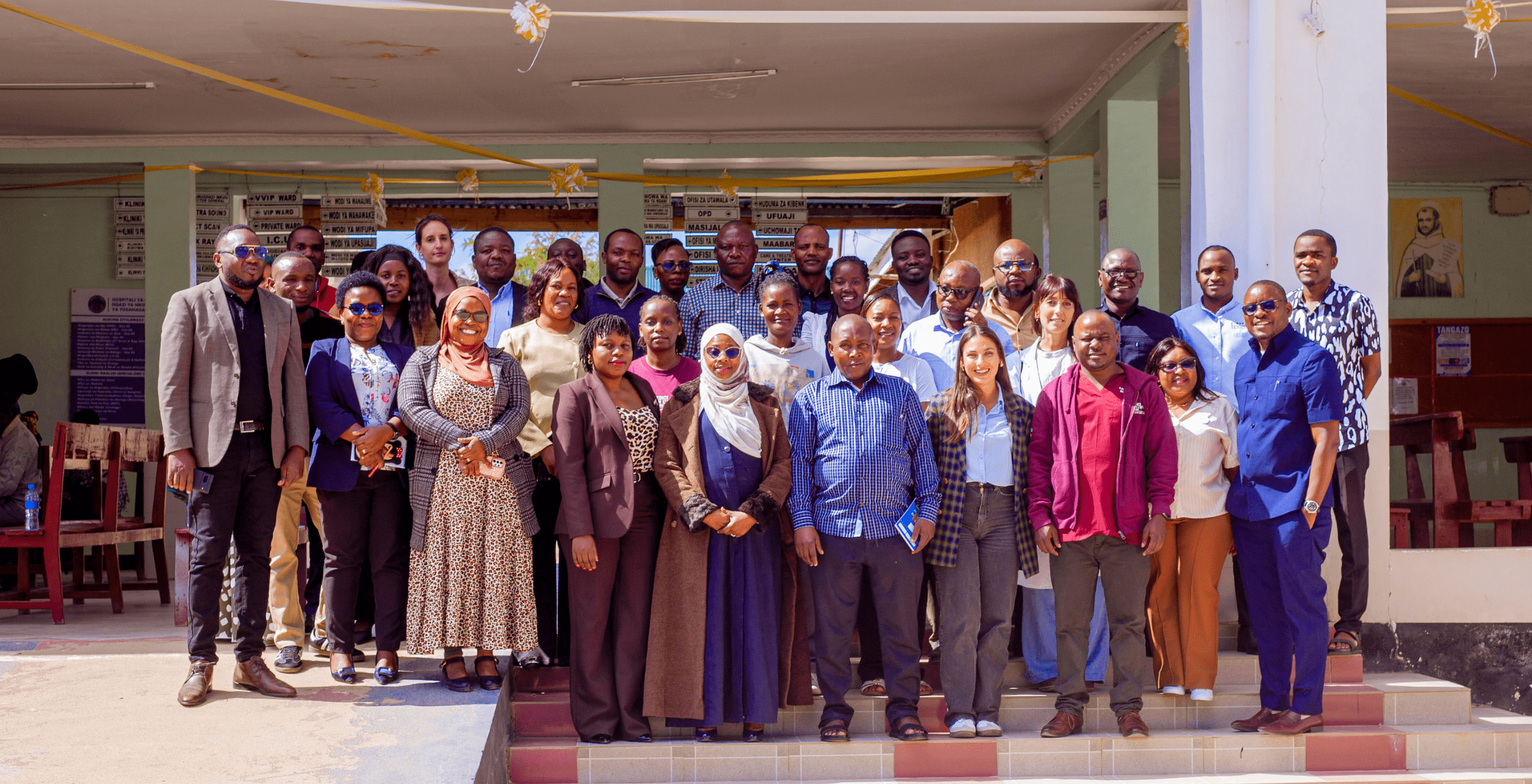
Yesterday, Tosamaganga Regional Referral Hospital hosted the final event of the INCLUSIVA Project – “Addressing Childhood Neurodevelopmental Disorders in Iringa DC”, launched in July 2024 and funded by the Centre for Global Health of the Tuscany Region.

The project was implemented in Iringa DC in collaboration with CALL Africa NGO, Fondazione Amici di Stella Maris, and Tosamaganga Regional Referral Hospital, with the aim of promoting and strengthening knowledge and awareness of childhood neurodevelopmental disorders and developmental delays.

Over the past two years, the project carried out a Knowledge, Attitudes and Practices (KAP) survey to assess community awareness, beliefs, and behaviours related to neurodevelopmental disorders. In addition, two training programmes were delivered for healthcare workers from health facilities across Iringa DC, alongside technical assessments designed to evaluate their level of knowledge and awareness on the topic. These activities generated valuable data and provided a clearer understanding of local needs, offering an initial picture of the current situation and the challenges that remain.

INCLUSIVA represents an important starting point for the development of future interventions, helping to strengthen existing services and promote greater inclusion for children with neurodevelopmental disorders and their families.

The event provided an important opportunity for dialogue and knowledge sharing, during which participants reviewed the project’s achievements, assessed the current situation, and discussed future opportunities and priorities.

Attendees included local and regional authorities, representatives from the Ministry of Health and the Ministry of Community Development, as well as stakeholders actively engaged in the area. Participants had the opportunity to visit Tosamaganga Hospital and several key services dedicated to child health and development, including the Early Childhood Development (ECD) Corner, the Neurology Clinic, the Malnutrition Unit, and the demonstration kitchen, which is used for educational and practical sessions with mothers of children admitted for malnutrition treatment.

The visit also provided an opportunity to learn more about the work carried out by CALL Africa NGO in support of children with physical and cognitive disabilities. Participants toured the facilities dedicated to rehabilitation and support activities, gaining insight into the services provided and the organization’s ongoing commitment to promoting inclusion and improving the quality of life of children and their families.

The strong participation and engagement of all stakeholders confirmed both the relevance of the topic and the growing interest in addressing neurodevelopmental disorders within the region. The event also opened the door to new opportunities for collaboration and partnership.

The work carried out through INCLUSIVA marks the beginning of a broader journey aimed at improving care pathways, clinical management, awareness, and services for children with neurodevelopmental disorders across Iringa District Council.

Faith-Based Health Systems: Building Trust and Expanding Access to Care in Sub-Saharan Africa

In many countries across Sub-Saharan Africa, faith-based health facilities provide a significant share of essential healthcare services, particularly in rural and underserved communities. Despite their vital contribution, these institutions often remain underrecognized and insufficiently integrated into formal health systems.

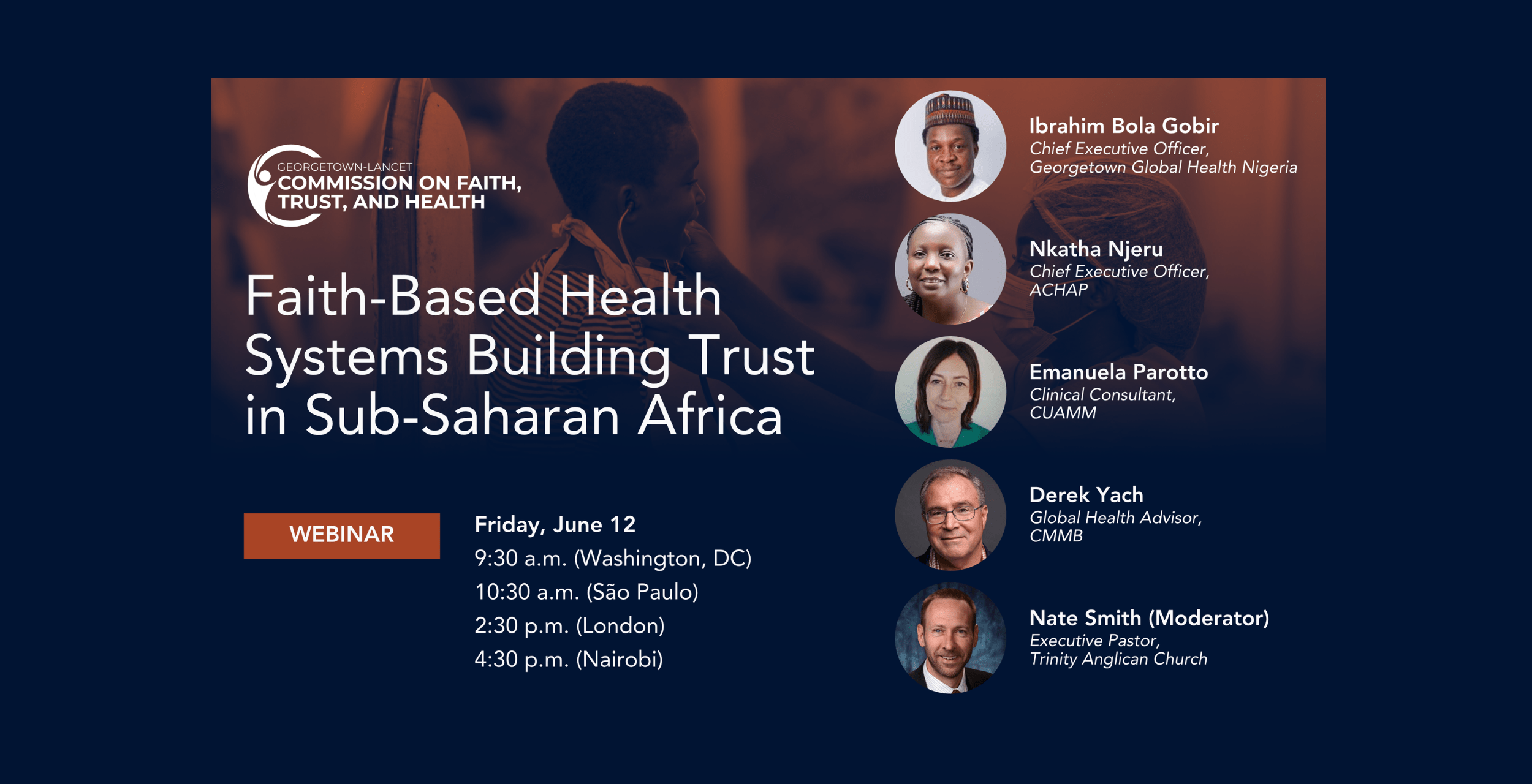
These issues were at the center of Faith-Based Health Systems: Building Trust in Sub-Saharan Africa, a webinar hosted by the Georgetown-Lancet Commission on Faith, Trust, and Health. Bringing together experts from academia, healthcare, faith communities, and international organizations, the event explored the role of faith-based health systems through both Christian and Islamic perspectives, while highlighting frontline experiences from across the continent.

We contributed to the discussion by sharing insights and expertise gained through our long-standing commitment to supporting faith-based organizations (FBOs) across the region. Dr. Emanuela Parotto, Clinical Consultant at CUAMM, presented key results, findings, and lessons learned from this work. Other distinguished speakers included Ibrahim Bola Gobir, Assistant Professor at Georgetown University; Nkatha Njeru, CEO of ACHAP; Nate Smith, Executive Pastor at Trinity Anglican Church; and Derek Yach, Global Noncommunicable Disease Advisor at CMMB.

The strong interest generated by the webinar was reflected in a record level of engagement, making it the most attended session of the series to date. The event attracted 146 unique viewers from 26 countries, spanning four continents. Participants joined from countries as diverse as Bangladesh, Denmark, Zambia, and Brazil, underscoring the global resonance of the topics discussed and the growing interest in faith-based approaches to health systems strengthening.

The discussion underscored the critical role that Faith-Based Organizations (FBOs) play in healthcare delivery across Sub-Saharan Africa, while drawing attention to a persistent gap: national health frameworks often fail to fully leverage the reach, trust, and expertise of these institutions.

CUAMM’s Commitment to Strengthening Faith-Based Healthcare

Recognizing the strategic importance of FBOs, CUAMM launched a major initiative in 2019 to support faith-based organizations delivering healthcare services across Africa. The webinar provided an opportunity to showcase the results of this ongoing commitment.

Dr. Emanuela Parotto presented findings from extensive field assessments conducted between November 2021 and February 2024. The study evaluated 63 health facilities belonging to 48 faith-based organizations across 11 countries: Angola, Cameroon, Ethiopia, Ghana, Ivory Coast, Kenya, Madagascar, Malawi, the Central African Republic, Tanzania, and Togo.

Using both quantitative and qualitative methodologies—including Health Facility Assessment Questionnaires (HFAQ) and Disaster Preparedness Assessment Questionnaires (DPAQ)—the research provided a comprehensive overview of the strengths, challenges, and potential of faith-based healthcare providers in the region.

A Cornerstone of Healthcare Delivery

Evidence presented during the webinar showed that faith-based providers deliver between 30% and 70% of healthcare services in many Sub-Saharan African countries.

For decades, these organizations have played a central role in national health systems, often maintaining a continuous presence in communities where public services are limited or absent. Their commitment to serving vulnerable populations, combined with deep local roots, has enabled them to become highly trusted actors within the communities they serve.

This trust is one of their greatest assets. Built through long-standing relationships, shared values, and moral leadership, it encourages positive health-seeking behaviors, improves adherence to treatment, and supports sustained utilization of healthcare services. As highlighted during the webinar, growing evidence shows that trust is not merely a social asset but a critical determinant of health system performance and legitimacy.

Three Pillars of Support

CUAMM’s initiative is built around three complementary pillars designed to strengthen the capacity and sustainability of faith-based healthcare providers:

  • Training: Development and delivery of tailored training programmes for both medical and administrative staff.
  • Technical Assistance: Field missions conducted by CUAMM experts to assess facility performance, identify operational gaps, and support quality improvement processes.
  • Advocacy: Promotion of evidence-based policies and dissemination of research findings to foster greater recognition and integration of faith-based facilities within national healthcare systems.

Strong Foundations, Persistent Challenges

While faith-based organizations demonstrate remarkable commitment, resilience, and community engagement, they continue to face significant structural barriers.

Key challenges identified through the assessments include:

  • Shortages of qualified health personnel;
  • Inadequate infrastructure and equipment;
  • Limited preparedness for emergencies and disasters;
  • Weak health information and data management systems;
  • Financial instability and resource constraints;
  • Insufficient integration and coordination within national health systems.

These obstacles affect the ability of FBOs to fully realize their potential, despite their proven capacity to reach remote and marginalized populations.

The Path Forward: Integration, Recognition, and Partnership

A clear message emerged from the webinar: faith-based organizations should not be viewed as peripheral actors, but as essential components of national healthcare systems.

Their limitations are not primarily the result of organizational weaknesses; rather, they stem from insufficient structural integration, recognition, and support. Strengthening partnerships between governments, faith-based providers, donors, and development organizations would enable countries to better harness one of their most valuable healthcare assets: community trust.

The webinar concluded with a strong call to action for policymakers, donors, and health leaders. Investing in the integration of faith-based health providers is not simply a matter of filling service gaps. It is an opportunity to strengthen healthcare access, improve quality of care, and build more resilient and inclusive health systems for the future.

In case you missed the webinar and are curious to learn more:
The Ethiopian Society of Neonatology is born: inaugural ceremony held in Addis Ababa

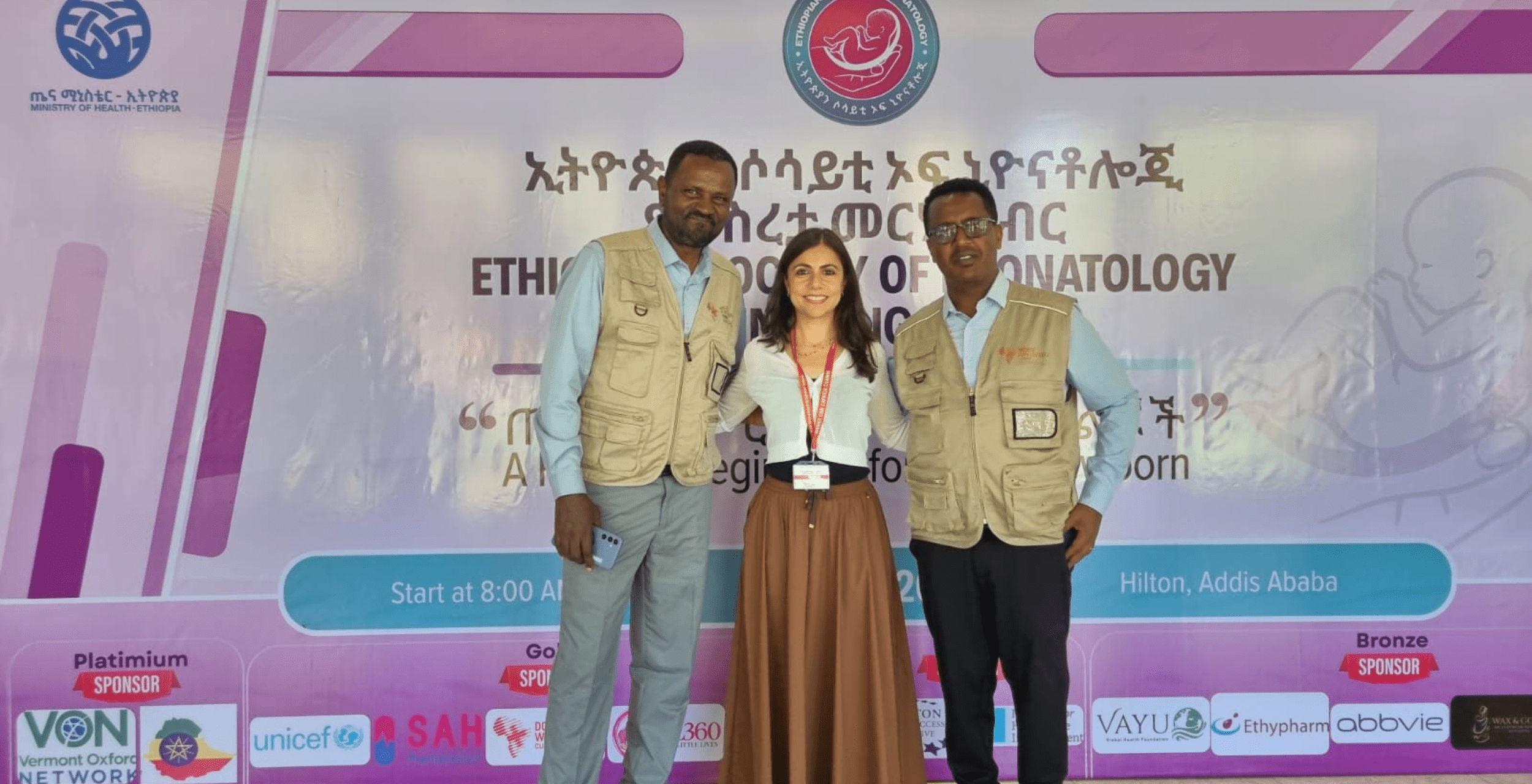
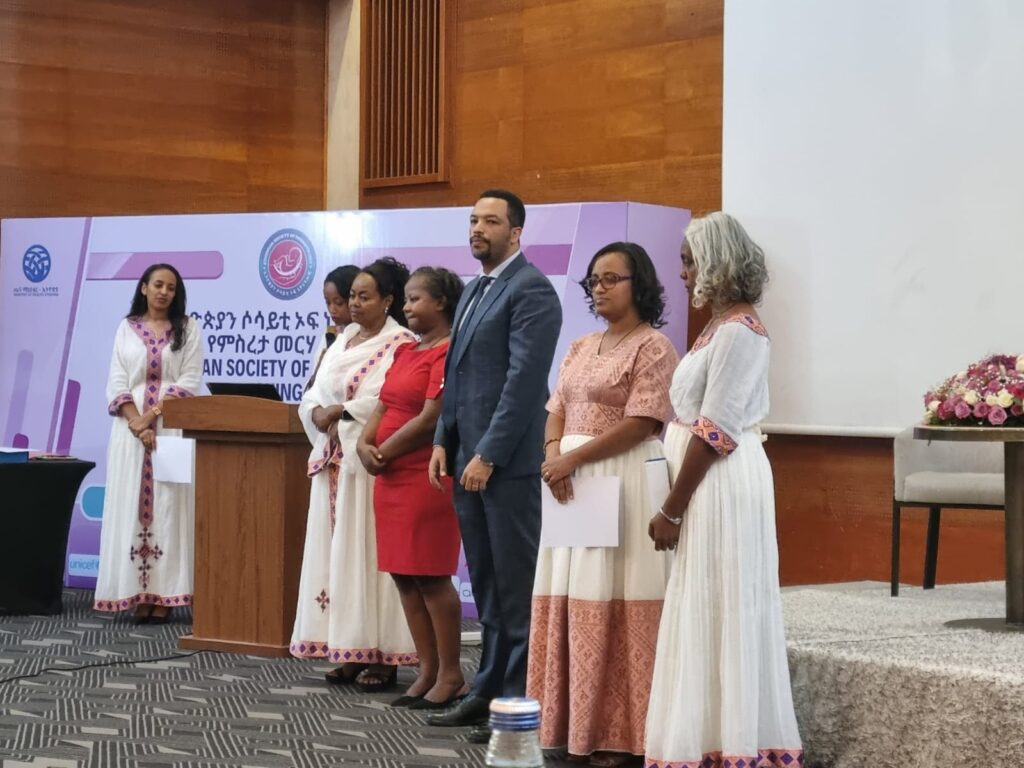
The official launch event of the Ethiopian Society of Neonatology (ESN) was held last week in Addis Ababa, marking a historic milestone and a fundamental step forward in newborn care in Ethiopia. We also took part in this major inaugural ceremony alongside numerous national and international partners who, like us, have been on the front lines in the country for years to guarantee the right to health for mothers and their babies.

For us at CUAMM, the creation of the Ethiopian Society of Neonatology represents the achievement of our daily efforts in supporting hospitals, equipping neonatal intensive care units (NICUs), and providing continuous training for local professionals. As Maria Perrella, CUAMM Country Representative, commented:

«Being present in Addis Ababa for this launch reaffirms our organization’s commitment to walking “with” Africa, supporting local institutions in building strong, resilient, and autonomous healthcare systems, so that no child is denied a future».

The event, organized in close collaboration with the Ethiopian Ministry of Health (MoH), was attended by the Minister of Health, Dr. Dereje Duguma, as well as representatives from UNICEF, WHO, the Gates Foundation, and prestigious academic institutions dedicated to public health.

The Ethiopian Society of Neonatology aims to bring together neonatologists, pediatricians, neonatal nurses, midwives, and researchers under a single vision: to ensure that every newborn in Ethiopia has access to timely, safe, equitable, evidence-based, and high-quality neonatal care, enabling all children not only to survive but to thrive.

As highlighted in the opening speech by the President of ESN, pediatrician and neonatologist Dr. Asrat Dimtse, the establishment of the society addresses the urgent need to build networks.

«Today marks a historic milestone in ensuring that every newborn receives the care they deserve. I wish to express my deepest gratitude to the Ministry of Health, all partners, and supporters who made this vision a reality. Newborn mortality remains a dramatic challenge: every year, too many children face preventable complications. ESN was founded precisely to reduce this mortality rate through solid partnerships, research, and international standards. Our vision is simple yet ambitious: to ensure every newborn has access to timely, dignified, and high-quality care. Every newborn life matters: this is our motto, our mission, and our goal,» stated Dr. Asrat, President of the Ethiopian Society of Neonatology.

Challenges at the heart of the debate

The launch of ESN was not only a celebratory moment but also a platform for crucial technical discussion. During the panel discussion titled “Advancing Newborn Care in Ethiopia: Experiences, Challenges, and Strategic Priorities”, leading experts exchanged views on international standards of care and strategies to reduce preventable newborn deaths through specialized staff training.

«Improving neonatal care requires a concrete investment in advocacy, research, and infrastructure. Today, the challenges are many—from limited supplies to the need for staff training—but we are determined to find solutions. We must join forces: the key to success lies in consolidating partnerships and conducting strong advocacy to mobilize the necessary resources. No one can do it alone; it requires multisectoral collaboration,» affirmed the Minister of Health, Dr. Dereje Duguma.

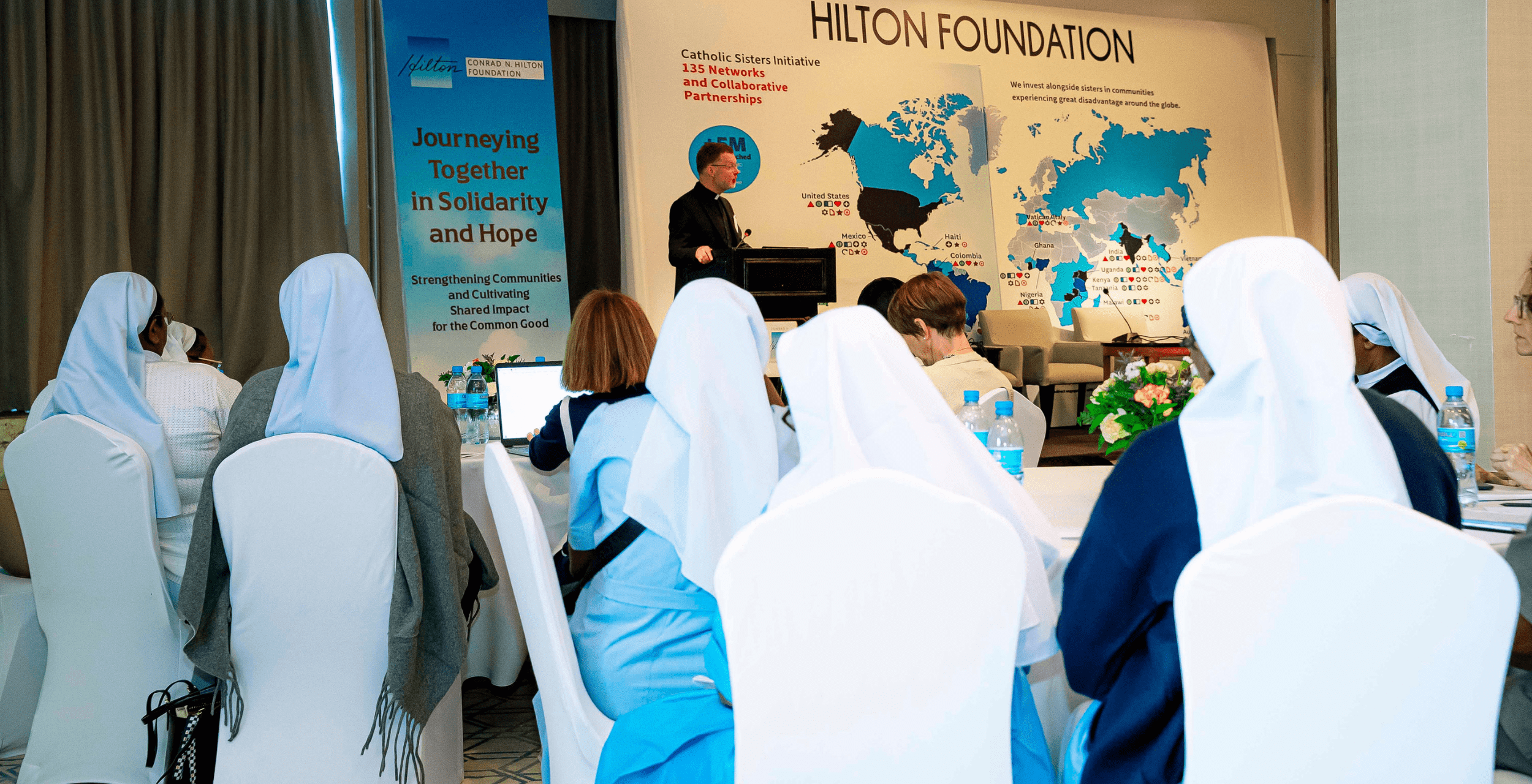
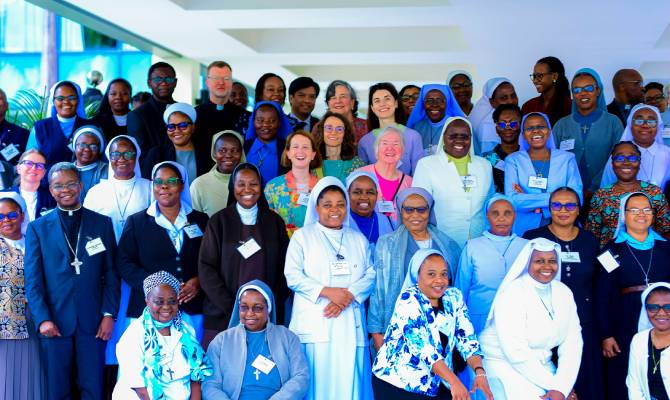
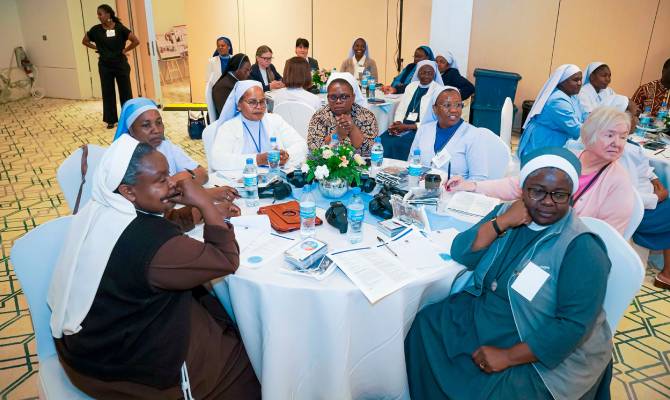
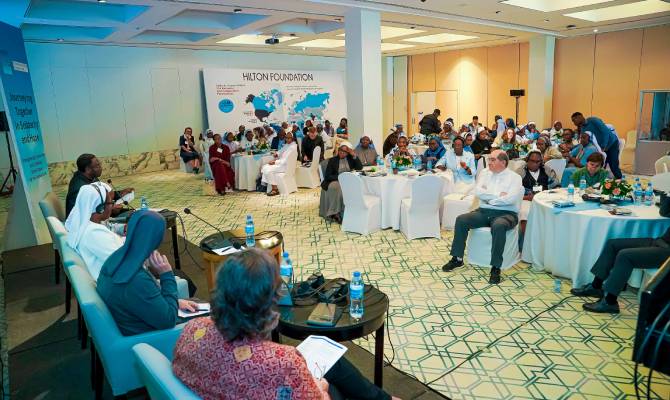
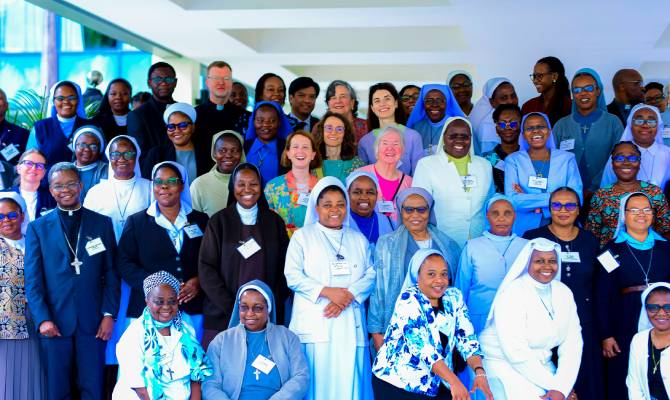
In Tanzania with the Conrad N. Hilton Foundation: Together for the Health of the most vulnerable

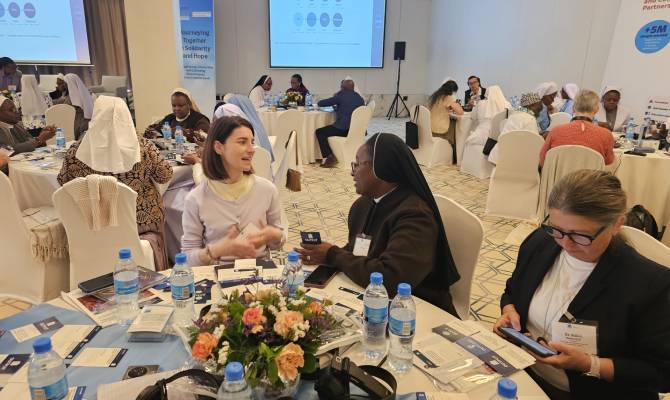
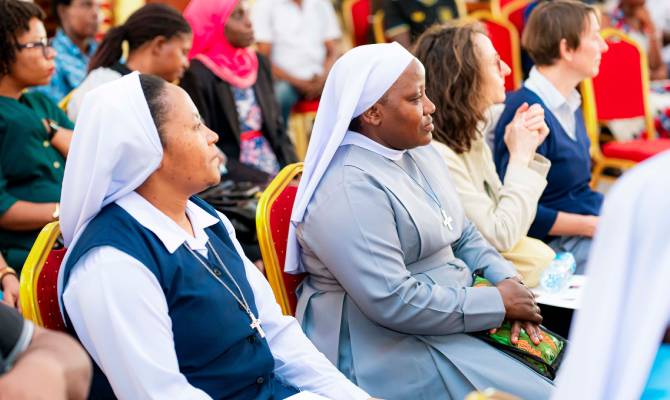
Sharing best practices, joining forces, and charting new paths to guarantee the right to health and a future—even in the most isolated areas of the African continent. With this shared goal, we took part in the annual conference organized by the Conrad N. Hilton Foundation in Tanzania. The event brought together international partners, local institutions, experts, and civil society organizations, all united by a common commitment to sustainable development.

At the heart of the working groups and panel discussions were core themes of our daily field operations: maternal and child health, nutrition, and the strategic importance of resilient community health systems.

Participating in this global network represents an extraordinary opportunity to showcase the work carried out on the ground, particularly in Tanzania, where CUAMM has been working alongside local authorities for years to improve access to maternal and child healthcare.

A central focus of the discussions in Tanzania was dedicated to safeguarding, a dimension that CUAMM considers absolutely essential when operating in fragile settings. True health delivery goes beyond clinical efficacy; safeguarding ensures that programs are safe, transparent, accountable, and deeply respectful of the dignity of the individuals and communities being served. By embedding strict safeguarding principles into the training of Catholic Sisters and health workers, the partnership guarantees a protective environment for the most vulnerable, particularly women and children.

The convening also provided a vital opportunity to explore the Conrad N. Hilton Foundation’s Strategy 2030. Participants engaged in deep-dive sessions examining its methodology, implementation approaches, and core objectives, aligning CUAMM’s field experience with the Foundation’s overarching Theory of Change and Theory of Action. This strategic alignment ensures that current and future interventions are not only optimized for immediate relief but are structurally designed to generate sustainable, multi-generational impact.

“The convening was an important opportunity to highlight the value of investing in Catholic sisters’ leadership and supporting community-based responses that can generate sustainable impact.  It was not only a space for learning and networking, but also a powerful reminder of the importance of partnerships, shared responsibility, and collective action.” Said Laura Braga – CUAMM International Relations Officer

Empowering the Frontline: The Impactful Journey of CUAMM and the Conrad N. Hilton Foundation

In the fragile ecosystems of sub-Saharan Africa’s healthcare networks, Catholic Sisters and faith-based organizations (FBOs) are often the quiet backbone of survival. Operating in some of the most remote, under-resourced, and crisis-prone regions, these dedicated women and local institutions provide a lifeline to marginalized communities. However, the complex challenges of modern healthcare—ranging from climate-induced emergencies to financial management—require more than just devotion; they require specialized skills, resilient systems, and strategic leadership.

Recognizing this critical need, Doctors with Africa CUAMM and the Conrad N. Hilton Foundation joined forces in 2023. This strategic partnership was born out of a shared vision: to empower local Catholic organizations delivering health services, transforming them into sustainable, highly effective, and climate-resilient pillars of care.

Three years into this journey, the fruits of this collaboration are visibly reshaping healthcare delivery across three focus countries: Ethiopia, the Central African Republic, and Sierra Leone. To date, the project has successfully engaged 66 Sisters and trained 94 Sisters across the target countries.

Continuing to Walk Together

The insights and frameworks gained during these intensive days will serve as vital blueprints for CUAMM to optimize ongoing projects and shape innovative intervention strategies.

As the conference ends, our commitment does not: the goal remains to translate the global strategies discussed at these international assemblies into concrete actions, medicines, care, and hope for mothers and children in Africa.

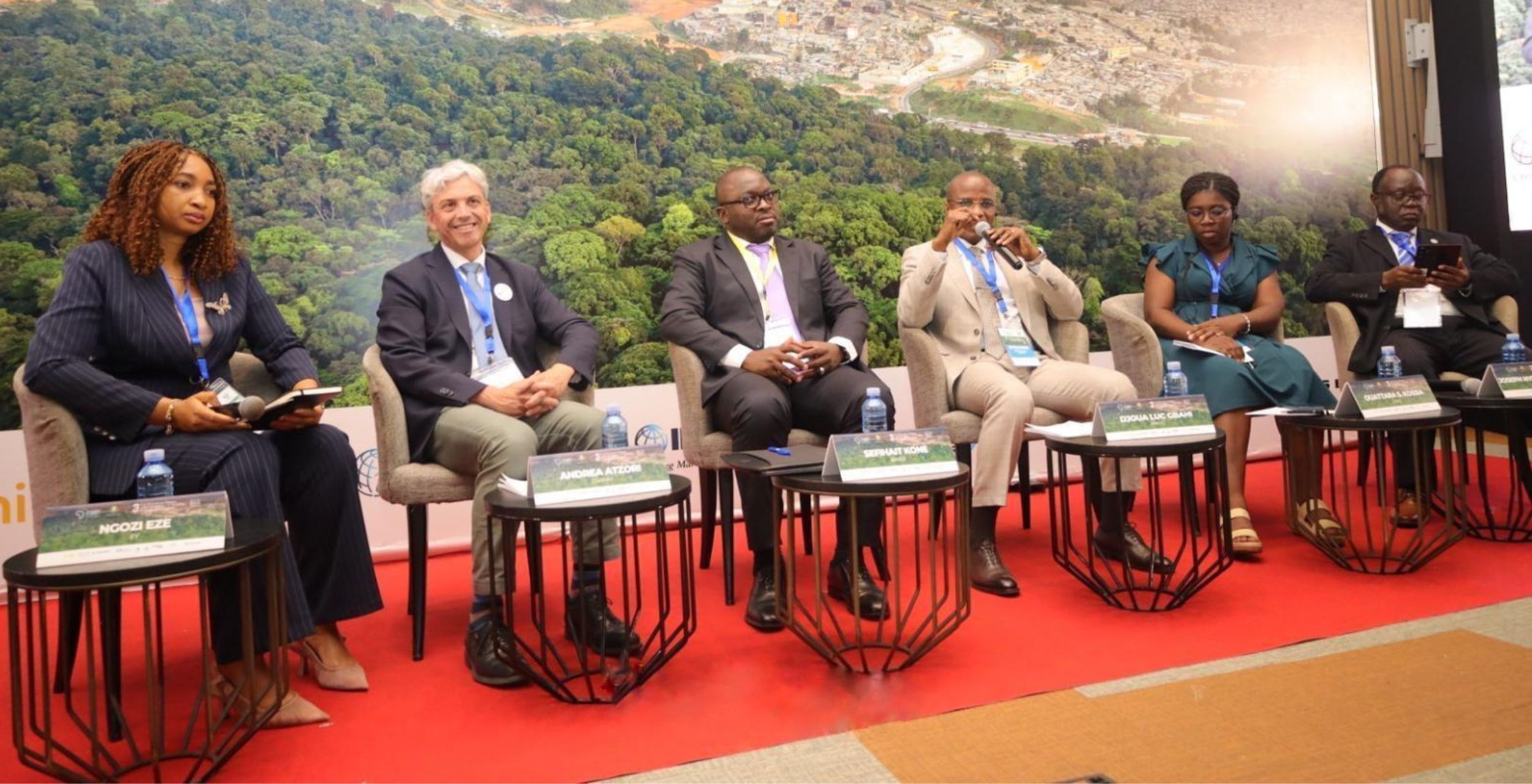
INAET In Ivory Coast: Bridging Energy Transition, Health, and Empowerment

A two-day conference in Abidjan recently provided a vital platform to examine Africa’s energy transition from within the continent itself. Embracing a multi-sectoral approach, the event aimed to drive a development agenda where priorities, institutions, and voices are centrally rooted in Africa.

This prominent gathering was the International Network on African Energy Transition (INAET) conference, held in Ivory Coast from June 11 to 12. It brought together researchers, economists, engineers, international finance representatives, European entrepreneurs, and scholars from across the African continent. Among the key themes at the heart of the conference were the interconnections between energy, economic development, and industrial growth. Over the two days of meetings, speakers explored topics such as energy access, sustainable agriculture, biofuels, clean cooking solutions, and carbon markets.

We also proudly participated to reaffirm that public health simply cannot be left out of this crucial global conversation.

The link between energy and public health is in fact profoundly real. For us, this vital connection has inspired a new commitment on the continent: the promotion of improved household cooking methods through the Clean Cooking program, implemented in Angola in close collaboration with the Salesiani Don Bosco and with the support of Eni. This prestigious event provided the perfect stage to showcase this initiative, emphasizing its transformative impact on community health and celebrating the results achieved so far. By introducing modern cooking solutions, this multifaceted partnership proves that the global energy transition can seamlessly align with health equity, nutrition and women’s empowerment.

“At CUAMM, we see clean cooking as much more than an energy intervention. It is a public health investment that starts in people’s homes, where the health of women, children and entire families is most directly affected by indoor air pollution. By promoting safer and more efficient cooking solutions, we are helping to reduce the harmful effects of household air pollution while improving quality of life and strengthening communities. This is why it is so important that health has a place in the global conversation on Africa’s energy transition,” said Andrea Atzori, CUAMM Head of International Relations.

More Than Energy: A Multi-Dimensional Impact

Our ongoing work in Angola, where hundreds of thousands of improved cookstoves have already reached families and communities, provides a clear blueprint for the future. Clean cooking is far more than a simple energy solution; it is a cross-cutting intervention addressing several of the world’s most pressing challenges simultaneously:

  • A Public Health Intervention: Traditional cooking methods involving open fires and biomass release toxic smoke, leading to severe respiratory illnesses that disproportionately affect women and young children. Improved cookstoves drastically reduce indoor air pollution, saving lives and lifting a heavy burden off local healthcare systems.
  • A Pathway to Greater Gender Equity: Women and girls typically bear the burden of spending hours every day gathering firewood and cooking over hazardous flames. Clean cooking solutions free up valuable time, opening doors to education, economic independence, and leadership opportunities within their communities.

INAET is an international multi-stakeholder network promoted by Eni and the Luiss School of Government in Rome, in collaboration with the World Bank Group, including the Institute for Economic Development and the International Finance Corporation (IFC). Organized under the high patronage of the Ministry of Mines, Petroleum, and Energy of the Republic of Ivory Coast, the initiative reflects a shared commitment to supporting African priorities in energy transition and development. The platform aims to foster dialogue and cooperation between African and international actors, creating a bridge between academia, institutions, and businesses.

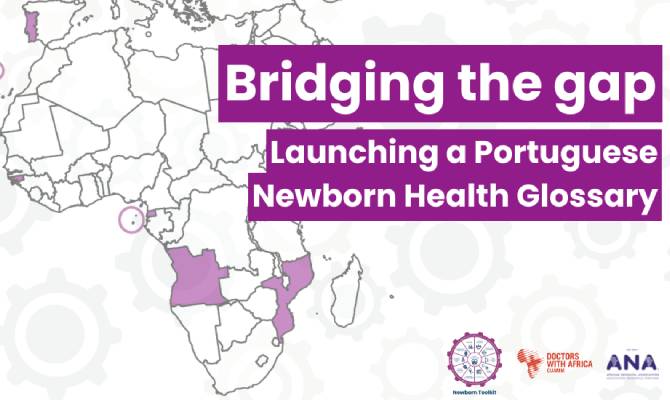
Bridging the Gap a Portuguese Newborn Health Glossary

Access to clear, accurate medical information can make the difference between life and death—especially in newborn care. We are proud to have collaborated with the Newborn Toolkit  (NEST 360 e London school Of Hygiene And Tropical Medicine) in the launch of a Portuguese-translated Newborn Technical Terms Glossary, developed in collaboration with the African Neonatal Association, – represented by Dr. Sonia Bandeira, to support healthcare workers, educators, and policymakers across Lusophone Africa.

In many Portuguese-speaking African countries, healthcare professionals face a critical challenge: limited access to standardised, localised clinical terminology. Much of the most up-to-date newborn health guidance is published in English, creating barriers for practitioners working in Portuguese-dominant settings.

“African newborns face similar threats in different contexts: reducing the language barrier for Portuguese-speaking healthcare workers and implementers will help not only to ‘speak the same language’ across the continent, but also to learn each day how to achieve the essential care for mothers and newborns, both in hub centers and in “the last mile”, as it is intrinsic in CUAMM’s mission.” said Dr Marco Frison CUAMM Paediatrician and project manager in Beira, Mozambique.

Developing tools that facilitate access to current and high-quality information can improve training pathways, the development of guidelines, international exchange, and ultimately the quality of care.

The glossary is intended as a first step in addressing this gap. It consists of approximately 600 key neonatal care terms translated from English into Portuguese, plus contextual definitions aligned with global health standards and improved clarity for training, communication, and clinical decision-making.

DOWNLOAD THE GLOSSARY

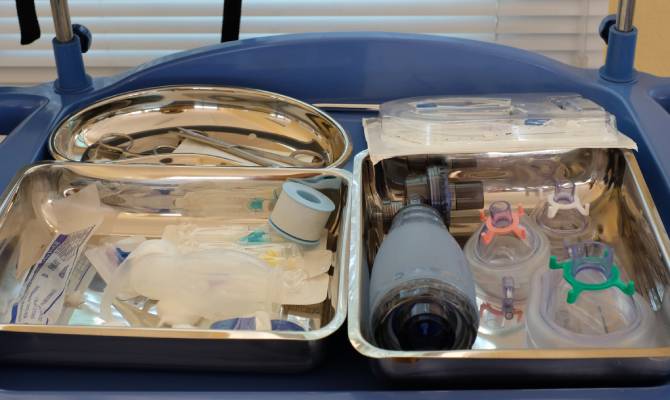
Supply of Medical Drugs, consumables and Equipment.

Doctors with Africa CUAMM, under the project titled “Integrated response to ensure access to health and WASH services for vulnerable communities and people affected by the conflict in the Amhara Region – AID 13057”, is launching a Local Open Tender to select eligible suppliers for the  Supply of Drugs, Consumables and Medical Equipment.


OPEN PUBLIC TENDER PROCEDUER

ANNEX 2 _CONTRACT FORM PROPOSED

ANNEX 3_TECHNICAL ITEMS SPECIFICATIONS REQUESTED

ANNEX 4_FINANCIAL OFFER

Open tender for medical gases supply

The International NGO Doctors with Africa CUAMM, under the project titled “ Strengthening Néonatologie in Ethiopia – AID 012958” renovation of Black Lion Hospital NICU in Addis Ababa, Ethiopia ”, is launching a Local Open Tender to select a  company to carry out construction works for the  Medical gases supply upgrading works for Black lion (Tikur Anbessa) Specialized Hospital Neonatal Intensive Care Unit – NICU ,  Addis Ababa, Ethiopia.

00 Tender Cancellation Notice


00 Invitation to Tender

01 Contract Notice

02 Instructions to Tenderes

03 Tender Form 

ANNEX I – Declaration of Honour

ANNEX II – Legal Identity form

ANNEX III – Financial Capacity

ANNEX IV – Technical Offer 

ANNEX V – Financial Identification

Annex VI – Administrative Compliance Grid

Annex VII – Evaluation Grid

ANNEX VIII – Contract Form

ANNEX IX – General Conditions 

ANNEX X – Special Conditions

ANNEX XI – Technical Specifications 

ANNEX XII – Financial Offer Template – BOQ 

ANNEX XIII_Check List 

LOCAL OPEN TENDER NOTICE

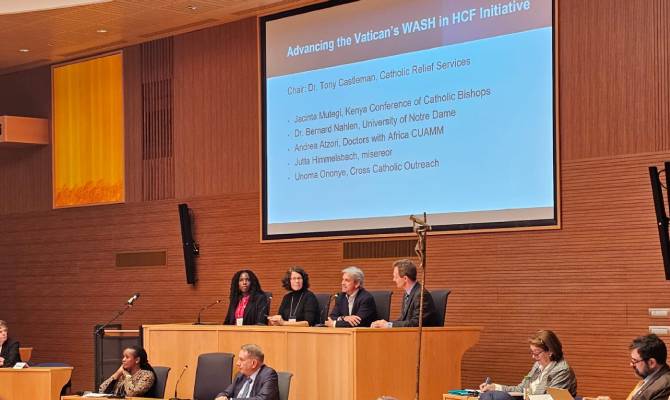
WASH in Healthcare Facilities: A Global Call to Action

On April 22–23, we took part in the event “Committed to WASH in Healthcare Facilities: A Gathering of Faith-based Organizations and Allies to Accelerate Progress”, held in Rome at the Jesuit Curia. The global meeting brought together faith-based organizations and partners committed to improving access to essential services—water, sanitation, and hygiene (WASH)—in healthcare facilities, a need also highlighted by the United Nations.

The event aimed to secure concrete financial and operational commitments to strengthen WASH services in faith-based healthcare facilities. It also sought to accelerate new initiatives, foster collaboration with secular partners, and share lessons learned and future priorities.

Throughout the discussions, a stark reality was repeatedly emphasized: across 60 low-resource countries, 37% of healthcare facilities lack basic water services and 81% lack basic sanitation. These gaps directly contribute to higher maternal and infant mortality, increased disease transmission, and deepening poverty.

“We all recognize how challenging it is not only to ensure, but also to sustain, WASH services in many health facilities,” said Andrea Atzori, Head of International Relations at CUAMM. “While the term ‘WASH’ may be relatively recent, the challenge of water access has persisted for decades—spanning infrastructure, maintenance, and long-term affordability.” He also highlighted how WASH is closely linked to CUAMM’s commitment to maternal and neonatal health through prevention.

This connection was echoed by Sean Callahan, President and CEO of Catholic Relief Services, who stressed that access to WASH “not only prevents infections and protects health—it also upholds the dignity of vulnerable patients. Every mother deserves clean water, private sanitation, and hygienic conditions when giving birth.”

The meeting also highlighted the critical role of women’s religious congregations and faith-based health networks in delivering healthcare and promoting human dignity worldwide.

Faith-based organizations (FBOs) are essential providers in underserved and hard-to-reach areas, delivering 30–50% of healthcare services in some low-resource countries. Despite their impact, their contributions are often overlooked.

Recognizing this, since 2019 we have partnered with FBOs across Africa to strengthen their capacity, resilience, and participation in decision-making processes. Today, we support 93 Catholic congregations in 26 countries through training, technical assistance, and advocacy.

“While WASH is not our core area of expertise, we are committed to identifying sustainable solutions and integrating these services into broader health interventions by working closely with institutions, communities, and partners—including FBOs,” added Atzori. “This collaboration enables us to better understand challenges, co-develop practical solutions, and advocate more effectively for lasting progress.”

The two-day meeting provided a platform to exchange experiences and align on next steps. Participants—from religious leaders to field experts—called for scaling progress and “turning commitments into funded plans with clear targets and deadlines,” as noted by Alistair Dutton, Secretary General of Caritas Internationalis.

Cardinal Michael F. Czerny emphasized the urgency of action:

“Without WASH, healthcare cannot be safe. No treatment, surgery, or delivery can be properly performed. Ensuring these basic conditions is a fundamental step toward human dignity and integral development.”

Adding her voice, Sarah Mullally, Archbishop of Canterbury, stated:

“As a former nurse, I know that clean water and sanitation are essential to safe and effective healthcare. I am encouraged by the progress already underway and urge continued support for this vital work.”

Moving forward, the challenge is clear: transform commitments into concrete, funded actions that reach the most vulnerable. In this effort, the leadership of faith-based actors will remain critical. As Sister Irene O’Neill, Founder of Sisters Rising Worldwide, emphasized, “sisters see what others often miss, they remain where others do not and are already leading solutions that need to be heard, shared and scaled sustainably.” Scaling these solutions is no longer optional—it is urgent.

The event was promoted by a consortium of partners committed to advancing WASH in healthcare facilities, including CUAMM, Caritas Internationalis, Catholic Relief Services, the Daughters of Charity of Saint Vincent de Paul, Global Ministries/UMCOR, the U.S. Catholic Health Association, the Anglican Communion Health and Community Network, ACHAP, and Accord Network. It was held under the patronage of the Dicastery for Promoting Integral Human Development.


Strengthening care for survivors of violence in Ukraine

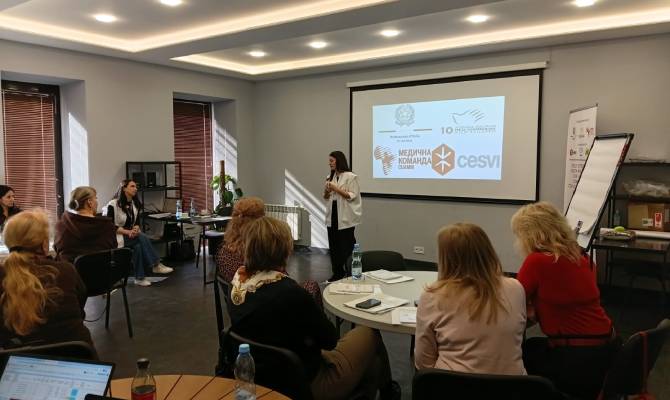
Within the framework of the SHIELD Project we have recently conducted a key training intervention in Kharkiv aimed at strengthening the clinical management of survivors of sexual violence and intimate partner violence (IPV).

Two three-day training sessions were held between 30 March and 4 April 2026, involving 23 healthcare professionals from different health facilities across Kharkiv Oblast. The sessions took place at Hotel Kulikovskiy in Kharkiv and were delivered by a CUAMM trainer certified by UNFPA, in collaboration with CESVI protection staff.

The training aimed to enhance the capacity of first responders and hospital staff to provide safe, timely, and appropriate medical care to survivors of gender-based violence, including women, men, children, and adolescents.

The programme combined theoretical modules with interactive exercises, case scenarios, group discussions, and role plays. Key topics included:

  • Introduction to gender-based violence and guiding principles
  • Identification of IPV and first-line response (LIVES approach)
  • Clinical Management of Rape (CMR), including examination, treatment, and follow-up care
  • Psychosocial support and care for vulnerable groups
  • Legal framework, documentation, and forensic evidence collection
  • Barriers to access and health system readiness

A strong focus was placed on practical skills, including active listening, case management, and referral pathways, ensuring that participants could immediately apply the knowledge gained.

Training impact was assessed through pre- and post-tests, showing a significant increase in knowledge. The average correct response rate improved from 66.5% before the training to 94% after completion, confirming the effectiveness of the learning process.

While most participants had limited or no prior experience in managing survivors of sexual violence, the training significantly increased their confidence and readiness to respond to such cases.

Overall satisfaction was extremely high, with participants rating the training as highly relevant, well-structured, and aligned with their professional needs.

The positive results were made possible thanks to the strong collaboration between our field team and CESVI – our protection partner in the project. This joint effort represents an important step in reinforcing integrated, survivor-centred care in conflict-affected settings, where access to essential services remains severely constrained.

SHIELD Project – Strengthening Health and Protection for Vulnerable Communities in Conflict-Affected Sumska and Kharkivska (AID 06/UCR/013157), funded by the Italian Ministry of Foreign Affairs and International Cooperation (MAECI) through the Italian Agency for Development Cooperation (AICS), is an intervention we are carrying out in collaboration with CESVI, combining health and protection. At the center of our work are four main activities located in the oblasts of Kharkiv and Sumy, near the border area: distribution of medical supplies, structural rehabilitation interventions, delivery of emergency kits and capacity building activities for health professionals in collaboration with UNFPA.

Through initiatives like SHIELD, we continues to support the strengthening of health systems and the protection of the most vulnerable populations, ensuring that quality care remains accessible even in fragile and crisis-affected contexts.