Taking care of the little ones for the country’s health

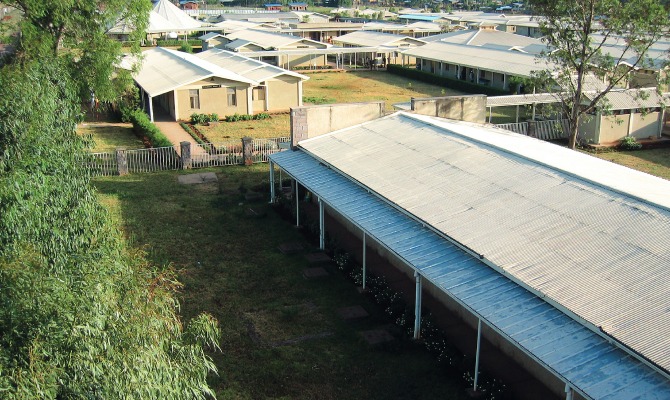
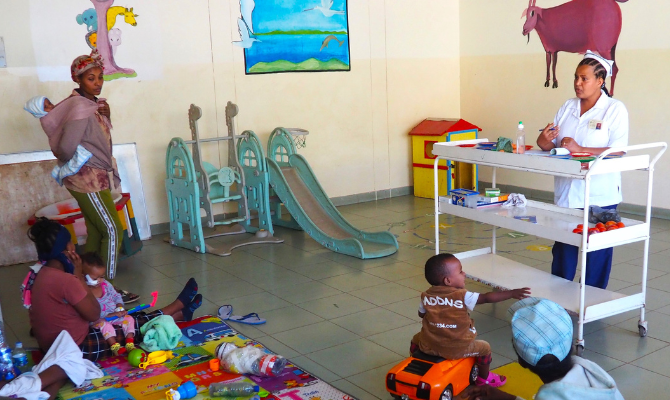
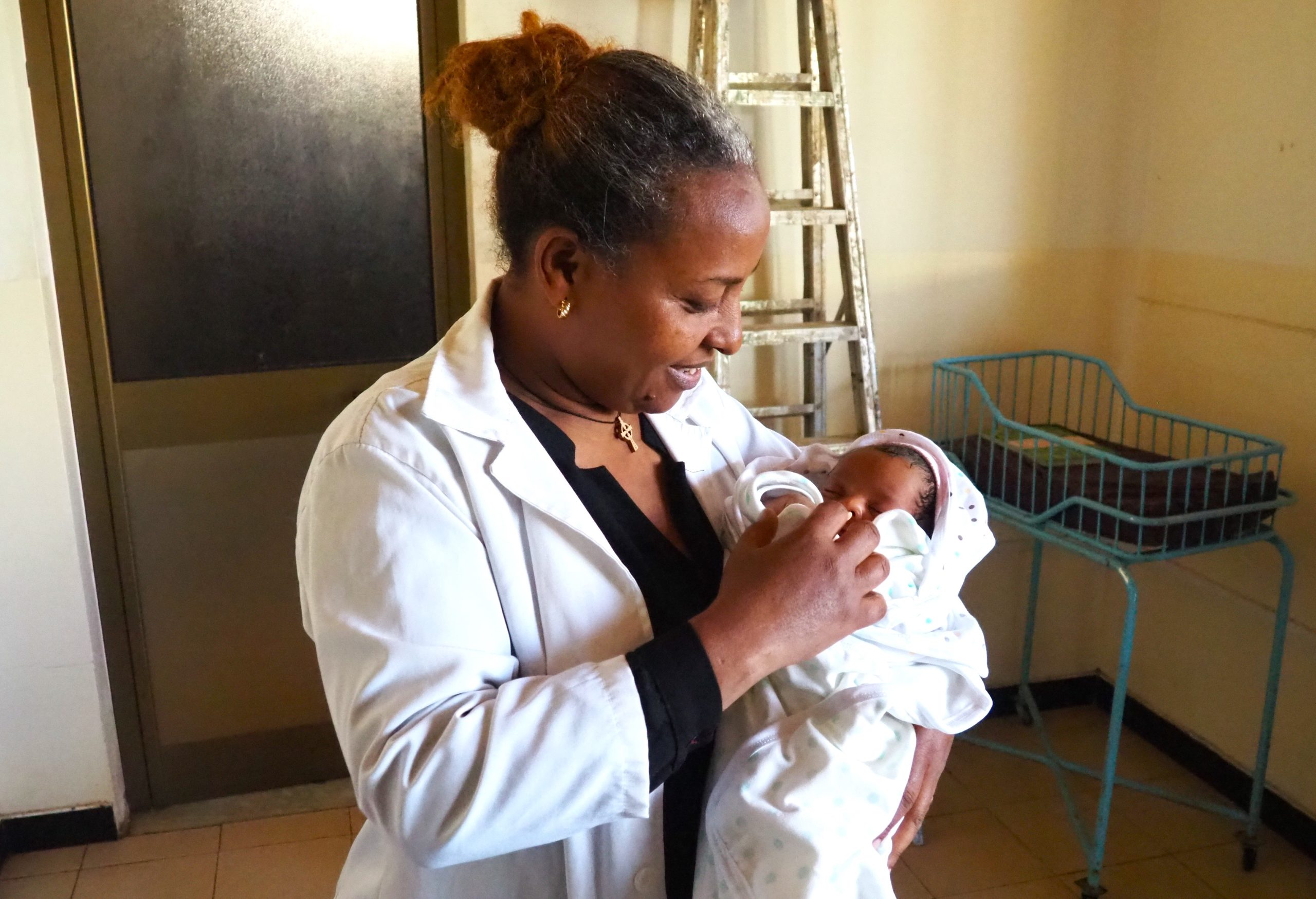
The “Newborn Survival Project: quality and innovation for an increased access to neonatal care”, supported by the Italian Agency for Development Cooperation, in partnership with local partners, has been developed in Ethiopia, more precisely in the areas of Addis Ababa, Tulu Bolo and Wolisso. The project aimed to improve accessibility and to strengthen neonatal, maternal and children healthcare services. Particularly, it focused on setting up, equipping and supplying drugs to the Neonatal Intensive Care Units (NICUs) of the three hospitals involved in the project’s areas of reference: St. Paul in Addis Ababa, St. Luke in Wolisso, and Tulu Bolo hospitals.

EQUIPMENT OF NEONATAL INTENSIVE CARE UNITS

The NICUs of the three hospitals involved, have been equipped with drugs, wall-mounted oxygen concentrators, and all the necessary equipment to enable the wards to manage even the most critical cases independently.

“The NICU project has enabled us to install oxygen generators and to provide each hospital’s ward with a wall-mounted oxygen distribution instrument – tells us Eleonora Balestri, neonatologist for CUAMM at Wolisso hospital -. Considering that most newborns who have been diagnosed with pathologies at birth may be affected by respiratory disorders, it is extremely important to have the opportunity help them with this equipment that is pioneering in Ethiopia”.

TRAINING OF SPECIALISTS AND LOCAL OPERATORS

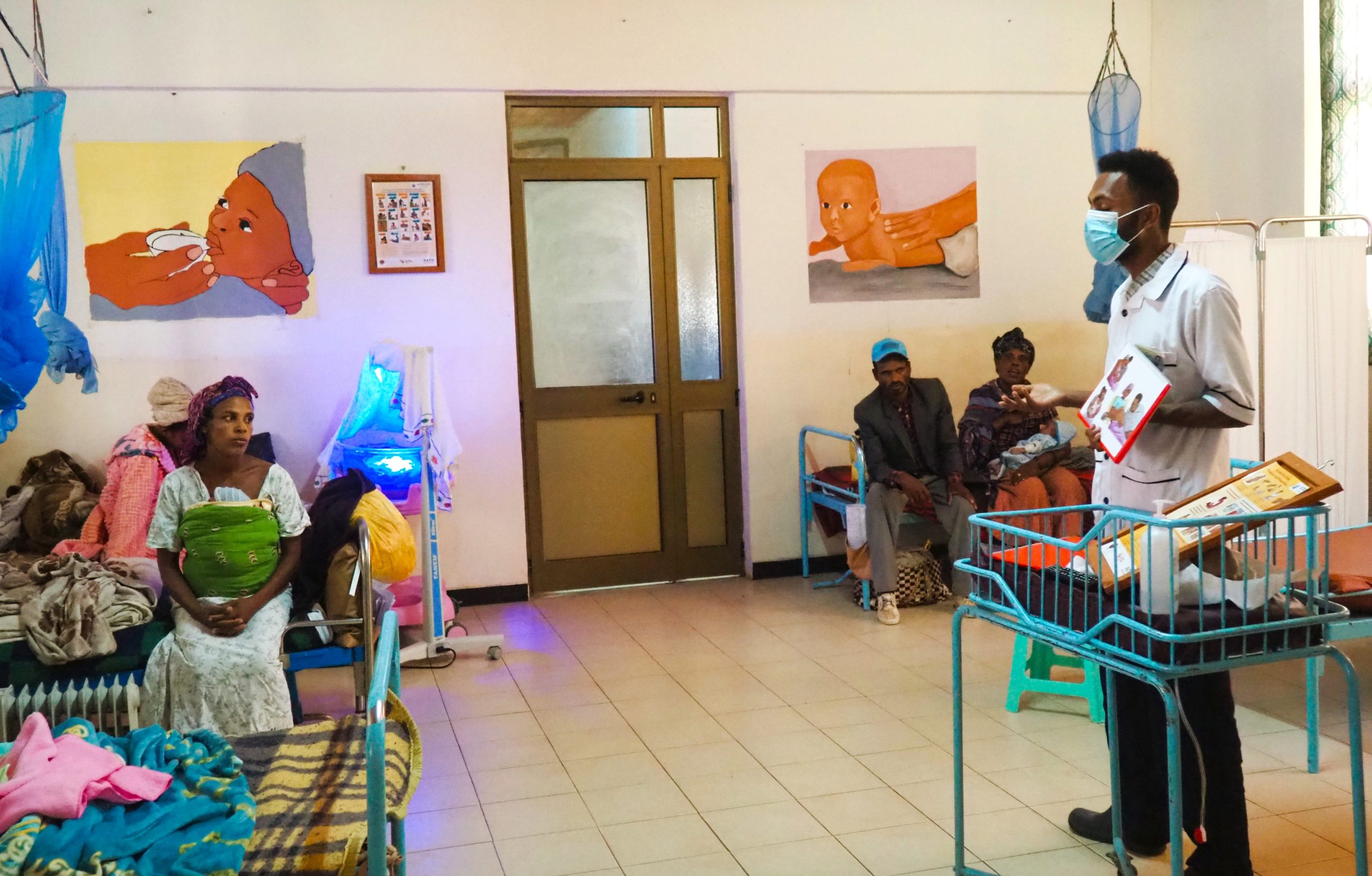
Increasing the availability of specialised local staff, together with training and capacity building, were key components of the intervention. Training was provided on essential neonatal care, care of the pathological newborn, neonatal resuscitation and the use of NICU equipment. A total of 53 nurses and 56 biomedical engineers were trained.

“The opening of the neonatal intensive care unit in Wolisso was greeted with great joy and enthusiasm by the local staff, who also saw it as an opportunity to further their training. In fact, 10 out of 13 nurses spent a month in Addis Ababa for a specialisation course,” says Eleonora Belestri, CUAMM neonatologist at the Wolisso hospital. The aim of the training was to make the local staff autonomous, particularly in following the protocols for the main neonatal pathologies and in the use of machinery”.


COMMUNITY OUTREACH

In addition to training NICU health workers, 26 Health Extension Workers, community health workers, and 575 women community activists from the Women Development Army were also trained. Thanks to their crucial support, 158 community meetings were held, raising awareness among 51,652 women about maternal and child health and newborn care.

“Women activists from the Women Development Army were the key to reaching the communities. For the all 15 Kebele, 40 women were selected and we started to hold regular meetings with them on health issues, a space for discussion, debate, and to collect feedback and data from the awareness-raising activities carried out,” says Genet, a Cuamm worker responsible for community mobilisation. The Covid had a strong impact on our activities because it prevented us from going house to house and meeting in person for months, until we managed to restart activities in compliance with safety rules, using the masks we had distributed to all the women of the Women Development Army. We also conducted education sessions on how to prevent and protect against Covid-19”.

PROMOTION OF HEALTH SERVICES FOR PREGNANT WOMEN

Conveying to women the importance of taking care of themselves already in the early stages of pregnancy is crucial for their health and that of their children. This is possible in particular through the active involvement of people and the training of health workers, community activists and peer-mothers to become a reference point for the rest of the community.

“Thanks to the community health workers and doctors, I learned a lot about health and how to take care of myself. In the case of a second pregnancy, they advised me to reduce my efforts to a minimum, to spend little time standing, to eat healthy food, and to have regular check-ups. So, when I found out that I was expecting another child, I started to be followed right away,” says a young mother who is a beneficiary of the project.

EDUCATION IN NEWBORN CARE AND GOOD HEALTH AND NUTRITIONAL PRACTICES

In collaboration with district authorities, community health workers and Women Development Army’ activists visit villages to sensitise mothers and the community on maternal and newborn health, particularly exclusive breastfeeding during the first six months of a newborn’s life.

For the promotion of breastfeeding to be effective, the support of fathers, family members, health workers and the whole community is essential.

“During the first six months, with the advice I received from the operators, I breastfed my son only with mother’s milk. After that, I learned to cook simple, protein-rich meals to make my son healthy and strong,” says a young mother who is a beneficiary of the project.

The NICU project focused on the care of mothers and children, because the health of the whole community depends on their health. “Being ‘with’ means sharing the daily difficulties and rejoicing together in the achievements,” explains Eleonora. Africa means struggling alongside them every day, trying to identify needs together, to find solutions, always together, learning also to accept that changes and improvements need time, required by the context and circumstances, sometimes different from “ours”.


“Newborn Survival Project: quality and innovation for an increased access to neonatal care in Ethiopia” is a three-year project started in June 2018, supported by the Italian Agency for Development Cooperation, and implemented by CUAMM in partnership with Federal Ministry of Health (FMoH), Ethiopian Catholic Church – Social and Development Commission (ECCSDCO) and Oromia Regional Health Bureau, South West Shoa Zone Health (SWSZHD). Moreover, the project has been implemented with the direct engagement of technical partners namely: Ethiopian Paediatric Society – EPS responsible for the training and supervisions, Ospedale Pediatrico Bambino Gesù (OPBG), Informatics without Borders (Informatici senza Frontiere – ISF) and Università degli Studi di Tor Vergata – Dipartimento Pediatrico Universitario-Ospedaliero (DPUO TV).


The gaze of Berhanu

In the field there are many figures, sometimes not very visible, who work hard every day to implement and make the various projects concrete. Doctors with Africa CUAMM has always worked ‘with’ Africa, a preposition that is the measure of its intervention: it works side by side with the local population. In addition to the many operators who leave Italy and spend their personal and professional lives in the field, there are just as many local operators, who also play fundamental roles in ensuring that the ‘great machine of good’ continues to function.

Among them is Berhanu Gulo, Project Officer in Ethiopia, who tells us about his background and the activities he deals with on a daily basis: “Since I joined CUAMM, I have been working on a project on the prevention and treatment of cervical cancer in the Wolisso area, which has received excellent feedback from both the beneficiaries and the local authorities. I also worked on the recently completed NICU project to improve access and quality of neonatal care, which received great appreciation by the Ministry of Health”.

Berhanu works at the CUAMM coordination office in Addis Ababa, supporting the project leader in planning, monitoring and implementing project activities.

“My day is made up of many meetings, which are essential for building relationships of trust and collaboration with partners and communities, enabling projects to be implemented in line with the real needs of the beneficiaries. I frequently meet with representatives of the Ministry of Health and the Department of Health of the Oromia region to ask them to actively collaborate in the implementation of project activities. I also meet with those involved in the projects, from health directors to community activists, to support them in their activities and to incorporate needs to continue improving the services offered. These many meetings have taught me that relationships are the strategic key to project development”.

These meetings are also fundamental in shortening the great physical distances that often exist between the various places of intervention and that make it difficult for operators to communicate information to the beneficiaries and the context in which the project is developed.

“What excites me about my job is the opportunity to be in contact with expatriate and local colleagues, and to continuously learn from this cultural and professional exchange. What motivates me on a daily basis is working ‘for’ and ‘with’ communities, and the idea that projects like the ones I have worked on can contribute to improving health services for people in my country.”


Kick-off of a new project on malaria in northern Uganda

11 districts in northern and north-eastern Uganda, with a total population of 1,655,200 people, are involved in a new regional malaria project, launched by Doctors with Africa CUAMM on Thursday 30 September in the Kotido district of Karamoja region. The project, in line with the national malaria strategic plan, aims to help reduce malaria morbidity by 50% and mortality by 75% by 2023. An ambitious target, with a special focus on pregnant women and children under 5 years of age.

“CUAMM will work with 182 health facilities, 8,008 community health workers (Village Health Teams), and with a special focus on 292,971 children under 5 years of age and 82,760 pregnant women,” explains Peter Lochoro, Cuamm Country Manager in Uganda.

The intervention is financed by the Global Fund for TB, AIDS and Malaria through Taso Uganda, the second largest recipient of Global Fund grants in the country. Representatives from the Ministry of Health, district government leaders, district health officers and malaria technical officers participated to the event.

“Karamoja has the worst malaria prevalence rate in the country, with 34% of children under 5 years old testing positive. In addition, there is little knowledge of health issues and therefore little awareness and dissemination of preventive behaviour,” says Lucy Apio Chegem, CUAMM’s project manager. “Although 58% of families have anti-mosquito nets, only 28% use nets treated with insecticide”.

Malaria is a “double misfortune” for poor families not only because it causes illness and death, but also because it affects family income and food security. Most of the region’s population is scattered over a large geographical area, with poorly developed public transport, which also affects access to and use of services.

The project therefore fits into and complements CUAMM’s wider intervention to strengthen the health system in the region. Another step, with the support and collaboration of the Ministry and local health institutions, to improve the health and quality of life of the communities in Karamoja and northern Uganda.

Brescia A new triage at the pediatric emergency care

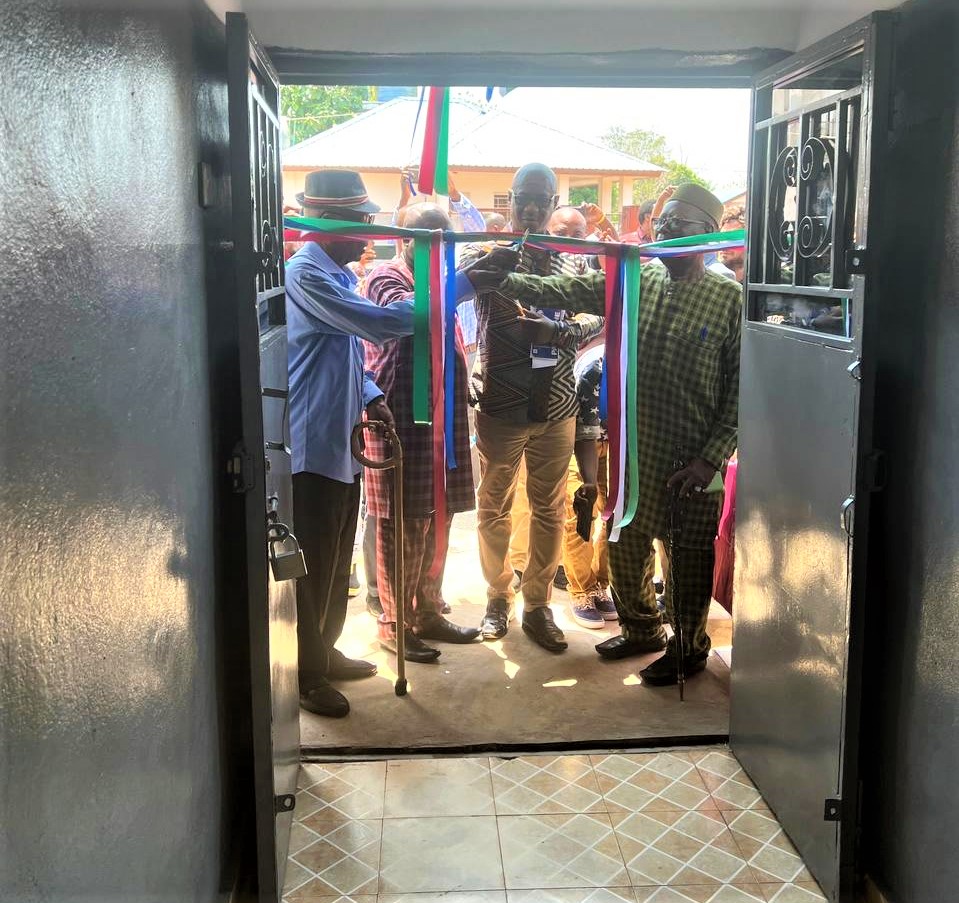
Latest data reveal that the average age of people affected by Covid-19 is decreasing in Italy. Those currently more likely to be affected are the young, teens and children. At the moment, cases of children aged between 3 and 5 are reported to be on the rise. Therefore, being prepared and organized is crucial to deal with new and potential cases, especially in hospitals. For that reason, a new triage system for pediatric emergency care was inaugurated last Friday at Spedali Civili di Brescia hospital. Doctors with Africa CUAMM, supported by UsAid, made it possible, through the IRC19 project (Italian Response to Covid-19. Improving governance and community preparedness for a resiliant society), to set new best practices aiming at managing patient flow, either in case of covid and not, improving the security of both patients and health workers.

A well-indicated pathway for a safe and efficient admission in the facility was introduced either at the hospital main entrance and at the pediatric emergency care; portable partitions were installed to create a safe pedestrian aisle in the ER. Moreover, a safe outdoor pedestrian pathway and a portable fence made of poles and chains were also provided and restoration finishes in the ER were completed.

«Today is an important day for us- says Andrea Atzori, head of International Relations at Doctors with Africa Cuamm -: thanks to the support received by UsAid we reorganized the pediatric ER at Spedali civili di Brescia hospital where we created a triage area to divide patients affected by Covid from those who are not tested positive.  This is one of the twenty interventions realized all around Italy and in several health facilities in order to empower the national health system in response to Covid-19. During the pandemic, finding solutions and new best practices is paramount to make a difference in the care and management of patients. This is what we have learnt in the last year and a half and we will treasure it in the future».

Caring for the little ones

Three hospitals involved, in Addis Ababa, Tulu Bolo and Wolisso, and a two-day event in each of the respective cities. All this to say firmly that it is possible to improve accessibility and innovate care services for newborn and children in the Oromia region of Ethiopia. This was the aim of the Newborn Survival Project, supported by the Italian Agency for Development Cooperation, which is coming to an end after three years of activities dedicated to building, improving, equipping and supplying drugs to neonatal intensive care units: all fundamental actions to help strengthen neonatal, maternal and child health in Ethiopia. The intervention, which extended to five Woredas and fifteen Kebeles, also aimed to train and strengthen the skills and competencies of local staff, raise awareness in the communities on good neonatal care practices and ensure a referral system for problematic cases.

St. Luke’s Hospital in Wolisso records more than 4,200 deliveries per year and around 100 babies are admitted every month, half of whom are transferred from other parts of the country. These numbers clearly show the importance of St. Luke’s as a reference centre and the need for an adequate neonatal unit” says Eleonora Balestri, a CUAMM neonatologist. The positive impact of the project is clear and has led to a state-of-the-art neonatal unit: it is the only hospital in the country equipped with wall-mounted machines for the supply of medical gases, both oxygen and air”.

And the results of the project indicate a decrease in neonatal mortality of 2.8% at St. Paul’s Hospital in Addis Ababa, 6.6% at St. Luke’s in Wolisso and 2.2% at Tulu Bolo Hospital. A total of 14,691 newborns were admitted to the three NICUs (Neonatal intensive care units), and 53 nurses and 56 biomedical engineers were trained.

“Having a neonatal unit is crucial for reducing mortality. Newborn babies need special care, in a dedicated environment and with specialised staff,” confirms Turegn Asefa Kebeta, paediatrician at Tulu Bolo Hospital.

Regarding awareness-rising activities at the community level, 26 health workers and 575 women community activists were trained. “I sensitise the community on maternal and child health, good hygiene practices, and on recognising the warning signs,” explains Birhane, leader of the women community activists. We visit pregnant women in their homes to promote the importance of antenatal visits, vaccinations, and breastfeeding”.

The focus of the intervention was on caring for mothers and children, because the health of the whole community depends on their health. “Being ‘with’ means sharing the daily difficulties and rejoicing together in the achievements,” continues Eleonora. Africa means struggling alongside them every day, trying to identify needs together, to find solutions, always together, learning also to accept that changes and improvements need time, required by the context and circumstances, sometimes different from “ours”.

A life free from violence

“At first, it was hard to reach women who have survived violence, but during the meetings I feel that, little by little, they started to approach and participate, that communication works and a dialogue is created. It takes a lot of patience, perseverance, and courage but, in the end, I manage to create that connection needed for them to open up. In this way, I meet women who have suffered violence at night, while sleeping in huts, those with small children and who were the most vulnerable; those who are abused by their partners without being able to do anything, without even counting on the support of the elders who used to live with them and would watch over them; those who were girls raped while they ran away….”

Filomena Ndudo puts the full passion and determination of a 26-year-old woman into her work. She comes from the Pemba area, in the province of Cabo Delgado and is part of the CUAMM project which, with the support of UNHCR, tries to combat gender-based violence and support displaced people in Cabo Delgado, in the north of Mozambique. The situation here is truly dire. What was once a paradise has become hellish due to terrorist attacks by Islamic extremists. They use machetes and guns to attack and destroy whatever they find, forcing the people to flee. There have been 700,000 displaced people in a few months.

Filomena works as a “community officer” and with 76 local activists, coordinated by Andrea, the intervention’s program manager, she goes to six refugee camps, bringing help and psychological support to the displaced people, especially women and young people.

“We meet them, we talk to them and try to get them to tell us what they have experienced, the violence they have suffered. We make it clear that we are there for them, to assist them, and that they can still hope to live a life free from violence. We try to help them by providing them with doors and locks to make the huts safer and by putting them in touch with other women, so that they protect each other. Everything has been made worse by the situation of extreme precariousness and by the scarcity of food.”

Filomena is about to defend her dissertation in Public Administration at the Catholic University of Mozambique in Beira, and she really likes her job. “When CUAMM hired me was one of the happiest moments of my life. I lost my parents as a child and that, of course, traumatized me, but thank God, I am able to adapt. Lending a hand to others makes me happy and helps me deal with my personal problems as well. Talking to women, convincing them that there are other possibilities, that they are strong, that they can be heard, that they have to have the courage to be helped, that they can overcome sadness and shame, is the best part of my job! This is the most important part of CUAMM’s work in Cabo Delgado: taking care of women, making them want a better life for themselves, for their children, for their community, and their country.”

Mozambique An International Symposium on HIV

A two-day conference to discuss the fight against HIV in emergency settings: “Science, community engagement and youth for an integrated HIV response in Mozambique” is being held on September 21st-22nd streamed from Mozambique, with contributions in English and Portuguese.

This is the first international symposium organized by Doctors with Africa Cuamm, which has been working in Africa since 1978, in partnership with IAS Educational Fund to focus on good practices in the treatment of HIV patients in emergency settings such as Mozambique, on engagement with young people and adolescents and on field research.

Delegates of the Ministry of Health, international and local NGO, community activists, donors and researchers will gather to discuss the key role of communities and young people in the fight against HIV. Insights will be provided as well as opportunities for discussion through a Q&A session with the audience.


The Programme

Register now


Training to fight malnutrition in Angola

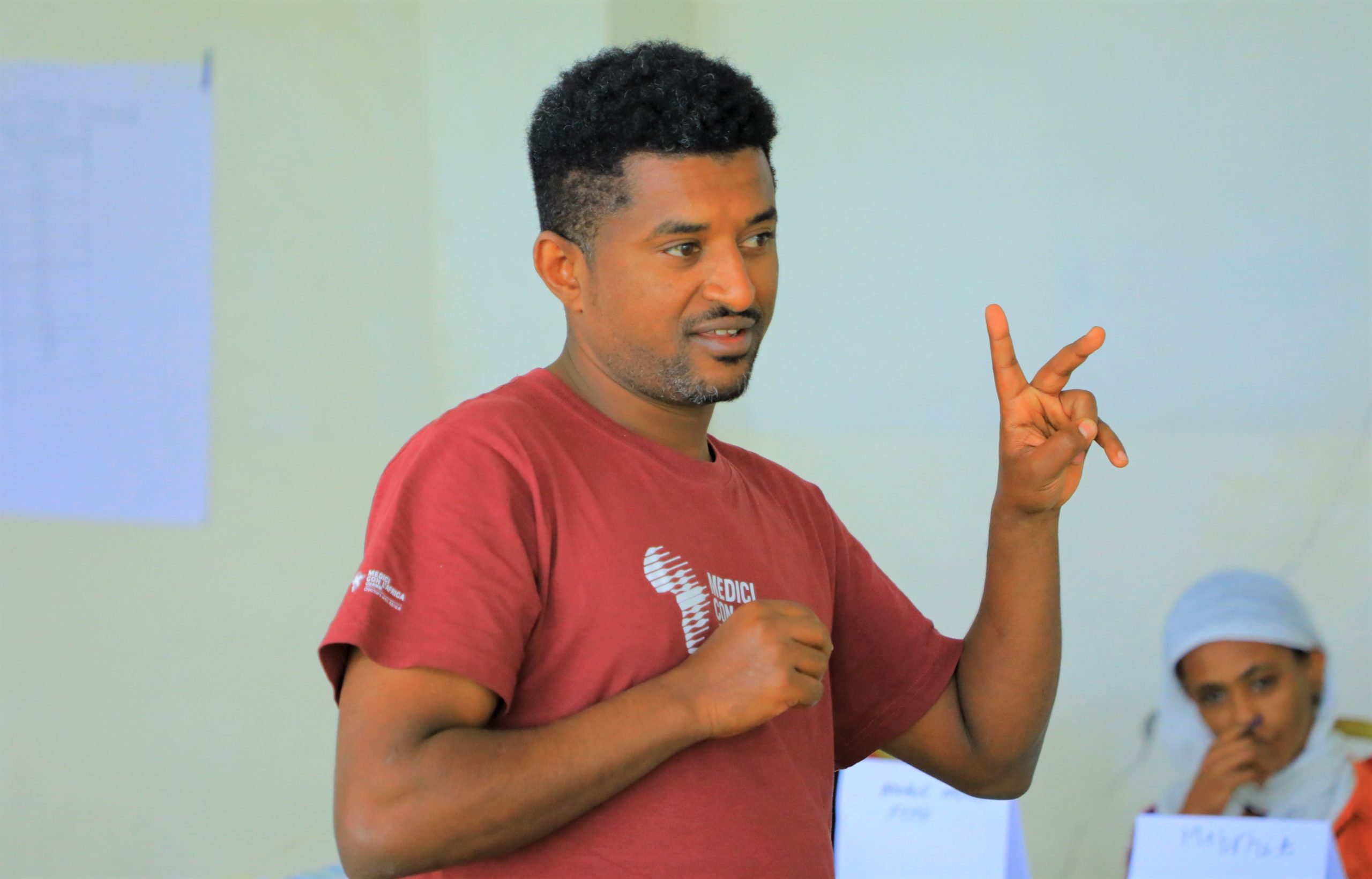
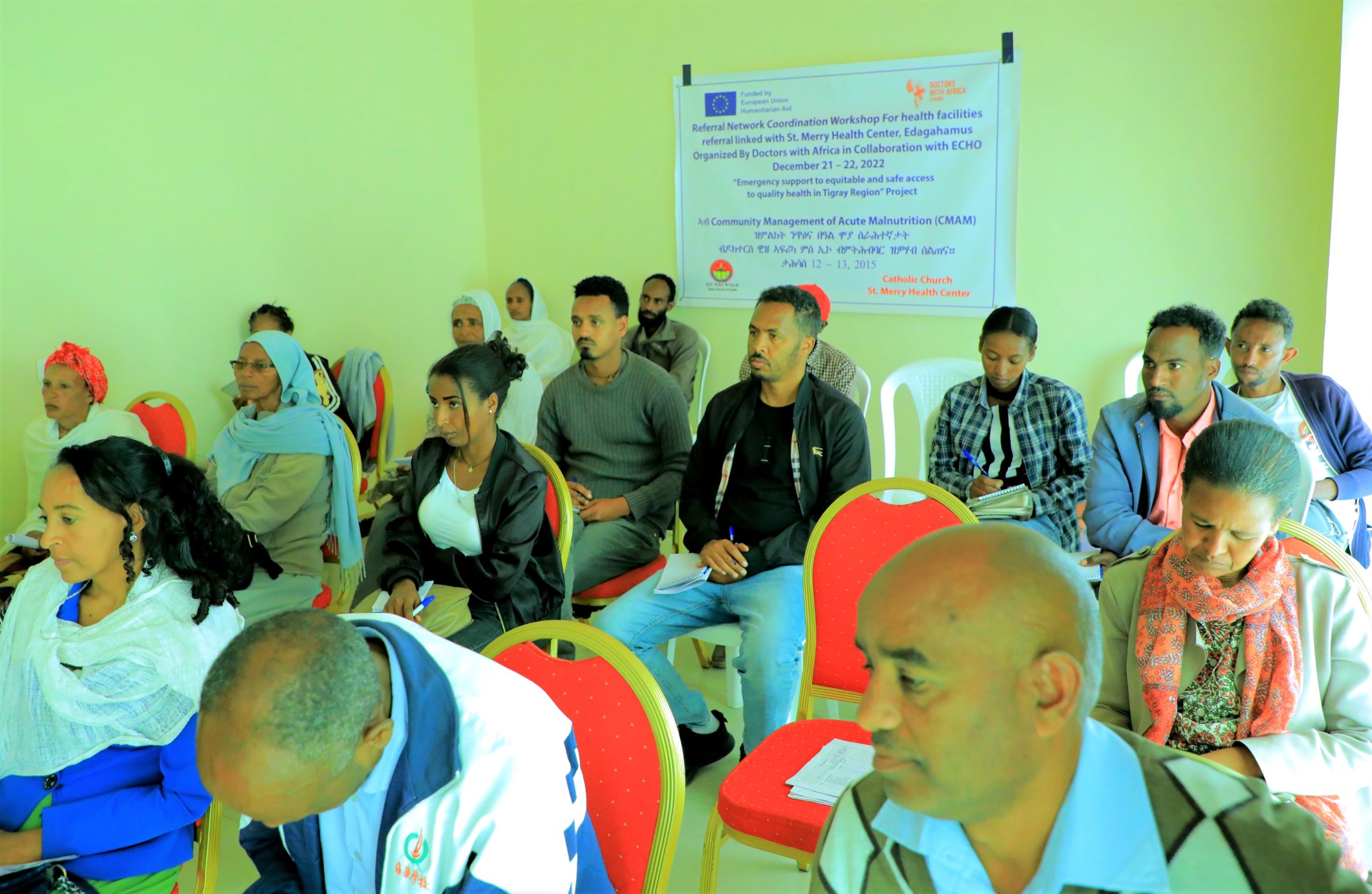
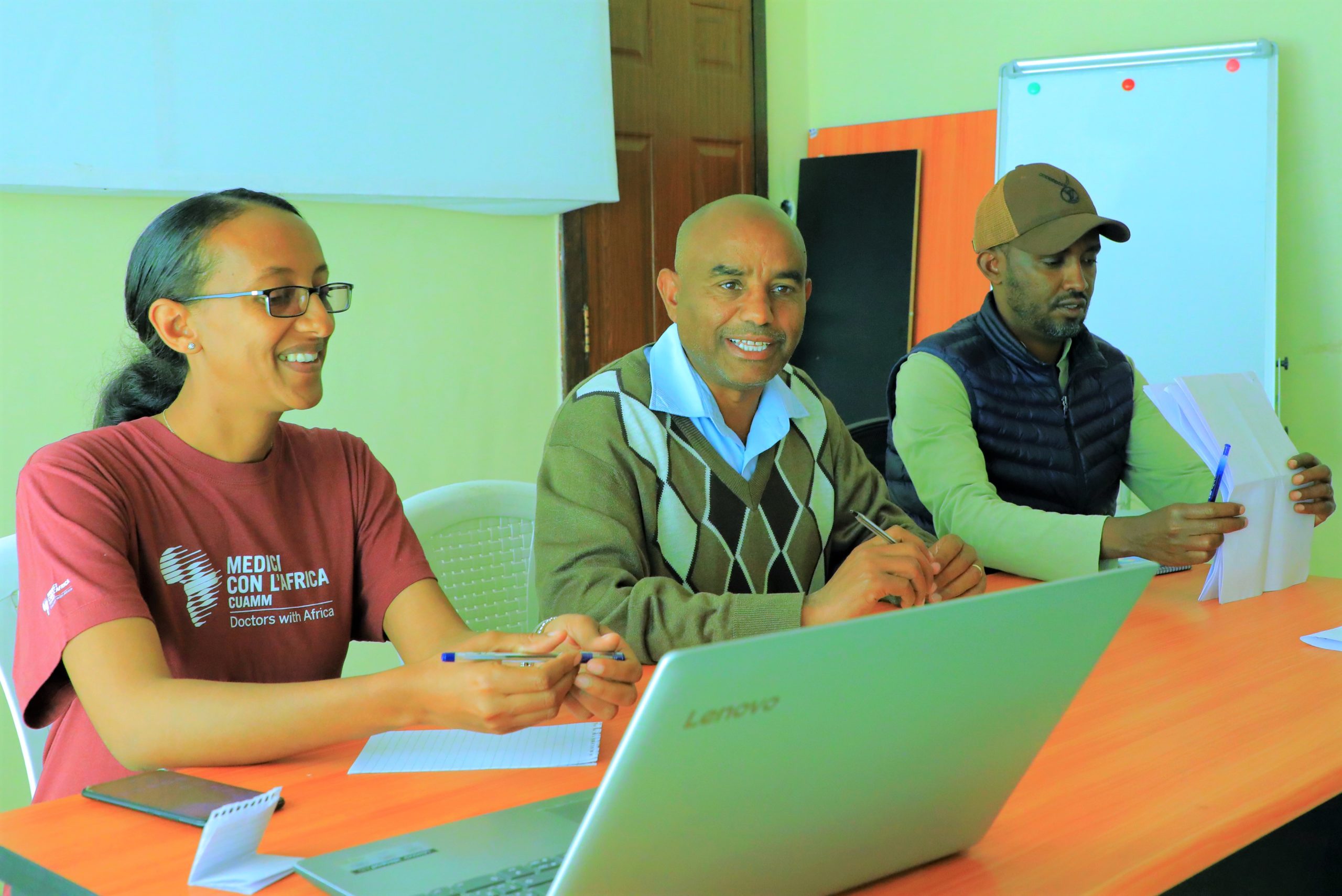
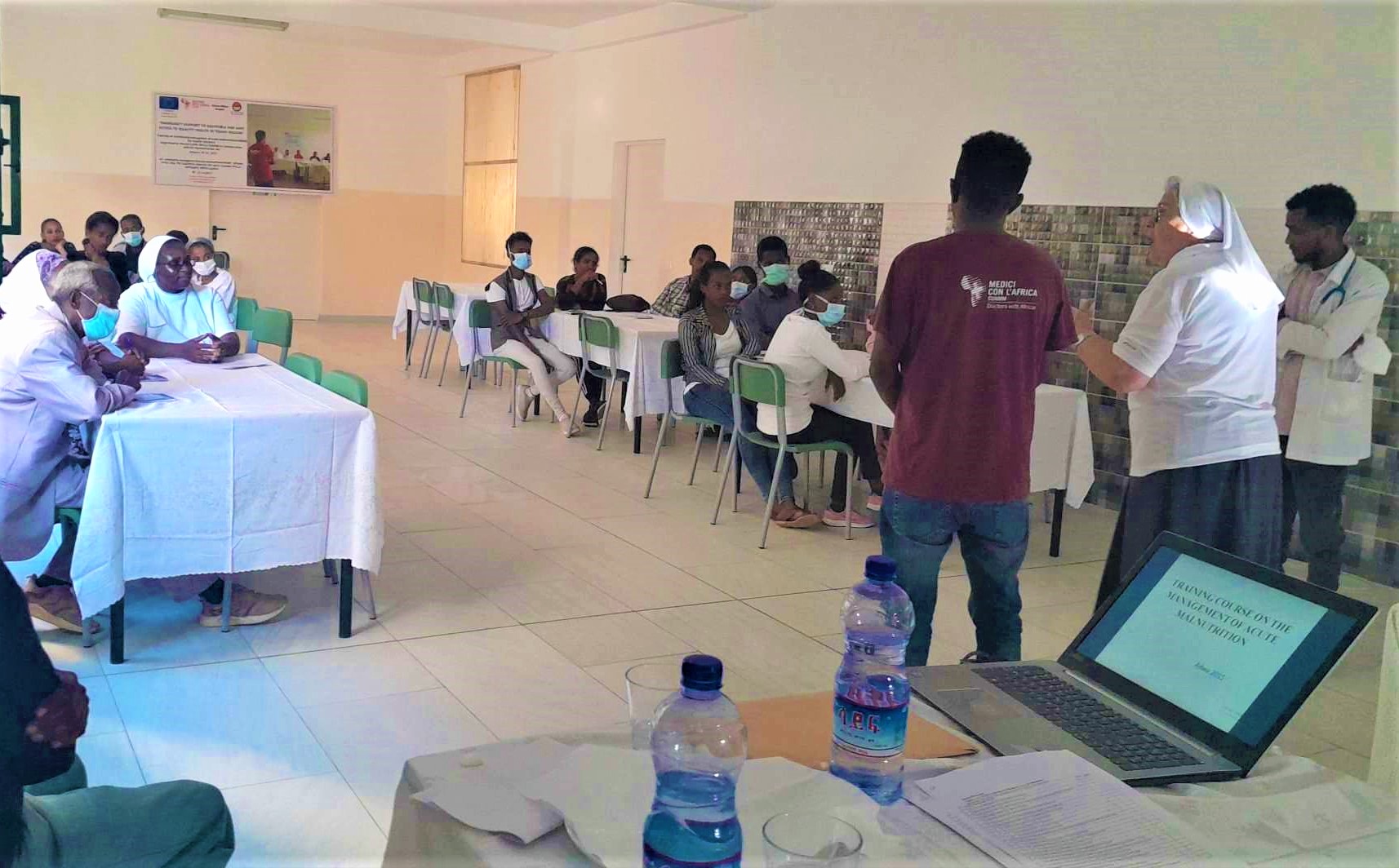
“Gratitude is one of the most important feelings that a human being can share”, claims António Lutenda, a nurse at Posto de Saúde da Chica, at the end of the training that CUAMM carried out for 41 health workers from all health facilities with CMAM services in Ombadja, and for nutrition supervisors at municipal and provincial level. This training, in partnership with Cunene Provincial Health Directorate and Ombadja Municipal Health Services, was a key activity of the project since less than 25% of health workers working on CMAM services had specific training on nutrition, and so important gaps were found on nutrition case management.

Cunene is one of the angolan provinces more affected by extreme drought that has worsened over the last few years. Despite the efforts of the local government and civil society organizations, the food insecurity and consequent increase of acute and chronic malnutrition are a reality that affect especially young children and women. CUAMM is supporting Ombadja Health Services on the prevention and management of acute malnutrition, implementing a project integrated in FRESAN program “Strengthening Resilience and Food and Nutrition Security in Angola”, managed by Camões, I. P. and financed by European Union.


https://ec.europa.eu/

This news was produced with the financial support of the European Union. The contents are the sole responsibility of Doctors with Africa CUAMM and do not necessarily reflect the vision of the European Union.

A necessary security

“During my experience as a pediatrician in Bangui, in the Central African Republic, everything was very intense: now I almost feel as if I have lived for a while in a parallel reality, when I talk about it, I almost feel as if I am illustrating a movie, telling stories. Because everything is different here, the routine, the landscape, the people, in some ways, it’s as if here I am what I have always been and there I am another person. I lived this experience in the middle of the Covid-19 pandemic. I was the only one who was vaccinated and that gave me security, the others were more worried than me. Although, when the cases started coming in, I started to get a bit scared too. I found myself thinking: ‘oh my God, here is the African variant that is not covered by the vaccine’.

Unfortunately, we had colleagues who were very sick, a colleague from another NGO was transferred to Ghana because of respiratory stress. But this happened in April. For the rest of the year, I have to admit that I was more worried about malaria or tuberculosis than Covid, but precisely because the vaccination gave me security.

Vittoria Montecchiani tells us about her experience in the Central African Republic as a JPO during Covid-19 as the only one vaccinated.

“The impact of the pandemic wave on the population was strong, perhaps also seeing how hard the pandemic hit the West, she feared that the impact on a state like CAR could be devastating. The reaction became, at times, irrational, such as the absurd use of medicines at the first symptoms: frightened, many took drugs for malaria or HIV, risking hepatitis.

The terror increased especially in the acute period, when one heard of various relatives, friends, who had taken it and were hospitalized. Unfortunately, the resources available are minimal, not even masks were available at the beginning, and Cuamm helped to procure them,” Vittoria says. The beginning of the vaccinations was well organized and functional, but unfortunately the problem of inequality in the population persists. The more educated part of the population, which includes nurses and doctors, is getting vaccinated, while there is a part of the population that does not perceive the importance of the vaccine. For many single mothers with many children, for example, the main concern is running from one village to another because of the war, with their children malnourished, so vaccination is understandably the last thing on their minds.”

In CAR, as in the other countries where we intervene, we continue our efforts to support local health systems in making vaccinations a reality: but there is still much to be done.

We also continue to raise awareness of the importance of the vaccine as the most effective means of protection and prevention.

Furthermore, Doctors with Africa Cuamm’s intervention supports all the other causes of morbidity and mortality, which have already been made acute by the pandemic.


COPING WITH COVID-19 ENSURING CONTINUITY OF SERVICES

The outbreak and the impact of Covid-19 pandemic has led Doctors with Africa CUAMM to put in place a set of actions to guarantee the continuity of basic healthcare services on the one hand, and to ensure and  improve access to health care and protection services to the vulnerable segment of the population on the other hand, capacitating them to mitigate the effects of COVID-19.

Therefore, CUAMM has been implementing a 4-month project in Ethiopia: “Promotion of the health and protection of vulnerable segment of the population in Woreda 1, 3, and 8 of Kolfe Keranyo Sub city in response to the COVID-19 emergency” which is financed by the Italian Agency for Development Cooperation. To achieve these objectives, the project has conducted trainings and awareness raising activities, provided assistance and support to the most vulnerable, supplied medical equipment and consumables to the health centers in the three districts involved. Moreover, 14 health workers have been trained on the provision of mental and psychosocial health care services particularly related to gender-based violence (GBV). The project has allowed the procurement of dignity kit, and the training of 50 health extension workers (HEWs) on provision of referral and awareness raising on GBV. 120 poor women family heads and returnee migrants were benefited from psychosocial support and accompaniment activities and 60 single mothers were benefited from Income Generation Activities (IGA) in the immediate emergency. The project, through the collaboration of CISP, has been also working closely with school clubs to disseminate messages related to prevention of GBV through school mini medias.

Among the many significant achievements:

  • 20 Family Health Team staff  trained on home based isolation care and support (HBIC). They have provided with medical equipment like statoscope, pulse oximetry and other medical supplies. In the past 4 months, more than 700 COVID-19 patients received HBIC by these trained health care workers;
  • Patients’ satisfaction survey conducted in 11 health centers to get users (patients) feedback. The result was disseminated for key actors of the sub-city, woreda and health centers;
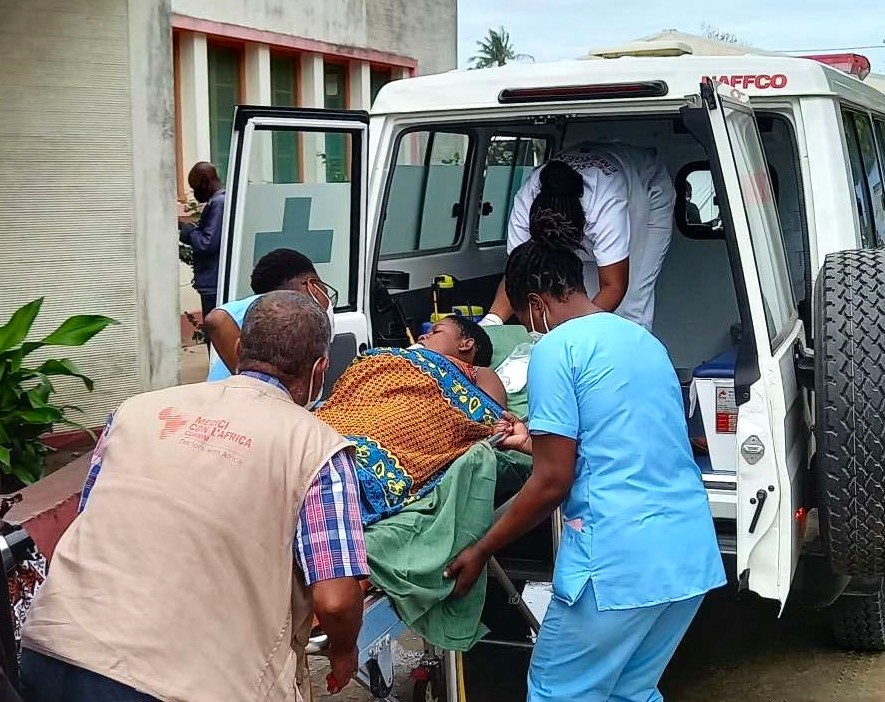
  • To strengthen the referral system, the 3 woreda ambulances were equipped with medical appliances to safely transport critically ill patients.
  • 50 health extension workers and 28 health staff were trained and sensitized on the identification and referral of the most vulnerable cases, including mental health and psychosocial health aspect. An average 65 cases per month are referred, ncluding suspected cases of covid-19 in each woreda.
  • 2695 people, returnees and migrants in the 3 target woredas benefited from the distribution of protection materials like face mask, hand sanitizer and soap. These group of people are most exposed to the risk of Covid-19 among these 71% (1903) were female, and 40% (1078) were disabled and chronically immunocompromised patients.
  • More than 70,000 people reached with awareness raising and community engagement activities on Covid-19 prevention. In addition, more than 3,000 people were sensitized on the prevention of gender-based violence and social protection.
  • Hygiene and sanitary kits provided for one school.


The large share of urban poor and particular segment of the population vested in Kolfe Karaniyo sub city are vulnerable to counteract Covid-19 due to lack of finances and means of preventing it. The health facilities also face shortage of basic and essential equipment and consumables. The project has achieved good results in improving the capacity of the health facilities to guarantee basic health services for the vulnerable categories. The feedback from the authorities and beneficiaries was very appealing.

There is still a urgent need of assistance to improve the quality of health services, along with providing essential medical equipment, training to health care works on various health topics, and also the urban health extension workers need logistics and follow up supports. This intervention in Addis Ababa urban context has been a good lesson and it would be important therefore to continue or even to expand the project on MNCH in the three health centers.