
Ivory Coast
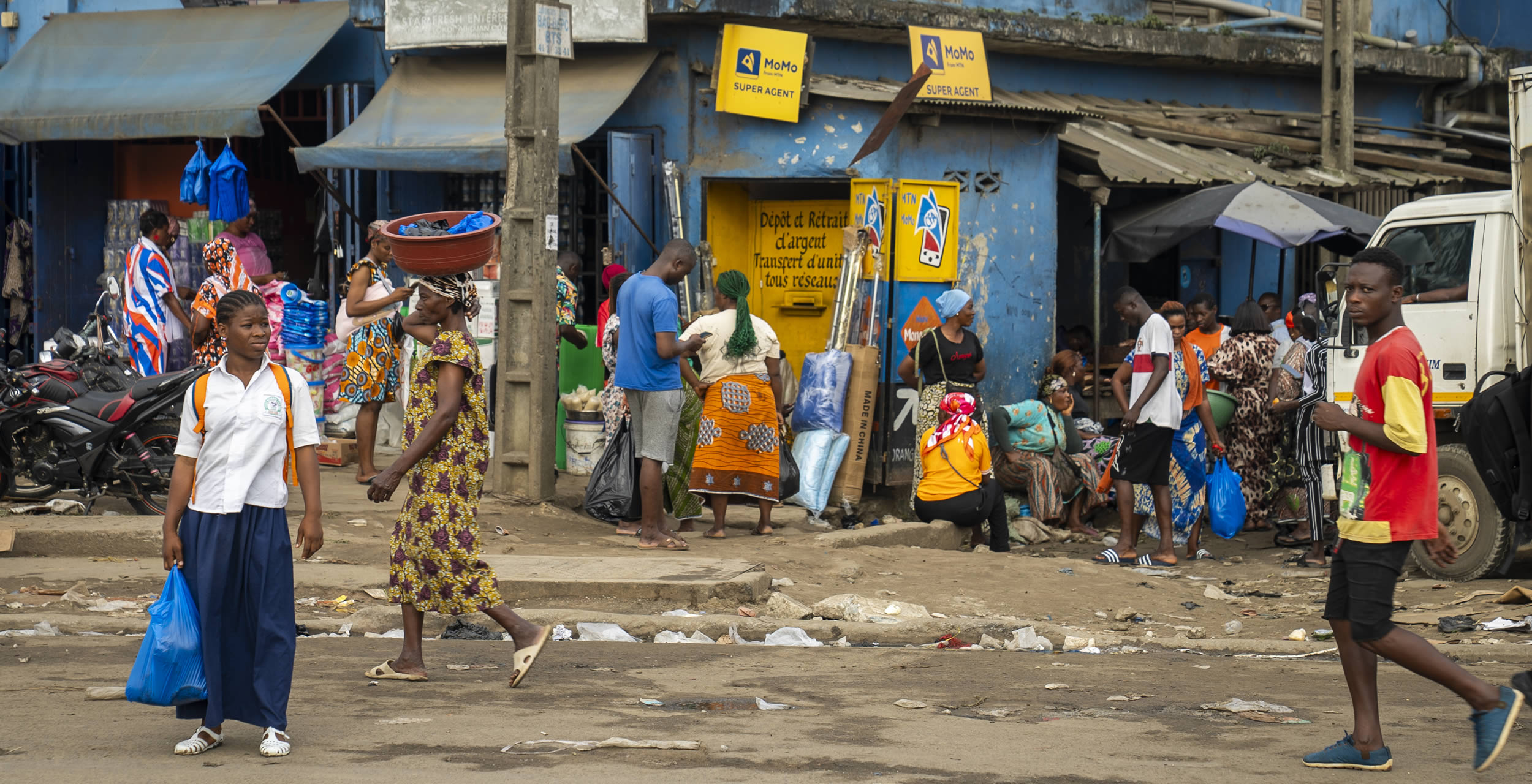
With an average annual growth rate of 6.2%, Ivory Coast has been a stable country for more than 40 years and has the most prosperous economy in West Africa, despite significant disparities between the wealthier and more developed South and the North, where many vulnerabilities still persist.
Our most recent intervention
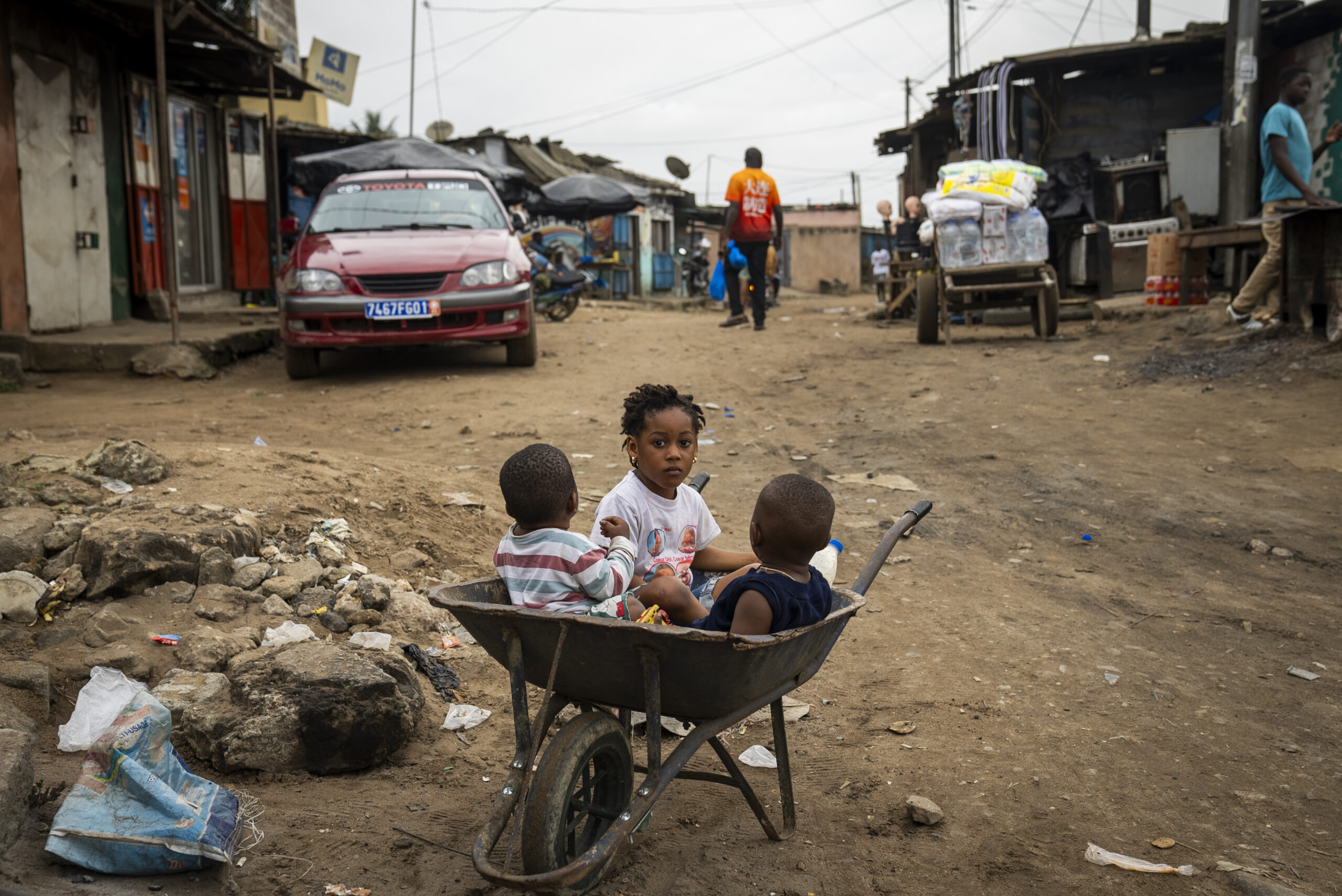
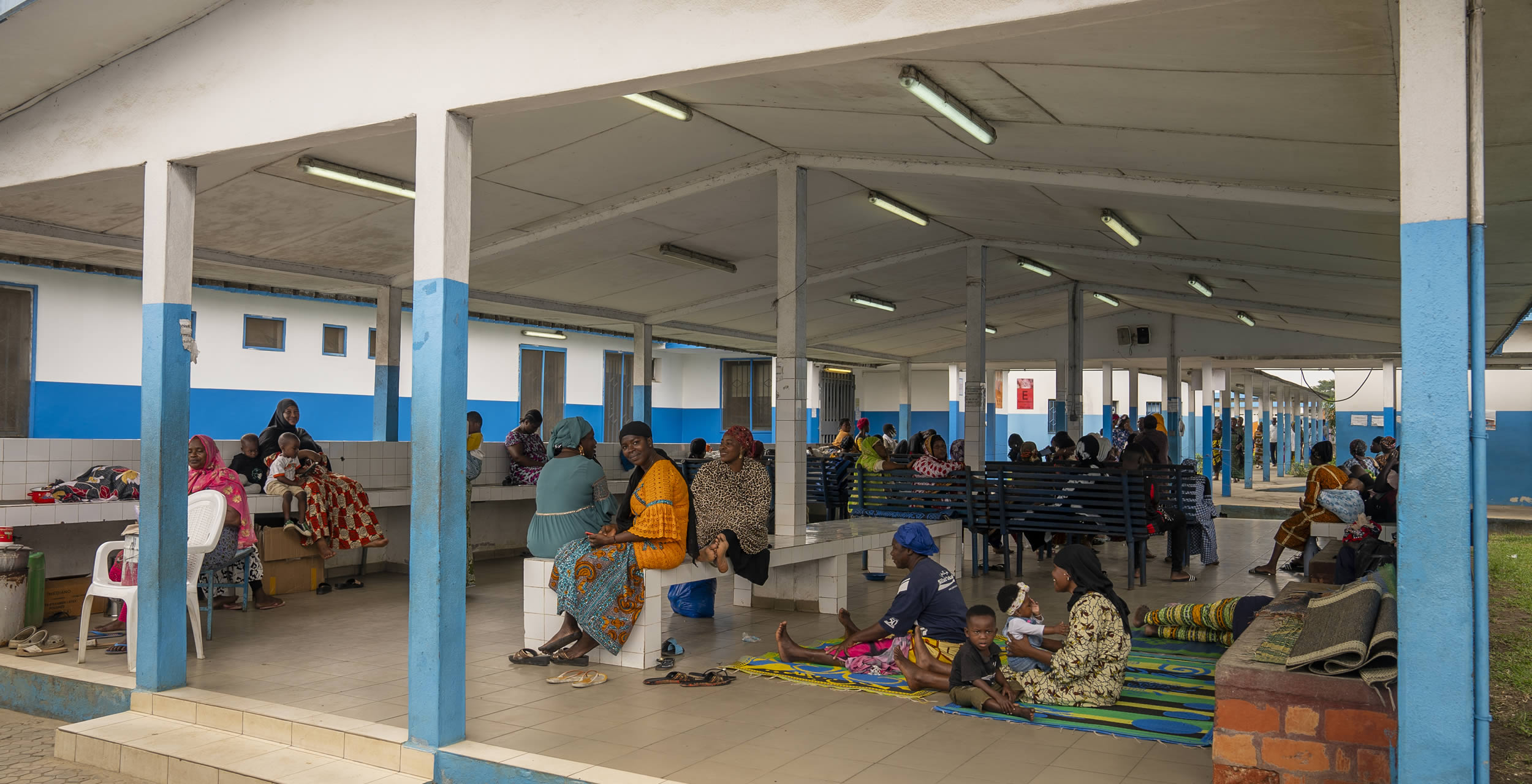
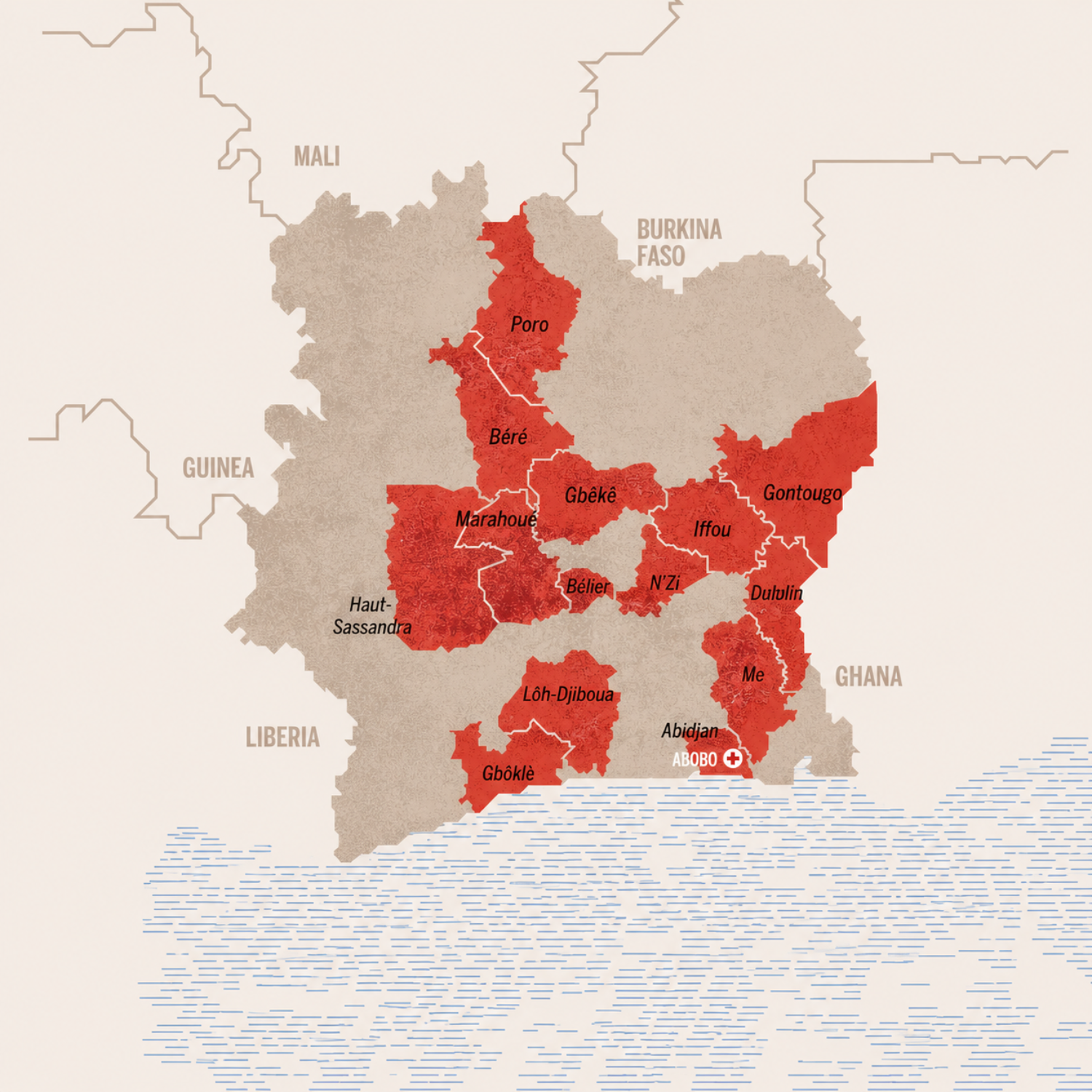
We began our work in Ivory Coast in 2023, supporting a network of 71 health services run by Catholic congregations (URSSCI). In 2024, we also expanded our activities to Abidjan, with an intervention in support of Abobo Hospital.
Maternal and child health
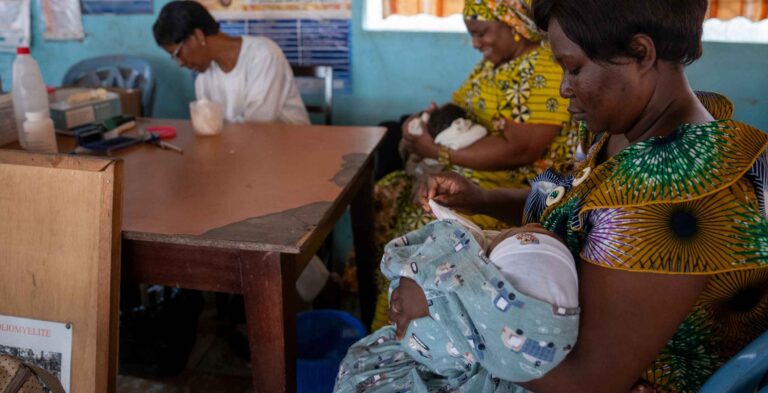
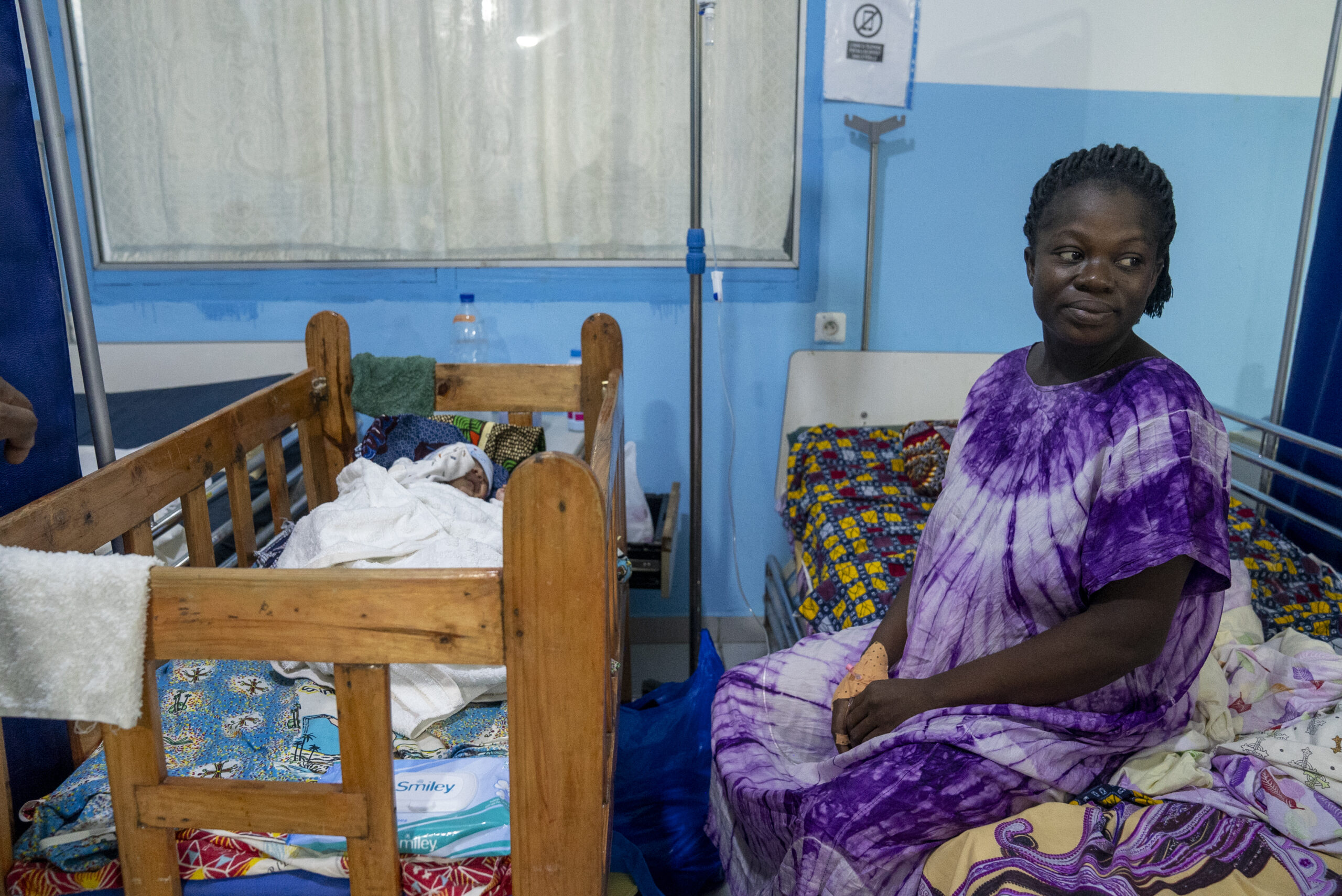
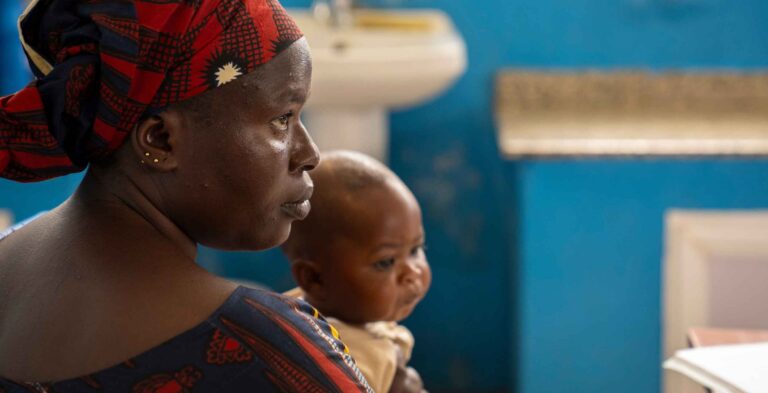
Supporting 71 Catholic health facilities in the country we aim to improve access to care for the most vulnerable groups: mothers and children. After renovating, equipping, and supplying 13 health centers managed by religious congregations with medicines, materials, and ambulances, we continue to ensure the training of healthcare workers. As many as 140 were trained in 2024 alone.
Quality care in Abobo
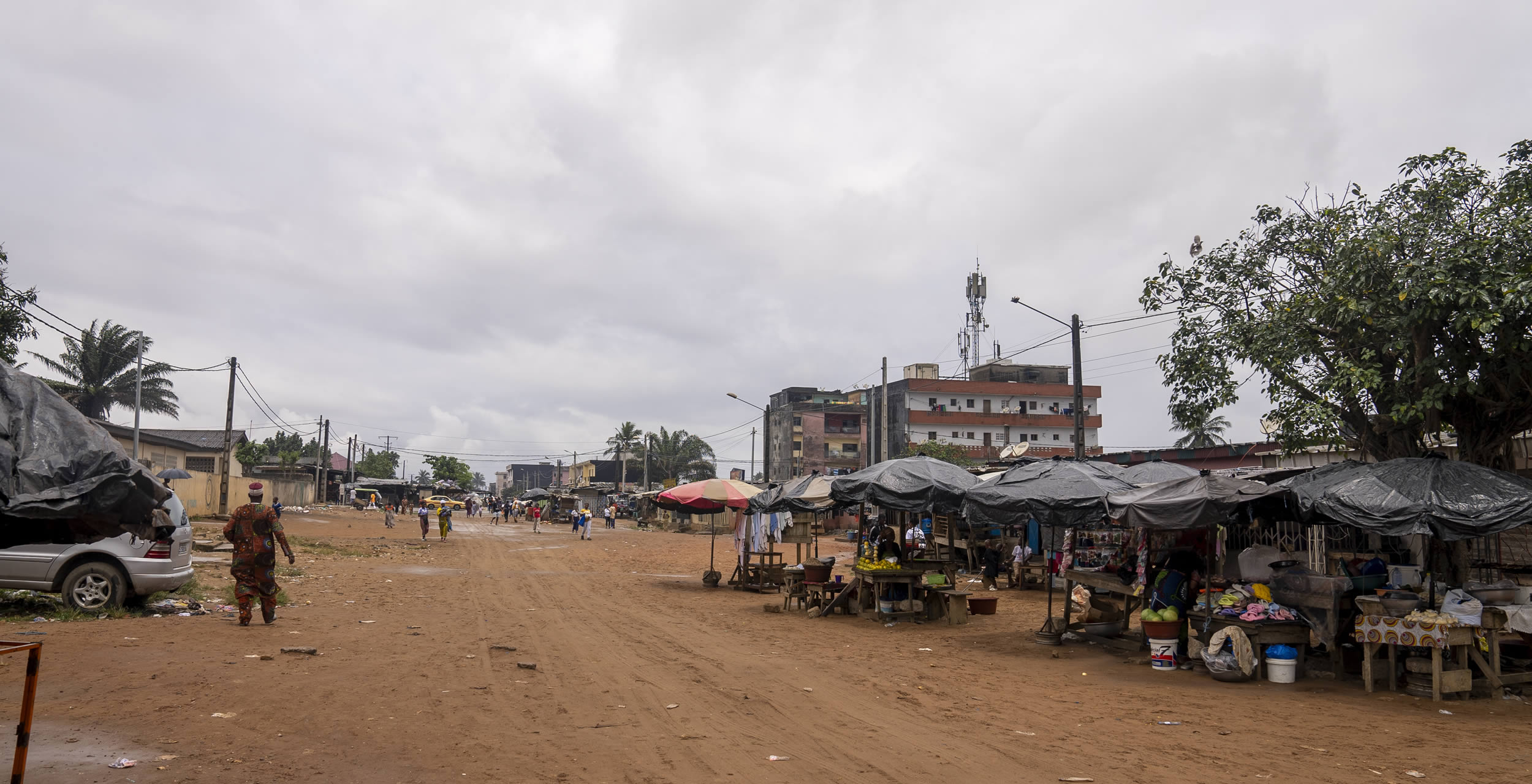
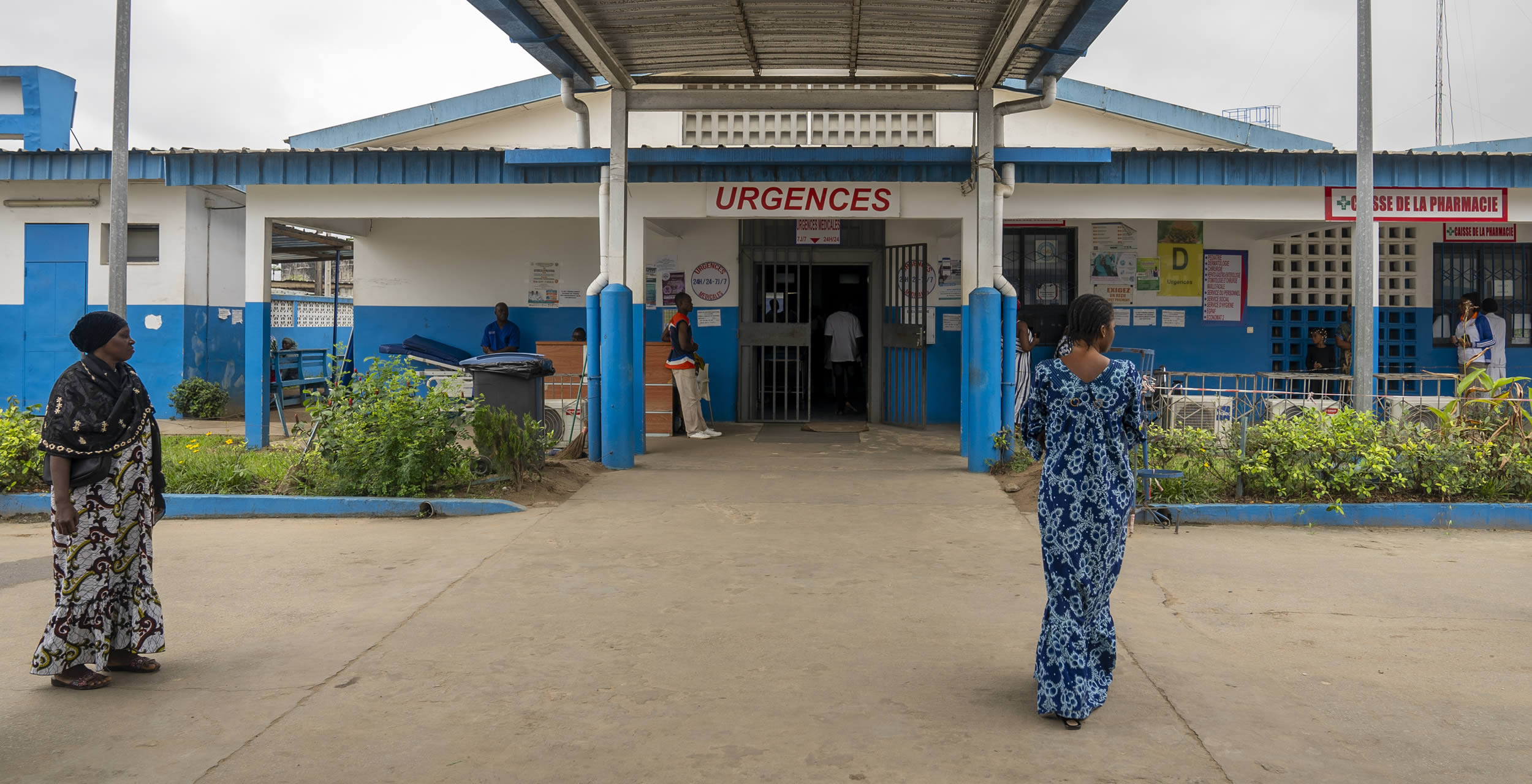
Abobo, one of the most densely populated areas of Abidjan, is home to the Regional Hospital. The facility is often overcrowded and struggles to meet the growing healthcare needs of the population. Our work focuses on maternal and newborn care, with a particular emphasis on premature babies.
In addition, we operate in two other health facilities in the surrounding area: the FSU-Com primary health center in Anonkoua-Kouté and the HGPC Saints Cœurs de Clouetcha secondary hospital.
In Ivory Coast
Our impact in Ivory Coast
26.886
Antenatal visits
116.962
Medical visits for children under five
12.258
Assisted deliveries