Ethiopia
Ethiopia is one of the most populous countries in Sub-Saharan Africa and, despite the progress made in recent years, it remains among the poorest countries in the world.
A Long-Standing Commitment
We have been present in Ethiopia since 1997, when CUAMM signed an agreement with the Ethiopian Catholic Church and the Oromia regional government to build St. Luke Hospital in Wolisso, inaugurated in 2000 together with the School of Nursing and Midwifery. Since then, our commitment has expanded over time, moving from the construction of healthcare infrastructure to staff training and the overall strengthening of the national health system.
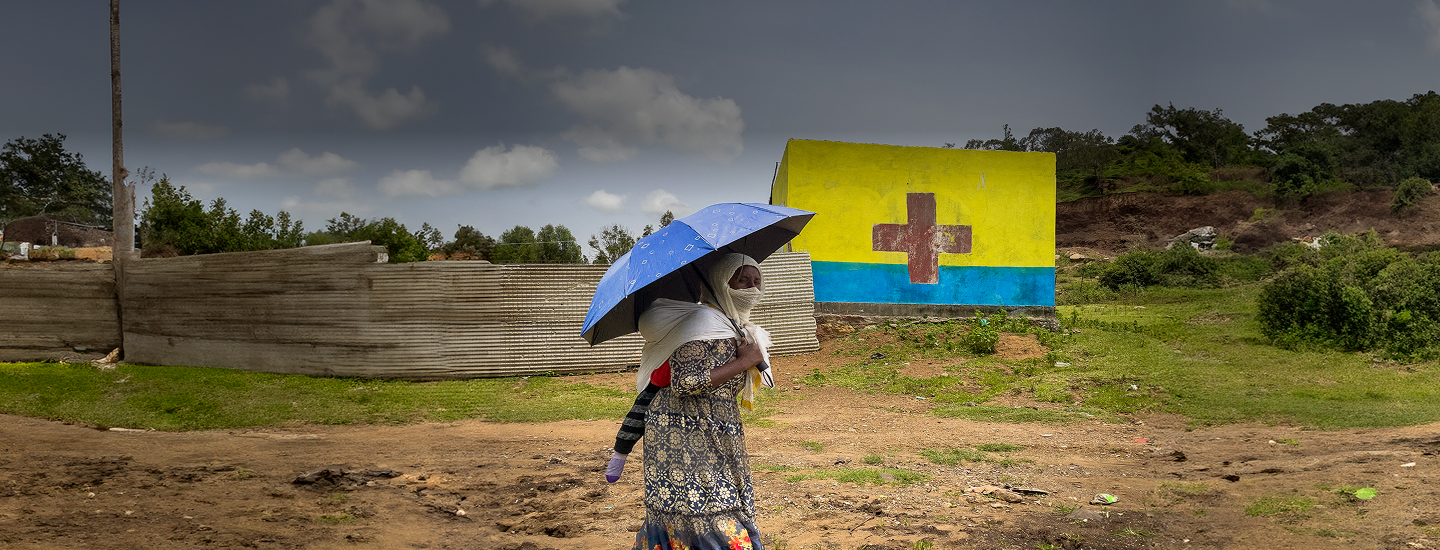
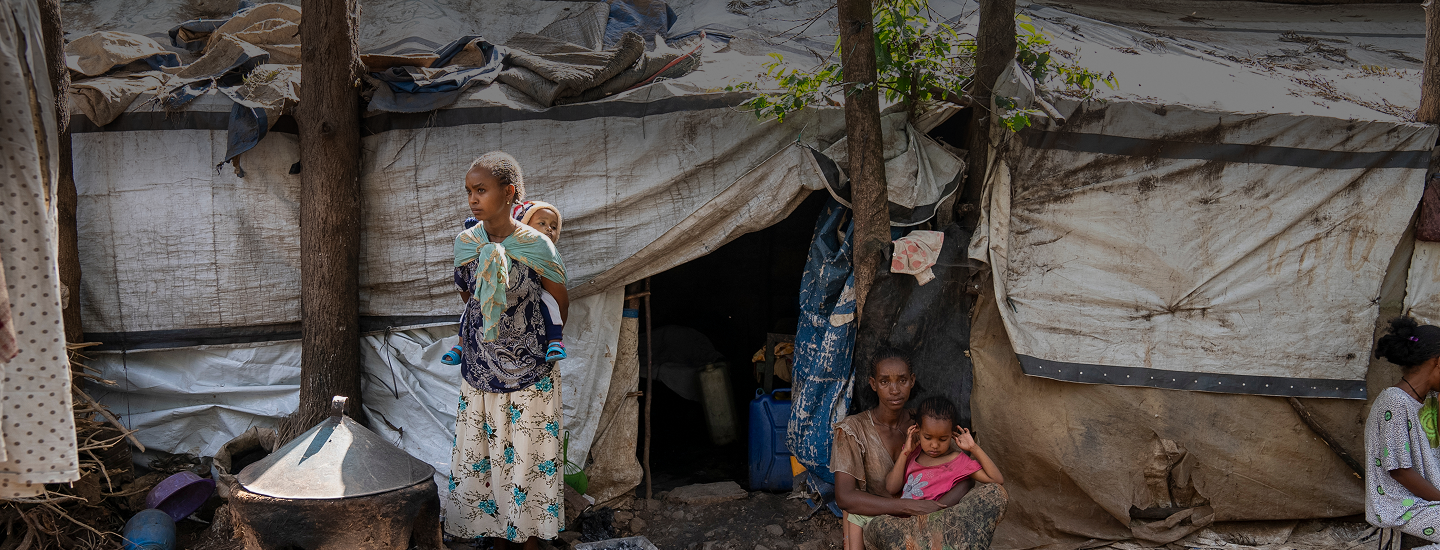
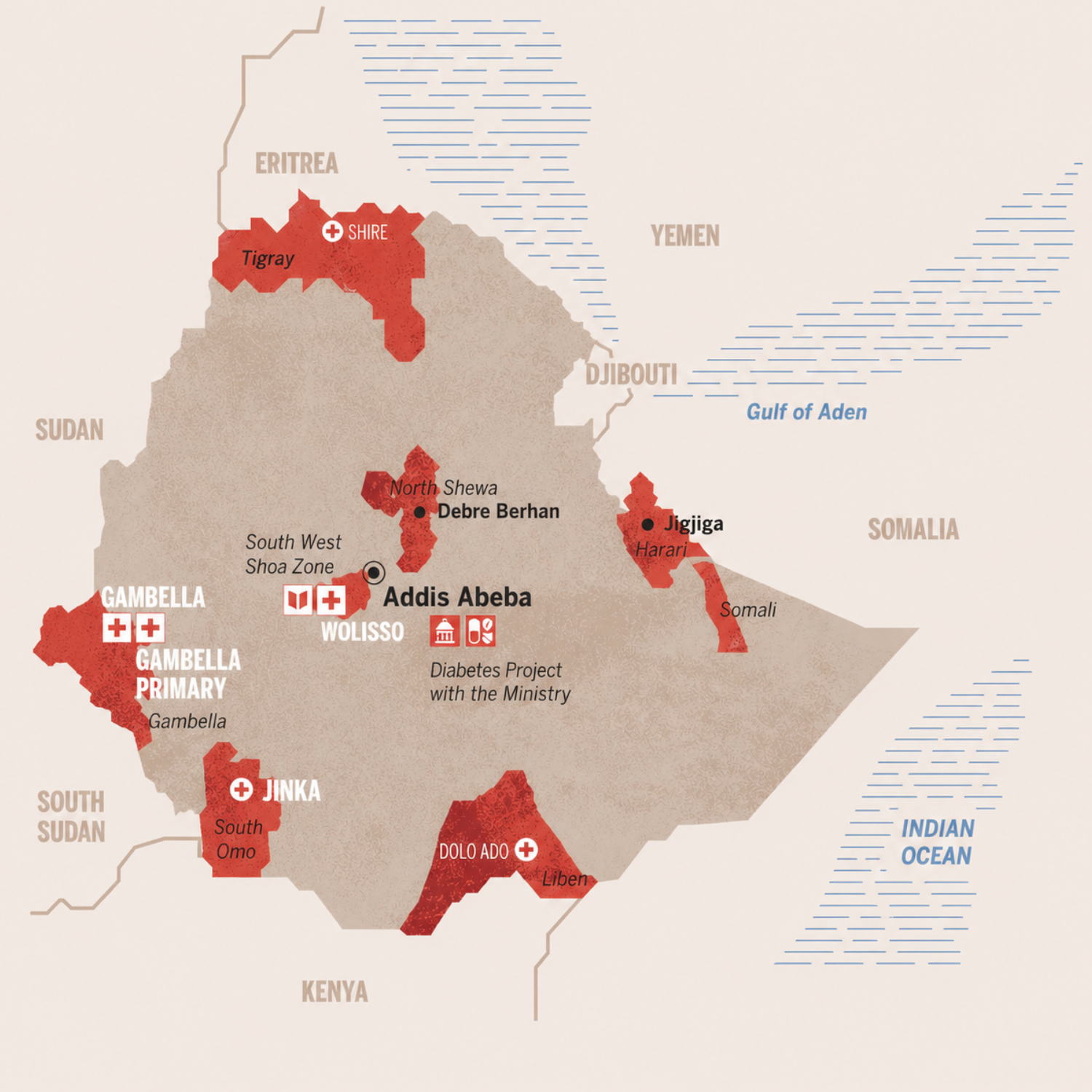
Today, we operate in several regions of the country, in complex contexts marked by conflict, poverty, climate emergencies, and internal migration.
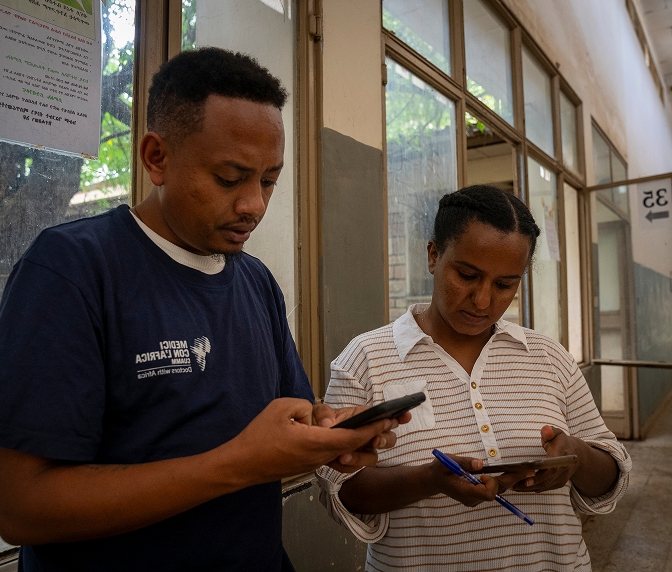
Strengthening Healthcare at Community Level
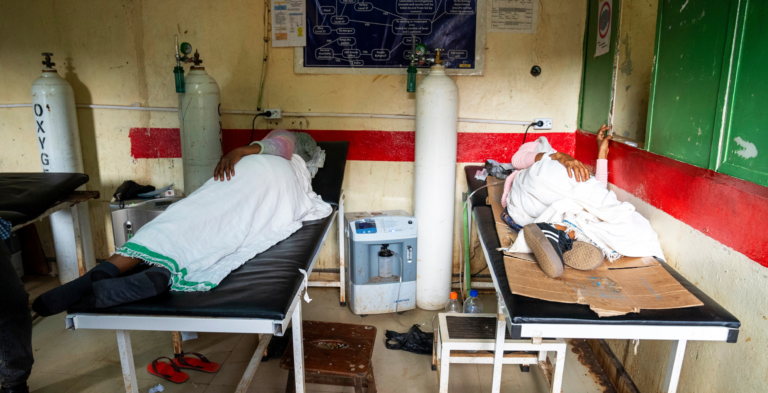
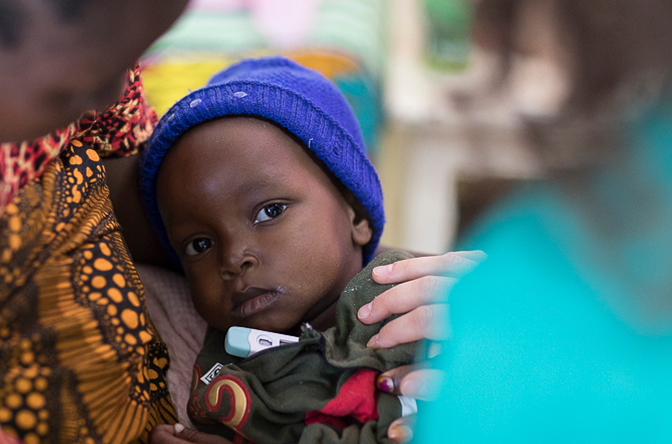
In the Oromia region, we continue to support St. Luke Hospital in Wolisso, which has become a key reference point for maternal and child health and for the training of healthcare personnel, through an ongoing programme of on-the-job training and clinical supervision. In the north of the country, in Tigray, we are working to restore life-saving health and nutrition services for communities affected by conflict, supporting Suhul Hospital in Shire and five peripheral health facilities.
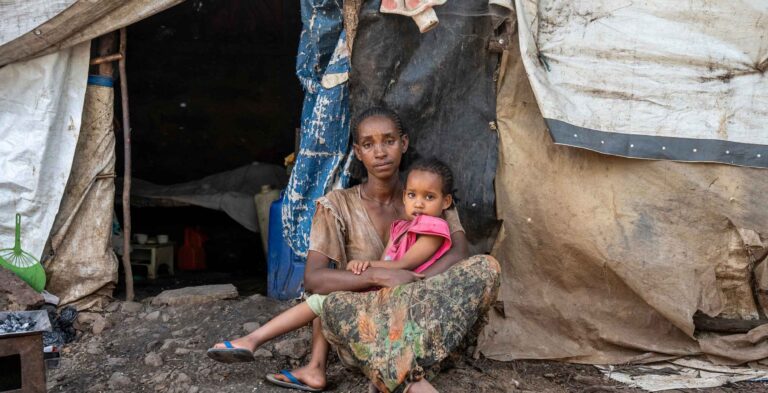
In the Gambella region, we provide assistance to South Sudanese refugees and host communities, ensuring access to basic healthcare, nutritional support, and maternal and neonatal health programmes.
Responding to Humanitarian Challenges
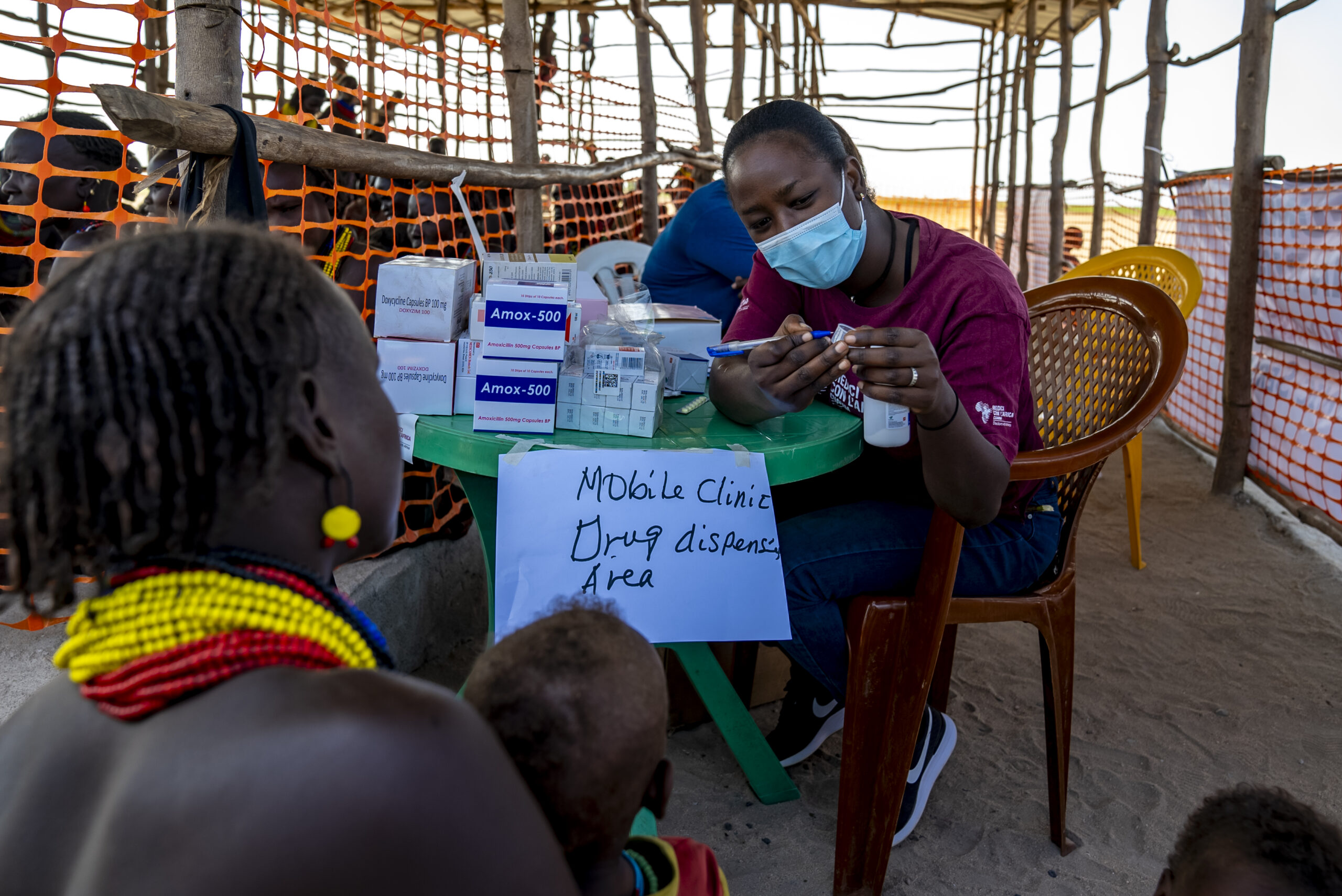
Our work also continues in the South Omo Zone, where we provide assistance to populations affected by floods and droughts, and in the Somali Region, with mobile clinics reaching displaced people and families isolated by the climate crisis.
In collaboration with the Ethiopian Pediatric Society and the Union of European Neonatal and Perinatal Societies, we have established a centre of excellence for neonatal training in Addis Ababa at Black Lion Hospital.
Making Healthcare Accessible to All
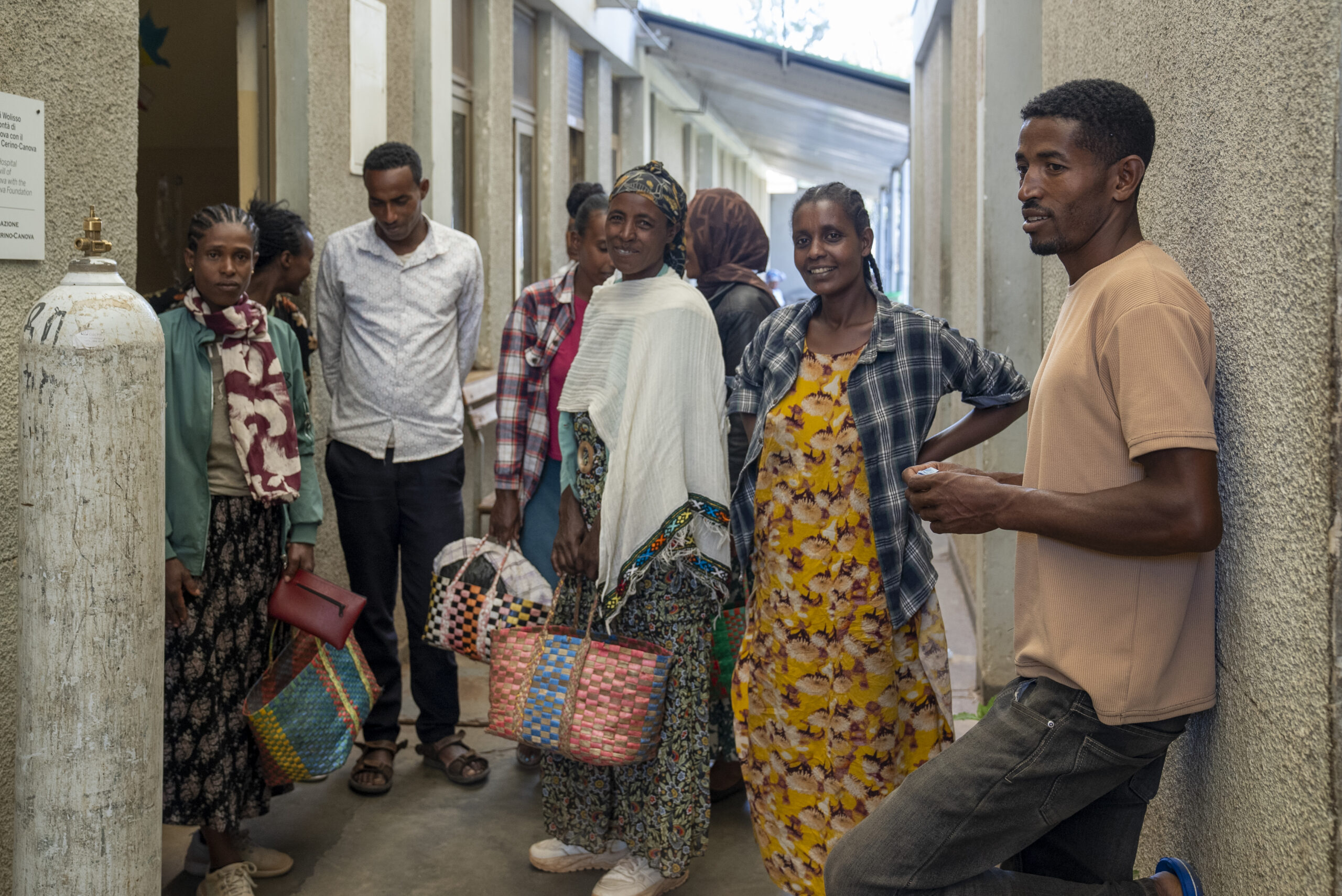
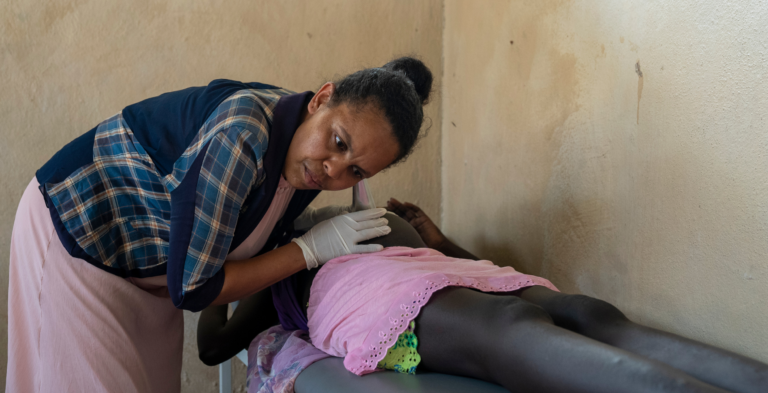
Ethiopia is a country with enormous potential, but also marked by fragilities that place people’s health under severe strain. Together with local partners, we continue to invest in training, maternal health, and the reconstruction of healthcare facilities, to build a future in which access to care is truly a right for all.
Our impact in Ethiopia
291.406
Medical visits for children under five
33.924
Assisted deliveries
28.255
vaccinations