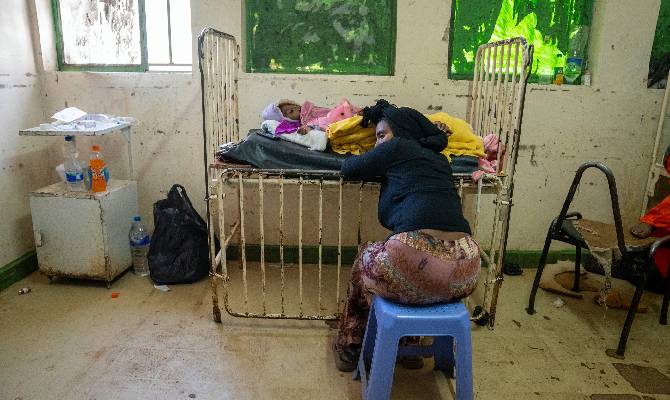
In Ethiopia, in the Districts of Jinka Town, Baka Dawula, and South Ari within the South Omo region, malnutrition represents a devastating challenge for the survival of the youngest: in these areas, chronic malnutrition and stunting rates historically affect nearly one in two children under the age of five (around 44%). A scourge fueled by deep food and economic insecurity, where recurring droughts and subsistence farming deprive families of the necessary variety and availability of food, exposing women and children to a constant risk of acute malnutrition.
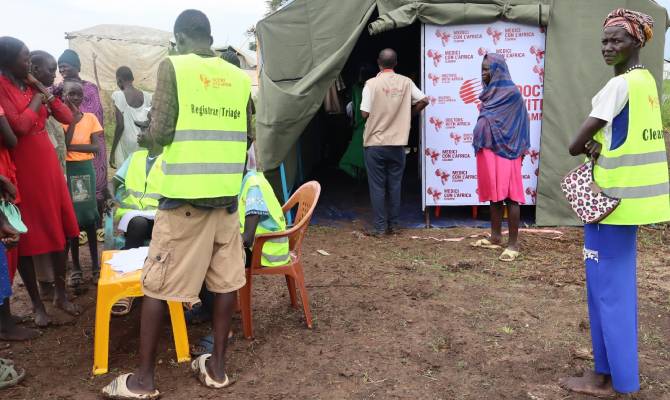
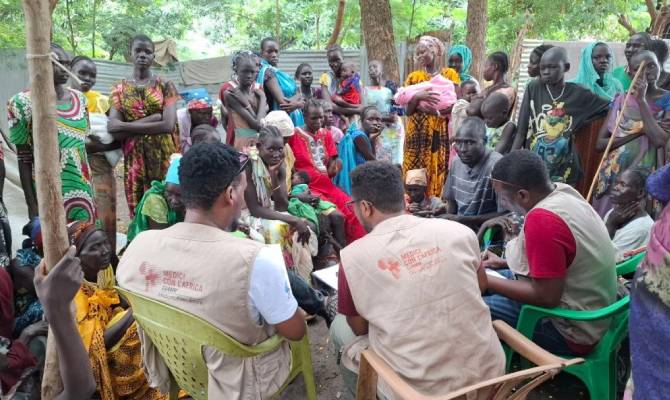
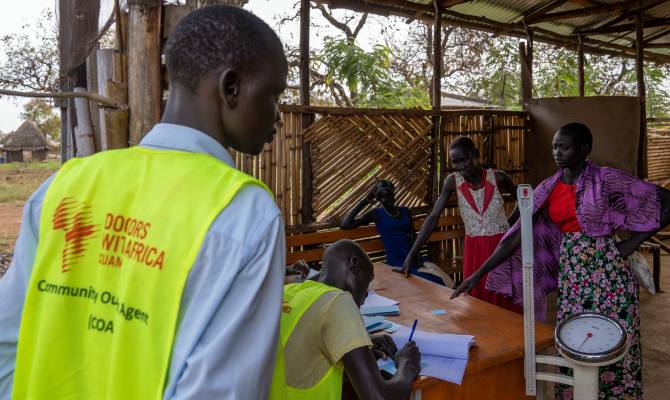
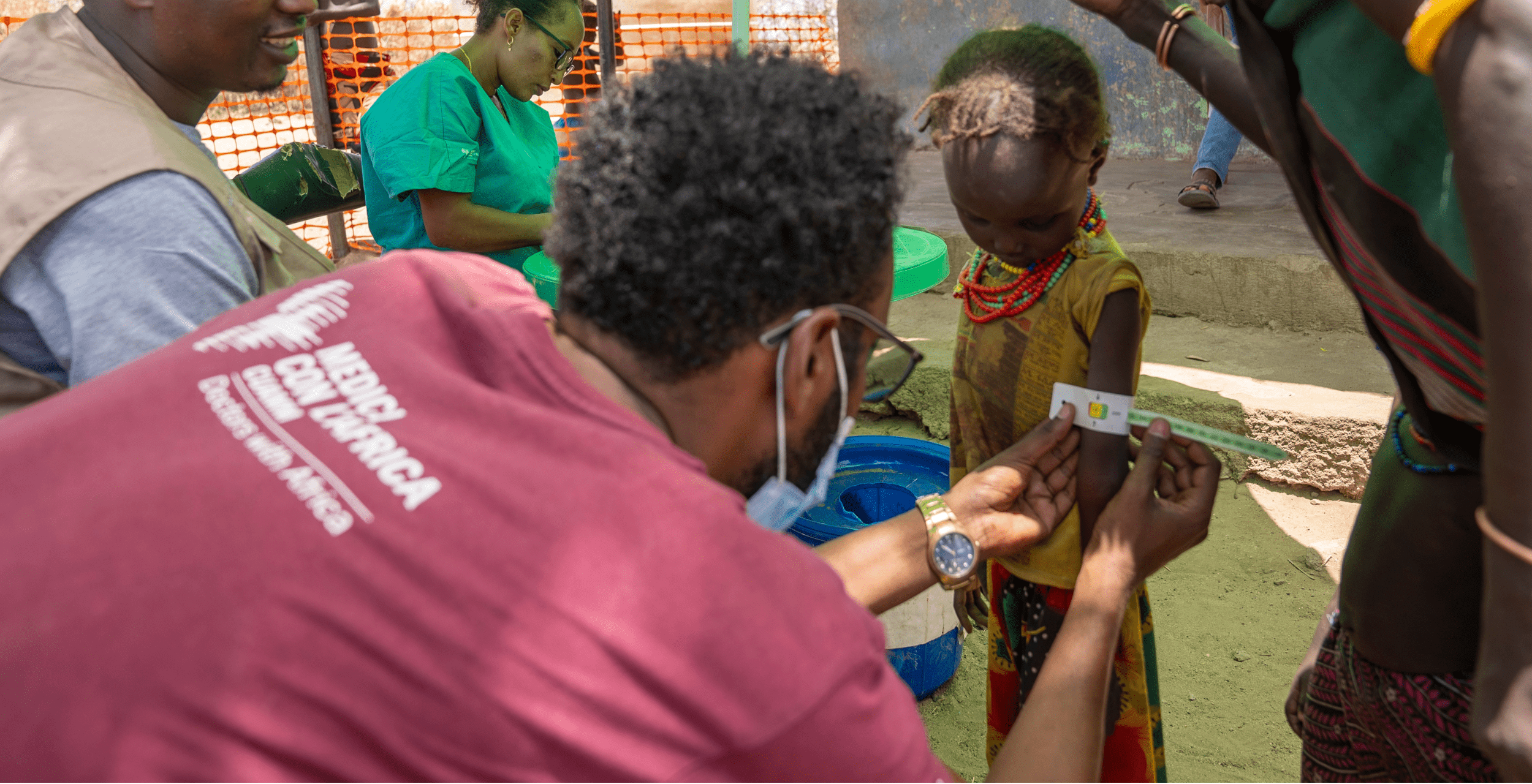
It is precisely in this complex context that, starting from February 2024, the intervention of Medici con l’Africa Cuamm “Combating malnutrition and promoting good nutrition practices in the South Omo Zone (SNNPR) in Ethiopia” was launched. The project, which officially concluded last week, focused its efforts on multiple levels: strengthening the capacity of the local healthcare system (Jinka Hospital and peripheral health centers), increasing access to prevention and treatment services for malnutrition, particularly for children under 5 and pregnant and lactating women ; the promotion of good hygiene and nutritional practices through educational interventions that reached over 22,000 people. At the community level in fact, 3,700 children and 535 pregnant/lactating women underwent nutritional screening; 24 awareness sessions and 4 practical cooking demonstrations were conducted to teach mothers how to prepare nutritious meals using local ingredients.
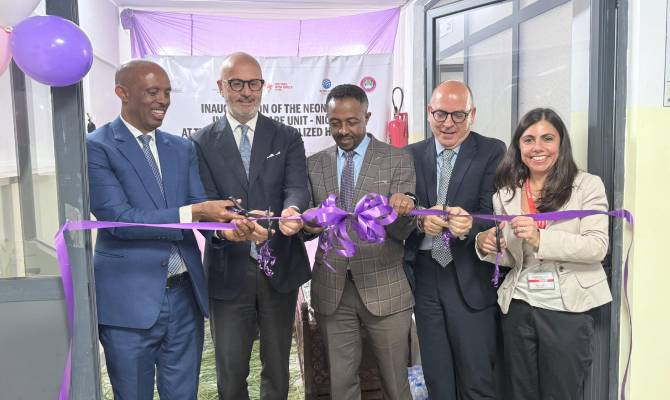
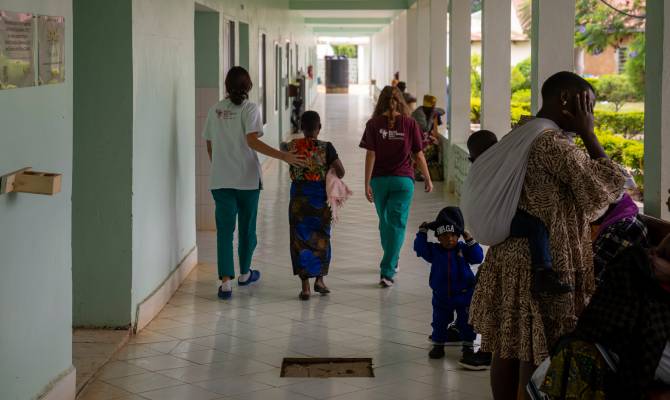
Finally, special attention was dedicated to Early Childhood Development (ECD), the cognitive, motor, and social development of children, through 36 sessions of “Tea Talk” for 192 children and caregivers, combining play and guided discussions on health. The commitment also focused on upgrading infrastructure, completing the rehabilitation of the pediatric ward at Jinka General Hospital, building a kitchen for the preparation of therapeutic meals, and renovating the maternity waiting room. Furthermore, essential medicines and medical equipment were guaranteed to 4 healthcare facilities.
Quality healthcare cannot exist without well-trained healthcare workers. Therefore, 25 professionals were trained on the management of severe acute malnutrition, and supervision sessions were conducted for 45 Community Health Extension Workers (HEWs). The improvement of skills allowed for the identification and enrollment into treatment pathways of 370 children with severe acute malnutrition (SAM) or moderate acute malnutrition (MAM). Additionally, 10,600 women had access to pre- and post-natal services.
Unexpected events were not lacking, such as the outbreak of a Marburg epidemic which required a timely adaptation of the intervention. In particular, personal protective equipment, water, sanitation, and hygiene (WASH) supplies, and emergency medicines were provided, alongside the organization of intensive awareness campaigns to inform the population about the virus symptoms. Cuamm was officially recognized at the national level for the immediate support provided during the epidemic.
Cuamm’s intervention thus concludes, leaving a tangible legacy in a territory that remains marked by deep structural complexities. Despite the ongoing challenges — from critical shortages of therapeutic milk and foods to weaknesses in data monitoring, up to recent logistical delays caused by the Marburg virus disease outbreak and fuel scarcity — the project delivers fundamental pillars for the future to the communities. The path toward autonomy for the South Omo Zone can now rely on a local health authority strengthened by capacity building, stable infrastructure and equipment that reduce dependence on external aid, and a joint supervision model across regional, zonal, and district levels, which is indispensable to overcome resistance and guarantee the continuity of services over time.