Health amid food energy and life

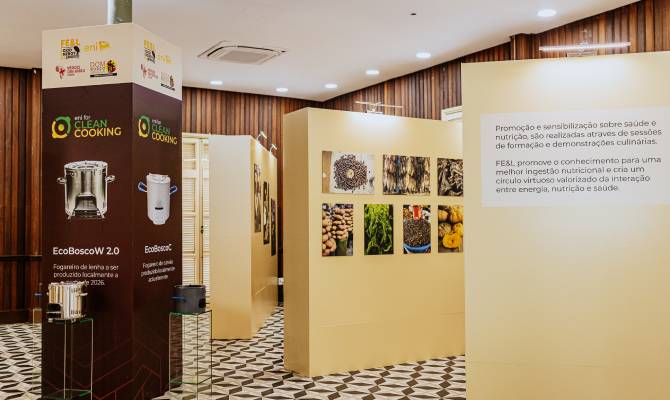
Today, together with our project partners Salesianos de Dom Bosco and ENE, we took part in the inauguration ceremony of Food, Energy & Life (FE&L) organized by Eni and hosted at Palácio de Ferro in Luanda.

FE&L is the photographic exhibition that portrays an Angola in transition, between culinary traditions and new cooking methods introduced through the Eni for Clean Cooking programme. It is a journey through Angolan society and the ongoing changes that will guide thousands of people toward cleaner and healthier habits.

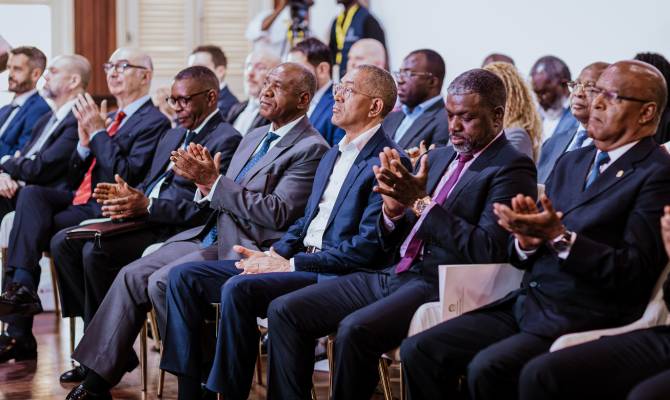
The exhibition was inaugurated by a highly institutional event attended by the Italian Ambassador to Angola, Marco Ricci; the Minister of Mineral Resources, Petroleum and Gas, Diamantino Azevedo; the Secretary of State for Health, Carlos Alberto Pinto de Sousa; and the Secretary of State for the Environment, Yuri Valter de Sousa Santos.
It was an opportunity to discuss the programme, which aims to reduce household pollution and associated health risks, while also contributing to the reduction of biomass emissions. Today, over 80% of the population of Sub-Saharan Africa lacks access to safe and efficient cooking systems. According to the World Health Organization, household air pollution causes around 3.2 million premature deaths every year, particularly among women and children, while the International Energy Agency estimates that collecting biomass for cooking contributes to the loss of 1.3 million hectares of forest annually.

“This initiative aligns perfectly with the national strategic plan and supports our long-term strategy to ensure the well-being of the population, combat poverty and guarantee the human right to food and access to sufficient, healthy and nutritious food,” said the Secretary of State for Health, Carlos Alberto Pinto de Sousa.

As Doctors with Africa CUAMM, we are working on the front lines in the northern province of Uige. At the centre of our efforts are nutrition, hygiene and health, along with an innovative and effective approach: Social and Behavioural Change.

“People want to learn, exchange ideas and be heard. Community activities often last up to three hours, and people stay with us, actively participating. Their involvement reminds us every day why this intervention matters. What we offer is not just awareness-raising activities, but spaces for dialogue where we debunk myths, cultural beliefs and long-established perceptions,” said Nurcia Chiwisa – CUAMM Project Manager and nutritionist.
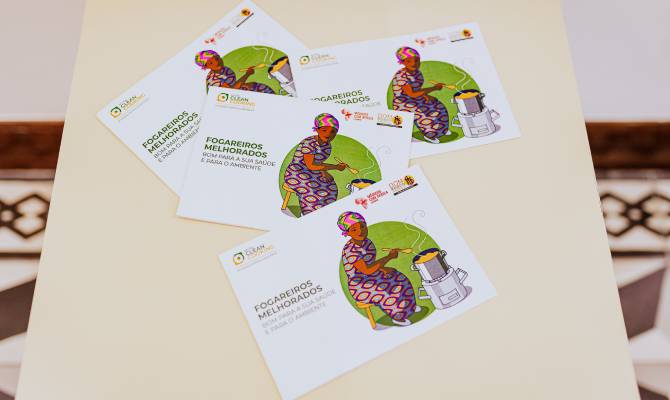
Through awareness campaigns on food and basic hygiene, the initiative makes it possible to work on nutrition and on preventing health risks linked to inefficient combustion, thus promoting the well-being of families, especially the most vulnerable. As part of the Eni for Clean Cooking programme, implemented in Uige province in collaboration with the Salesianos de Dom Bosco, we have already reached more than 236,000 people through the distribution of over 47,000 improved cookstoves.

“As Doctors with Africa CUAMM, we are very pleased to be part of this large programme, Eni for Clean Cooking. Ten years after our last activities in Uíge province, we have returned with an innovative project in which health — the core of our mission — intersects with fundamental themes such as women’s empowerment, environmental protection and access to energy. It is a truly integrated approach, fully reflecting the CUAMM style and our way of working: close to communities, alongside health authorities and committed to sustainable solutions that can drive development,” said Joaquim Tomas – CUAMM Country Representative in Angola.


Cholera outbreak in Angola CUAMM emergency response

Following the first cholera cases recorded early this year, on January 7th the Angolan Ministry of Health officially declared a cholera outbreak. The Country is currently facing one of the most serious cholera outbreaks in decades. As of May 21, more than 21,000 cases and almost 700 deaths have been recorded in 18 of the country’s 21 provinces (WHO, May 2025) being Luanda and Bengo those most severely affected.

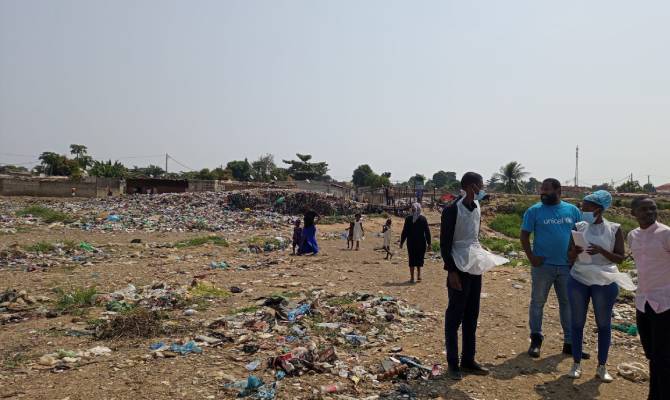
The situation is particularly serious in Luanda province, where the lack of clean water, hygiene, and basic sanitation has accelerated the spread of the disease. Entire families are at risk, with no access to adequate means to treat water—and many without even understanding the risks and origin of the disease. The most affected age group is children between 2 and 5 years old, followed by the 10 to 14 age group.

In response to this public health threat, Doctors with Africa CUAMM in collaboration with UNICEF is delivering a emergency response to contain the outbreak and reduce transmission within communities, especially among vulnerable populations. The intervention, financed by the European Union aims to support the Ministry of Health in ending cholera epidemic thus contributing to reduce the case fatality rate.

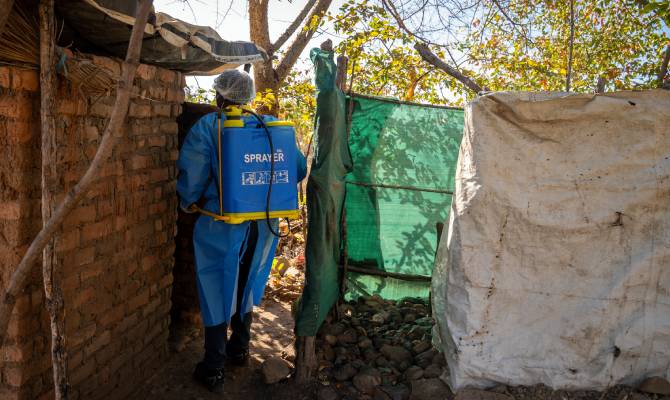
“For the first time in the country, we are implementing the rapid response methodology known as CATI (Case Area Targeted Intervention), which involves the deployment of a mobile team to carry out disinfection, water chlorination, residual chlorine testing in drinking water, and health education, while establishing a sanitary cordon around the household of the confirmed case. This is complemented by a large-scale outreach effort aimed at raising awareness and reducing risk factors in the city’s bairros, while trained teams conduct disinfection activities and disseminate chlorine in public water sources.” said Edoardo Occa, CUAMM anthropologist and community health expert

As part of the CATI strategy, CUAMM is committed to delivering WASH and Infection Prevention and Control (IPC) activities and Risk Communication and Community Engagement (RCCE) intervention in 12 municipalities in Luanda province over the next three-months. A grassroot intervention that by combining community-based and IPC activities enhances the effectiveness of the response. While IPC focuses on reducing transmission in healthcare settings and at the household level, community interventions extend this impact across the broader population through awareness, behavior change, and local engagement. This integrated approach ensures faster case detection, wider adoption of safe practices, and addresses the environmental and social factors that drive transmission. Crucially, it also fosters trust and community ownership, which are essential for both immediate outbreak control and longer-term resilience against future epidemics.

WASH and Infection Prevention and Control (IPC)

Improving access to safe water is crucial in cholera outbreak control. A bucket chlorination strategy is being rolled out to cover hundreds of community water points —including private water tanks, water transporters (tricycles), community wells, and public fountains. Owners and operators of these points, selected by the communities, are being trained by CUAMM in proper chlorination techniques and mobilized to sustain treatment practices during and beyond the outbreak.

In addition to this, CUAMM is ensuring a proper organisation and distribution plan of the chlorination kits and providing logistical and technical support to municipal surveillance teams by ensuring they have vehicles and proper equipment to conduct the targeted household interventions package within a maximum of 48 h—including active search of cases, household disinfection, and RCCE in cases households and immediate neighbors. Visits to family are moreover an additional opportunity for the teams to identify water sources used by the cases households and the water sources most used by the neighbors of the cases houses and train the owners or managers of these water points to do bucket chlorination.

As part of the emergency response, CUAMM in collaboration with UNICEF has also invested in prevention, community mobilization, and volunteer training to ensure that information and solutions reach those who need them most. In times of health emergency, information is one of the most powerful weapons. Through awareness campaigns, CUAMM and UNICEF are working closely with community leaders, teachers, and health agents to ensure that messages on prevention, control and treatment reach everyone.

Risk Communication and Community Engagement (RCCE)

Community mobilization is being done through trained mobilizers from targeted municipalities supported by a CUAMM team leader. They are in charge of leading interactive dialogues with affected populations at specific and selected central and public gathering sites. These mobilizers are trained to demonstrate water treatment methods and the preparation of standard rehydration solutions (SRO) at Oral Rehydration Points (ORPs), and within communities.

Community engagement is paramount not only to deliver effective response but also to promote ownership within communities. Through continuous education and awareness work, they have promoted changes in hygiene habits and water treatment practices. Moreover, by involving the residents themselves in the process, they have strengthened the sense of responsibility and encouraged the population to tackle this public health issue more effectively.